Can Jonathan Anderson Make Dior Feel Again?
In a flourish of symbolism and certainty, the Northern Irish designer steps into Dior Men, carrying with him a decade’s worth of radical tenderness and sartorial intellect




The making of a modern auteur
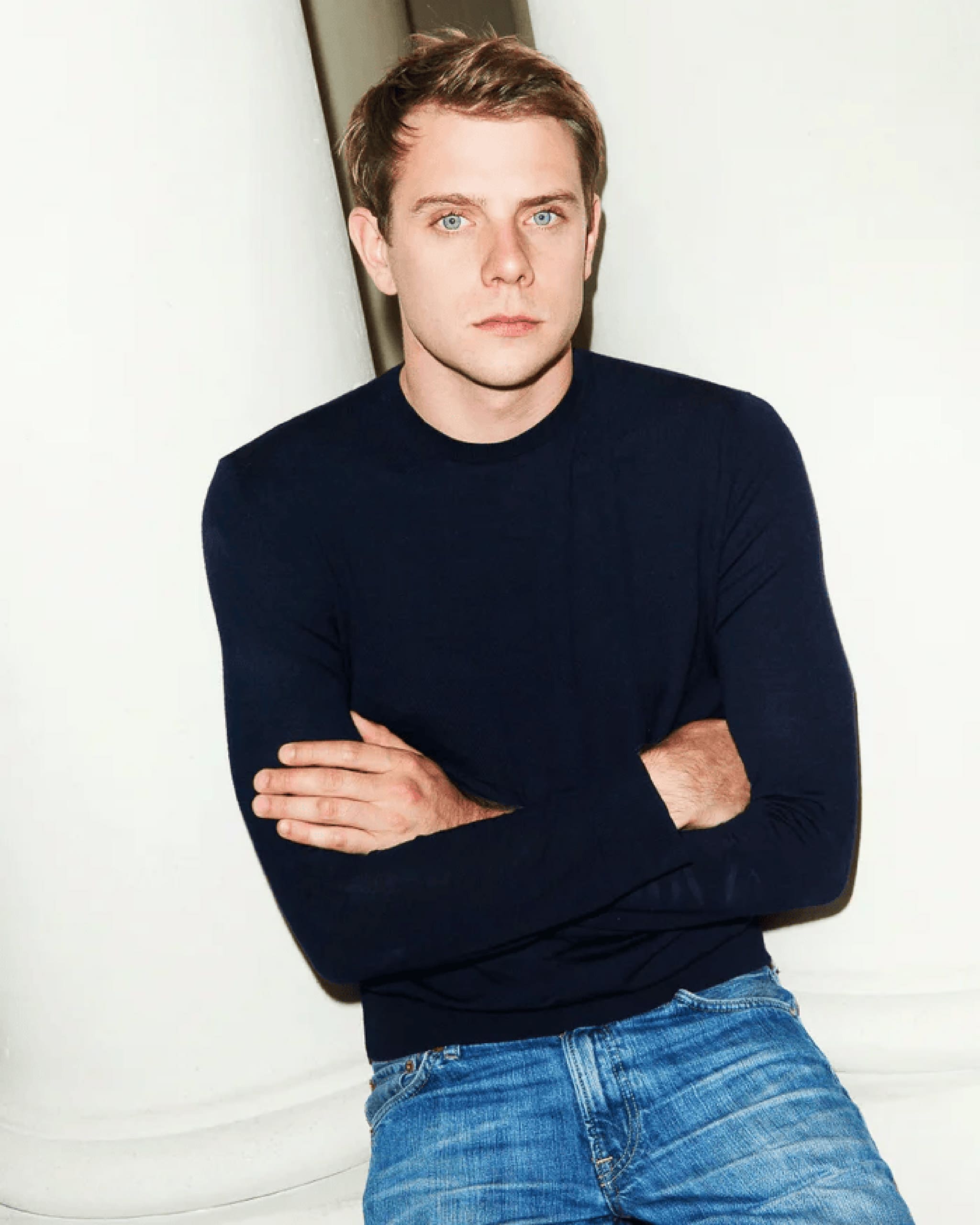
In the ballroom glow of the LVMH annual shareholders meeting, amid the polished rituals of empire and luxury, Bernard Arnault delivered a long-suspected truth: Jonathan Anderson is Dior Men’s new creative director. The announcement, as subtle and potent as the designer’s own visual language, marked a significant changing of the guard—Jonathan replacing Kim Jones, who stepped down in January.
The news came not only from Bernard’s polished stage but was echoed later in the day on Jonathan’s own Instagram—a close-up of a Dior shirt label captioned with a four-leaf clover. A wry nod, perhaps, to the designer’s Northern Irish roots and the careful choreography of luck and labor that has carried him from the quiet halls of the London College of FashionFashionThe art and industry of designing, producing, and styling clothing, footwear, accessories, and beauty trends. It reflects cultural influences, personal expression, and evolving styles across seasons and markets.Go to Fashion Glossary to the apex of one of the most storied maisons in Paris.
ALSO READ: Loewe Without Jonathan Anderson? Let’s Look Back at His Most Unforgettable Collections
In many ways, this appointment feels both inevitable and electric. Jonathan has, for over a decade, cultivated a singular voice in fashion—one that whispers instead of shouts, that reshapes the familiar into the fantastical. His tenure at Loewe, which he joined in 2013, was nothing short of transformative. Under his direction, the Spanish house mutated into something surreal and serious all at once, where craft met provocation and heritage was not so much preserved as reinterpreted.
His departure from Loewe, announced quietly in recent weeks, signaled a restlessness. And then the rumors began—those whispers passed around the fashionFashionThe art and industry of designing, producing, and styling clothing, footwear, accessories, and beauty trends. It reflects cultural influences, personal expression, and evolving styles across seasons and markets.Go to Fashion Glossary week rows, murmurs of a major move amid the current industry reshuffling. So when confirmation finally came this morning, it felt less like surprise and more like resolution.
A career of beautiful detours
Jonathan’s journey, in hindsight, has the curved symmetry of a well-cut jacket. He began, famously, as a visual merchandiser for Prada, working under the late Manuela Pavesi, before launching JW Anderson in 2008—a brand that began as an experiment in menswear and quickly became a cornerstone of London’s new vanguard. Alongside designers like Craig Green and Grace Wales Bonner, he helped define what British menswear could be: intellectual, intimate, and radical.
There were flirtations with the mainstream—his collaborations with Topshop, a brief stint with Versus under Donatella Versace—but his vision always returned to the idea of clothing as narrative, as provocation. In 2013, when LVMH took a minority stake in JW Anderson, and simultaneously installed him at Loewe, it marked the beginning of a new era: one in which Jonathan’s idiosyncrasies were not only tolerated by luxury conglomerates, but championed.
And now, Dior. The house that birthed the New Look, that sculpted fashionFashionThe art and industry of designing, producing, and styling clothing, footwear, accessories, and beauty trends. It reflects cultural influences, personal expression, and evolving styles across seasons and markets.Go to Fashion Glossary into silhouette and silhouette into symbol, will soon welcome his first menswear collection in June, during Paris Fashion Week. One can only imagine the possibilities: how his lo-fi surrealism might converse with Dior’s refined codes; how masculine tailoring, so often rigid and reverent, might be re-spun into something more poetic, more vulnerable.
In a time when fashionFashionThe art and industry of designing, producing, and styling clothing, footwear, accessories, and beauty trends. It reflects cultural influences, personal expression, and evolving styles across seasons and markets.Go to Fashion Glossary often rushes forward with little time for reflection, Jonathan’s arrival at Dior feels like a moment to pause—to consider what fashion can be when handed back to someone who still believes in the beauty of an idea. It’s not just about who dresses whom, or which collection sells best. It’s about imagination. And him, more than anyone, has reminded us that imagination is not a luxury—it’s the point.
Paris, prepare for a new kind of elegance.
Photos courtesy via Instagram
Recommended Video