Noah Webber on Identity, Style, and Finding His People in New York
The Vietnamese-Scottish-Irish model talks about finding his people in New York and dressing like himself while he’s at it




- Noah Webber’s Vietnamese, Scottish, and Irish heritage has shaped how he sees identity and opportunity while building a modeling career in New York.
- Living in New York has made him more independent in his style and more appreciative of home, with one lesson above all: there is room for everyone in the city.
A New York education
Noah Webber came to New York for modeling, not an anthropology lesson. But the city has a funny way of teaching you things anyway.
Vietnamese, Scottish, and Irish by heritage, the model arrived with no grand theory about what his mixed identity might mean in Manhattan. Before moving there, he says, New York was little more than a tourist destination in his mind. Then he started living in it, and the postcard gave way to the real thing: a vast, chaotic, endlessly varied city where there seems to be room for almost everyone.
“It did not,” Noah says when asked whether growing up biracial shaped his perspective on New York culture. Instead, living there taught him about “the incredible variety and opportunity that comes with living there.”
For a model, this is useful knowledge. New York can be exhilarating, but it is also a city of castings and callbacks, where a closed door can arrive before you’ve even finished your coffee. He’s learned not to take every no personally.
“I learned to have a much more open mind about all things, and learned rejection is not always about me. You can never linger on what could have been, when you do not know the other side of the story.”
Finding his people
Noah’s sense of belonging in New York has not necessarily come from finding places that neatly mirror his heritage. Instead, he followed his interests.
Chinatown became one of his regular haunts, as did the city’s rock-climbing community. Spend enough time somewhere, meet enough people, and eventually the intimidating metropolis starts to feel a little less metropolitan.
“I was drawn to them and was around them enough to feel like I had made my way in.”
His Vietnamese heritage has also become an unexpected point of connection in his modeling career. At castings and shoots, Noah says that revealing he is Vietnamese has often been met with a smile. It is a small exchange, but one that can turn a professional encounter into something warmer, if only for a moment.
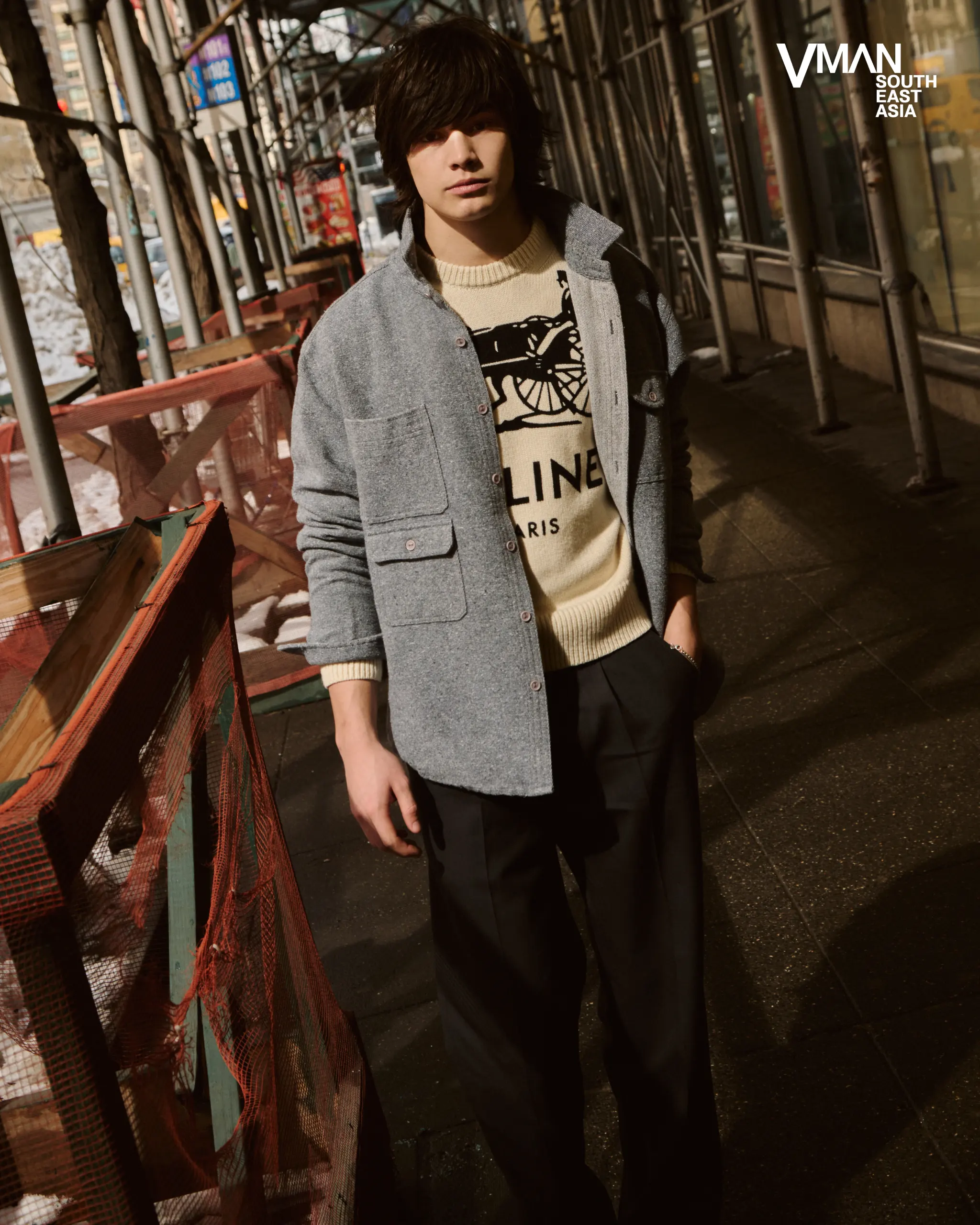
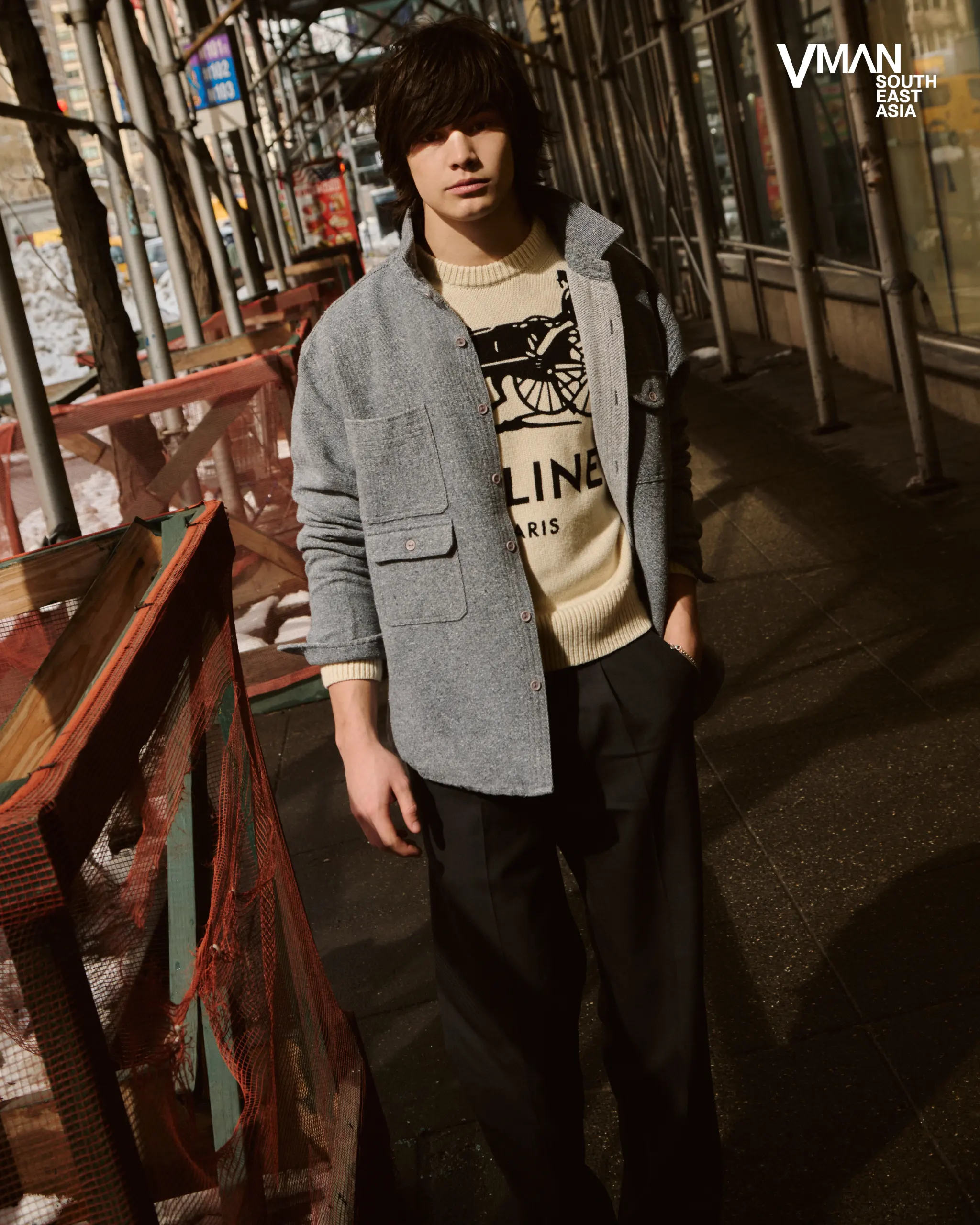
There was an even stronger sense of recognition during his VMAN SEA shoot, where he found himself surrounded by other models with Southeast Asian heritage.
“With the other models I felt the invisible strings connecting us, pulling us together because of our heritages. I felt seen and connected.”
For someone living in one of the world’s most famously multicultural cities, it was perhaps an unexpectedly intimate reminder that sometimes you need to be far from home to notice what home means.
Missing home
New York, Noah says, has neither celebrated nor challenged his mixed heritage. Rather, he feels the city largely treats people as equals. He was never made to feel lesser because of where his family comes from, but he also did not encounter the kind of Vietnamese cultural presence he knew growing up.
“There was no ‘Little Vietnam’ with cultural celebrations,” he says, “that I knew of.”
Living in New York has made him “miss and yearn for the Vietnamese fulfillment” he experienced at home. It is one of the less obvious effects of moving away: distance can make familiar things suddenly feel precious.
His identity, meanwhile, travels with him, woven naturally into the way he moves through the world. In modeling, it can open conversations. In the city, it becomes another part of the enormous mix. In fashionFashionThe art and industry of designing, producing, and styling clothing, footwear, accessories, and beauty trends. It reflects cultural influences, personal expression, and evolving styles across seasons and markets.Go to Fashion Glossary, he keeps things simpler.
Dressing like himself
The Big Apple is hardly short on people trying to look individual. There are entire industries dedicated to it. Noah’s approach is refreshingly less complicated: dress like yourself and leave everyone else to their own business.
“I did what was true to me and did not let others influence me. I found that being myself through my style was the best thing to make the statement of who I am.”
It sounds straightforward because it is. There’s no elaborate philosophy behind the clothes, no desperate attempt to look like he has just emerged from the right side of a Soho mood board. His style is ultimately another way of staying recognizable to himself in a city that can make reinvention feel like a full-time job.
This may be the most useful lesson New York has given him. Noah arrived knowing the city was big. He has since discovered that its real scale comes alive in the people who fill those buildings and the lives unfolding inside them.
For other biracial creatives considering the move, his advice is simple: don’t be intimidated by the size of it.
“The vastness of the city” means there is a place for everyone to feel at home, he says. “Everyone is trying their best together.” Which, in New York, is about as close to a welcome mat as you are going to get.
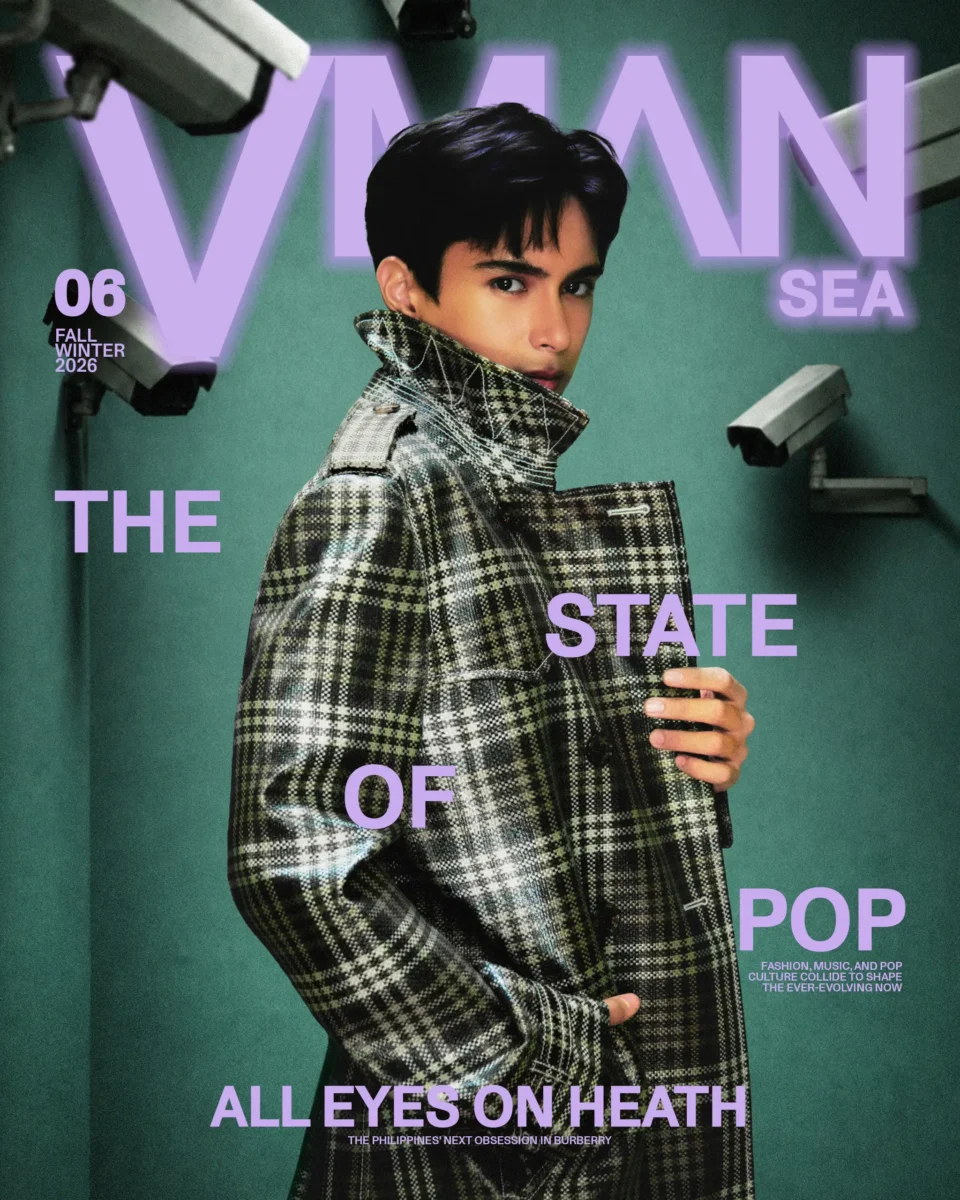
As seen in the pages of VMAN SEA 06: now available for purchase!
Photography Andrew Perkins
FashionFashionThe art and industry of designing, producing, and styling clothing, footwear, accessories, and beauty trends. It reflects cultural influences, personal expression, and evolving styles across seasons and markets.Go to Fashion Glossary Victor Lopez
Creative direction and production Lorenz Namalata of Fatbrain Collective
Editor Dayne Aduna
Hair Mitsuru Aota
Grooming Seiya Iibuchi, using MAC Cosmetics
Fashion assistant Justin Guevarra
Production assistant Jen Kang
Model Nelson Mieles
Recommended Video