Michael Philippi Knows Where New York Comes Out to Play
The Filipino-German nightlife host knows his way around New York, finding a little bit of home wherever the night takes him




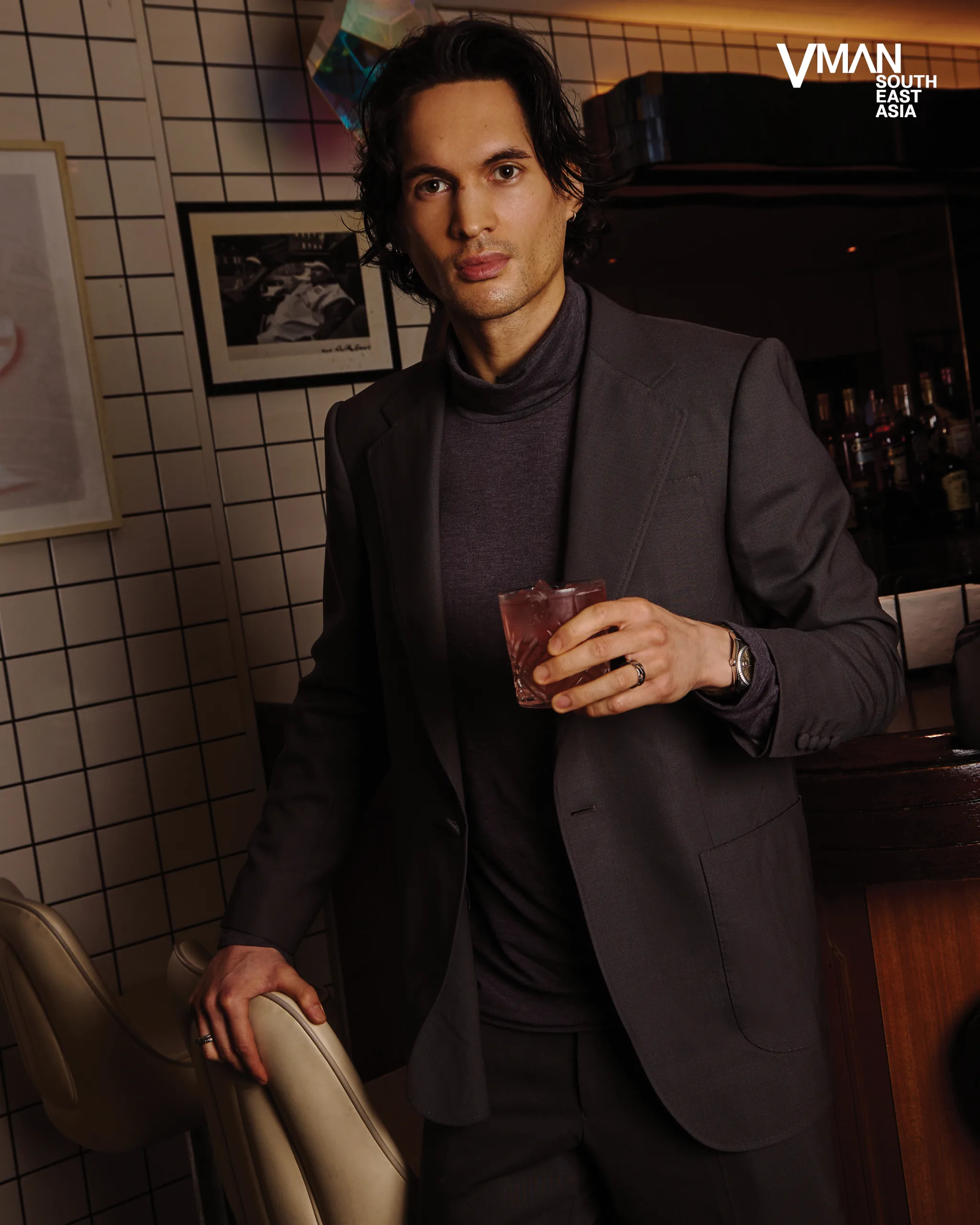
- Michael Philippi’s Filipino-German heritage shapes his life in New York, giving him multiple cultural entry points in the city’s hospitality and nightlife scene.
- New York has made his biracial identity feel more at home, from Filipino communities in Queens to German bars that come alive during World Cup season.
Making a night of his two worlds
New York nightlife is a competitive sport. Michael Philippi, a Filipino-German hospitality host who spends his nights moving between the city’s venues, knows this better than most.
For him, getting around New York means knowing where the good drinks are, but also where he might unexpectedly find a piece of home.
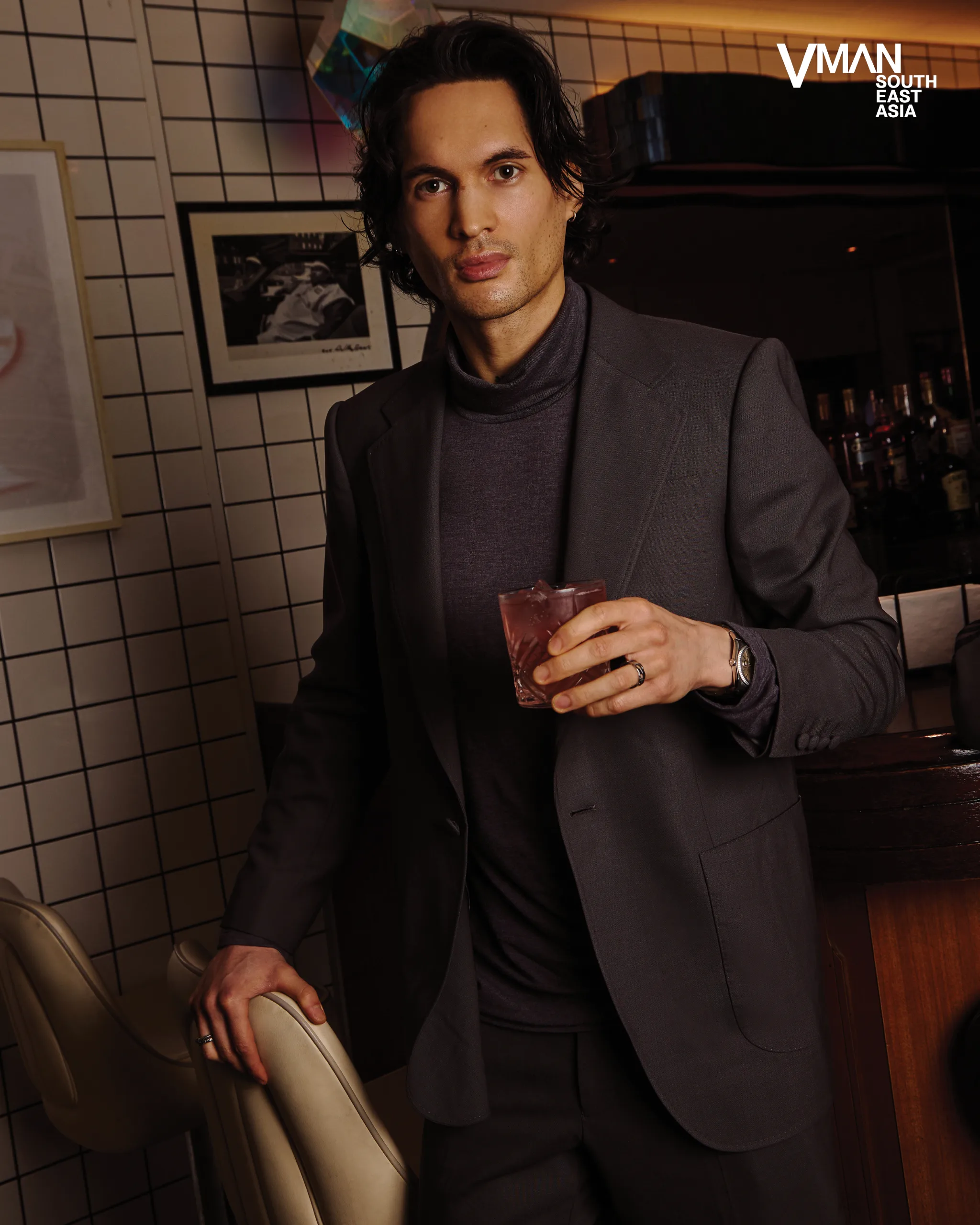
Working in hospitality means Michael is constantly checking out new bars and restaurants. Every now and then, he finds a German or Filipino spot and gets that small, satisfying jolt of familiarity. In a city where almost everyone is from somewhere else, finding your own people can feel like discovering a secret room.
“Having two different backgrounds comes in handy when networking because you have more chances of finding commonalities with others,” he says. It’s a useful social trick: twice the heritage, twice the potential conversation starters.
A little Filipino, a little German, very New York
Michael says New York has made him feel more comfortable with his mixed background than anywhere else. The city’s multicultural character means he rarely feels like an outlier. If anything, being biracial is simply another fact in a city full of people with complicated answers to the question, “Where are you from?”
There’s a Filipino community in Queens, he notes, while Germans are more dispersed across the city. The German connection tends to become particularly visible during World Cup season, when he heads to German bars and restaurants alongside other members of the diaspora.
The appeal isn’t particularly complicated. There is football, beer, familiar food, and the sudden feeling that everyone in the room knows exactly what everyone else is talking about. “There is always a kind of camaraderie and familiarity in the air,” he says.
New York, naturally, has found a way to turn homesickness into a night out.
Dressing between two worlds
Being mixed wasn’t always quite so easy. Michael grew up feeling that he couldn’t completely identify with either culture, a familiar complication for anyone whose background refuses to fit neatly into one box.
There was little representation to help him make sense of it, either. “There were no movie stars or artists of the same mix that I could look up to,” he says. So he had to figure out his own version of it.
Michael carries that independence into his style. He says growing up mixed taught him to find his own way, and the way he dresses mirrors it. There’s no prescribed Filipino-German uniform, thankfully, leaving him free to make his own rules.
Heritage with a twist
He also brings his background into his work, incorporating German and Filipino details into food and cocktail menus. The references are often subtle, tucked into a dish or drink for those who know where to look.
Michael’s two backgrounds give him a wider vocabulary to work with, and he draws from either one whenever the moment calls for it. And New York gives him plenty of moments.
For other biracial creatives considering the city, his advice is straightforward: look to both sides of your heritage for inspiration and let it inform your creative work. Just as importantly, use that background when meeting people.
For Michael, it’s part of the reason New York works so well. He doesn’t have to decide which side belongs in the room. After dark, there is usually space for both.
As seen in the pages of VMAN SEA 06: now available for purchase!
Photography Andrew Perkins
FashionFashionThe art and industry of designing, producing, and styling clothing, footwear, accessories, and beauty trends. It reflects cultural influences, personal expression, and evolving styles across seasons and markets.Go to Fashion Glossary Victor Lopez
Creative direction and production Lorenz Namalata of Fatbrain Collective
Editor Dayne Aduna
Hair Mitsuru Aota
GroomingGroomingThe care and maintenance of hair, skin, beard, and nails, including cleansing, shaving, styling, and scent. Once niche, men's grooming has grown into a major lifestyle category, and VMAN's VanityGo to Grooming Glossary Seiya Iibuchi, using MAC Cosmetics
Fashion assistant Justin Guevarra
Production assistant Jen Kang
Model Michael Philippi
Frequently Asked Questions
Michael Philippi is a Filipino-German nightlife and hospitality host based in New York City. He explores the city’s bars and restaurants while drawing on both sides of his heritage.
His mixed heritage gives him more cultural connections and common ground when meeting people in New York. He also seeks out Filipino and German restaurants and bars to stay connected to his roots.
Yes, Michael points to a Filipino community in Queens. He also finds Filipino cultural connections through the city’s restaurants and social spaces.
Michael incorporates Filipino and German references into his work, including food and cocktail menus. His mixed background also influences his personal style and self-expression.
Michael says New York has made him feel more accepted because of its multicultural population. He encourages other biracial creatives to draw inspiration from both sides of their heritage and use their background to build connections.
Recommended Video