Kim Ji Soo Is Finding Home Between Two Countries
The Korean star traversing borders




New horizons
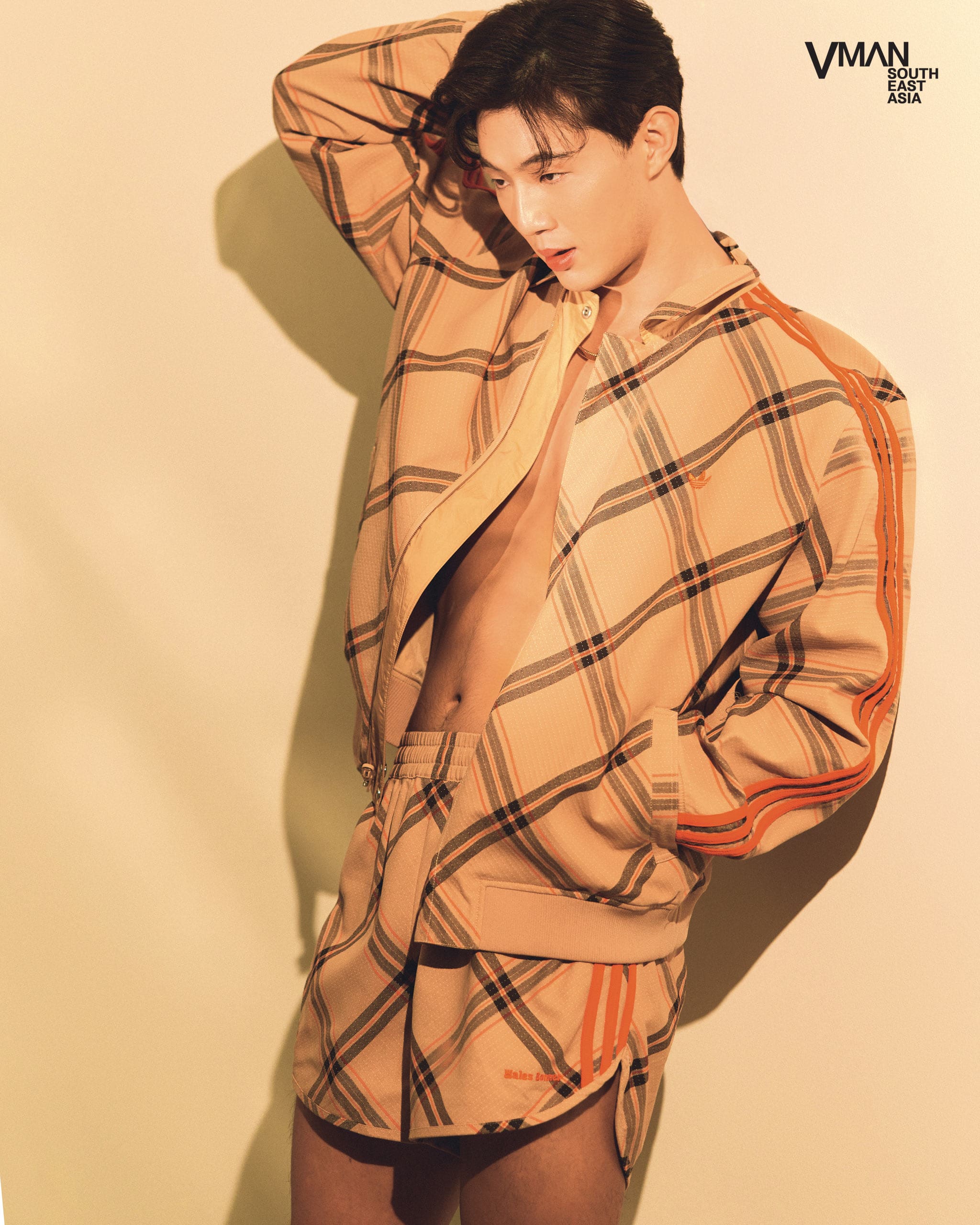
Kim Ji Soo’s journey in the Philippines began with an action drama which marked his comeback to the screen.
The transition from Korean to Filipino entertainment hasn’t been without its challenges, particularly when it comes to language and cultural differences. However, Ji Soo sees these obstacles as opportunities for growth.
“Working in the Filipino entertainment industry has given me a fresh perspective as an actor,” he says. “The energy here is different—Filipinos are very passionate, and it shows on set.”
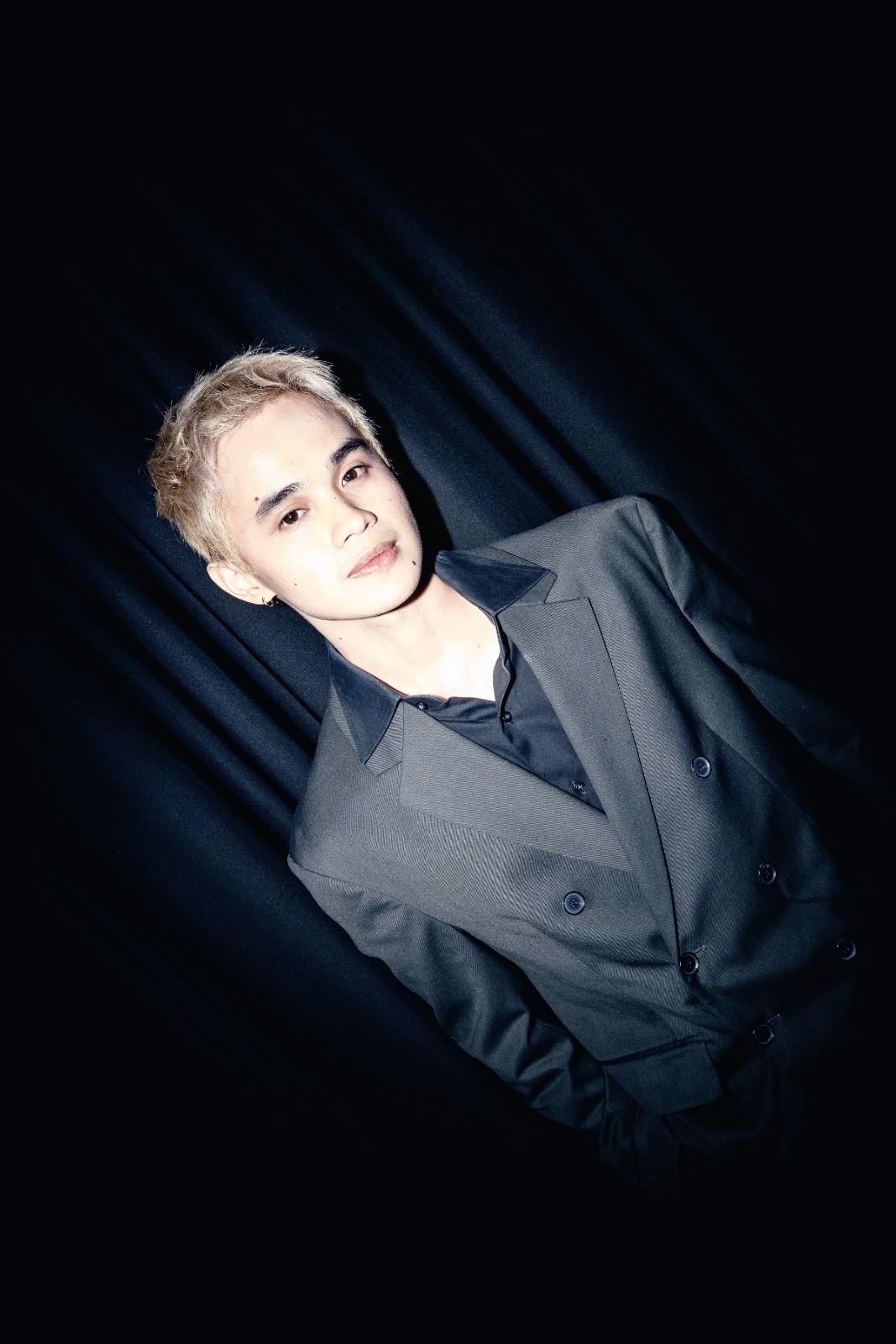
When we sat down with Ji Soo, he revealed a side of himself that stands in stark contrast to his action-packed and dramatic on-screen personas. He came across as remarkably reserved, humble, and approachable, surprising even those of us familiar with his intense roles.
His down-to-earth nature shone through as he referred to himself as an “ahjussi” (a term for a middle-aged man in Korea) when the topic of age came up. This humility extends beyond his personal demeanor and into his actions in his adopted home.
Recently, Ji Soo demonstrated his commitment to the Philippines by volunteering to help the victims of Typhoon Carina through a socio-civic organization organized by GMA Network Inc., further endearing himself to fans and locals alike.
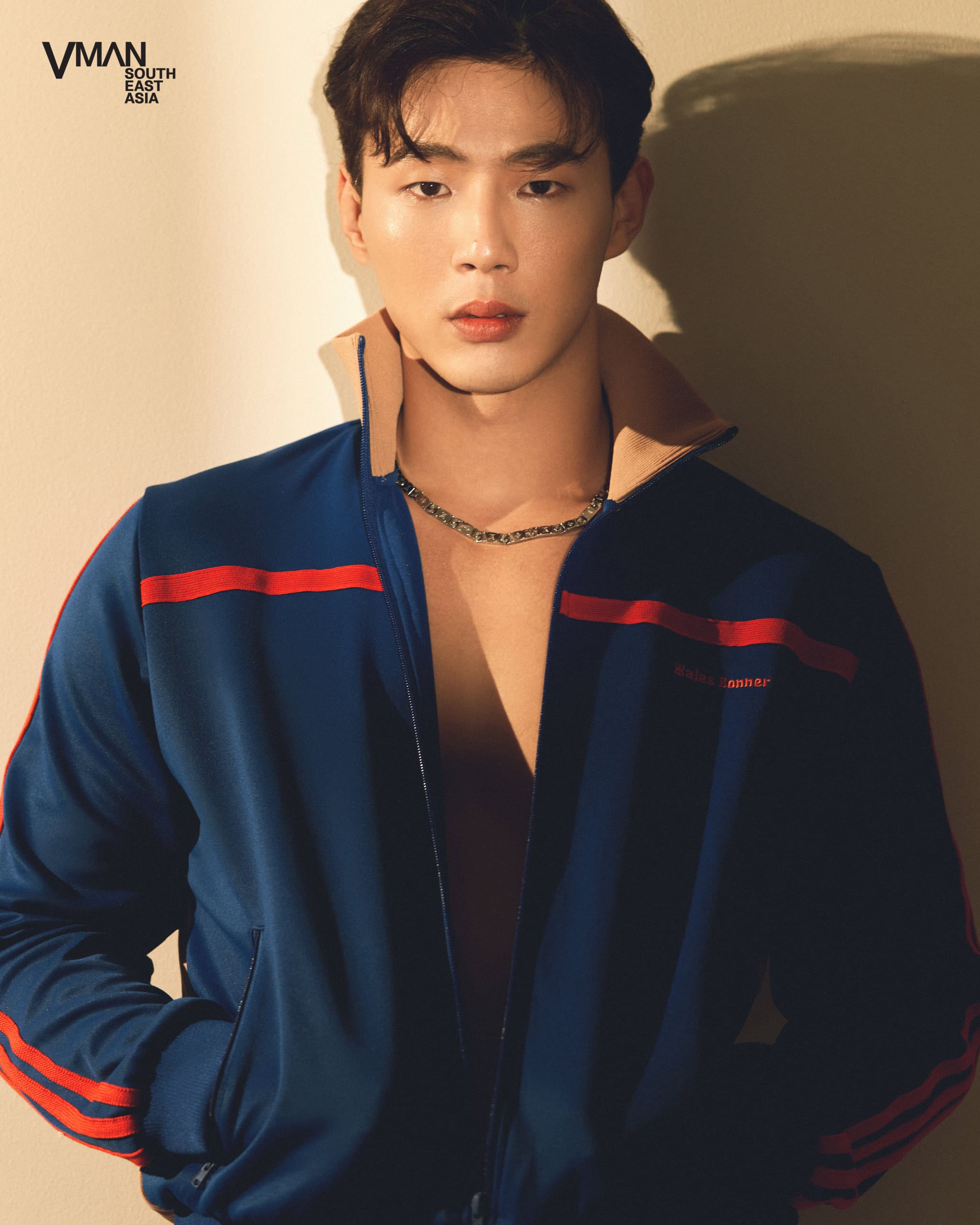
Living in the Philippines for the past year has been an adventure for the Korean actor, but he admits to missing certain aspects of his hometown.
“Whenever I’m feeling homesick, I try to find a good Korean restaurant here to bring me a little closer to home,” he confesses. The changing seasons are something he longs for; however, these moments of nostalgia only serve to deepen his appreciation for his new home.
Ji Soo has found plenty to love about life in the Philippines despite the occasional bout of homesickness. “Filipino food is something I’ve grown to appreciate—lechon is one of my favorites now,” he shares with a laugh.
Future forward
On the red carpet, he’s a vision of bold elegance. Off-camera, Ji Soo embraces a more relaxed taste. His comfortable fashionFashionThe art and industry of designing, producing, and styling clothing, footwear, accessories, and beauty trends. It reflects cultural influences, personal expression, and evolving styles across seasons and markets.Go to Fashion Glossary style was evident when he arrived at our shoot wearing a relaxed white Fendi shirt, loose blue denim, and black slip-ons.
“I love experimenting with different styles that match my mood. FashionFashionThe art and industry of designing, producing, and styling clothing, footwear, accessories, and beauty trends. It reflects cultural influences, personal expression, and evolving styles across seasons and markets.Go to Fashion Glossary is a way to express myself, so I like to keep it fresh and versatile,” he shares.
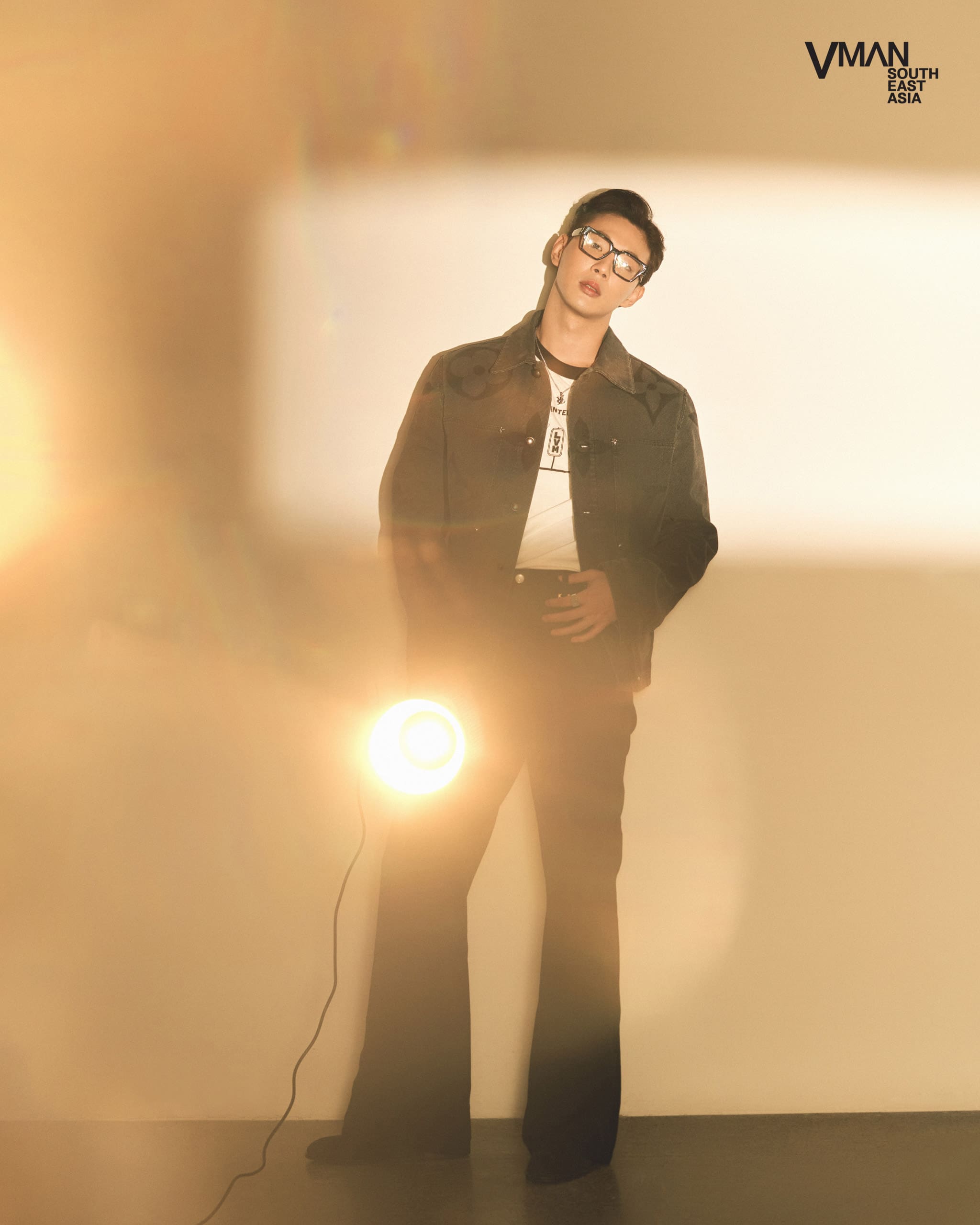
His ambitions also know no bounds. Ji Soo envisions a career that spans both the Philippines and Korea, with the possibility of expanding into other international markets.
“I’ve always believed that storytelling transcends borders,” he explains. “I’m open to exploring projects in [other Southeast Asian countries].”
As he continues to captivate audiences with his charm and talent, Ji Soo is not just crossing borders—he’s breaking down barriers and winning hearts along the way.
From Korean dramas to Filipino screens, his journey has taken an exciting turn with his recent signing with Sparkle, a local talent agency. Fans should look forward to Ji Soo’s upcoming projects as he cements his place further in the Philippine entertainment industry.
This story appears in the pages of VMAN SEA 01: now available for purchase!
Photography Jharwin Castaneda
Art direction Mike Miguel
GroomingGroomingThe care and maintenance of hair, skin, beard, and nails, including cleansing, shaving, styling, and scent. Once niche, men's grooming has grown into a major lifestyle category, and VMAN's VanityGo to Grooming Glossary Janica Cleto
Hair Bryan Eusebio
FashionFashionThe art and industry of designing, producing, and styling clothing, footwear, accessories, and beauty trends. It reflects cultural influences, personal expression, and evolving styles across seasons and markets.Go to Fashion Glossary Ryuji Shiomitsu
Fashion assistants Rigel Heron Alvarado, Nichole Anne Pura, and Corven Uy
Photography assistant Aljon Celis
Special thanks Tracy Garcia of GMA Network, Inc.
Recommended Video