Jack Wang: Singapore’s Creative Force
A veteran in the creative industry, Jack Wang fosters environments where original and cutting-edge thinking, artistry, and style can thrive




Singapore’s holistic creative force
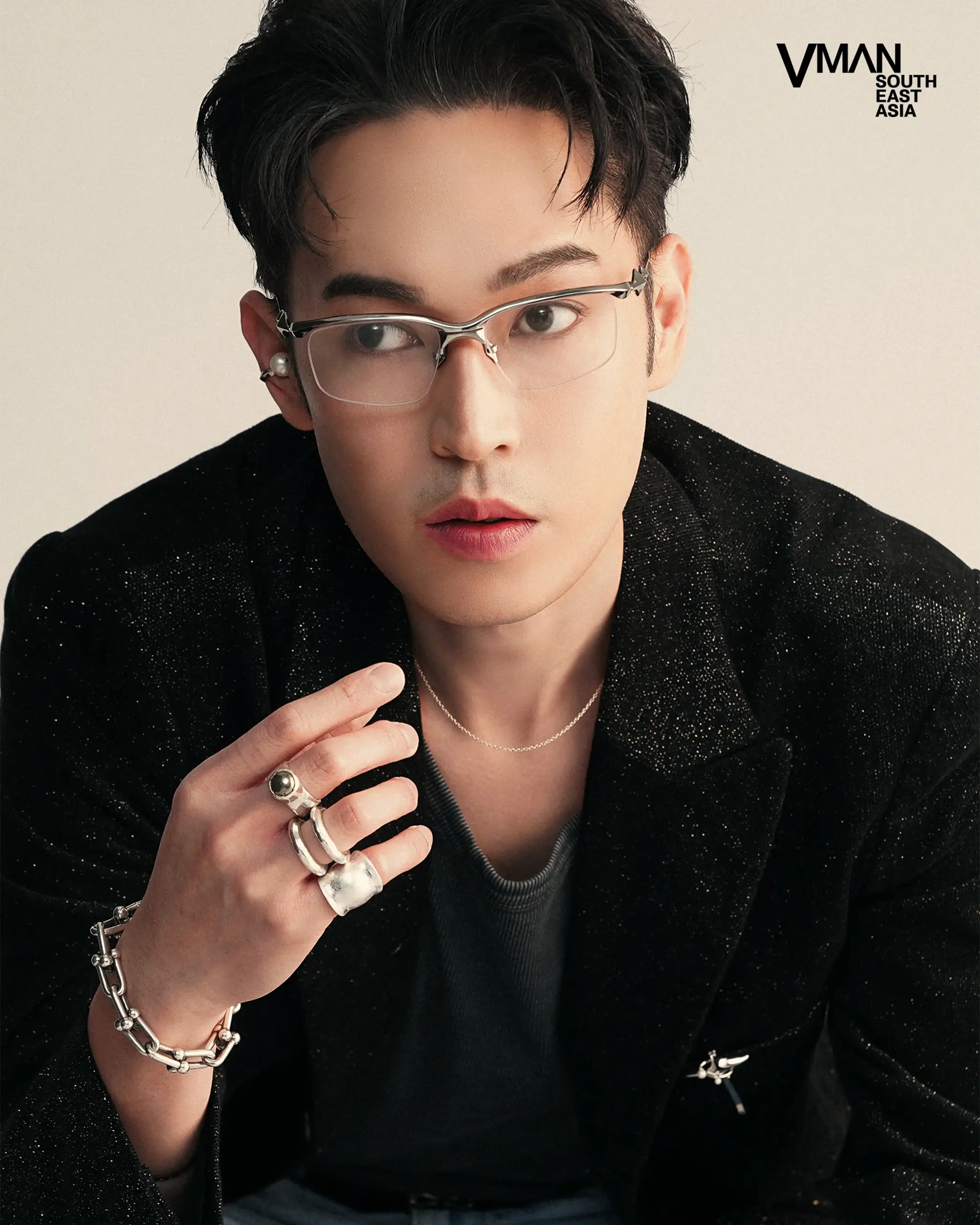
A key figure in the Singaporean fashionFashionThe art and industry of designing, producing, and styling clothing, footwear, accessories, and beauty trends. It reflects cultural influences, personal expression, and evolving styles across seasons and markets.Go to Fashion Glossary and creative scene, Jack Wang has gone through it all: a former model turned stylist and creative director, working with global luxury brands and international celebrities. This allowed him to sharpen his artistic eye and deepen his respect for craft and narrative.
“Being a creative director was pivotal: it sharpened my ability to decode not just visual aesthetics, but emotional nuance, cultural context, and the invisible energy that drives creative resonance. It also illuminated the structural gaps within legacy media systems, and made clear the kind of creative culture I no longer wanted to perpetuate. It became less about chasing trends and more about designing environments where original thinking could actually thrive,” he says.
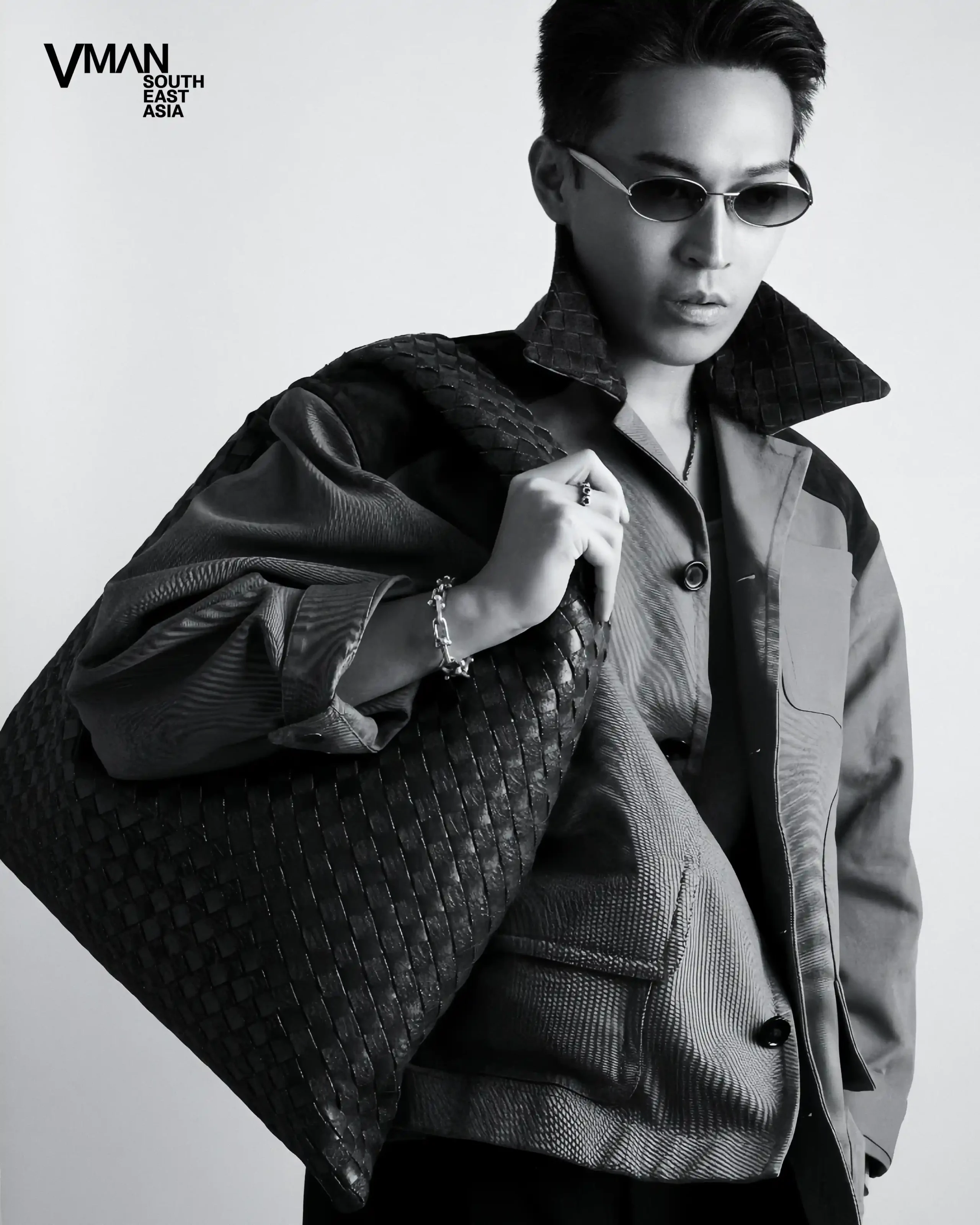
This led Jack to build his own creative experience production agency and talent management company. “It’s been a journey of self-invention—sometimes messy, often nonlinear—but always driven by instinct, curiosity, and a desire to make things better. I’ve never followed a traditional roadmap. I’ve just kept asking: what can we reimagine next?”
VMAN: Describe to us your personal style.
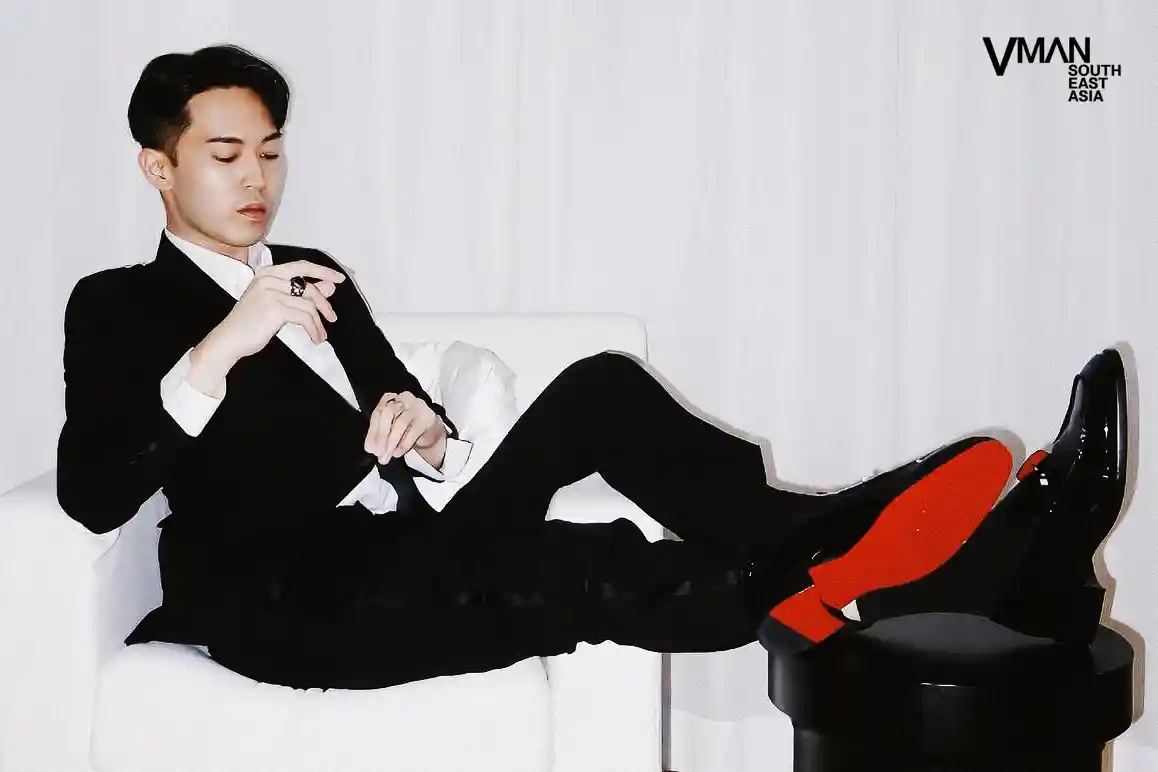
Jack Wang: My personal style has always been instinctive. I lean into mood, context, and energy rather than trends. Some days it’s sharp tailoring, other days it’s an oversized tee with vintage denim and a pair of polished shoes—there’s always a tension I enjoy balancing. I think growing up in Southeast Asia, working in fashionFashionThe art and industry of designing, producing, and styling clothing, footwear, accessories, and beauty trends. It reflects cultural influences, personal expression, and evolving styles across seasons and markets.Go to Fashion Glossary, and being exposed to both street culture and luxury shaped how I mix things. Over time, I’ve learned that style isn’t about proving anything, it’s about knowing what feels right on your body, what story you’re telling, and when to break your own rules.
VMAN: Who are your style influences?
JW: My style influences are Thom Browne, Yohji Yamamoto, and Rei Kawakubo for Comme des Garçons—each in their own way taught me that fashionFashionThe art and industry of designing, producing, and styling clothing, footwear, accessories, and beauty trends. It reflects cultural influences, personal expression, and evolving styles across seasons and markets.Go to Fashion Glossary isn’t just about dressing well, it’s about saying something without speaking. Thom Browne showed me the power of structure and subtle rebellion. Yohji taught me that elegance can be fluid, imperfect, and poetic. And Rei reminded me that fashion can challenge, disrupt, and inspire thought. Their work gave me permission to be intentional, unexpected, and unapologetically myself.
VMAN: How does a person develop or cultivate their own sense of style?
JW: It starts with observation and self-awareness. It’s less about copying trends and more about collecting—moments, textures, moods—that feel like you. Try things, make mistakes, wear the wrong shoes, then figure out what makes you feel most yourself. Dress for your energy, not your ego. Style isn’t about impressing people, it’s about communicating something real without saying a word. Tune in to what feels right on your skin, in your spirit, and in the space you’re stepping into. The rest will evolve naturally.
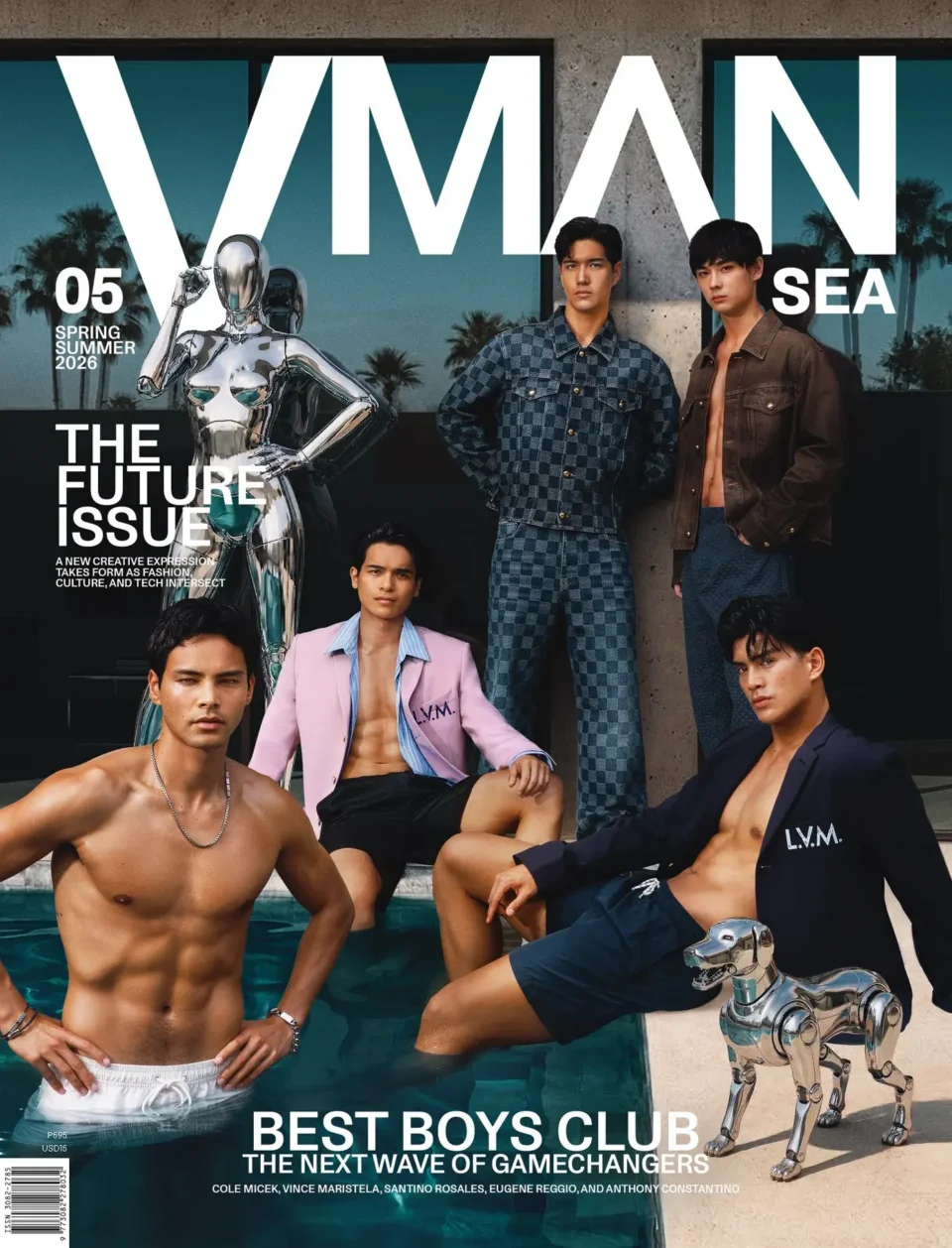
As seen in the pages of VMAN SEA 04, available in print and by e-subscription.
Frequently Asked Questions
Jack Wang is a Singaporean creative director, former model, and stylist who founded his own creative experience production agency and talent management company in Singapore. His career spans global luxury brand campaigns and international celebrity collaborations, with a practice now focused on building environments for original creative thinking.
Wang moved from modelling into styling and eventually creative direction through work with global luxury brands, a trajectory that sharpened his ability to read emotional nuance and cultural context beyond visual aesthetics. He describes the shift as one that revealed structural gaps in legacy media systems and drove him to build his own independent creative practice.
Wang describes his style as instinctive and mood-driven rather than trend-led — built from a tension between sharp tailoring and relaxed, vintage-influenced dressing. He credits growing up in Southeast Asia and his exposure to both street culture and luxury fashion with shaping how he mixes registers, always prioritising what feels right over what reads as impressive.
Wang cites Thom Browne, Yohji Yamamoto, and Rei Kawakubo for Comme des Garçons as his primary style references. He values each for a distinct quality: Browne for structure and subtle rebellion, Yamamoto for fluid and poetic elegance, and Kawakubo for fashion as a form of thought and disruption.
Wang frames style development as a process of observation and self-awareness rather than trend consumption — collecting moments, textures, and moods that feel authentic, then editing through trial and mistake. His core principle is to dress for energy rather than ego, and to treat clothing as a form of communication rather than performance.