Hilarius Jason Has an Eye for the Shot and the Outfit
He has the camera, the eye, and the wardrobe to prove that great style is as much about how you see as what you wear




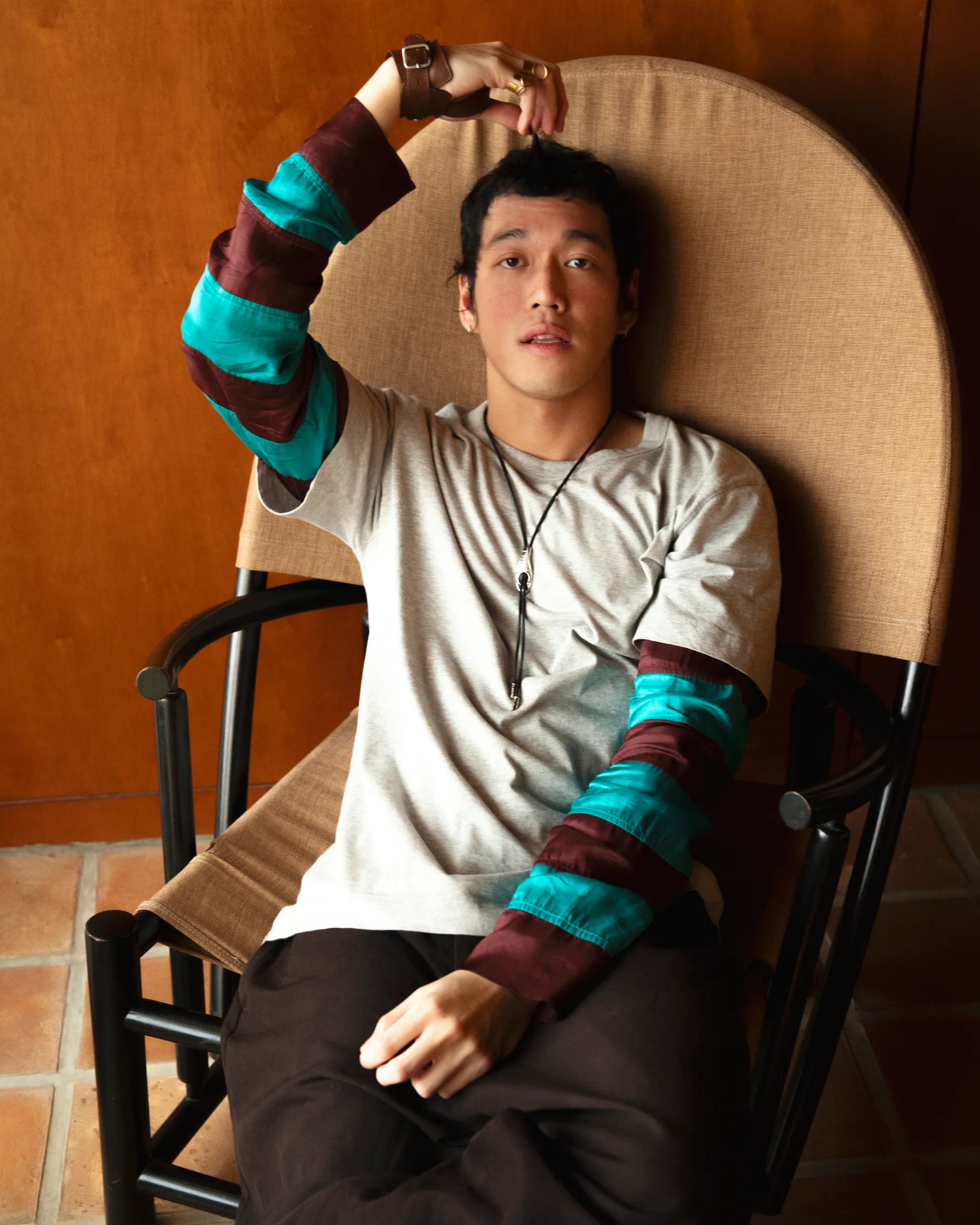
- Hilarius Jason is an Indonesian photographer whose fashion-driven work explores the relationship between people, clothes, and everyday environments.
- His Indonesian roots shape his visual language, drawing from contemporary life, pop culture, anime, video games, and the cultural mix he grew up around.
A fashion eye with a wardrobe to match
Hilarius Jason knows what makes a good picture. The Indonesian photographer has built his career around fashionFashionThe art and industry of designing, producing, and styling clothing, footwear, accessories, and beauty trends. It reflects cultural influences, personal expression, and evolving styles across seasons and markets.Go to Fashion Glossary, people, and the charged space between them, creating images that feel considered without looking overly constructed.
Off set, he brings that same eye to his wardrobe, earning a reputation as one of Southeast Asia’s best-dressed men and one of Indonesia’s most distinctive voices in contemporary fashionFashionThe art and industry of designing, producing, and styling clothing, footwear, accessories, and beauty trends. It reflects cultural influences, personal expression, and evolving styles across seasons and markets.Go to Fashion Glossary photography.
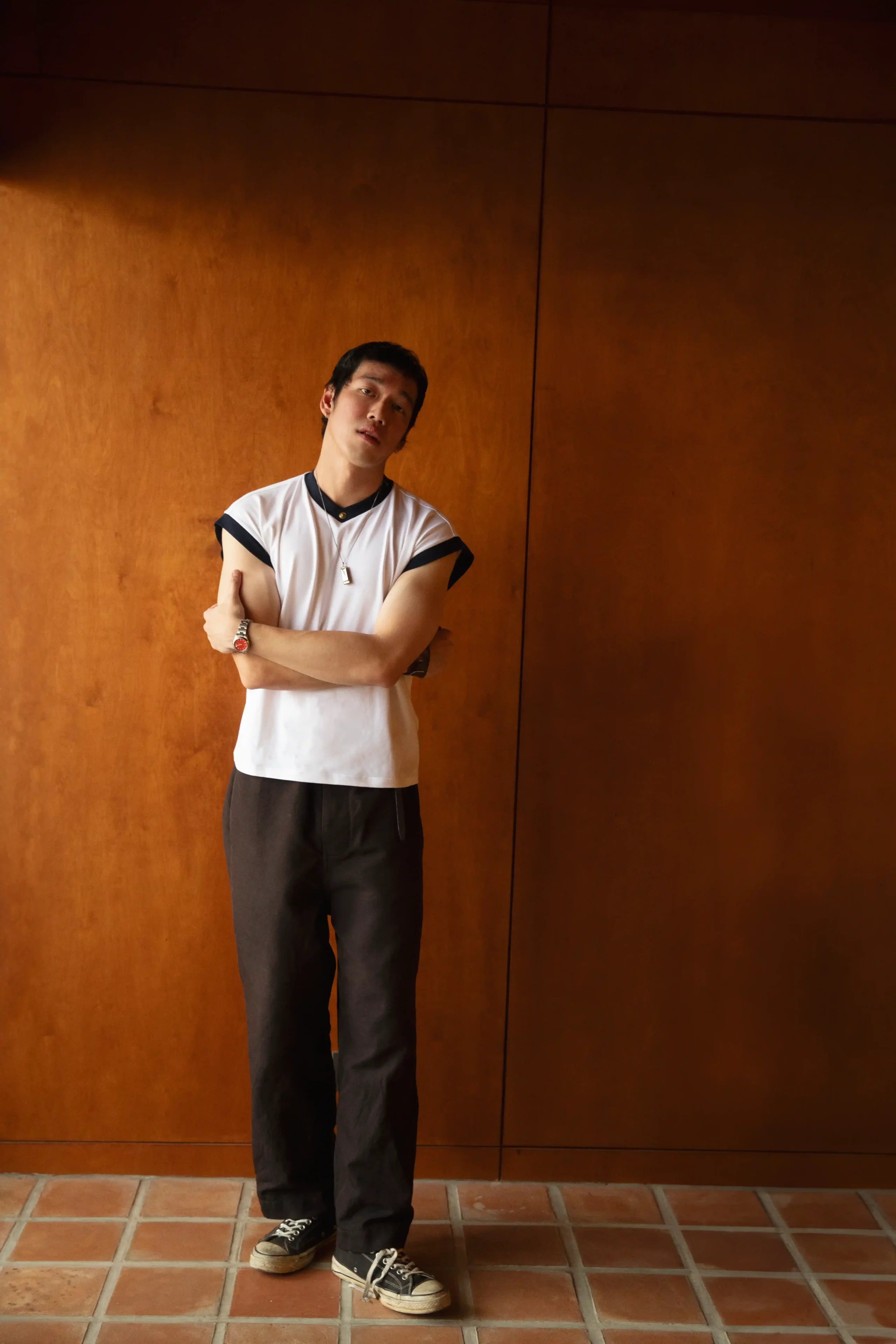
For him, the connection between photography and fashionFashionThe art and industry of designing, producing, and styling clothing, footwear, accessories, and beauty trends. It reflects cultural influences, personal expression, and evolving styles across seasons and markets.Go to Fashion Glossary was never particularly complicated. Fashion came first. “Without my interest in fashion, I probably wouldn’t have become a fashion photographer in the first place,” he says. What interests him is the interplay between people, clothes, and place, and the unexpected energy that emerges when all three meet within a frame.
Hilarius is not particularly interested in photographing places without people. Give him an ordinary setting, a strong outfit, and someone with a point of view, and suddenly there is a picture worth taking. FashionFashionThe art and industry of designing, producing, and styling clothing, footwear, accessories, and beauty trends. It reflects cultural influences, personal expression, and evolving styles across seasons and markets.Go to Fashion Glossary, he says, can transform even the most familiar environment into something memorable.
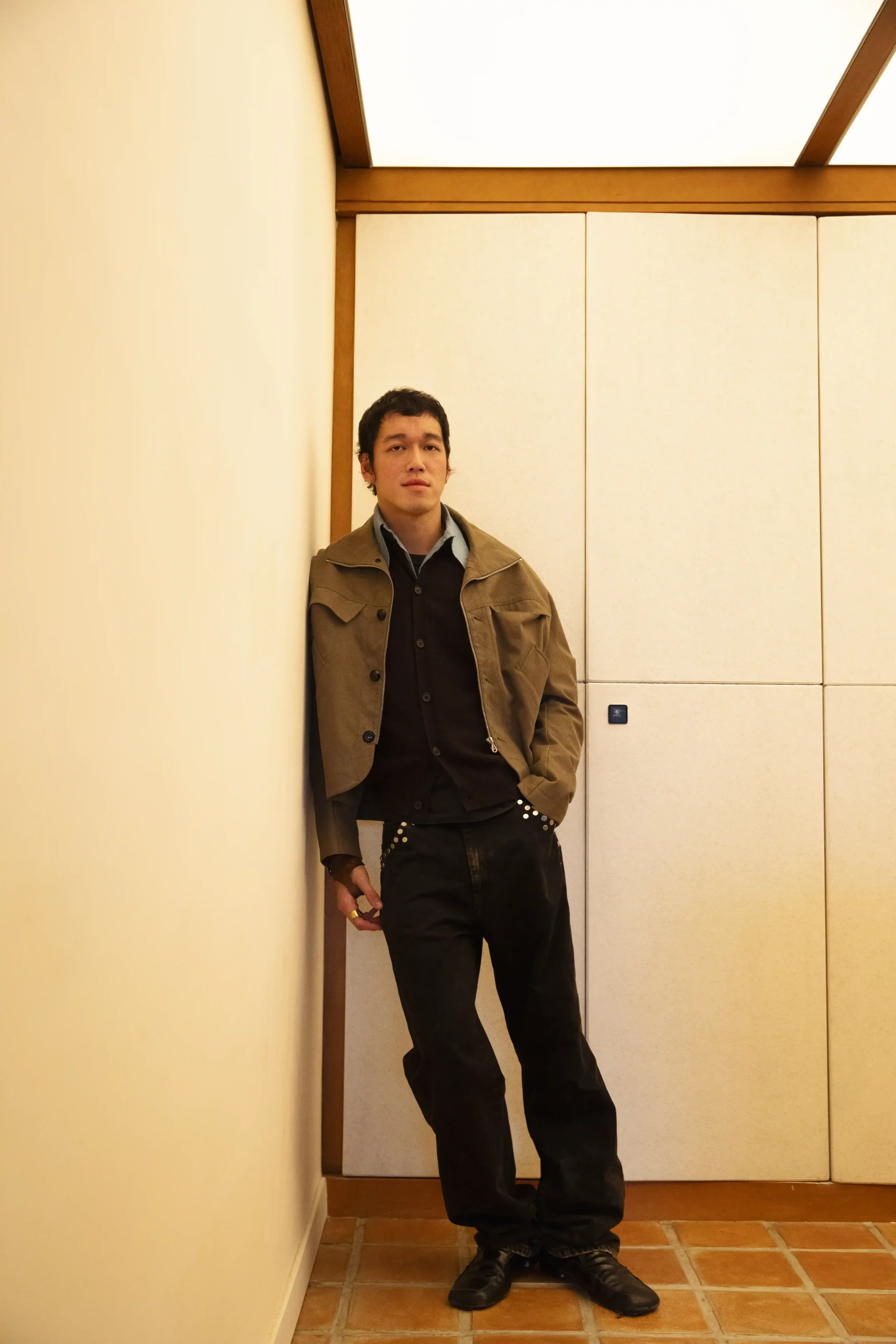
Growing up in Indonesia gave him plenty to work with. His visual education came from everywhere: neighbourhood toys, old magazines, television commercials, shopping malls, music videos, and the peculiar way Western pop culture was absorbed and reinterpreted locally. Indonesia is visually dense, and he learned early on that there is always more than one way to look at it.
His Indonesia is not the obvious one
Hilarius’ photography rarely relies on the most predictable shorthand for Indonesian identity. You are less likely to find him reaching for traditional artifacts simply to announce where an image comes from. Instead, he looks at the Indonesia people actually inhabit.
“If I want a photograph to feel Indonesian, I probably won’t rely on obvious symbols or traditional artifacts. I’d rather shoot in a rice field or on an ordinary street, places that reflect contemporary Indonesia.”
It is an approach that gives his work a sense of place without making the place itself the subject. His Indonesia can be found in everyday environments, where fashionFashionThe art and industry of designing, producing, and styling clothing, footwear, accessories, and beauty trends. It reflects cultural influences, personal expression, and evolving styles across seasons and markets.Go to Fashion Glossary is part of the landscape.
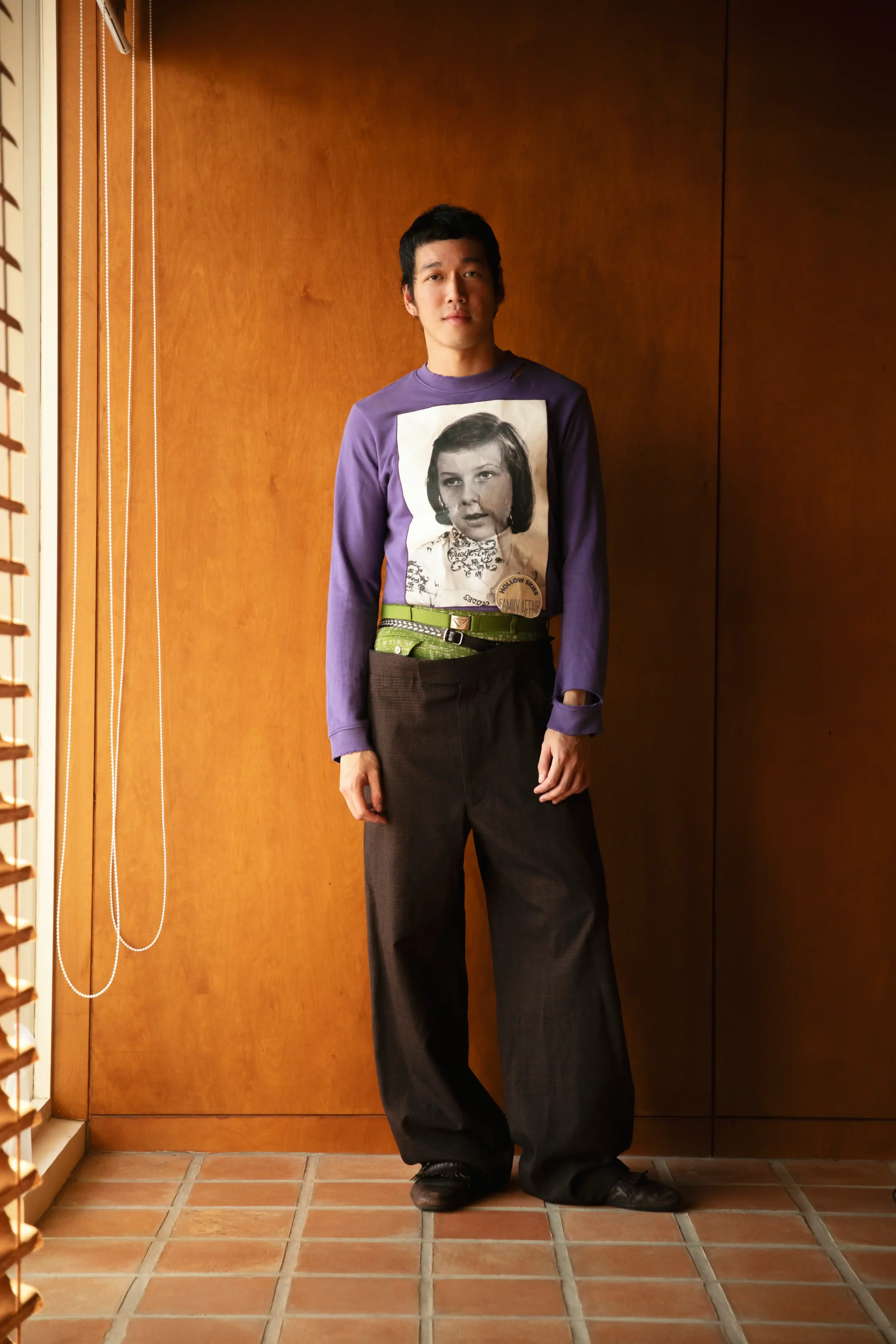
Hilarius describes himself as a minimalist, although he is quick to admit there is a maximalist lurking underneath, liking the tension between adding and editing, between going all the way and knowing when to stop.
The art of looking lived-in
He also does not subscribe to the idea that personal style needs a single defining label. His wardrobe moves freely between designer, vintage and streetwear, often combining all three. The formula is simple enough: whatever works.
The one thing he rarely buys is anything that feels too polished. Even new clothes should look as though they have already earned a place in his wardrobe. He prefers pieces with a little history, or at least the suggestion of one.
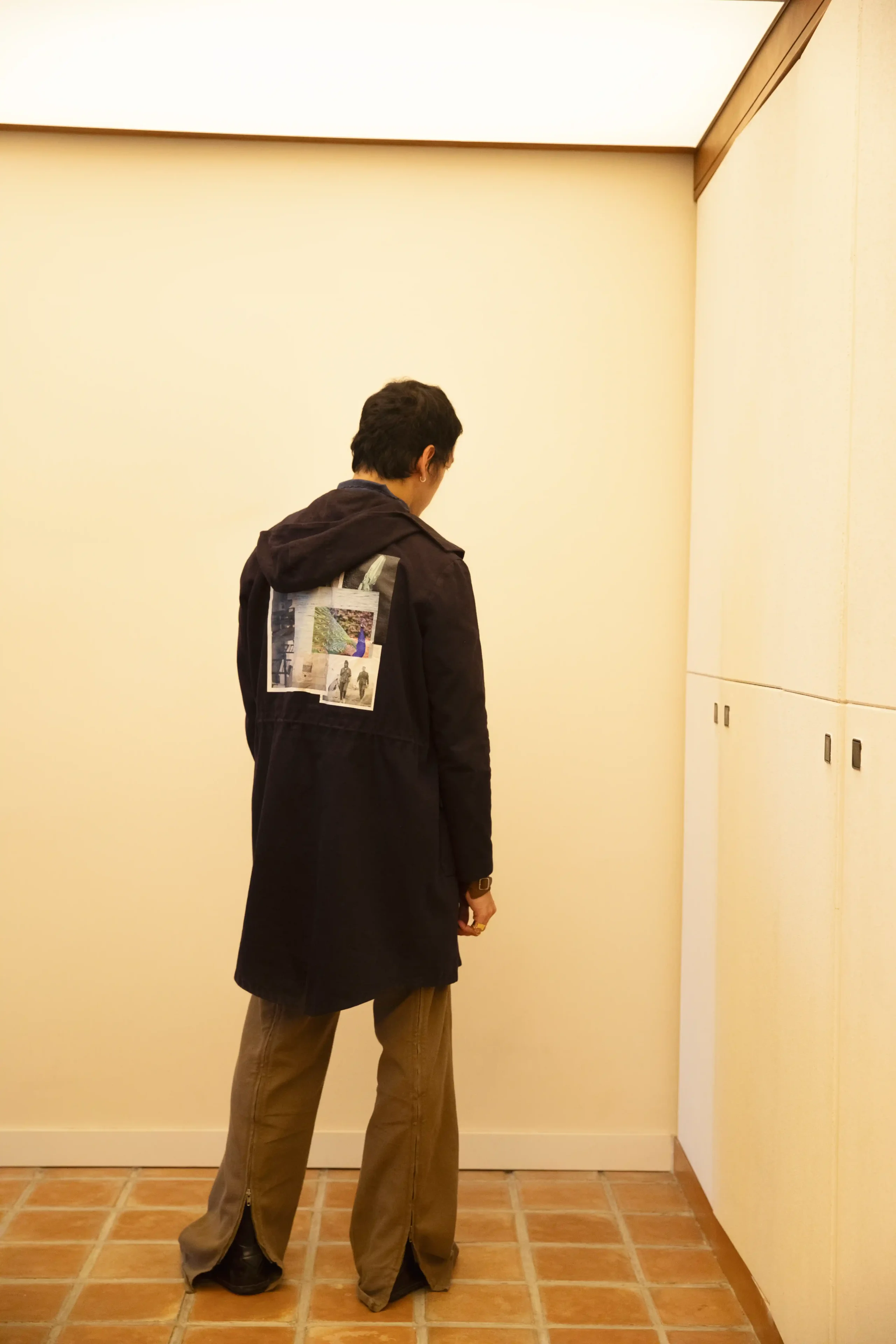
Hilarius’ approach has also evolved with age. He has become more conscious of proportion and silhouette, something he attributes partly to being a photographer. After working out, he became more comfortable with fitted clothing and less reliant on the oversized pieces he once favoured.
It is a small but telling change. For someone who spends his professional life composing images, getting dressed has become another exercise in balance.
Photography has even changed the way he sees himself in clothes. Looking at photographs of his own outfits has made him more aware of what actually works. A mirror gives you one perspective. A camera gives you evidence.
Anime, video games, and the Indonesian eye
If Hilarius’ work sometimes feels bigger than reality, there is a reason. His references are not limited to fashionFashionThe art and industry of designing, producing, and styling clothing, footwear, accessories, and beauty trends. It reflects cultural influences, personal expression, and evolving styles across seasons and markets.Go to Fashion Glossary photographers or the traditional canon of image-making. Music videos, anime, and video games have influenced him for years, particularly their appetite for exaggeration.
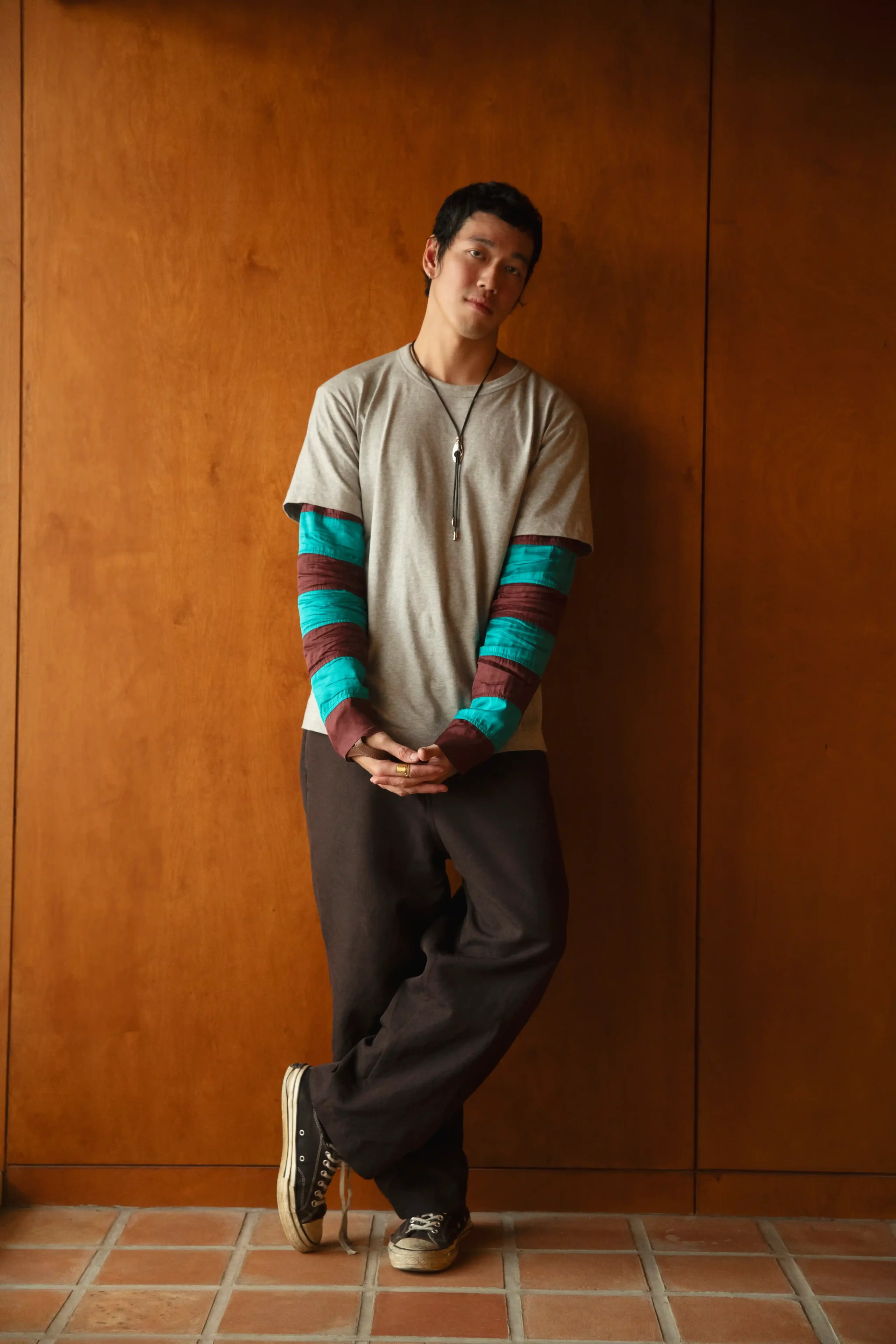
He likes worlds that are chaotic and completely willing to push things too far. That instinct for excess finds its way into his photography, even as his personal taste pulls him toward being minimal.
Then there is Indonesia itself, which may be his most enduring reference of all.
Hilarius remembers the visual culture around him growing up and the way foreign influences were translated into something local. Western culture was remixed through television, advertising, toys, magazines, and shopping malls until it became part of an entirely different visual language.
It explains why his work can feel culturally specific without relying on obvious signifiers, and why his style can move between references without looking like it is trying too hard to prove a point.
The point is to do it for yourself
There is a certain freedom in Jason’s approach. He is not dressing to fit a prescribed idea of what a photographer should look like, and he is not photographing Indonesia according to someone else’s expectations of what Indonesian imagery should be. The same goes for the clothes.
Asked what he hopes people understand about him when they look at his photographs or see the way he dresses, Jason does not reach for an explanation about identity or creative ambition.
“That I do both for myself. Everything else comes after that.”
Hilarius Jason’s photography may be about fashionFashionThe art and industry of designing, producing, and styling clothing, footwear, accessories, and beauty trends. It reflects cultural influences, personal expression, and evolving styles across seasons and markets.Go to Fashion Glossary, but his real subject is perspective: how clothes change a person, how a person changes a place, and how an Indonesian eye can make both feel entirely new.
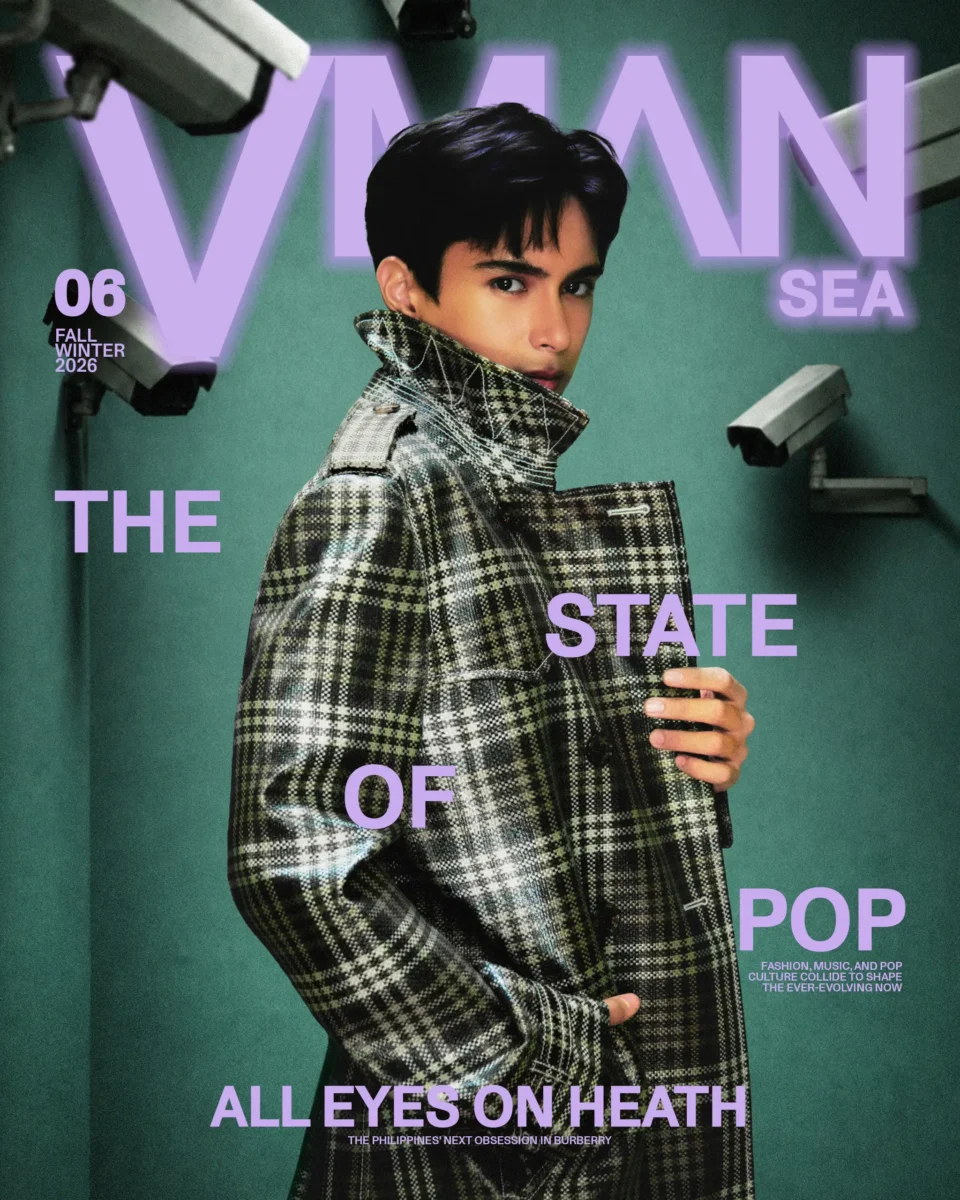
As seen in the pages of VMAN SEA 06: now available for purchase!
Frequently Asked Questions
Hilarius Jason is an Indonesian fashion photographer known for his distinctive visual style and strong personal fashion sense. He is also recognized as one of Southeast Asia’s best-dressed men.
Hilarius’ interest in fashion came before photography and ultimately led him to pursue fashion photography. He is drawn to the interaction between people, clothing, and their environments.
Growing up in Indonesia shaped his visual perspective through everyday places, local culture, media, and the way Western influences were reinterpreted locally. He prefers contemporary Indonesian settings over obvious traditional symbols.
Hilarius mixes designer, vintage, and streetwear pieces rather than following one specific aesthetic. He prefers clothes that feel lived-in and has become increasingly focused on proportion and silhouette.
His influences include music videos, anime, video games, old magazines, television commercials, shopping malls, and the visual culture of Indonesia. He is particularly drawn to exaggerated, emotional, and visually expressive worlds.
Recommended Video