Henry Samuel Is Made for New York’s Beautiful Chaos
German discipline, Nigerian heritage, Brazilian rhythm, and a New York attitude: Henry is making being hard to categorize look good




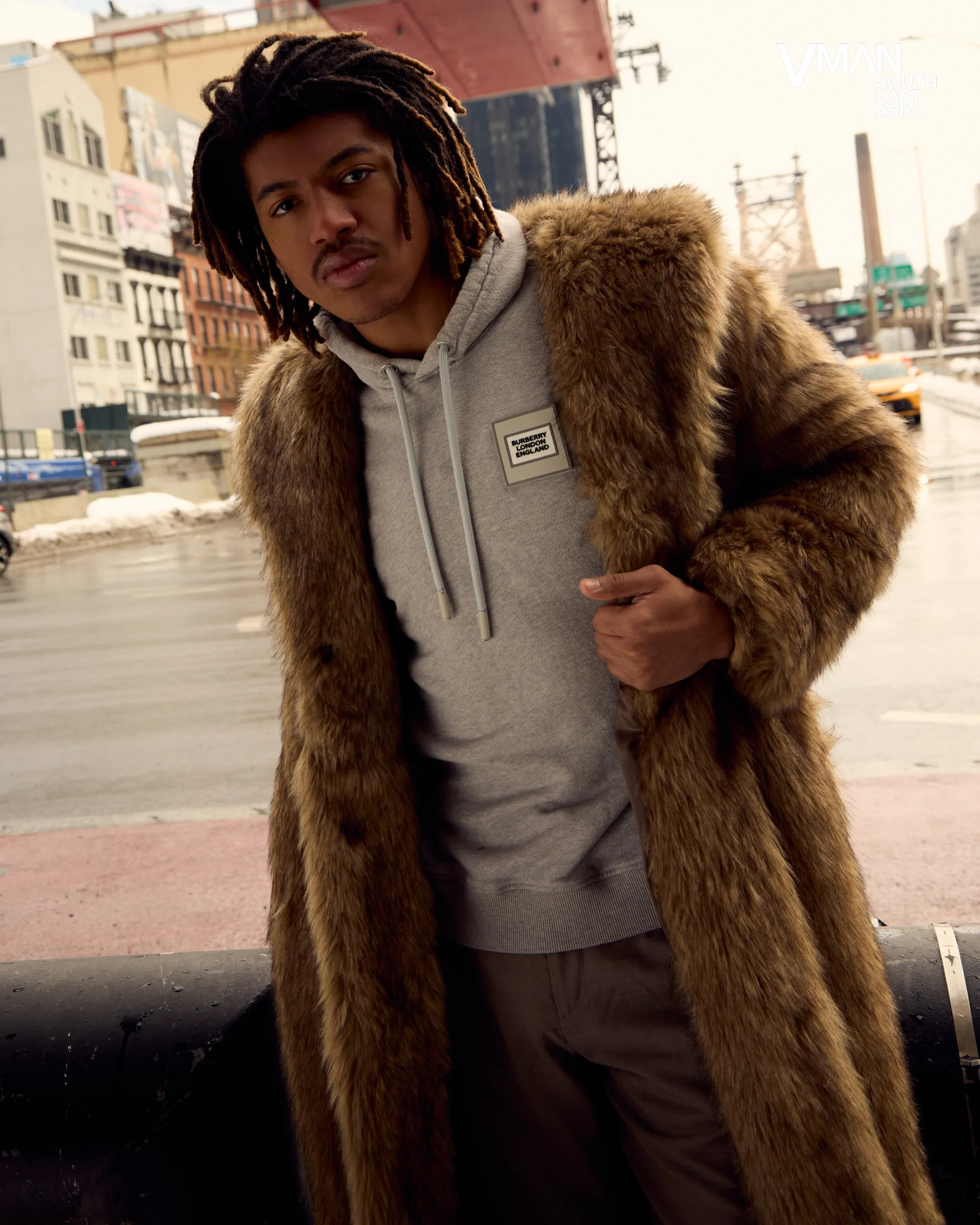
- Henry Samuel’s multicultural identity combines German discipline with Nigerian heritage and Brazilian expression, shaping how he sees New York and his creative work.
- Fashion has made his in-between identity part of the conversation, from being difficult to categorize to navigating the assumptions that can come with his height and mixed background.
A very New York kind of identity
Henry Samuel has the vibe that makes people look twice. Tall and difficult to categorize, the German-Nigerian-Brazilian model and multihyphenate creative has the face for fashionFashionThe art and industry of designing, producing, and styling clothing, footwear, accessories, and beauty trends. It reflects cultural influences, personal expression, and evolving styles across seasons and markets.Go to Fashion Glossary and the background to make the idea of putting him in a box feel slightly ridiculous.
Fortunately, New York is probably the one place where that is less of a problem. The city has always had a soft spot for contradictions. It is where people arrive with one identity and leave with three, where one neighborhood can contain half a dozen languages and where dinner plans can become an impromptu cultural exchange.
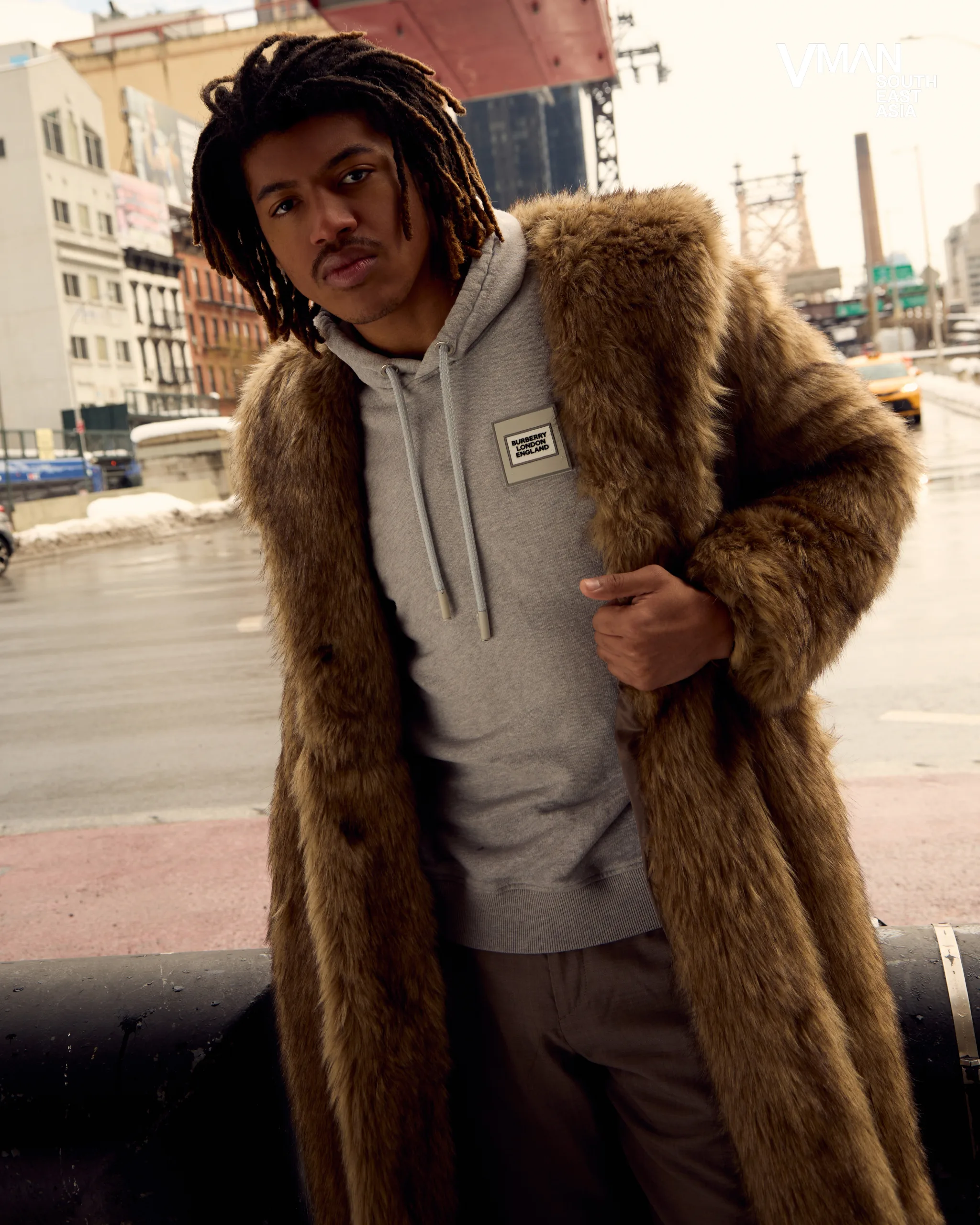
Henry’s German heritage has given him structure and discipline; his Nigerian and Brazilian roots have brought rhythm and expression. New York, meanwhile, gives him somewhere to put it all together.
“My background gives me a layered perspective. German culture taught me structure and discipline. Nigerian and Brazilian culture gave me rhythm, community, and expression.”
He sees New York as a place where different worlds don’t simply coexist but crash into one another, borrow from each other, and occasionally make something brilliant in the process.
“In NYC, all of that comes together. I see the city as a place where different worlds can collide to create something beautiful.”
For a creative working in fashion, it’s difficult to imagine a more useful environment. New York is relentless about putting people and aesthetics in the same room. One minute you’re at a casting, the next you’re crossing downtown surrounded by skaters, finance types, artists, and tourists.
Henry has learned to treat that variety as inspiration rather than noise. The city has also given him a clearer understanding of his own roots. Growing up with multiple cultural influences meant his background was always there, but living in New York has made him more curious about exploring it.
“Before, my background just existed to me. Now, I actively explore and cherish it. I ask more questions and learn more about where I come from.”
Don’t put him in a box
Of course, being difficult to categorize is not always as glamorous as fashion magazines make it sound. Henry has experienced the pressure to be placed into one cultural category, particularly as someone biracial. Sometimes that can feel limiting. At other times, he says, it has opened doors.
Both things can be true. His solution is simple: observe, adapt, and remain himself.
“If I walk into a space that leans one way culturally, I observe first. Then I adapt without losing myself.”
It’s a useful approach in New York, where cultural fluency is almost a survival skill. The trick is knowing when to blend in and when not to. Henry has learned that adapting to a room doesn’t mean disappearing into it.
Fashion sees the height first
He also knows his appearance can influence how people perceive him. His mixed heritage can make him difficult for others to immediately place, while his height and stature give him an imposing physical presence that, he admits, may not exactly scream “approachable.”
“My identity adds a level of mystery that I think confuses people. People might fear me because of my height and stature but everyone who knows me says I won’t kill a fly.”
It’s a good reminder that the fashion image and the actual person are rarely quite the same thing. A camera can turn a peaceful man into something intimidating. A runway can make someone look untouchable. Then you meet them and discover they are, in fact, mostly interested in having a nice conversation.
For Henry, that gap between perception and reality is part of what makes modeling interesting. His job may depend on commanding attention, but his identity is more complicated than whatever the camera happens to capture.
No lane, no problem
If there’s a common thread through his story, it is that he’s not particularly interested in choosing one lane when there are several perfectly good ones available.
Henry’s approach to self-expression is straightforward: stay authentic, stay grounded, and pay attention. “In a city like New York, people recognize what is real,” he says.
Which may be one of the city’s few unwritten rules. New York has seen enough performances to know when someone is putting one on.
Henry, meanwhile, seems more interested in letting the contradictions remain visible. German discipline alongside Nigerian heritage. Brazilian expression alongside New York instinct. Model alongside creative. Intimidating stature alongside someone who, by his own account, would not kill a fly.
It is a lot of identities to fit into one person. Luckily, he has New York on his side. The city has never been particularly good at staying in one lane either.
As seen in the pages of VMAN SEA 06: now available for purchase!
Photography Andrew Perkins
FashionFashionThe art and industry of designing, producing, and styling clothing, footwear, accessories, and beauty trends. It reflects cultural influences, personal expression, and evolving styles across seasons and markets.Go to Fashion Glossary Victor Lopez
Creative direction and production Lorenz Namalata of Fatbrain Collective
Editor Dayne Aduna
Hair Mitsuru Aota
GroomingGroomingThe care and maintenance of hair, skin, beard, and nails, including cleansing, shaving, styling, and scent. Once niche, men's grooming has grown into a major lifestyle category, and VMAN's VanityGo to Grooming Glossary Seiya Iibuchi, using MAC Cosmetics
Fashion assistant Justin Guevarra
Production assistant Jen Kang
Model Henry Samuel
Frequently Asked Questions
Henry Samuel is a German-Nigerian-Brazilian model and multihyphenate creative based in New York City.
Henry Samuel has German, Nigerian, and Brazilian heritage.
New York inspires Henry through its energy, pace, people, and cultural diversity. He also stays connected to his roots through music and the way he carries himself.
Henry says his mixed identity can make him difficult for people to categorize, particularly in fashion where appearances often shape first impressions. He also sees his background as an advantage that has opened doors in the industry.
Henry says New York makes being culturally in-between feel normal because people constantly blend different cultures and identities. The city has also encouraged him to explore and appreciate his own heritage more intentionally.

Recommended Video