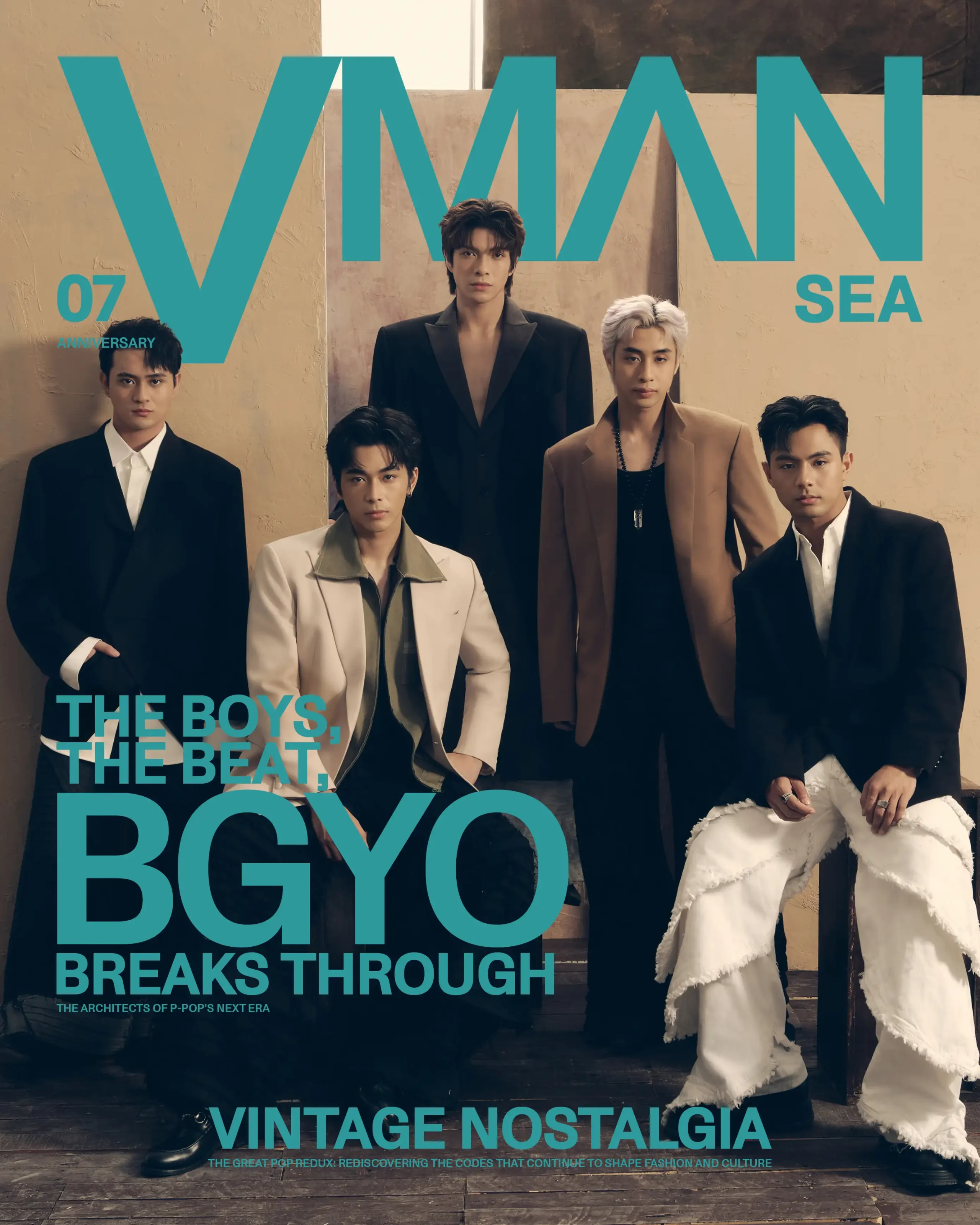
BGYO Breaks Through
Bound by a shared roof and uncertain beginnings, the Aces of P-pop built a brotherhood shaped to last


Before the roaring arenas
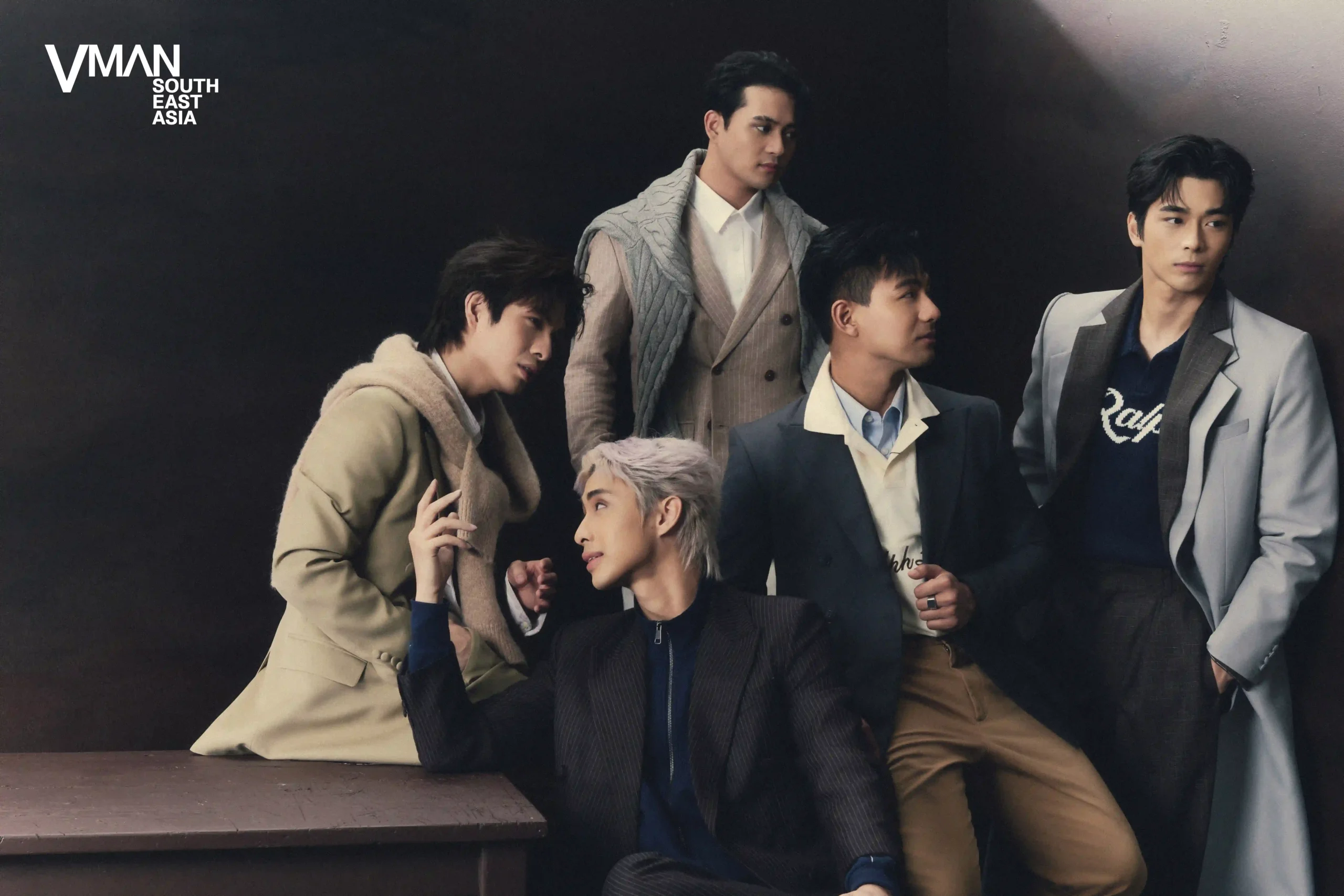
Before BGYO became one of P-pop’s most recognizable boy groups, they were five teenagers chasing five different versions of a life onstage.
Gelo had dance. Akira had music in his blood. JL was already testing his voice in singing competitions. Mikki was writing songs and building rap beats. Nate started dancing at six, captivated by the K-pop stars who made performance look like a world of its own.
Their paths crossed in 2018 through Star Hunt Academy, a Philippine media company’s talent development program created to train a new class of Filipino performers. What followed was hardly the glamorous version of pop stardom.
Training ran past midnight, days were built around dance, vocals, performance, and evaluations, and every rehearsal demanded more discipline and trust in the four other people standing beside them.
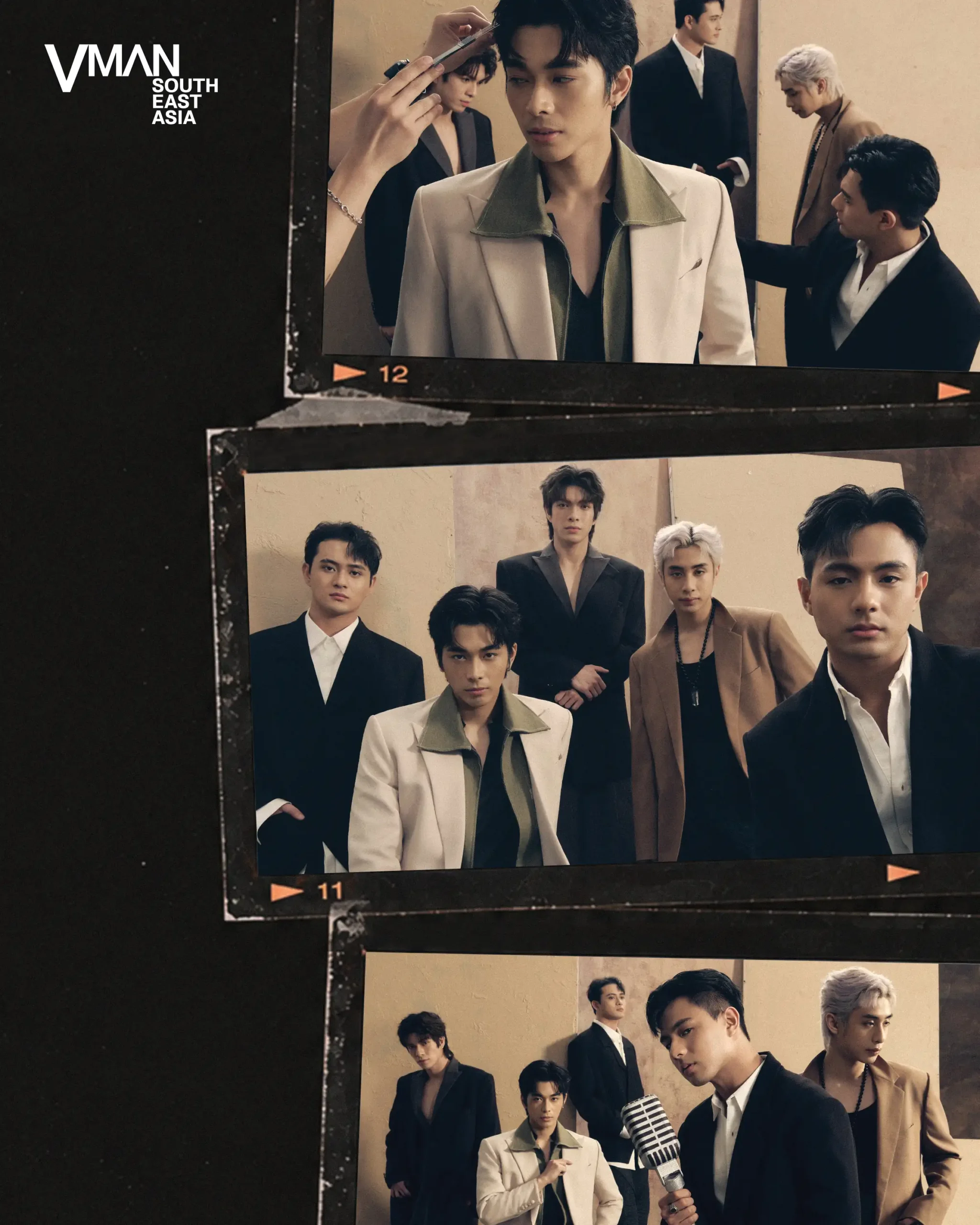
Then the pandemic changed everything. With their debut pushed into uncertainty, the five trainees found themselves living together with nowhere to go and plenty of time to figure each other out. They ate together, argued, laughed, talked through the long hours, and slowly moved beyond being teammates.
In January 2021, BGYO finally stepped into the spotlight with The Light. The timing could hardly have been more complicated. The world was still emerging from lockdowns, live entertainment was in flux, and P-pop was beginning to command a much bigger conversation.
But the stardom only tells half the story. With years of music and major stages behind them, Gelo, Akira, JL, Mikki, and Nate look back at the beginnings of BGYO as they talk about the awkward first meetings, the punishing rehearsals, the pandemic that changed their plans, and the unlikely stretch of time that turned five trainees into brothers.
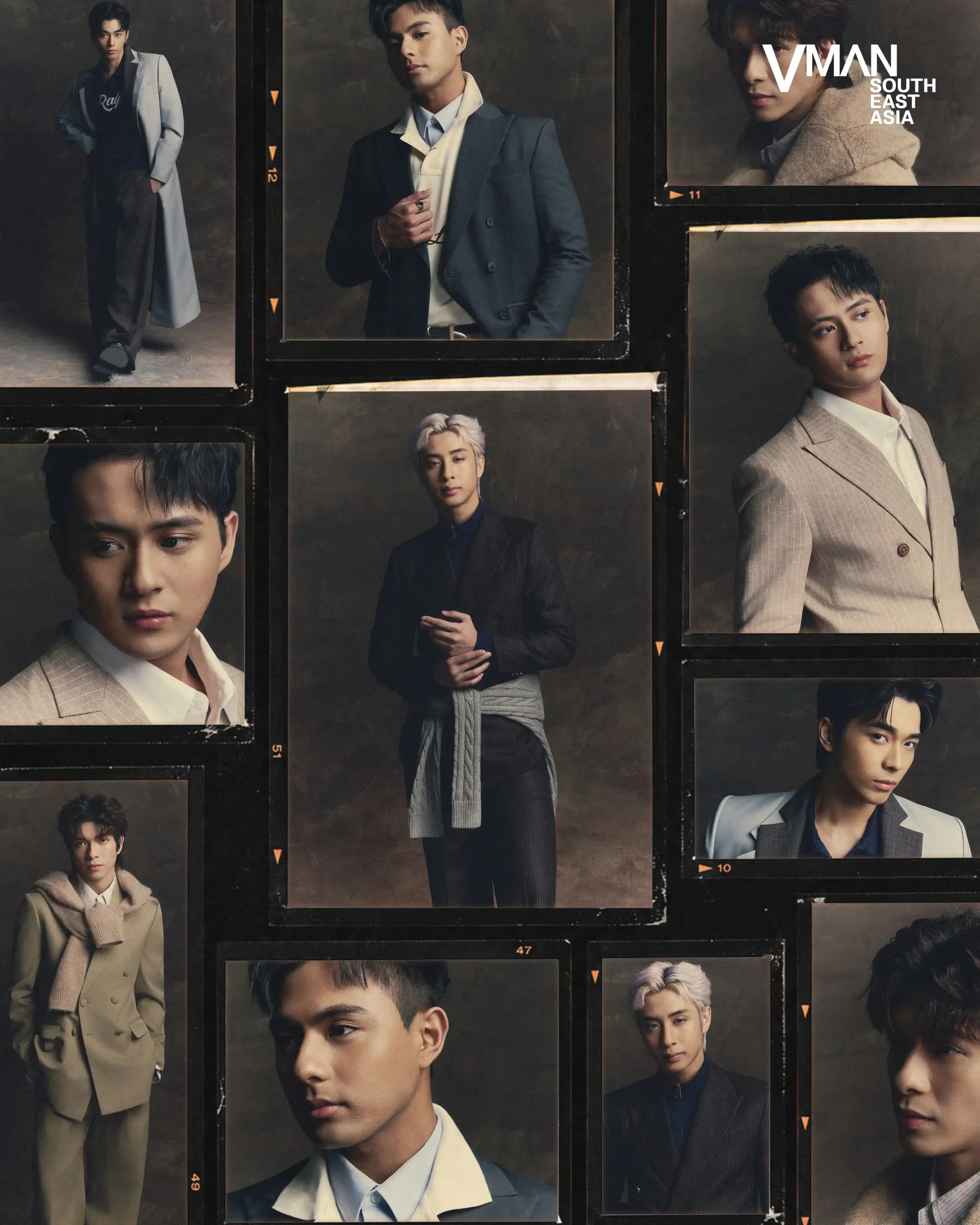
VMAN: When you look back at your first impressions of the other members, how far off were you from who they actually turned out to be?
MIKKI: For me, my first impression of JL was that he was a dancer. Since I entered training later, I would constantly ask JL for help instead of Gelo. I really didn’t think Gelo was the dancer back then, so I kept running to JL with all my questions.
JL: And I had no idea if what I was teaching him was even right! [laughs] But for Nate, my first impression was that he was arrogant. We didn’t talk much at the start because he was purely an English speaker and I spoke straight Tagalog. But once we got talking, I realized he wasn’t cocky at all—he was actually very soft-spoken, quiet, and kind. Though nowadays, he really is arrogant! [laughs]
NATE: My first impression of Gelo was that he was the loudest in the room with the biggest, most distinct laugh. Now, honestly, all of us have become just as loud and chaotic.
GELO: With Akira, he gave off the vibe of a sweet child star—like a seasoned, natural-born artist. When we started doing K-pop covers together, I saw how talented he was. He was just genuinely kind from day one; you couldn’t see a bad bone in him. He was like our sunshine.
AKIRA: My first impression of Mikki was that he was extremely quiet. But the longer we were together, he completely opened up. He would randomly stare at you, walk over, and start messing with you. He came off as an extreme introvert at first, but once you get close, he’s totally mischievous—sometimes even more than Nate.
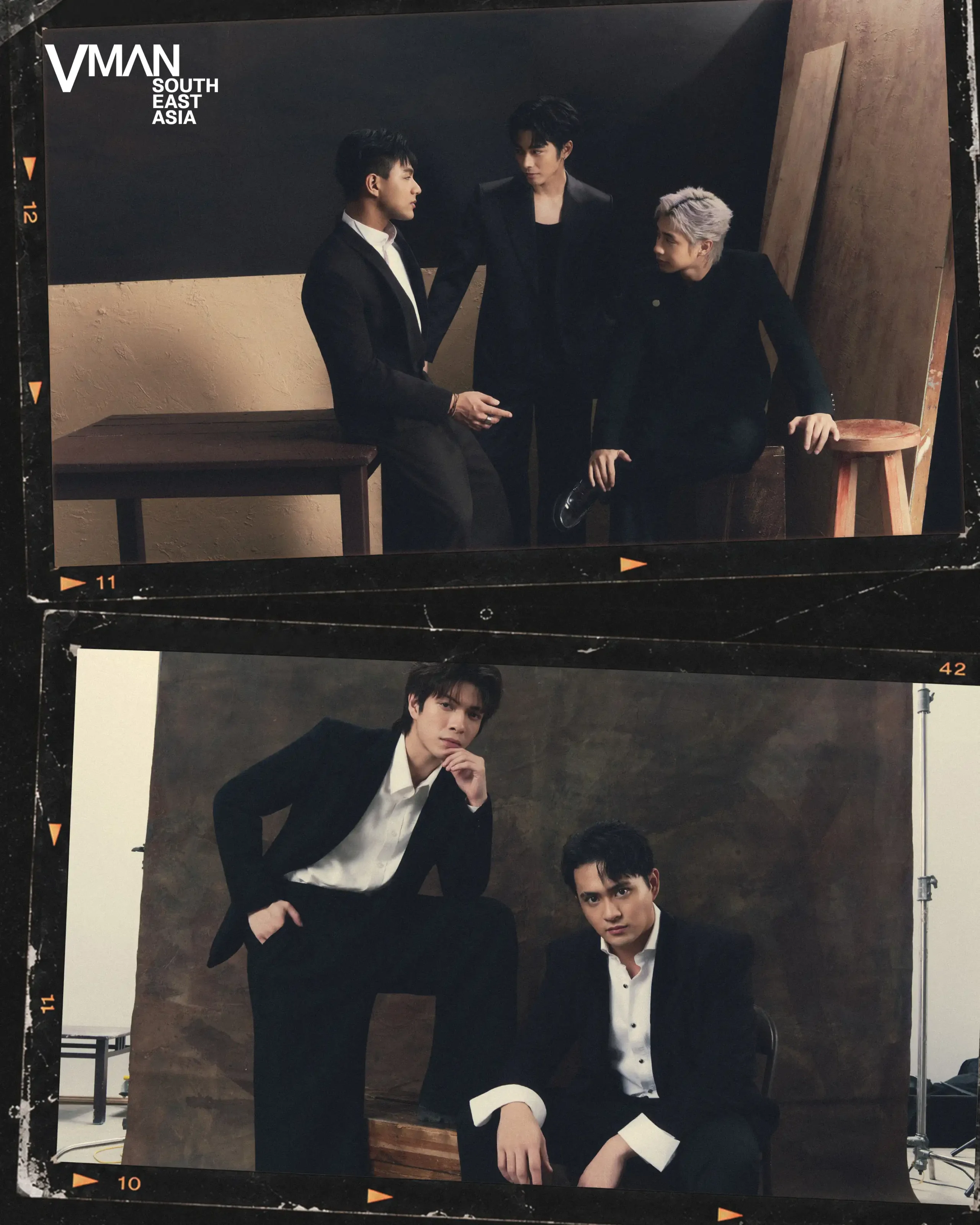
VMAN: If you could bring one physical object from your trainee days to this table right now, what would it be and why?
JL: A journal. We had a notebook where we had to write down everything—our self-practice logs, dance corrections, vocal lessons, and every note our mentors gave us. That notebook holds all our memories from the days we were all starting and living under one roof.
GELO: The yoga mats [laughs]. You have no idea how much sweat, grind, and hard work went into those mats every single morning during our workouts. It holds the entire story of our physical discipline.
VMAN: When did you first realize that another member had far more hidden potential than you initially expected?
GELO: When Akira joined, he and JL were focused mainly on vocals, while Nate and I were on dancing, and Mikki was on rap. Akira didn’t dance back then, but as training progressed, he worked so hard that before we knew it, he was placed right in the center of the dance break.
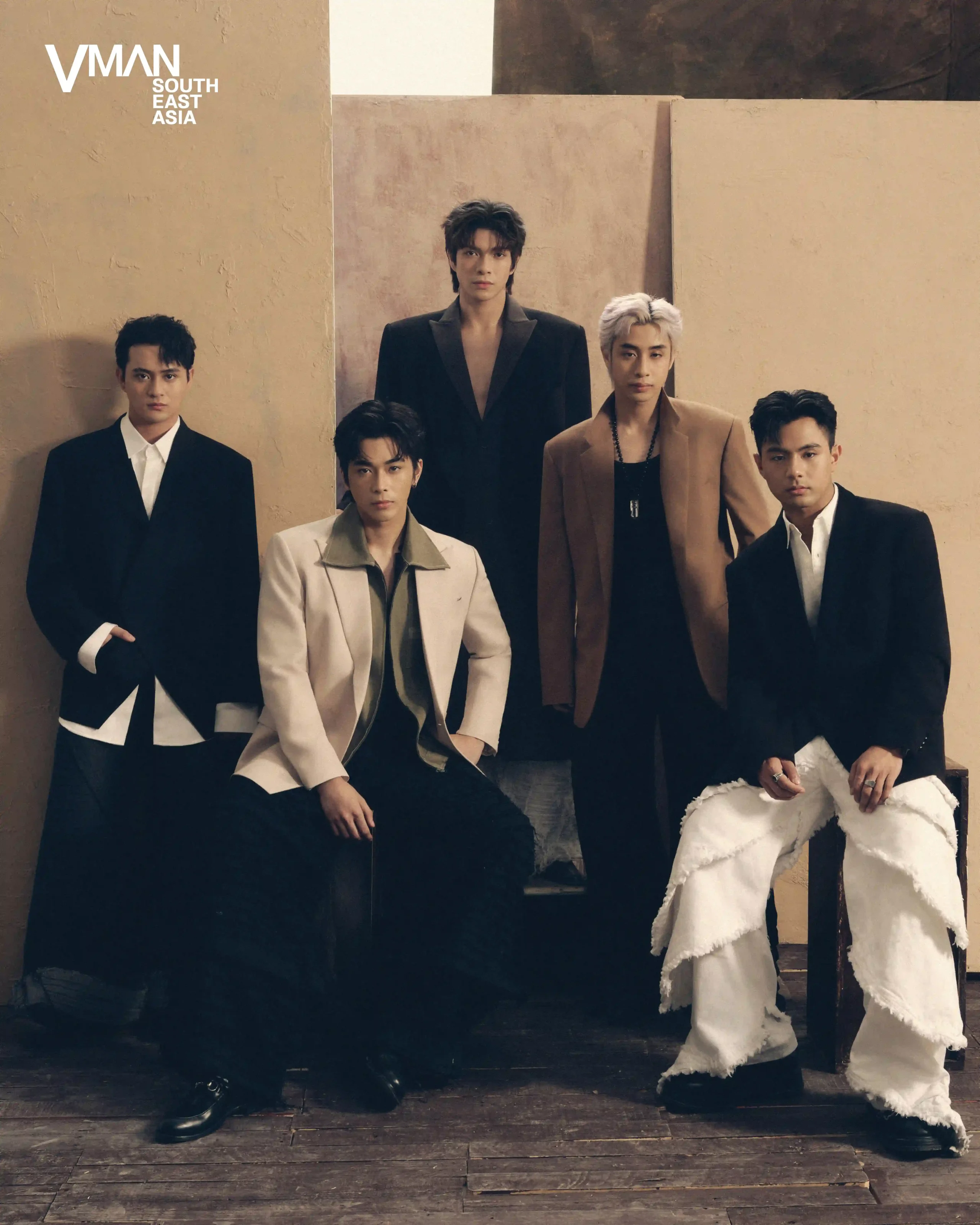
VMAN: What was your favorite way to escape the pressure of training together?
NATE: Honestly, our favorite escape was just eating out together anywhere, sitting down, and talking after practice.
JL: During trainee days, Coach Mickey Perz would drop by, and we’d have four hours of training. Once Coach Mickey started talking, the stories wouldn’t stop. So during stretching, we’d intentionally keep feeding questions just to prolong the break! We’d exchange look-signals and bring up completely random topics—even aliens—just to extend the storytelling and get a break from the workout.
VMAN: During your trainee days, who was the one keeping everyone’s spirits up when things got tough?
JL: Honestly, everyone pitched in. Whenever we were completely drained and running on empty, we’d start trading random, nonsensical jokes and stories just to make each other laugh. That humor naturally lightened the mood.
MIKKI: It also depended on what you needed. If you wanted a good laugh, you’d go to Gelo. If you needed a mood boost, you’d go to Akira. And if you wanted someone to fool around with, you’d find your match. Each of us had our own way of lifting the energy.
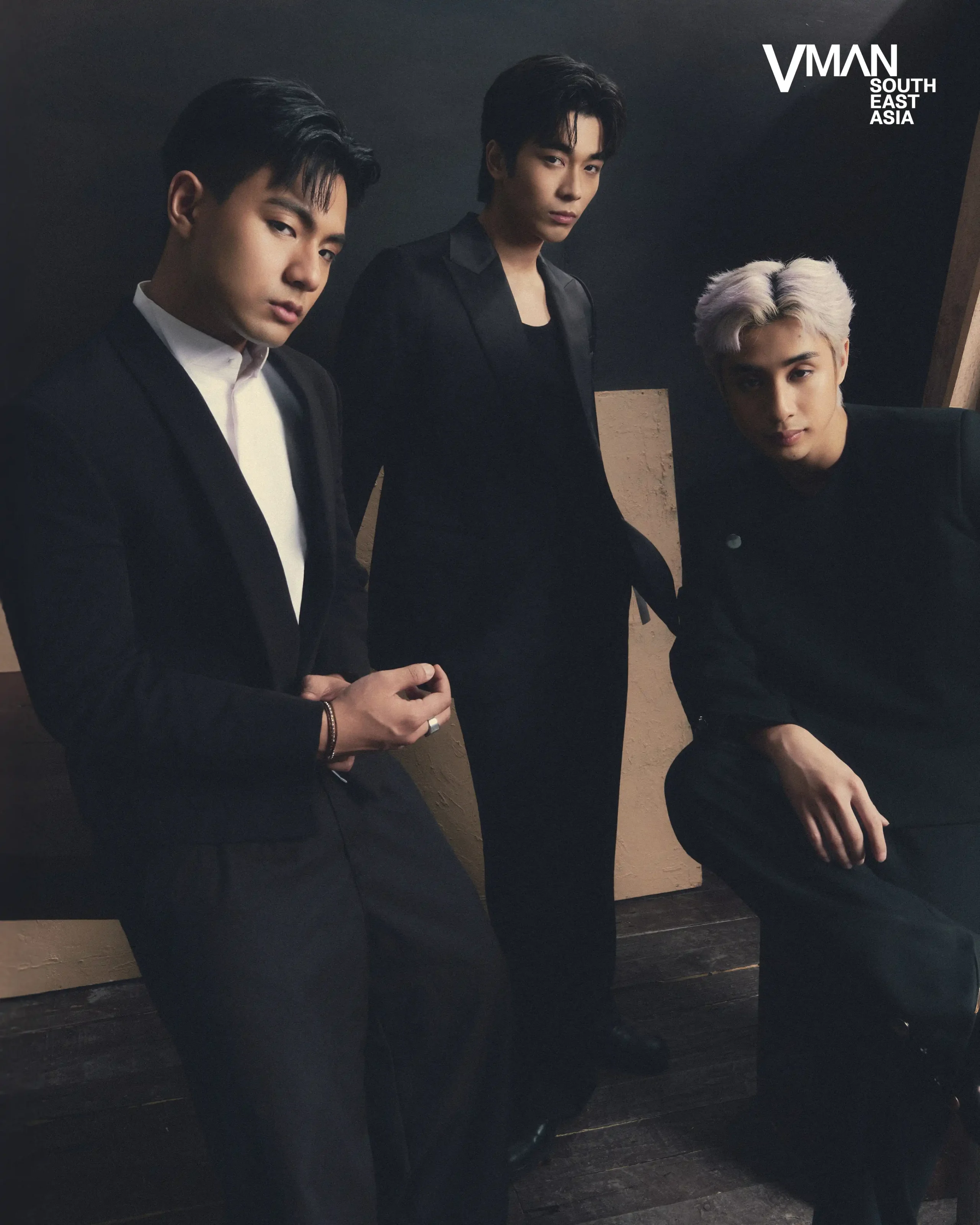
VMAN: What was the first win you celebrated together that still feels completely unforgettable?
MIKKI: Back when there were still many trainees, there was a day we were called up to the 12th floor of ABS-CBN one by one for our final evaluations. Waiting for your turn was terrifying because you were anticipating whether you made the cut or not. Finding out that all of us made the final five—that was our very first win.
AKIRA: Along with that, our official debut. Because of the pandemic and everything that happened, nothing was ever guaranteed. After years of training, finally debuting on stage—even with a virtual audience on Zoom screens—was unforgettable.
JL: And our first concert. It was the milestone we had been dreaming of since our trainee days. When it finally happened, that feeling of winning together on that stage was everything.
VMAN: What was an early misunderstanding or clash that actually ended up making your bond stronger?
NATE: We fought around 2 AM during trainee days while learning a K-pop cover. We were running on empty, and when you’re that exhausted, even the slightest thing turns into a fight.
JL: We were rehearsing past midnight, but deep down, we all shared one single goal: to finish the routine and get through training. Going through those moments taught us how to read each other. We learned that when someone spoke a certain way, they weren’t actually mad—they were just tired. Understanding that brought us closer.
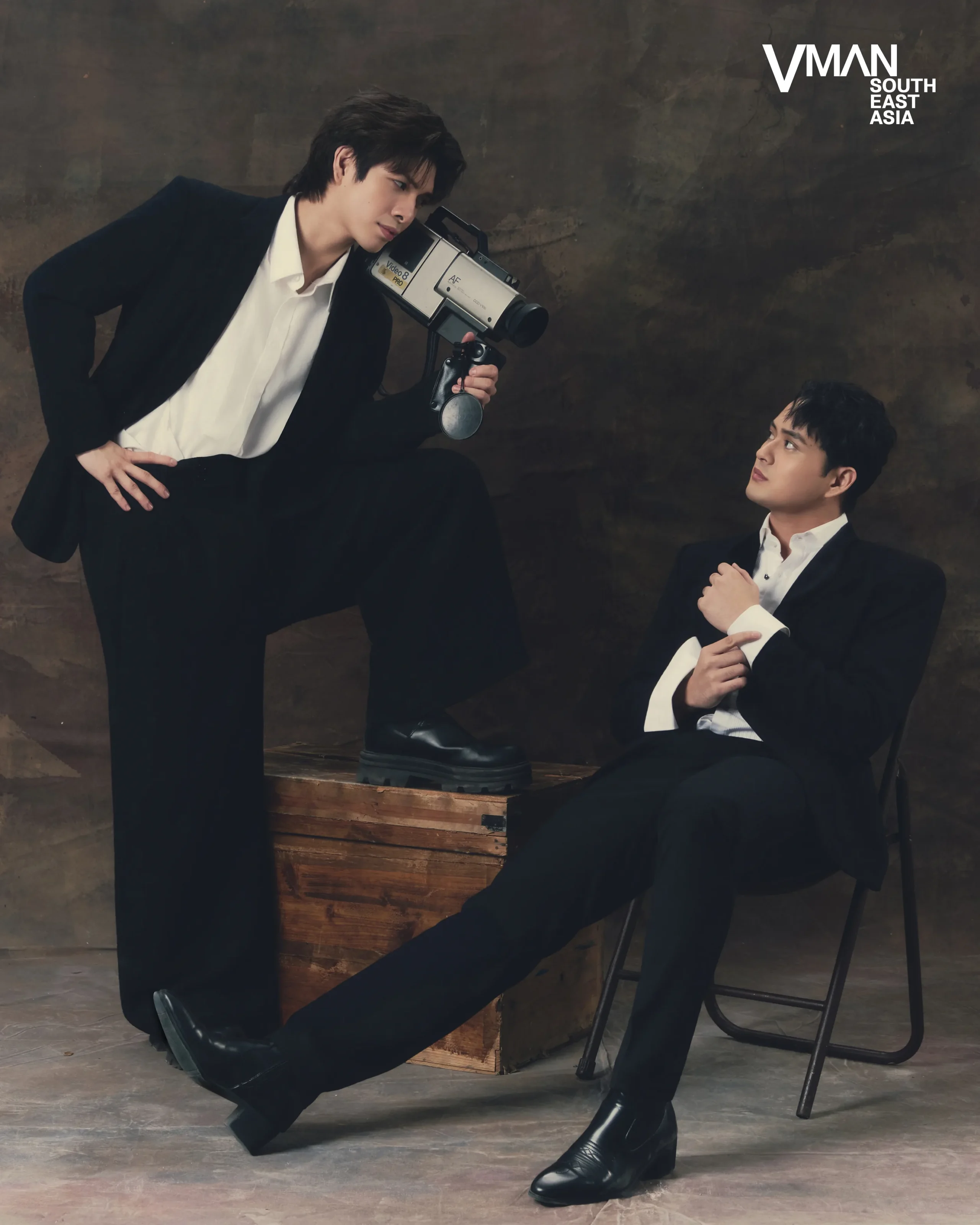
VMAN: What’s a favorite memory you share with the member to your left?
GELO: When we were living in the PBB house during our trainee days, Nate and I ended up sleeping in the confession room for the longest time during a storm. We survived the flood together, shared stories, and just bonded over the whole experience.
NATE: My favorite memory with Gelo was during our swab test. We were queued up in chairs moving down the line, and Gelo sat down, and a pair of black boxers suddenly dropped out of his clothes onto the floor [laughs]. Everyone started yelling, “Whose boxers are those?!” and Gelo immediately scrambled: “That’s mine! That’s mine!” Having briefs fall onto the floor in the swab area was unforgettable.
VMAN: Whose music taste or fashionFashionThe art and industry of designing, producing, and styling clothing, footwear, accessories, and beauty trends. It reflects cultural influences, personal expression, and evolving styles across seasons and markets.Go to Fashion Glossary sense confused everyone the most at first?
MIKKI: When it came to fashionFashionThe art and industry of designing, producing, and styling clothing, footwear, accessories, and beauty trends. It reflects cultural influences, personal expression, and evolving styles across seasons and markets.Go to Fashion Glossary, no one really stood out as confusing because we simply had to work with whatever we had. We didn’t have much money to buy clothes, so during training, we practically lived in workout clothes. For shoots, we’d mix, match, and borrow from each other and our coaches.
NATE: Musically, I think I was the most confusing! During trainee days, I listened to everything—K-pop, hip-hop, and then suddenly classic, old-school OPM love songs.
VMAN: When did BGYO stop feeling like just a group and start feeling like an actual family?
JL: It started way back during our trainee days. We lived together in one house for over three or four years alongside our resident manager, Coach Mickey, and our vocal coach, Coach Jerwin. Living under one roof for that long forged a bond where we truly became brothers before we even debuted.
MIKKI: We spent four straight years together, including two years of training and two years post-debut. We learned each other’s habits so well that we can read every little twitch—we know exactly when someone is annoyed, angry, happy, or just joking around. We did everything together.
A brotherhood through and through
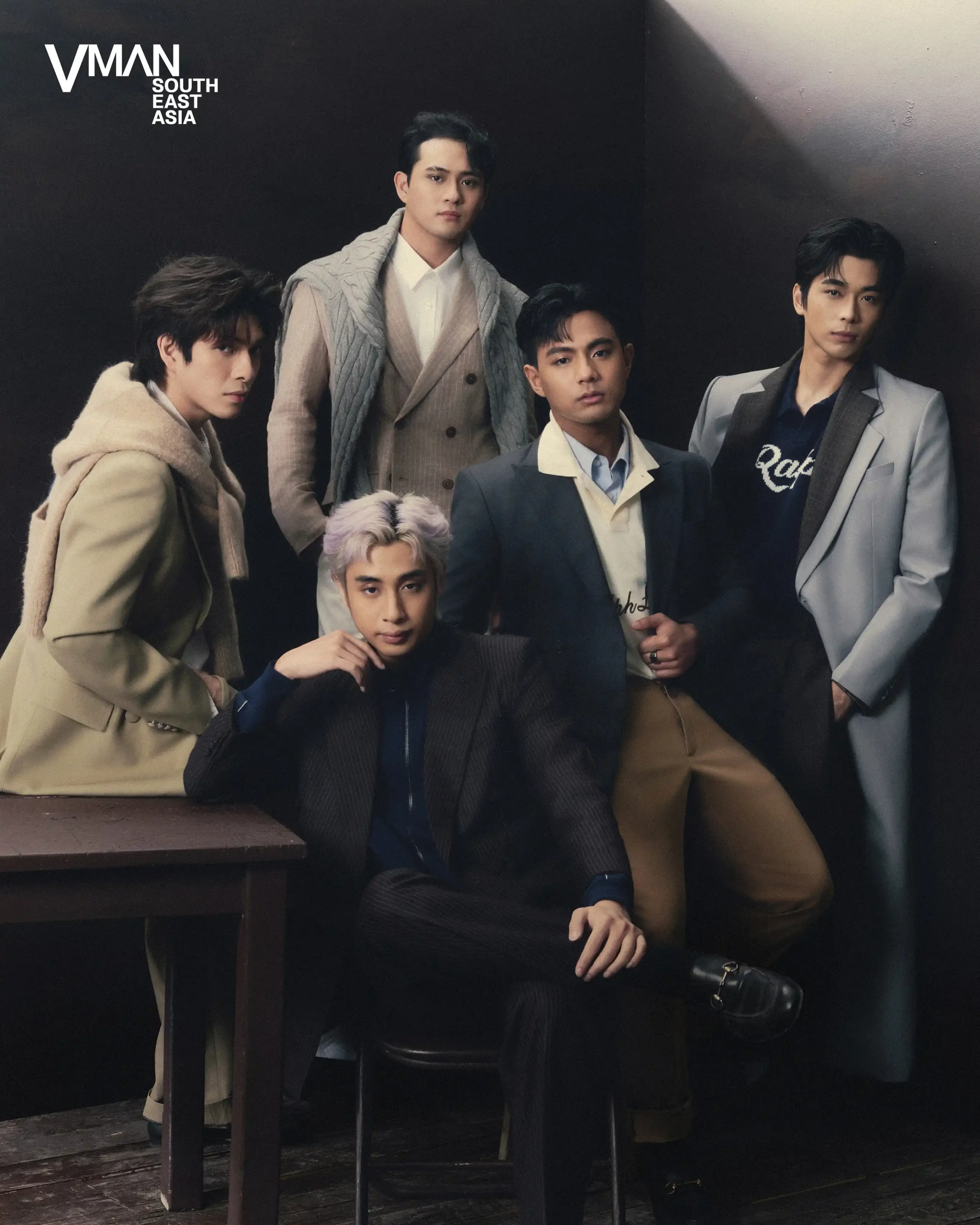
When I watch BGYO together, the chemistry is obvious. They joke, interrupt, and finish each other’s stories. Nothing feels rehearsed. After years of training and living together, they have developed a shorthand no choreography can teach.
Gelo brings the energy, Akira the calm, JL the candor, Mikki the wit, and Nate the mischief. Five distinct personalities, sharpened by the same demanding years, moving with one instinct. Onstage, that translates into synchronization that has taken them from local stages to international milestones.
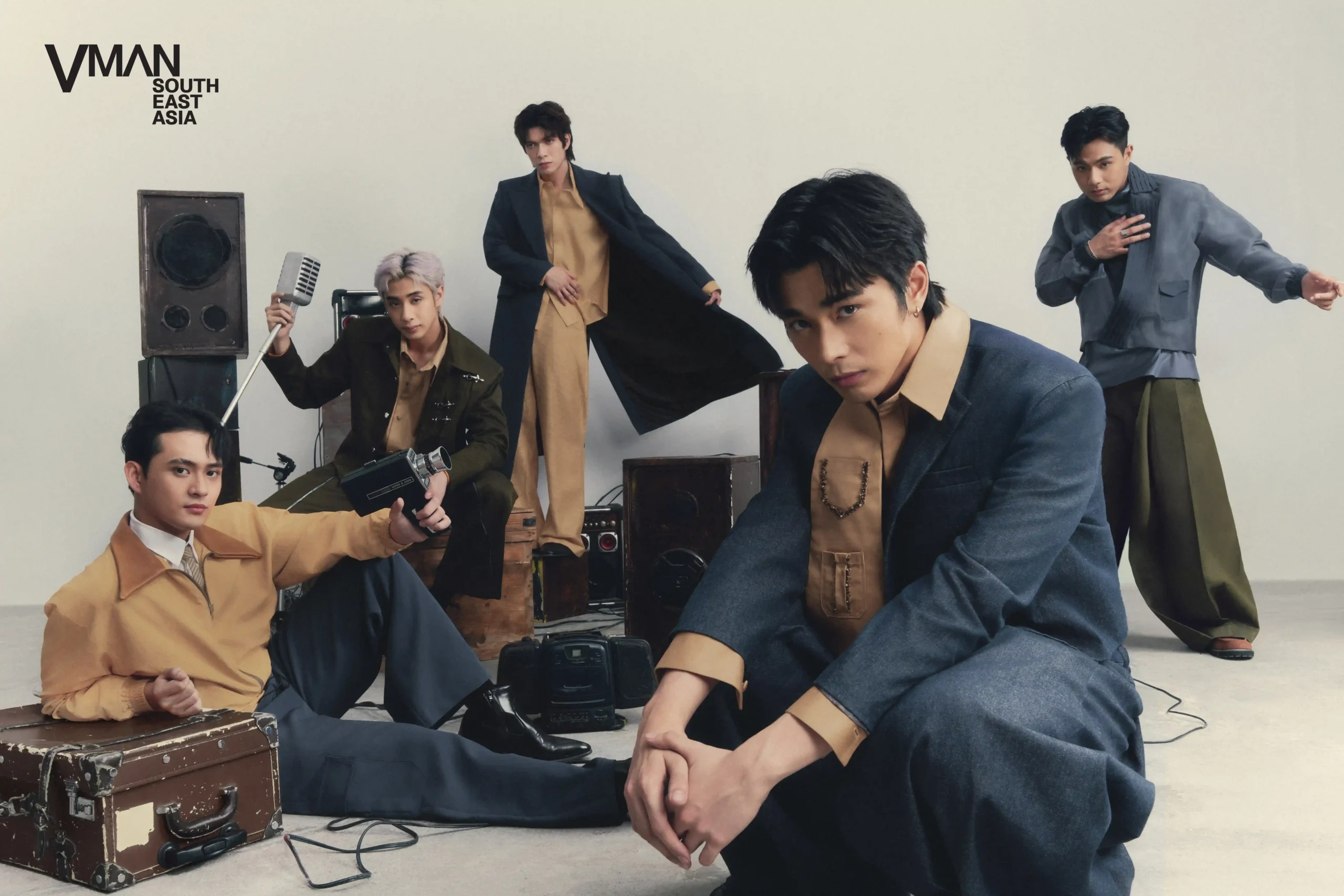
What began with five trainees has become a career built on trust and a shared ambition to push P-pop onto bigger stages. They have spent years learning how to move as one. Now, they get to decide just how far that one movement can go.
BGYO has already made the stage theirs. The next chapter is about making the world take notice.
As seen in the pages of VMAN SEA 07: now available for purchase!
Photography Genio Frondoza
Creative directionCreative DirectionCreative direction refers to the overarching artistic vision guiding a brand, musician, or publication's visual identity, spanning styling, imagery, set design, and tone. Across Southeast Asia's fashion and music scenes,Go to Creative Direction Glossary Vince Uy
Fashion Rex Atienza and Corven Uy
Grooming and hair Jaime Sy
Art direction Mike Miguel
Editor Dayne Aduna
Production Francis Vicente
Photography assistants Emman Escultor and Mark Advincula
Production design Arj Madarang, Cedric Buwahe, Wilburn Hernandez, Enroe Banawa, and Genesis Baldoza (Jagger Studios)
Special thanks Miko Cestina, Jovy Aberion, and MQ Mallari
Recommended Video