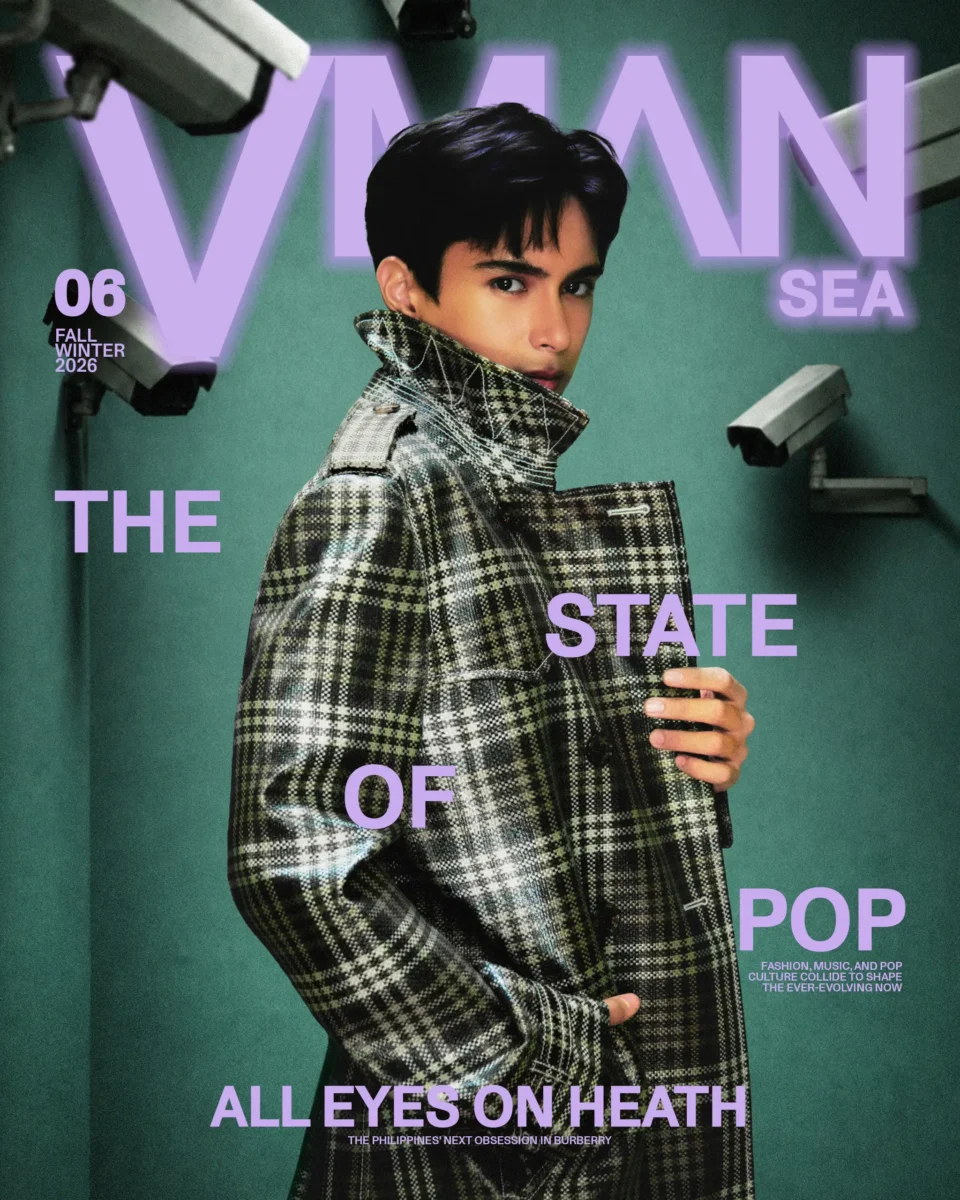
Why Fashion Houses Are Choosing Professionals Over Full-Time Influencers Now
Fashion’s fixation with authenticity has elevated professionals and hobbyists whose day jobs make their style resonate more than any brand trip ever could




A new kind of creator
For most of the past decade, the standard image of an influencer was predictable: a young person, usually in their early twenties, whose only visible occupation was posting from exotic locations, sipping cocktails on brand-sponsored terraces, and filming “get ready with me” videos at midmorning. Their feeds were aspirational, but also increasingly detached from any recognizable version of reality.
Now, the pendulum is swinging back. Across fashionFashionThe art and industry of designing, producing, and styling clothing, footwear, accessories, and beauty trends. It reflects cultural influences, personal expression, and evolving styles across seasons and markets.Go to Fashion Glossary and luxury, brands are turning their attention toward influencers who don’t treat content creation as their sole occupation. What they want, increasingly, are professionals and hobbyists who post about their careers and passions in parallel with their daily lives. In short: people with jobs.
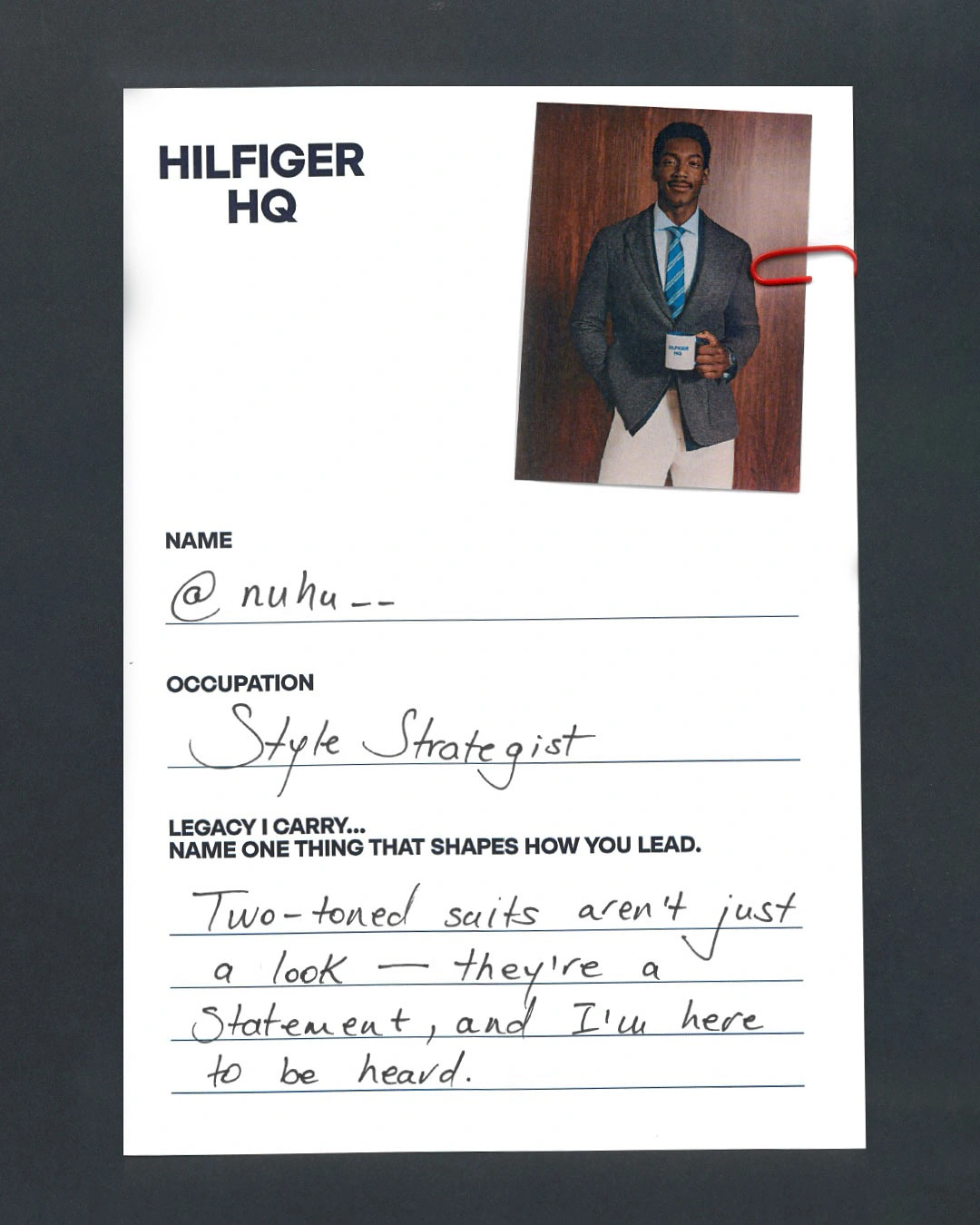
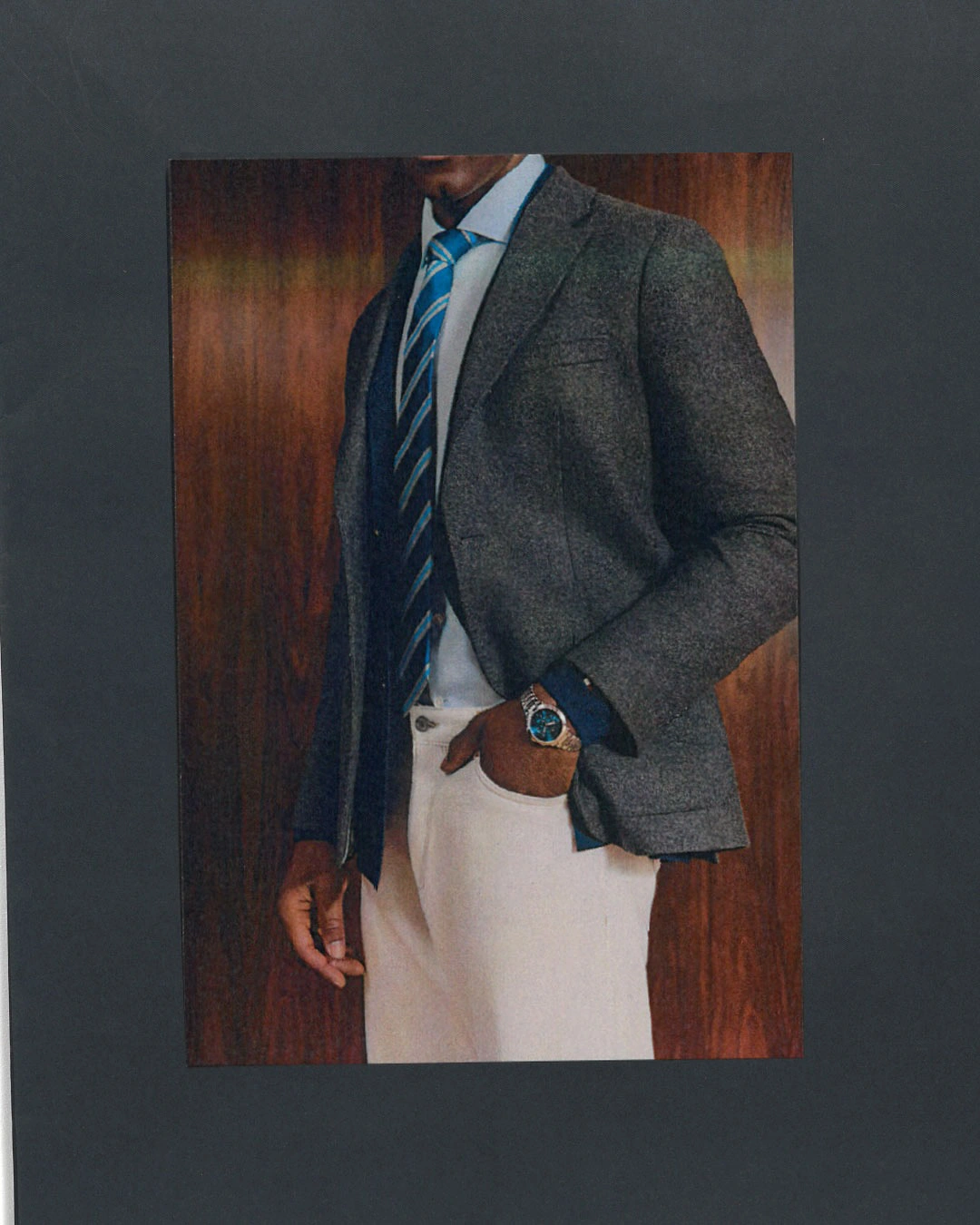
The reason comes down to authenticity. Consumers are less interested in the performative polish of full-time influencers and more engaged by creators whose feeds reflect layered identities, whether it is a lawyer who doubles as a fashionFashionThe art and industry of designing, producing, and styling clothing, footwear, accessories, and beauty trends. It reflects cultural influences, personal expression, and evolving styles across seasons and markets.Go to Fashion Glossary commentator, a finance professional who models in her spare time, or even a bus enthusiast whose passion for public transport becomes a cultural lens.
Authenticity matters
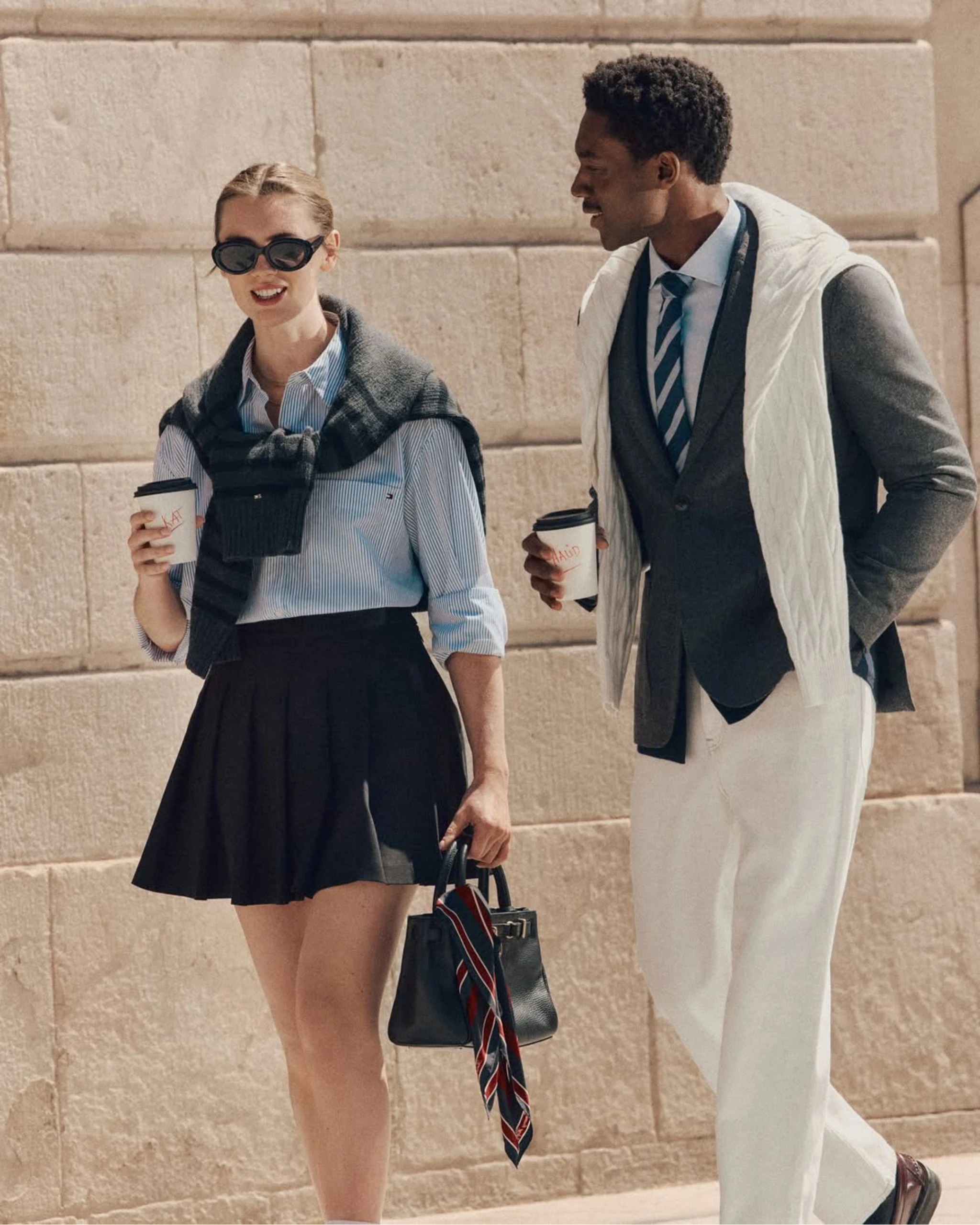
Take Kat from Finance, whose name alone signals her appeal. Kat is not a career influencer but a working woman in the financial sector. Her collaborations with Tommy Hilfiger have resonated precisely because they intersect with her existing professional life. The tailored blazers and crisp shirting align naturally with her identity as someone who spends her weekdays in an office, making the imagery feel like an extension of her reality. For the brand, it is alignment with an archetype: the modern, career-driven woman who dresses well.
Then there is Bus Aunty, an unlikely yet increasingly visible voice in the luxury landscape. Her obsession with London’s bus system has made her a niche but beloved figure online. When Burberry tapped her to integrate the brand into her content, it felt natural. Her enthusiasm for public transport is obsessive and even endearing. Viewers recognize her passion as genuine, which makes the presence of a Burberry scarf or coat feel less like product placement and more like part of her everyday world.
Lisa Ing, a corporate lawyer, exemplifies another side of this shift. Sitting front row at Jacquemus last season, she did not arrive as a traditional influencer but as someone whose career carries its own authority. Her dual existence, moving between case law and catwalks, demonstrates the layered persona that audiences and brands now find most compelling. Lisa does not need to set aside her legal identity to gain credibility in fashionFashionThe art and industry of designing, producing, and styling clothing, footwear, accessories, and beauty trends. It reflects cultural influences, personal expression, and evolving styles across seasons and markets.Go to Fashion Glossary; instead, the juxtaposition of the two roles strengthens her authenticity.
In the realm of niche interests, Travawyn Taylor and Patrick Dauncey are part of Dior’s recent experiment in literary alignment. Both are book content creators whose feeds typically focus on reviews and literary analysis. When Dior revived its book tote under Jonathan Anderson, the brand flew Travawyn out to create content that intertwined fashionFashionThe art and industry of designing, producing, and styling clothing, footwear, accessories, and beauty trends. It reflects cultural influences, personal expression, and evolving styles across seasons and markets.Go to Fashion Glossary with literature.
RELATED: Can Jonathan Anderson Make Dior Feel Again?
Patrick, too, was brought into the fold to review and contextualize books featured within Dior’s collections. For both, the collaboration worked because it was rooted in their preexisting credibility as readers. They were not rebranded as fashionFashionThe art and industry of designing, producing, and styling clothing, footwear, accessories, and beauty trends. It reflects cultural influences, personal expression, and evolving styles across seasons and markets.Go to Fashion Glossary insiders but were celebrated as what they already were: thoughtful commentators in the literary space.
Lessons from the corporate world
The strategy mirrors a broader trend in corporate life, where employers encourage workers to share their career journeys on platforms like LinkedIn or TikTok. Every post about a promotion, a new role, or a behind-the-scenes look at workplace culture becomes indirect marketing for the company itself. When a mid-level employee goes viral for sharing the details of her first day at work, the positive attention boomerangs back to the brand. FashionFashionThe art and industry of designing, producing, and styling clothing, footwear, accessories, and beauty trends. It reflects cultural influences, personal expression, and evolving styles across seasons and markets.Go to Fashion Glossary houses are now applying similar logic to influencer partnerships.
Industry insiders frame this as a corrective to cultural fatigue. “I want to see actual working people,” one observer remarked recently. “Influencer culture has gotten out of hand. I’m tired of seeing jobless 24-year-olds post all day. I enjoy following corporate women, chefs, and moms. Someone who has something going on other than brand trips and brunch in NYC.”
This shift also recalls the early 2010s, when blog culture first flourished. Back then, creators with full-time jobs would upload long posts about their outfits, reflecting at length on intersections between fashion, culture, food, and art. These were not content mills but diary-like dispatches, grounded in lived experience. In some ways, today’s pivot represents a return to that format, even if the medium has shifted.
The takeaway
For fashionFashionThe art and industry of designing, producing, and styling clothing, footwear, accessories, and beauty trends. It reflects cultural influences, personal expression, and evolving styles across seasons and markets.Go to Fashion Glossary brands, the lesson is simple: the more grounded an influencer appears, the stronger the partnership becomes. For audiences, the appeal lies in watching someone balance professional obligations with creative expression. The lawyer at fashion week, the bus enthusiast in Burberry, the book critic inside Dior’s orbit all resonate because they represent something beyond the frame of the photo.
For would-be influencers, the takeaway is just as clear. If you have a hobby, a niche, or a professional life that excites you, share it. A brand may notice. The real currency is the credibility of authenticity.
Photos courtesy Burberry
Frequently Asked Questions
Luxury fashion houses prioritize working professionals because audiences are experiencing cultural fatigue with the performative, polished routines of traditional creators. Partnering with practicing lawyers, corporate managers, or specialized hobbyists roots the campaign in an authentic lifestyle, offering realistic representation that resonates deeply with target buyers.
Niche interests and corporate backgrounds introduce distinct, organic credibility that traditional lifestyle creators lack. When a luxury brand features garments through the lens of a book reviewer or corporate attorney, the product integrates naturally into an existing, layered professional environment rather than looking like an artificial placement.
The trend reflects corporate advocate models where employees share genuine career milestones on networks like LinkedIn or TikTok, creating organic, trusted brand exposure. Fashion brands adapt this blueprint by selecting partners who maintain an independent vocational identity, allowing the brand to benefit from their natural professional authority.
The modern shift mirrors the early 2010s blogging era, which thrived on detailed, text-heavy personal entries exploring intersections of fashion, art, literature, and work. Today’s evolution represents a structured return to that foundational format, moving away from hyper-edited content mills to favor multi-dimensional, lived storytelling.
Tailored separates—such as structured blazers, crisp button-down shirting, minimalist knitwear, and classic trench coats—perform exceptionally well. These garments naturally cross over into an office workspace or real-world environment, allowing luxury fashion houses to effortlessly present high-end wardrobes as functional tools for contemporary life.
Recommended Video