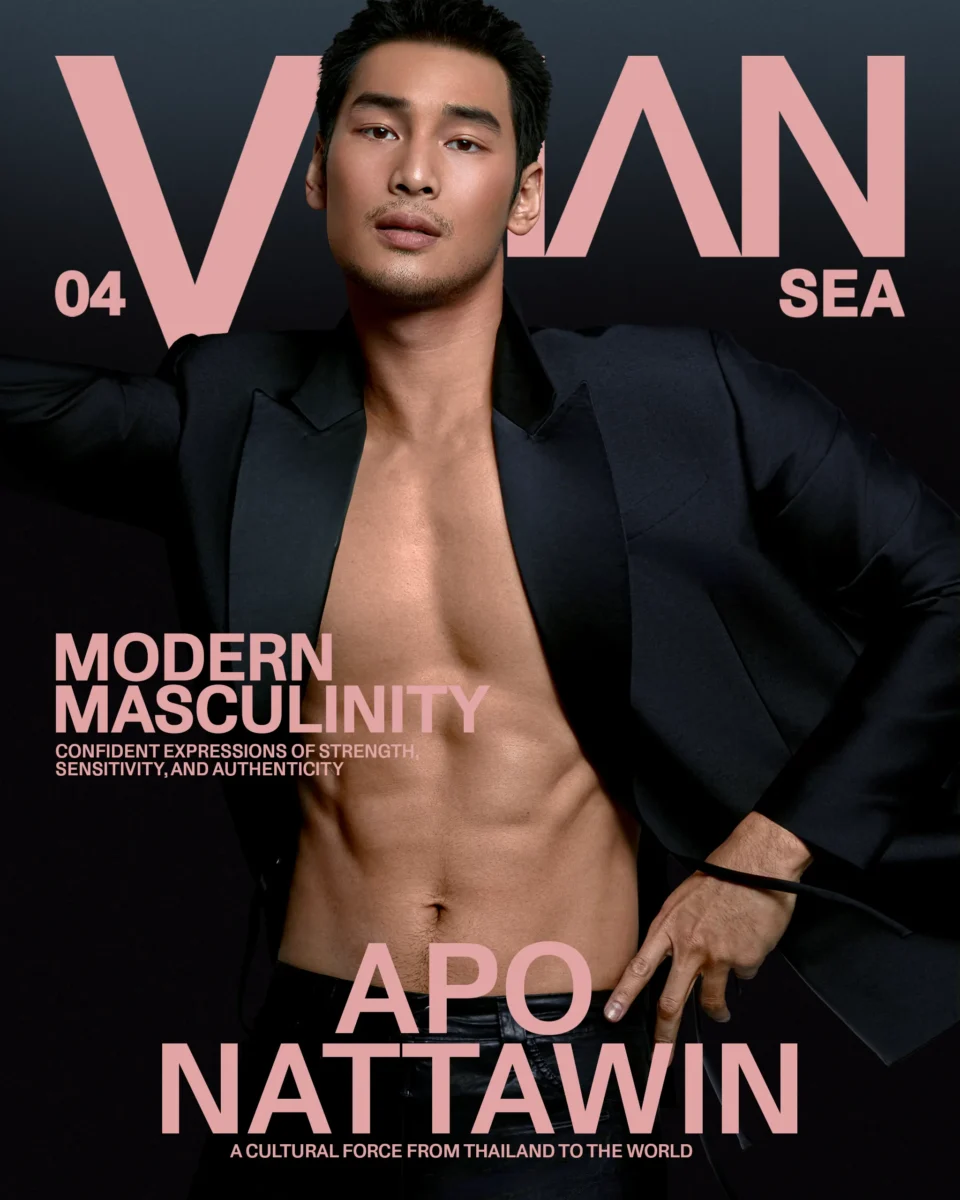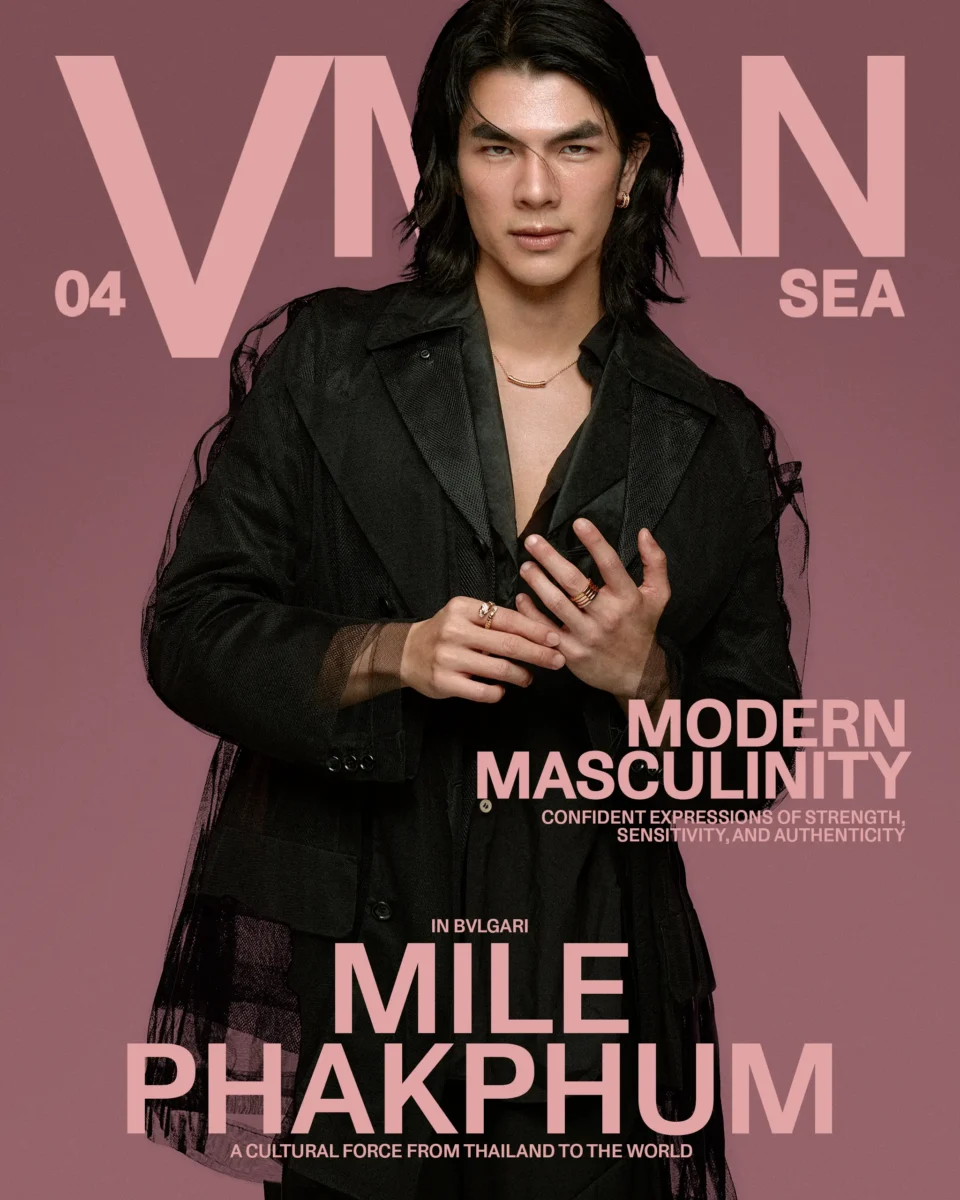
Peak Lapels Are Back in the Spotlight
Peak lapels are returning to the forefront, offering a sharper silhouette that reflects a renewed appetite for structure




A return to structure
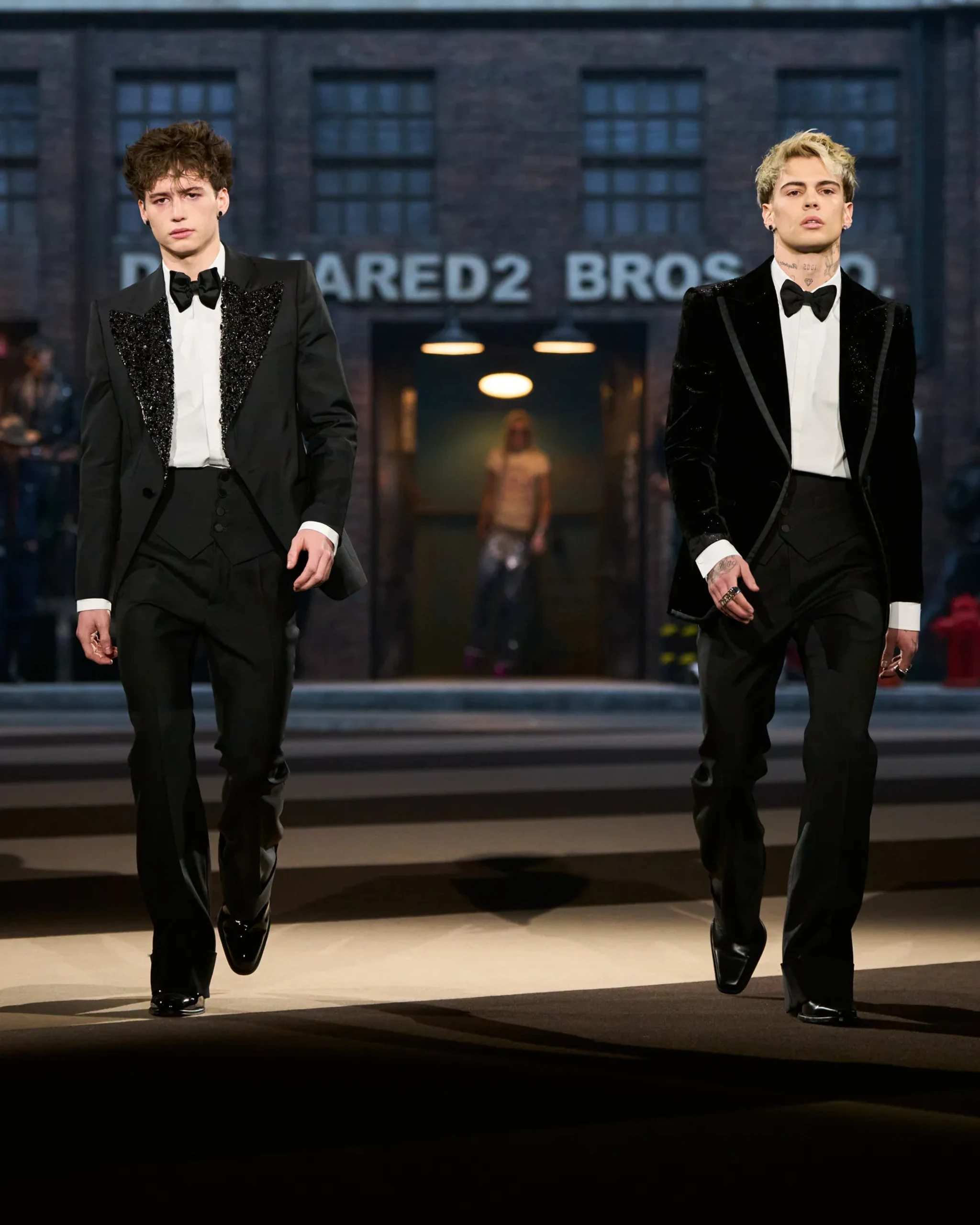
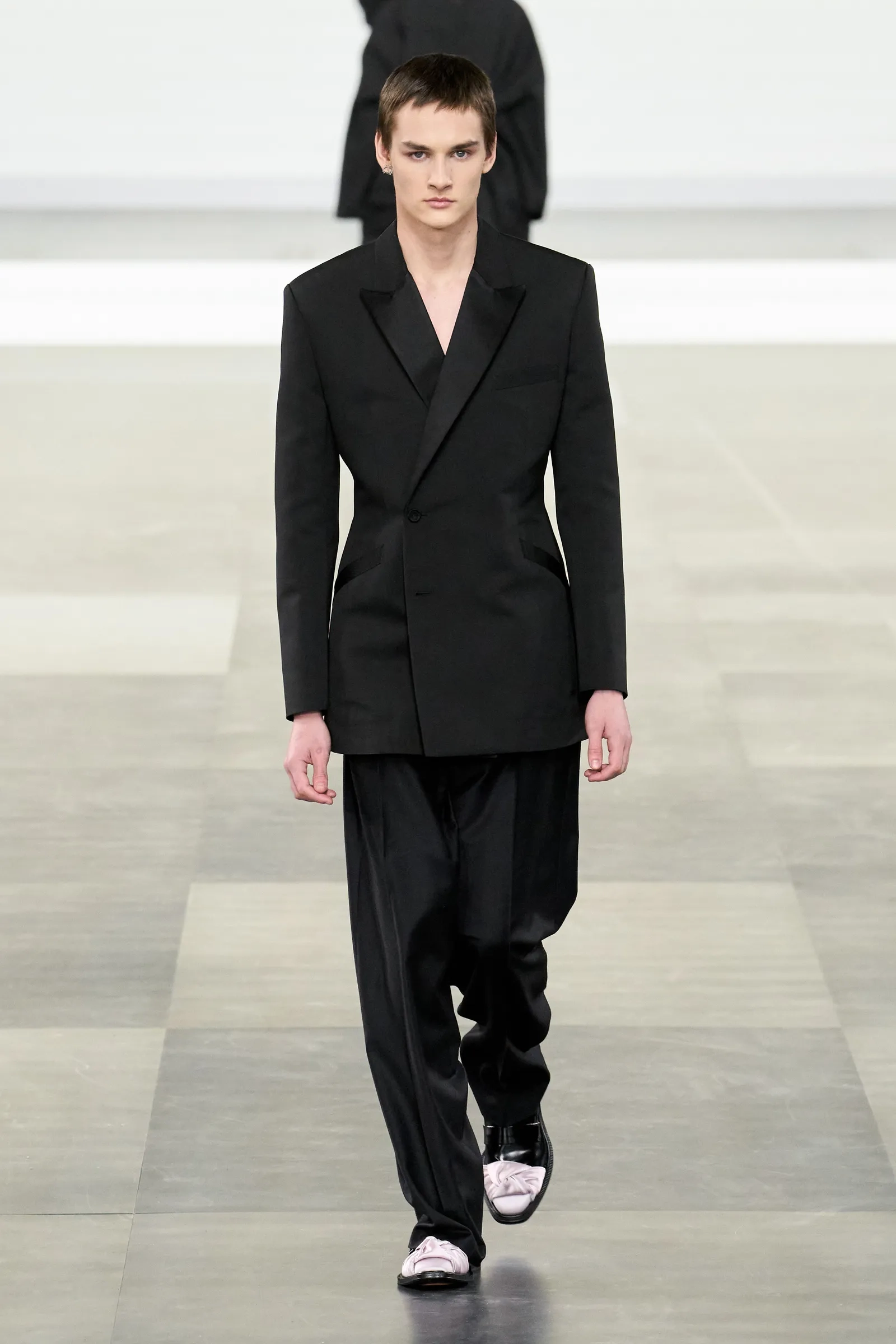
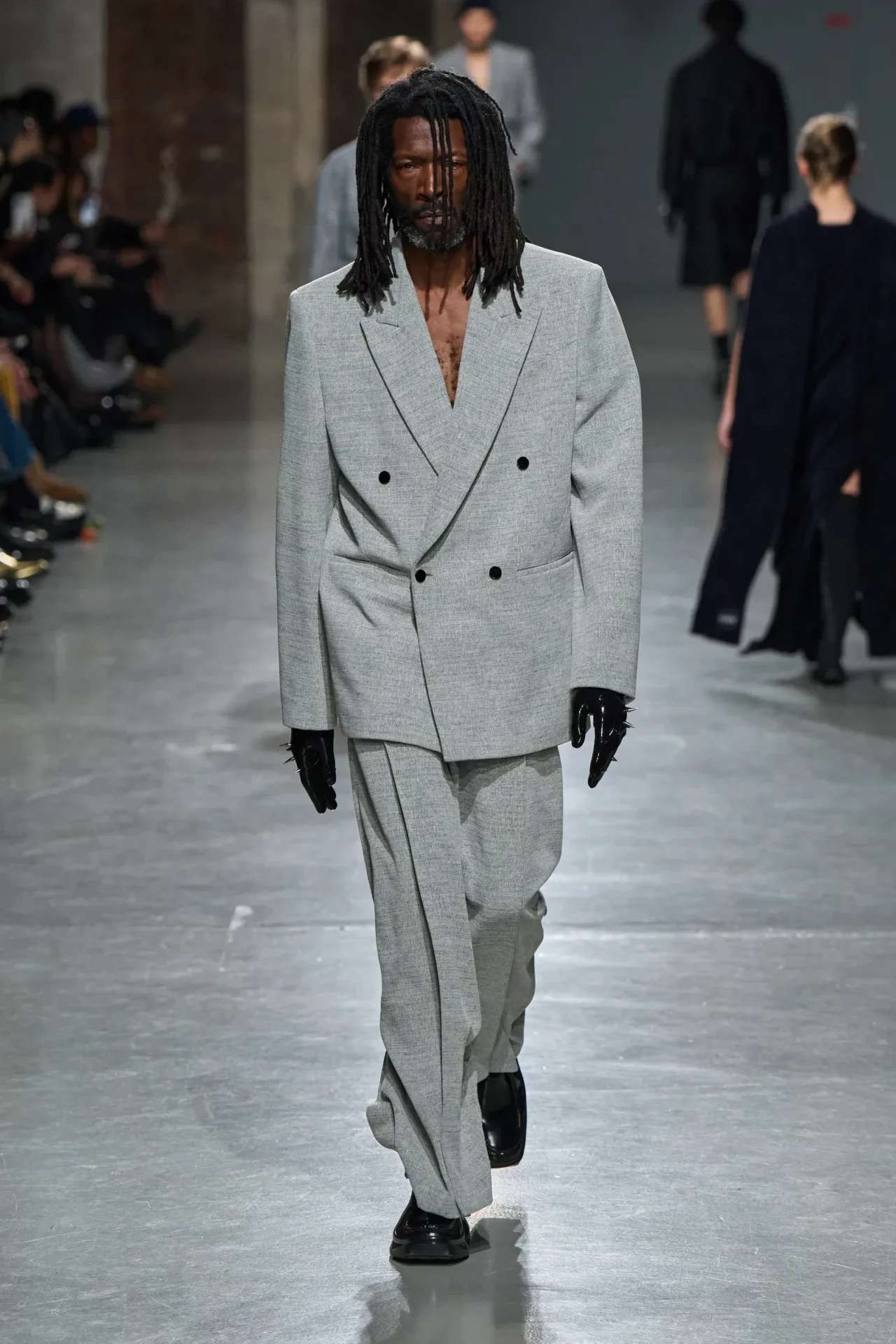
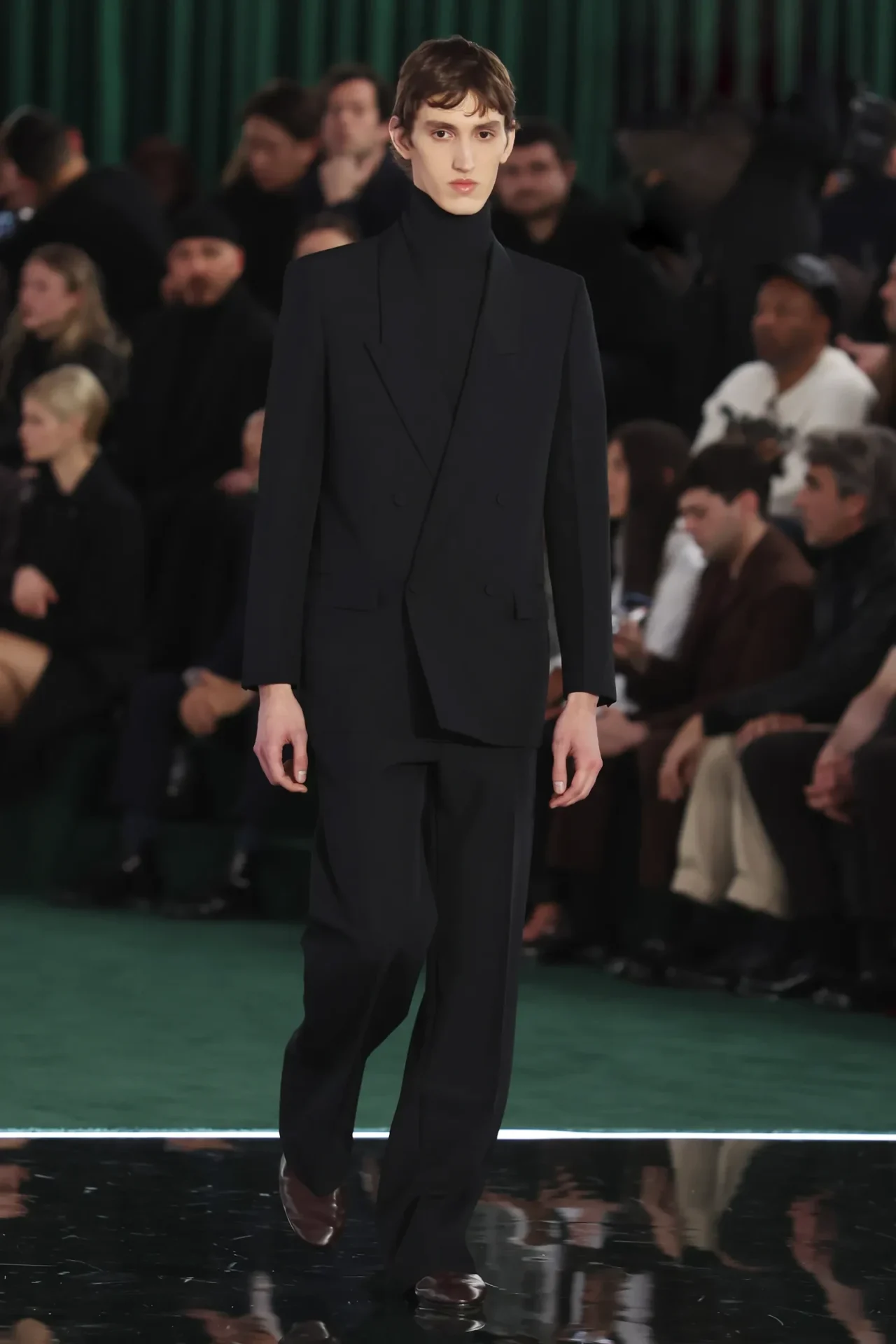
The upward-facing detail of peak lapels have reappeared on double-breasted suits, tuxedos, and tailored jackets. It draws the eye toward the shoulders and creates a longer line that instantly changes the posture of the wearer.
Peak lapels trace their origins to the 19th century, when they served as defining elements of tailcoats and frock coats. Their presence in Hollywood’s golden era solidified their association with sophistication.
By the 1970s and 1980s the style had reached its widest proportions, matched by equally bold ties and the decade’s appetite for expressive tailoring. The trend faded during the minimalism of the 1990s, but the renewed focus on classic suiting in recent years has brought the design back into circulation.
Why the detail matters
The appeal is partly structural. Peak lapels create a clear frame and enhance the shoulders, which explains why they continue to find relevance in both business and formal settings.
Slim versions appear on modern single-breasted suits. Medium widths offer a balanced profile suited for most body types. Wide versions, often seen on double-breasted jackets, deliver a stronger visual impact. The shape highlights the upper half of the jacket and can easily draw attention to poor fit, particularly in the shoulders.
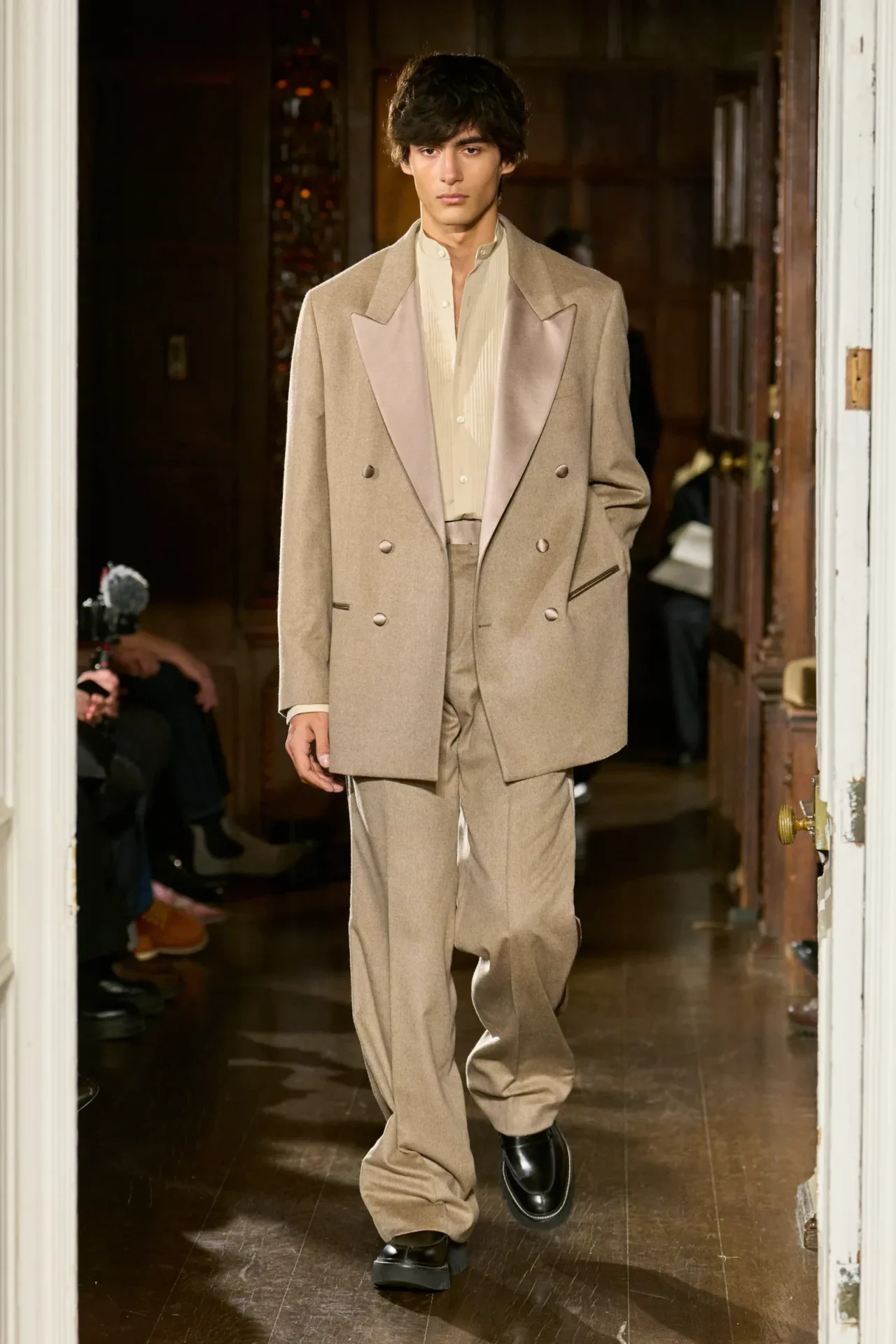
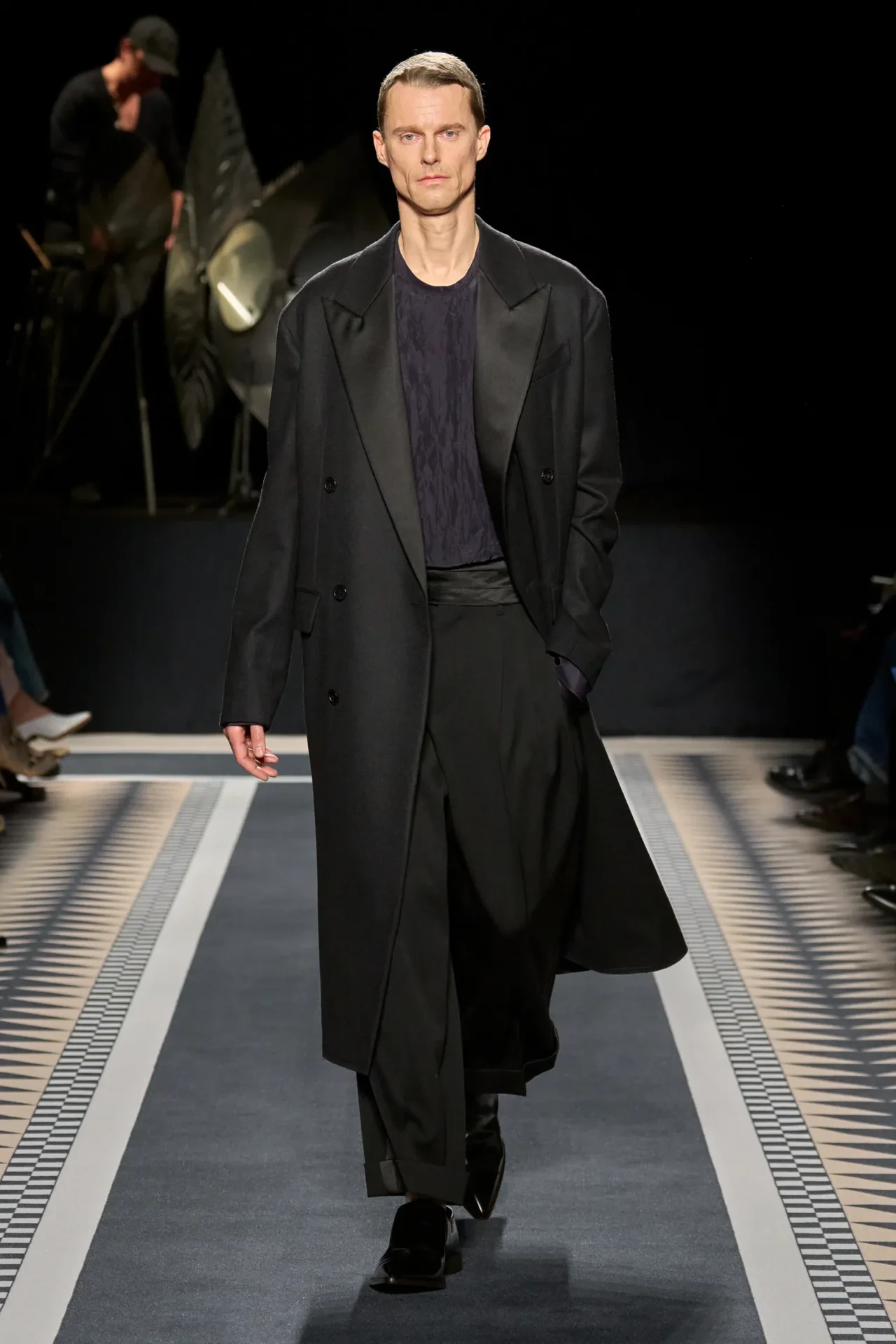
Peak lapels are versatile across color and styling choices. Traditional black, navy, and charcoal remain consistent options for formal events. The style pairs well with crisp shirts, structured ties, and pocket squares. Shoes follow the formality of the suit, with oxfords and loafers among the most common pairings.
READ MORE: What to Wear Below the Tux: The Season’s Best Formal Shoe Trends
A marker of craft
The detail also carries a specific technical reputation. Cutting a clean peak lapel is considered one of the more challenging tasks in tailoring. This has contributed to its long-standing association with dressier garments as well as the sense that wearing one is an intentional decision rather than a default choice.
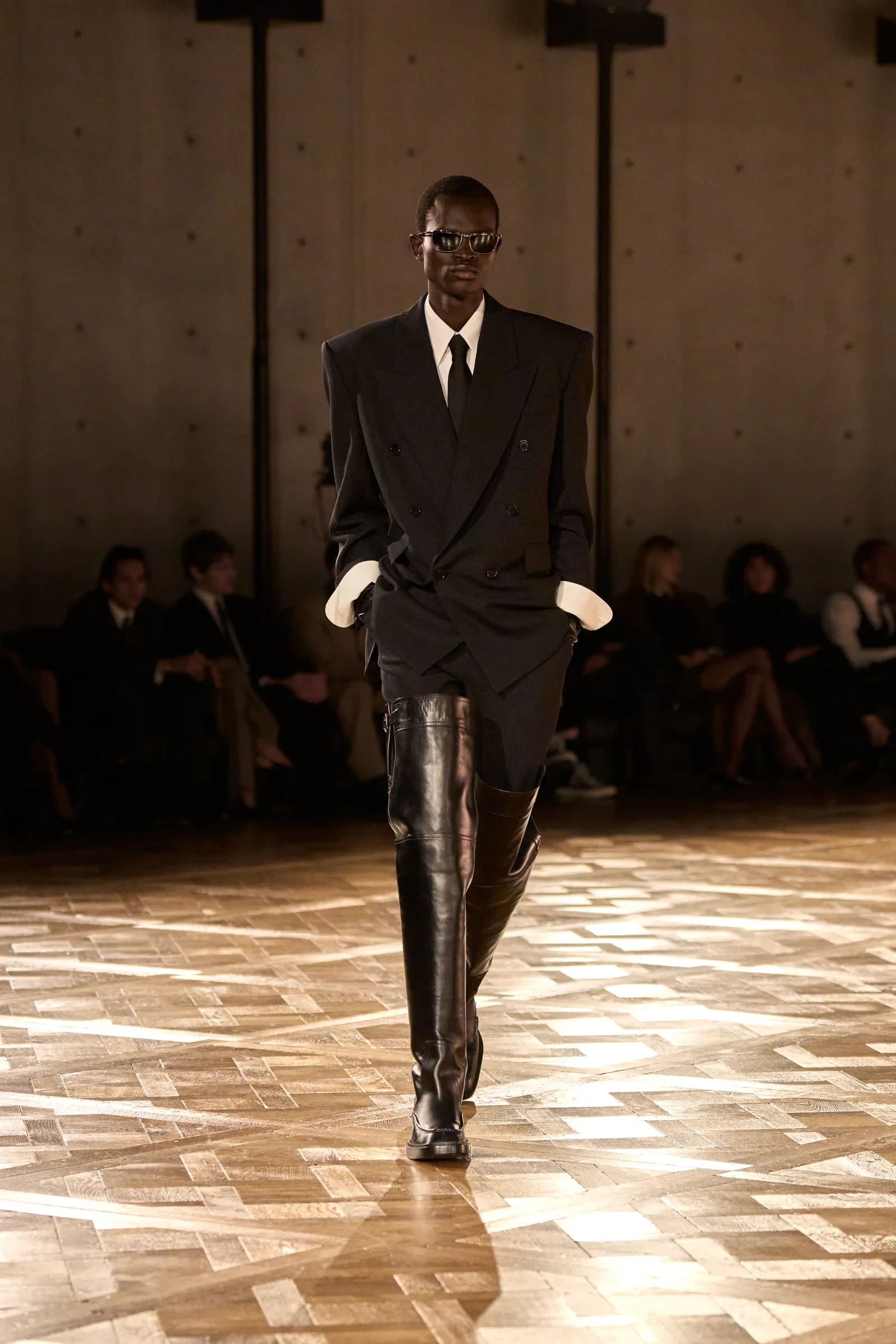
On structured business suits, the peak lapel reads as a confident stylistic move. On softer jackets, it becomes a way to introduce a more playful note.
After years of casual dressing, we now appear to be gravitating toward sharper silhouettes and cleaner lines. The peak lapel’s upward point, once seen as too formal for everyday wear, now fits into a climate where personal presentation is again treated as a meaningful part of public life.
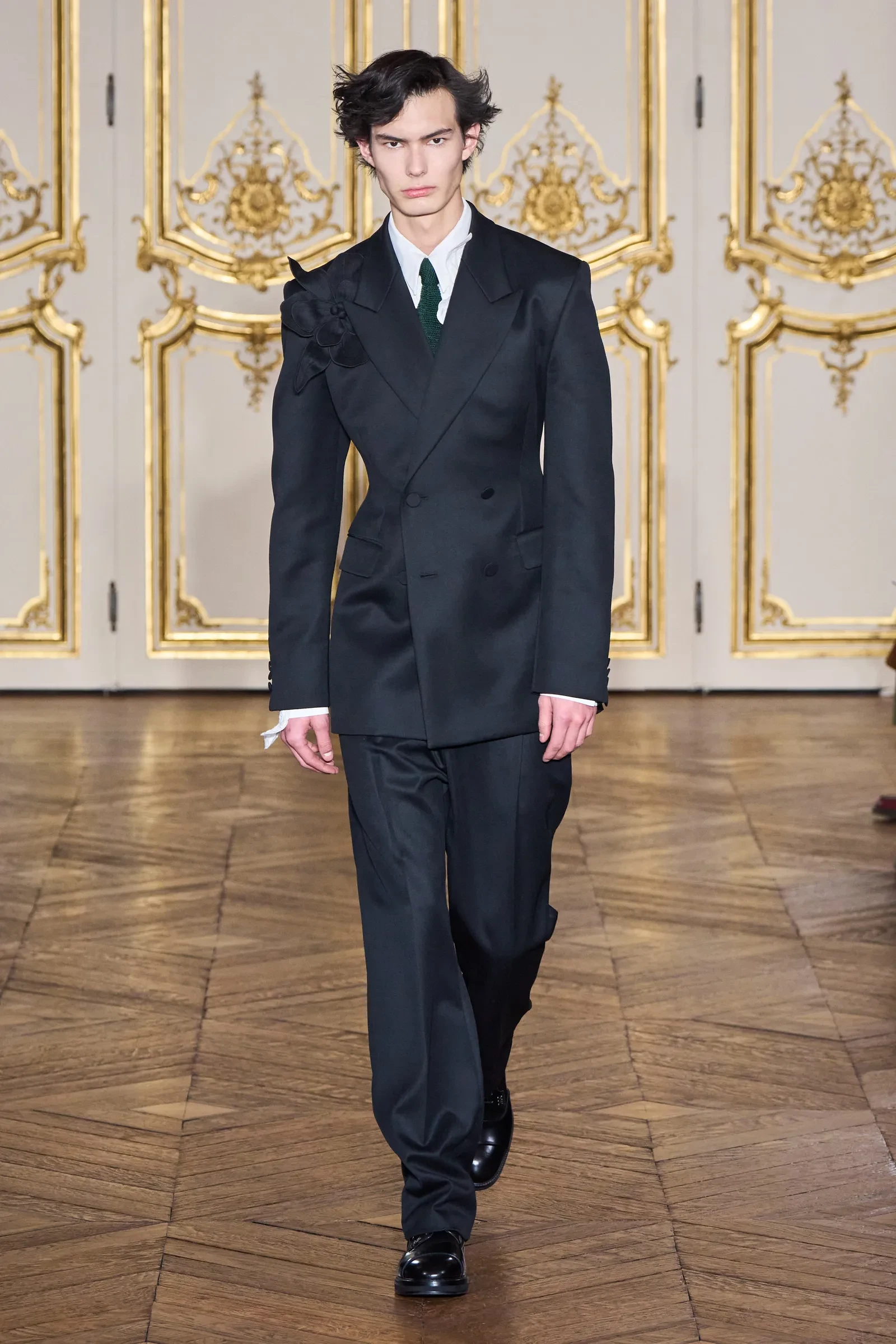
The detail signals an interest in tailoring that is not nostalgic but contemporary, shaped by a desire for clothing that adds definition rather than blends in.
Peak lapels are jacket collars with points that angle upward toward the shoulders. They are popular because they create a structured silhouette and are associated with formalwear and classic tailoring.
Peak lapels are commonly found on double-breasted suits, tuxedos, and formal dinner jackets. They can also appear on single-breasted blazers for a modern look.
Slim peak lapels suit slender frames and modern suits, medium widths work for most body types, and wide peak lapels enhance broader shoulders. Choosing the right width helps create a balanced and confident silhouette.
Yes, peak lapels are versatile. They are formal enough for weddings or business events but can also add a stylish edge to more casual jackets when paired with the right fit and accessories.
Ensure the suit fits well, especially at the shoulders, to highlight the lapel’s shape. Pair with a crisp dress shirt, tie, or pocket square, and choose colors that suit the occasion.