
lOUIS vUITTON Just Gave Its Iconic Watches a Bold New Edge
Louis Vuitton expands its collection with ceramic versions of the 1988 Monterey and five Tambour Spin Time references, pushing experimental watchmaking




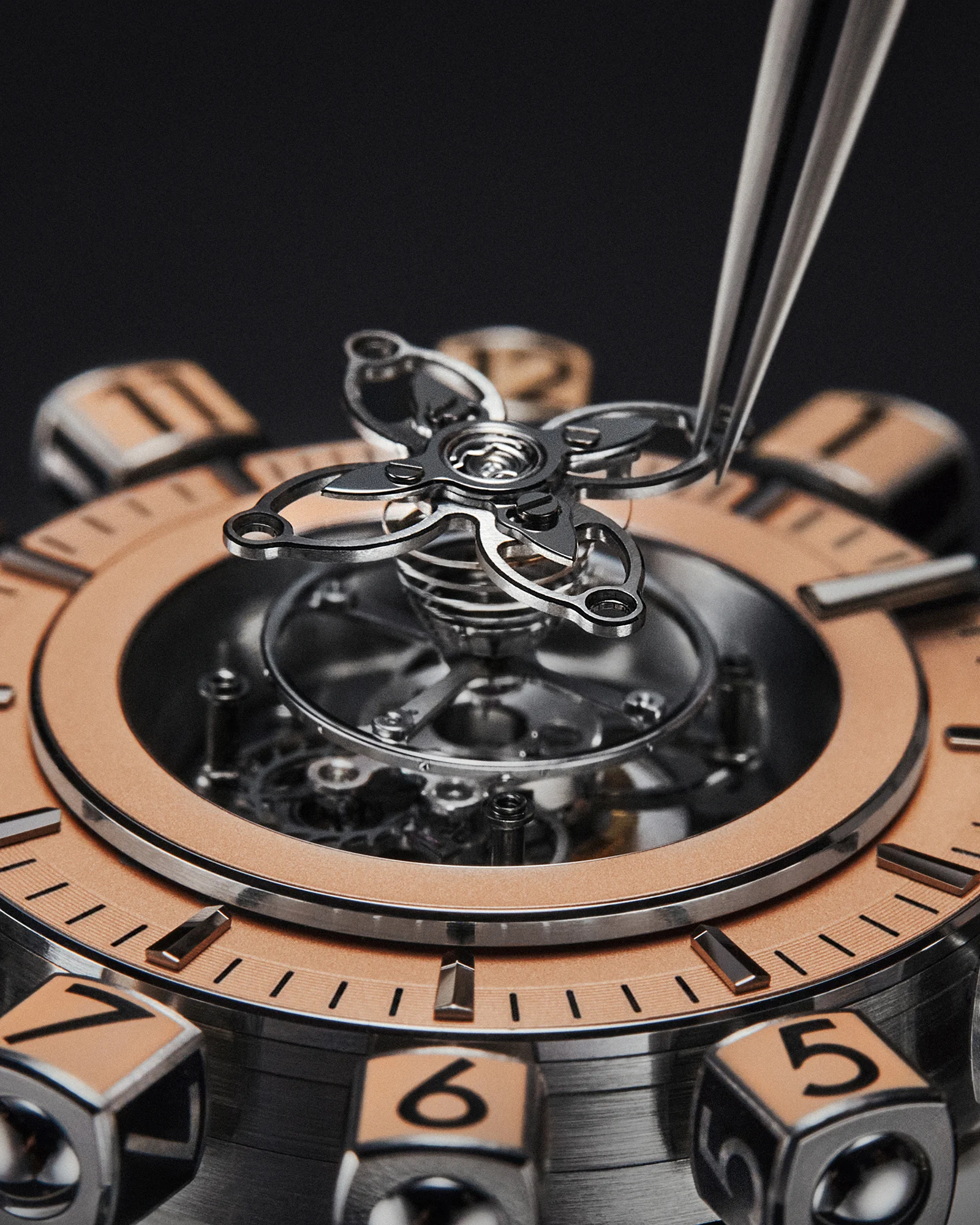
- The 1988 Monterey returns in two ceramic editions, reworking Gae Aulenti’s distinctive design with contemporary materials.
- Five permanent Tambour Spin Time references explore rotating cube displays, precious gemstones, and bold color combinations.
- The Tambour Spin Time Air Antipode and Flying Tourbillon extend the complication into world-time functionality and high horology.
The Monterey gets a contemporary overhaul
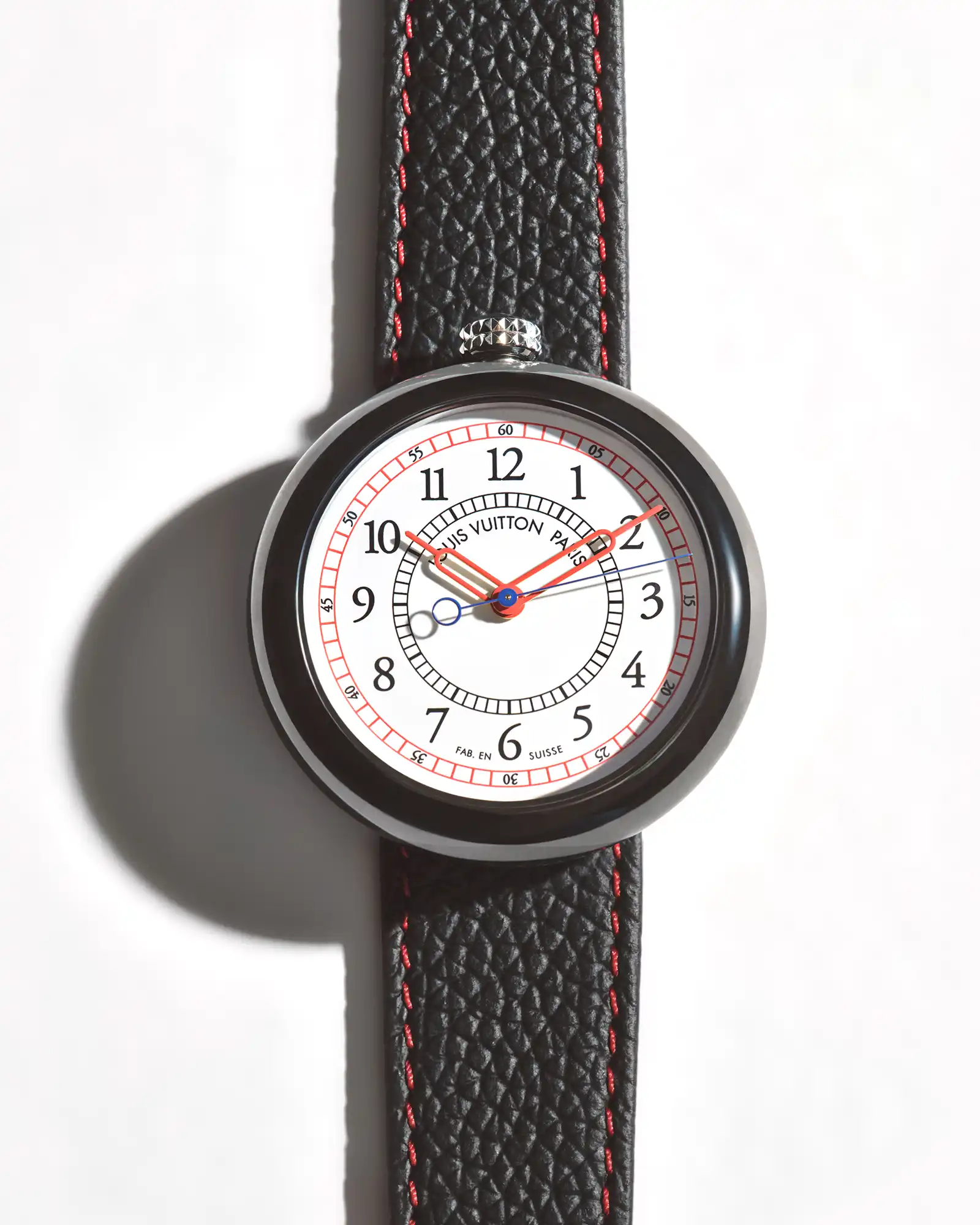
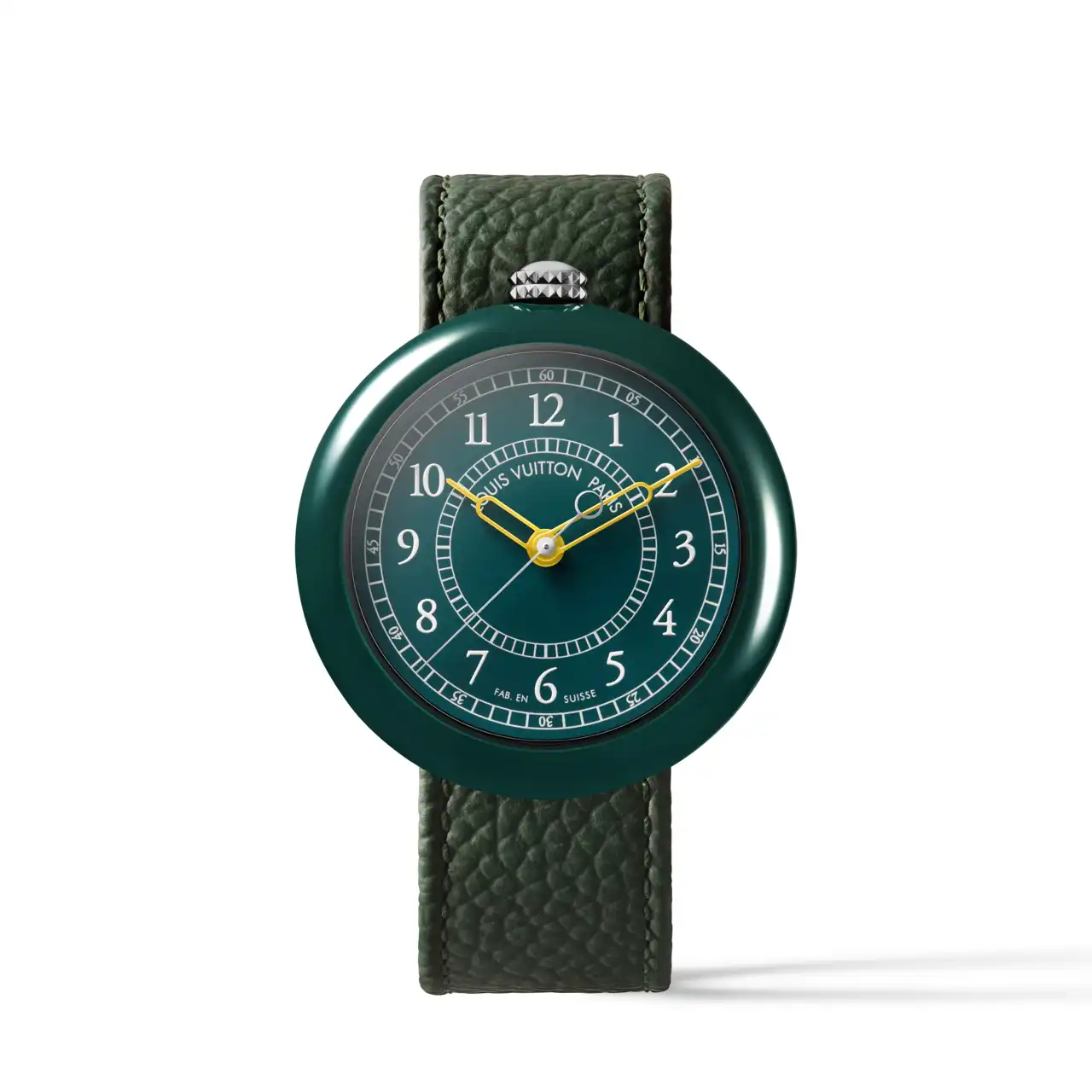
Louis Vuitton updates the 1988 Monterey watch with two ceramic versions. Originally designed with architect Gae Aulenti, the timepiece retains its pebble-shaped case and 12 o’clock crown, now updated with modern materials.
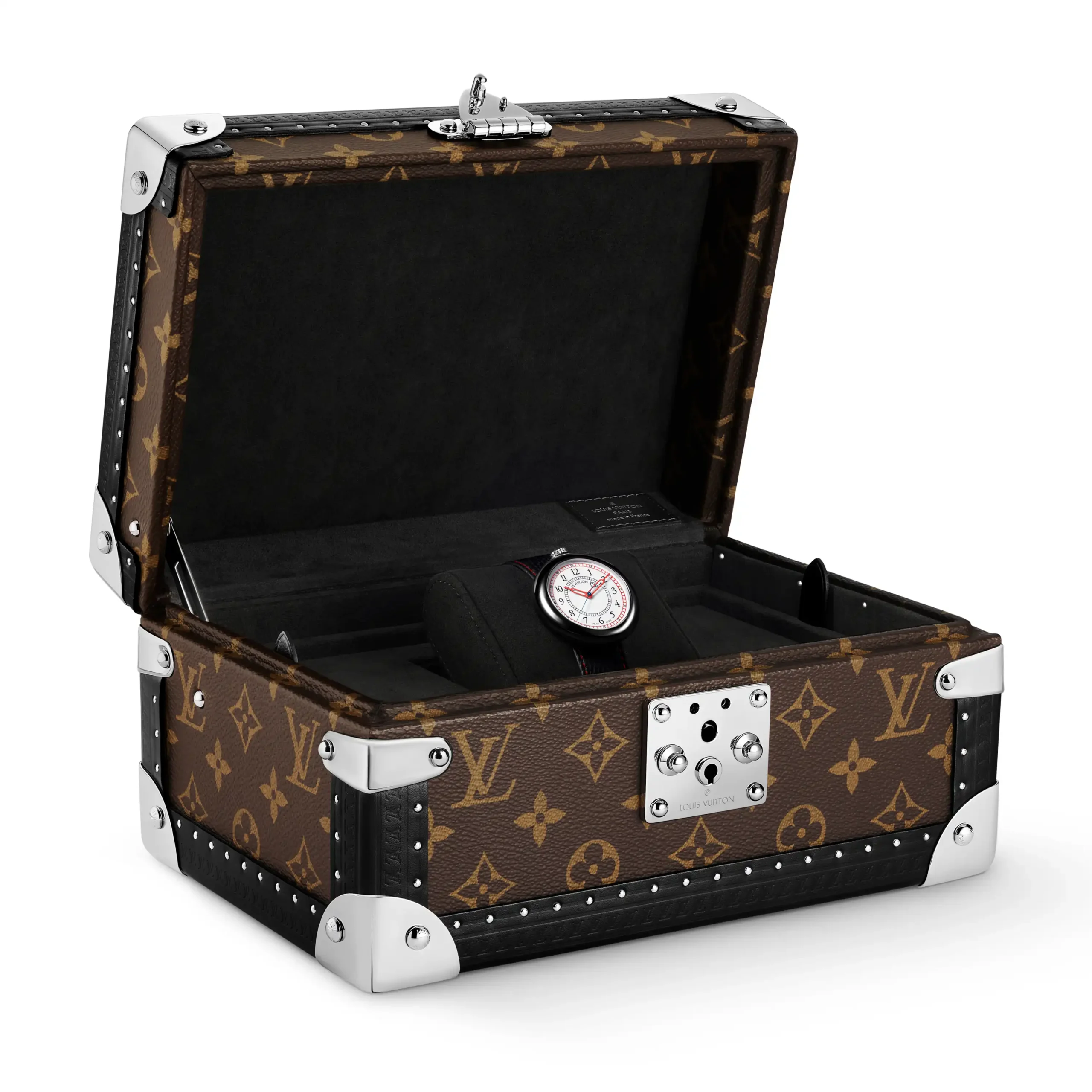
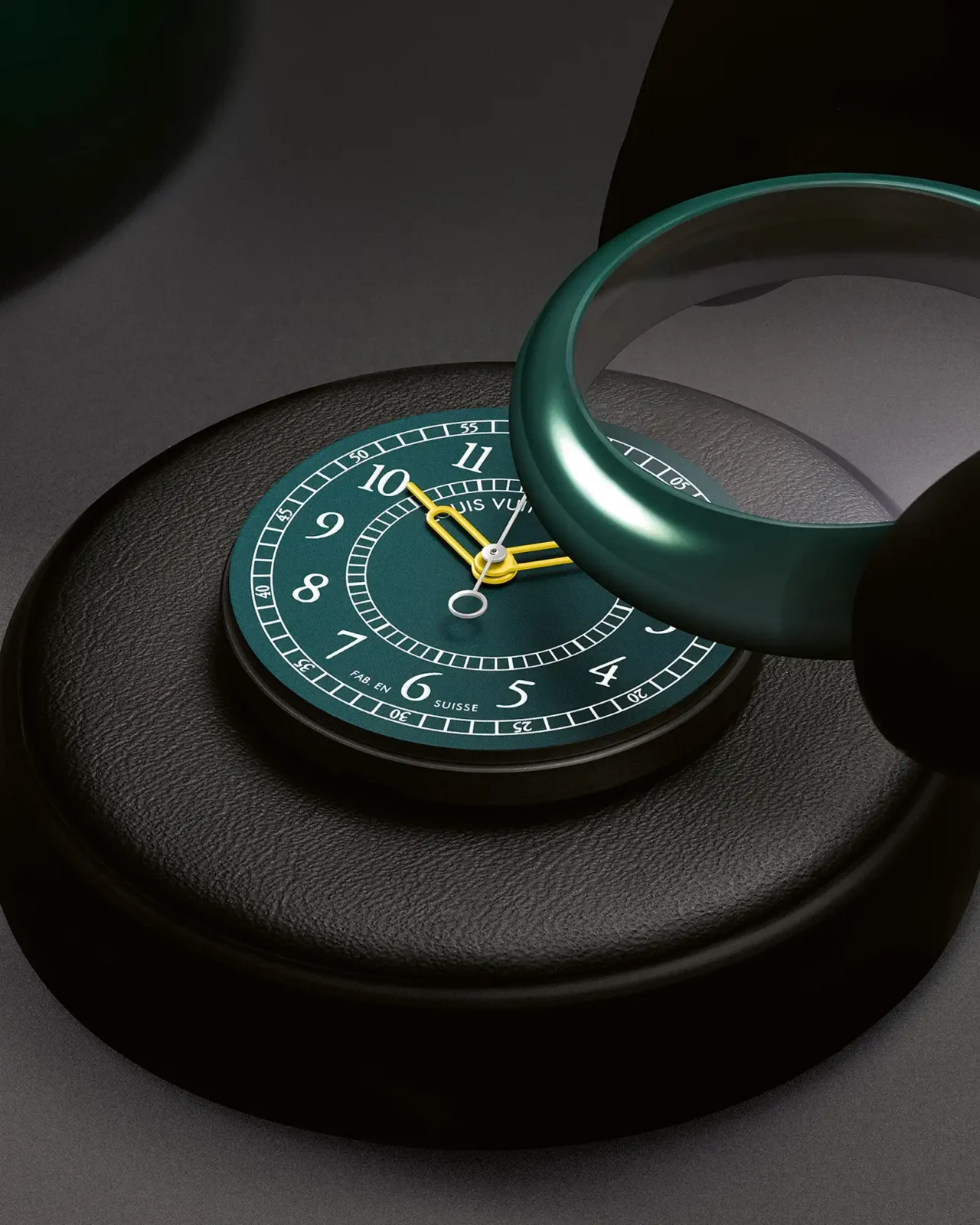
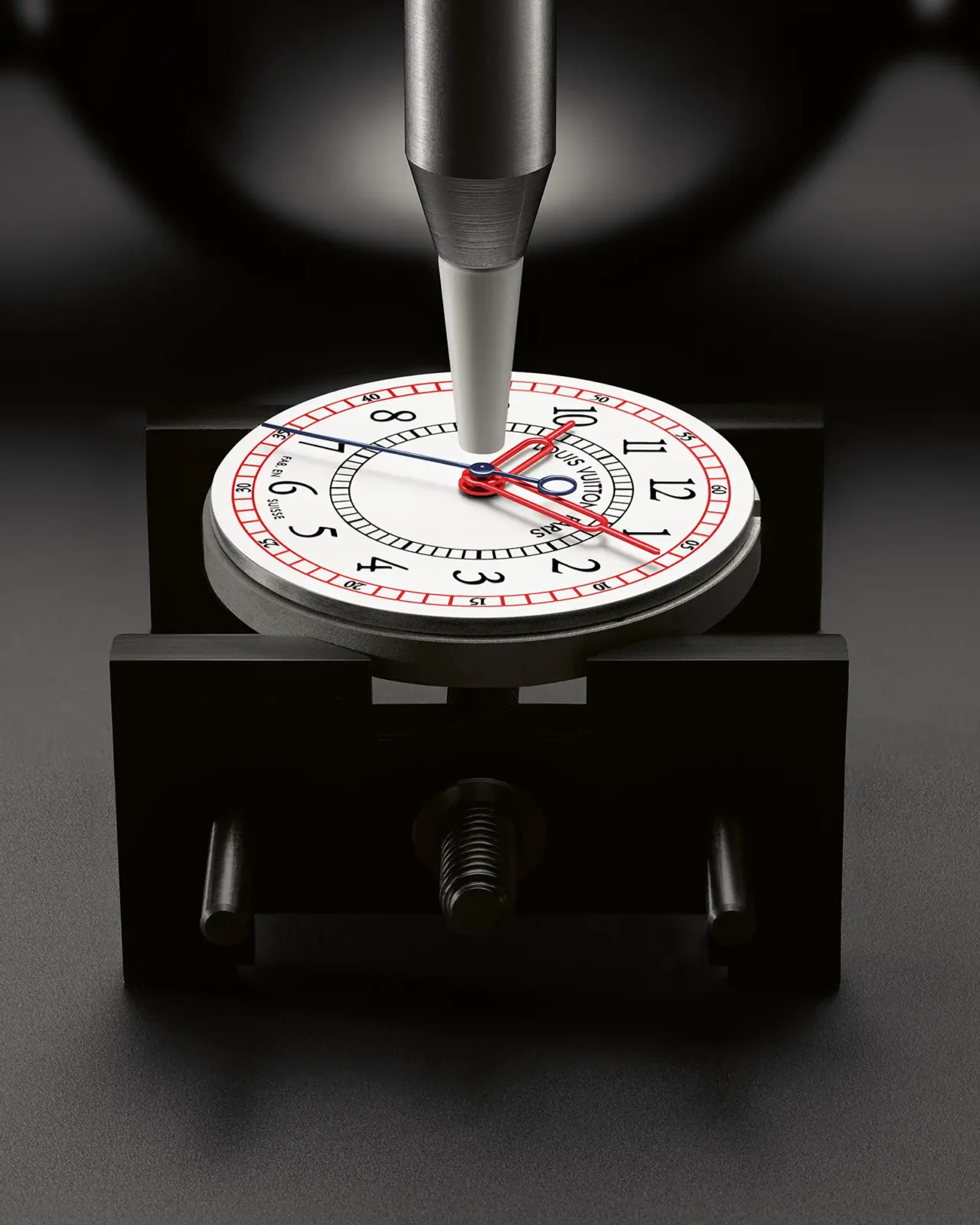
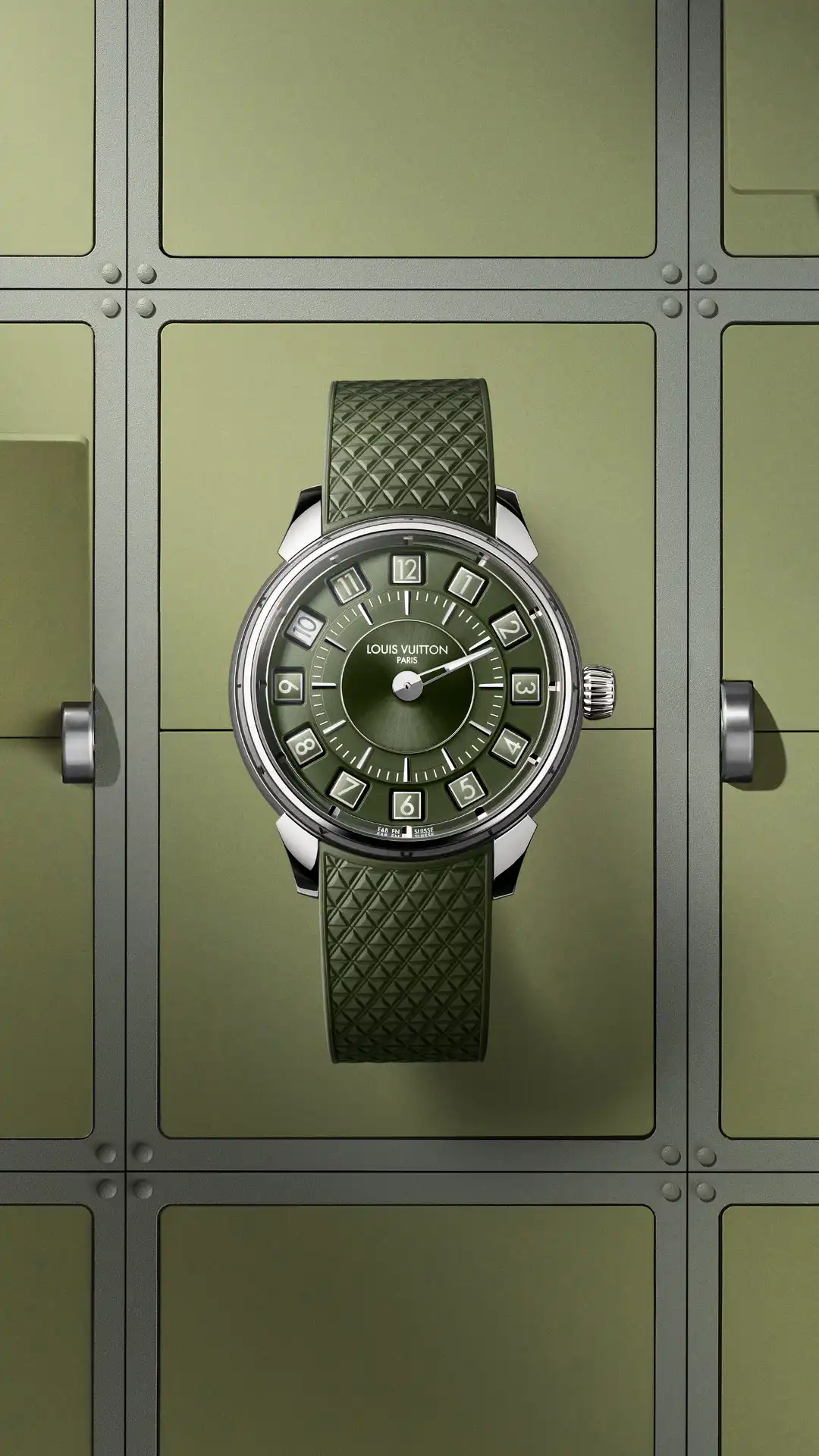
Both editions retain the 37 mm case, now crafted from high-performance zirconium oxide ceramic. One arrives in deep, tone-on-tone green, while the other contrasts black ceramic with white lacquer details, giving the historic silhouette a sharper, more graphic presence.
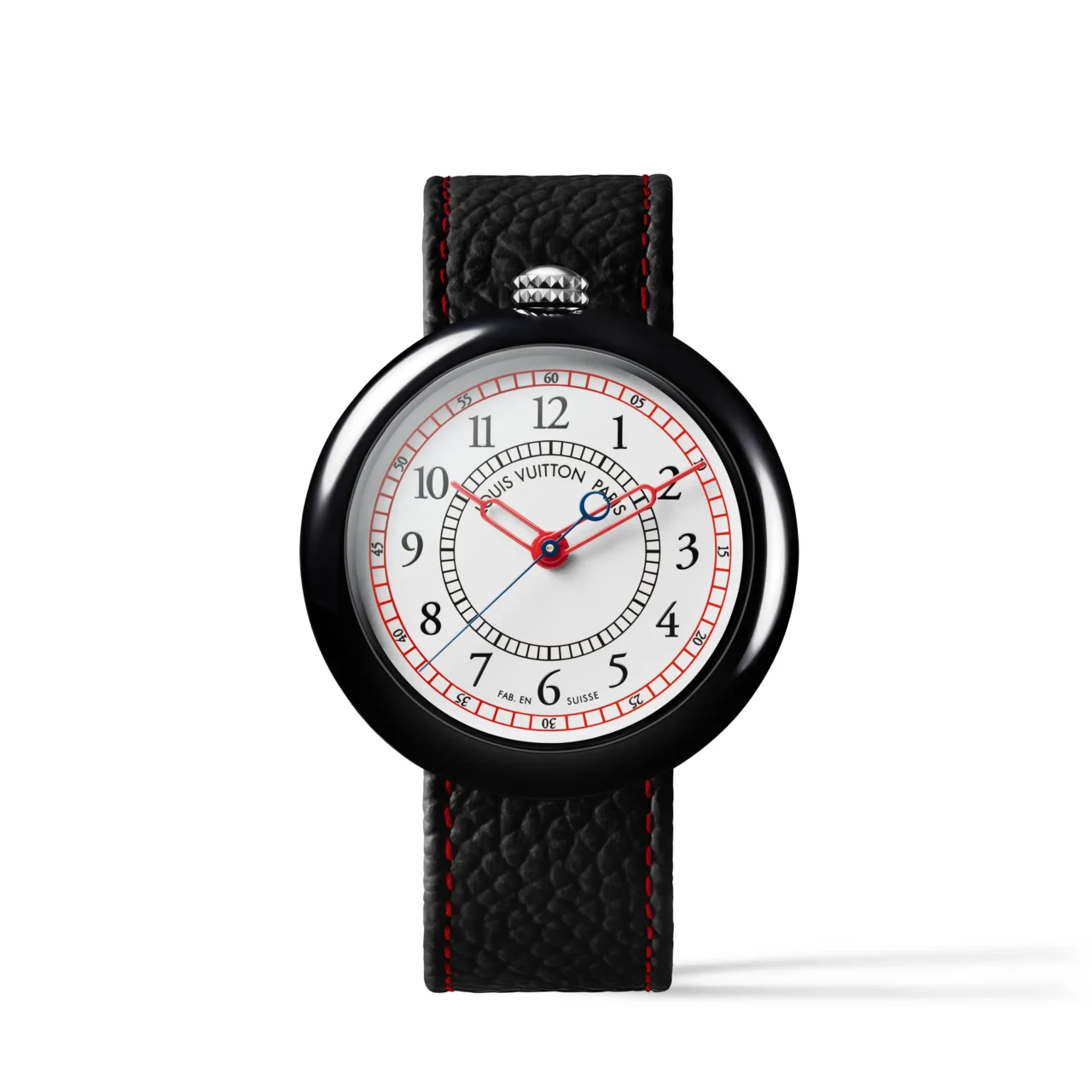
Inside, the automatic calibre LFTMA01.02 upgrades the quartz original with a modern mechanical engine, featuring micro-sandblasted bridges and an LV Monogram-engraved 22-carat rose gold rotor.
Spin Time brings movement to the dial
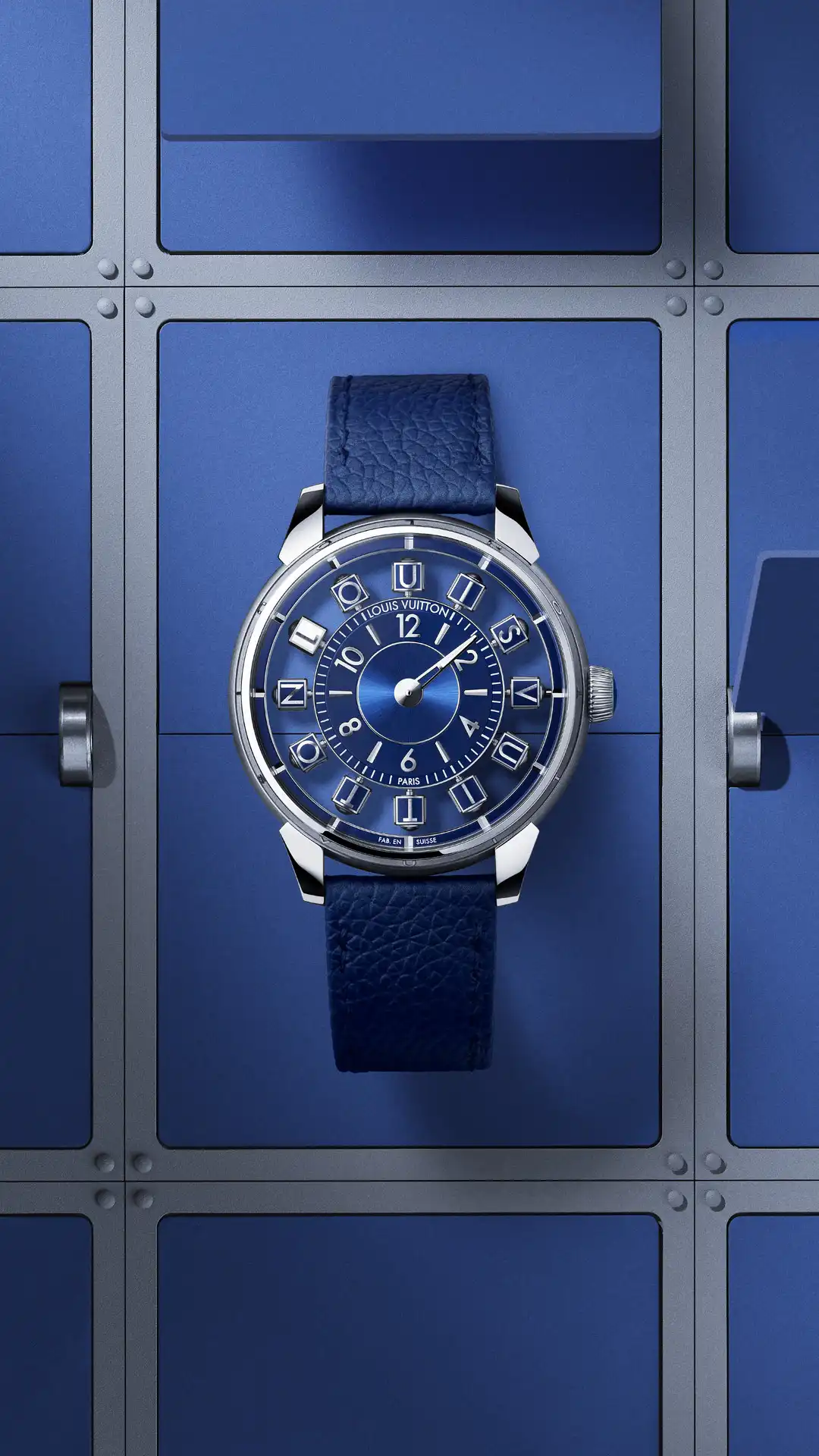
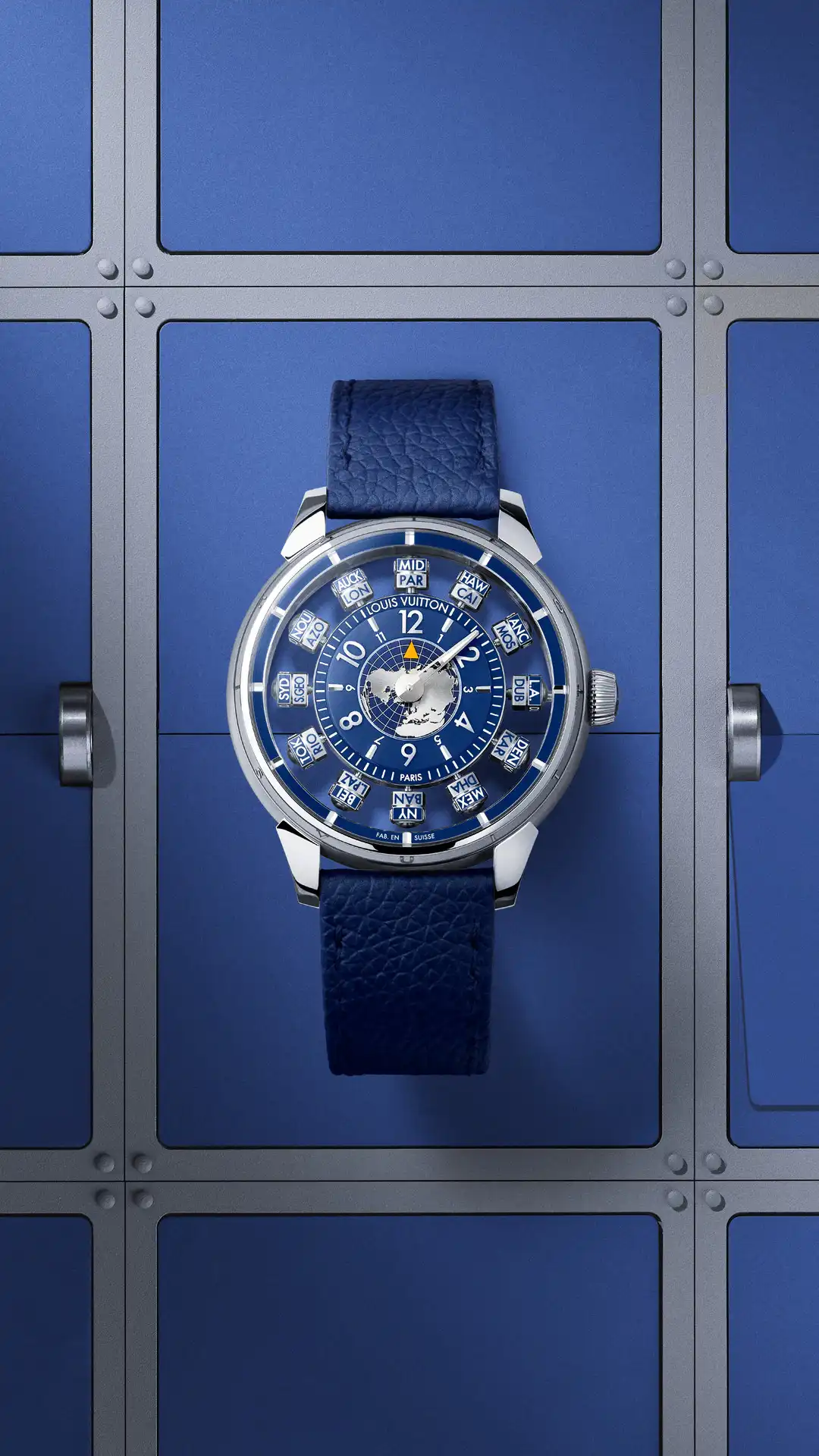
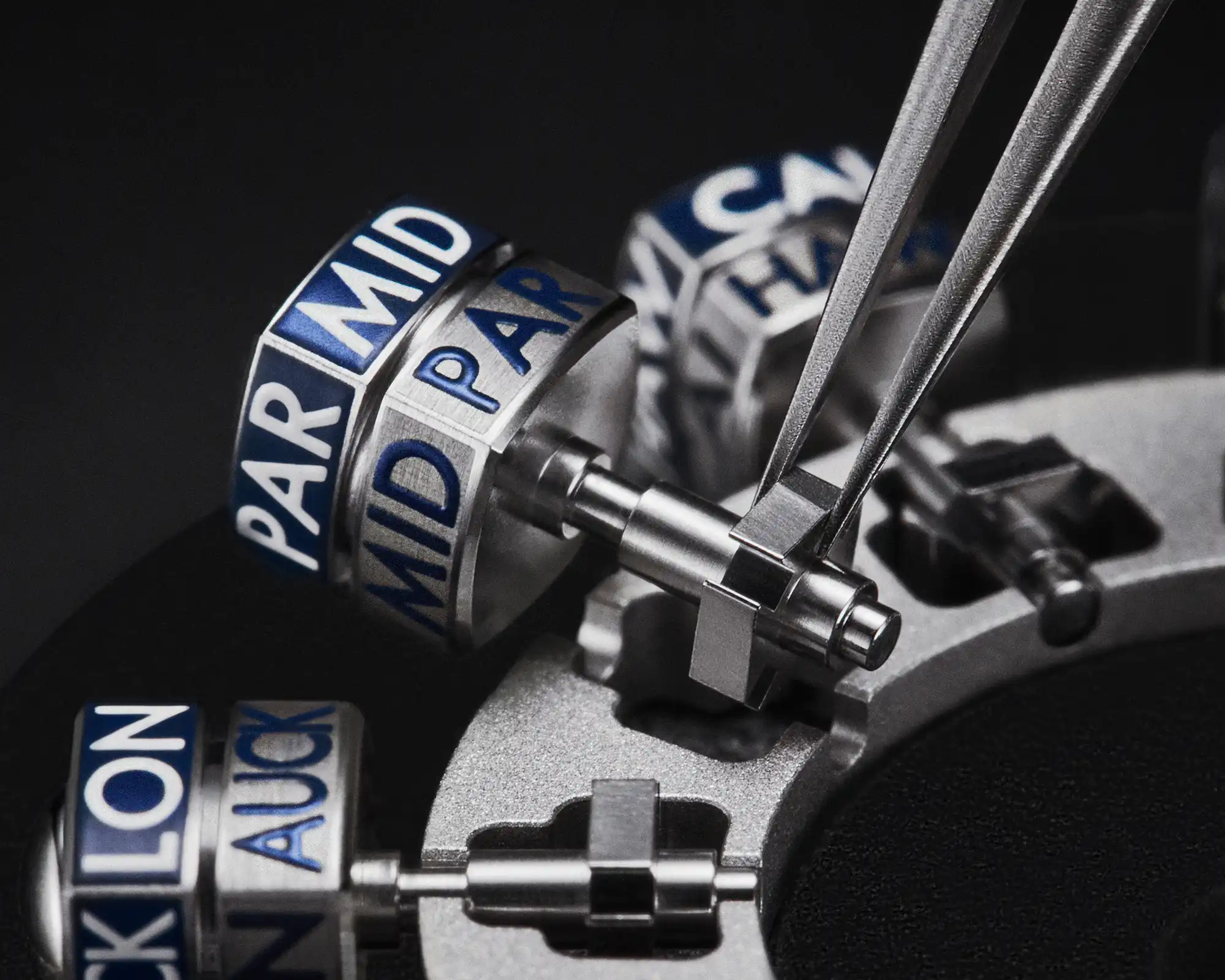
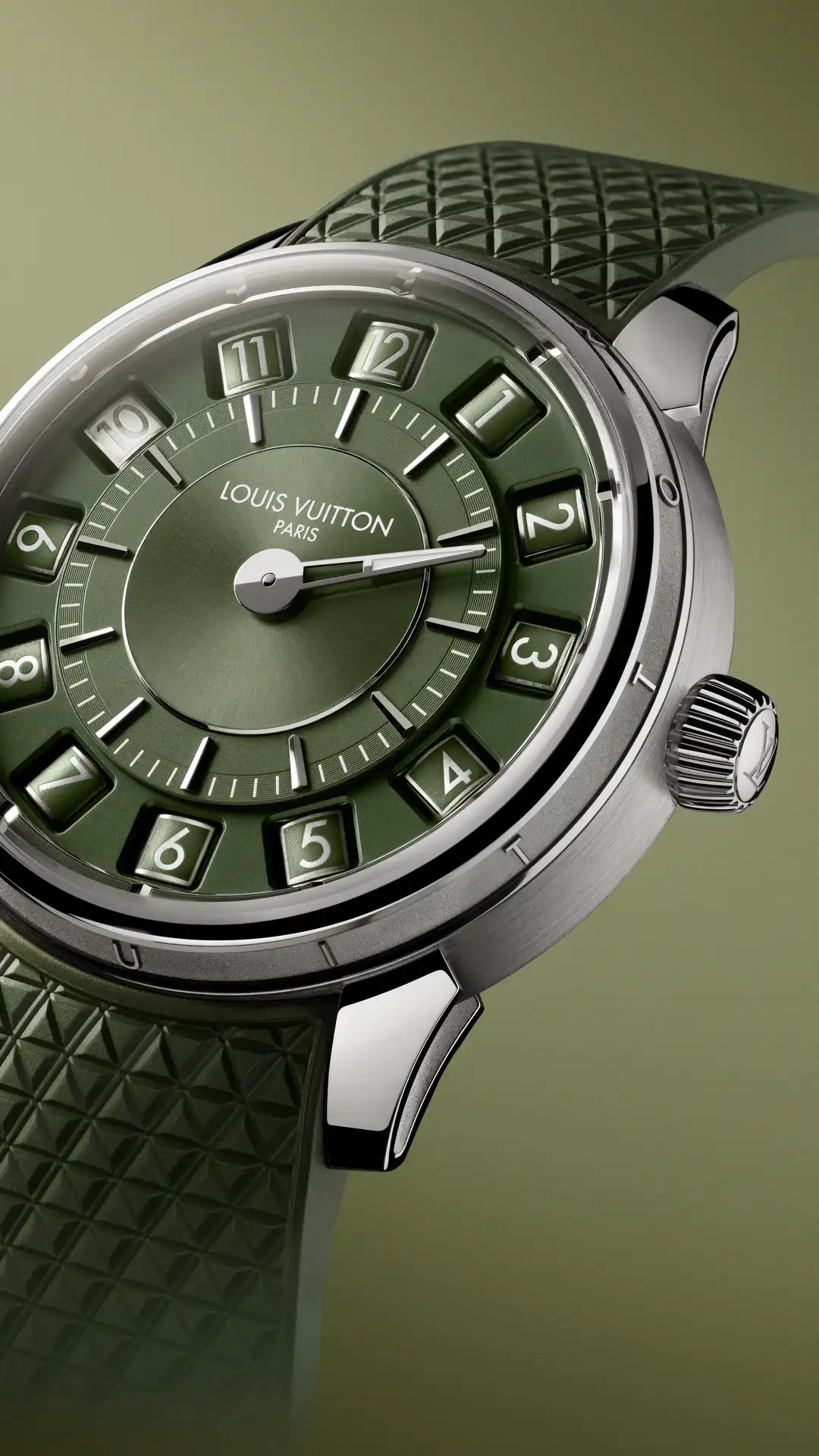
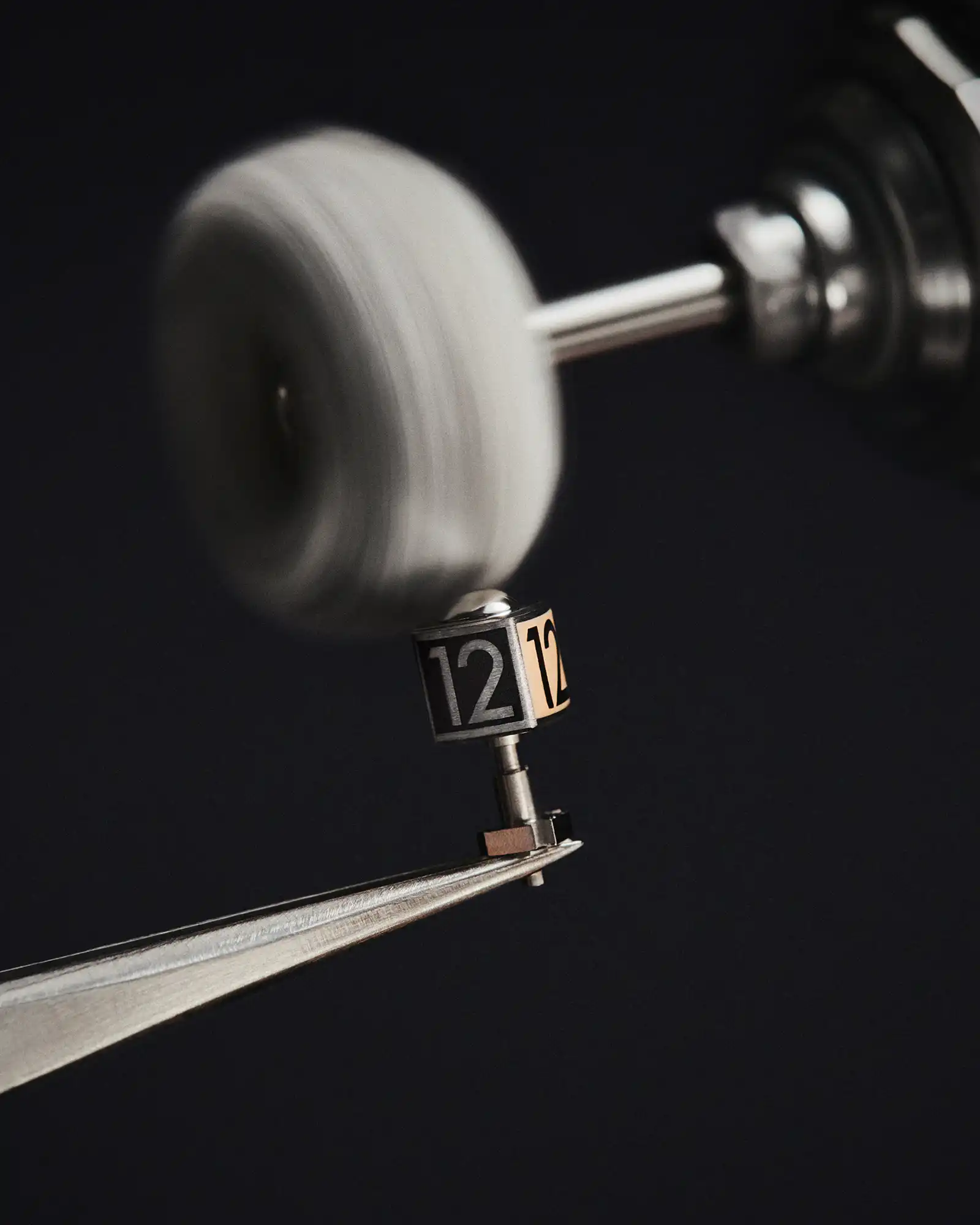
Created in 2009 by Michel Navas and Enrico Barbasini, the Spin Time complication draws inspiration from mechanical airport departure boards, indicating time using 12 rotating 3D cubes instead of traditional hour hands.
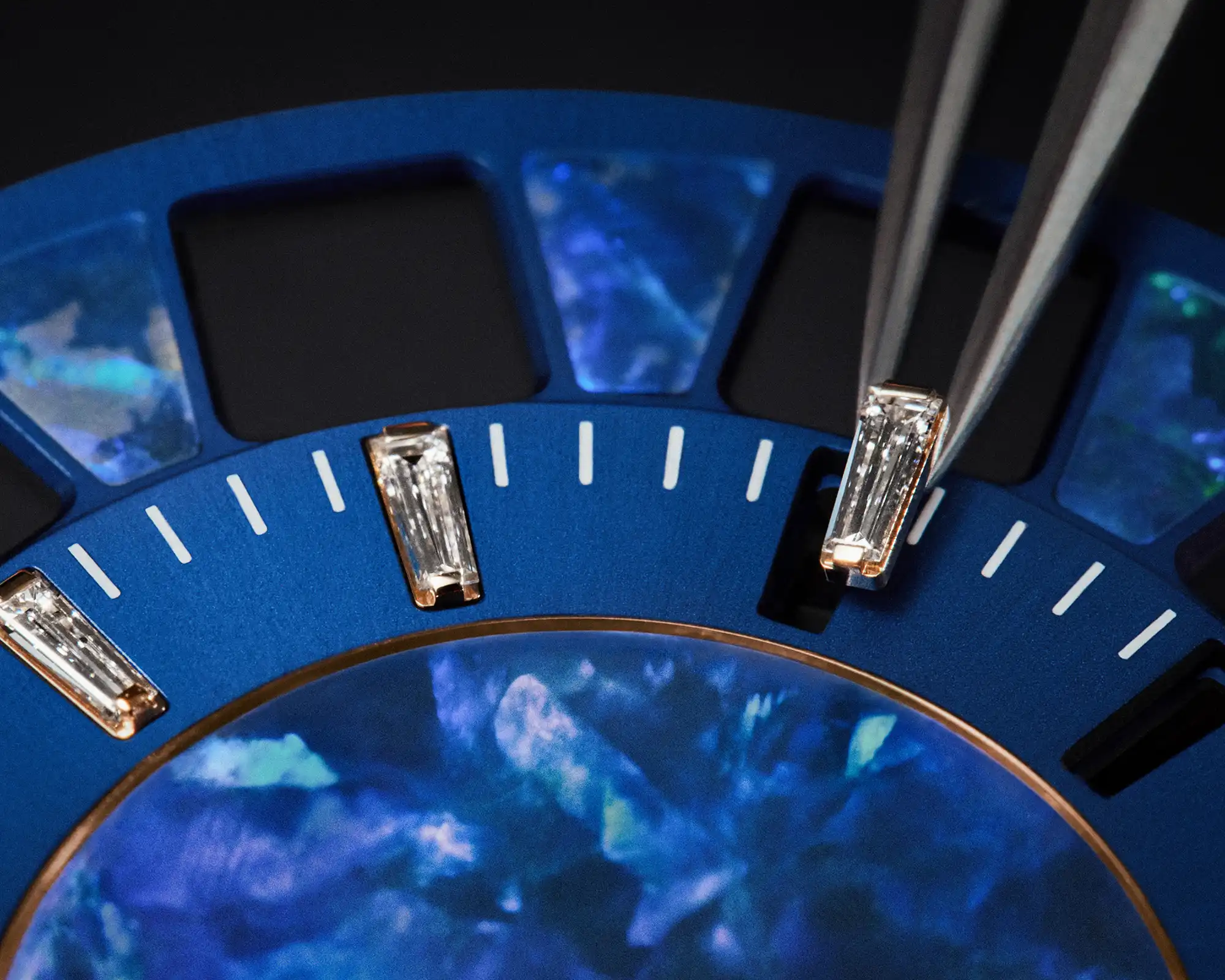
New permanent editions showcase the mechanism in varied materials and finishes, including a deep-green 39.5 mm white gold model and an 18-carat rose gold version featuring Australian blue opal, diamonds, and blue sapphire baguettes.
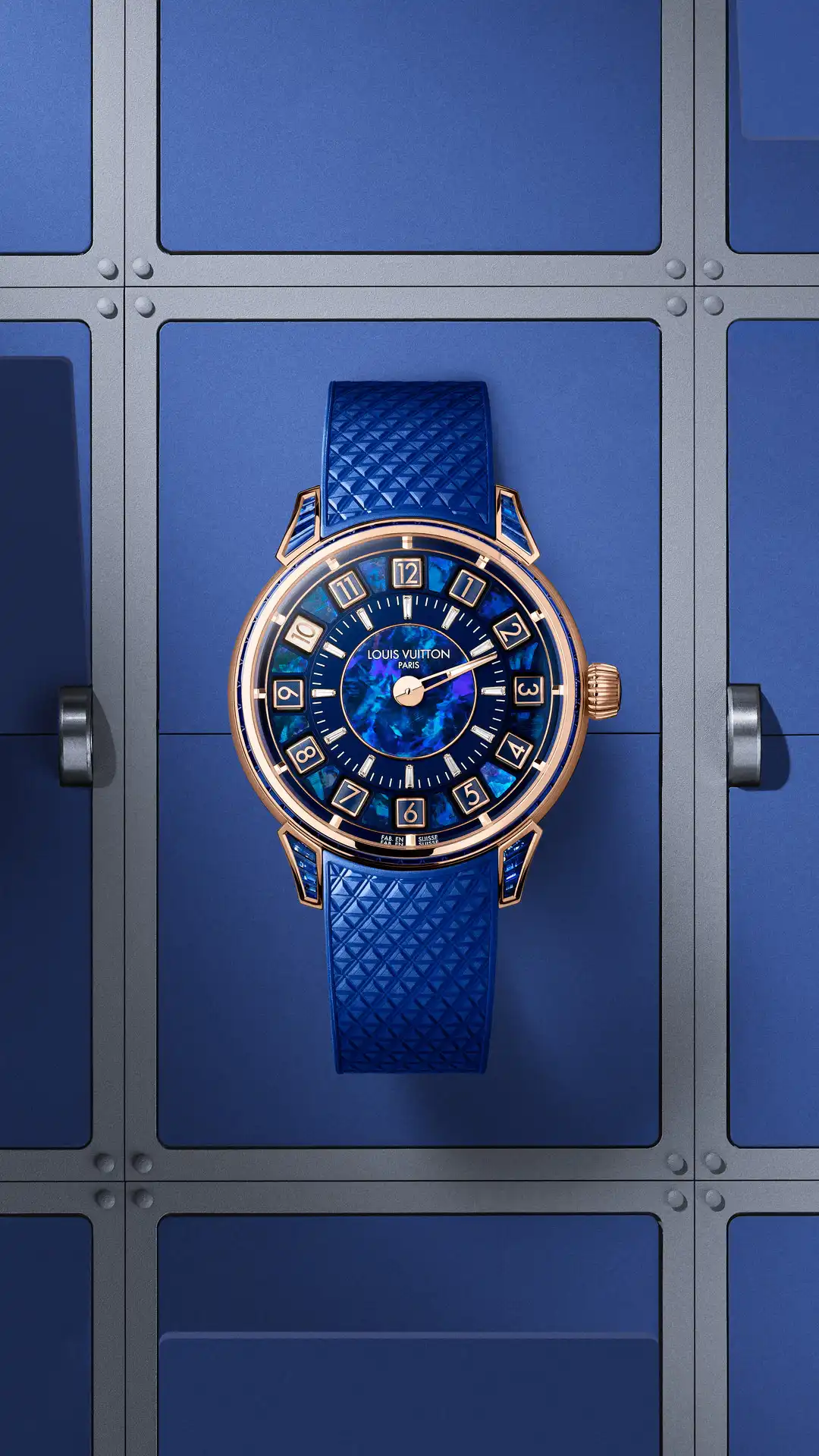
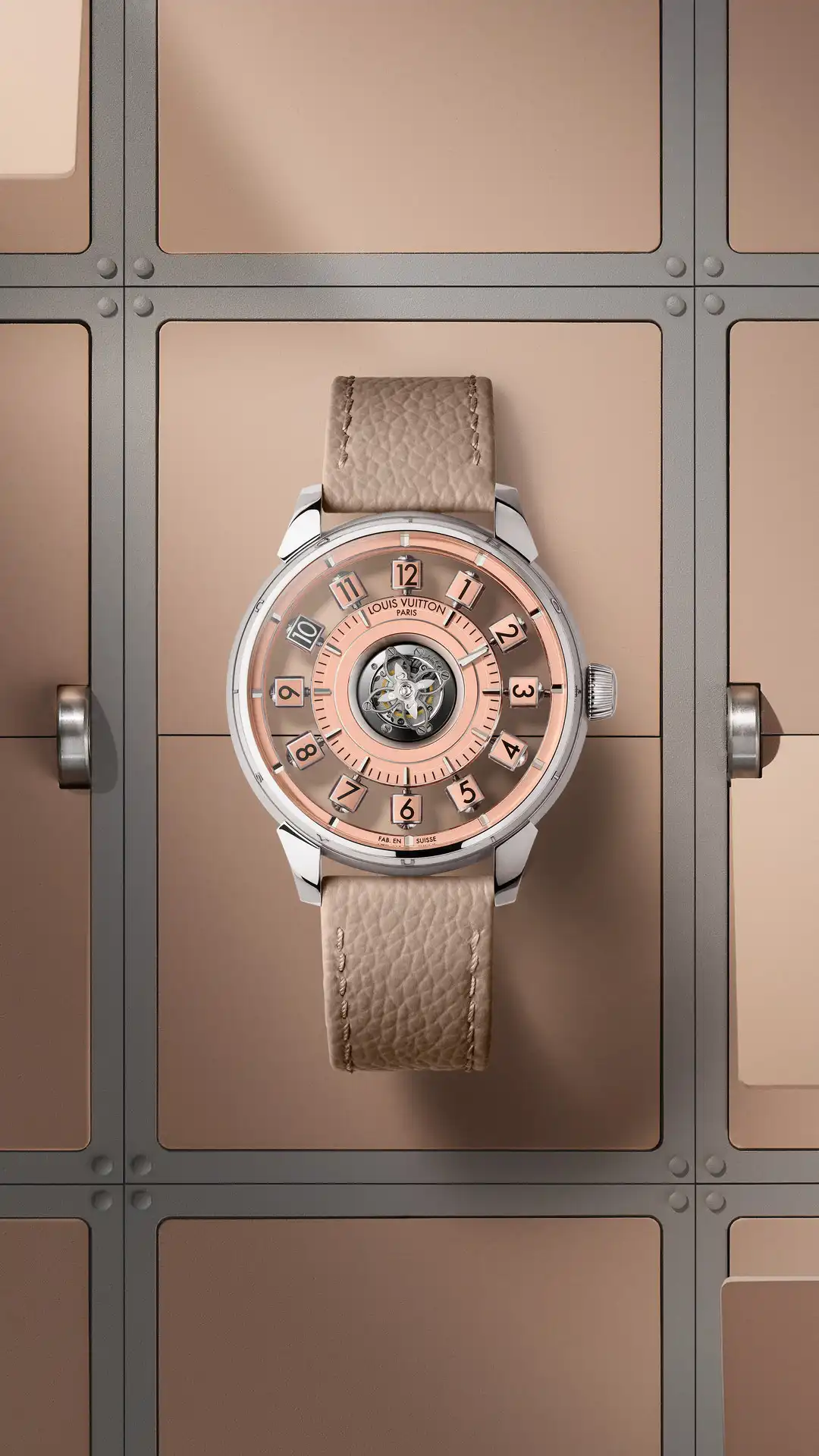
The result places mechanical ingenuity alongside the visual language of high jewelry. Each reference treats the rotating cubes as both a functional time display and a defining design feature, reinforcing the collection’s distinctly architectural approach to watchmaking.
From global time to a flying tourbillon
The white gold Tambour Spin Time Air Antipode features 12 cubes that display 24 time zones. By pairing cities 12 hours apart, its single rotating mechanism enables wearers to view corresponding day and night times.
As the collection’s most technically ambitious piece, the Tambour Spin Time Air Flying Tourbillon pairs the jumping-cube display with a Monogram flower-shaped central flying tourbillon. Cased in satin-brushed 950 platinum, it takes 50 hours of handcrafting to assemble.
A salmon dial by La Fabrique des Cadrans complements the platinum case and complex mechanics. Overall, these Monterey and Spin Time releases highlight Louis Vuitton’s evolving watchmaking through novel materials, kinetic displays, and advanced movements.
Frequently asked questions
The Monterey was introduced in 1988 in collaboration with Italian architect and designer Gae Aulenti.
Twelve rotating three-dimensional cubes display the hours around the dial, offering an alternative to conventional hour hands.
Each cube pairs two cities separated by 12 hours, allowing the wearer to track corresponding times around the world.
The two 37 mm models use high-performance zirconium oxide ceramic, presented in green or a contrasting black-and-white finish.
It combines the rotating-cube hour display with a central flying tourbillon shaped like the LV Monogram flower, housed in a satin-brushed platinum case.
Recommended Video