The New Rules of Dressing, According to Vietnam’s Most Alluring Brands
In the soft tension between heritage and modernity, five Vietnamese fashion labels are redefining what it means to get dressed with intention




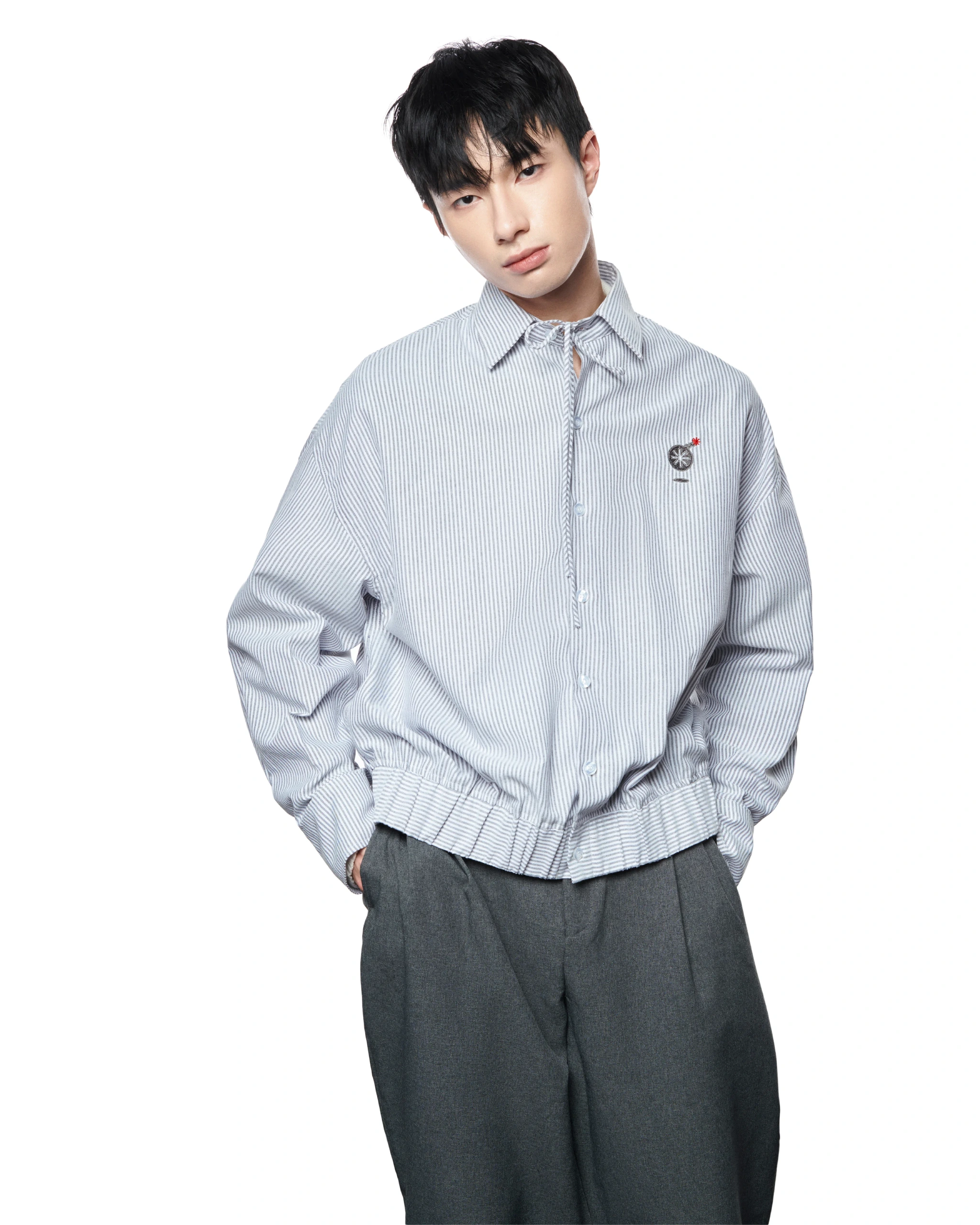
There’s something tectonic unfolding in the heart of Ho Chi Minh City, in the intimate seams of cotton poplin and the easy folds of structured silk. Vietnam, often romanticized for its heritage tailoring and craft, is nurturing a new generation of designers who are not interested in nostalgia for nostalgia’s sake. Instead, they lean into the future with measured elegance—a blend of modern minimalism, gender-fluidity, and localized reinterpretation that pulses with clarity.
In a cultural moment where identity is fluid and the personal is increasingly political, these five fashionFashionThe art and industry of designing, producing, and styling clothing, footwear, accessories, and beauty trends. It reflects cultural influences, personal expression, and evolving styles across seasons and markets.Go to Fashion Glossary brands are not only shaping the way Vietnam dresses, but also how it imagines itself. Each one invites wearers into a space of self-definition—where tradition isn’t rejected, but repurposed; where modernity isn’t cold, but intimate.
Here are the five Vietnamese labels you need to know—now.
NOBODY KNOWS
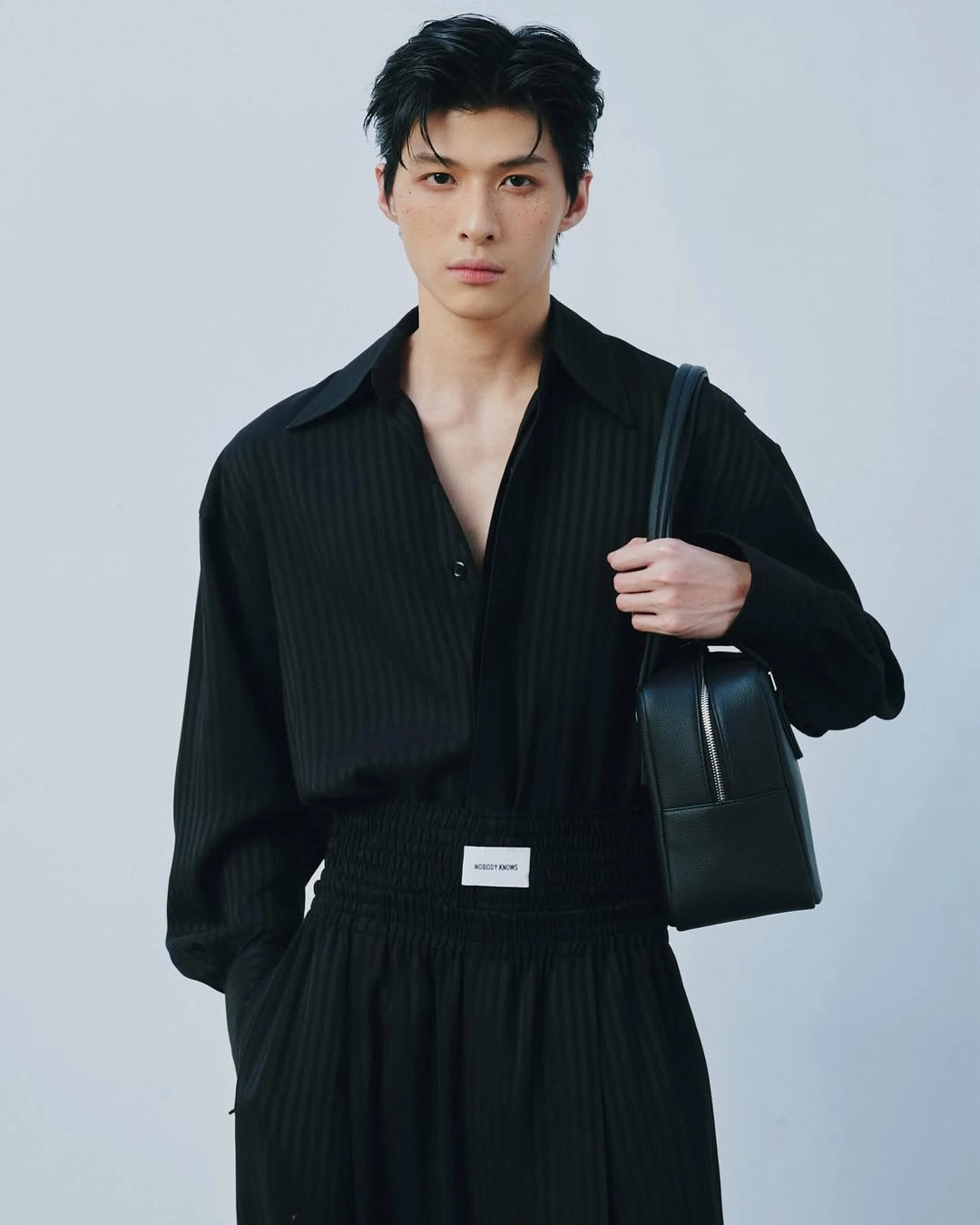
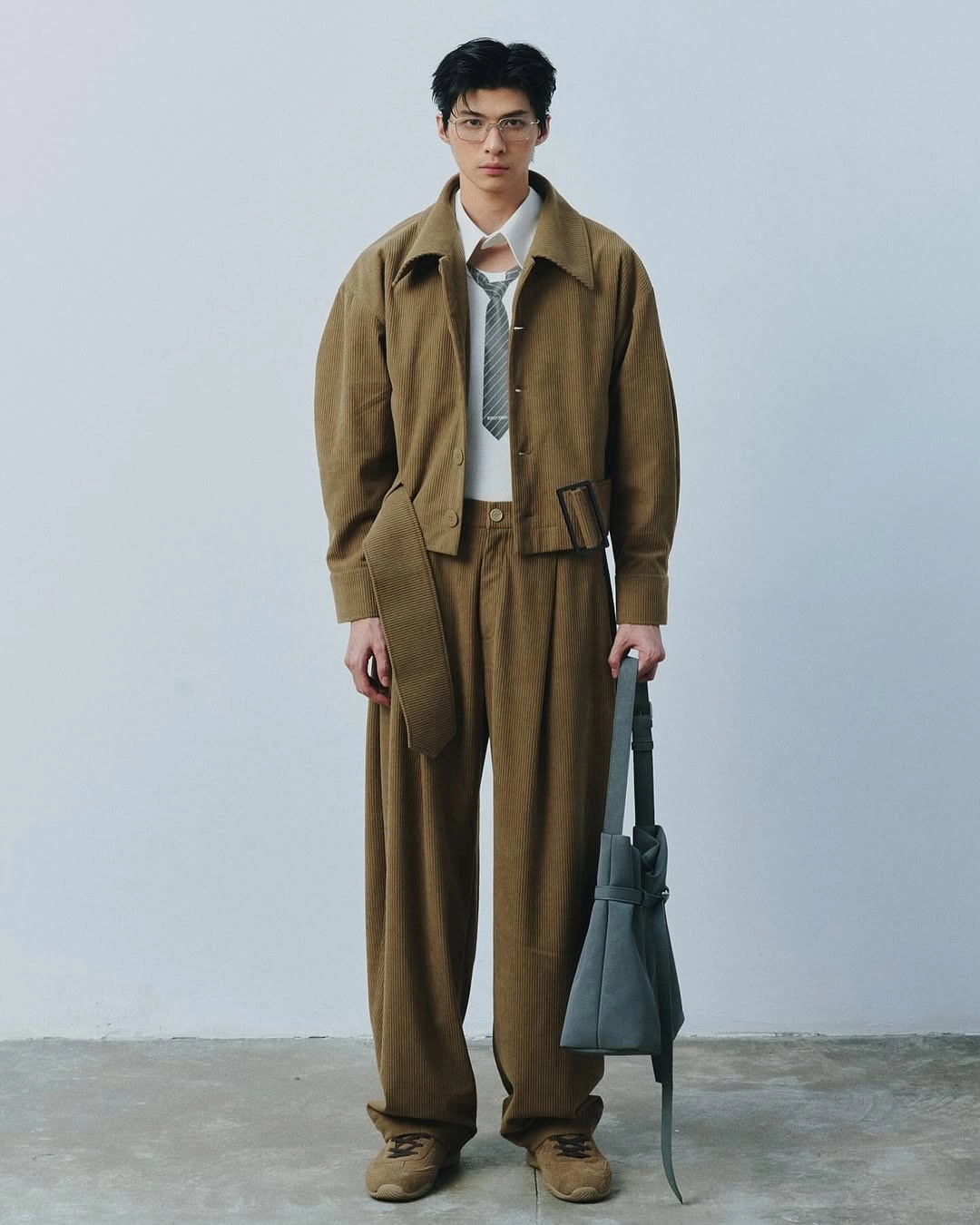
Nobody Knows is a shrug, a whisper, and a mirror held to the self. The name reads like a philosophical provocation. Who are you dressing for? Who gets to decide? Their ethos is distilled in one mantra: “Nobody knows but yourself.” It’s a sentiment that feels revolutionary in an age of algorithmic taste and curated selves.
The clothing itself leans into this ambiguity—unisex, unruly, and deeply personal. There are no rules here, only instincts. Structured jackets that could be borrowed from a boyfriend or a memory. Trousers that hang somewhere between languid and deliberate. You wear it because it feels right. Not because someone told you to.
AIN
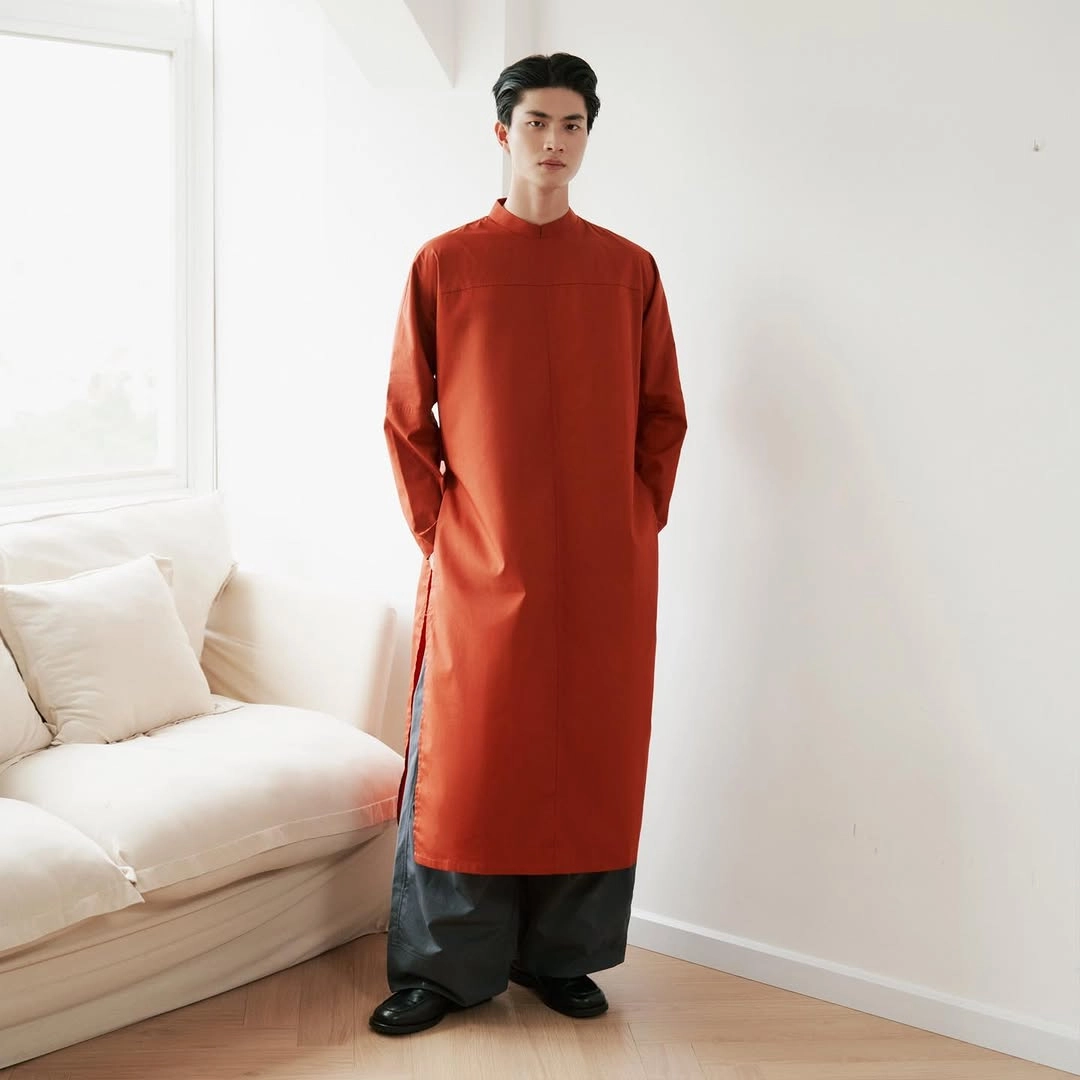
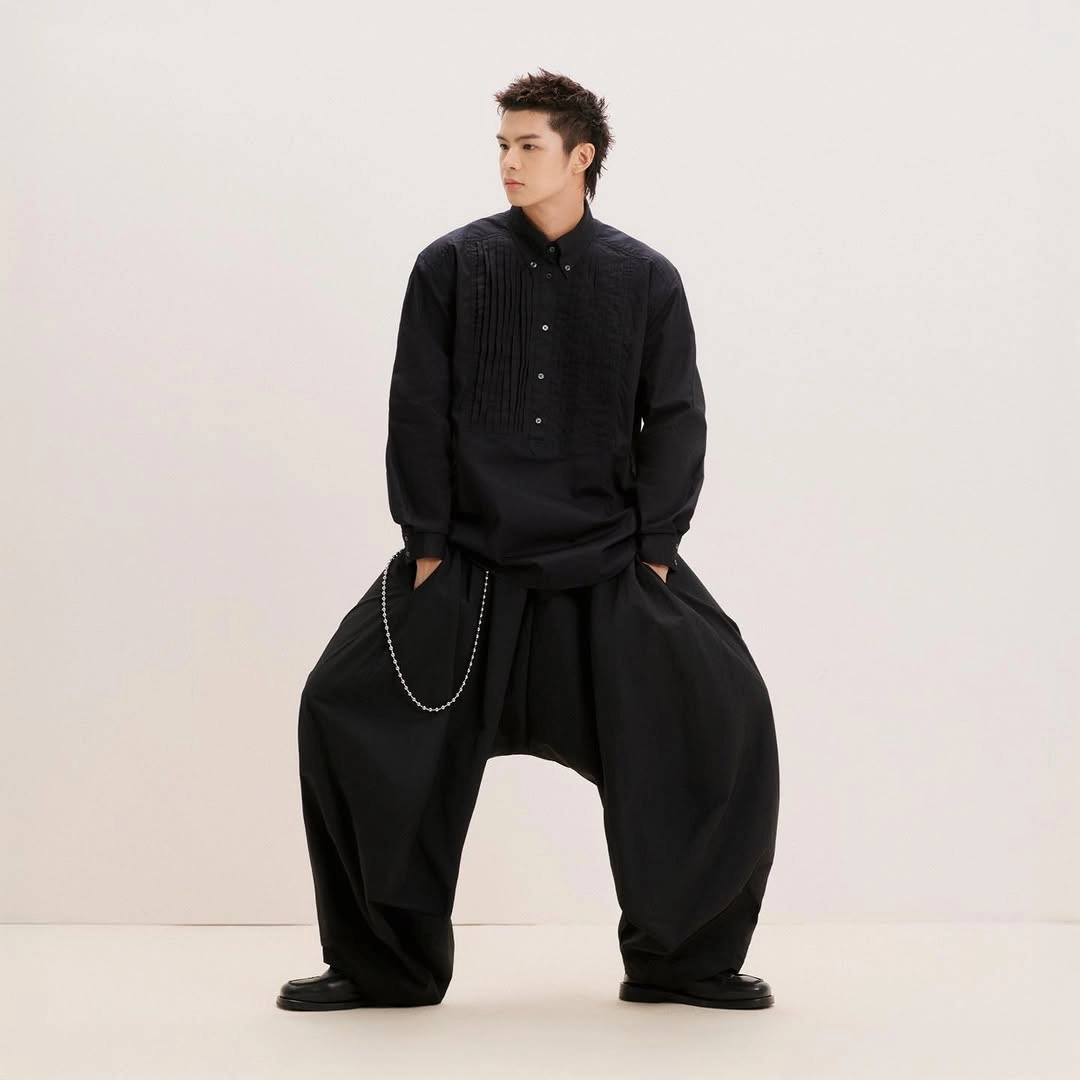
Ain approaches tradition like a sculptor with a blowtorch. The Maison Ao Dai, a national symbol once defined by structure and ceremony, is rendered here with soft irreverence. Loose silhouettes, asymmetrical sleeve buttons, and side closures make these garments feel less like a relic, more like a conversation.
There’s a modernity to Ain’s take that doesn’t erase the past—it simply edits it for comfort. The result is something deceptively simple: clothing that honors heritage without being bound to it. A soft rebellion stitched in charmeuse.
LIDER
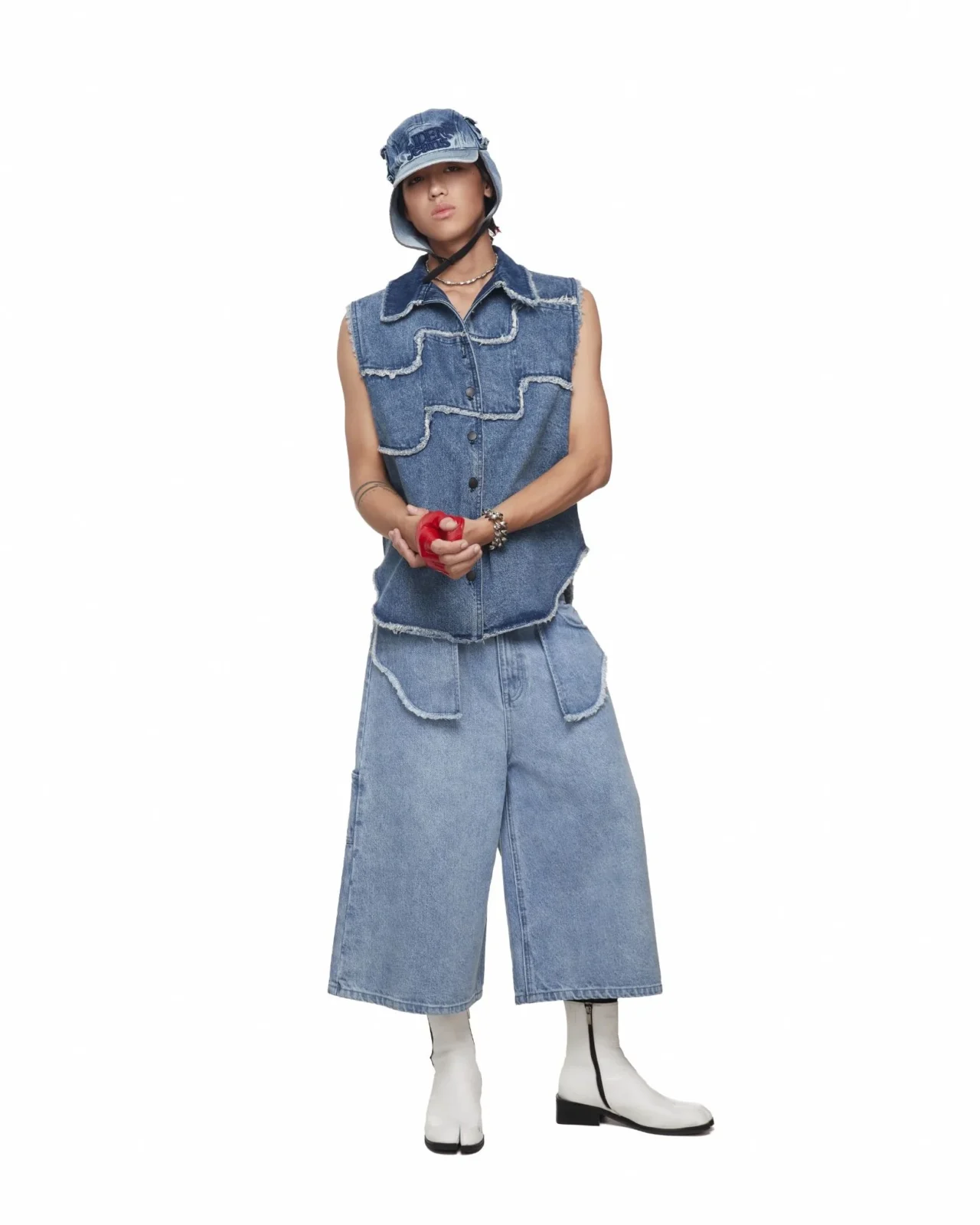
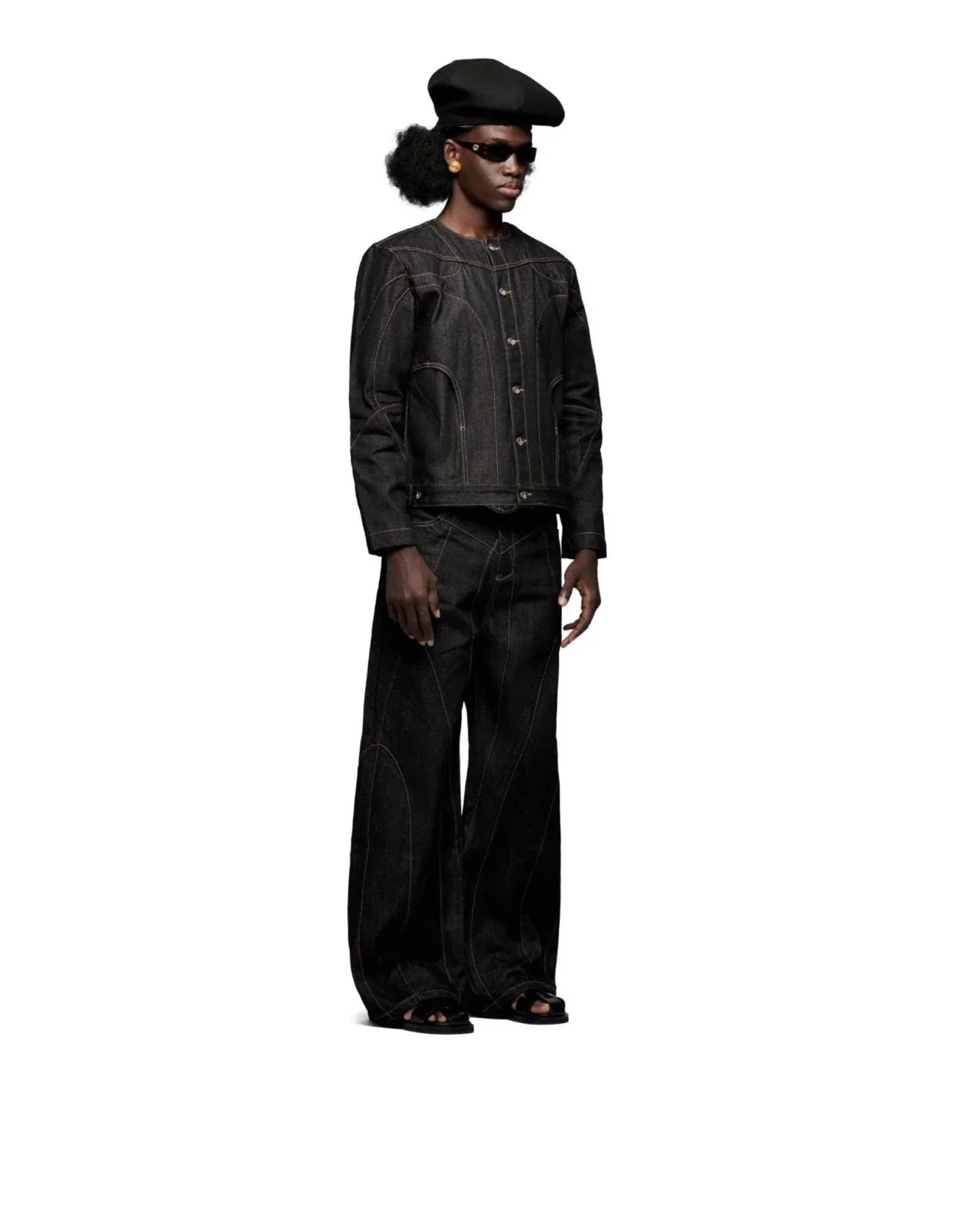
Founded in 2014, LIDER is fluent in the global dialect of style, but it speaks it with a Vietnamese accent. The brand lives in the liminal space between creativity and utility, favoring clean silhouettes and smart layering that feel both street-savvy and office-ready. There’s something of Copenhagen in the cuts, a whisper of Seoul in the palette—but always anchored in Ho Chi Minh City’s bright velocity.
Here, gender is more suggestion than script. Every piece is a translation—of personality, of moment, of mood. It’s fashionFashionThe art and industry of designing, producing, and styling clothing, footwear, accessories, and beauty trends. It reflects cultural influences, personal expression, and evolving styles across seasons and markets.Go to Fashion Glossary that speaks before you do, regardless of who you are.
MÊMAN
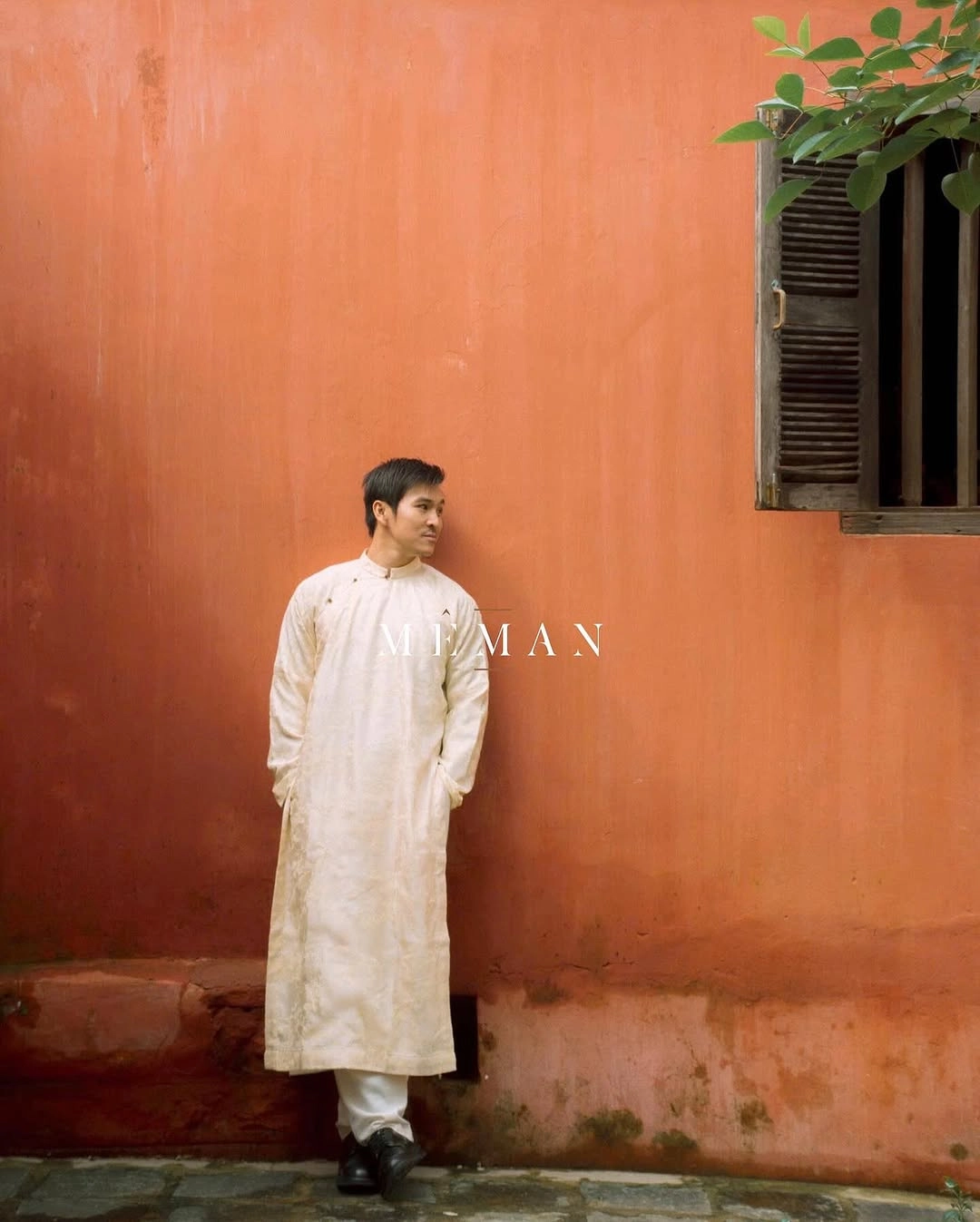
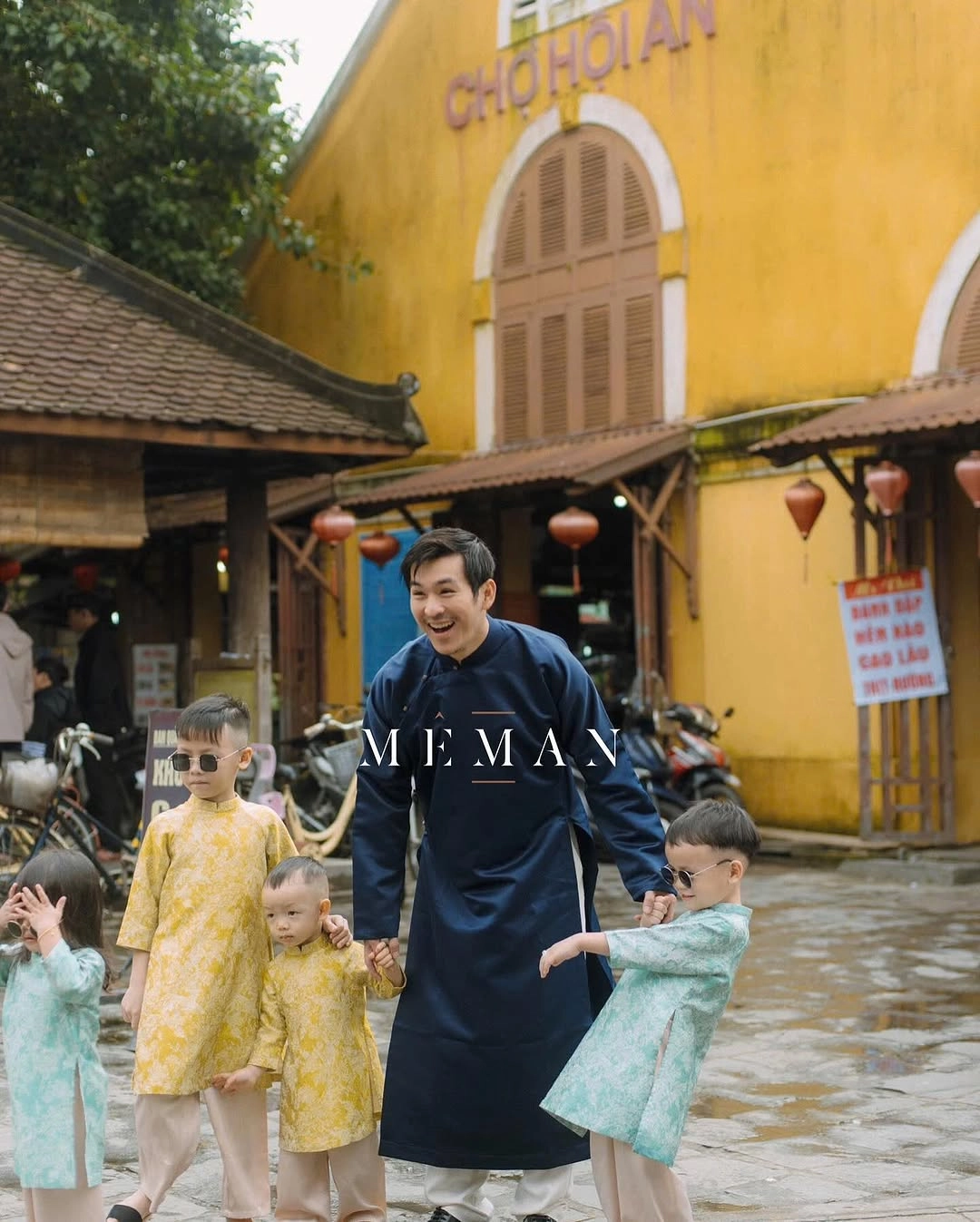
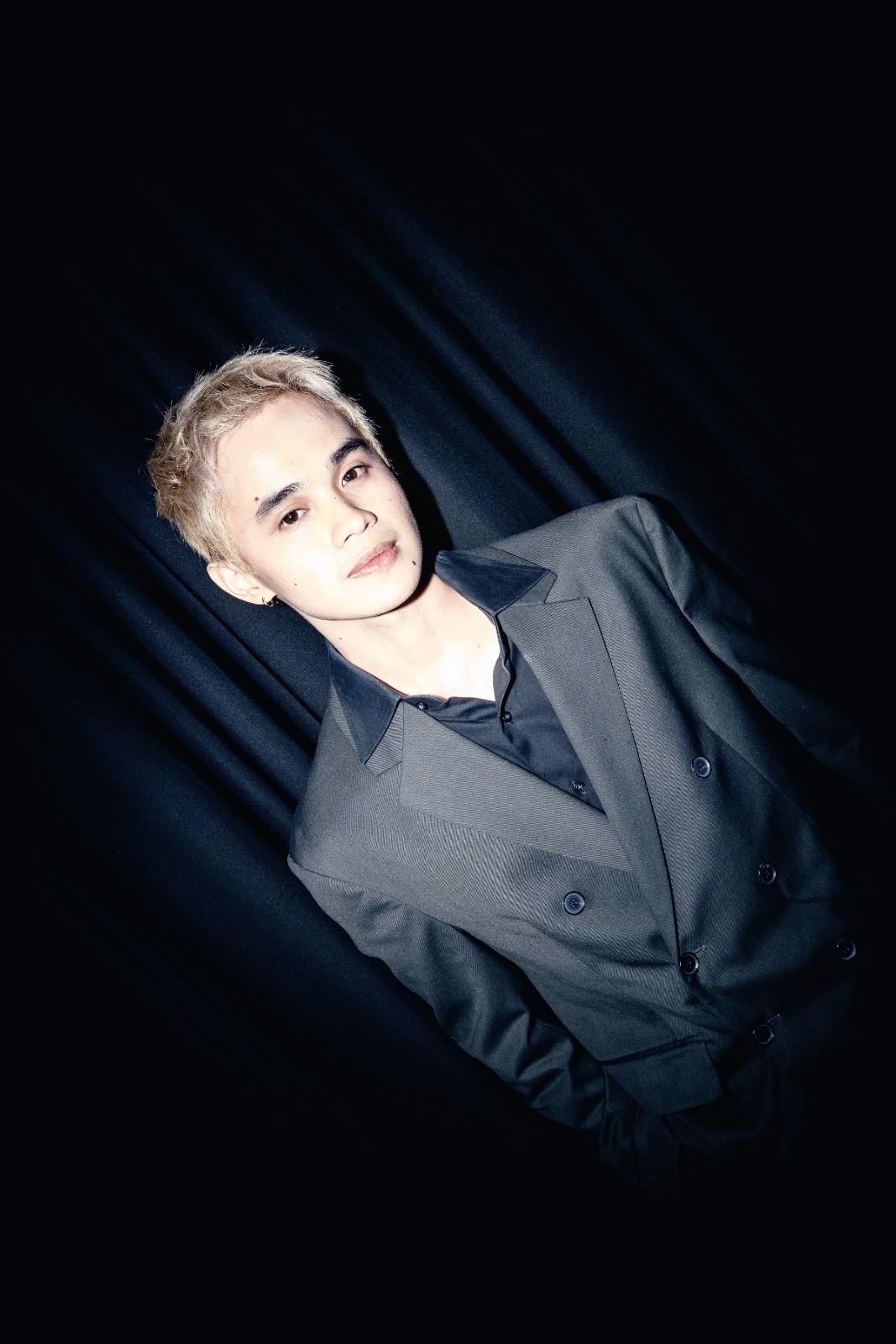
MÊMAN is not trying to be modern. It’s trying to be honest. Anchored in Vietnamese tradition, the brand feels like a meditation—one you don’t fully understand until you wear it. Its ambassador, Thien Minh—photographer, model, singer, actor—embodies the brand’s cross-disciplinary ethos: that the personal is the artistic is the sartorial.
There is a purity in MÊMAN’s vision. The fabrics feel archival, the cuts ancestral, yet the pieces feel wholly present. It is the only brand on this list that leans back in time while moving forward.
làmina
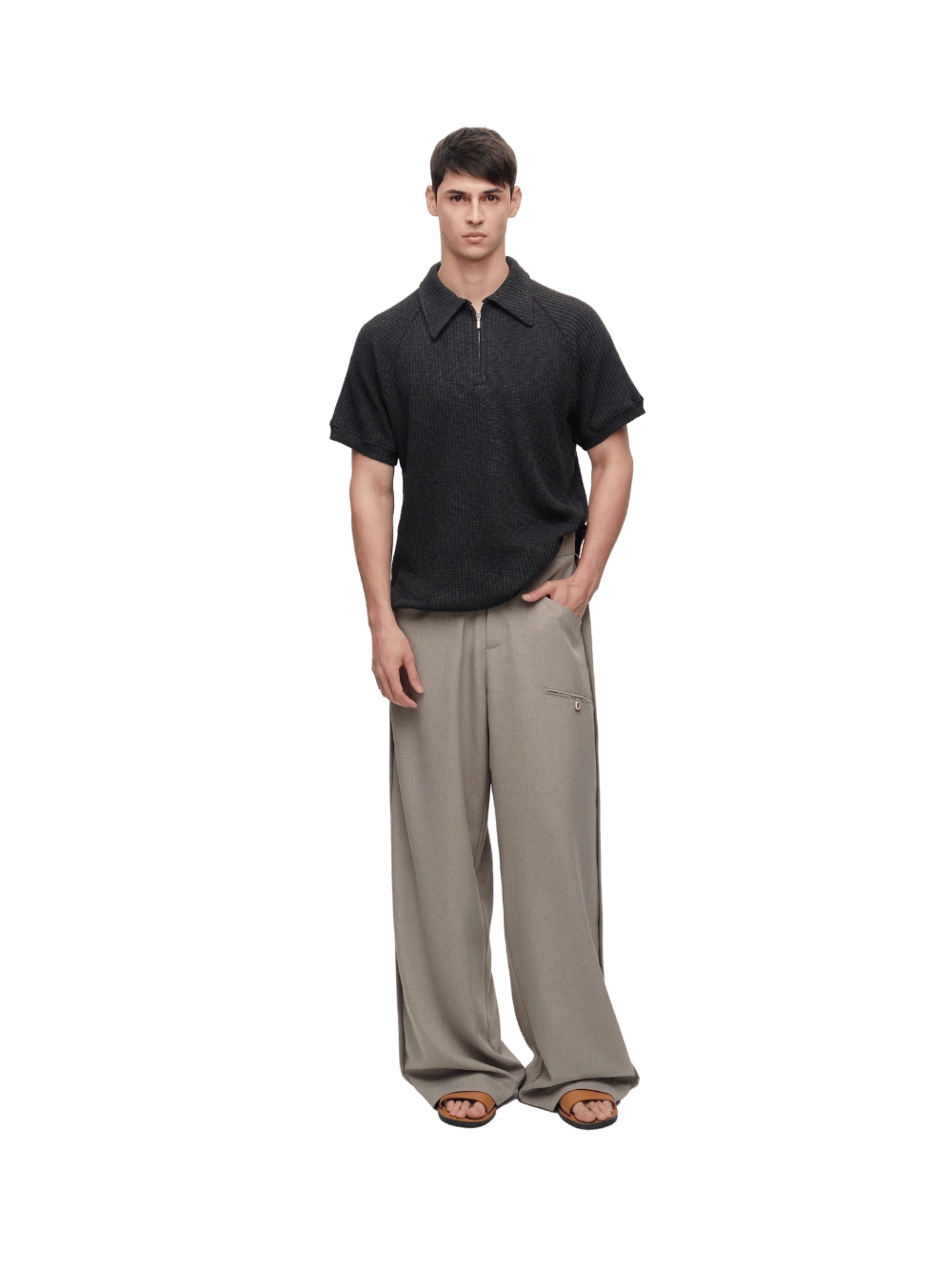
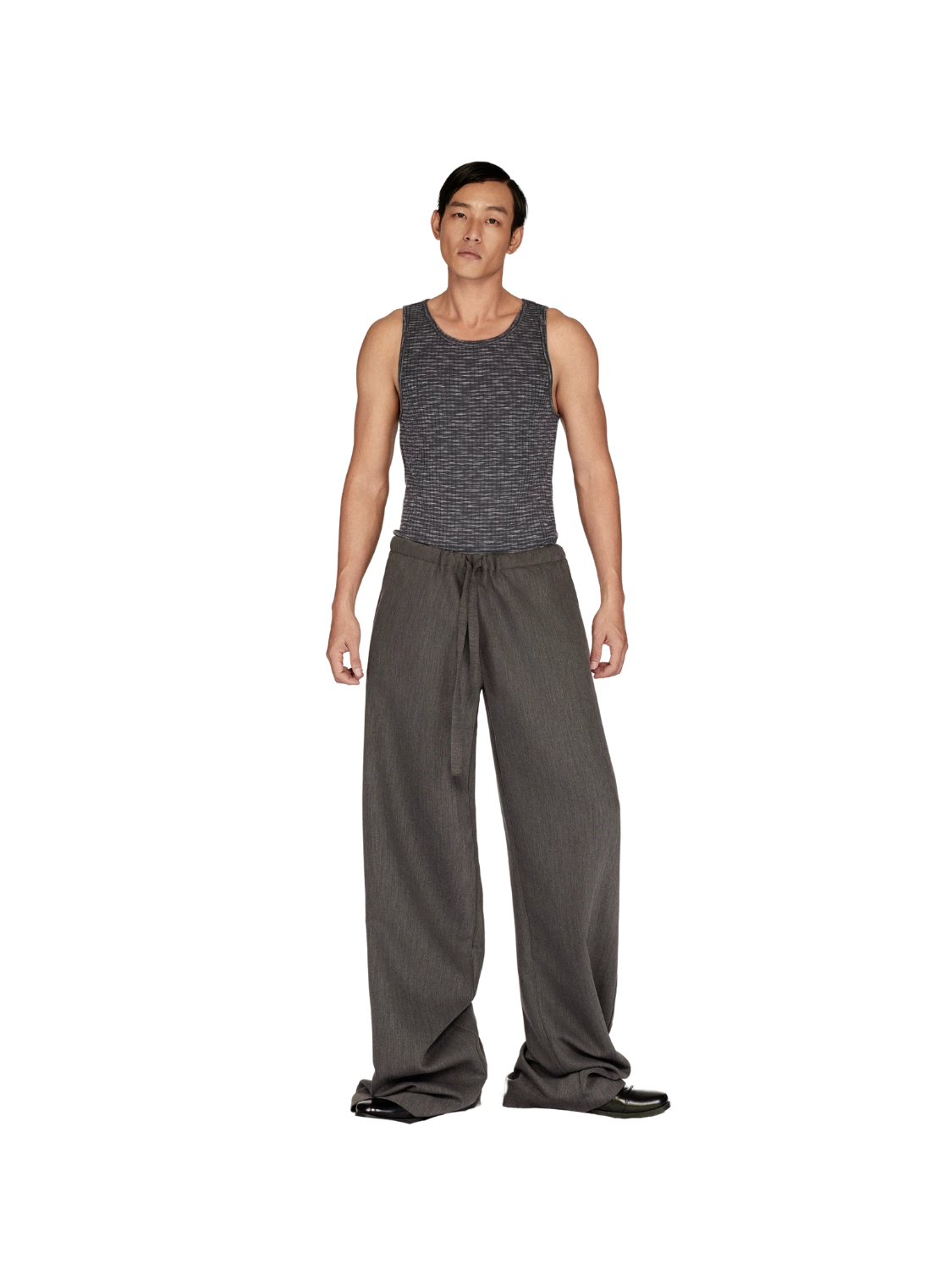
There’s a hum to làminapparel—an invisible rhythm in their ready-to-wear collection that syncs up with the modern body. Born in 2015, the brand has become something of an icon for the urban minimalist: clean lines, architectural silhouettes, and a palette that suggests both stillness and motion.
It’s clothing designed by people who understand the weight of a day. Who know that what you wear needs to hold both movement and meaning. Located in the center of Ho Chi Minh City, their brick-and-mortar space is a shrine for those who live in soft tones and sharp shapes.
Vietnam’s fashionFashionThe art and industry of designing, producing, and styling clothing, footwear, accessories, and beauty trends. It reflects cultural influences, personal expression, and evolving styles across seasons and markets.Go to Fashion Glossary scene no longer exists on the periphery. It’s not trying to copy Paris or echo Tokyo. It’s too busy crafting its own vernacular. And in doing so, they’re reshaping not only what it means to dress in Vietnam, but what it means to dress authentically, anywhere.
Photos courtesy brands’ websites and Instagram
Recommended Video