



The history of fashion often begins in Paris ateliers or New York department stores, but just as often, its real starting point flickers on a movie screen somewhere far from the Rue Cambon.
For decades, Asian cinema has authored many of the silhouettes, textures, and atmospheres that later appear on Western runways. The connection is rarely linear, sometimes uncredited, and almost always cinematic, rooted in the way a costume moves through a scene and how it frames a body.
MORE: Stylish Asian Actors That Embody Classic and New Elegance
1950s–1960s: The foundations
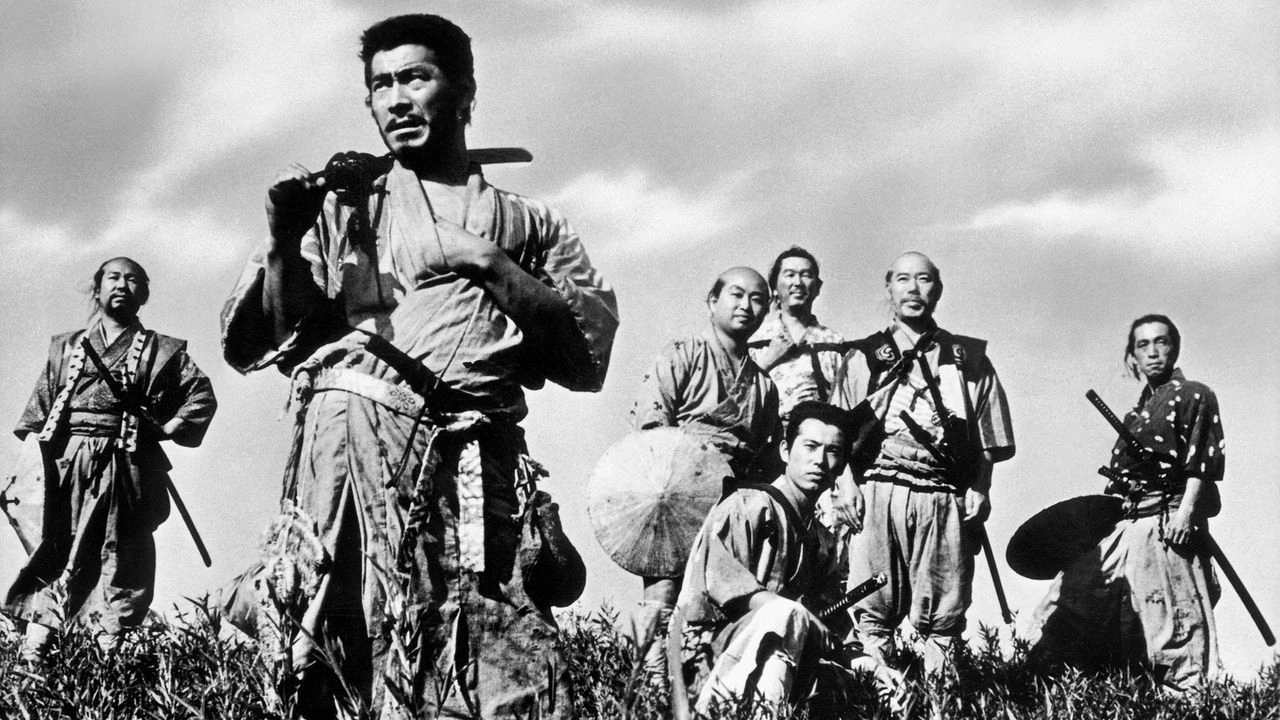
Post-war Japan became one of the first Asian film industries to project a distinct fashion vocabulary abroad. Akira Kurosawa’s Seven Samurai (1954) presented clothing as both functional armor and cultural identity: wide hakama pants, layered robes, and knotted belts that would inspire avant-garde designers like Yohji Yamamoto and, decades later, John Galliano.
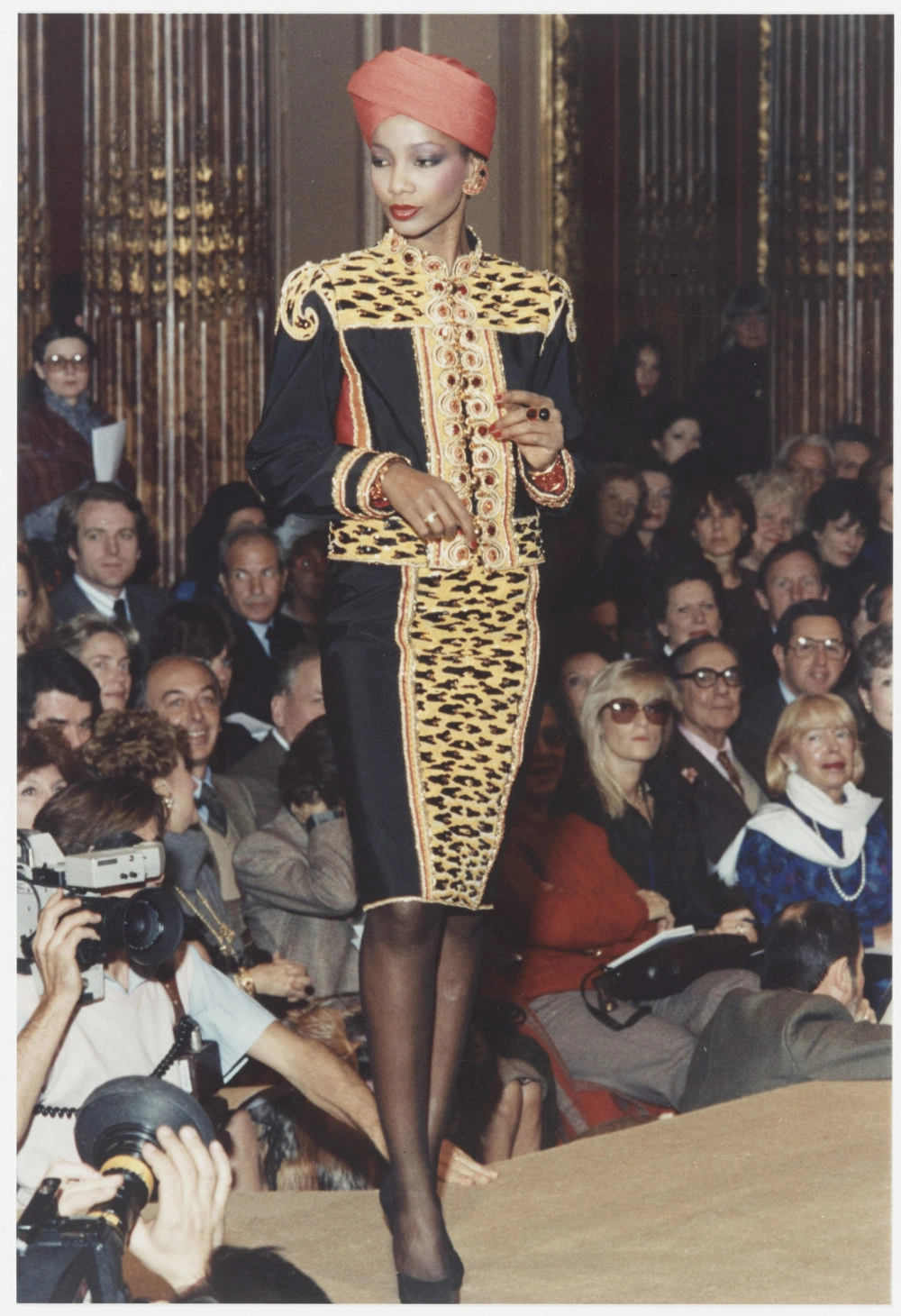
In India, Bollywood’s golden age created style icons in traditional ensembles, pieces that Yves Saint Laurent would later bring into his collections. Meanwhile, the Philippines’ postwar studio system regularly dressed leading ladies in terno gowns, their butterfly sleeves becoming a recurring motif in both local couture and the occasional Western reinterpretation.
1970s–1980s: Action and aspiration
Hong Kong’s kung fu cinema, led by Bruce Lee and later Jackie Chan, brought martial arts uniforms such as changshan tunics, frog closures, and loose drawstring trousers into global consciousness.
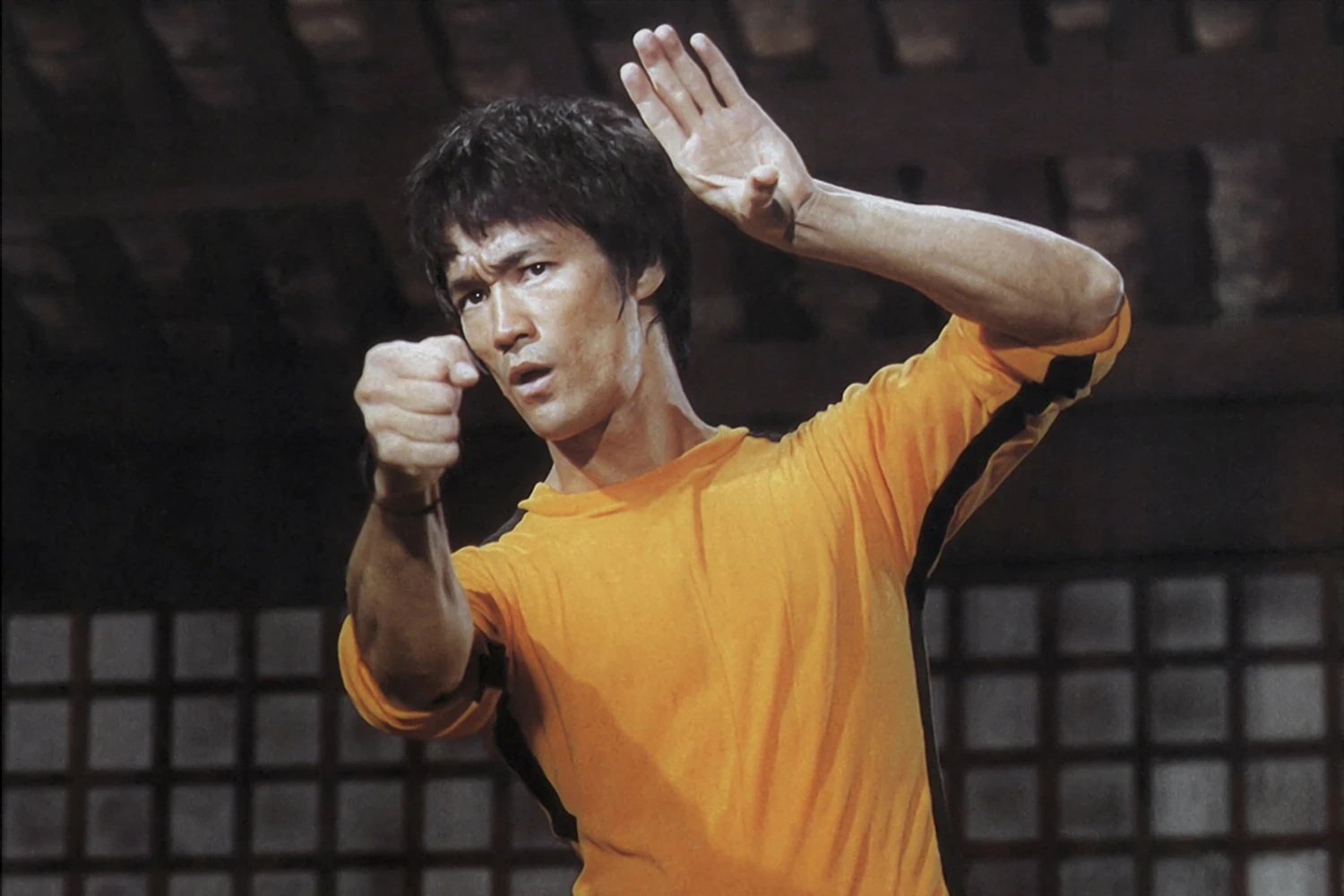
Bruce’s yellow jumpsuit from Game of Death became an emblem of kinetic minimalism, which inspired sportswear brands for decades. At the same time, Japanese New Wave directors embraced Western tailoring, creating hybrid looks that presaged the “East-meets-West” aesthetic that global fashion still mines today.
1990s–Early 2000s: Atmosphere as aesthetic
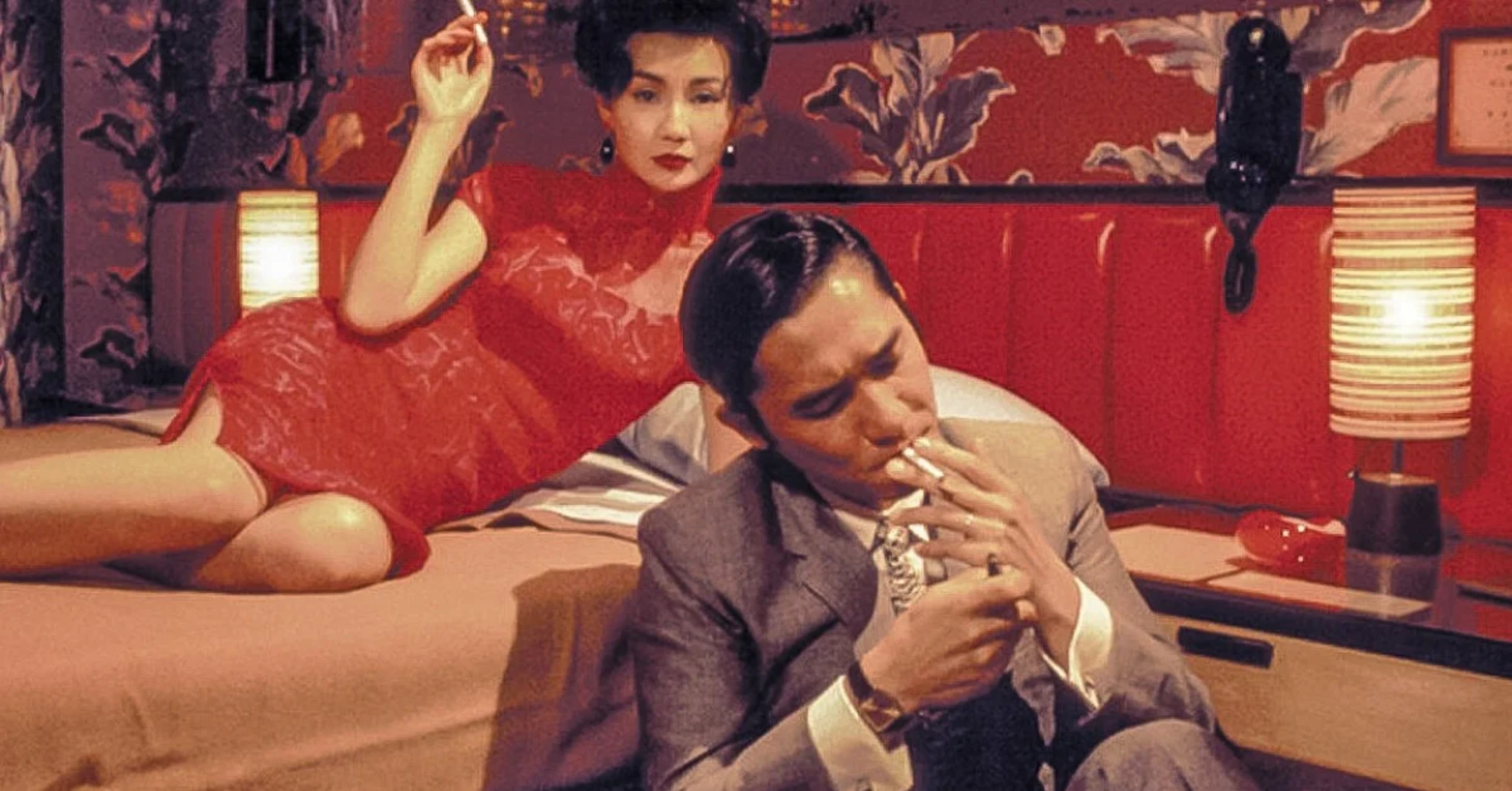
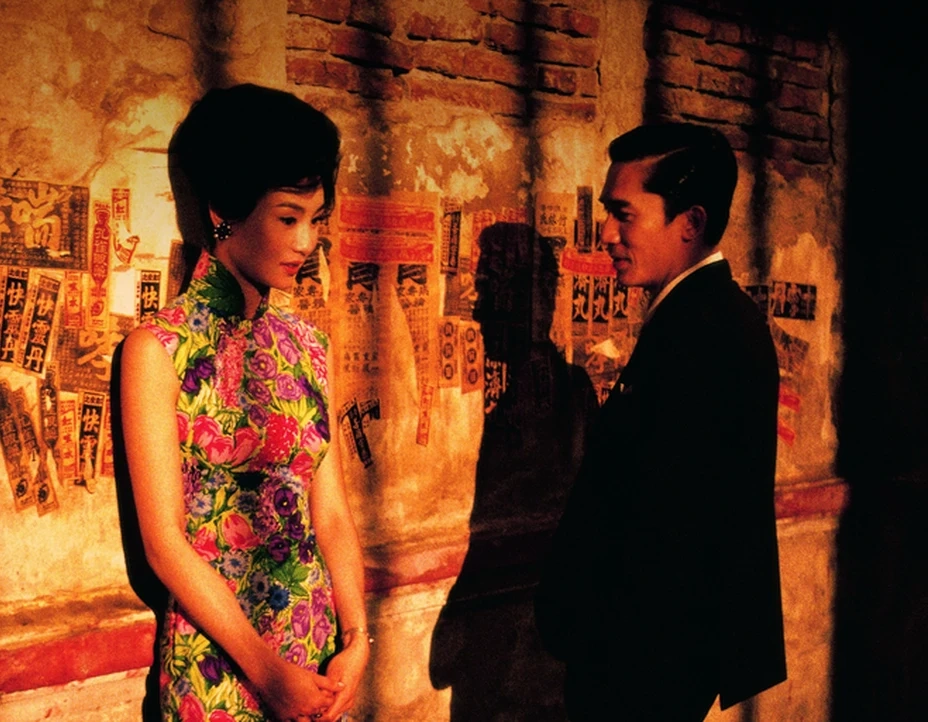
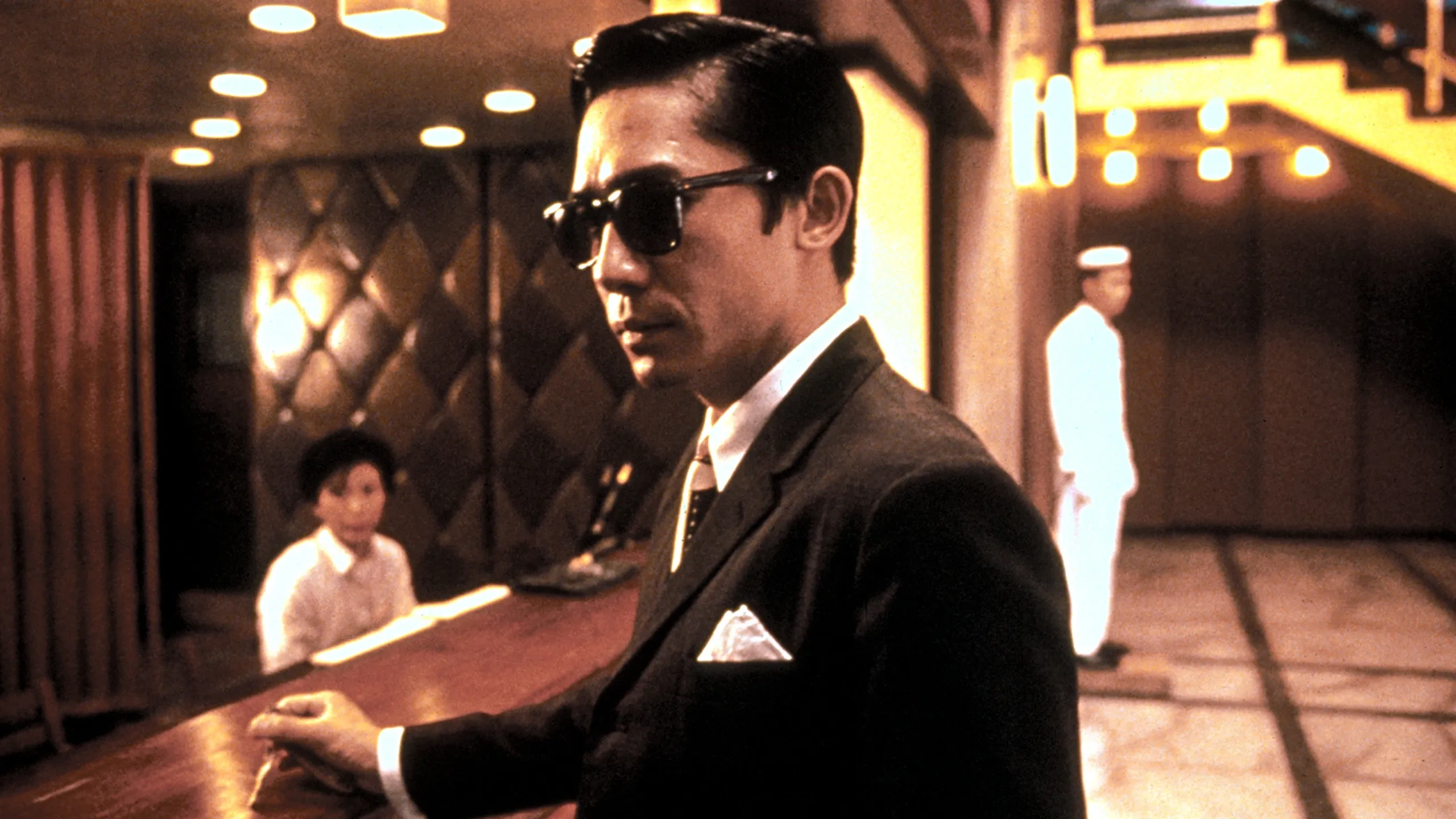
The 1990s saw the rise of directors whose films treated clothing as mood. Wong Kar-wai’s In the Mood for Love (2000) turned the qipao into an international symbol of restrained sensuality, thanks to Maggie Cheung’s rotation of high-collared, form-fitting dresses in floral silks.
Thai director Apichatpong Weerasethakul, though more minimalist, created a counterpoint: his films’ loose, sun-faded cotton shirts and sarongs suggested a lived-in authenticity that designers would distill into quiet luxury.
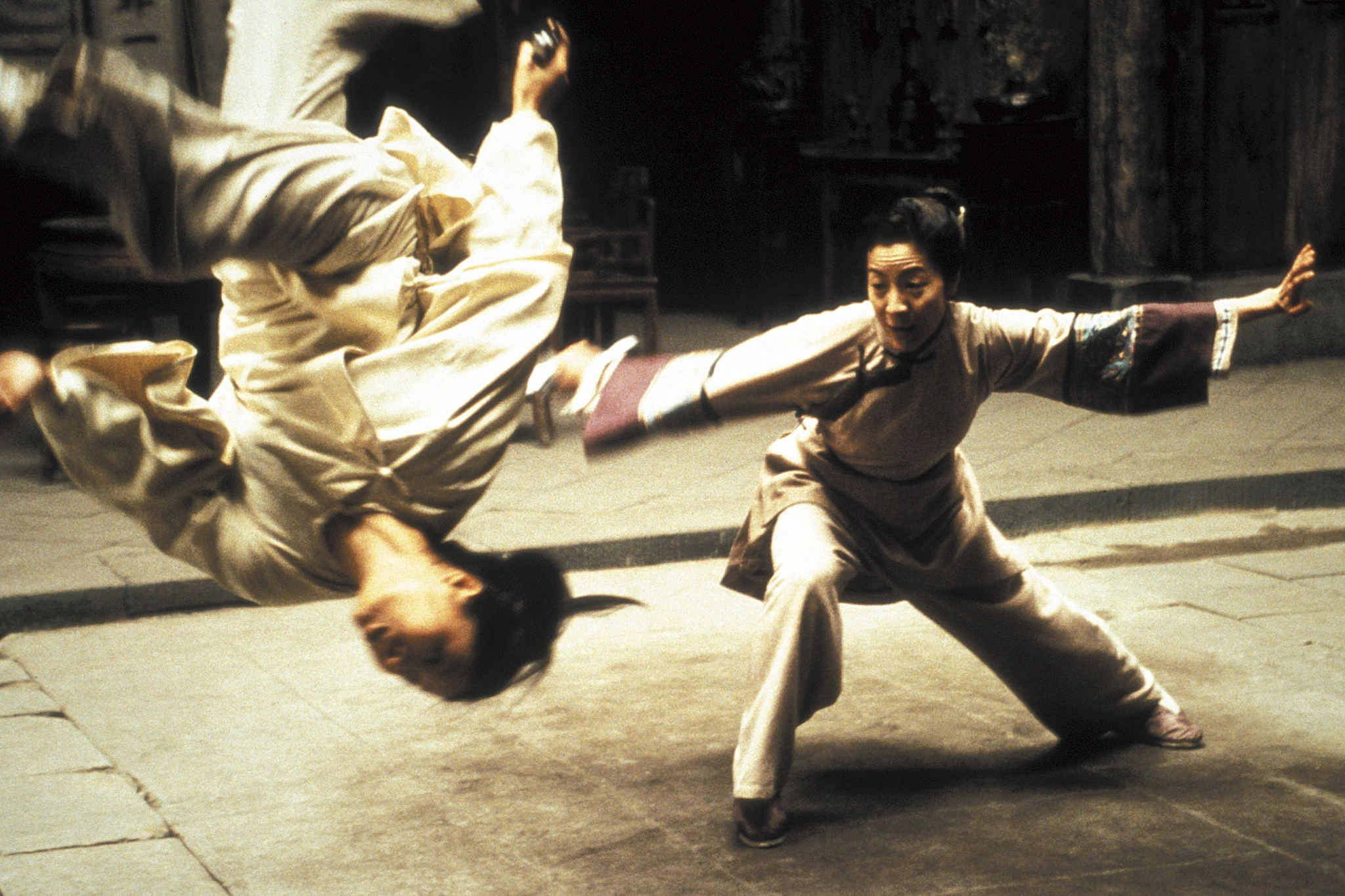
Ang Lee’s Crouching Tiger, Hidden Dragon (2000) offered another form of elegance, with martial arts robes reimagined for fluid movement, a style later echoed in the draped silks of later fashion collections.
2010s: Streaming and speed
By the 2010s, global streaming platforms collapsed the delay between on-screen influence and in-store trends. Korean dramas such as Crash Landing on You and My Love from the Stars turned certain coats, handbags, and even lipstick shades into instant bestsellers.
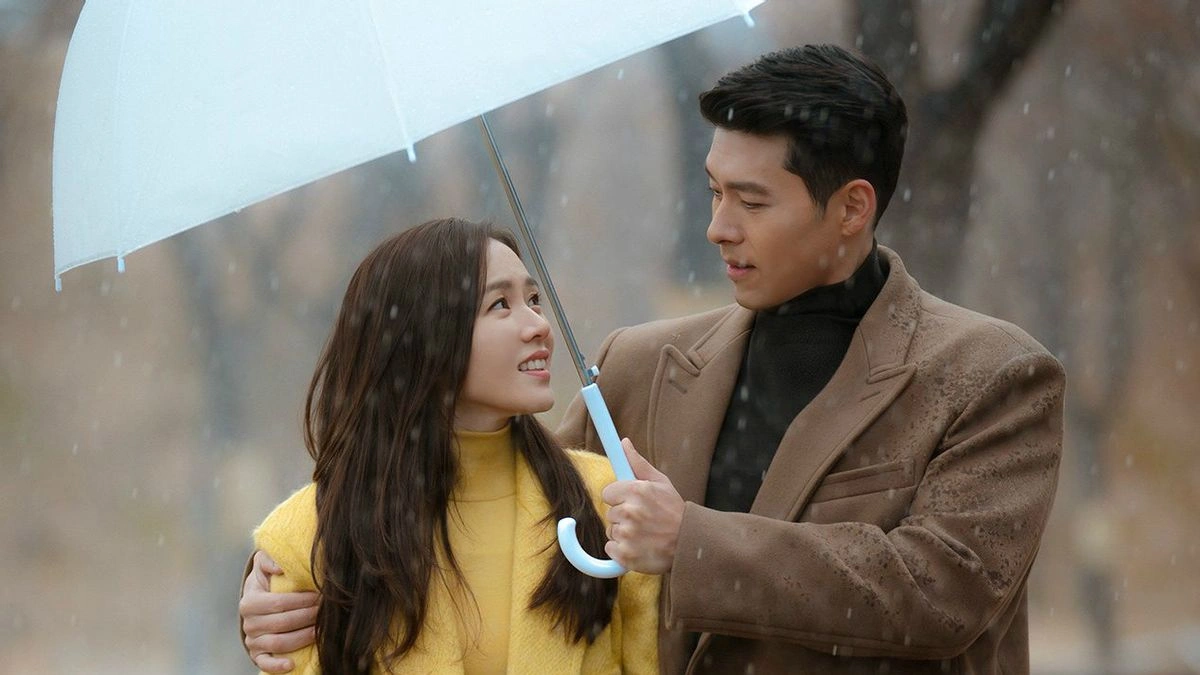
Chinese historical epics revived interest in hanfu-inspired design, while Filipino period dramas reintroduced the terno to a younger generation. Japanese contemporary cinema continued to embody minimalist restraint, mirroring and reinforcing the international appetite for quiet luxury.
2020s: The feedback loop
Today, the exchange between Asian cinema and fashion is faster and more self-aware. Designers actively court collaborations with film productions, from bespoke wardrobe design to co-branded merchandise.
Yet the dynamic is still uneven: while films provide powerful imagery and emotional context, fashion often monetizes these aesthetics without acknowledging their origins. The cycle has become a feedback loop, with cinema inspiring fashion and fashion in turn influencing future costume design.
A lasting image
What distinguishes Asian cinema’s influence is not just the garments themselves but the way they are worn on screen, how a sleeve falls over a wrist, how a fabric moves with a character’s hesitation. These are the details fashion notices, absorbs, and reinterprets. And like a memorable final shot, they stay lodged in the cultural imagination long after the lights come up.
Photos courtesy IMDB, Musèe YSL