The Future of Menswear Looks a Lot Like India’s Past
Global menswear is finally recognizing the legacy that India has long established




India sets the tone
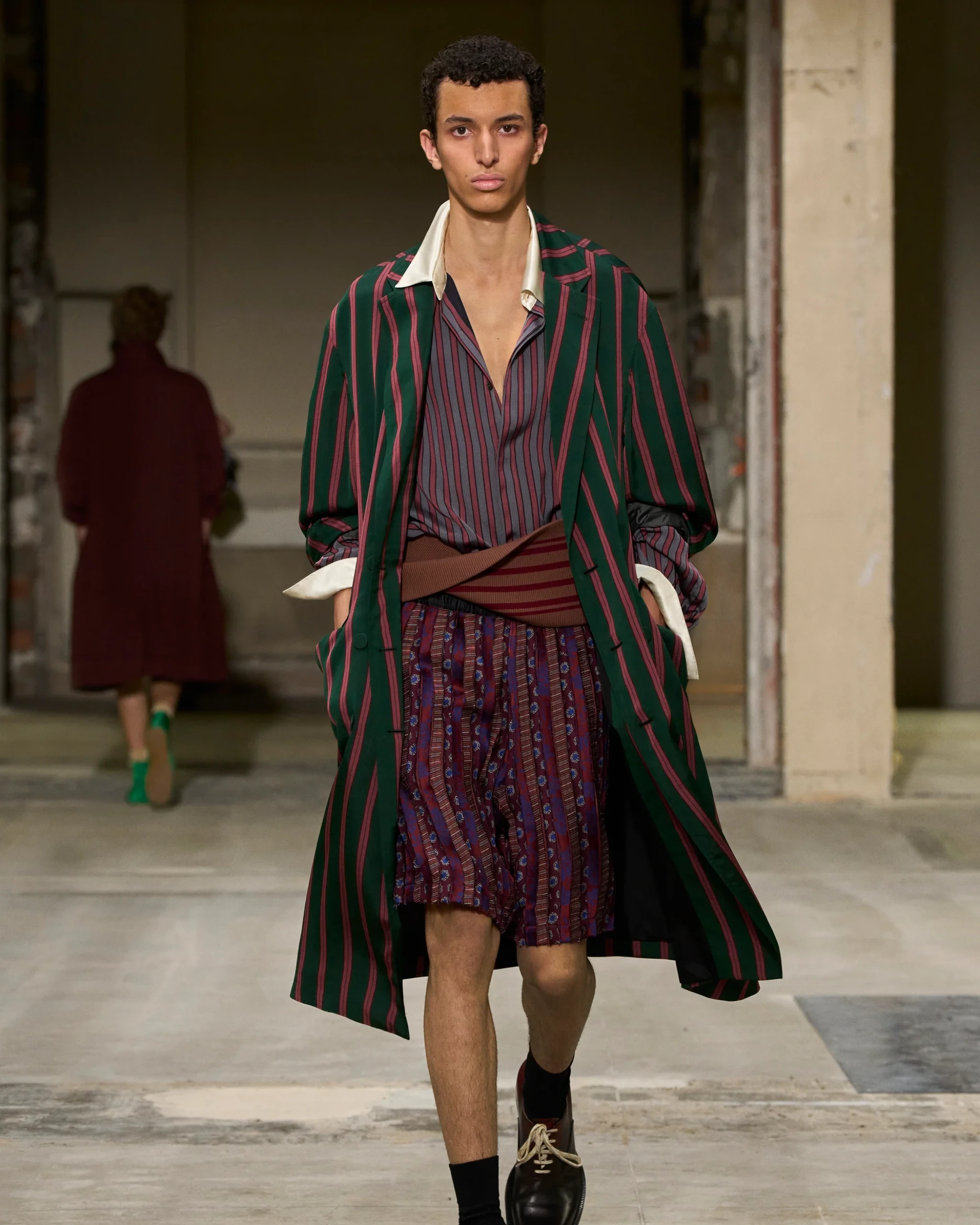
At the Spring/Summer 2026 menswear shows in Paris and Milan, India was not merely a source of inspiration but a palpable and persistent presence. From linen tunics at Louis Vuitton to kolhapuri-inspired sandals at Prada, and the sarong and embroidery work showcased at Dries Van Noten, the season’s most talked-about collections bore the unmistakable imprint of Indian aesthetics.
But to frame this as a sudden discovery would be misleading at best and revisionist at worst. India has long been one of fashion’s foundational capitals, and only now is the global industry beginning to catch up.
ALSO READ: Styling Takes Center Stage at SS26 Shows in Paris and Milan
For centuries, India has been a central force in the production and innovation of textiles. Its legacy spans handloom weaves, natural dyes, and embroidery traditions so intricate they often defy mechanical replication. Fabrics like muslin and khadi, dyeing techniques such as bandhani and ajrak, and hand-embellishments like chikankari and zardozi have been traded, copied, and coveted across continents since the Mughal era and earlier. European aristocracy wore Indian silks. Colonial economies thrived on exports of Indian cotton and chintz. In the lexicon of global style, India was the precedent.
Pharrell goes East
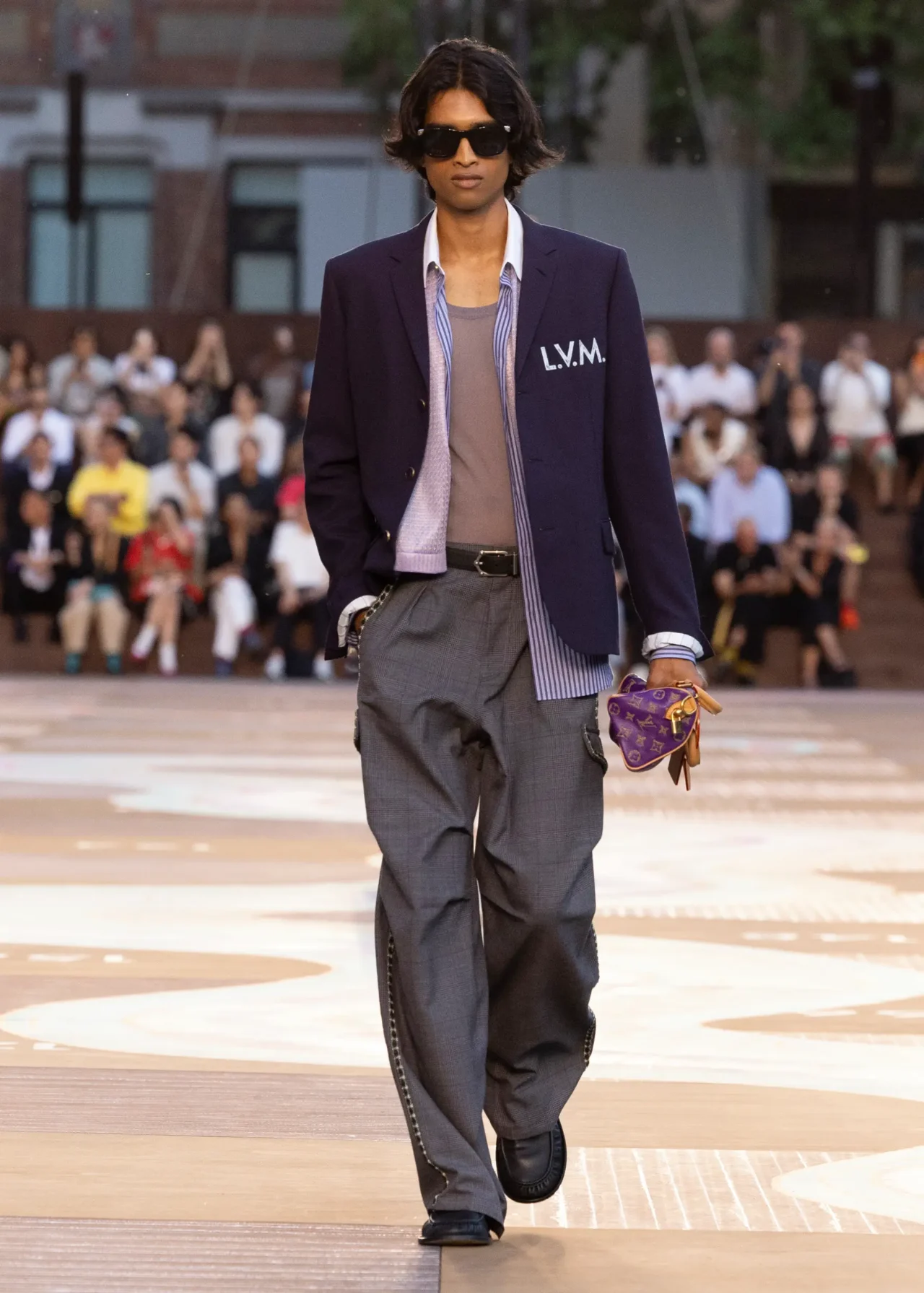
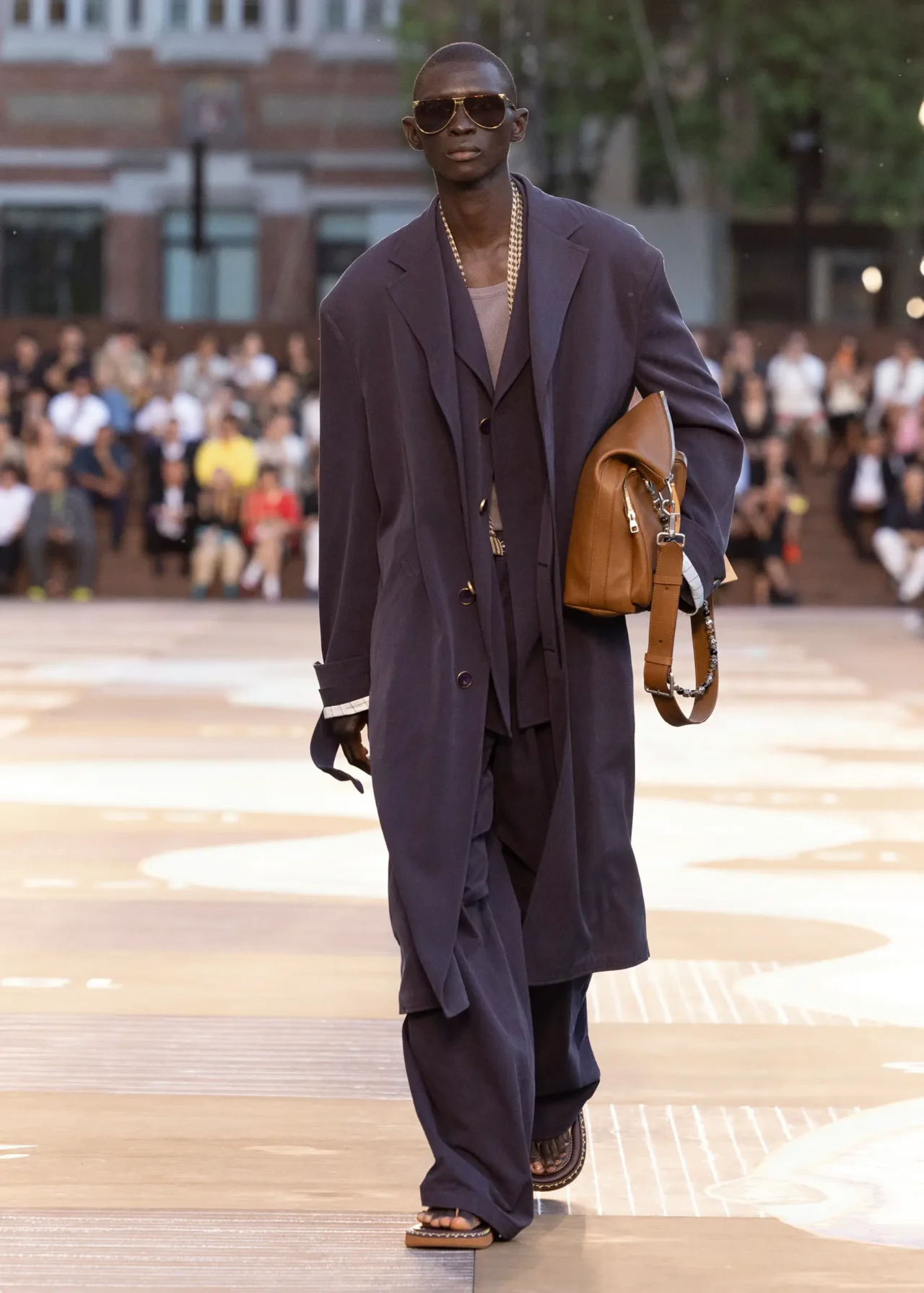
For SS26, however, designers in the West appear to be engaging with Indian references as central design frameworks. At Louis Vuitton, menswear creative director Pharrell Williams introduced silhouettes reminiscent of tunics in breathable linens, paired with draped trousers that echoed traditional dhoti and pajama forms. These looks offered a modern take on tailoring, informed by India’s climate-conscious practicality and layered sense of elegance.
Prada’s tribute
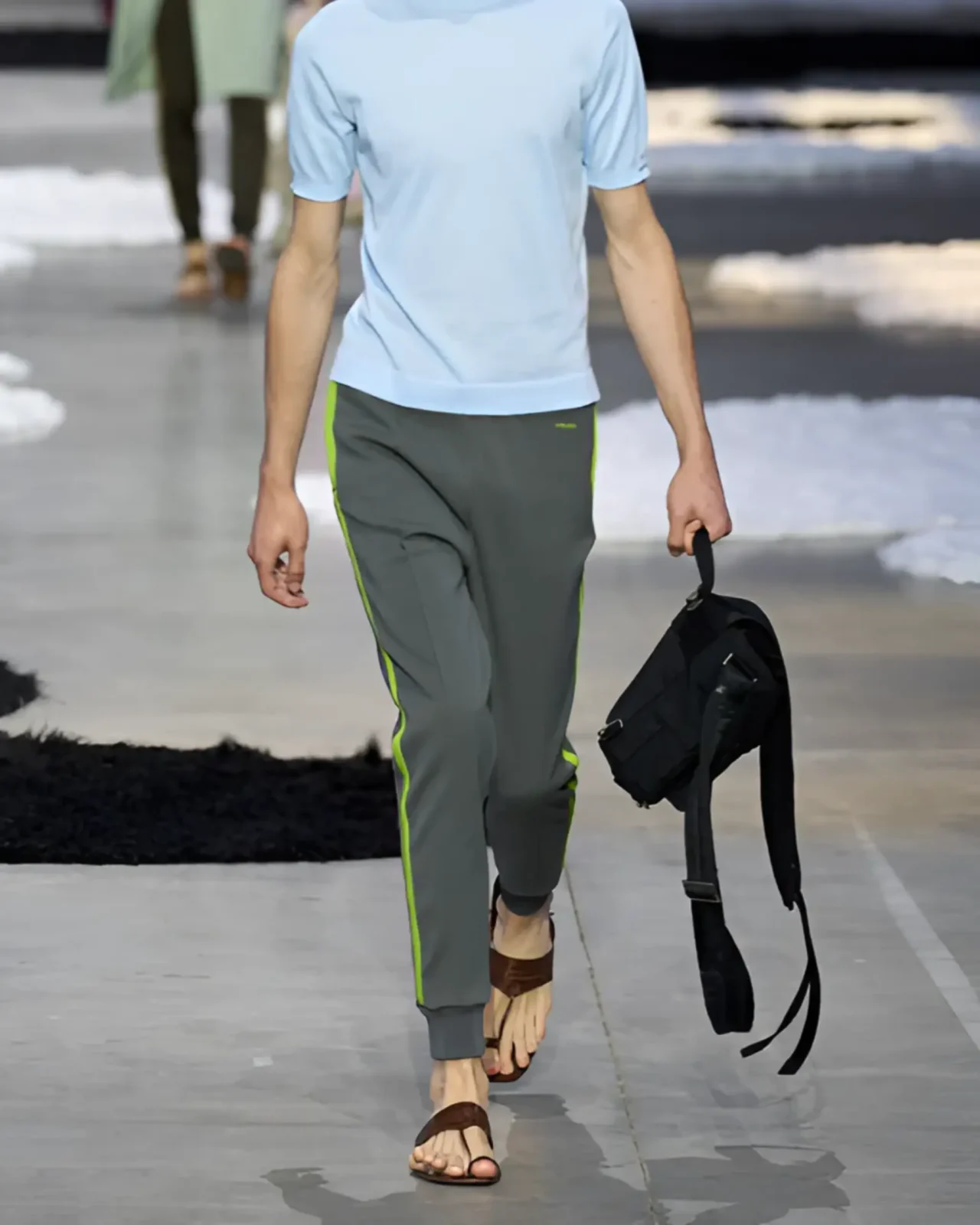
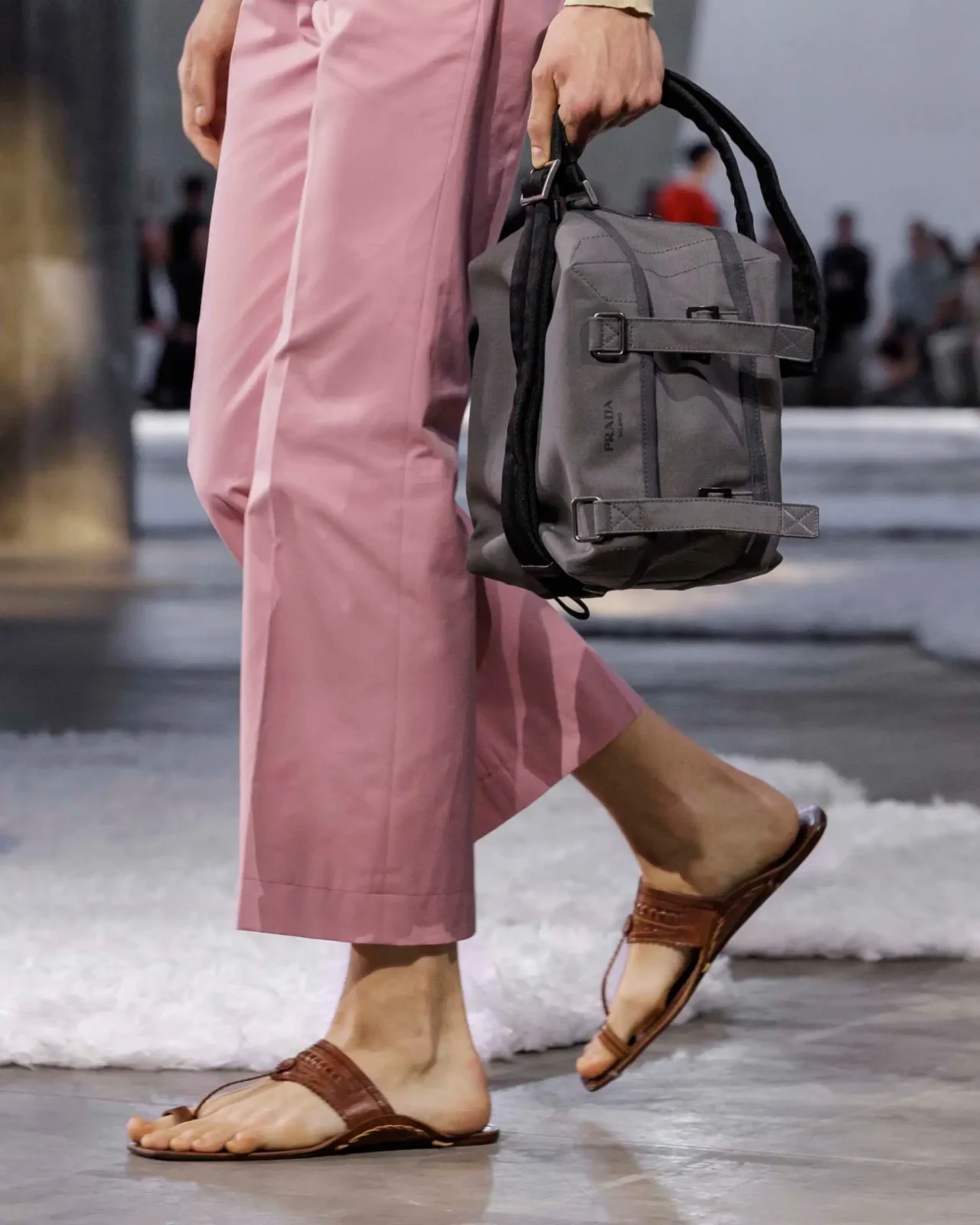
Prada, meanwhile, presented a reworked version of the kolhapuri chappal, India’s centuries-old leather sandal, as part of its minimalist summer wardrobe. The design was stripped of ornamentation but remained faithful in structure, suggesting admiration rather than reinvention. In a market dominated by hyper-technical sneakers and archival reissues, the gesture stood out for its restraint.
Dries wraps it up
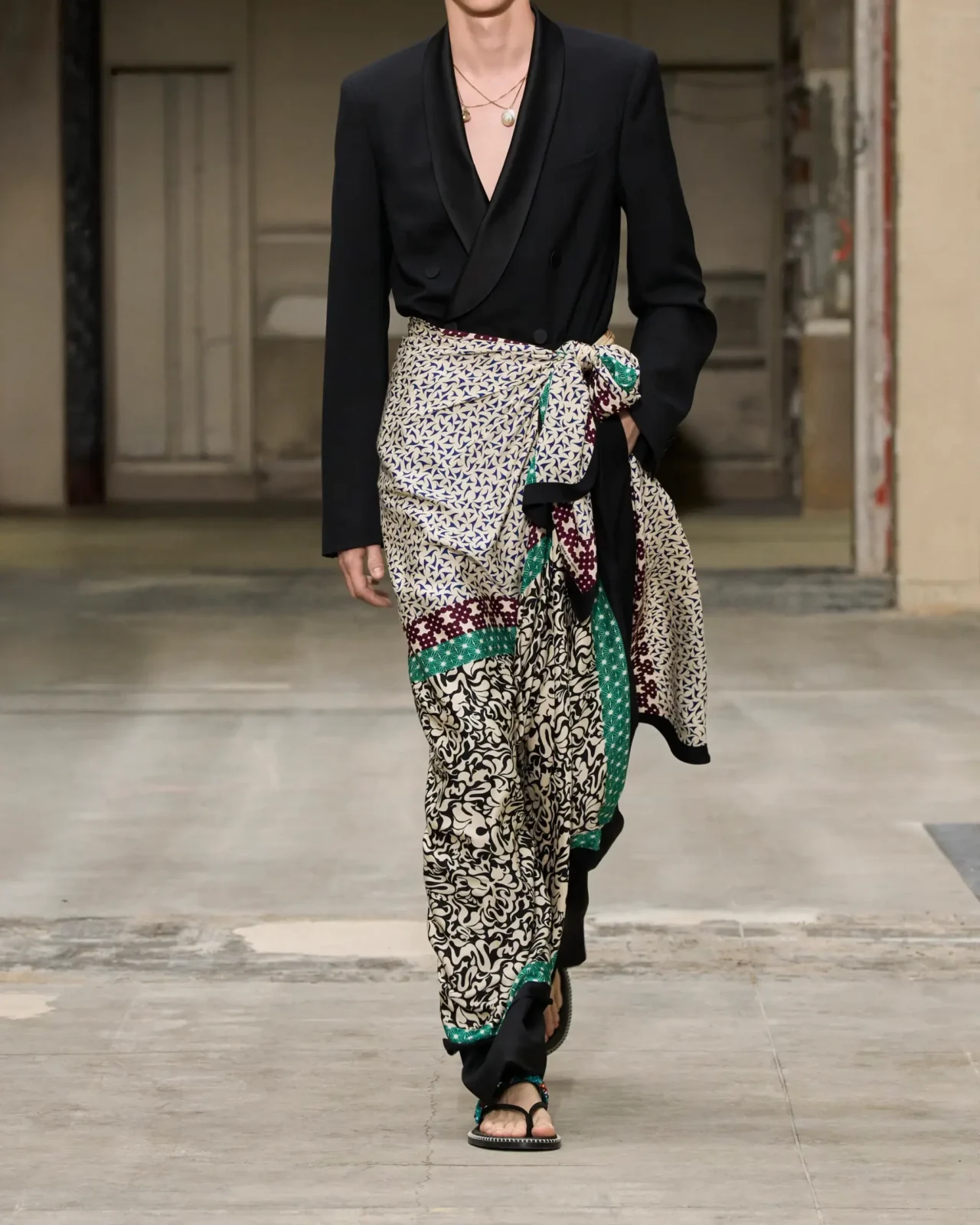
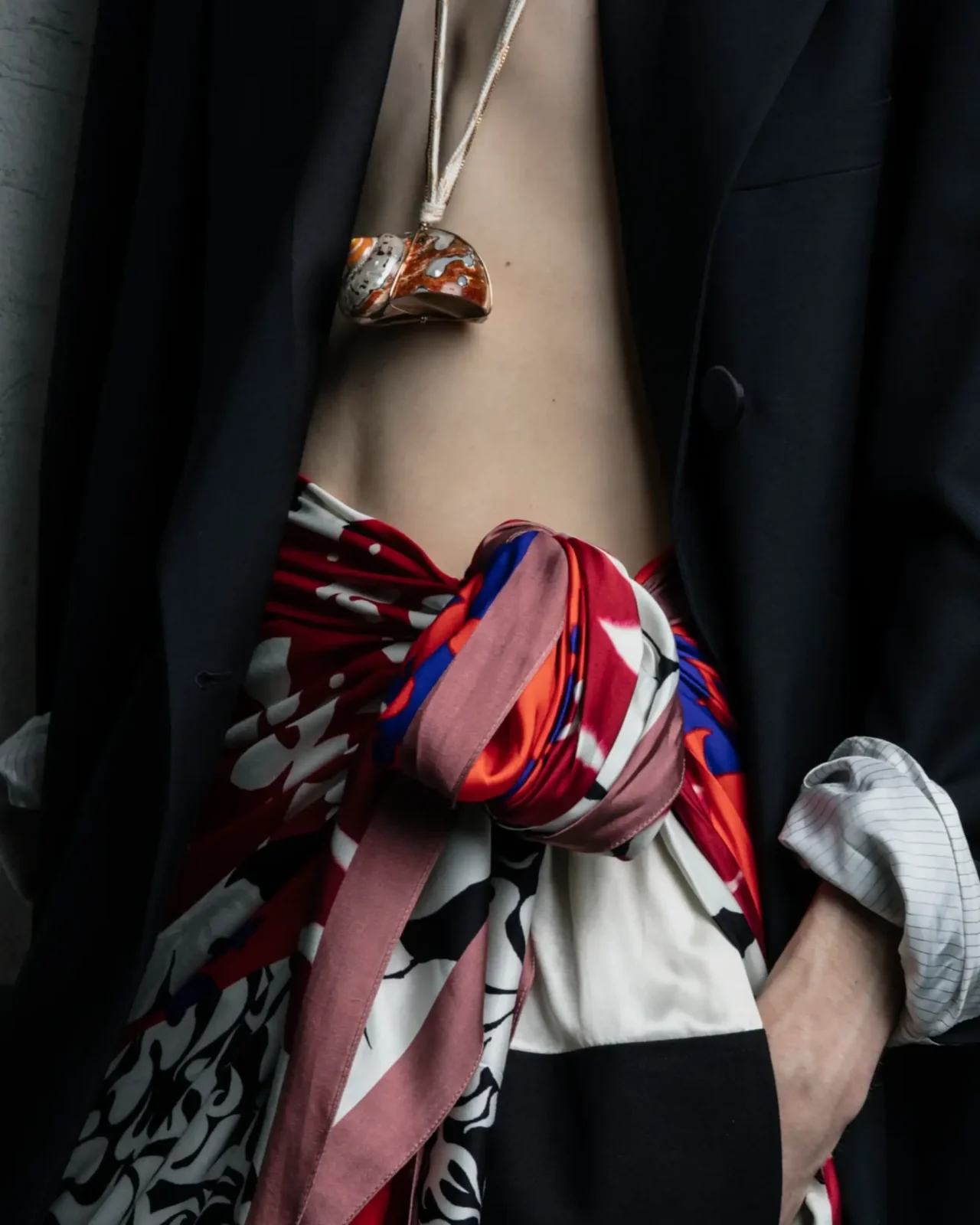
At Dries Van Noten, the sarong emerged as a central menswear statement. Under new menswear creative director Julian Klausner, the show explored both fluidity and formality, with intricate embroidered detailing and fabric wrapping techniques that gestured toward the subcontinent’s enduring tailoring codes.
The fashion industry has long engaged in cycles of aesthetic borrowing, often from regions of the world that have historically been marginalized in the editorial narrative. But what makes this moment different is a growing awareness, though not yet full accountability, about where these design languages originate. There is a discernible shift from appropriation to engagement, from surface to substance.
Designers in focus
India’s influence on global fashion is not new. What is new is the acknowledgment. In recent years, the spotlight on South Asian designers like Sabyasachi Mukherjee, Rahul Mishra, and Supriya Lele has expanded beyond the diaspora and into mainstream conversations. Luxury houses are beginning to recognize that craftsmanship from Delhi or Lucknow does not need to be filtered through a Parisian or Milanese lens to be relevant. It already is.
The SS26 season marks a possible recalibration in how the fashion capitals of the world understand influence and authority. The motifs may look familiar, but their usage now carries a different weight. It suggests respect, and perhaps a long-overdue recognition.
India was never waiting to be discovered by fashion. It has always been part of the architecture. What we are witnessing now is the industry finally acknowledging it.
Photos courtesy Louis Vuitton, Prada, Dries van Noten