Why Are Stylists Turning to the Archives to Define Contemporary Style?
In an era of constant newness, fashion’s most compelling statements are coming from the archive, where old garments are being reintroduced with the confidence of the present




When the past becomes a power move
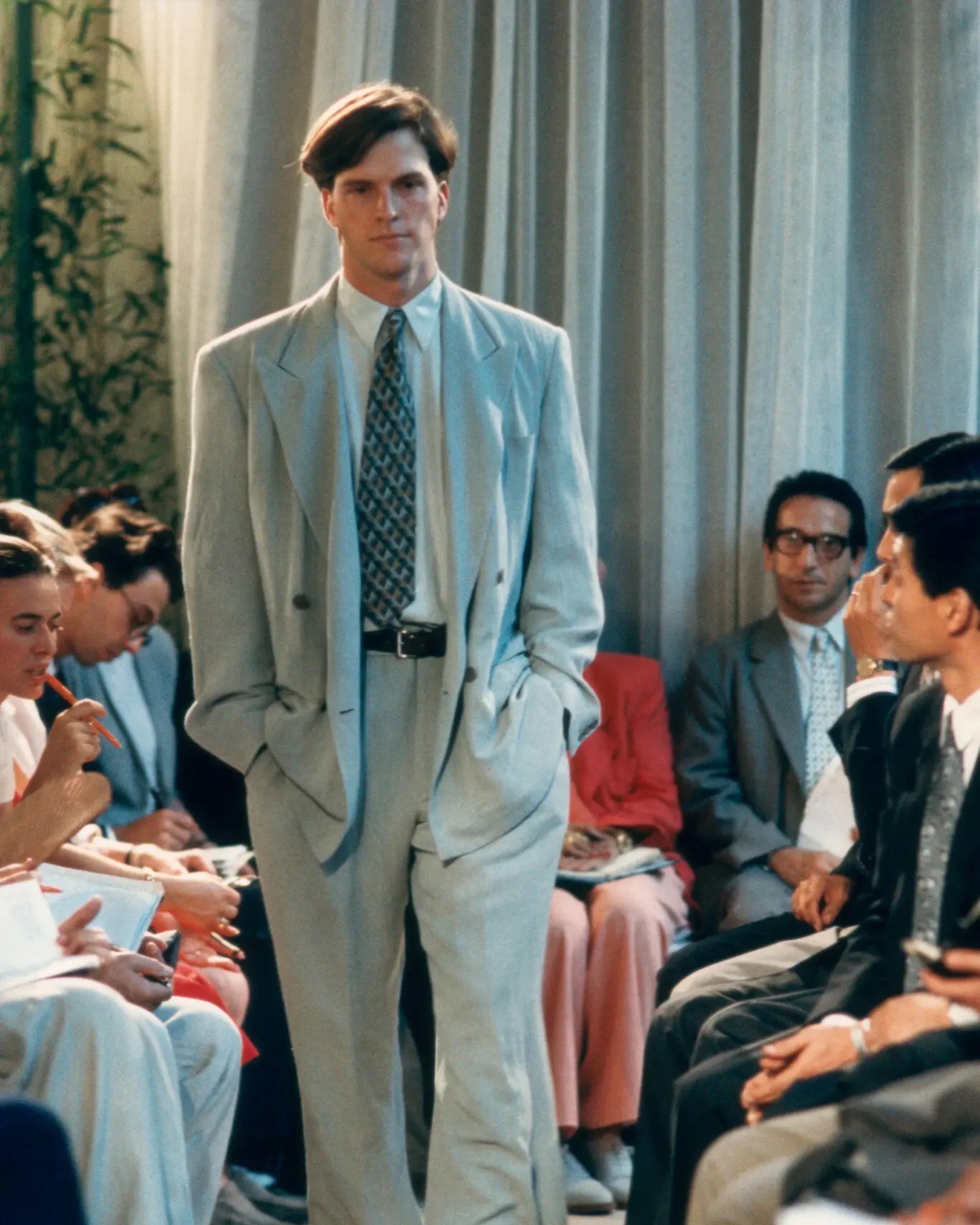
Fashion’s current obsession with the archives is no longer a niche fascination but a defining feature of contemporary style.
On red carpets, press tours, and social feeds, garments pulled from decades past are commanding more attention than many new collections. The message is clear. Fashion is finding its sharpest point of view by looking backward.

Few moments illustrate this shift better than the recent wave of archival dressing led by high-profile stylists like Law Roach. When a celebrity appears in a meticulously sourced look from the 1990s or early 2000s, the response is immediate and knowing. These are not nostalgic costumes. They are calculated choices that signal taste and cultural literacy. Old clothes have become a contemporary flex.
Against the speed of now
The appeal lies partly in contrast. The fashion industry produces hundreds of collections each year, many of which disappear from memory almost as quickly as they arrive. Archival pieces operate on a different frequency.
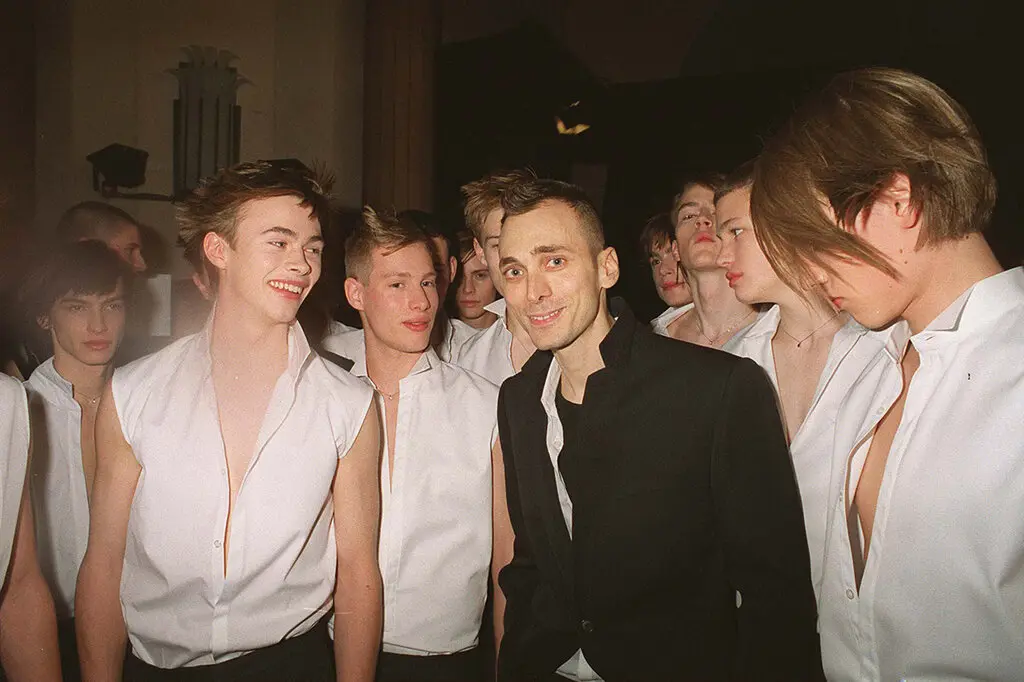
They carry the weight of their original context, shaped by slower production cycles and a deeper focus on construction and material. When worn today, they stand out precisely because they resist the churn of novelty.
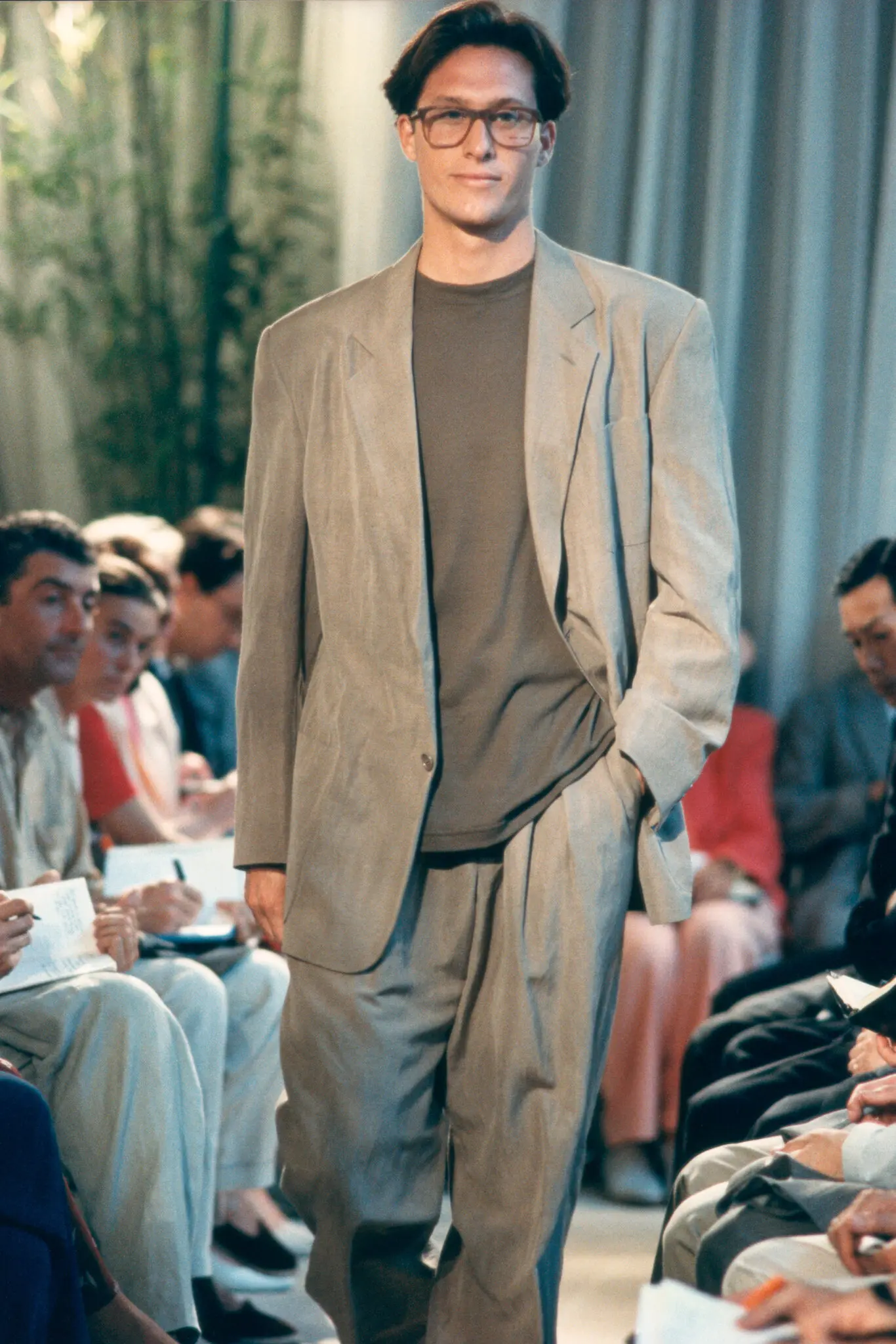
Stylists have emerged as central figures in this movement. Their role is no longer limited to assembling looks but extends to shaping narrative. Pulling from an archive requires access, credibility, and a clear point of view. A successful archival moment reframes a celebrity as a participant in fashion history. It also reframes fashion itself as an ongoing conversation rather than a series of seasonal resets.
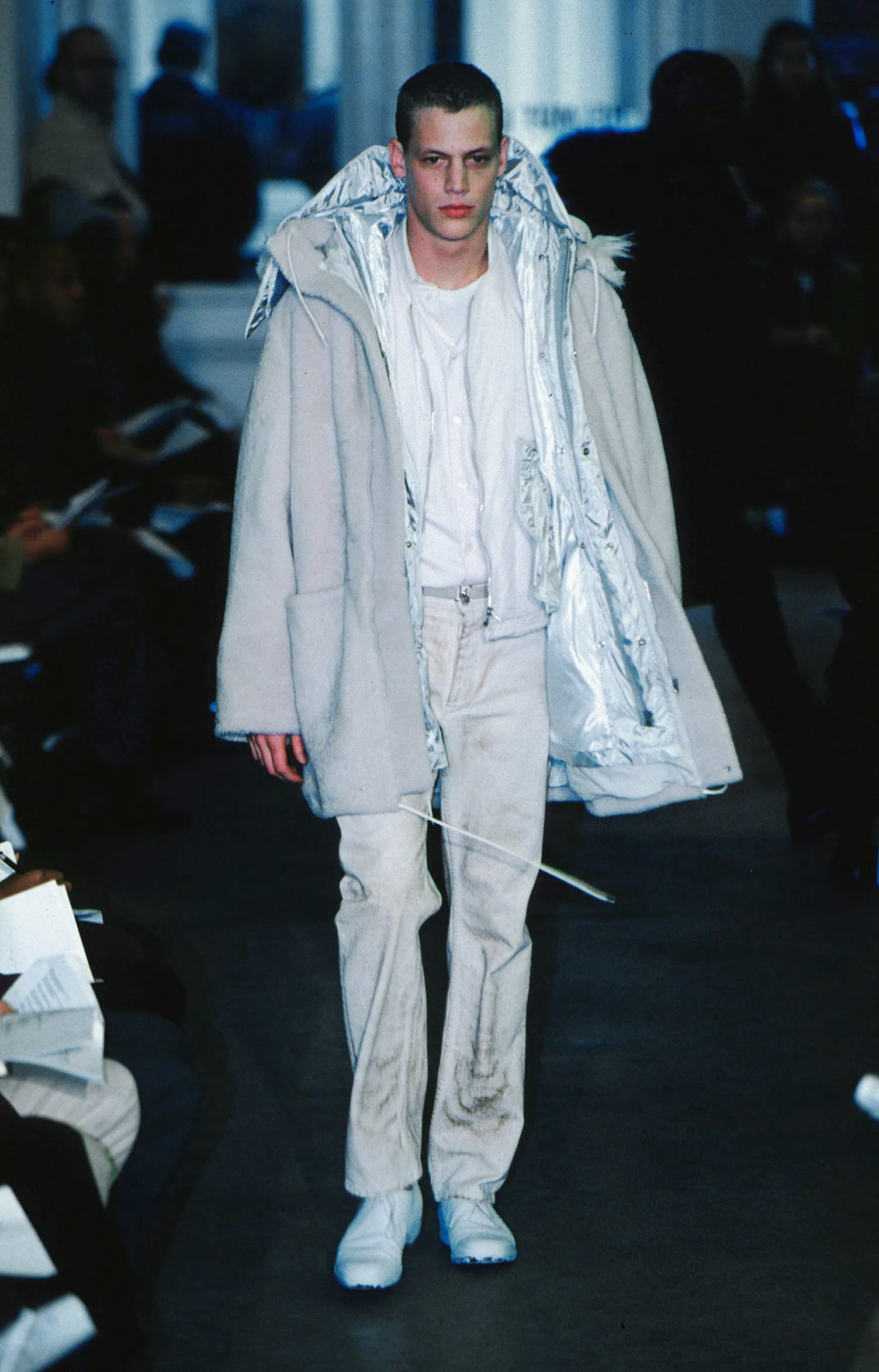
Heritage meets the present tense
For brands, the renewed visibility of archival work presents both opportunity and complexity. An iconic piece from the past can generate significant attention and media value, even when it bears little resemblance to a house’s current output.
Some brands have embraced this by allowing archival moments to coexist with modern collections, using them to reinforce heritage without overshadowing the present. Others remain cautious, aware that nostalgia can easily slip into comparison.
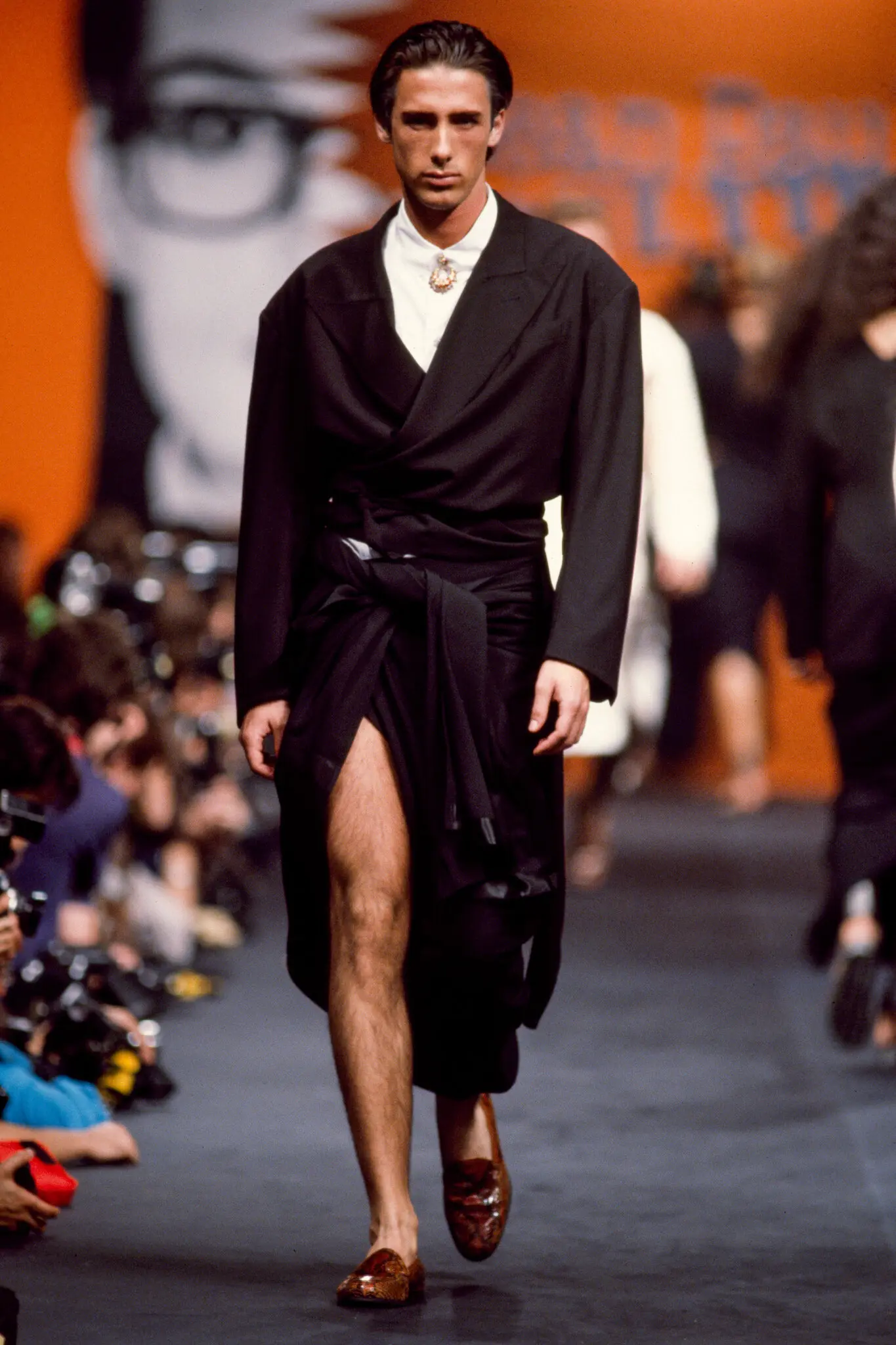
Outside the fashion houses, vintage dealers and private collectors play a crucial role in making these moments possible. Their archives function as living libraries. Sourcing, authenticating, and preserving garments requires both technical knowledge and instinct. These pieces are treated as objects meant to be activated, albeit with care.
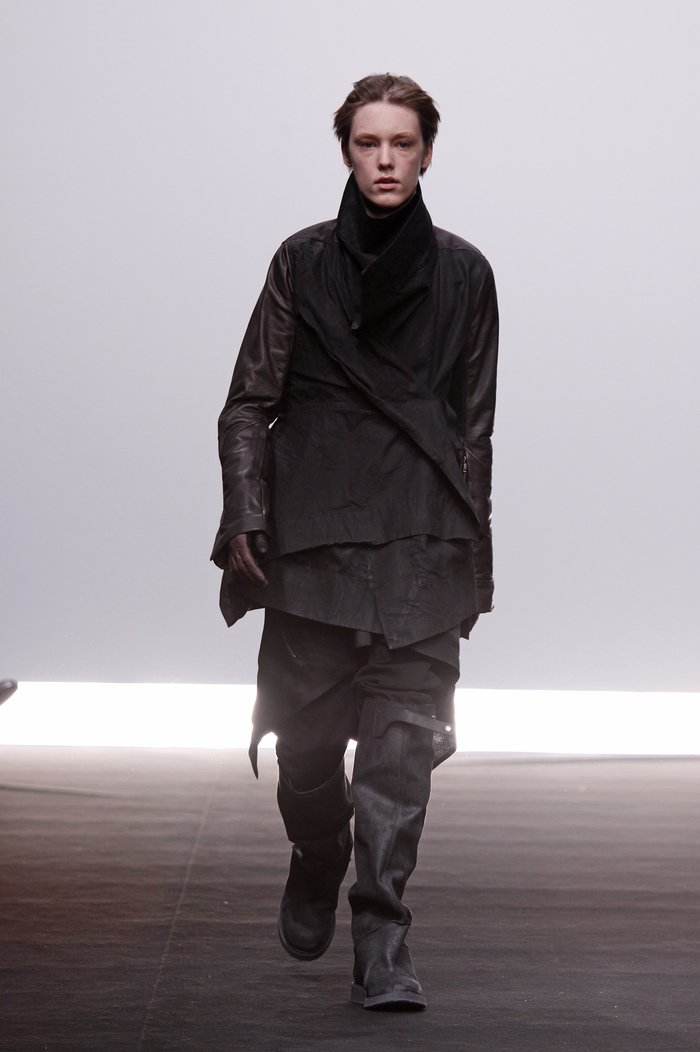
That balance between preservation and use is central to the ethics of archival fashion. Each garment carries risk when worn, yet complete inaccessibility threatens to drain it of relevance. The current wave of archival dressing suggests a growing consensus that history is best honored through thoughtful visibility rather than isolation.
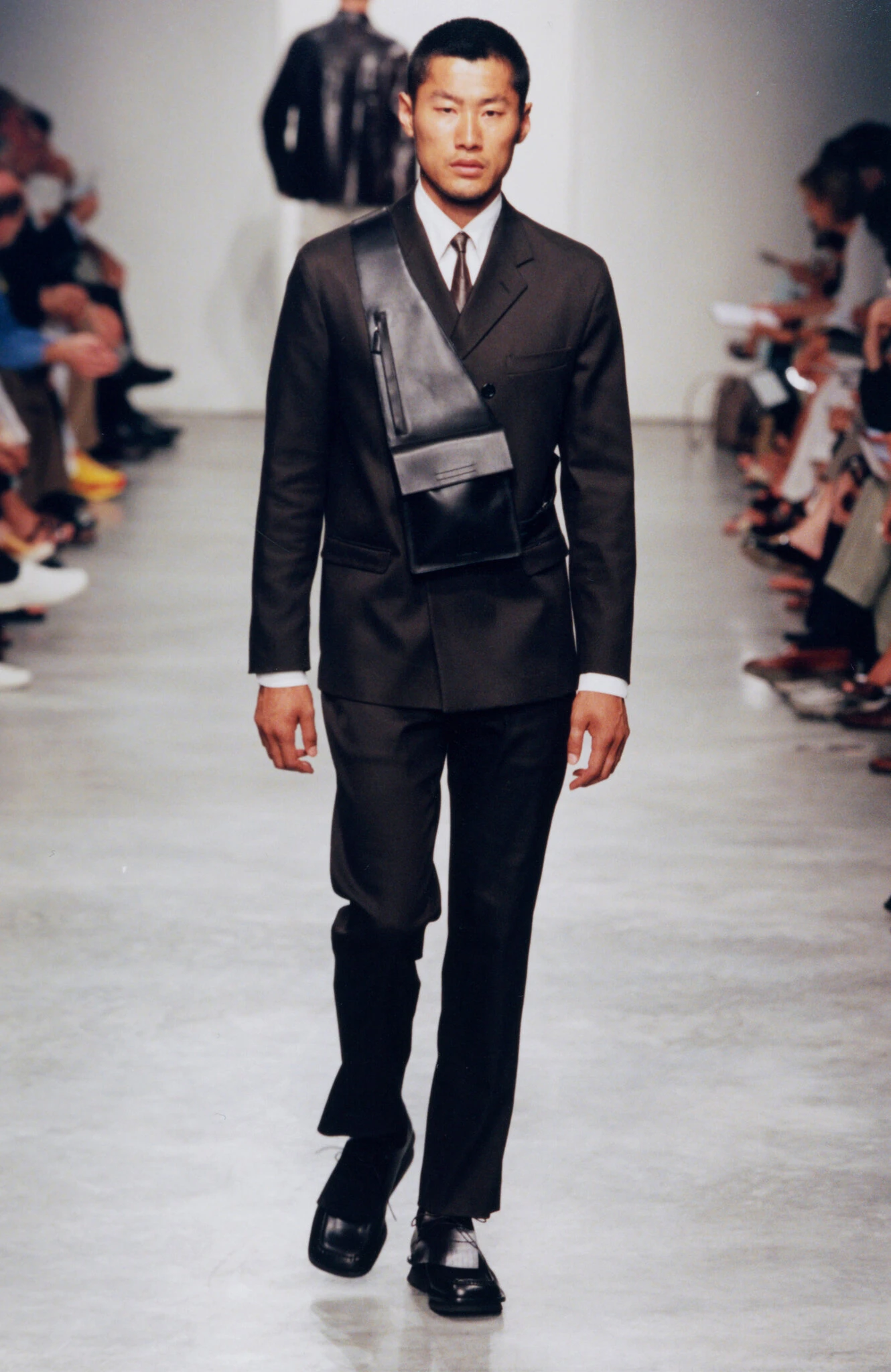
The Internet as footnote and amplifier
Digital culture has amplified the trend. Archival looks now depend on being recognized and contextualized online. Social media accounts dedicated to identifying designers, seasons, and provenance have turned fashion knowledge into a form of public engagement. The deeper and rarer the reference, the greater its impact. Context has become as important as the garment itself.
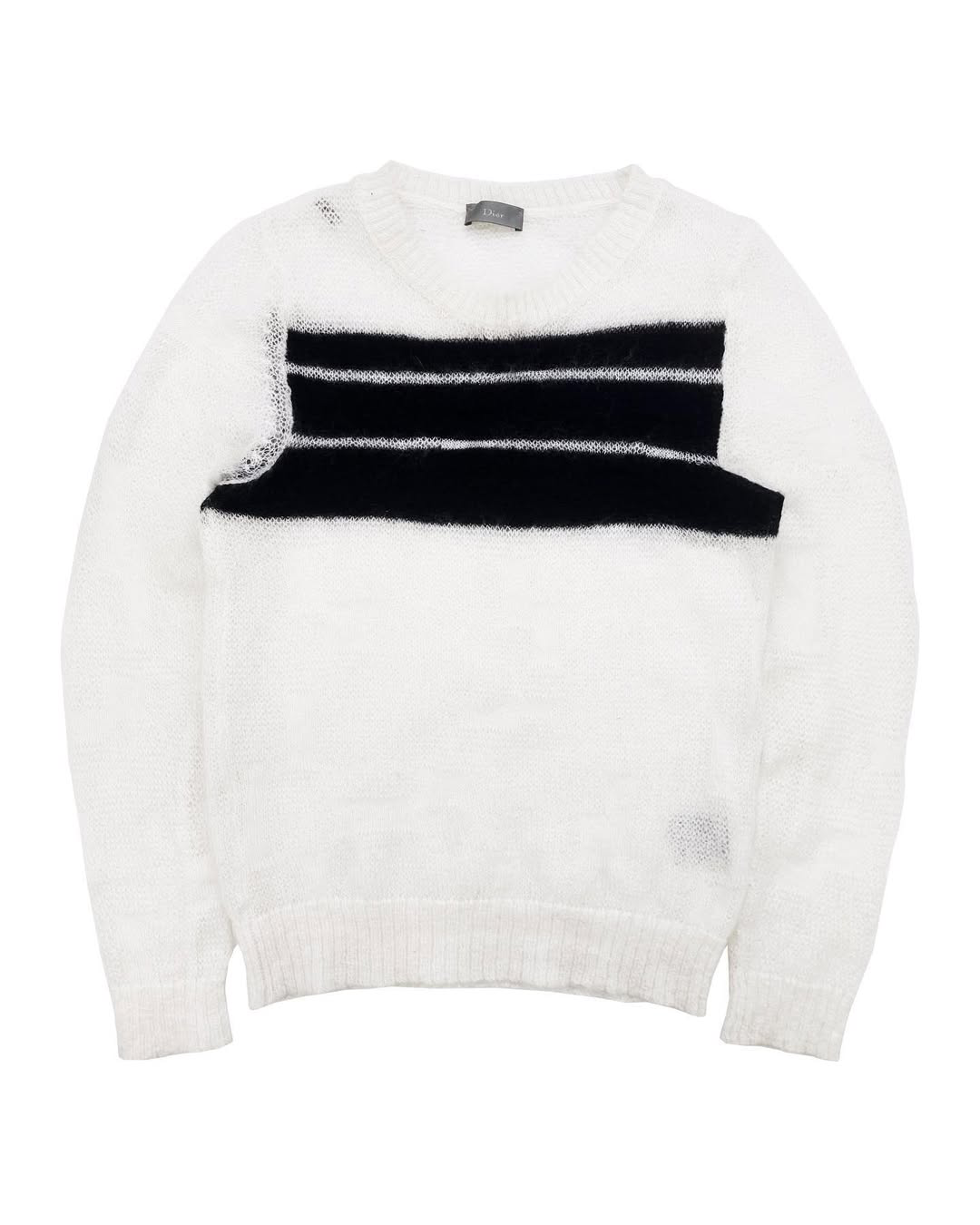
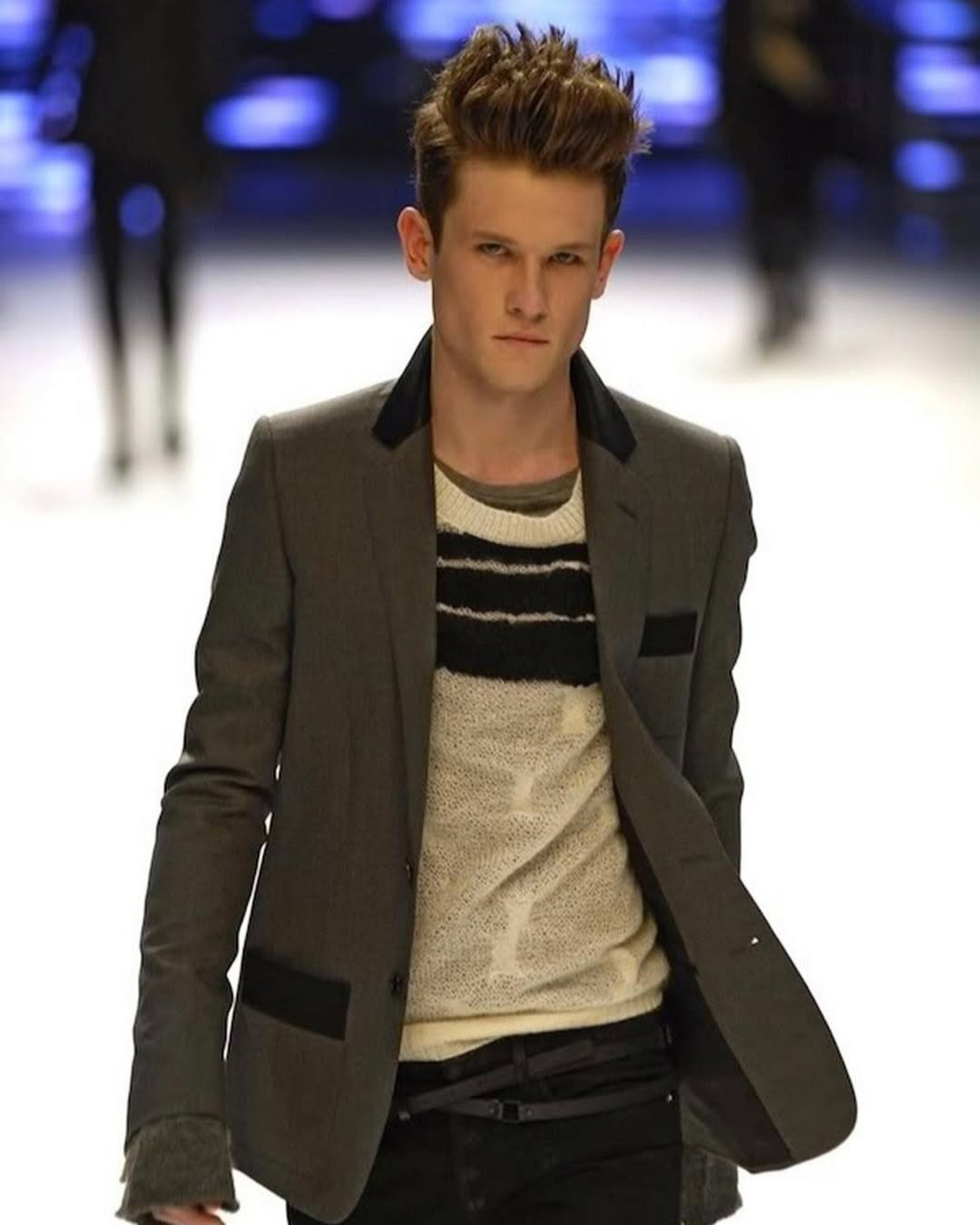
Taken together, these forces point to a broader recalibration within the industry. Archival fashion is not about retreating into the past, but about restoring depth to the present.
As fashion navigates its future, the archive has emerged as one of its most effective tools. Not as a symbol of what once was, but as evidence of what still matters.
Archival fashion is trending because celebrities and stylists are revisiting vintage and historical garments to create unique looks. These pieces carry craftsmanship, history, and design innovation that stand out.
Stylists source archival pieces through private collections, brand archives, and vintage dealers, as well as thrift shops and flea markets. Careful research and attention to provenance ensure each garment fits the intended look and maintains its integrity.
Archival pieces are often handmade with unique fabrics and construction techniques that are less common in fast fashion. They offer context, depth, and storytelling, making them stand out compared with newly produced garments.
While celebrities often showcase archival fashion on high-profile events, the trend can be adapted for personal style. Incorporating a single vintage or archival piece with modern basics allows anyone to add history and uniqueness to their wardrobe.
Brands use archival looks to highlight their heritage and craftsmanship while generating media attention. Carefully chosen archive pieces can reinforce brand identity without overshadowing current collections.