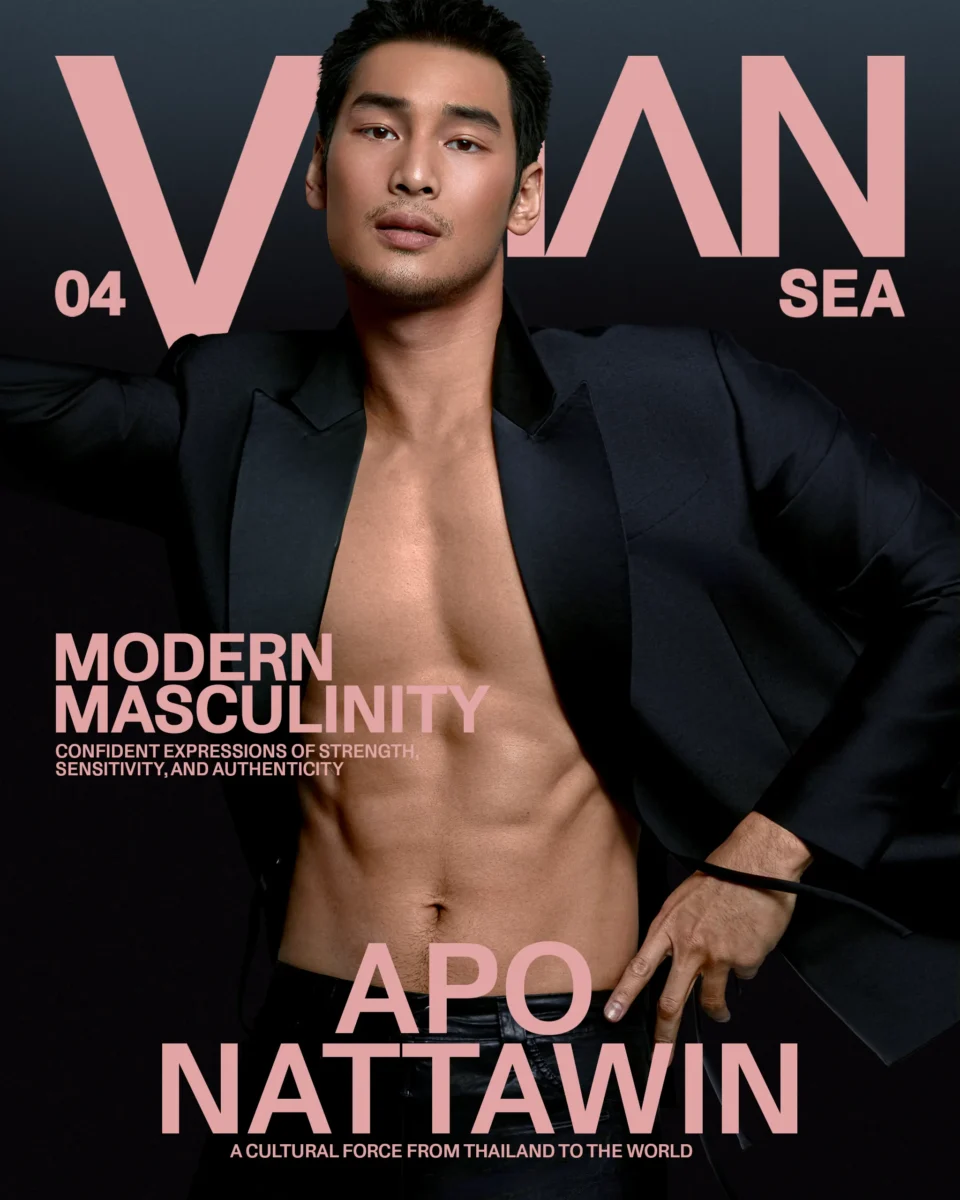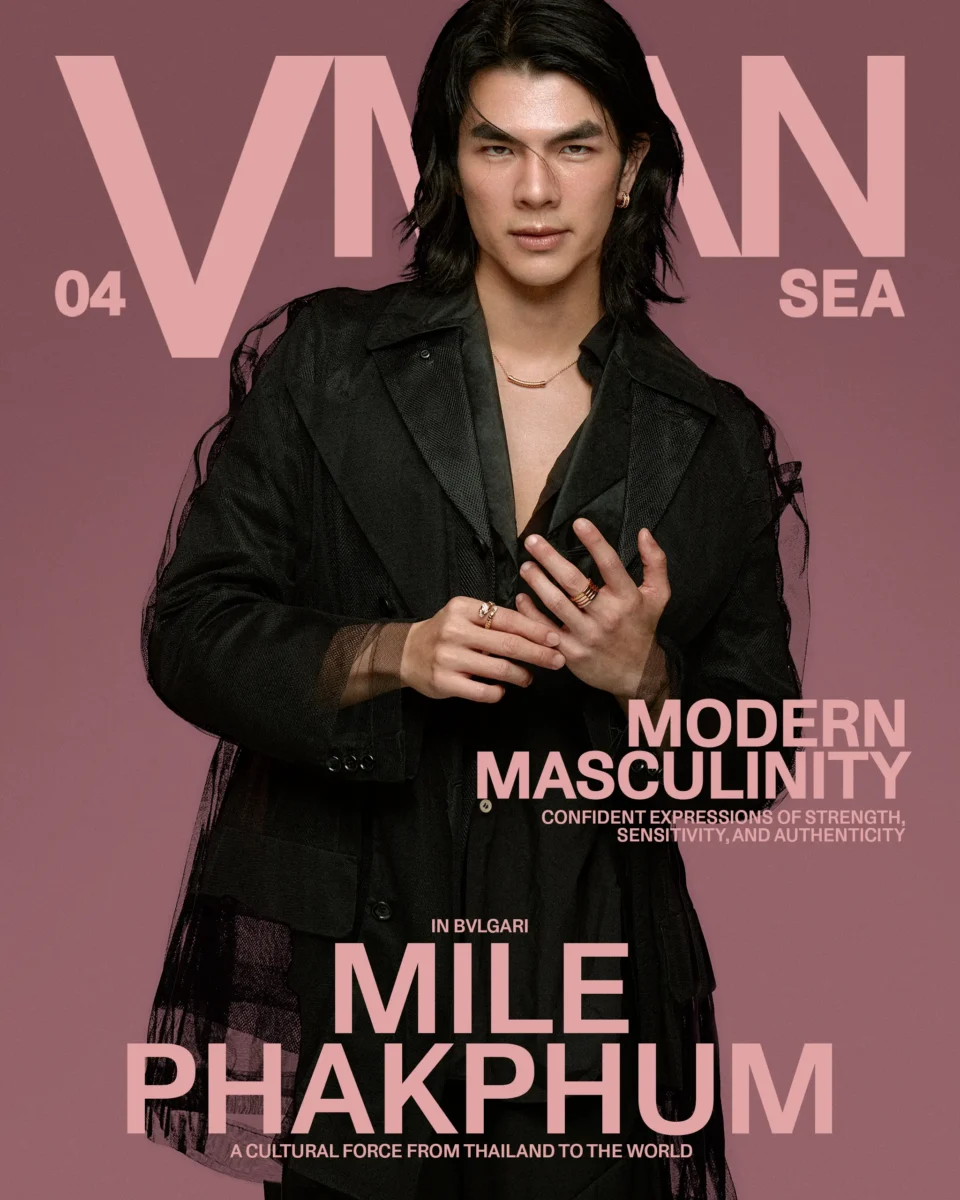
Street Tribes: How Subcultures Became Fashion’s Living Language
From the chaotic color of Harajuku to the attitude of hip hop and skatewear, fashion’s subcultures reveal how self-expression continues to shape what it means to be seen




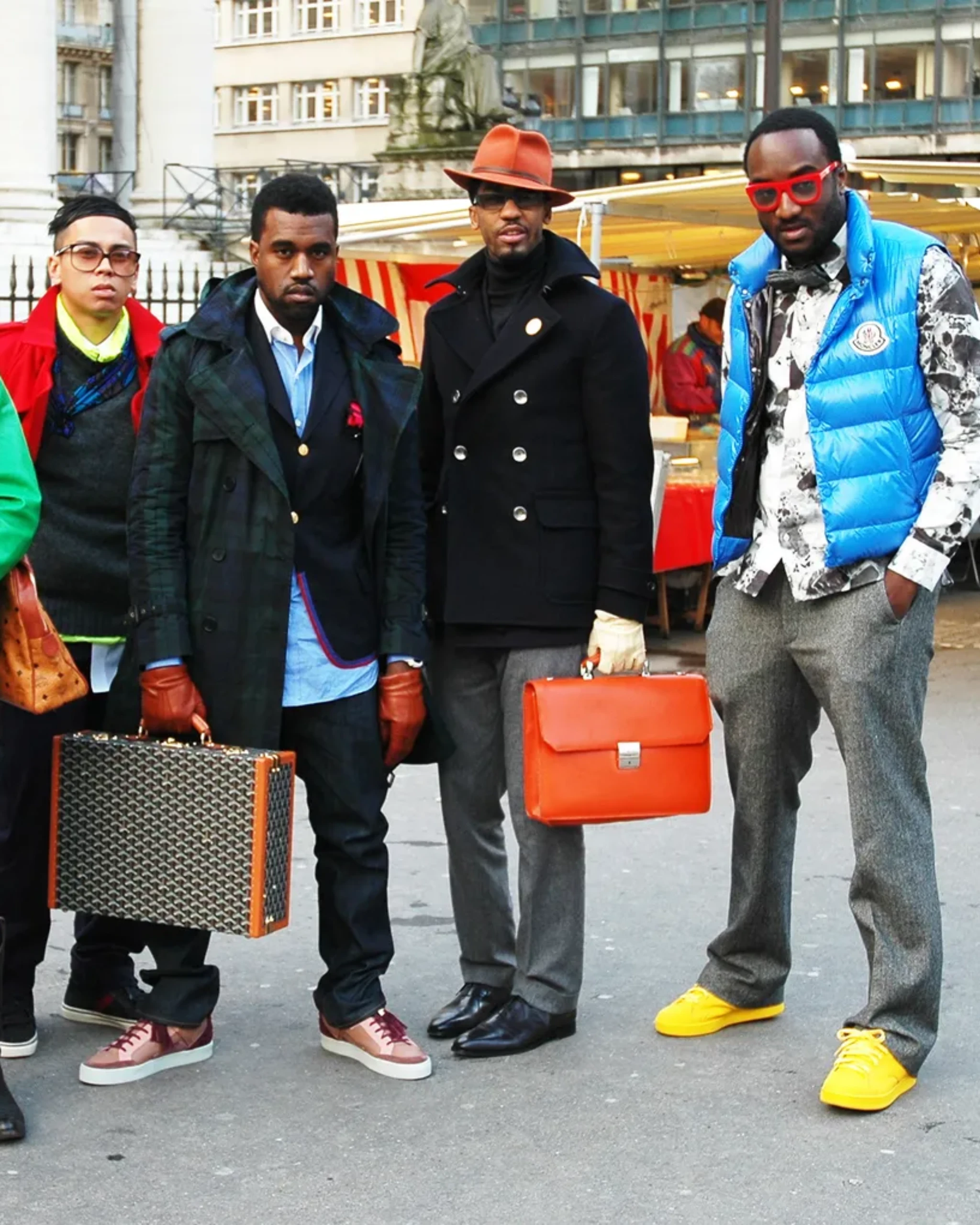
In Tokyo’s Harajuku district, the street is its own kind of stage. Crowds move through narrow alleys dressed in color, texture, and improvisation. What began in the 1980s as a gathering of youth subcultures has become one of the most influential forces in global fashion. From the layered chaos of Decora to the discipline of quiet luxury, these movements tell a story about how people use clothing to express defiance, identity, and a sense of belonging.
READ MORE: From A$AP Rocky to BTS: The Modern Style Icons Behind Today’s Fashion
Harajuku
Where rebellion becomes art
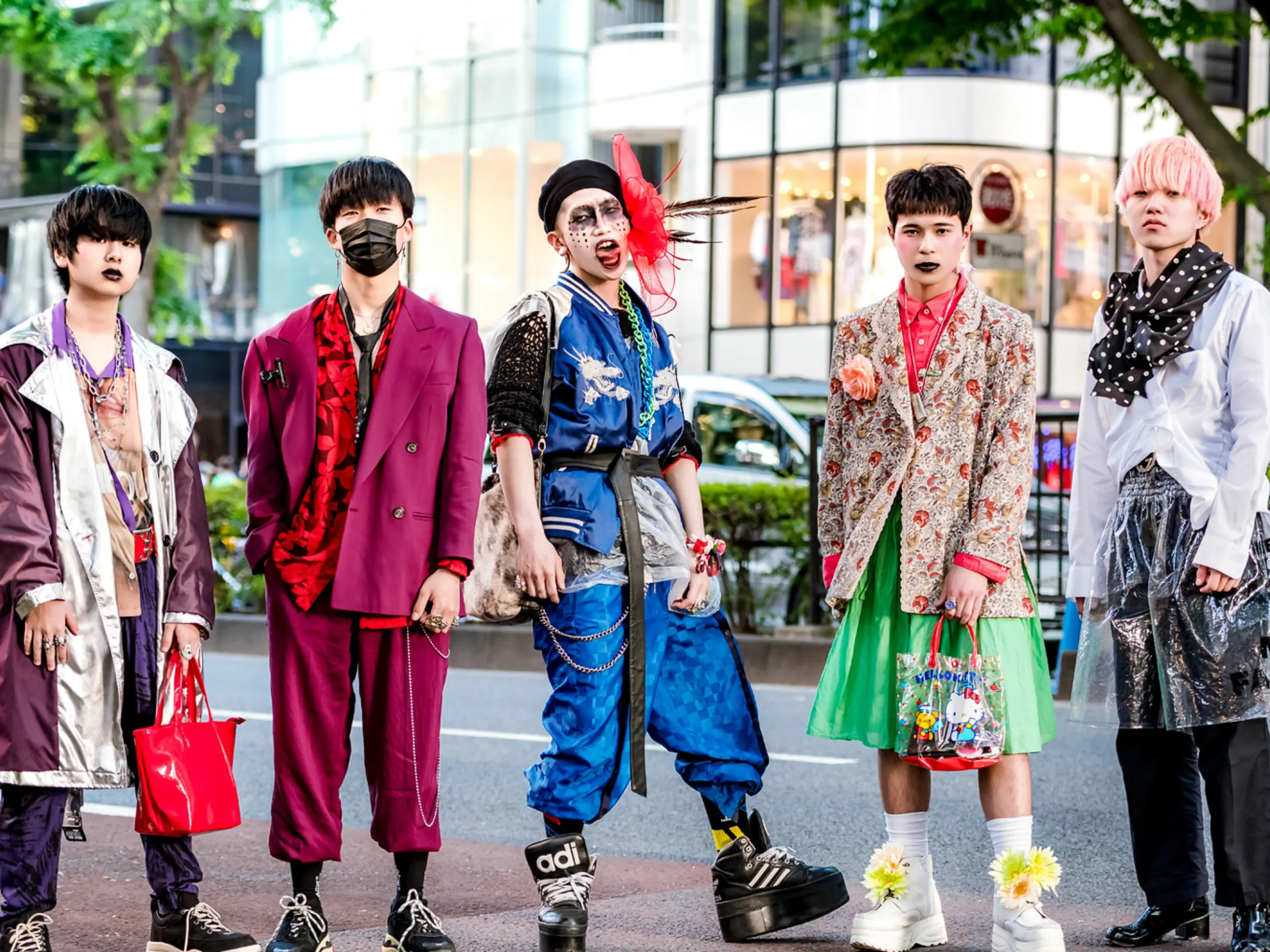
Harajuku is not one look but a collection of ideas that intersect and contradict. It began as a creative refuge for young people who wanted to escape conformity. By the 1990s, its streets became known for vivid expression and experimental dress. The neighborhood’s fashion was not dictated by brands or designers, but by the individuals who treated clothing as an art form and a means of self-expression.
In Harajuku, clothing functions like language. Each outfit conveys a new message, and each color combination makes a distinct point. The act of getting dressed becomes an act of authorship.
Decora
The joy of excess
Among Harajuku’s many fashion tribes, Decora is its brightest and most recognizable. The philosophy is simple: if one accessory is good, then twenty are better. It is built on layering, color, and playfulness, often featuring stickers, toys, and cartoon imagery. The look recalls childhood imagination but reinterprets it as social commentary.
Skate culture
Fashion on the pavement
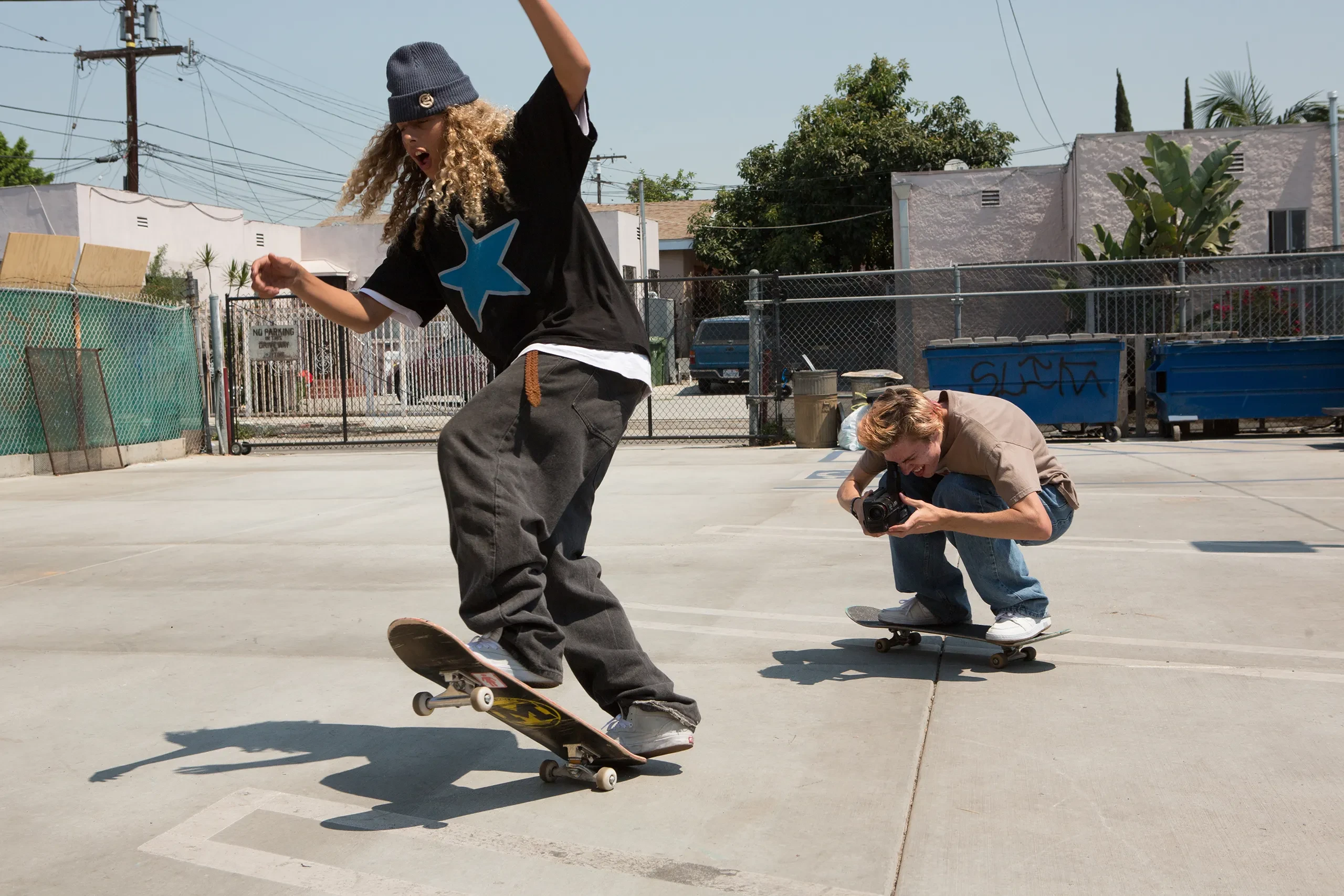
Skateboarding began in 1970s California as a form of freedom, and its clothing evolved from function. Loose shirts, sturdy pants, and durable sneakers were worn because they worked. The look, shaped by necessity, eventually became an aesthetic.
Skate culture built a global visual language that valued authenticity and independence. Skaters created their own labels and spaces, which became influential beyond their community. By the 1990s, skatewear had merged with streetwear, and the same codes that once marked rebellion were appearing on luxury runways.
Hip hop
Style as identity
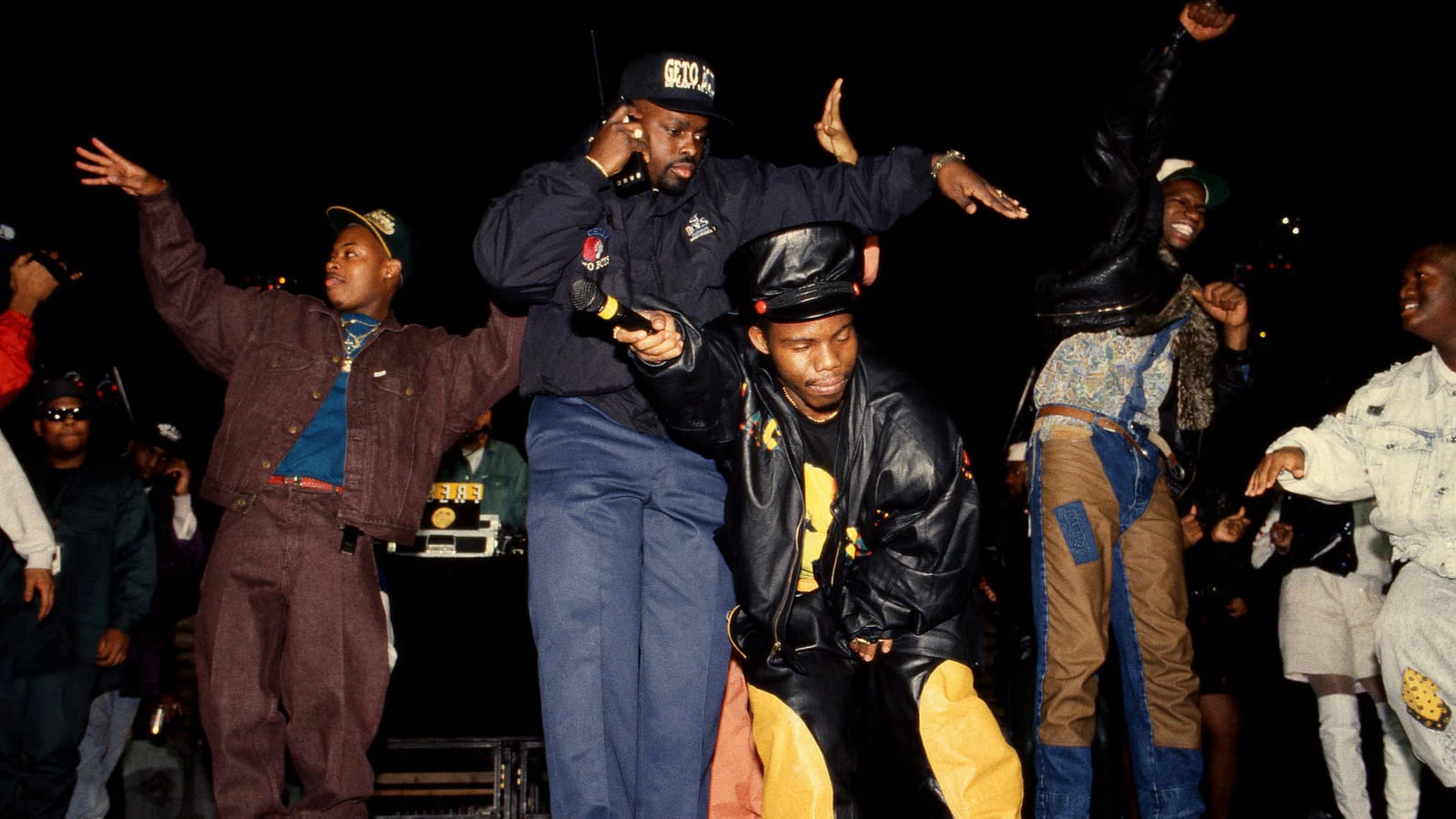
Hip hop emerged from the Bronx in the 1970s as an expression of creativity and survival. Its fashion grew from that same energy. Early hip hop style mixed sportswear, workwear, and visible luxury. Tracksuits, bomber jackets, and heavy jewelry became forms of communication. They expressed pride and a refusal to be unseen.
As hip hop gained global reach, its fashion evolved into one of the most influential movements of the last century. From Dapper Dan’s custom designs in Harlem to high-fashion collaborations with global artists, hip hop reshaped the meaning of luxury and turned self-expression into a cultural economy.
Grunge
The aesthetic of refusal
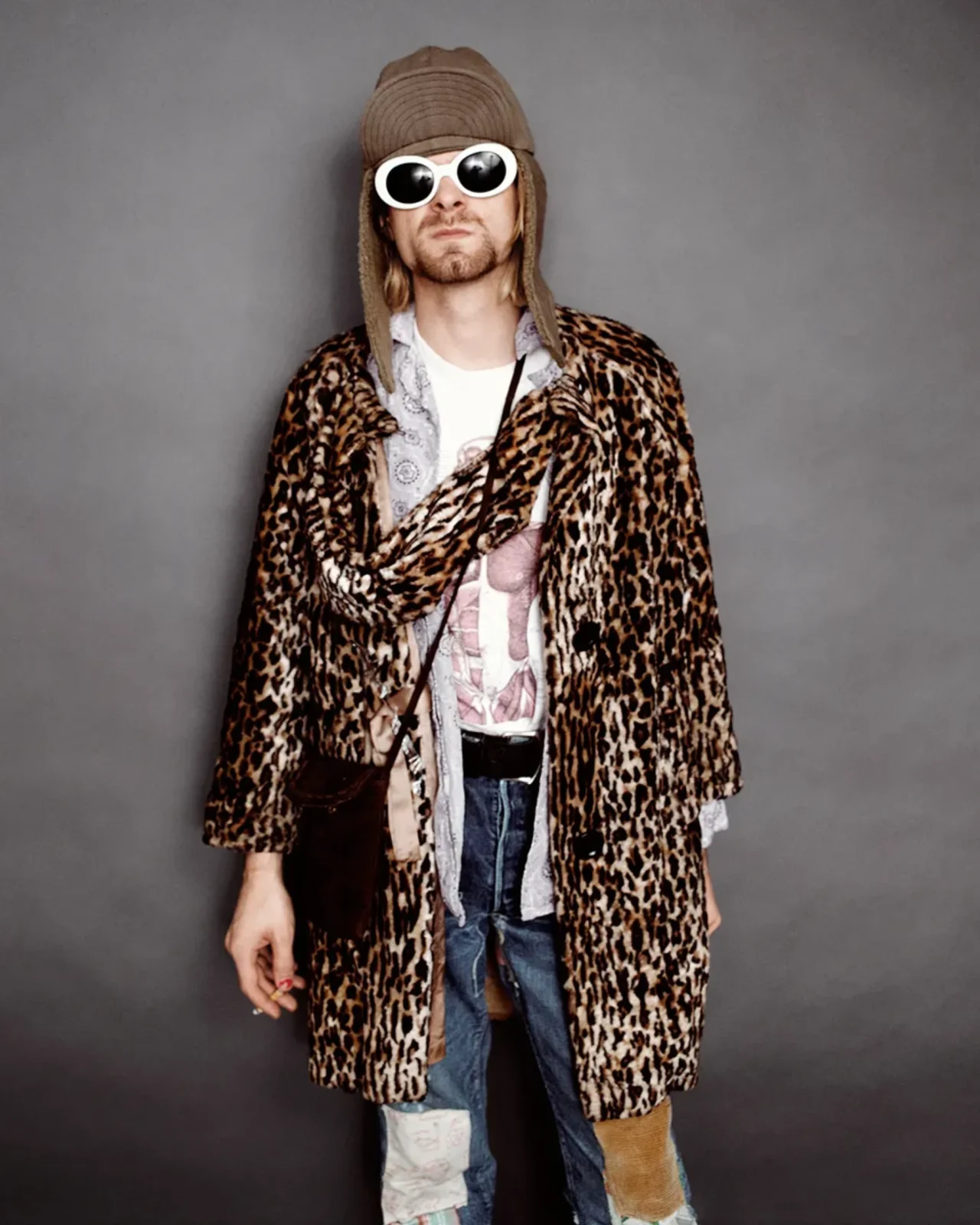
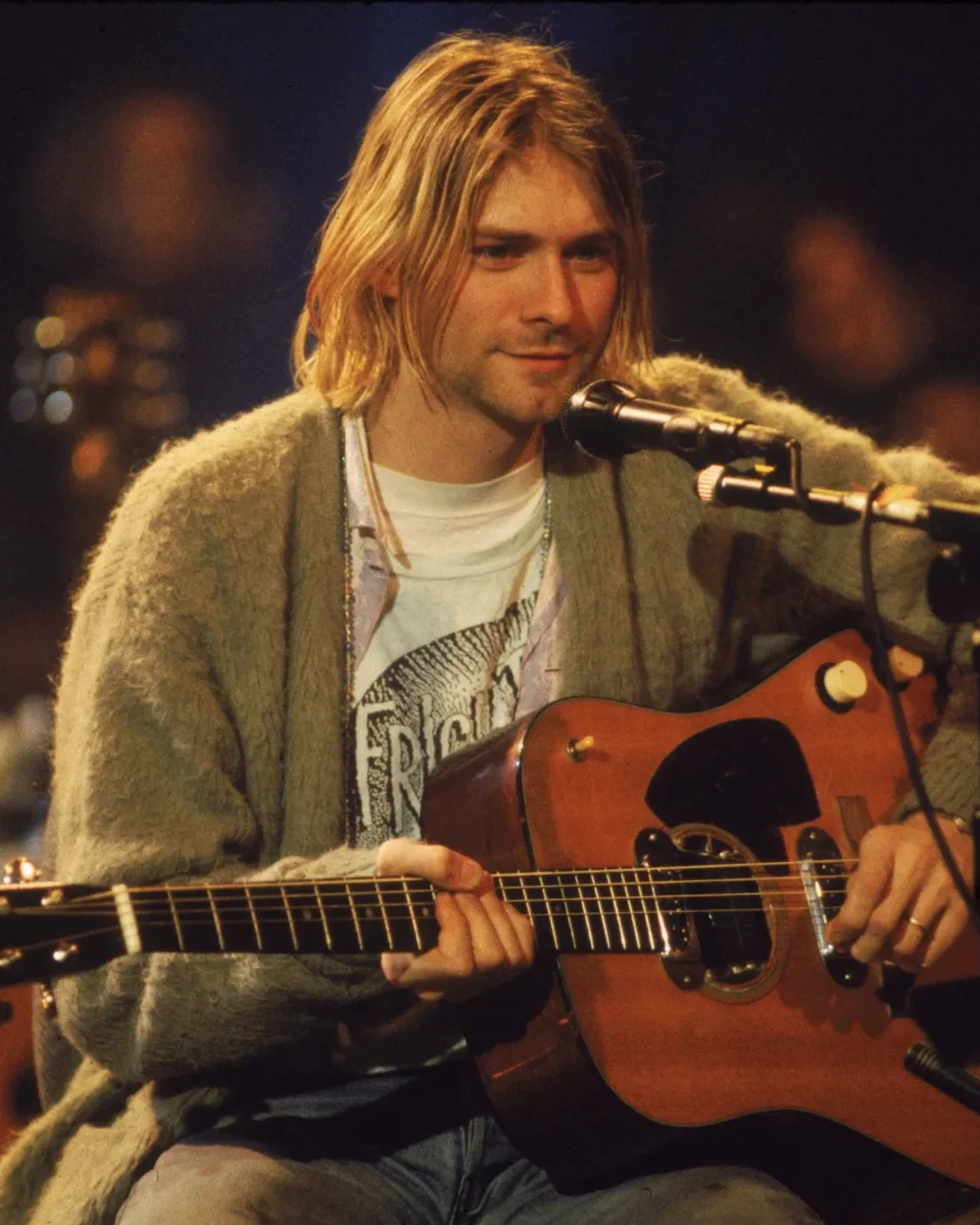
Grunge began in Seattle’s late-1980s music scene and reflected exhaustion with excess. It was a style defined by thrift stores and indifference. Flannel shirts, worn denim, and layered knitwear became a visual rejection of consumer culture. The look was unpolished and unbothered, making authenticity its only rule.
Fashion eventually absorbed grunge, turning its disheveled uniform into runway material. The transformation revealed fashion’s ongoing pattern: what begins as resistance often becomes the next aesthetic.
The anti-fashion designers
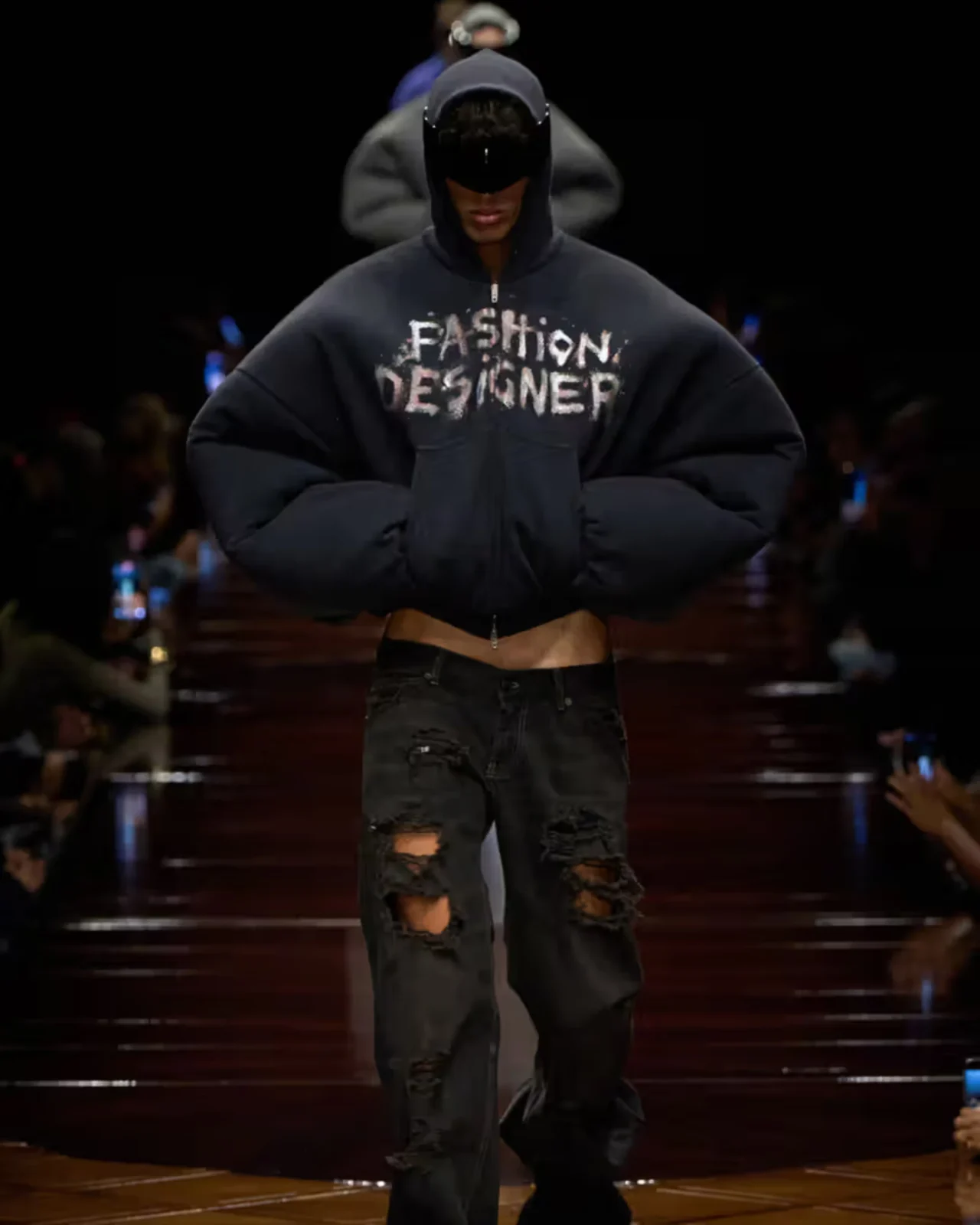
Rick Owens and Demna
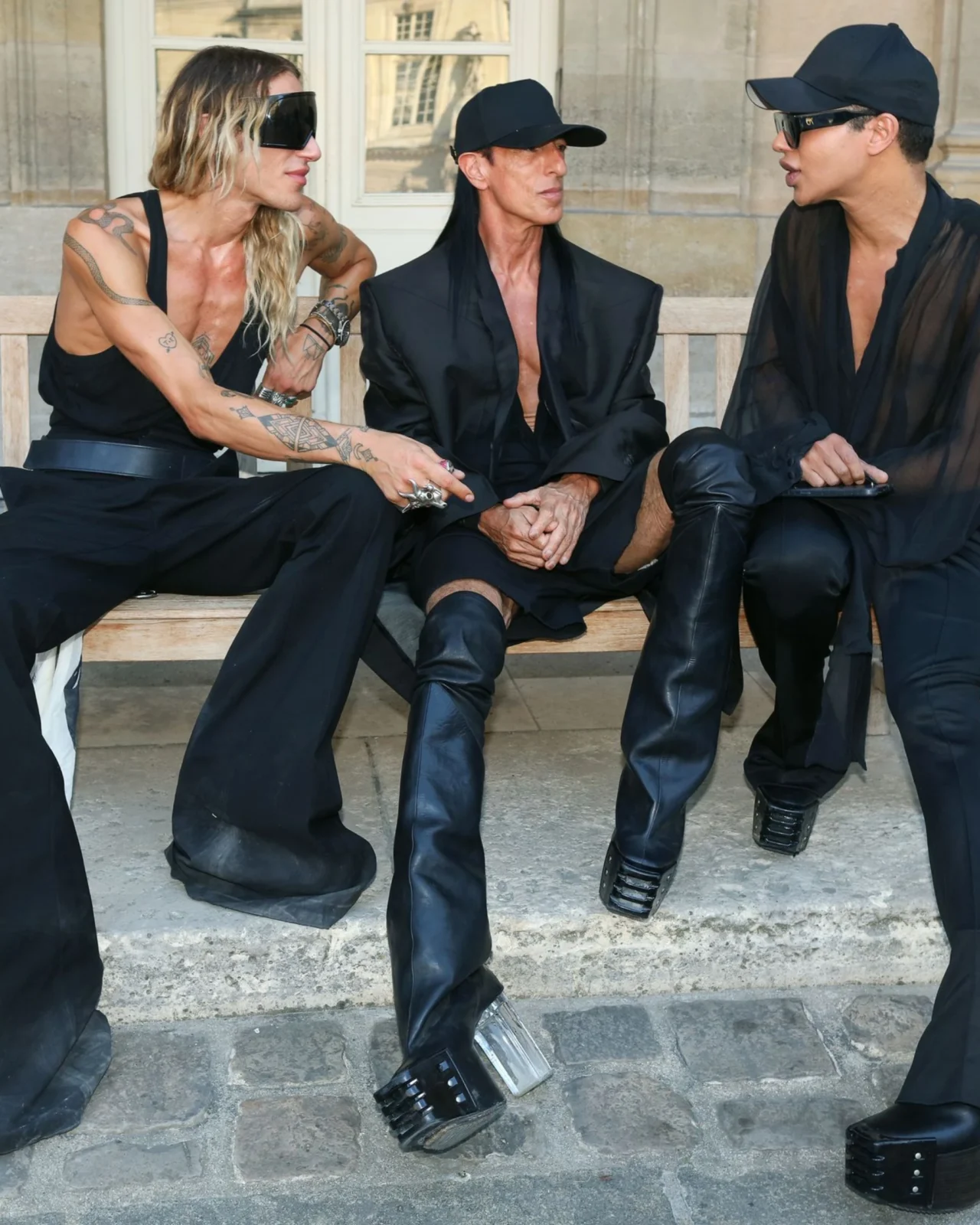
A group of designers translated subcultural ideas into high fashion, each with distinct interpretations. Rick Owens developed a vision of dark minimalism that appears severe yet theatrical. His designs challenge conventional beauty through asymmetry and imperfection.
Demna Gvasalia, who led Vetements and Balenciaga, created an aesthetic that reconstructs everyday clothing into satire. Oversized silhouettes and streetwear references turn fashion into commentary on consumer culture.
Together, these designers represent a shift within the industry. They question the definition of taste while redefining the boundaries of high fashion.
Quiet luxury
The Row
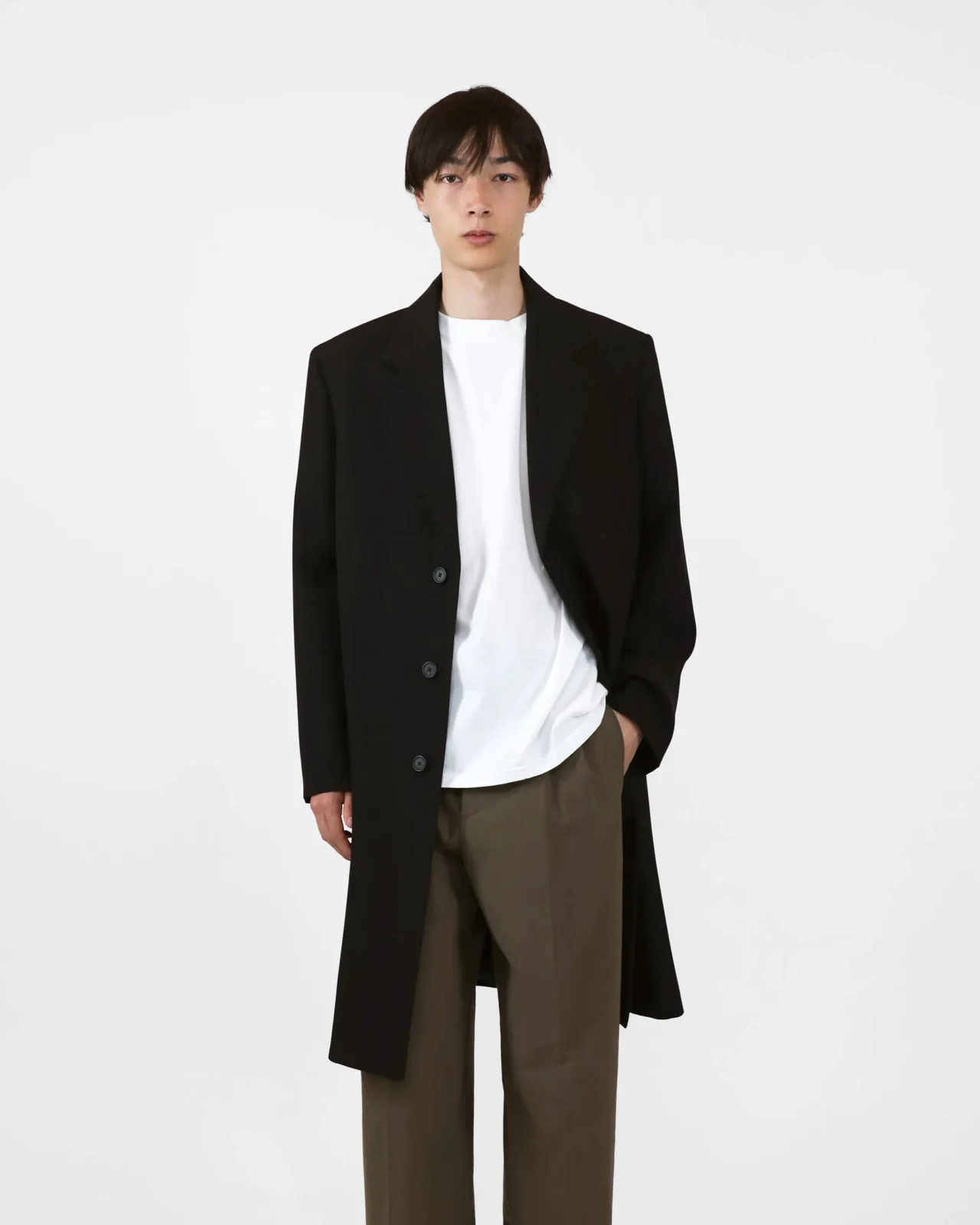
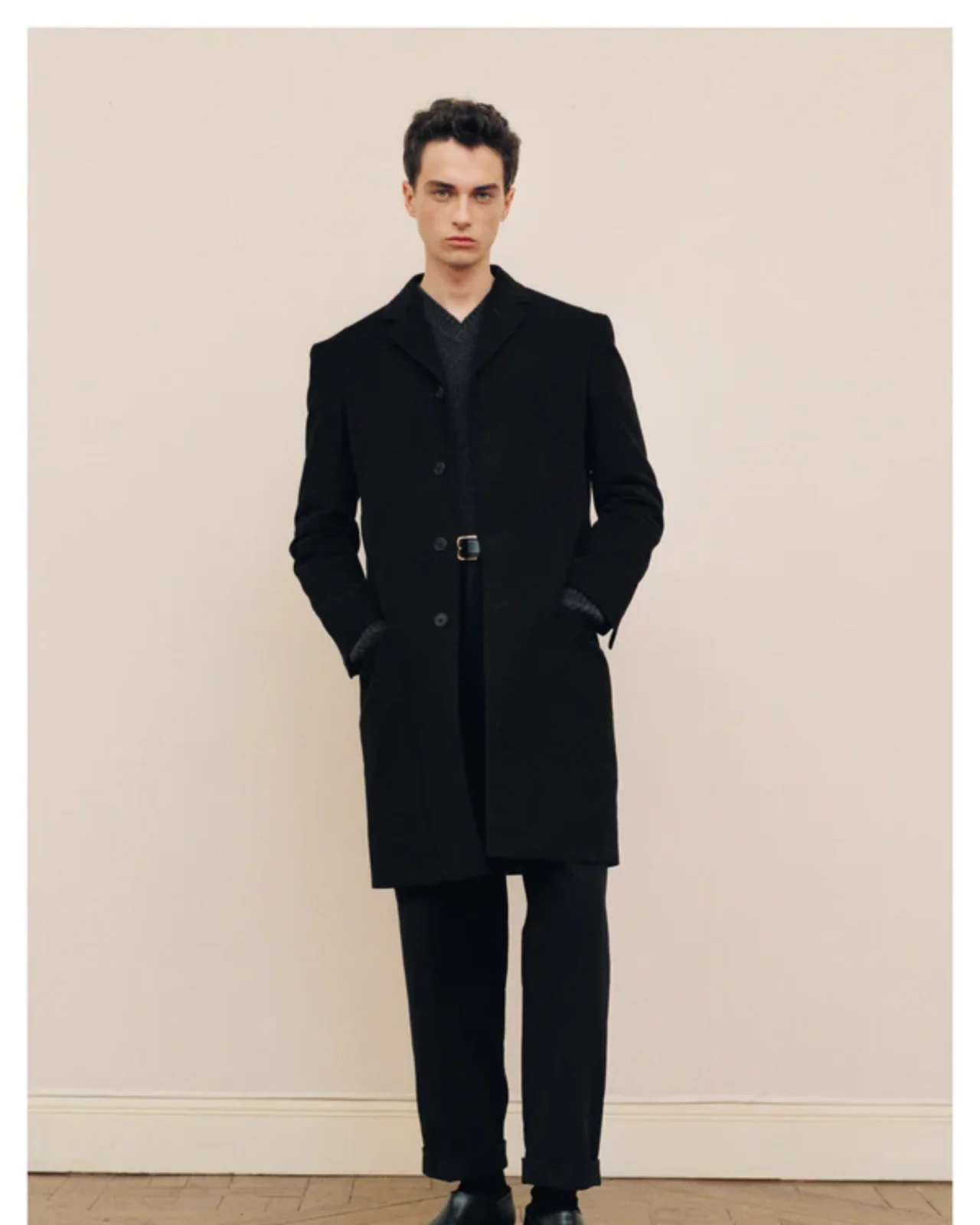
Quiet fashion, often described as stealth wealth, reflects a very different form of expression. It values subtlety over display and craftsmanship over logos. The Row, founded by Mary-Kate and Ashley Olsen, is often cited as the leading example. Its aesthetic centers on clean silhouettes, soft tailoring, and the finest materials.
The crossroads of influence
Across decades, these movements have shaped one another. Skate and hip hop cultures built the foundation for streetwear, which later influenced luxury fashion. Harajuku’s maximalism and The Row’s restraint reflect two poles of the same cultural spectrum. Designers like Rick and Demna continue to reinterpret those influences through their own subversive lenses.
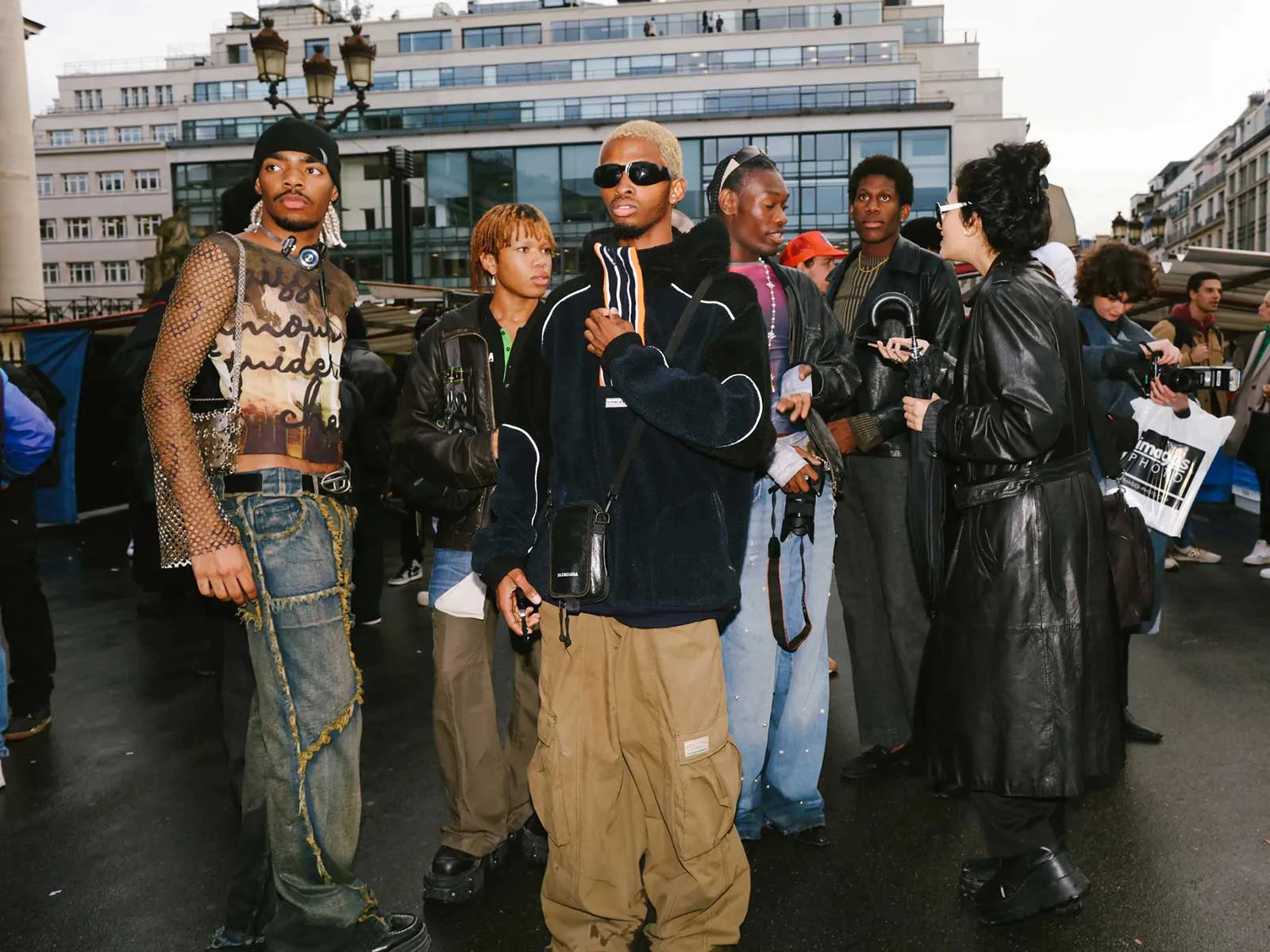
What connects them all is the idea that fashion is a form of storytelling. It reveals how people navigate systems of culture and belonging. The act of dressing becomes political, whether through abundance or absence.
Subcultures remain the testing ground for new ideas, proving that innovation often begins outside the mainstream. From the colorful streets of Harajuku to the irreverence of skatewear, fashion continues to ask the same question: how do we want to be seen, and what are we trying to say when we are?
Harajuku fashion is known for its colorful mix of styles that celebrate individuality and self-expression. It originated in Tokyo and became a hub for youth subcultures that use clothing as a form of identity and performance.
Skate culture introduced functional and loose-fitting clothes that combined comfort with attitude. Its influence helped shape streetwear, which later became a major force in global fashion.
Quiet luxury refers to understated, high-quality clothing that avoids logos and loud branding. Brands like The Row represent this style, focusing on craftsmanship and timeless design.
Hip hop fashion began as a mix of sportswear and streetwear that symbolized identity. Its bold style and emphasis on self-expression continue to influence both streetwear and high-end fashion.
Each subculture uses clothing as a form of storytelling and self-definition. Whether through maximalism or minimalism, they all reflect how people express identity through what they wear.