Pharrell’s Influence on Modern Men’s Fashion
Streetwear and luxury used to live on opposite sides of the industry. Pharrell Williams changed that




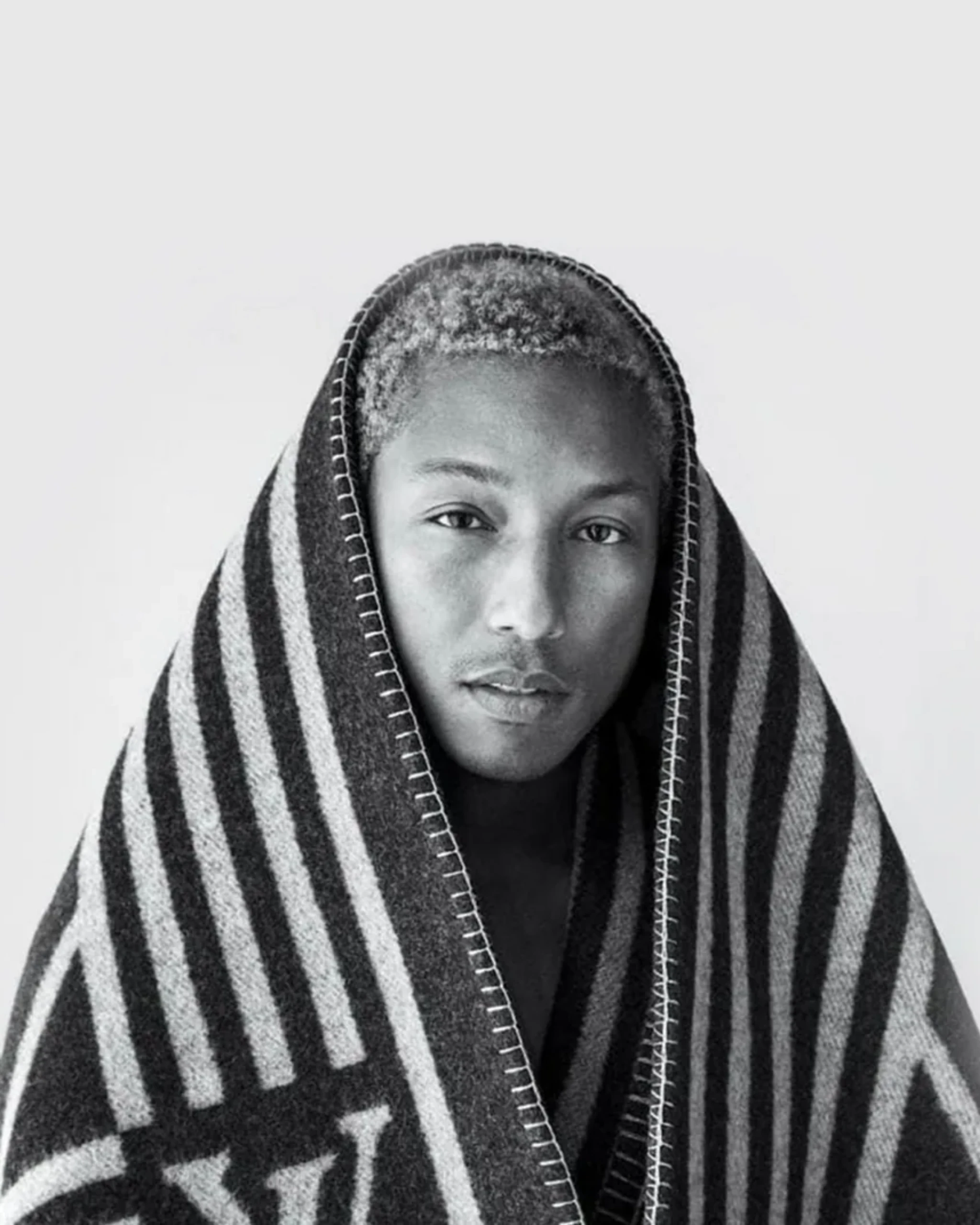
How Pharrell Williams redefined modern menswear
Before stepping onto the runway as Louis Vuitton’s Men’s Creative Director, Pharrell Williams had already spent two decades rewriting the rules of how men dress. His early collaborations with NIGO and the founding of Billionaire Boys Club and Ice Cream blurred the lines between hip-hop, skate, and fashion, long before “streetwear” became a mainstream term. Those brands turned bold graphics, color, and sneakers into status symbols, proof that self-expression could carry the same cultural weight as any European maison.
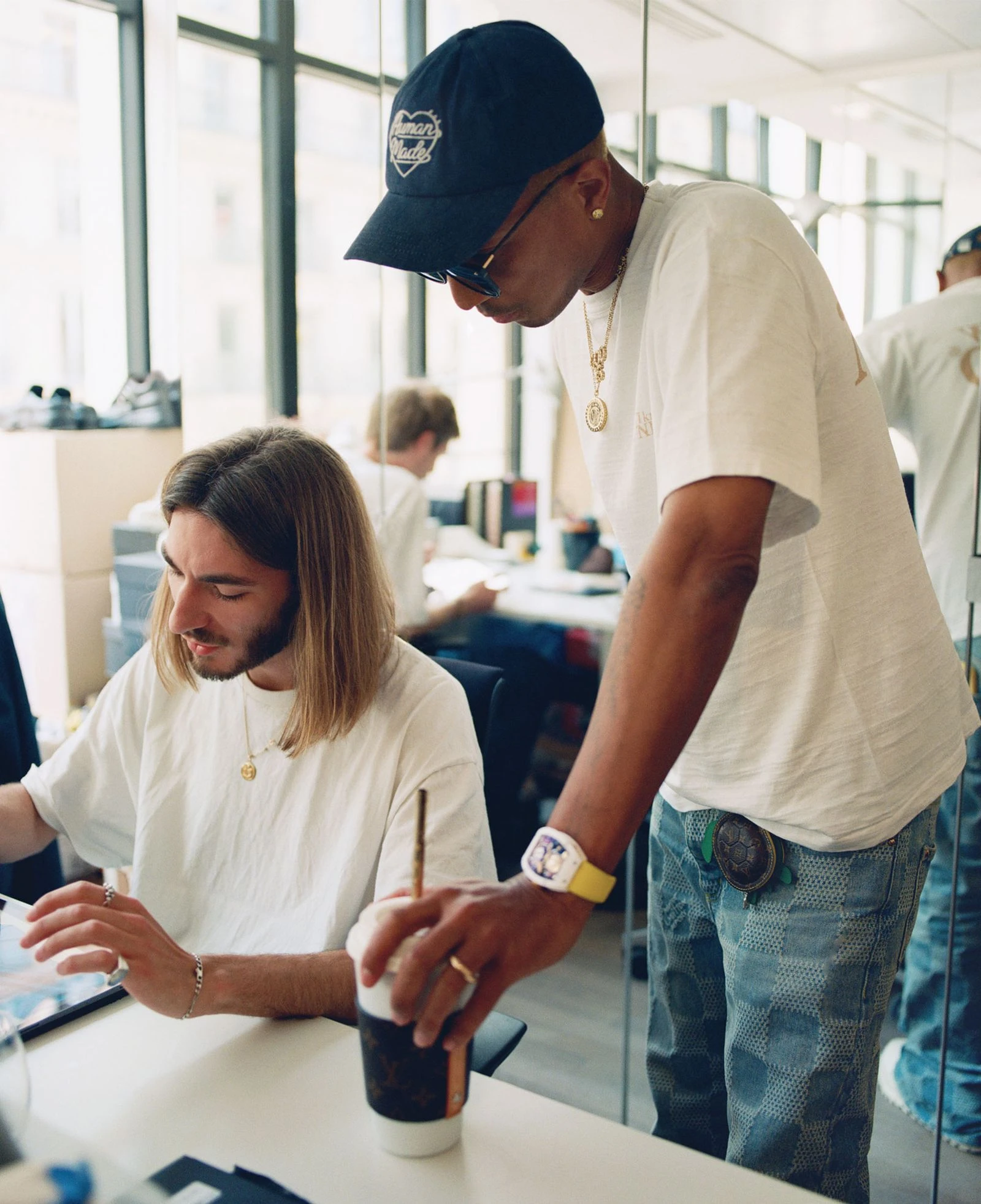
Back then, French menswear was built on restraint and precision. Hedi Slimane’s razor-sharp tailoring at Dior Homme, the minimalist control of Hermès, and the sophistication of Lanvin set the tone: slim silhouettes, muted palettes, and refined construction. Streetwear was seen as peripheral, energetic, but unserious.
Alongside figures like NIGO, Virgil Abloh, James Jebbia, and Jerry Lorenzo, Pharrell helped bridge that divide, proving individuality could stand beside heritage, and streetwear could carry the same cultural weight as couture.
READ MORE: The Faces Behind Street Style and the Future of Fashion Influence
When culture became couture
When Louis Vuitton named Pharrell Williams its Men’s Creative Director in 2023, the decision marked a new direction for the house. Known for its French heritage, the brand embraced a producer and cultural icon from outside the traditional fashion circuit, signaling a larger shift: culture now drives couture.
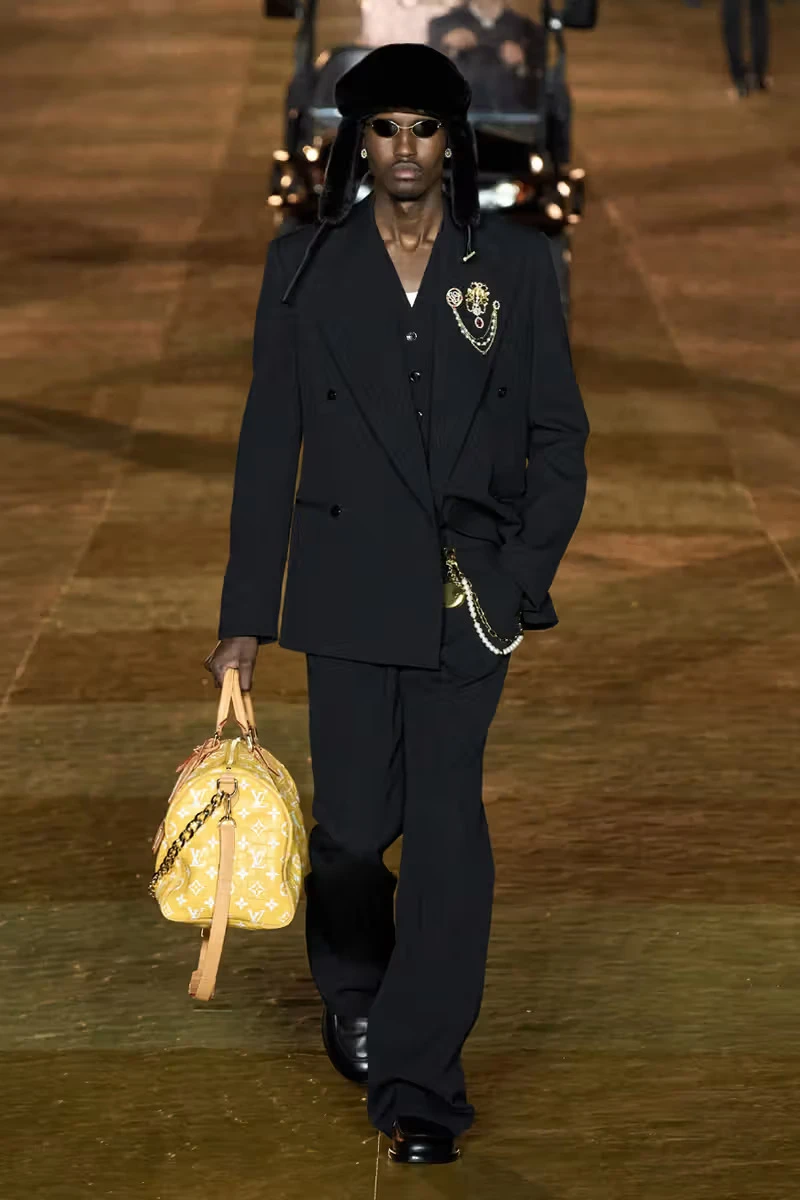
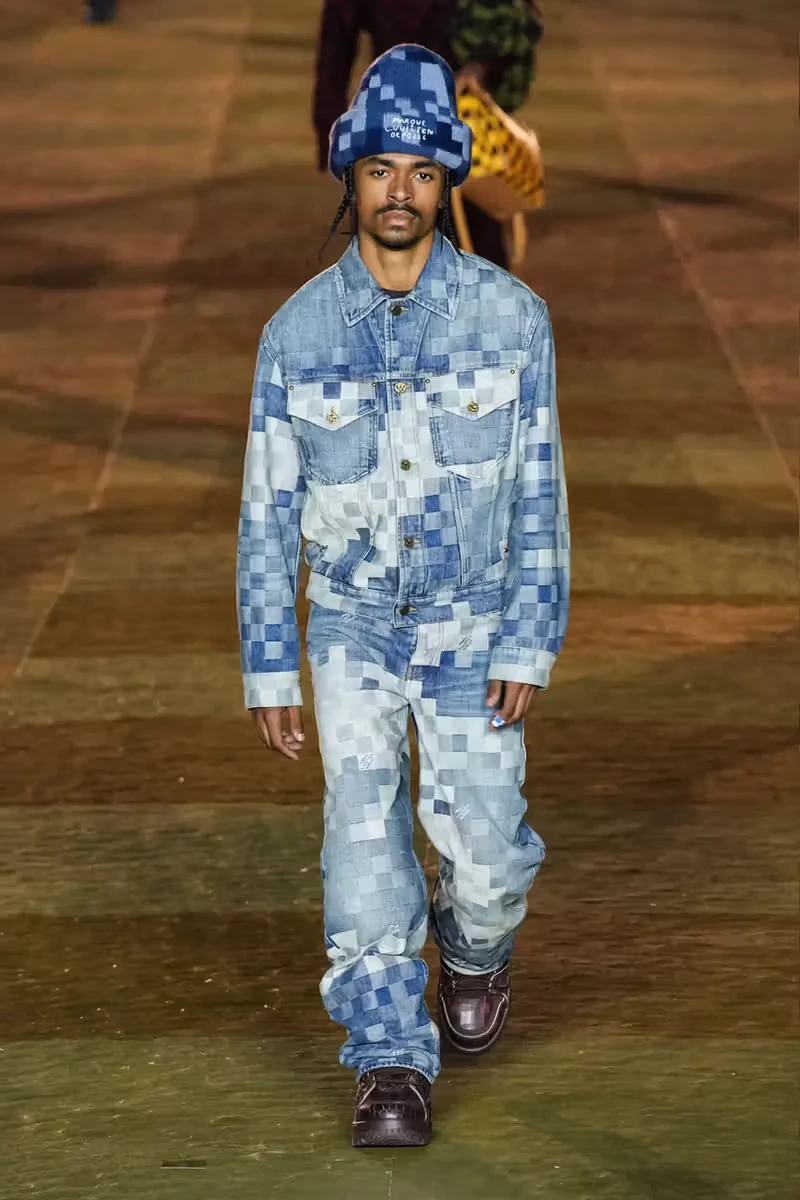
His Louis Vuitton Men’s SS24 debut, staged on the Pont Neuf in Paris, made that statement clear. Drawing from his roots in retro hip-hop, skate culture, and American sportswear, Pharrell combined street codes with Parisian structure. The collection opened with boxy tailored suits and varsity-style jackets, followed by bouclé bombers, denim sets, and monogram-embroidered outerwear in golds, creams, and vivid pastels.
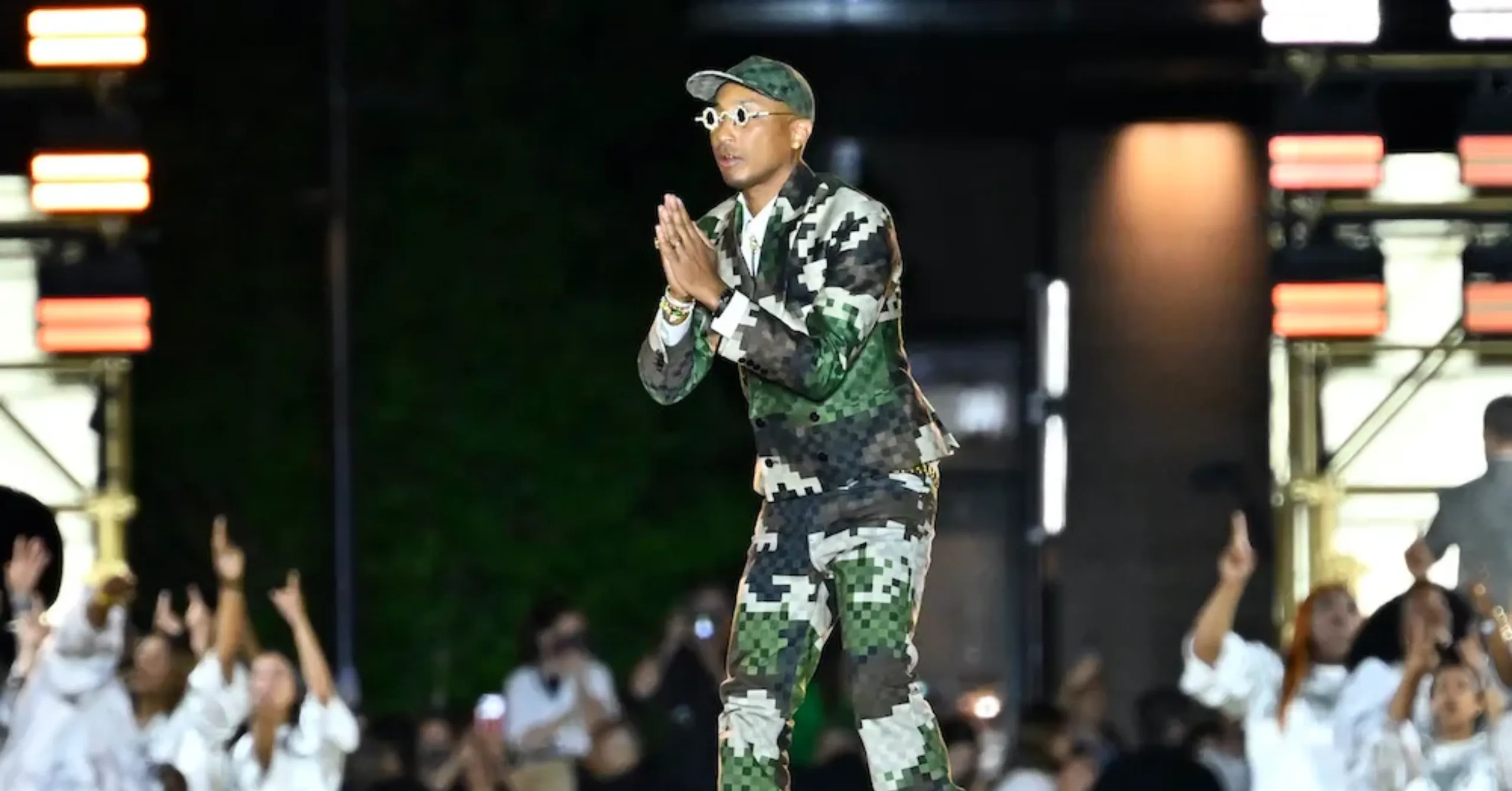
The highlight was the “Damoflage,” a reimagining of Louis Vuitton’s 1888 Damier pattern fused with camouflage, pixelated and rendered across denim, jacquard tailoring, and leather accessories. It became the collection’s visual signature, balancing spectacle with discipline, a street language expressed through luxury construction.
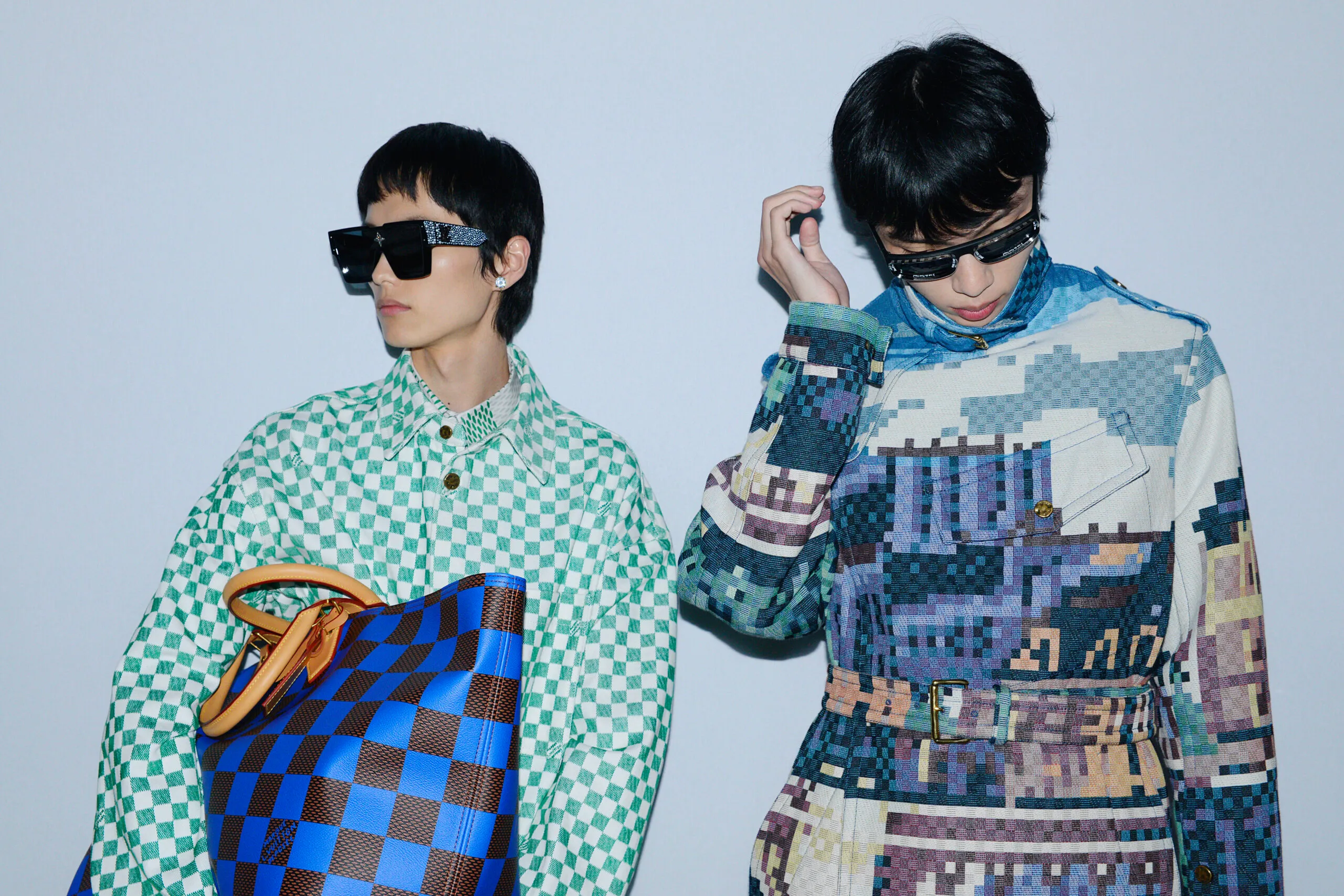
Pharrell’s approach marked not rebellion but recalibration. By injecting ease and personality into tailoring, he proved that comfort and control could coexist. Under his watch, men’s fashion began to reflect a more expressive, fluid lived experience.
The new code of self-expression
That realignment reshaped how men approach fashion. Pharrell made style personal again. His influence is visible in today’s silhouettes: loose tailoring, pearl details, pastel tones, and skate-inspired proportions. From Tyler, The Creator to A$AP Rocky, a generation of artists built their image on Pharrell’s blueprint, treating individuality as uniform.
Even his later collaborations, from Adidas to Chanel, reflected that same philosophy: fashion as cultural dialogue. He wears what he designs, but more importantly, he designs how he lives, bridging hip-hop with haute couture, youth with legacy, and individuality with community.
Representation and permission
Pharrell also redefined what a “designer” could look like. As one of the few Black creative directors leading a French luxury house, he expanded fashion’s conversation about representation and authorship. His appointment carried real weight, signaling that authority in luxury no longer comes from lineage but from influence.
Still, Pharrell’s greatest contribution to modern menswear lies not in any single piece or show, but in permission. He encouraged men to embrace expression without losing structure, to wear confidence with intent, and to treat fashion as fluency, not performance.
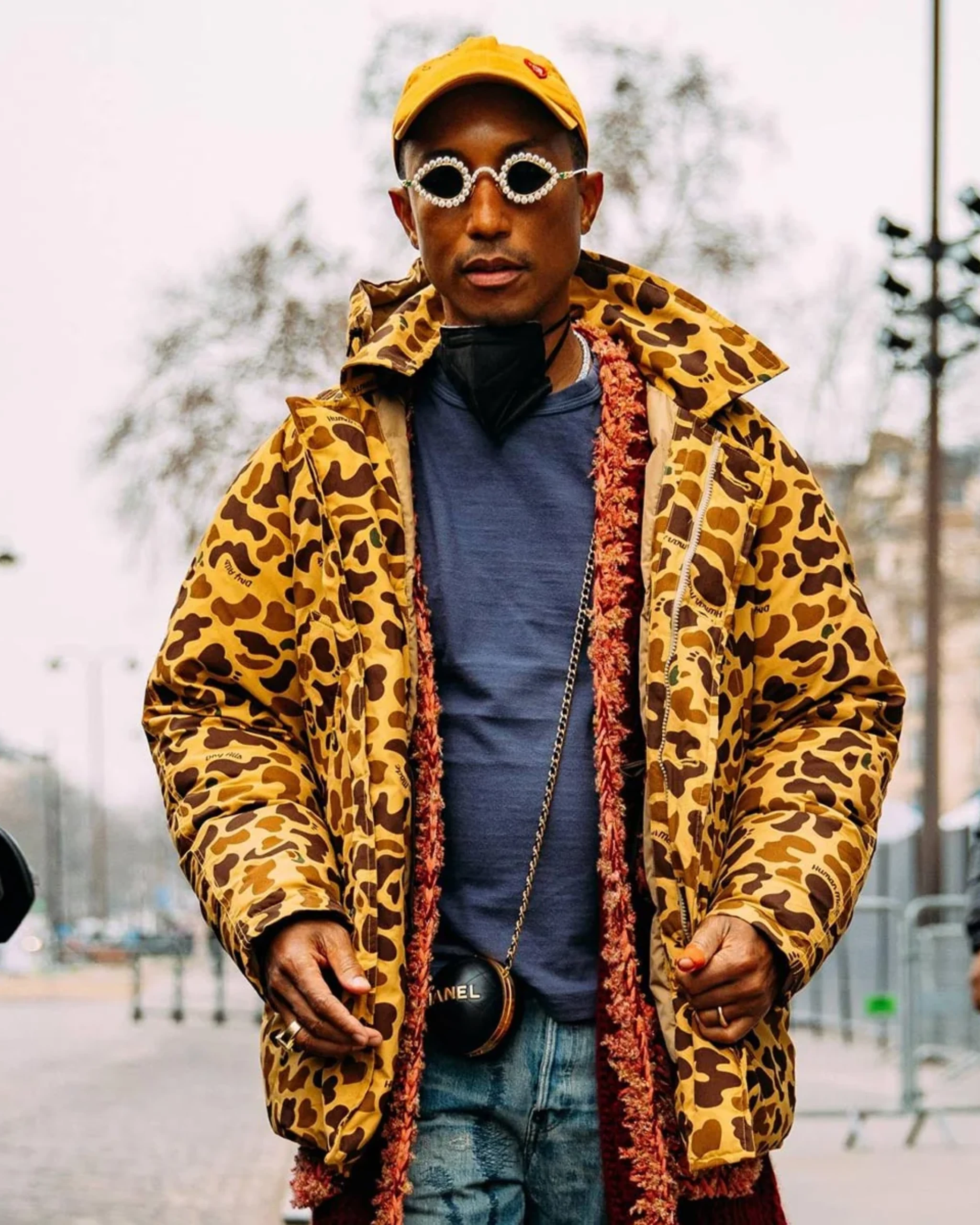
Pharrell’s influence matters now as men’s fashion reaches another crossroads, where hype has given way to authenticity. After years of logo-driven streetwear and quiet luxury minimalism, his work represents a middle ground, a style with purpose. He’s showing a generation of men that confidence is not about excess or restraint, but about intention, dressing not to impress but to express.
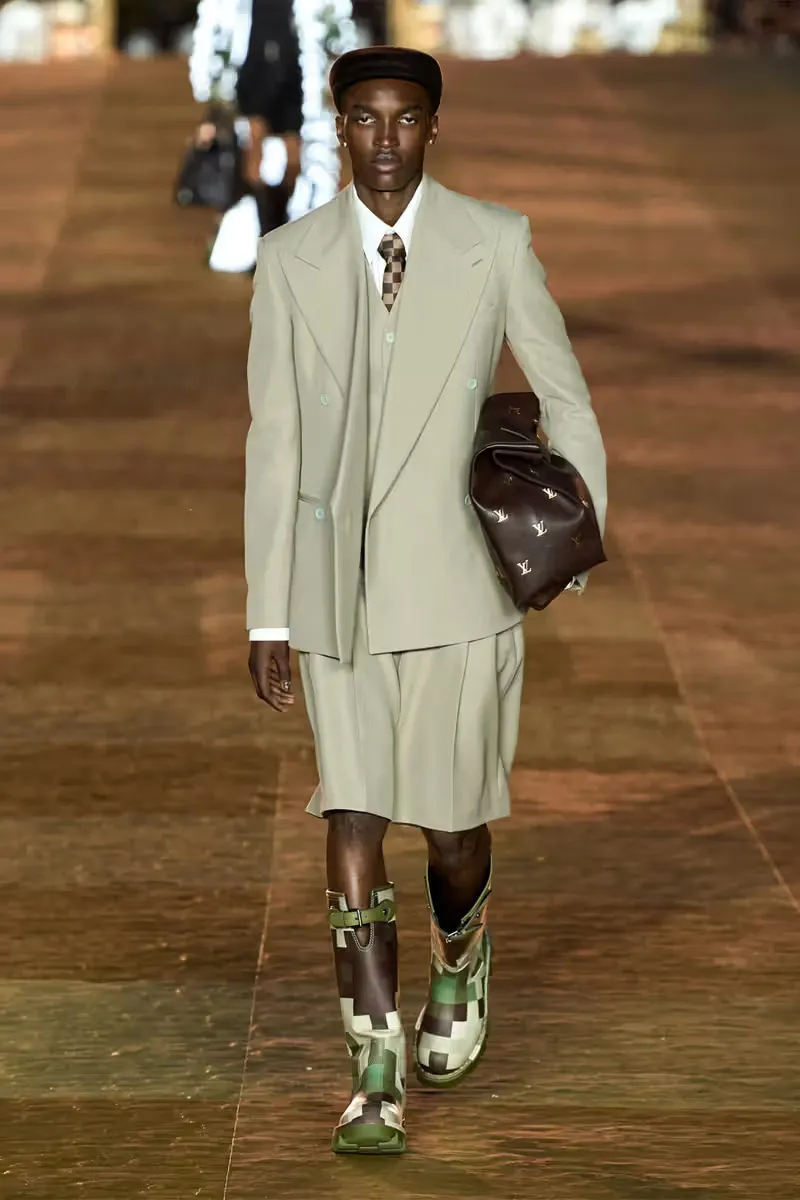
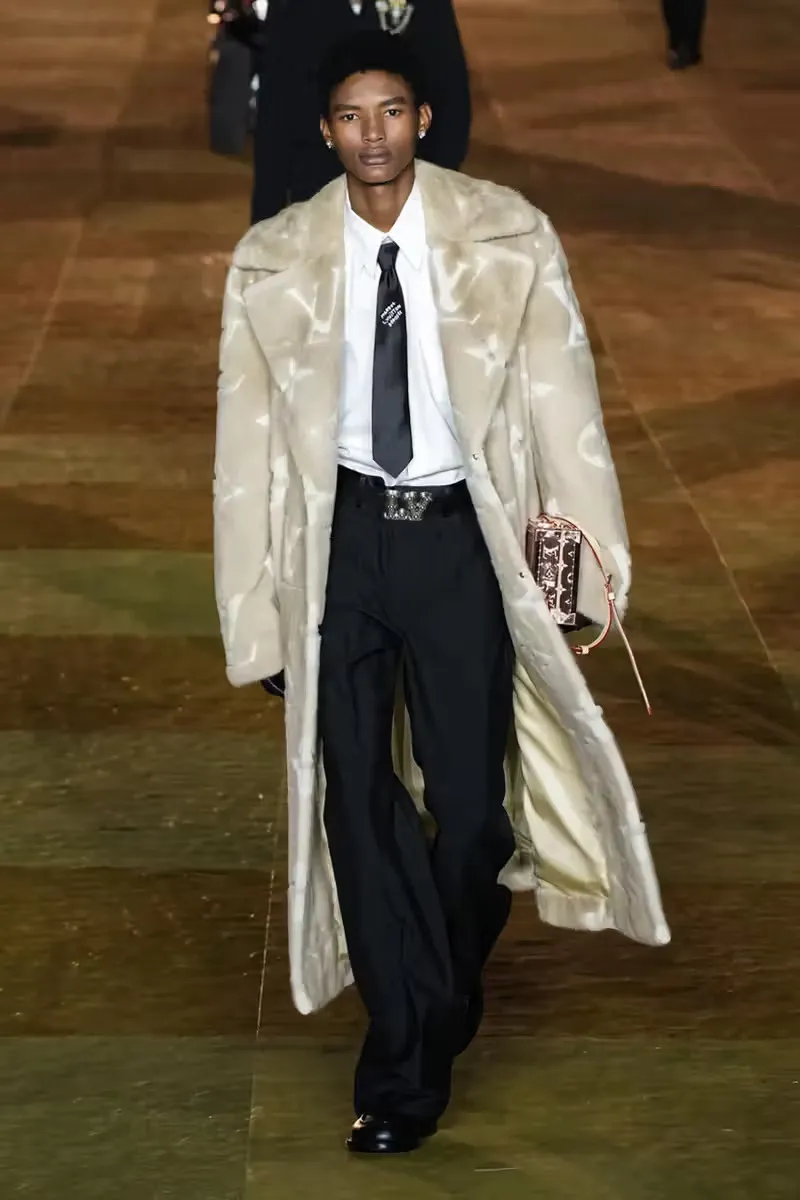
Whether in Manila, Seoul, or Paris, that shift defines the modern man: self-assured, culturally aware, and unafraid to mix worlds that once stood apart.
Fashion moves fast, but influence runs deeper. Today, Pharrell shapes not just Louis Vuitton but the way men see themselves, through color, texture, and attitude that speak one language: freedom.
Pharrell Williams is the Men’s Creative Director at Louis Vuitton, a position he took on in 2023. His appointment marked a major shift for the brand toward culture-driven couture.
Pharrell helped merge streetwear and luxury by blending hip-hop, skate, and high fashion. His approach made self-expression central to how men dress today.
The standout piece was the “Damoflage,” a pattern combining Louis Vuitton’s classic Damier print with camouflage.
As one of the few Black creative directors of a French luxury house, Pharrell expanded the conversation around diversity and authorship in fashion. His appointment showed that influence can redefine tradition.
Pharrell’s style mixes structure with comfort, showing that individuality and authenticity matter more than trends.
Photos courtesy Louis Vuitton