Timothée Chalamet’s Marty Supreme Jacket Is the Year’s Most Coveted Drop
What began as a piece of movie merch has turned into a worldwide fixation, raising the question of how a nylon jacket became the year’s most coveted status symbol




A jacket that jumped ahead of the film
The signature fashion item of 2025 is not a luxury house statement piece but a retro windbreaker tied to a film the public has not yet seen. Why has a simple nylon jacket promoting a ping pong drama captured so much cultural attention, and why are people treating it as if it were a historic release?
The Marty Supreme jacket, created for Timothée Chalamet’s upcoming film, has become the center of an unusually intense wave of hype.
Marty Supreme, directed by Josh Safdie, tells the story of a 1950s ping pong underdog and has already been described within industry circles as Timothée’s strongest performance. Yet the marketing surrounding it has outpaced even the critical anticipation.
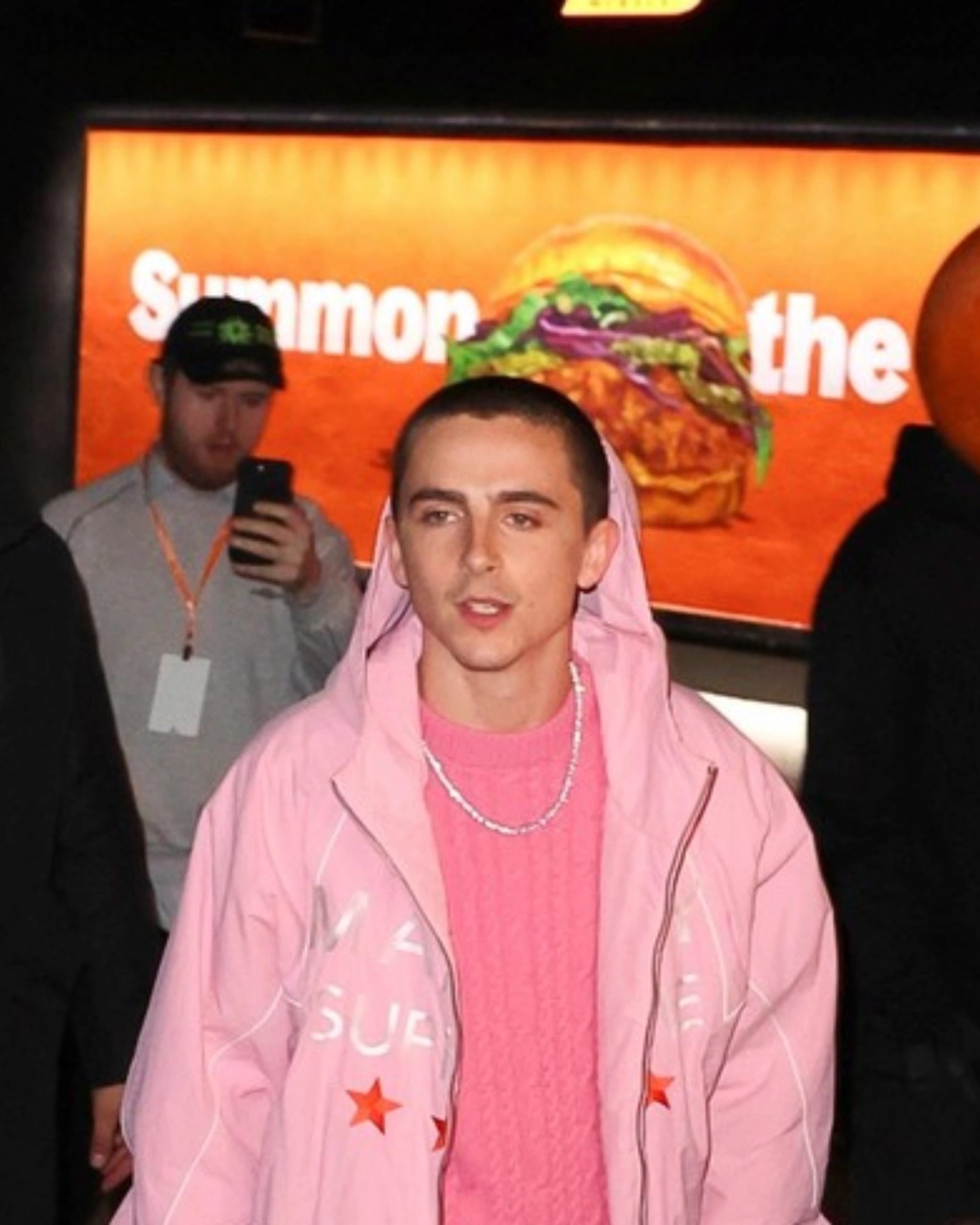
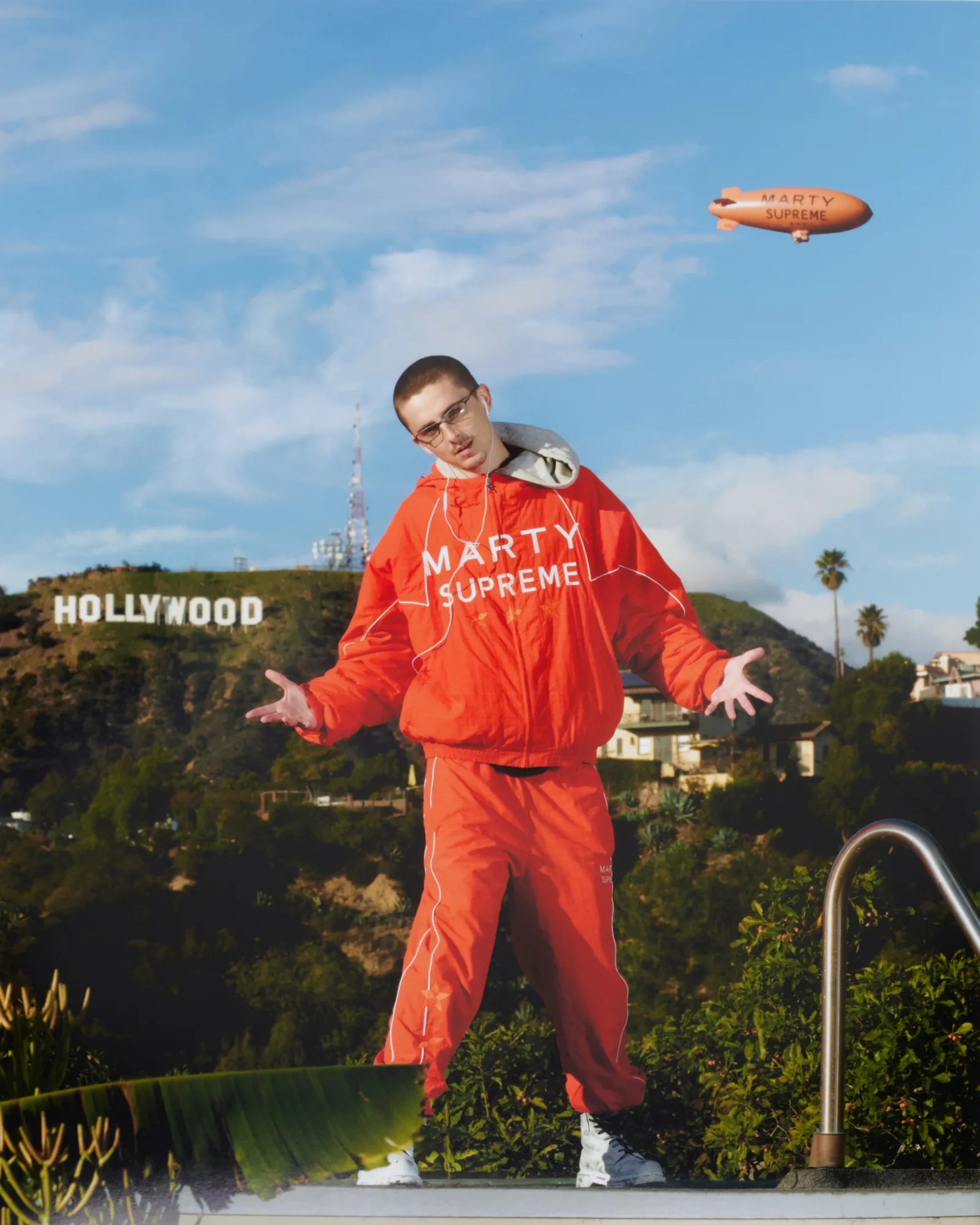
The jacket, embroidered with the film’s title and styled with a throwback sensibility, has emerged as the unofficial emblem of the campaign. It sells out instantly, resells for thousands, and circulates across social media with a mix of irony and genuine aspiration that has turned it into a pop-cultural artifact before audiences have watched a single scene.
Inside the frenzy
On a random afternoon, this strange convergence became visible on Grand Street, where a line formed so early and so confidently that the casual observer might have mistaken it for a new tech release. Instead, it was for a windbreaker. And inside the pop-up, the scene made clear that this piece of merch has surpassed the boundaries of typical film promotion.
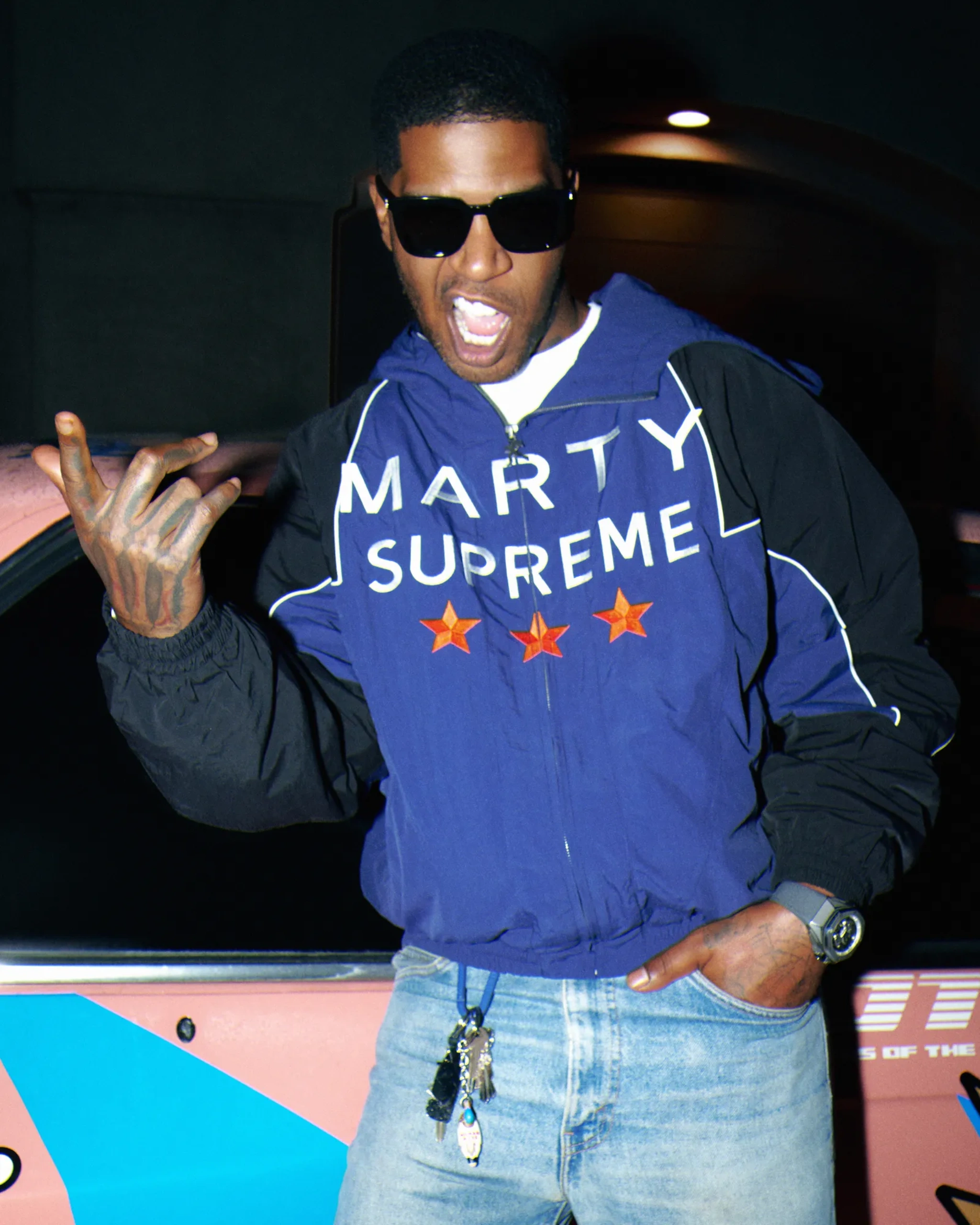
Doni Nahmias, founder of the LA-based luxury label responsible for the capsule, stood near the entrance watching the shop’s rhythm shift from line control to crowd management. He wore the jacket too, its nylon catching the light each time he glanced toward the door. Doni said he expected interest but not the level of frenzy that greeted the opening.
He explained that the collaboration with Timothée and stylist Taylor McNeill aimed to produce sportswear that felt both retro and optimistic, a garment that could represent aspiration without leaning heavily into nostalgia. He spoke often of the theme of greatness, which he said underpins both the film and the marketing.
Hype without the gimmicks
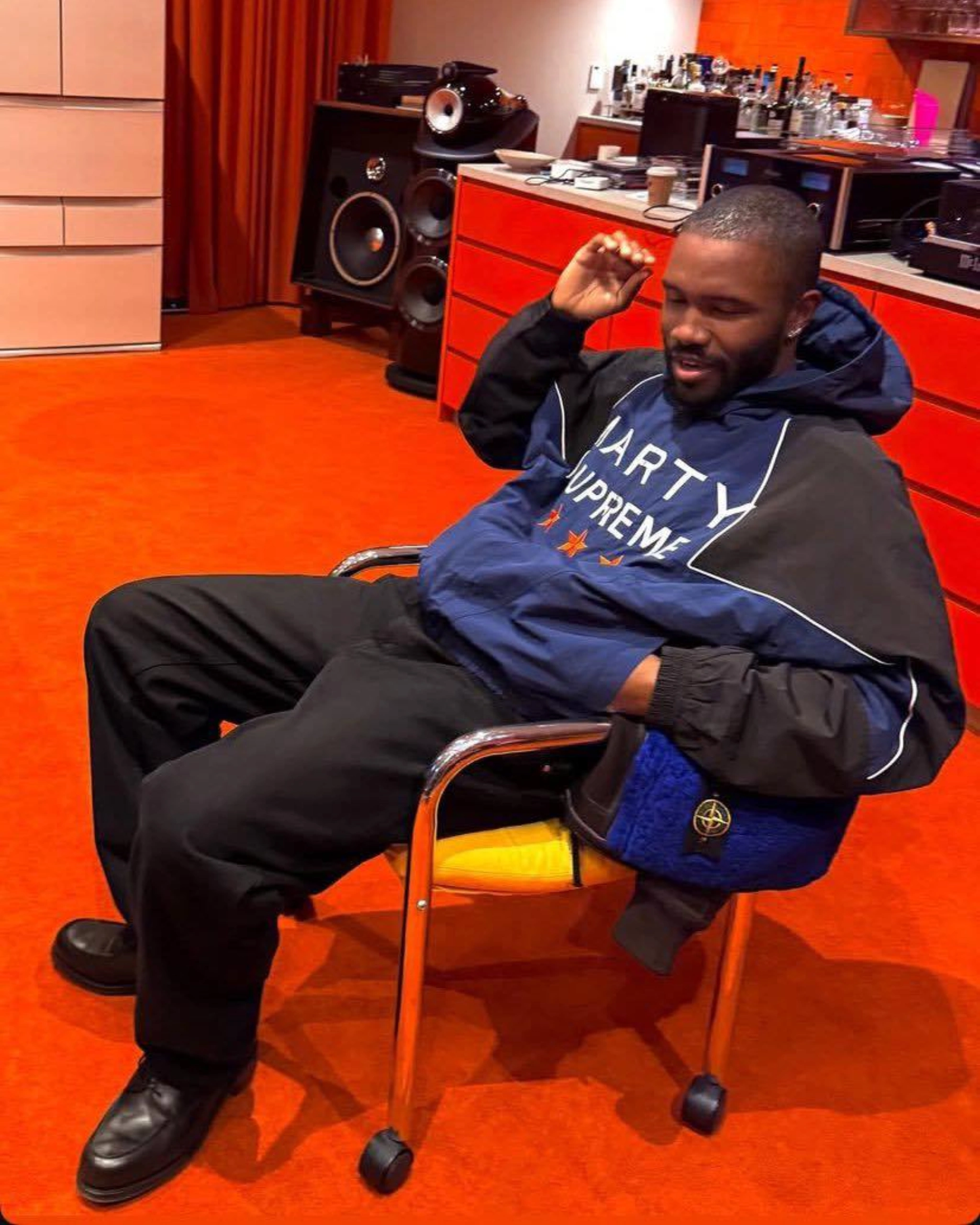
Film merchandise has evolved quickly in recent years. A24 helped propel that shift by partnering with independent designers, and cinephile culture has absorbed apparel into its language of enthusiasm. Yet the Marty drop feels sharper and more concentrated.
People own the jacket before they know the plot in detail, before reviews are published, or before the broader cultural conversation begins. They are buying into anticipation, and the jacket becomes the proof of participation.
The actor’s approach to publicity strengthened that effect. He staged a helmeted procession through Times Square, posted videos that intentionally blurred satire with marketing, and appeared unannounced at early screenings with a cast of costumed supporters.
His strategy has created a sense of unpredictability, as if the promotional cycle itself were a performance. Nothing feels accidental, yet nothing feels conventionally polished either. The jacket sits at the center of this. It is not worn in the film, which is set in the 1950s and rooted in period accuracy. It was designed specifically for the public-facing side of the project.
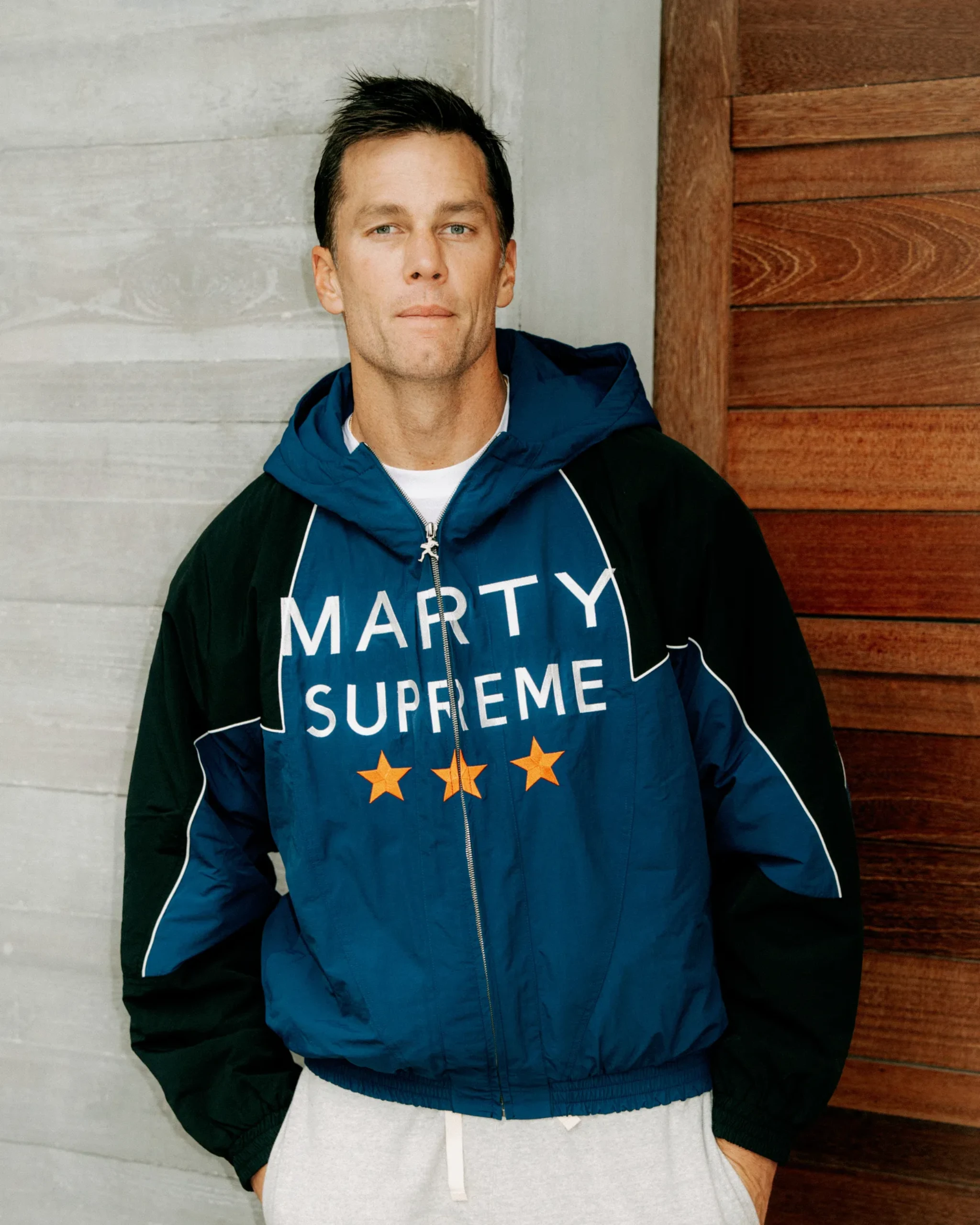
Doni said they recognized early on that Timothée would wear the jacket throughout the press tour and that fans would want access. The goal was to create something that reflected his personal affinity for retro sportswear without turning the design into a mere gimmick.
Becoming a social signal
The appeal of the Marty Supreme jacket is not easily summarized. It is not a luxury item in the traditional sense. It is not tied to long-standing fashion houses or heritage craftsmanship. Instead, its power lies in timing and cultural awareness.
It represents early adoption, digital fluency, a sense of humor, and a willingness to embrace a marketing experiment that treats merchandise as narrative. The jacket is a visible marker of participation in a moment that feels fluid and still forming.
Whether it becomes the defining garment of 2025 or not, its impact is already clear. It has transformed a simple windbreaker into a cultural object that captures the mood of a year defined by hybrid forms of fandom and fashion. On a cold afternoon in New York, it did more than sell out. It defined the street.
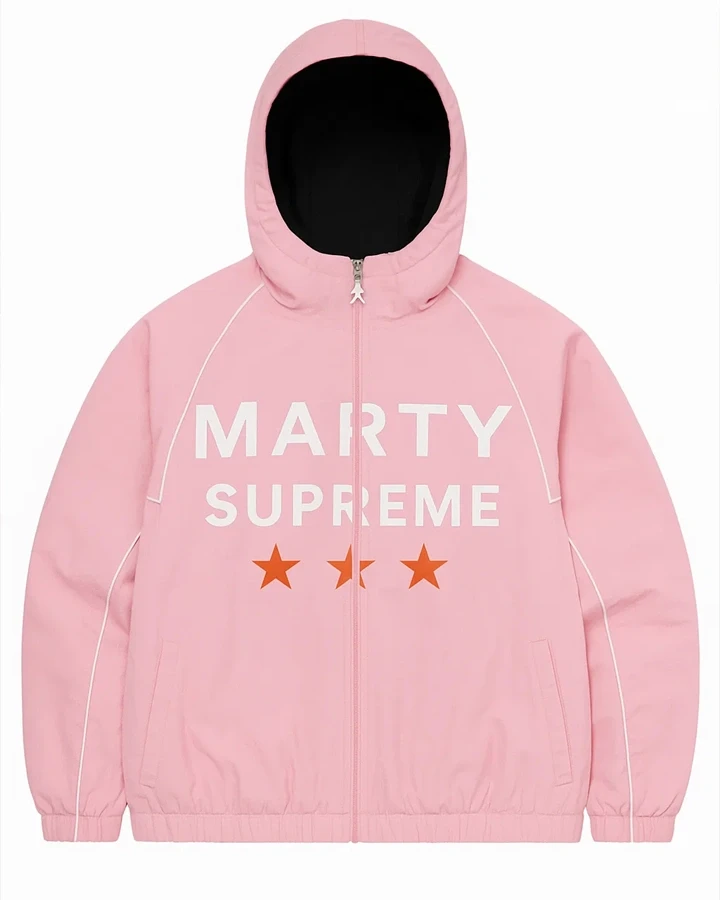
The Marty Supreme jacket is a retro-style windbreaker created for Timothée Chalamet’s upcoming film. It features the film’s title embroidered on the chest and comes in several colorways, including blue, red, black, orange, and a special baby pink version worn by the actor.
The jacket has become a cultural phenomenon because it is tied to Timmy’s highly anticipated film and his creative promotional campaign. Fans are buying it for its limited availability, nostalgic sportswear style, and its association with early access to the movie’s hype.
The jacket was sold at limited pop-up shops, including a recent event on Grand Street in SoHo. Due to its popularity, most versions sold out quickly, but some may appear on secondary markets like Grailed at higher prices.
No, the jacket does not appear in the film. It was designed specifically for Timothée’s press tour and promotional campaign, inspired by retro sportswear to match his personal style.
The jacket originally retailed for around £190. Resale prices have been much higher, with some versions selling for thousands of dollars depending on color and demand.