How to Master European Style for Men, From Tailoring to Streetwear
Across Europe, menswear moves between structure and spontaneity, drawing on diverse regional influences while leaving room for individual expression


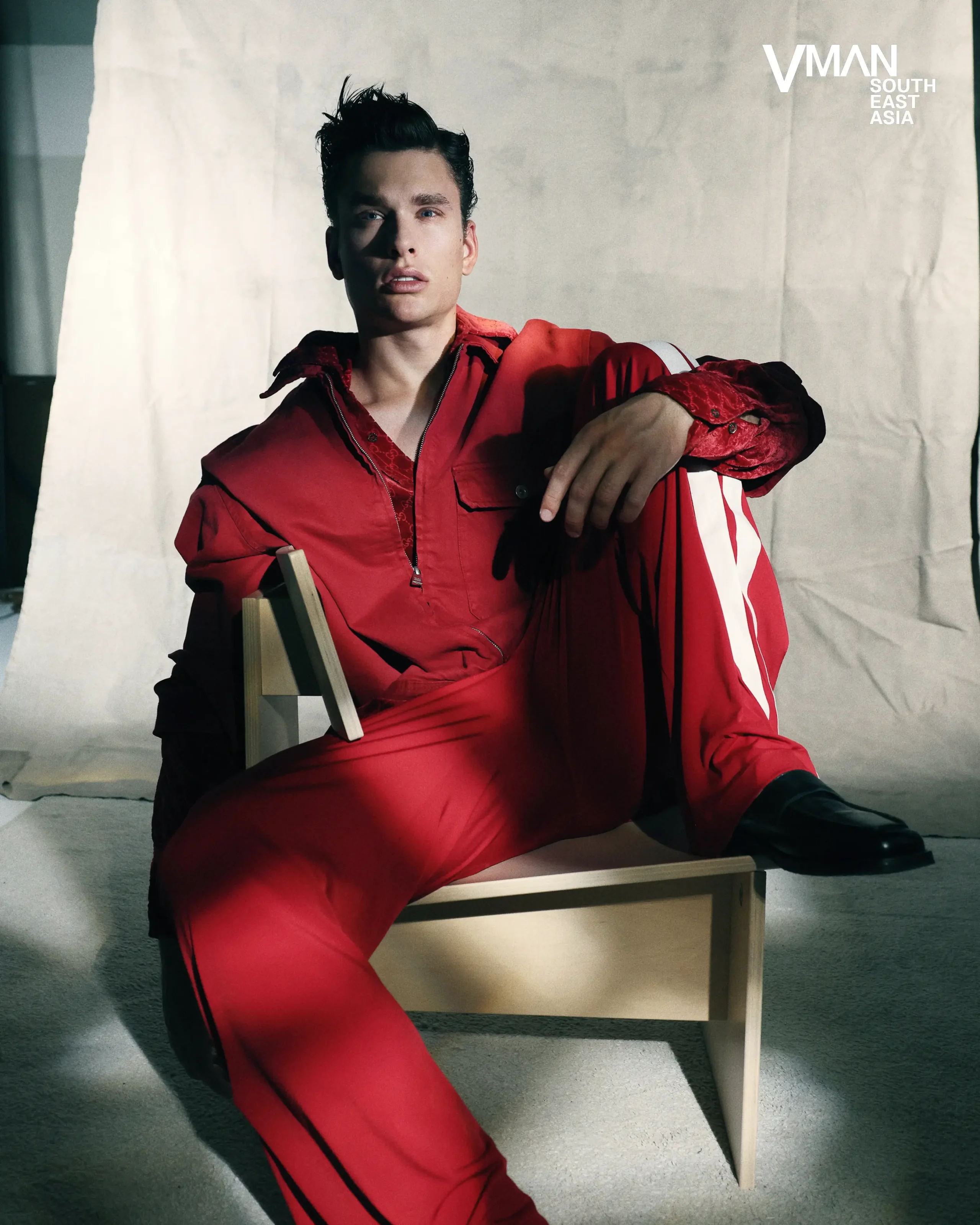
- European style brings together classic tailoring, relaxed silhouettes, and a distinctive approach to proportion.
An instinct, not a uniform

European style is not defined by a single look. From the layers of Scandinavia to the oversized silhouettes, bold color combinations, and eclectic ensembles seen across London, its appeal lies in the freedom to interpret familiar pieces.
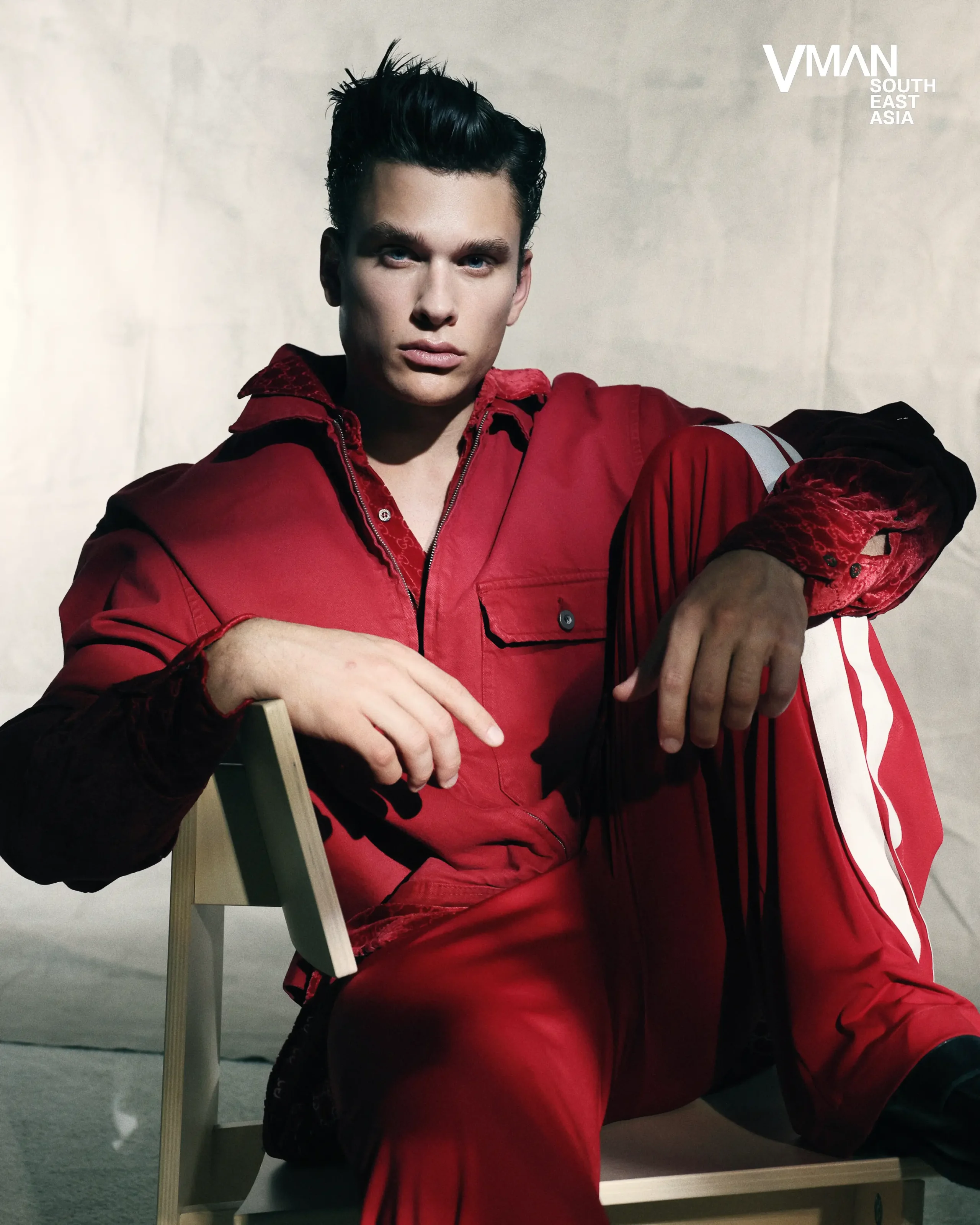
Bold colors feel less intimidating when worn with intention, whether as a full monochromatic set or broken up with contrasting pieces. The secret lies in treating color with the same confidence as tailoring, allowing a striking shade to feel deliberate rather than overwhelming
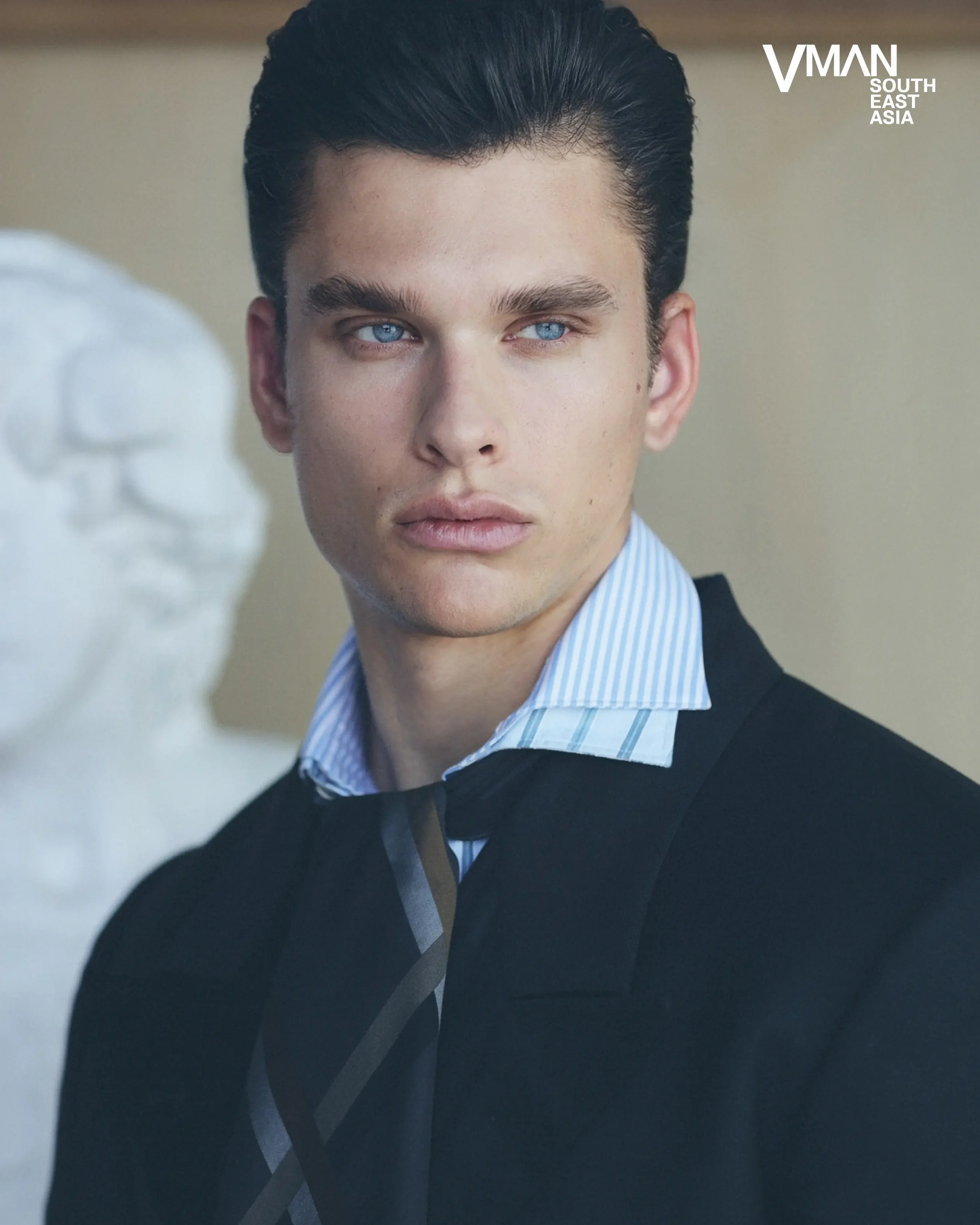
A structured jacket can sit alongside loose trousers, while a crisp shirt takes on a different character with an undone collar. The contrast keeps classic menswear from feeling too rigid.
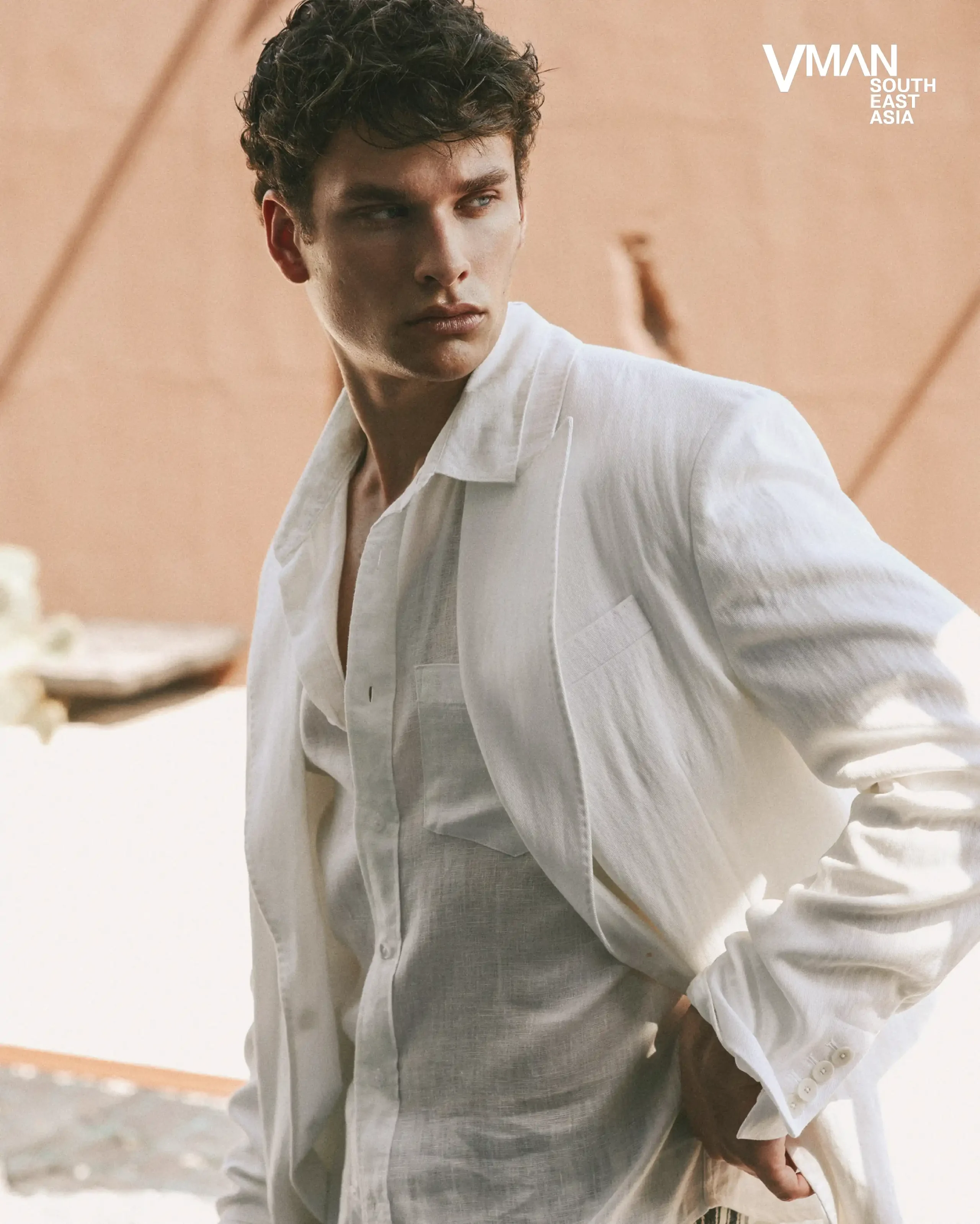
Across the streets of Europe, personal style often feels connected to everyday life. Tailoring, workwearWorkwearDurable clothing originally designed for hard manual labor, such as chore coats, overalls, and heavy denim. Workwear's rugged practicality, honest construction, and vintage appeal have made it a lasting menswearGo to Workwear Glossary, and casual staples coexist, shaped by individual taste rather than a single set of rules.
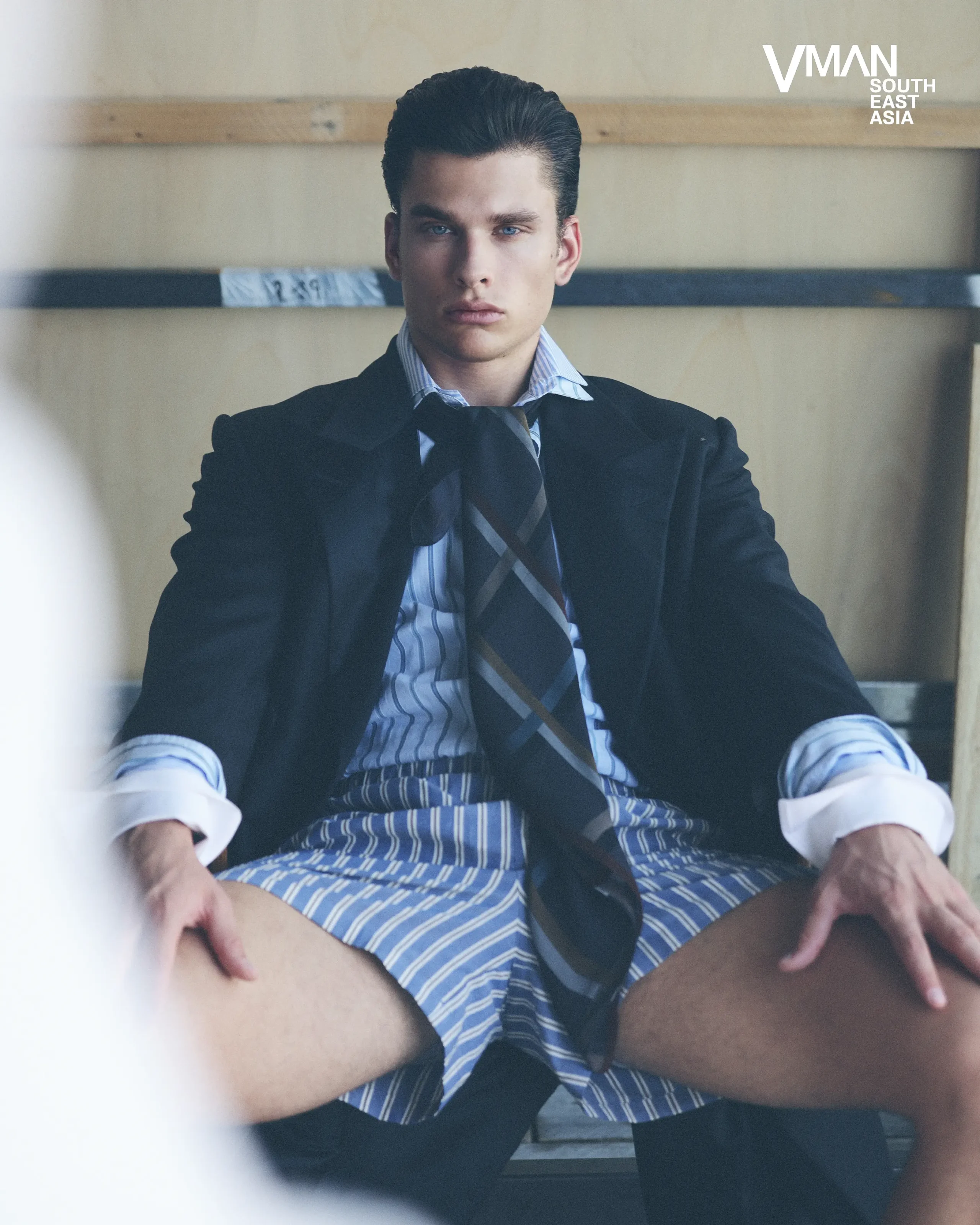
The result is a wardrobe that balances tradition with controlled rebellion. Classic suits take on a different character through clashing patterns, unexpected pairings, and unconventional styling that challenges the rules of traditional menswear.
The art of knowing what works
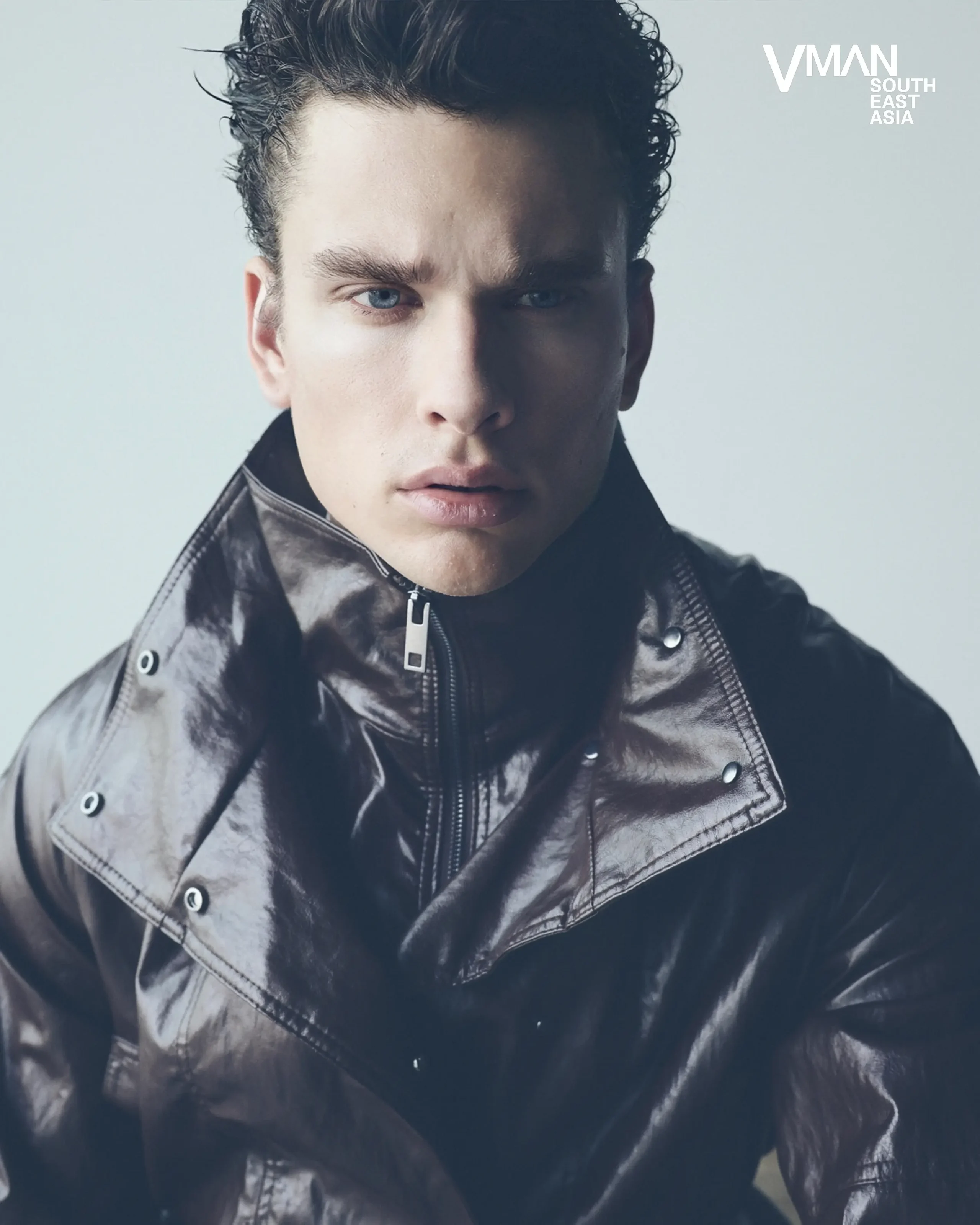
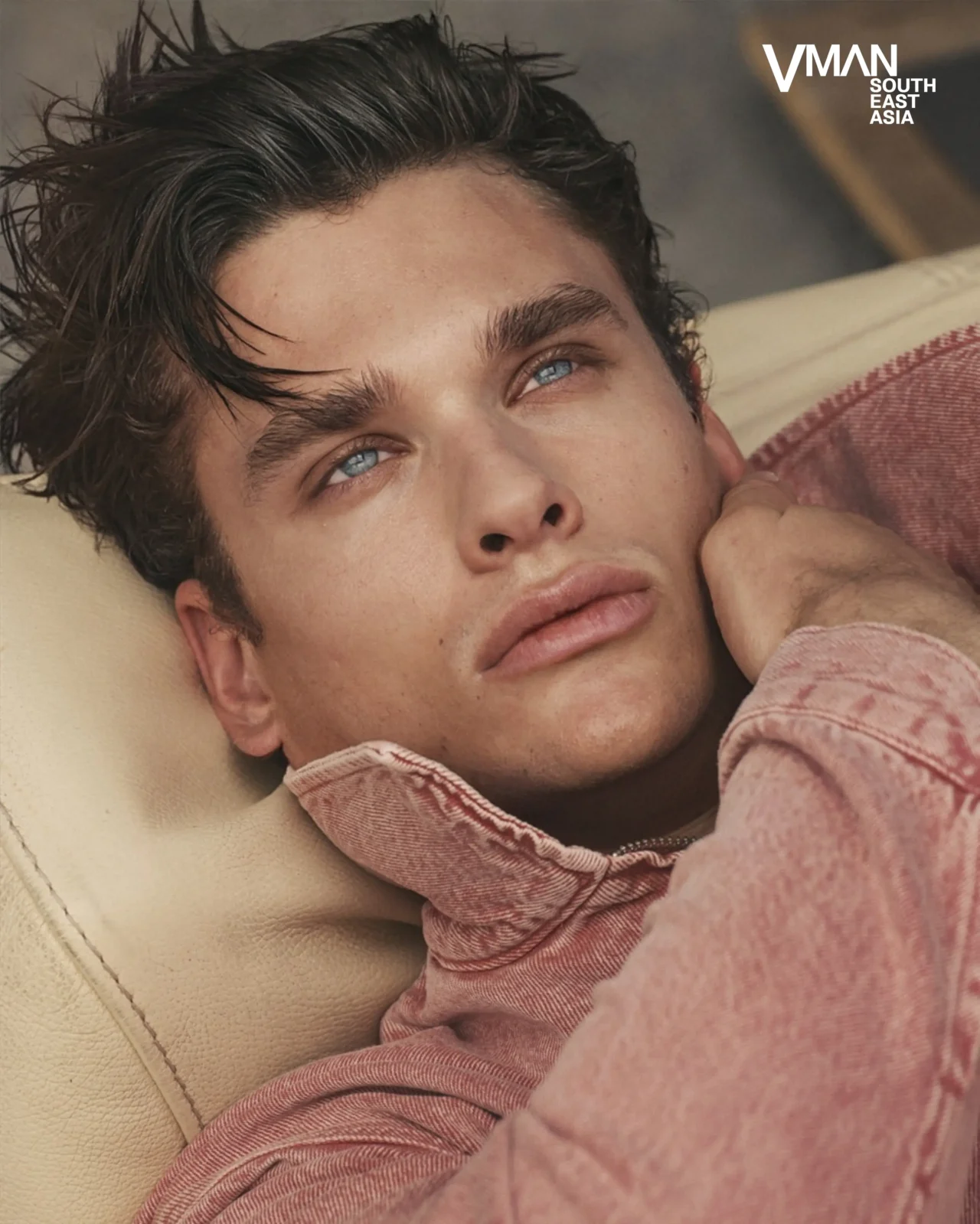
Texture gives simple outfits their depth. Smooth leather, crisp cotton, washed denim, and cable and ribbed knits create contrast without relying on excessive detail.
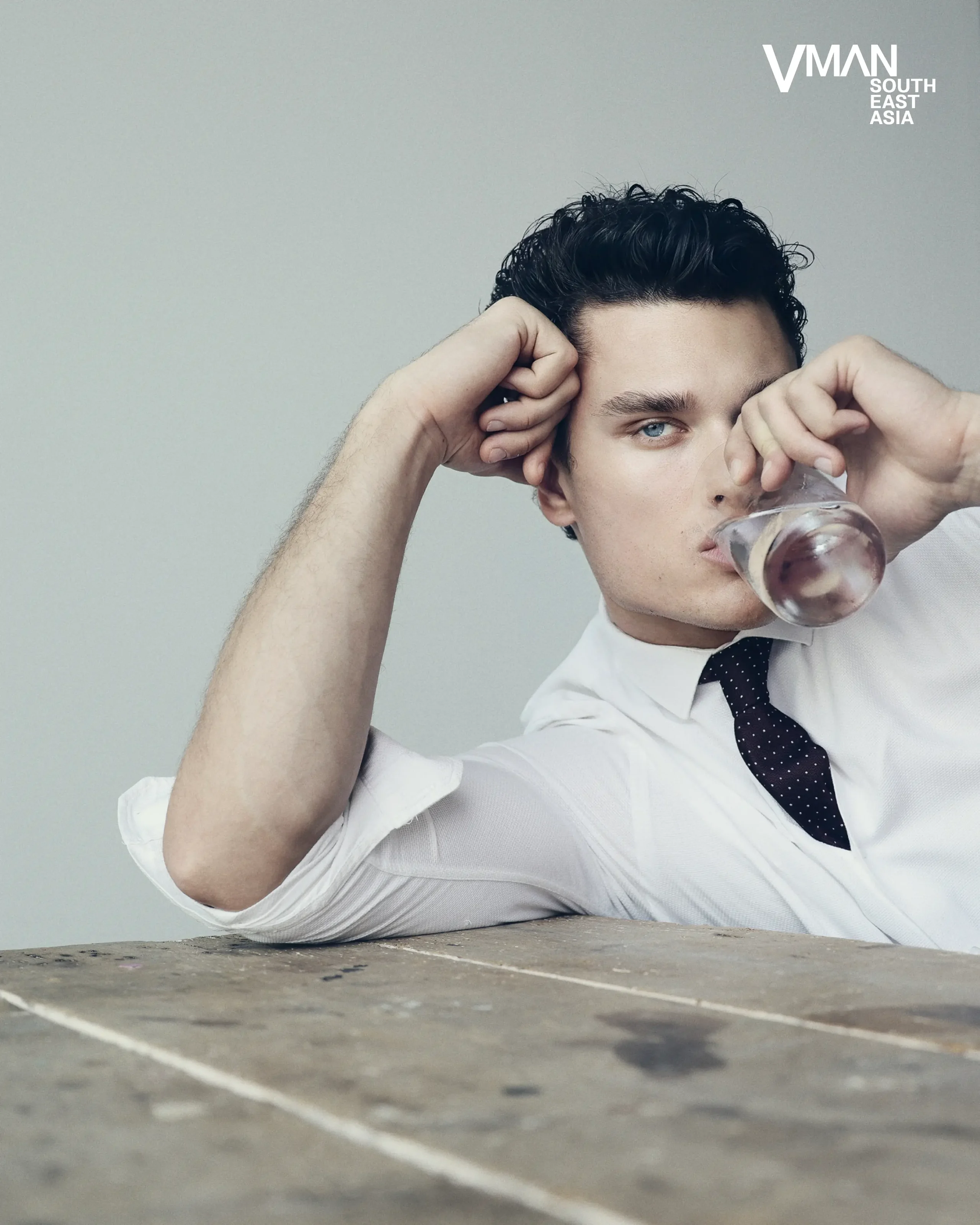
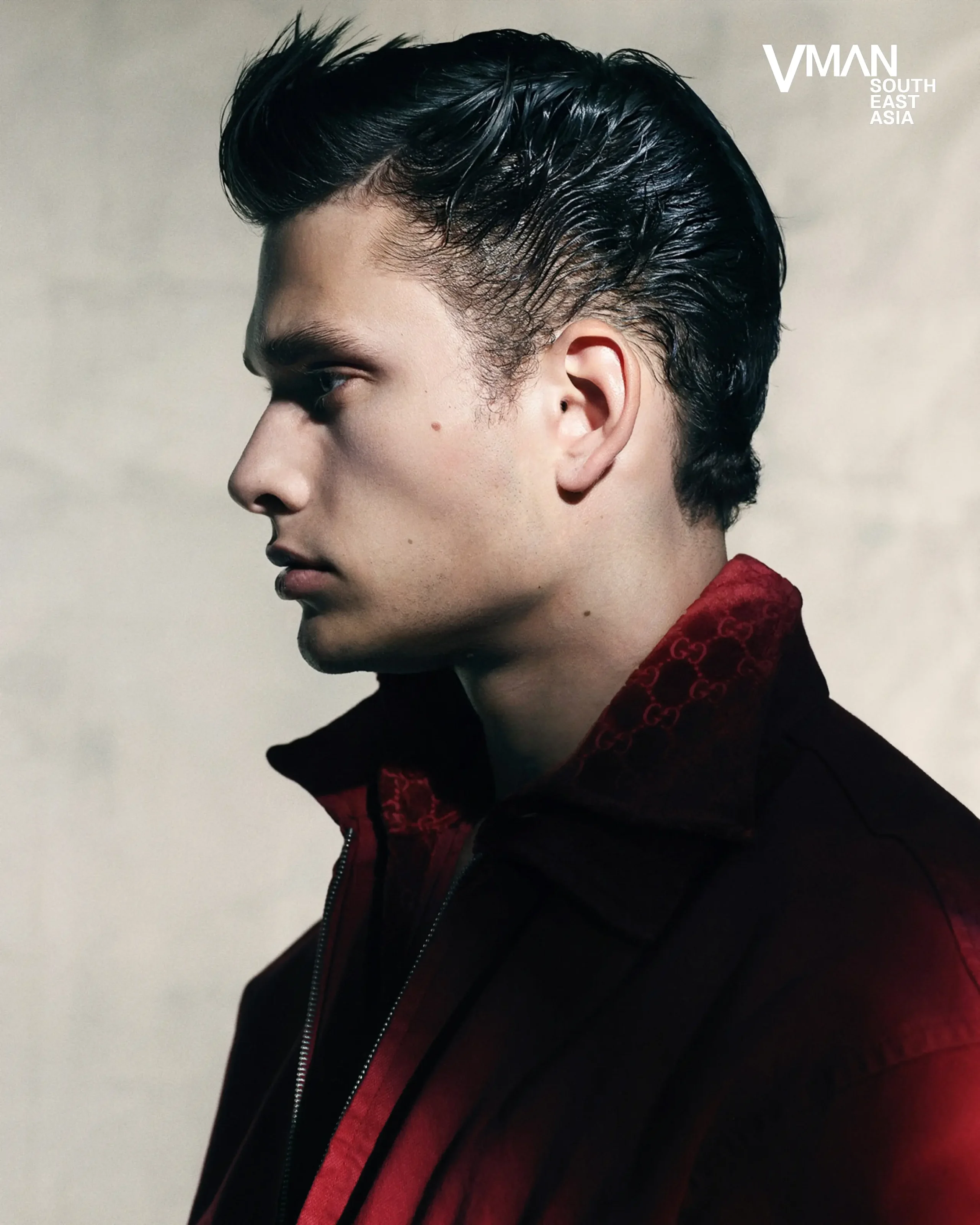
Color can change the whole game. Fiery reds bring the drama to clean silhouettes, while earthy tones and muted neutrals prove that a little minimalismMinimalismA design philosophy that favors clean lines, restrained color palettes, and quality materials over ornament and logos. In menswear, minimalism emphasizes impeccable fit and fabric, producing clothes that feel timelessGo to Minimalism Glossary can go a long way.
Proportion matters just as much as the pieces themselves. Wide-leg trousersWide-Leg TrousersTrousers that stay broad from the hip to the hem, creating a flowing, relaxed silhouette that contrasts with the slim cuts popular in earlier years. Wide-leg trousers appear on menswearGo to Wide-Leg Trousers Glossary, relaxed shirting, and oversized outerwear bring movement to otherwise classic combinations.
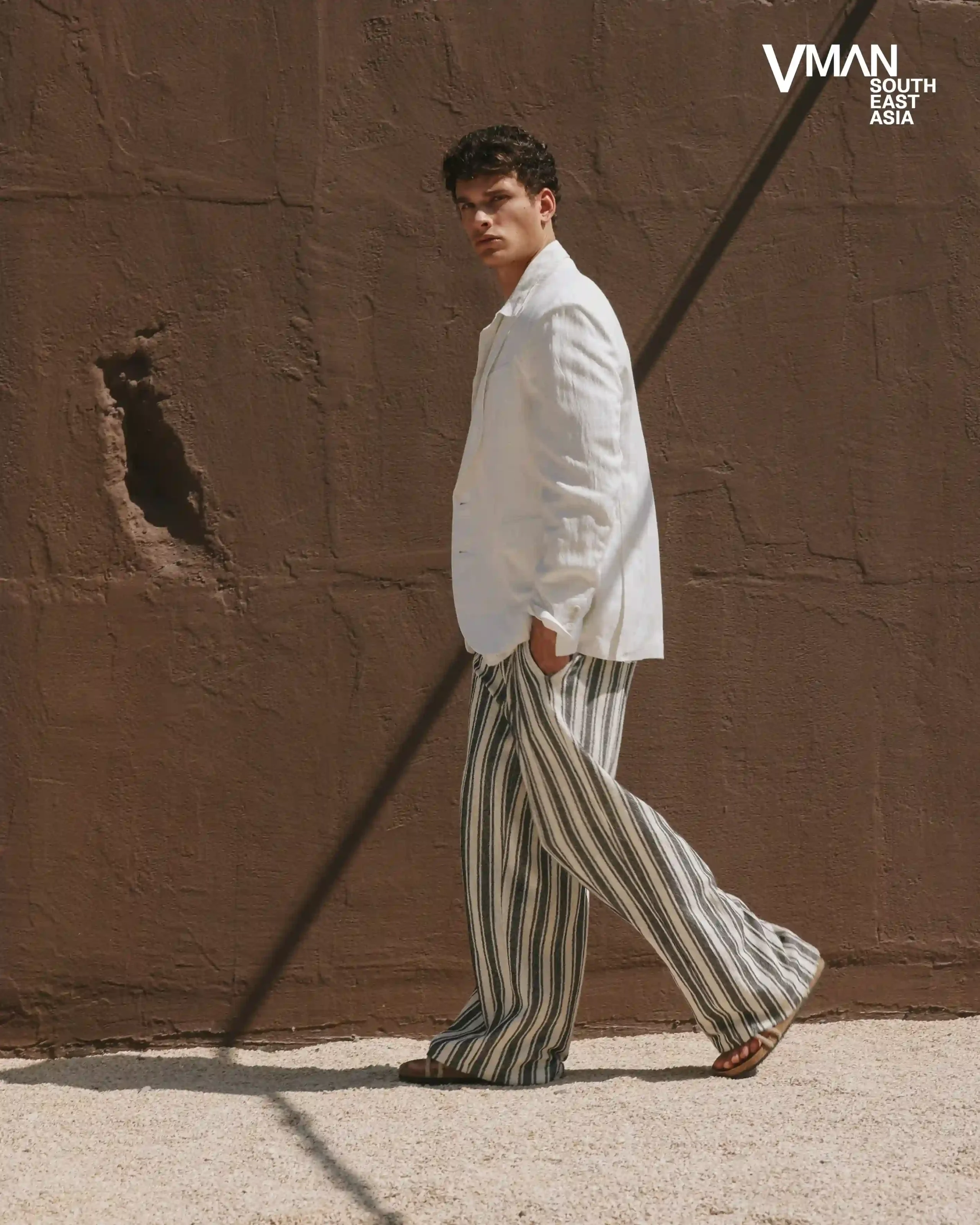
European dressing also follows the rhythm of the seasons, adapting classic silhouettes to suit the climate. A summer suit, for instance, might take the form of a lightweight linenLinenA breathable fabric made from flax fibers, prized for keeping the wearer cool in hot, humid weather. Linen wrinkles naturally, which is part of its relaxed charm, and appears inGo to Linen Glossary coat paired with matching beach-striped trousers, keeping the look tailored without sacrificing ease.
Dressing on your own terms
European menswear draws strength from its range of influences. Tailoring, utilitarian dressing, minimalismMinimalismA design philosophy that favors clean lines, restrained color palettes, and quality materials over ornament and logos. In menswear, minimalism emphasizes impeccable fit and fabric, producing clothes that feel timelessGo to Minimalism Glossary, and expressive streetwear can exist side by side without losing their individual character.
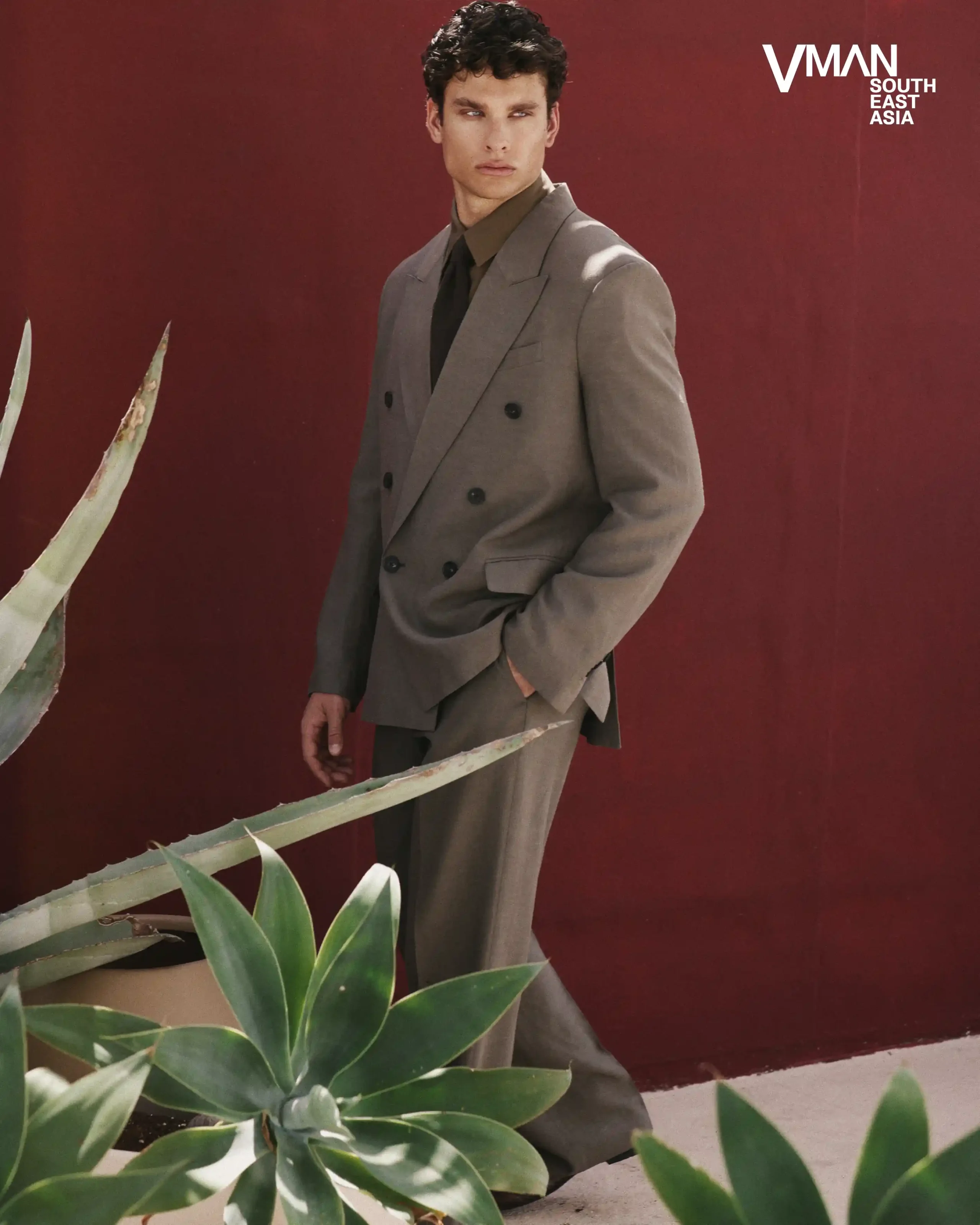
Some looks lean toward sharp lines and polished finishes; others embrace loose fits, bold patterns, and a more undone attitude. Neither requires dressing for a particular idea of sophistication.
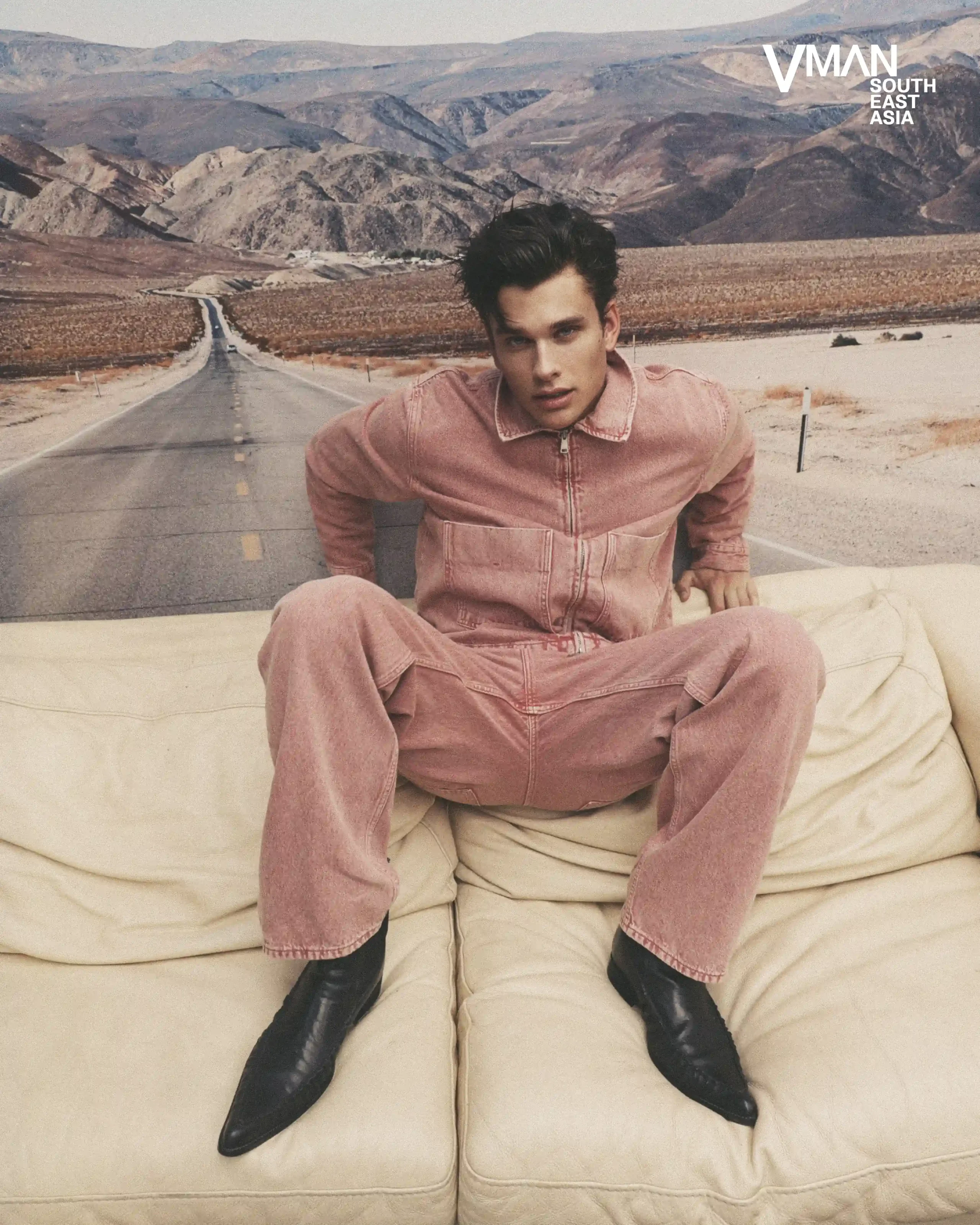
The strongest outfits use these references as a starting point rather than a set of instructions. An unexpected silhouette or a well-worn piece can make a familiar combination feel elevated.
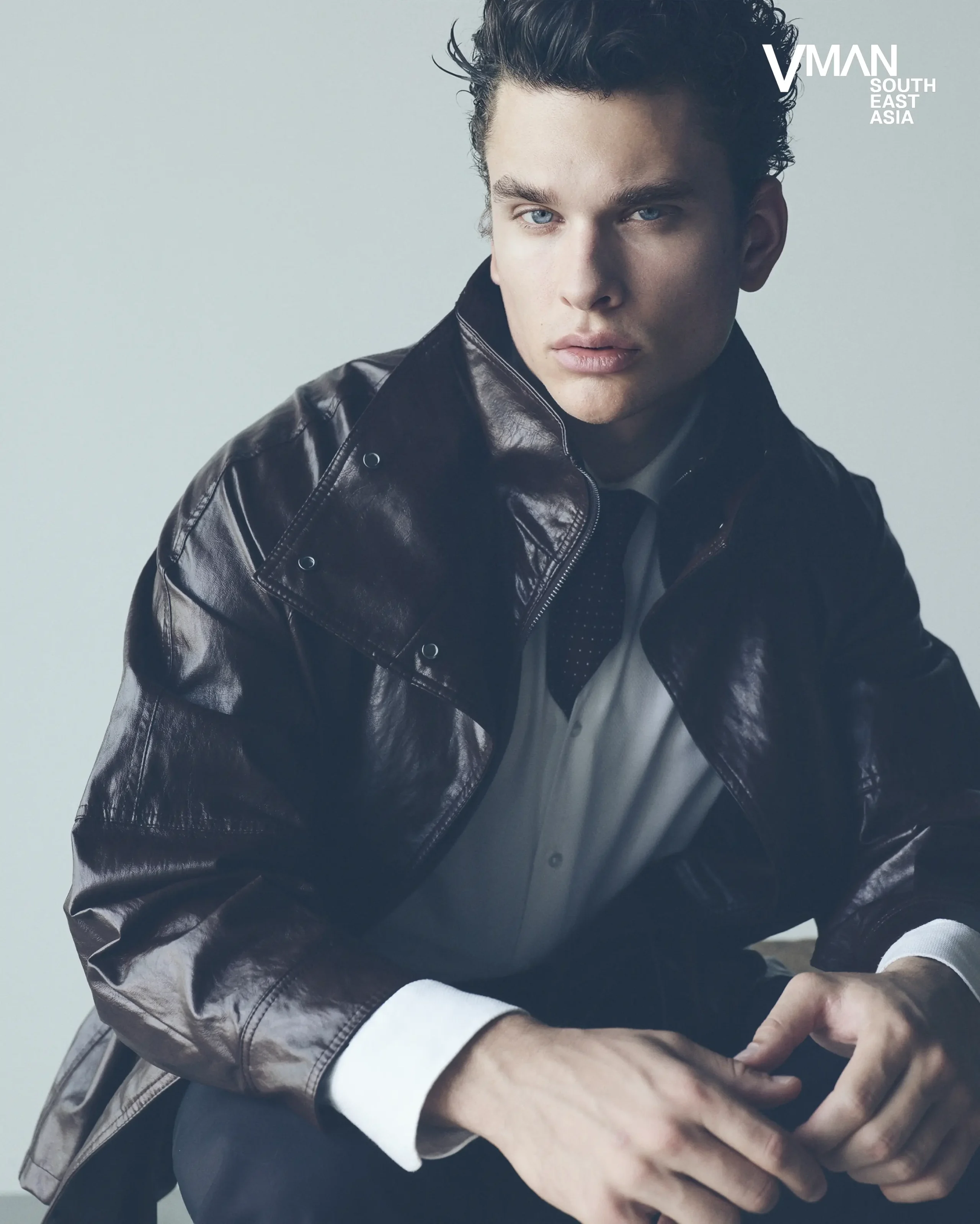
Ultimately, style is less about getting every detail right than understanding what works for you. Dress with intention, leave room for comfort, and let the clothes reflect your own point of view.
Photography and stylist Maurizio Montani
Producer Mstyskav Shostak
Model Stan Ivakhnienko
Production Mirage MGT
Photography assistant Gloria Montani
Special thanks BOOM Models
Frequently asked questions
European style is shaped as much by lifestyle as by clothing, from the French knack of looking effortlessly elegant to the Italian spirit of la dolce vita. It is also about dressing well without taking yourself too seriously, while still having the confidence to dress well.
Dress for the season: Spring/Summer opts for seasonal textiles like linen to keep it casual, and for a more formal approach, opt for silk. S/S is the best time to explore bright colors as well. For autumn/winter, opt for wool, with layering as key.
Try a tailored jacket with loose trousers, a crisp shirt with washed denim, or a leather jacket over a simple top. Focus on fit, texture, and how each piece works with the rest of your outfit.
No. Prioritize fit, fabric, and versatility over designer labels, and build around pieces you can wear in different combinations. Even a simple outfit can look considered when the proportions and details feel intentional.
It can be both. Some looks favor sharp tailoring and clean lines, while others lean into workwear, oversized silhouettes, and streetwear; the key is finding a balance that suits your personality and daily life.
Recommended Video