Fashion Week Asia Charts a New Course for Asian Design
Manila’s inaugural Fashion Week Asia brought together designers, industry leaders, and creatives from across the continent to connect regional craftsmanship with global opportunity


- Fashion Week Asia positioned Manila as a meeting point for Asian designers, cultural exchange, and industry collaboration.
- Across runway presentations, forums, and exhibitions, the event highlighted the region’s creative identity and its potential for broader international reach.
Manila sets the stage for a new Asian fashion conversation
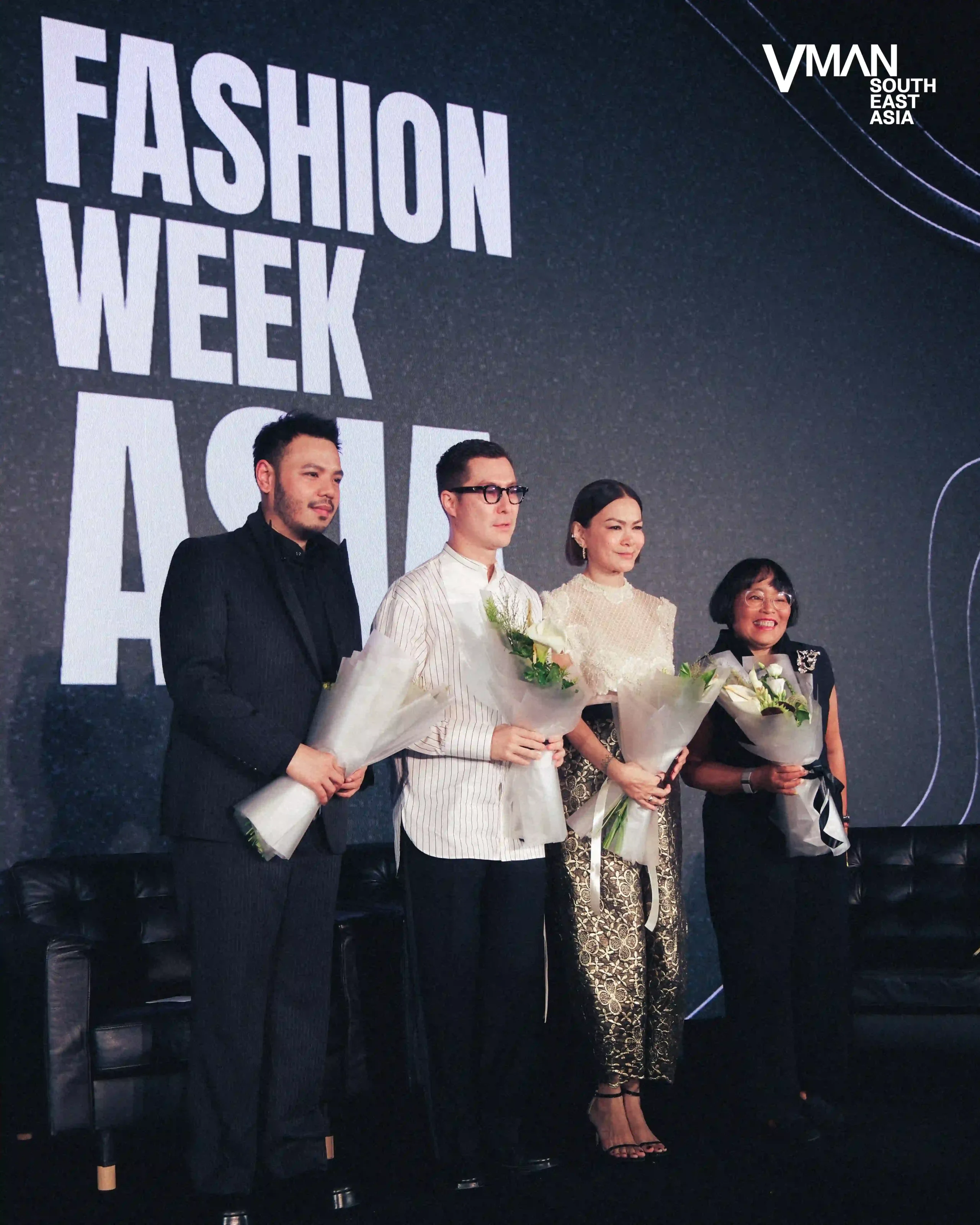
Fashion WeekFashion WeekA multi-day event held in major cities such as Milan, Paris, London, and New York, where designers present upcoming collections to buyers, press, and celebrities. Menswear fashion weeks set trendsGo to Fashion Week Glossary Asia made its debut in Manila from October 20 to 24, bringing together designers, creatives, and industry leaders from across the continent. Staged at Palacio de Memoria, the inaugural event looked beyond traditional runway presentations, creating a platform for regional talent to connect and exchange ideas.
Organized by AGC Power Holdings Corp., the event was founded by Archie Carrasco, with Apples Aberin serving as co-founder and co-chair. Its lineup included designers from across Asia, with collections that reflected the region’s varied cultural influences, approaches to craftsmanship, and evolving design language.
The week’s programming extended beyond the runway through industry forums, showroom presentations, and networking opportunities. Together, these initiatives aimed to strengthen relationships across the region and create opportunities for Asian designers to reach wider audiences.
Designers reimagine the region’s cultural heritage
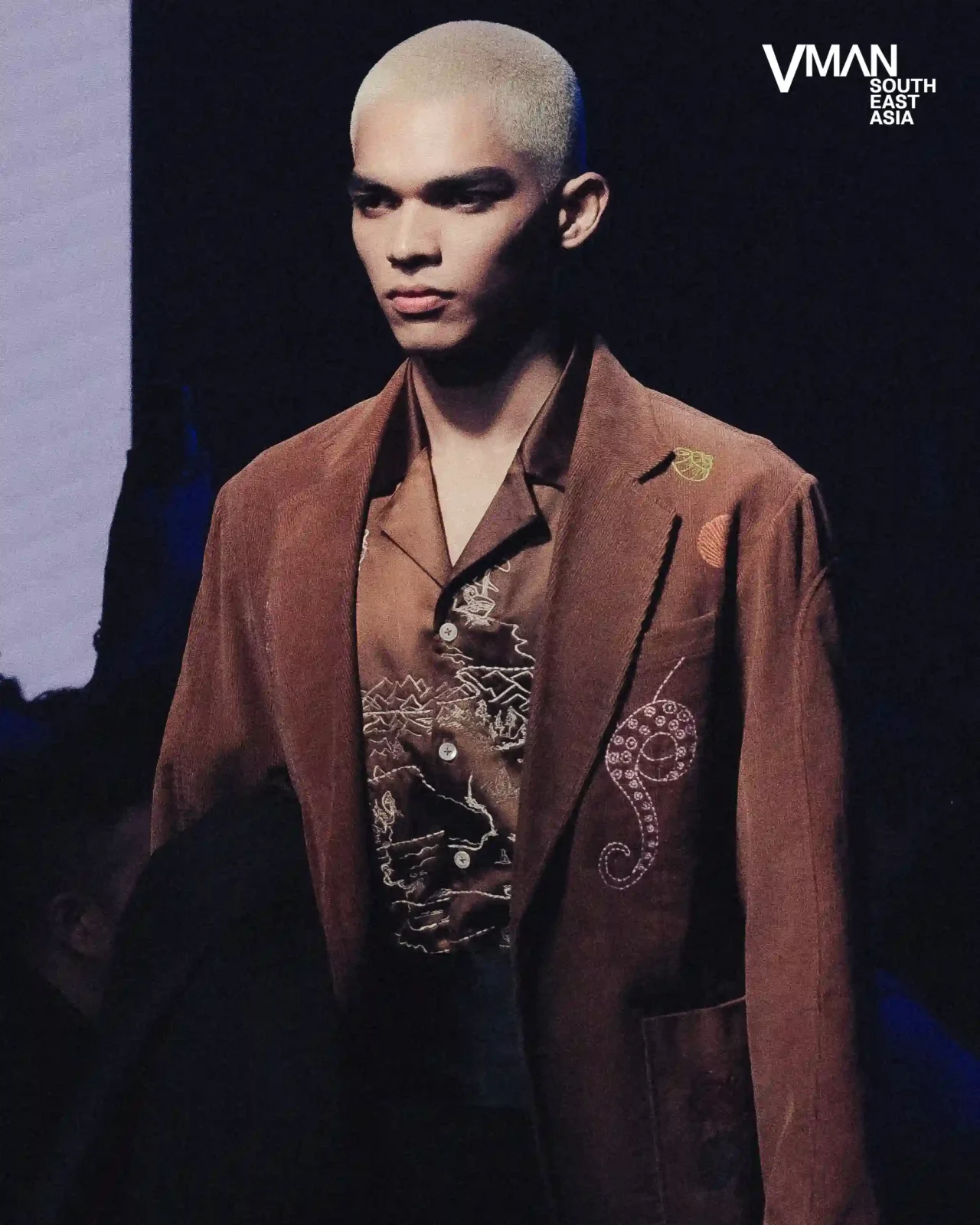
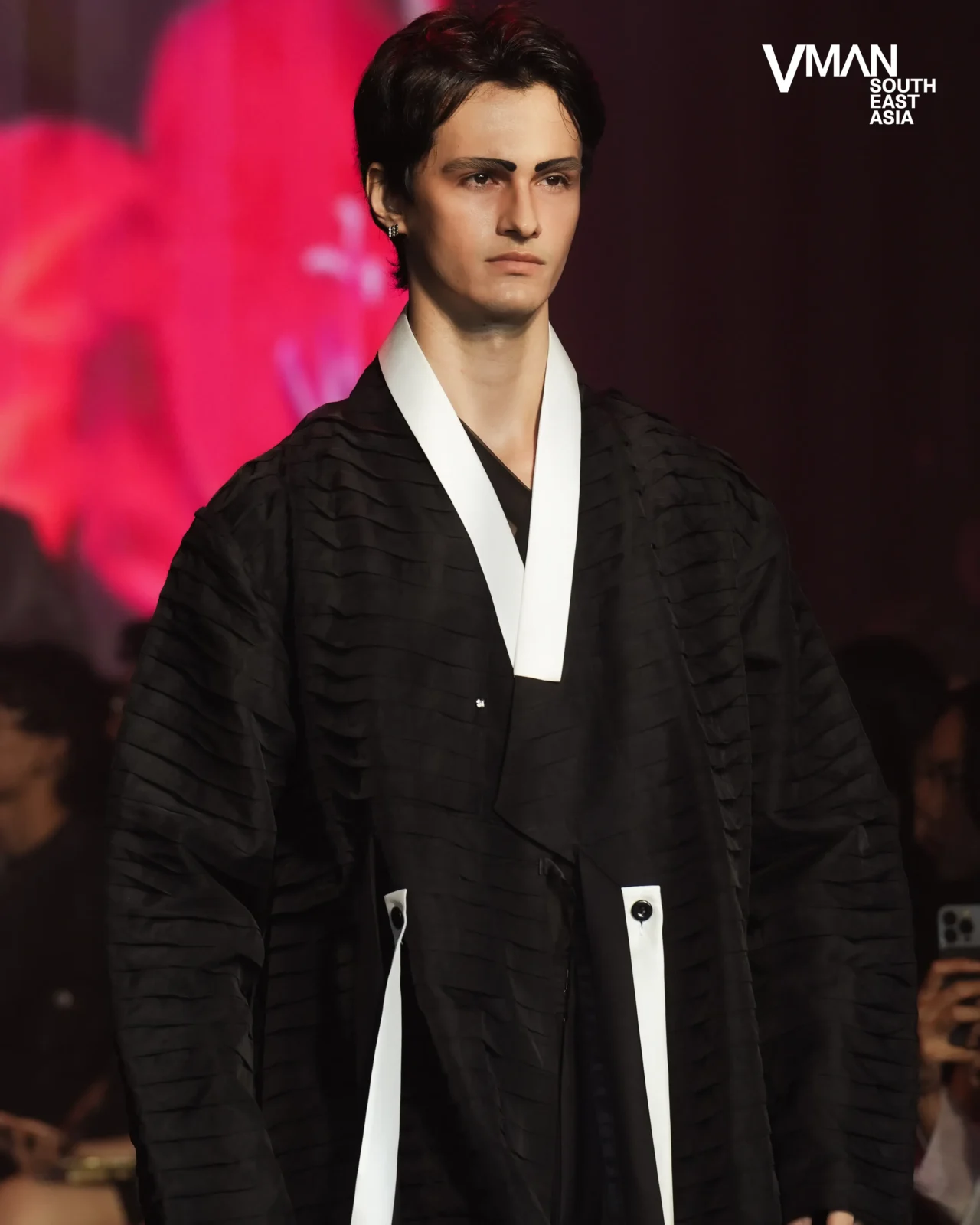
Fashion WeekFashion WeekA multi-day event held in major cities such as Milan, Paris, London, and New York, where designers present upcoming collections to buyers, press, and celebrities. Menswear fashion weeks set trendsGo to Fashion Week Glossary Asia’s designers approached heritage as something to reinterpret rather than preserve in place. Traditional textiles, techniques, and cultural references became foundations for contemporary collections, demonstrating how regional identity can inform new forms of expression.
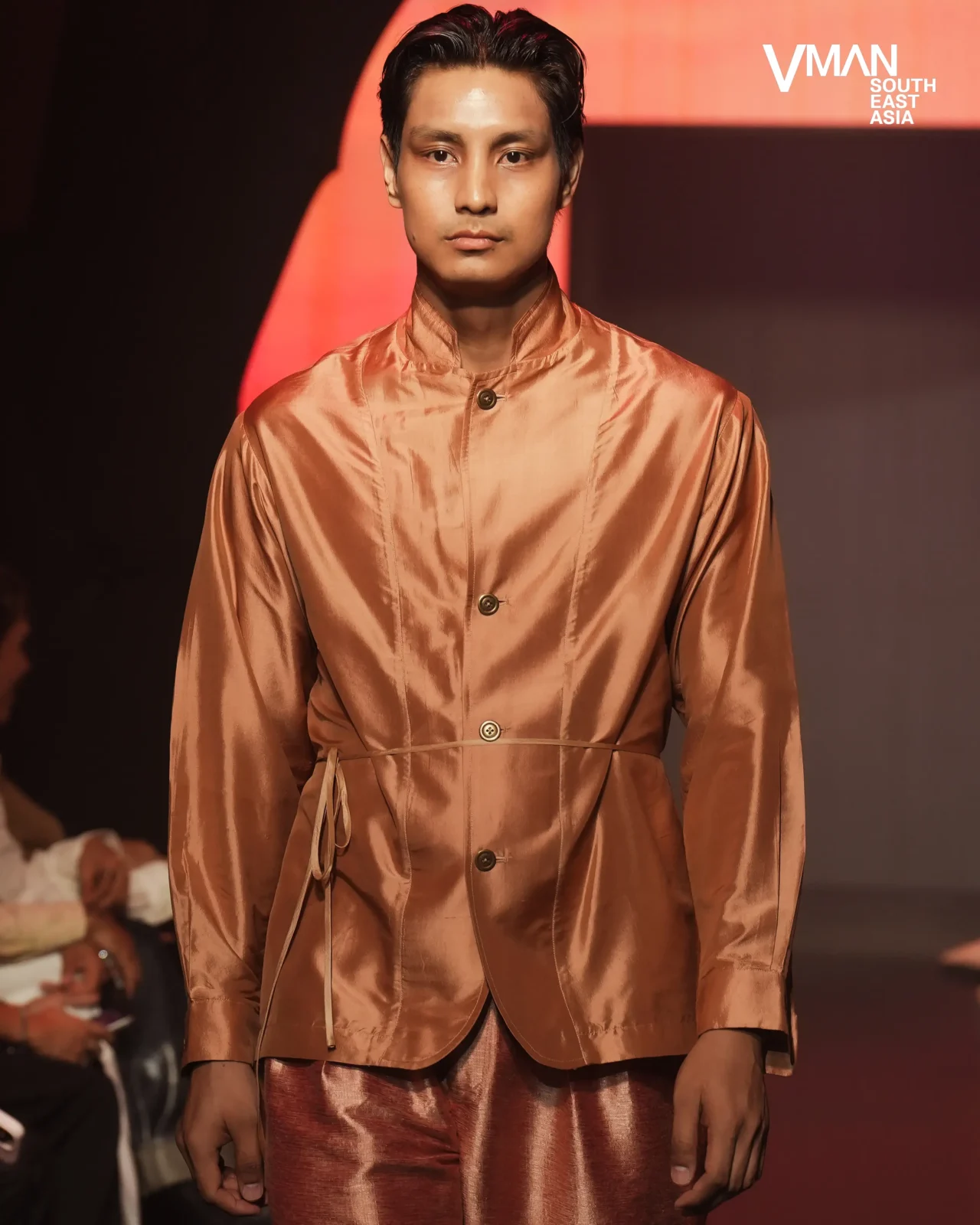
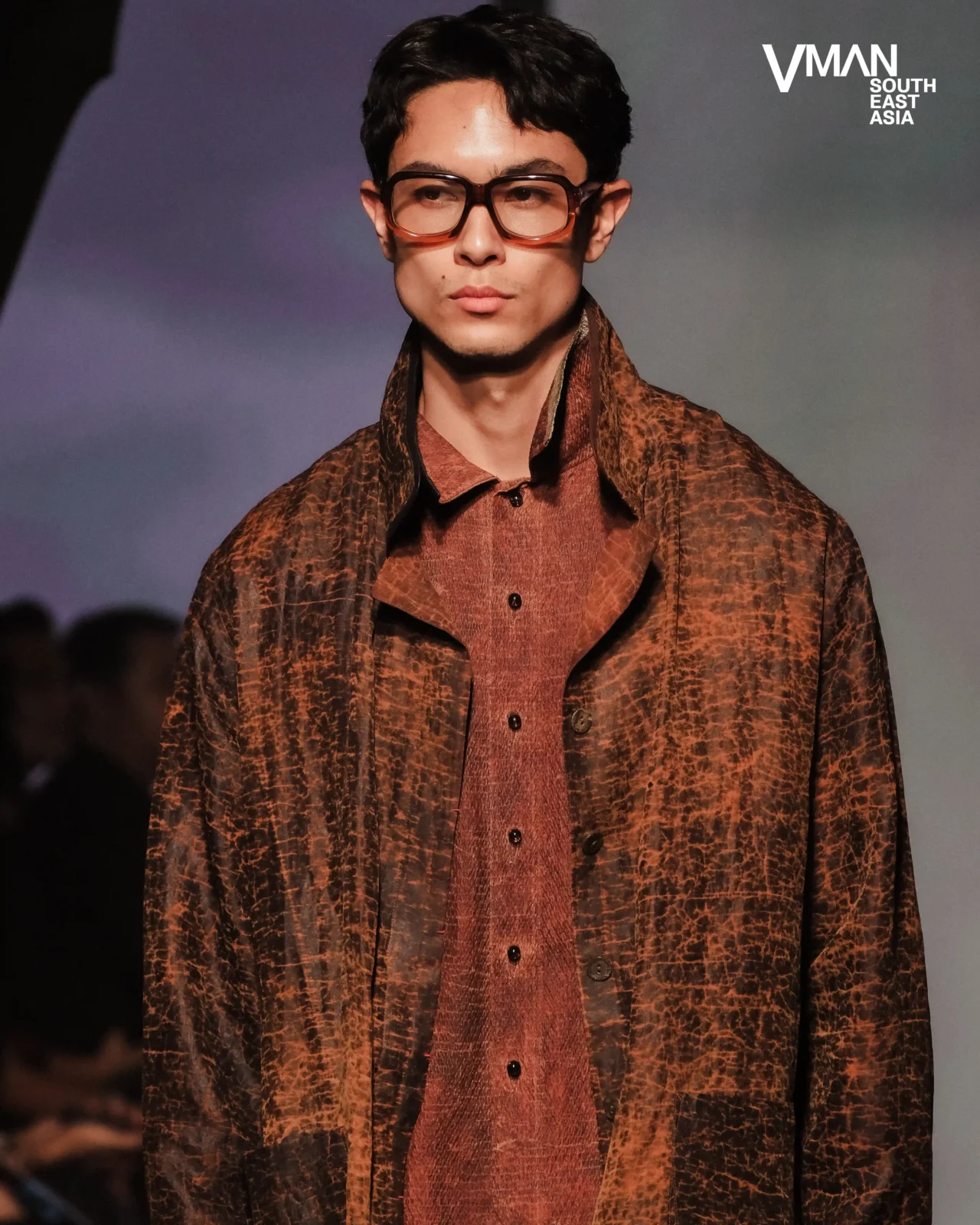
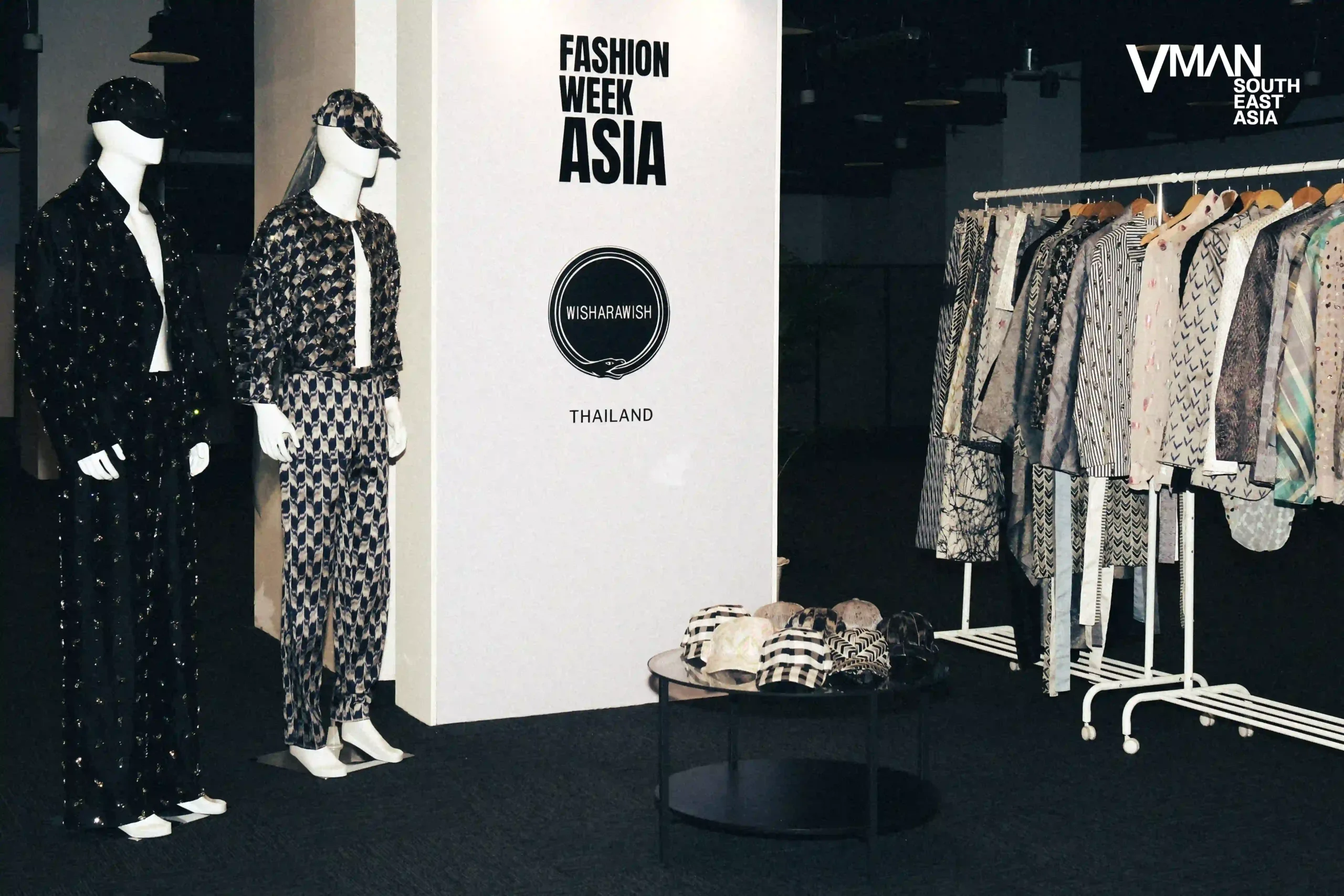
The presentations by Wisharawish, Ponder.er, Novèl, and Sophie Hong offered different perspectives on this dialogue between past and present. Their work explored material experimentation, textile traditions, and the ways craftsmanship can remain relevant within modern design.
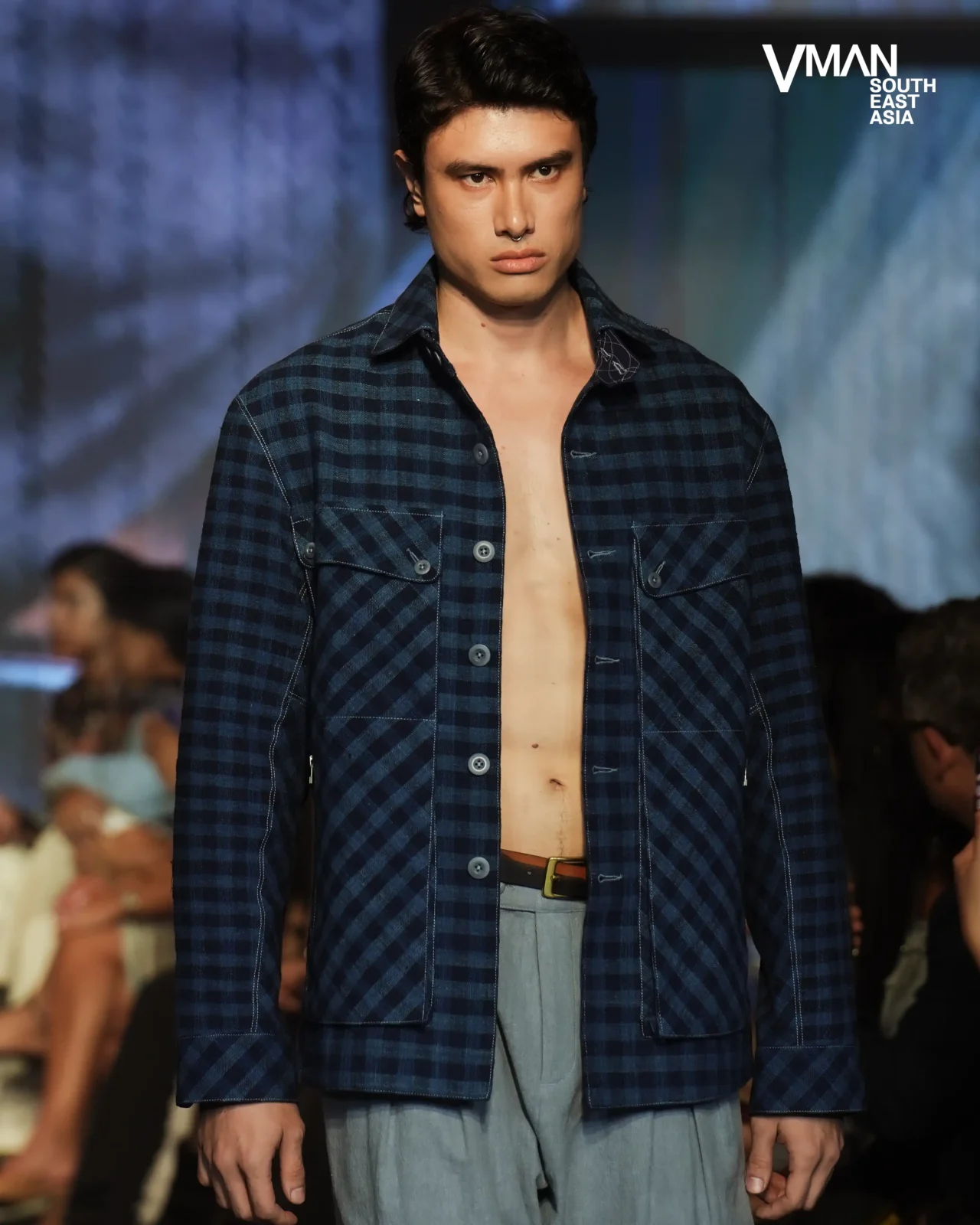
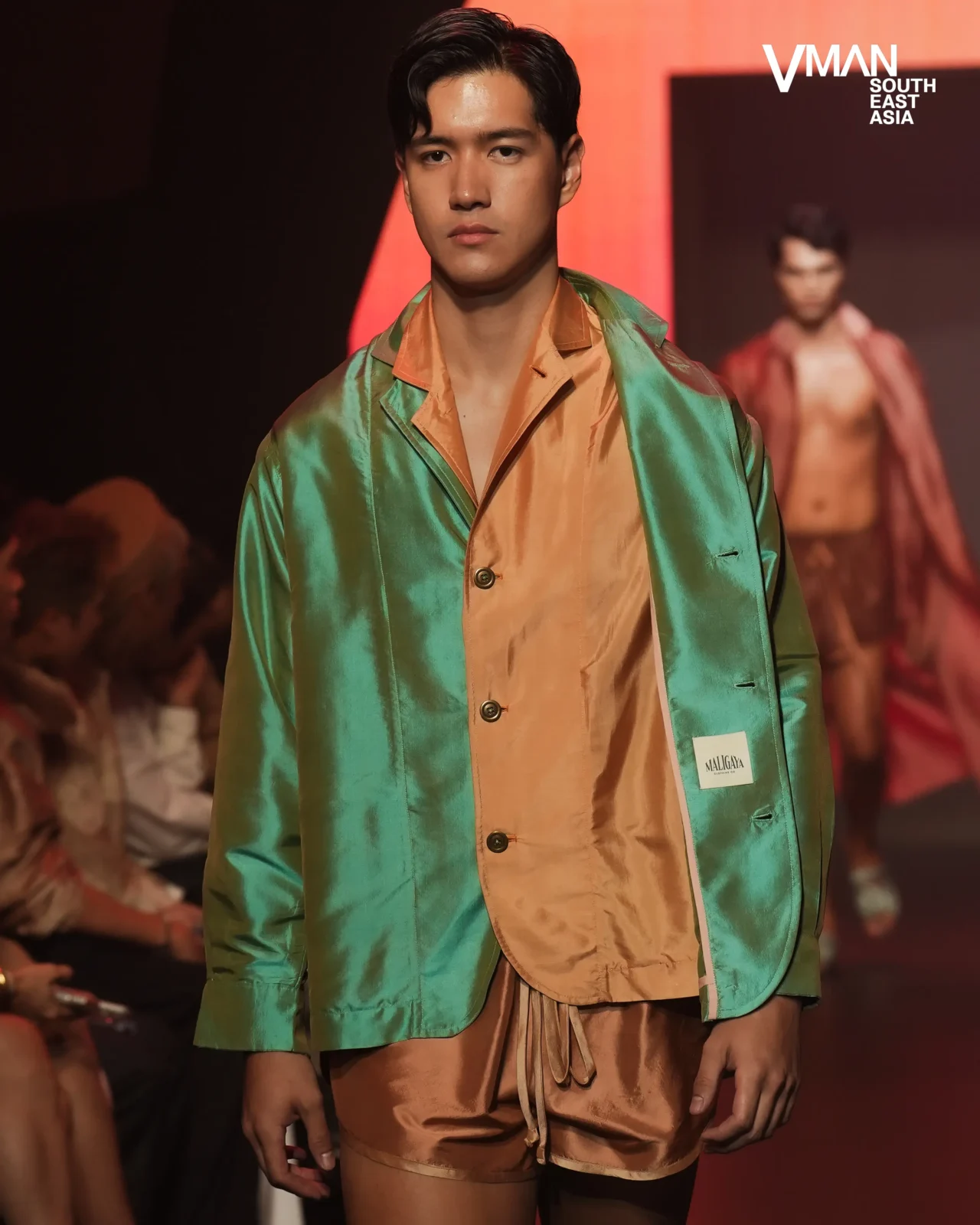
Other collections further underscored the region’s diversity. Kilomet 109 highlighted its relationship with local communities and natural dyes, while Plazä drew on Nyonya Peranakan embroidery. Sophie’s work with Hong Silk and xianyun, alongside Maligaya’s use of piña, brought distinct material histories into focus.
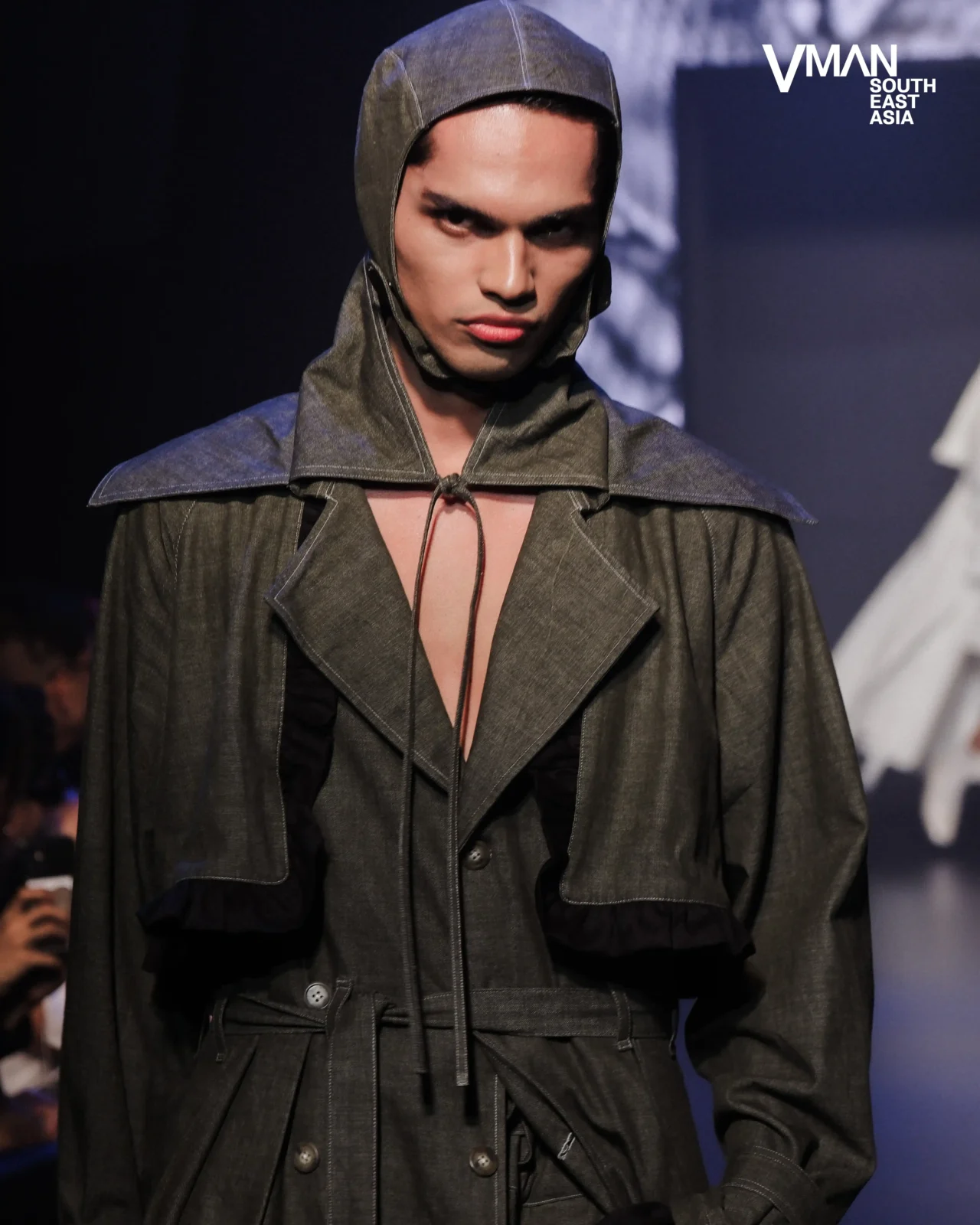
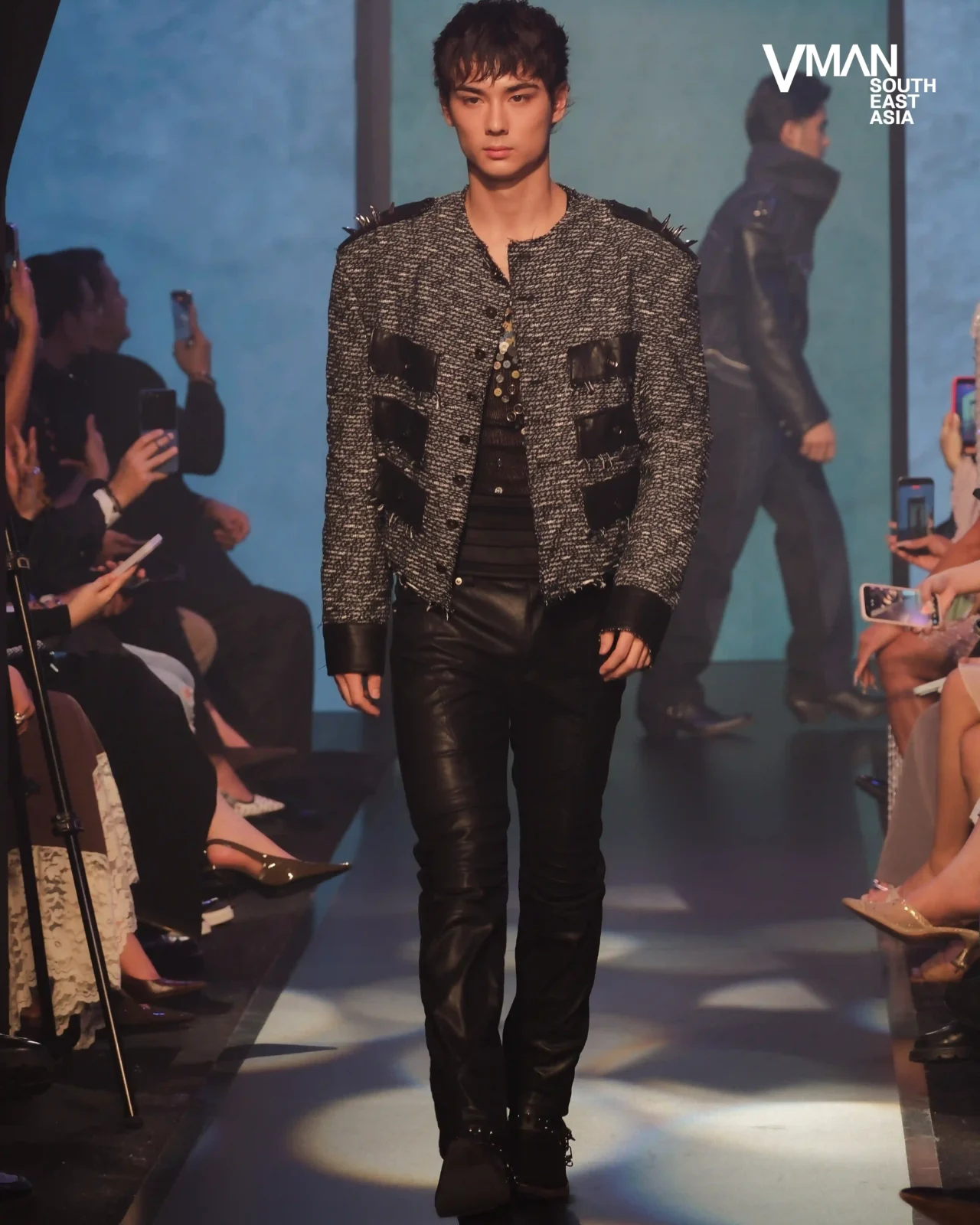
Rather than presenting a singular vision of Asian fashionFashionThe art and industry of designing, producing, and styling clothing, footwear, accessories, and beauty trends. It reflects cultural influences, personal expression, and evolving styles across seasons and markets.Go to Fashion Glossary, the collections reflected the range of cultural and creative identities shaping the region. Their shared emphasis on craft also revealed how heritage can serve as a source of innovation.
From creative exchange to industry opportunity
Beyond the runway, Fashion WeekFashion WeekA multi-day event held in major cities such as Milan, Paris, London, and New York, where designers present upcoming collections to buyers, press, and celebrities. Menswear fashion weeks set trendsGo to Fashion Week Glossary Asia addressed the infrastructure needed to support regional fashion. The Fashion Forward Asia Forum brought together industry voices for discussions on creative development, business strategy, and the challenges facing designers as they expand beyond their home markets.
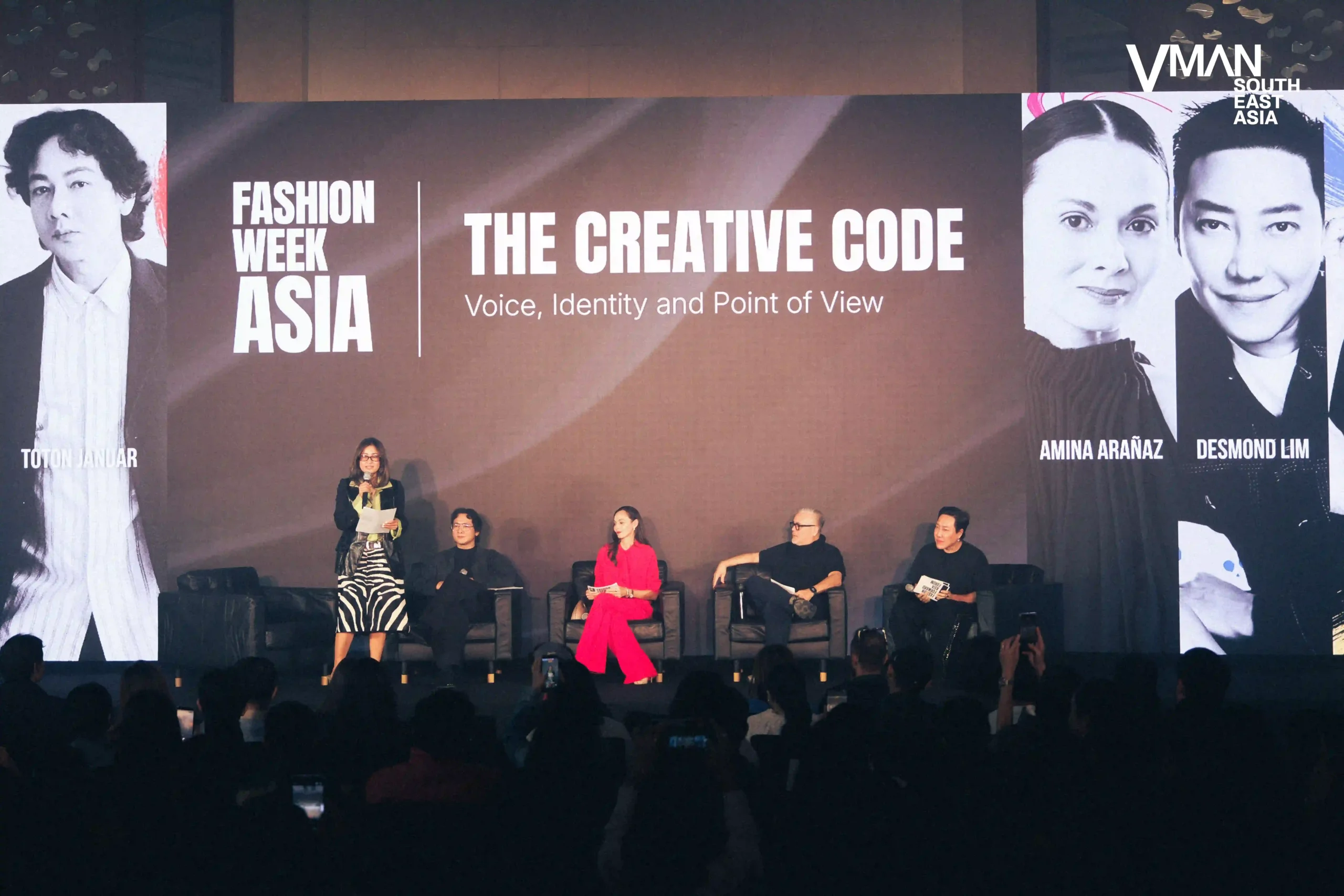
Across its five panels, the forum examined the relationship between creative identity and commercial viability. Conversations explored how designers can build recognizable brands, develop sustainable business models, and navigate an increasingly interconnected fashionFashionThe art and industry of designing, producing, and styling clothing, footwear, accessories, and beauty trends. It reflects cultural influences, personal expression, and evolving styles across seasons and markets.Go to Fashion Glossary industry.
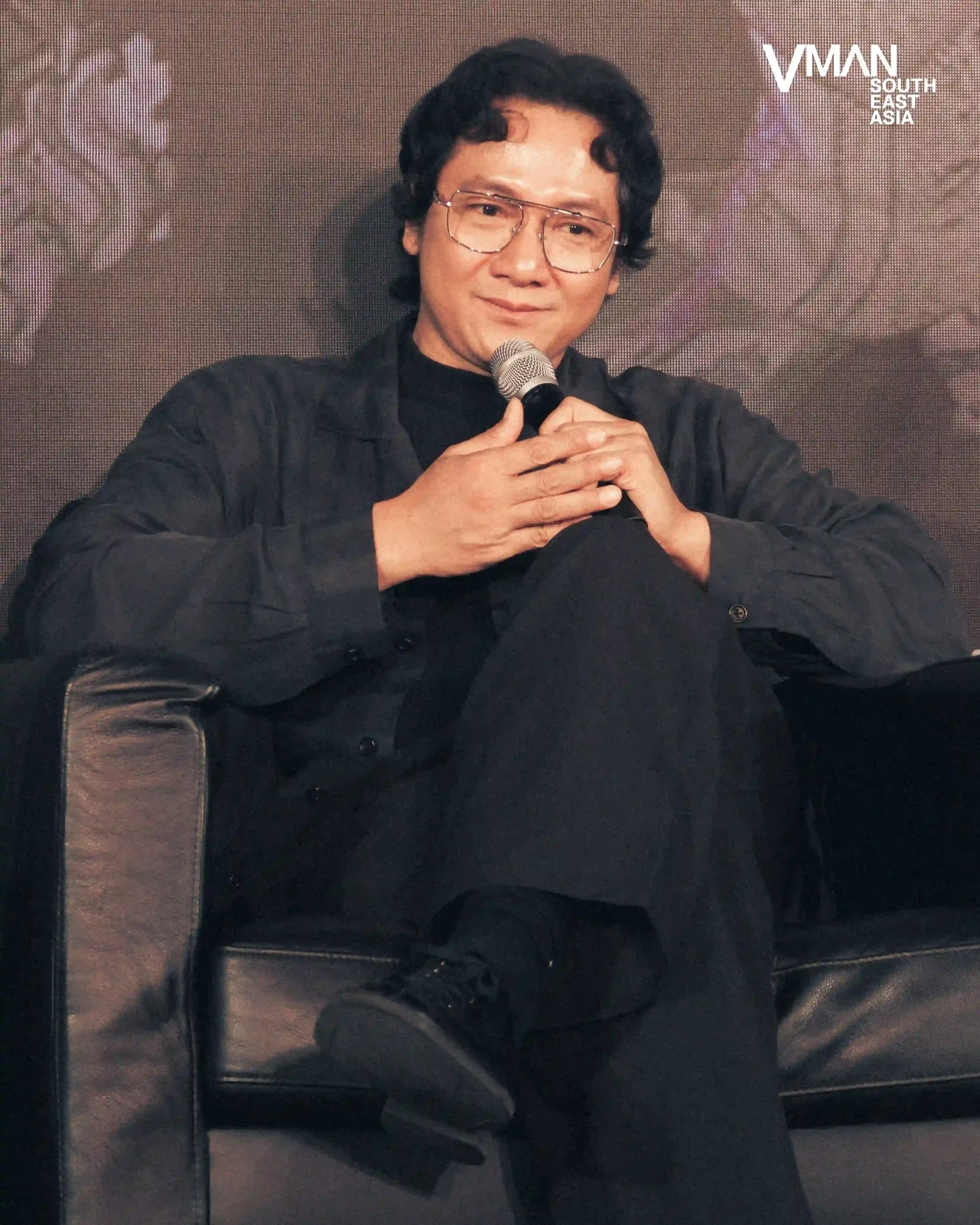
The forum’s Creative Code and Making It Work discussions placed particular emphasis on the realities of running a fashionFashionThe art and industry of designing, producing, and styling clothing, footwear, accessories, and beauty trends. It reflects cultural influences, personal expression, and evolving styles across seasons and markets.Go to Fashion Glossary business. Lyritzi spoke to the importance of brand positioning, while Sultan addressed the demands of commercial readiness—reminding designers that creative vision must be supported by a clear strategy.
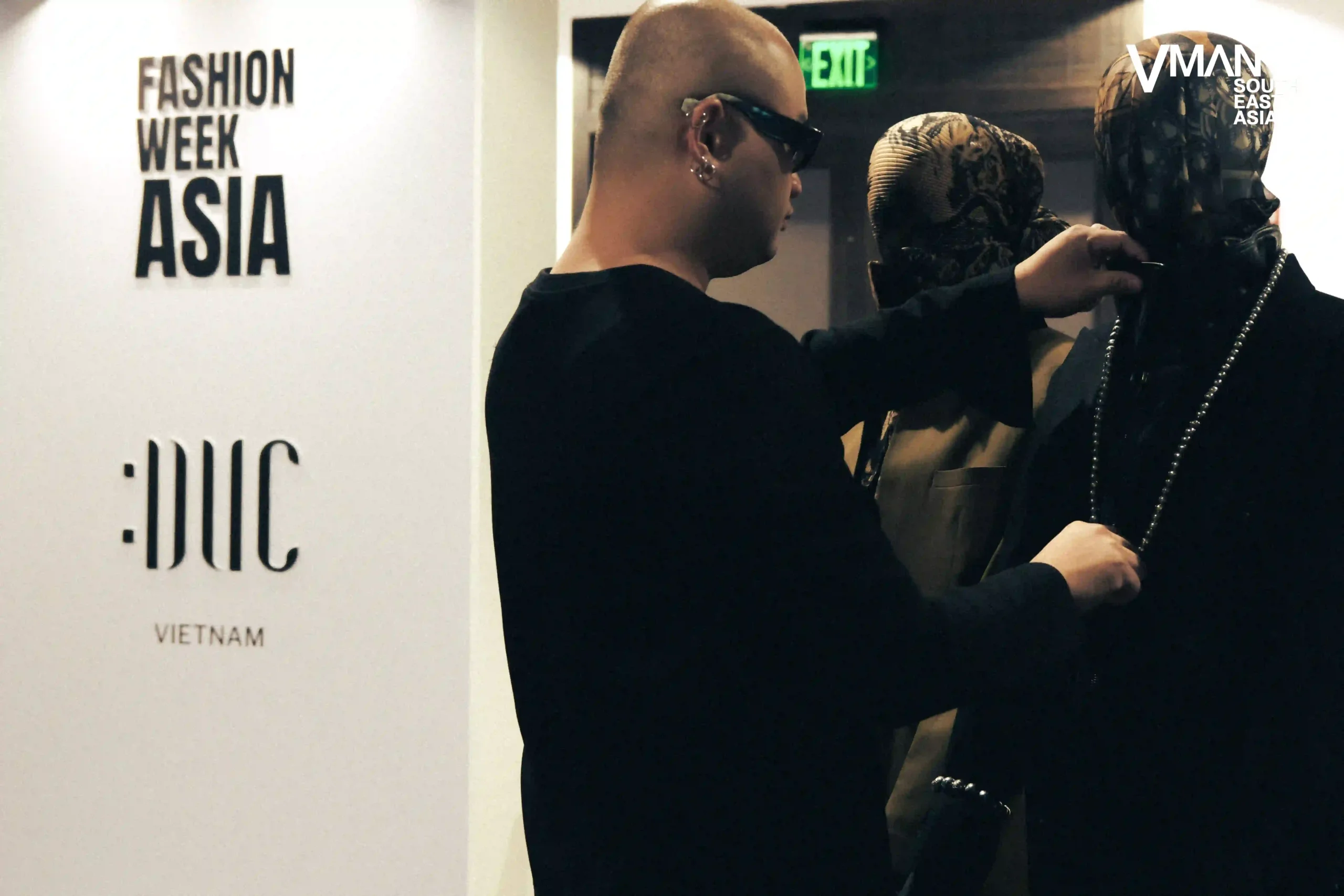
The Re-See Exhibit extended these conversations into a showroom setting, allowing buyers, media, and industry guests to engage with the collections beyond the runway. By creating opportunities for closer inspection and direct exchange, the showcase helped connect creative work with potential commercial partnerships.
Rajo Laurel revisits three decades of design
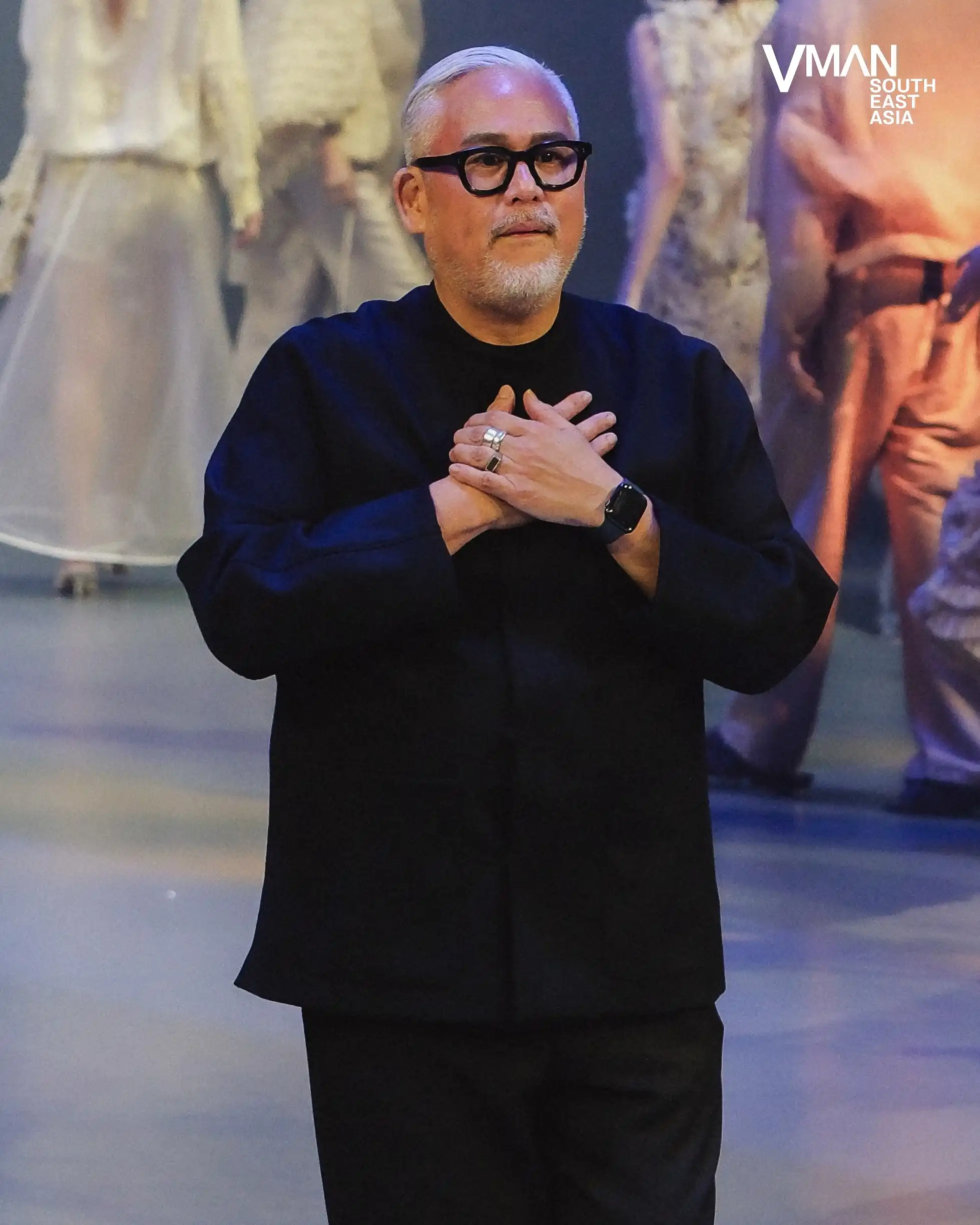
Fashion Week Asia closed with Rajo Laurel’s Archivo, a retrospective that revisited more than three decades of the Filipino designer’s career. The presentation brought archival pieces into conversation with newer designs, tracing the evolution of Rajo’s work while underscoring the lasting influence of his creative vision.
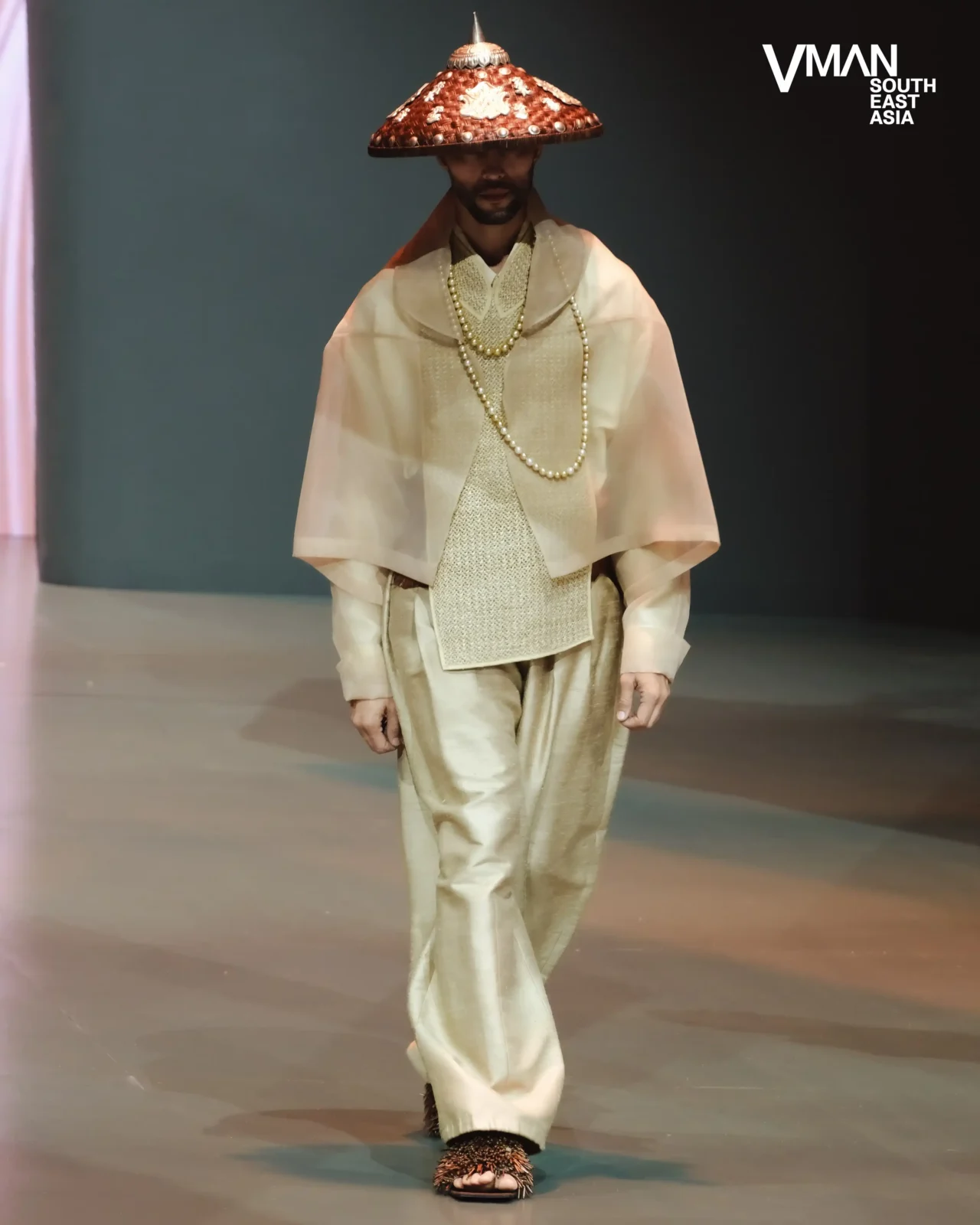
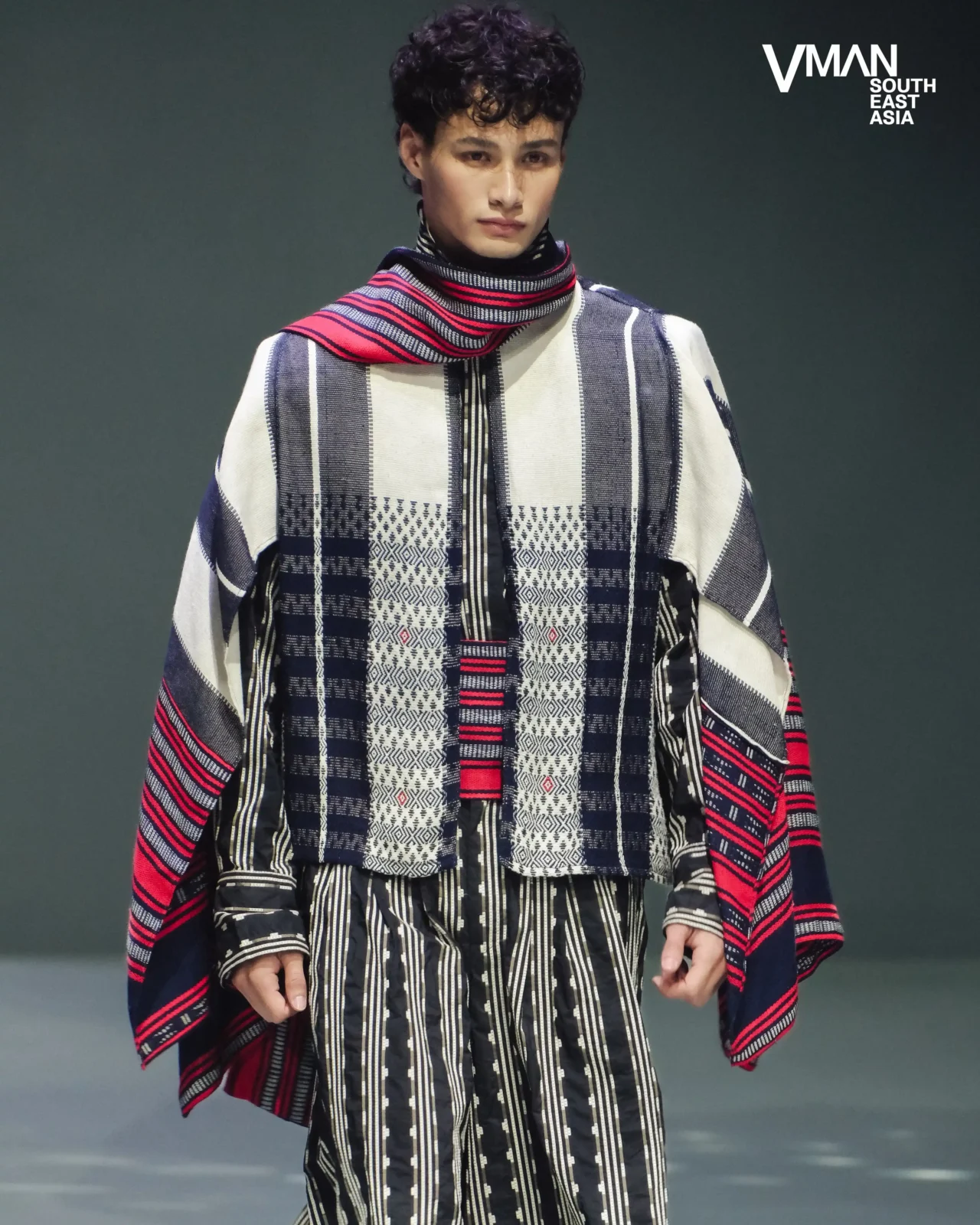
Among the collection’s personal references was a barong from Rajo’s family history, alongside the use of nayan braided thread. These details connected the showcase to his longstanding engagement with Filipino craftsmanship and cultural memory.
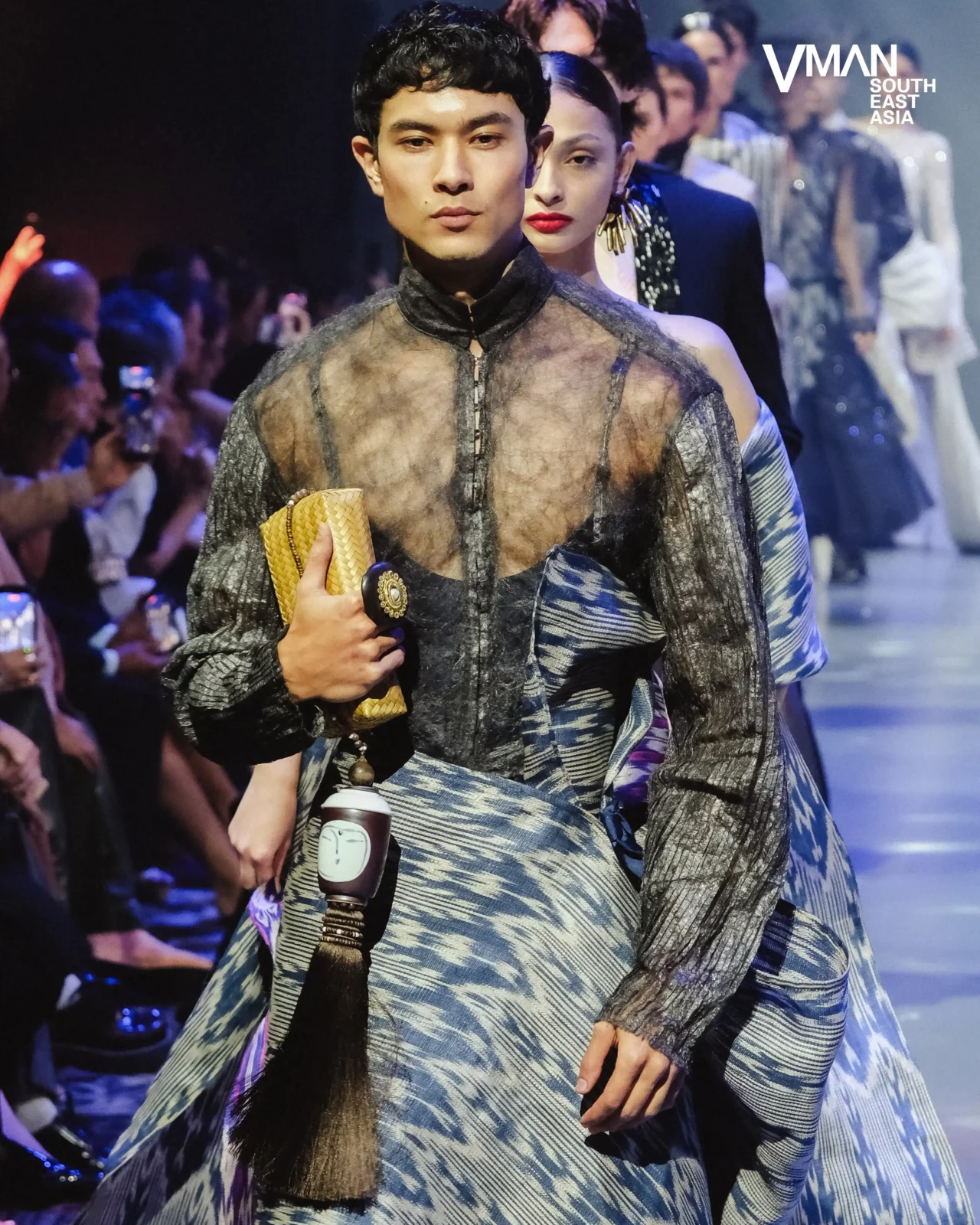
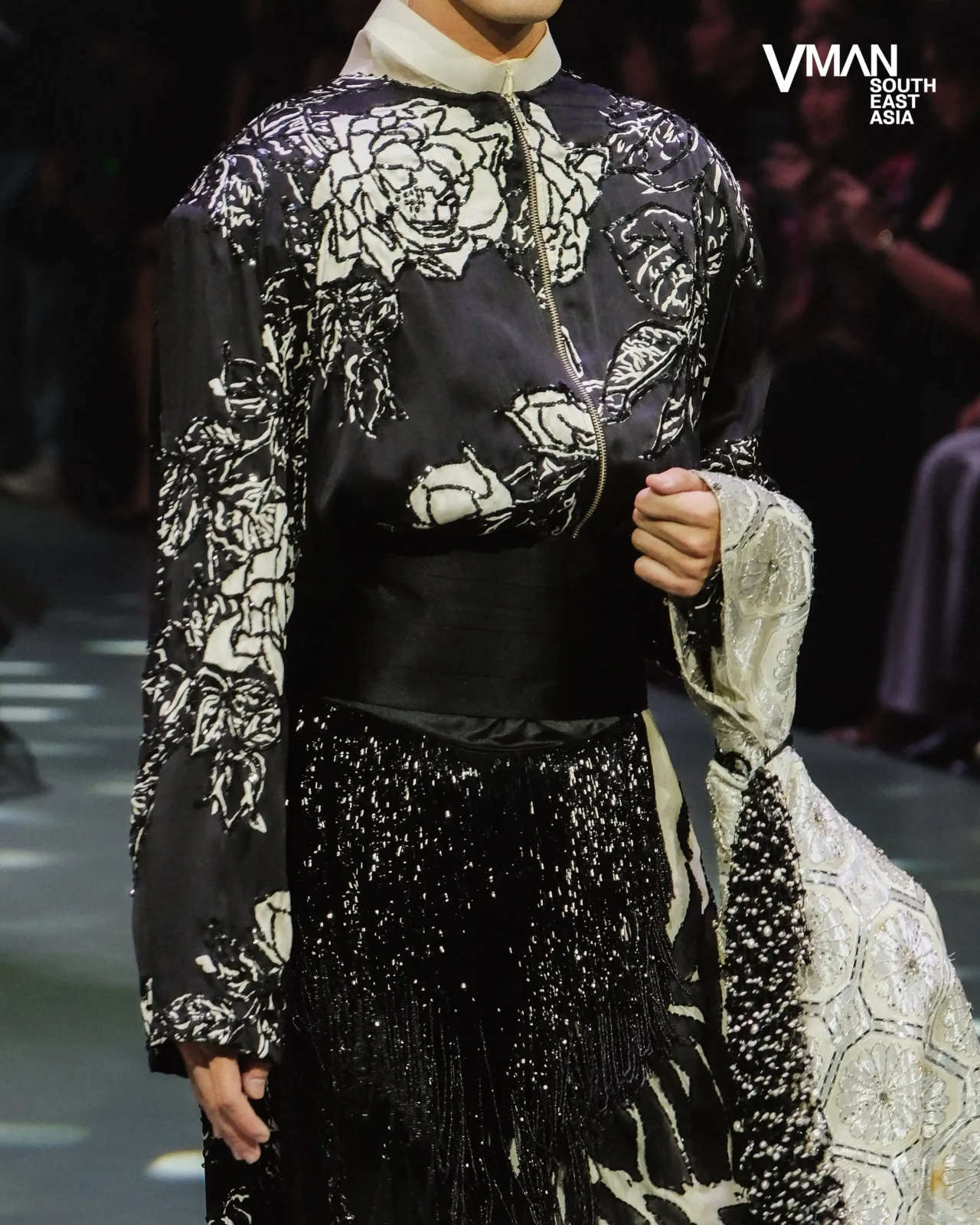
As the closing presentation, Archivo offered a fitting reflection on the week’s broader themes. Fashion Week Asia brought together different generations, traditions, and approaches to design, positioning collaboration as a means of strengthening the region’s creative landscape.
Frequently Asked Questions
A regional fashion event and platform that unites designers, brands, industry leaders, and creative talent from across Asia.
The inaugural edition took place from October 20 to 24, 2026, in Manila, with runway presentations staged at Palacio de Memoria.
The event featured runway shows, the Fashion Forward Asia Forum, showroom presentations, networking opportunities, and the Re-See Exhibit.
Filipino designer Rajo Laurel closed the event with Archivo, a showcase revisiting more than three decades of his work.
The event aimed to foster regional collaboration, strengthen connections between designers and industry stakeholders, and create greater opportunities for Asian fashion in international markets.
Recommended Video