
How Long Can You Go Without Washing Jeans?
Getting the wash schedule right depends on fabric, frequency of wear, and that fine line between lived-in charm and just plain overdue




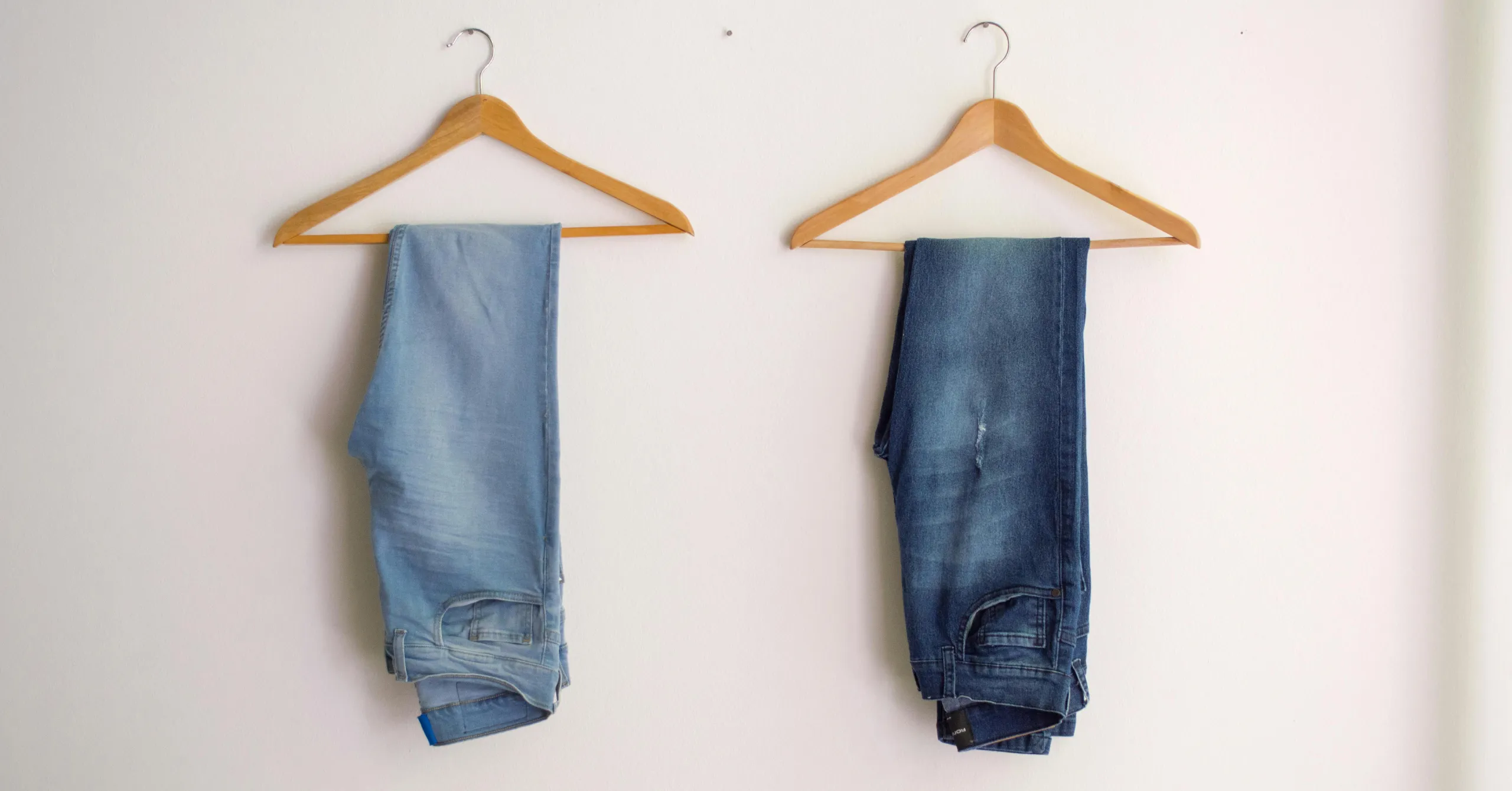
Jeans are a staple in most wardrobes, worn at work, while traveling, on weekends, and often re-worn without much thought. Despite their popularity, there’s still debate about how often they actually need to be washed. Some denim enthusiasts say to avoid washing for months, while others believe in regular laundering. The truth falls somewhere in the middle and depends on factors like the type of denim, how often you wear it, and the environment you wear it in.
ALSO READ: Why Everyone’s Doubling Up on Denim—and How to Pull It Off

Raw vs. pre-washed
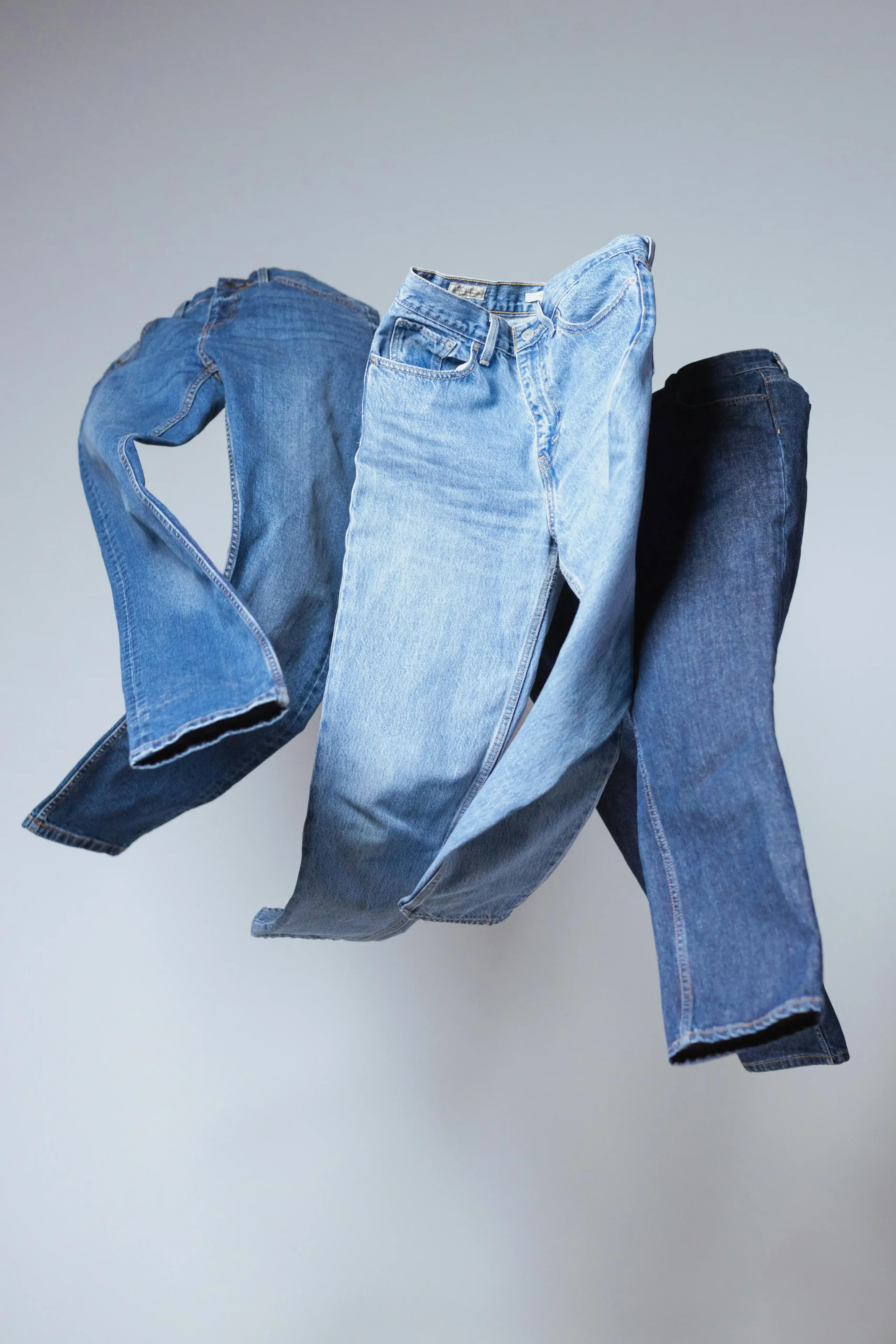
The strongest opinions on washing frequency usually come from raw denim wearers. Often referred to as dry denim, this type is untreated and unwashed, typically dark and stiff when new. It’s made to mold to the body over time, forming natural creases and fade patterns that mirror the wearer’s habits. To maintain this personalized effect, raw denim is commonly worn for several months before its first wash. Many enthusiasts aim to wait at least six months, sometimes longer.
But this delay isn’t strictly aesthetic. In certain denim communities, allowing raw jeans to age unwashed is seen as a badge of commitment. Washing too soon, they argue, erases the potential for high-contrast fades and disrupts the fabric’s ability to age naturally.
Pre-washed denim, in contrast, has already undergone a treatment process that softens the fabric and reduces excess dye. These jeans arrive broken in and are less likely to change significantly in color or shape. They can handle more frequent washing without affecting their appearance, making them a more practical choice for everyday wear.
When should you wash?
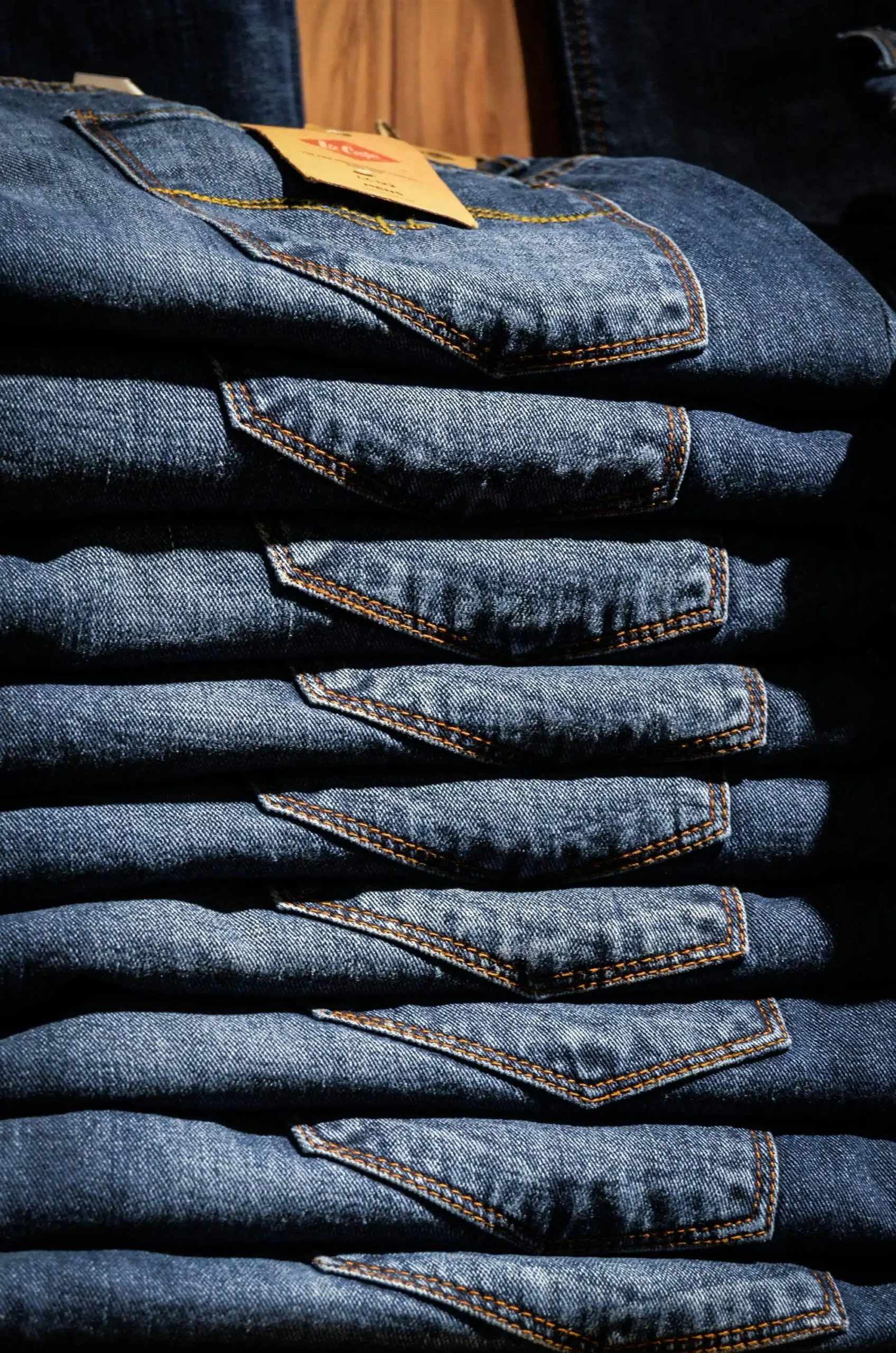
Experts generally agree on a practical guideline. Jeans should be washed every 5 to 10 wears, depending on lifestyle and use. If they’re worn on high-activity days such as commuting, traveling, or working in warm climates, they may need more frequent washing. If they’re used more casually or in cooler weather, they can last longer between washes.
Signs that jeans need to be washed include visible dirt, odor, stiffness, or skin irritation. While some smells can be reduced by airing them out or hanging them in a breezy area, a buildup of body oils and sweat may eventually call for a proper wash. It should be noted that bacteria from the skin or environment are rarely harmful unless there are open wounds, but they can still lead to discomfort or irritation over time.
How to wash jeans properly

Once it’s time to wash, technique matters. Turn the jeans inside out to help preserve the color, use cold water to minimize shrinkage and dye loss, and choose a gentle cycle with a small amount of detergent. Skip bleach and fabric softeners, which can break down the fabric over time.
Air-drying is preferred. Heat from tumble drying can warp the shape of the jeans and cause unnecessary wear to the fibers. Hanging them up by the waistband helps preserve the fit and allows the denim to maintain its structure.
A shift in attitudes
The denim care debate reflects broader changes in how people approach clothing maintenance. As awareness around sustainability and garment longevity grows, consumers are moving away from rigid rules and toward more flexible habits. Frequent washing, once considered necessary, is now seen as something to do only when truly needed, not as part of a routine.
Major denim brands have taken notice. Levi’s, for example, suggests washing jeans every 10 wears or less, depending on lifestyle. Other labels now include care tags with detailed instructions that emphasize fabric longevity rather than frequent cleaning.

There is no universal schedule for washing jeans. Instead, the decision should be informed by fabric type, frequency of wear, personal comfort, and environmental conditions. For most people, washing every five to ten wears strikes a reasonable balance. It is frequent enough to maintain hygiene but infrequent enough to preserve the look and feel of the denim.
Instead of following strict rules, the best way to care for denim is to stay practical. Pay attention to how your jeans look, feel, and smell. Wash only when needed, and when you do, do it properly.
Photos courtesy Études Studio, Levi’s, Louis Vuitton, Léon Denim