
Gorpcore Goes Green as Outdoor Brands Phase Out PFAS
Gorpcore jackets and technical pants are moving off the trails and into everyday life, but the chemicals that make them perform are finally coming under scrutiny





From the mountains to metro
Gorpcore, once a niche style for climbers and hikers, has become a staple of urban fashion. Waterproof jackets now appear alongside shoes, and technical pants are as likely to be seen in cafés as on trails. The aesthetic’s appeal lies in its combination of practicality and style, but the chemicals behind these garments are drawing increasing attention.
At the center of the discussion are PFAS, a group of synthetic substances known for their ability to repel water, oil, and stains. These chemicals make jackets waterproof, pants resistant to abrasion, and garments odor-resistant.

RELATED: Carlo Aragon on Building Salomonology and a Global Style Movement
They are durable and effective, but they also persist in the environment and in the human body, raising concerns about long-term health and ecological impacts. Workers in textile factories often carry higher levels of PFAS than the general population, and trace amounts can accumulate in consumers over time.
Why change is slow
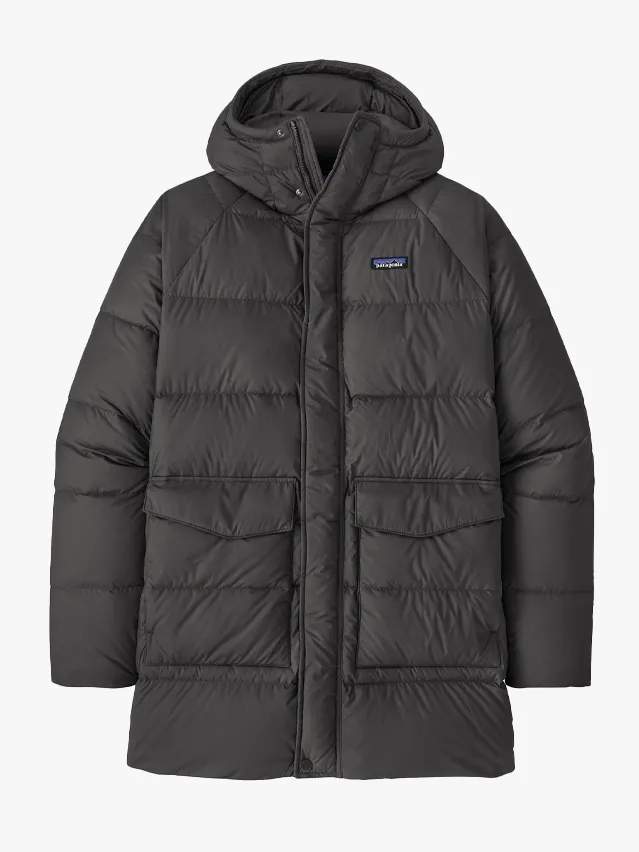
Outdoor brands have faced challenges in reducing PFAS use because the supply chains for technical apparel are complex and slow to change. Patagonia has spent a decade replacing intentionally added PFAS in its products while maintaining performance standards.

The company collaborated with Gore-Tex to develop expanded polyethylene, a non-toxic material that provides waterproofing without harmful chemicals.
Transitioning away from PFAS is not without challenges. Some alternatives require more frequent care or feel heavier, and washing or abrasion can still release microplastics. Experts stress that moving away from harmful chemicals requires both technical innovation and careful maintenance, along with a shift in consumer habits toward longer-lasting products.
Beyond the buzzword
The rise of gorpcore has also created pressure to produce new designs quickly. High turnover increases the number of PFAS-treated garments entering the market even as chemistry changes.
Brands acknowledge that sustainability cannot be a marketing claim. Responsible design and production must become standard practices, not exceptions.

The shift toward PFAS-free garments shows that high-performance outerwear can be safer for both people and the environment. For brands and consumers alike, the focus is on durability, repairability, and responsible production.
As gorpcore continues to influence mainstream fashion, the challenge will be maintaining performance without leaving a lasting chemical footprint.
Gorpcore is a fashion trend that blends technical outdoor clothing with everyday street style. It is popular because it combines practicality, like waterproof jackets and durable pants, with an urban aesthetic.
PFAS are synthetic chemicals that repel water, stains, and oil. They are commonly used in outdoor clothing to make jackets waterproof and pants resistant to abrasion, helping garments perform in extreme weather.
Yes. PFAS persist in the environment and can accumulate in the body, with links to liver and kidney damage, hormonal disruption, and other health risks. They can also contaminate soil, rivers, and drinking water over time.
Brands like Patagonia and Páramo have developed PFAS-free alternatives while maintaining durability and performance. They focus on repairable garments to reduce chemical use and environmental impact.