Fendi FW26: A Black and Tailored Reset Under Maria Grazia Chiuri
At her Fendi debut in Milan, Maria Grazia Chiuri proposed a largely black shared wardrobe rooted in tailoring and the idea that the most desirable jacket should belong to everyone




A new chapter in Milan
Maria Grazia Chiuri opened a new chapter at Fendi in Milan with a clear message: “Less I, more us.”
Her FW26 debut for the Roman house was coed and favored a disciplined lineup of black tailoring and pragmatic outerwear. Backstage, Maria described the collection as “a shared wardrobe,” developed by a unified team rather than divided along traditional lines.
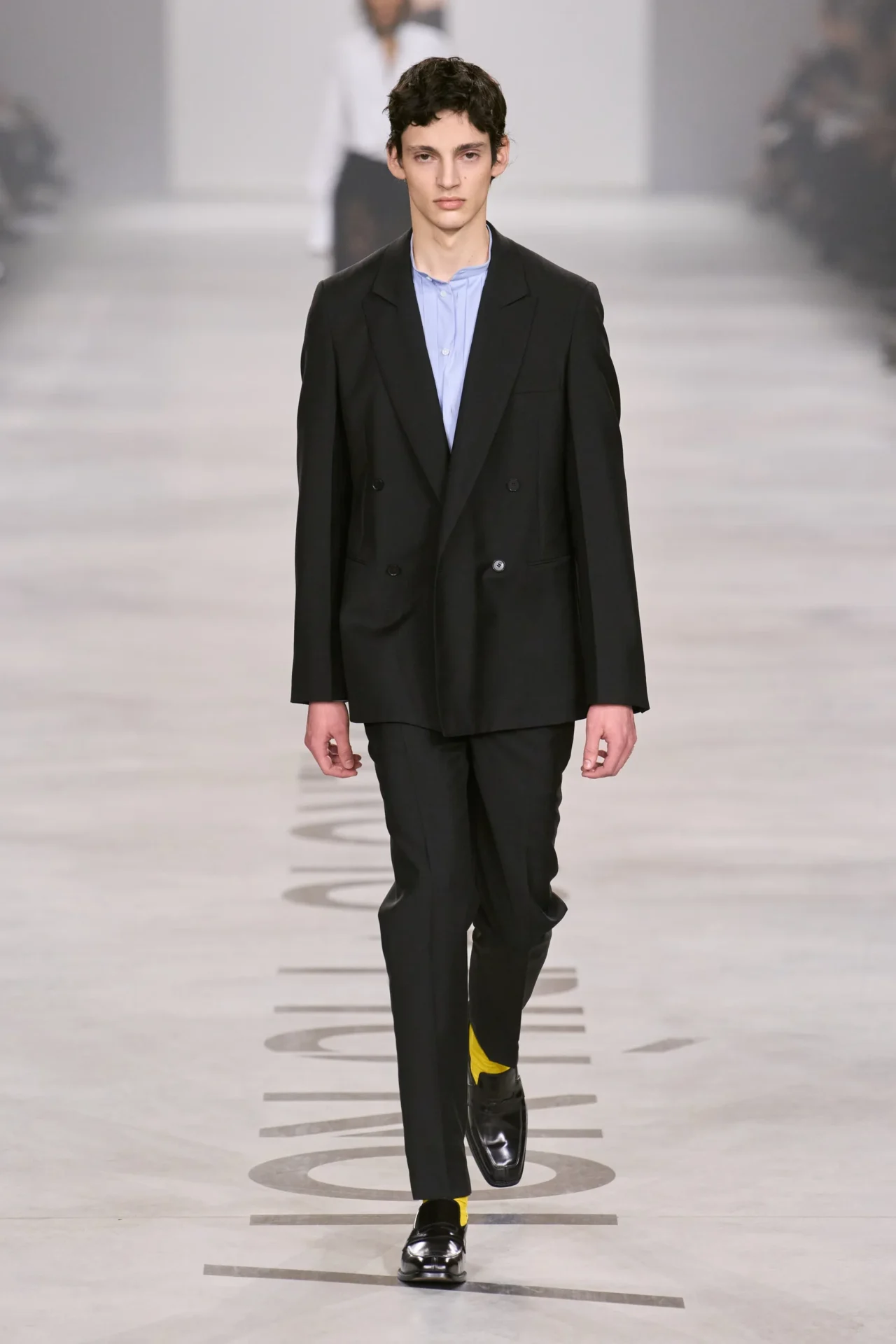
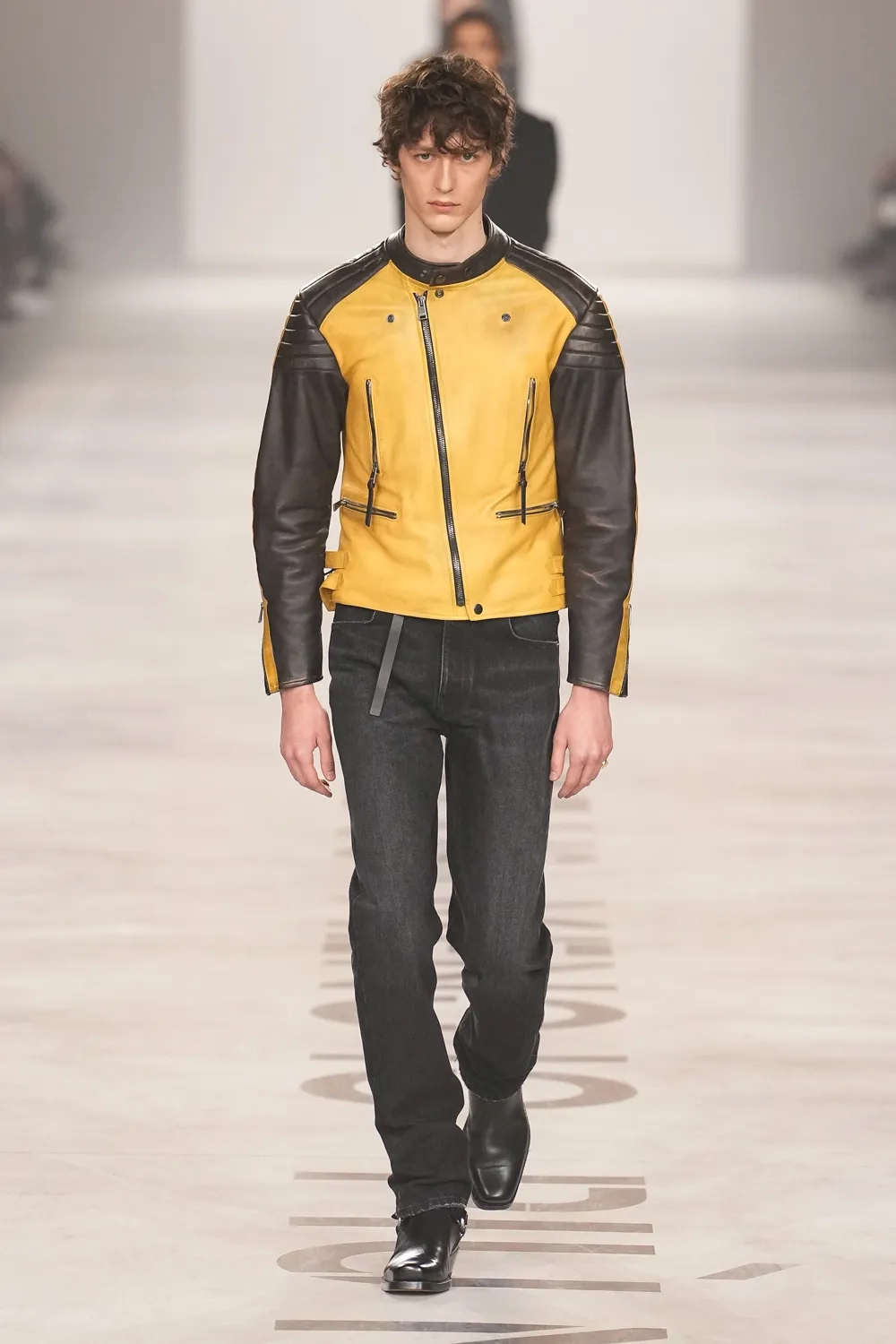
“We do a coat, we do a jacket, we do pants. We change the size, but it’s the same. A transversal wardrobe,” she said. “My idea is to make the jacket that everyone desires.”
SEE ALSO: Simone Bellotti Softens Jil Sander’s Minimalism for FW26
The architecture of a shared wardrobe
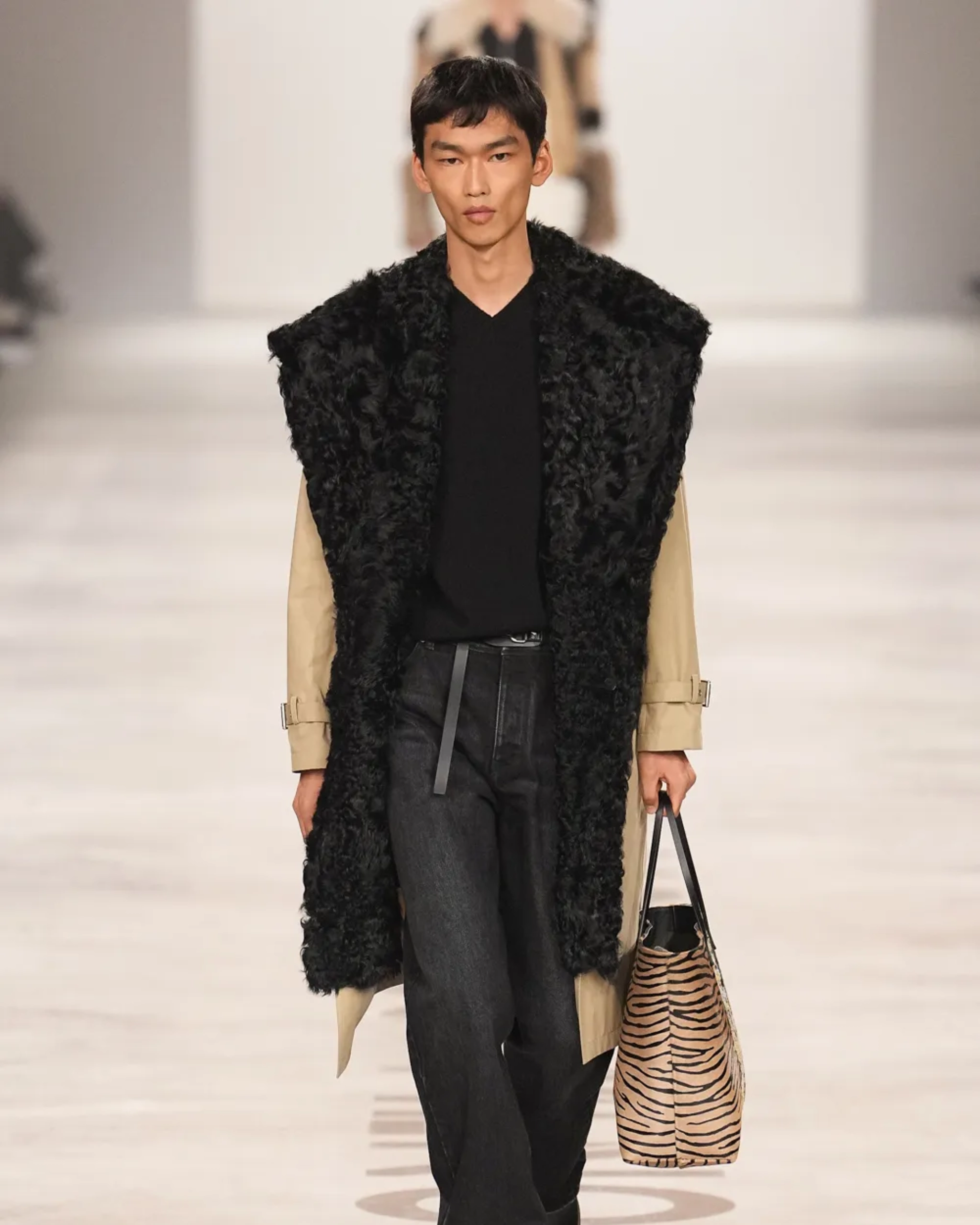
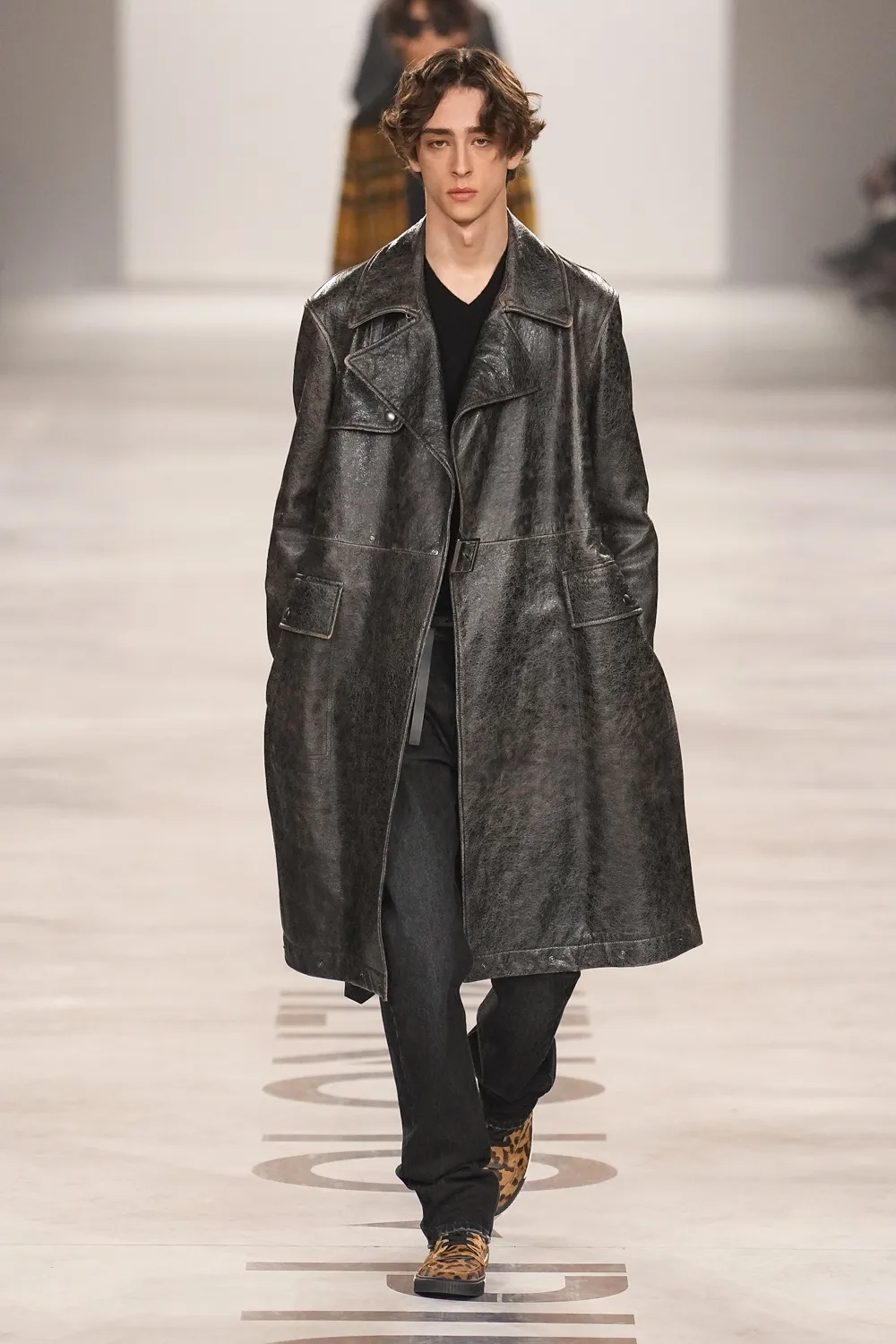
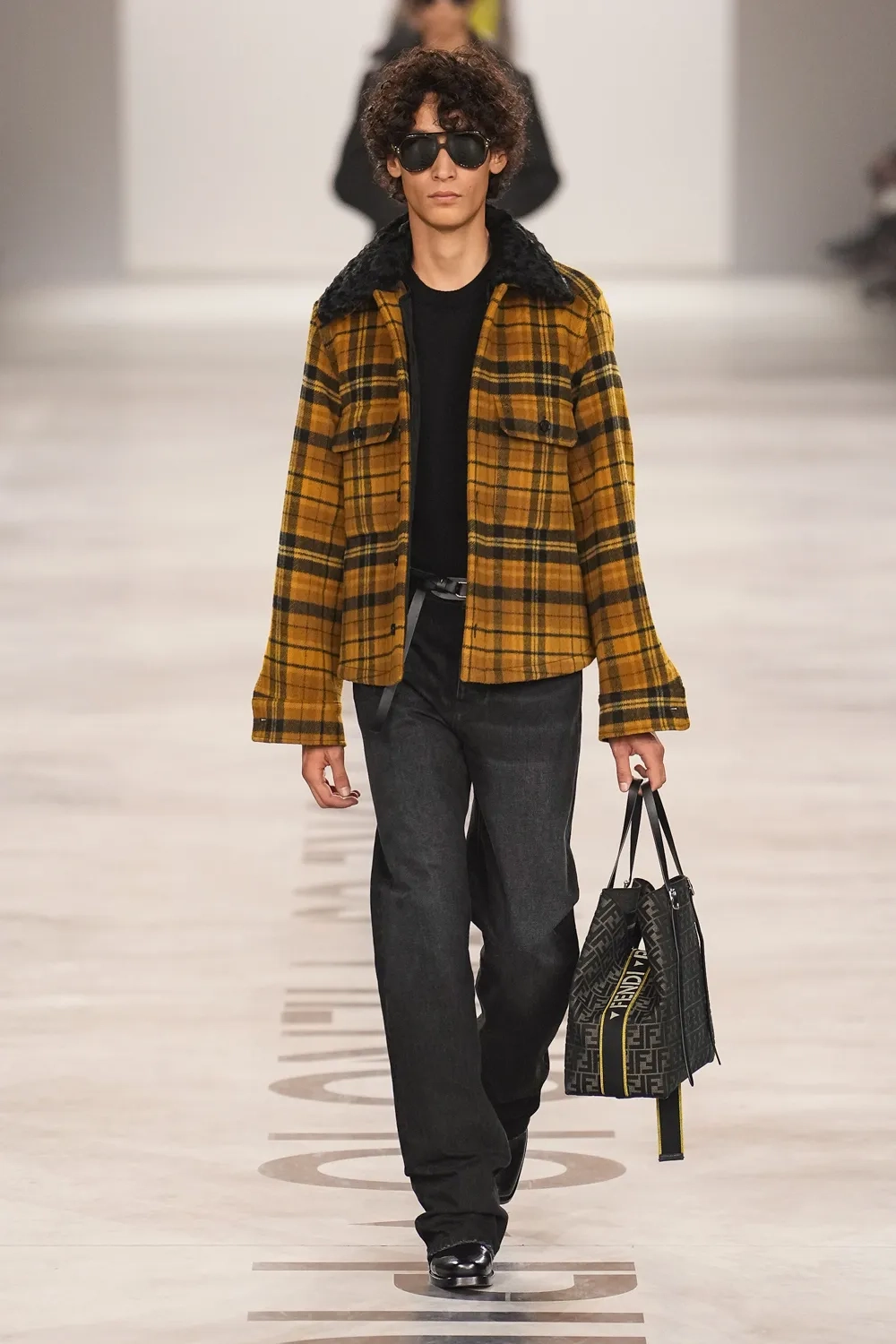
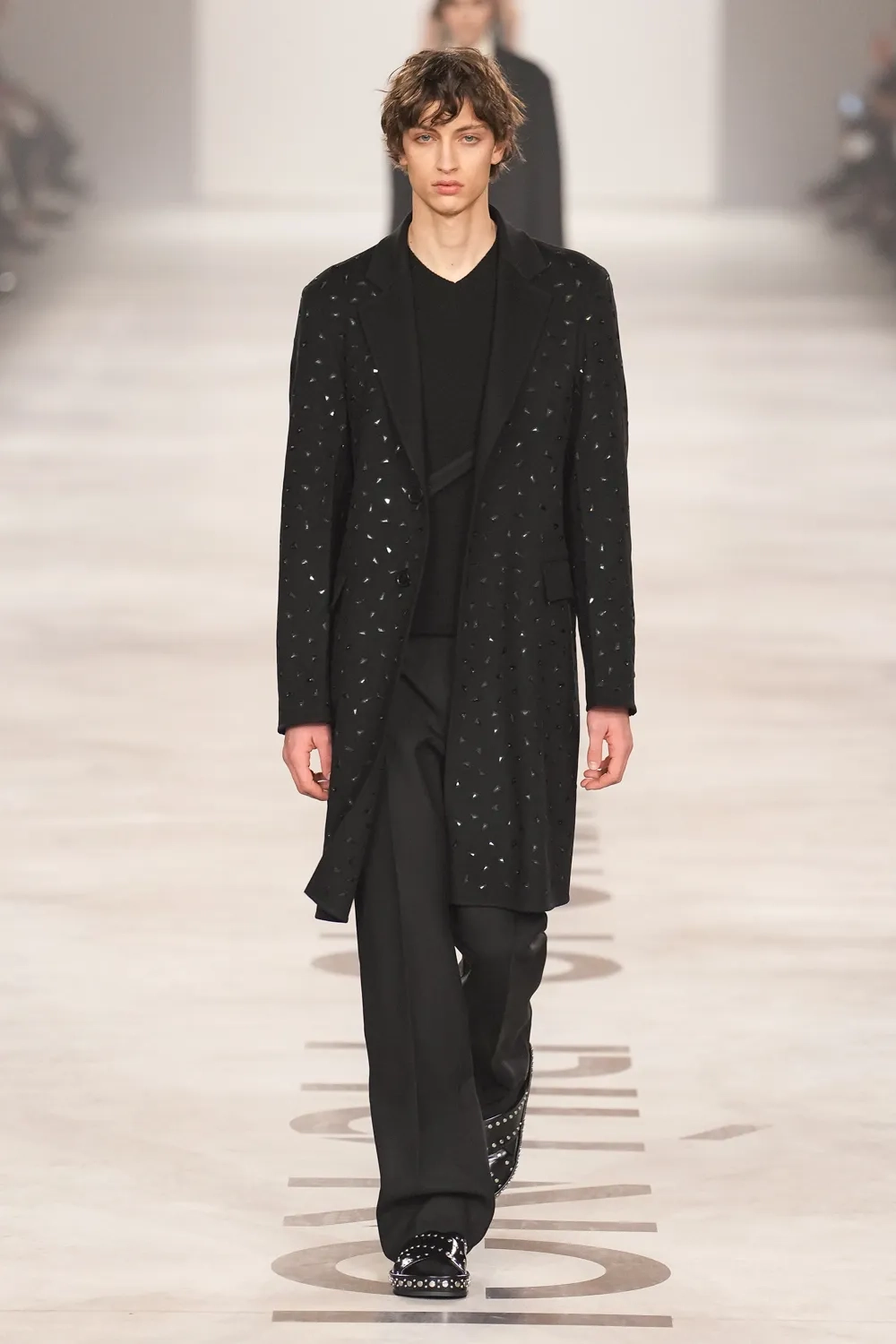
The concept translated into a collection grounded in approachable and well-crafted classics. Black dominated, underscoring Maria’s emphasis on cut and construction. Tailored jackets were clean and assured through the shoulder, paired with straight trousers and substantial wool coats that skimmed the body.
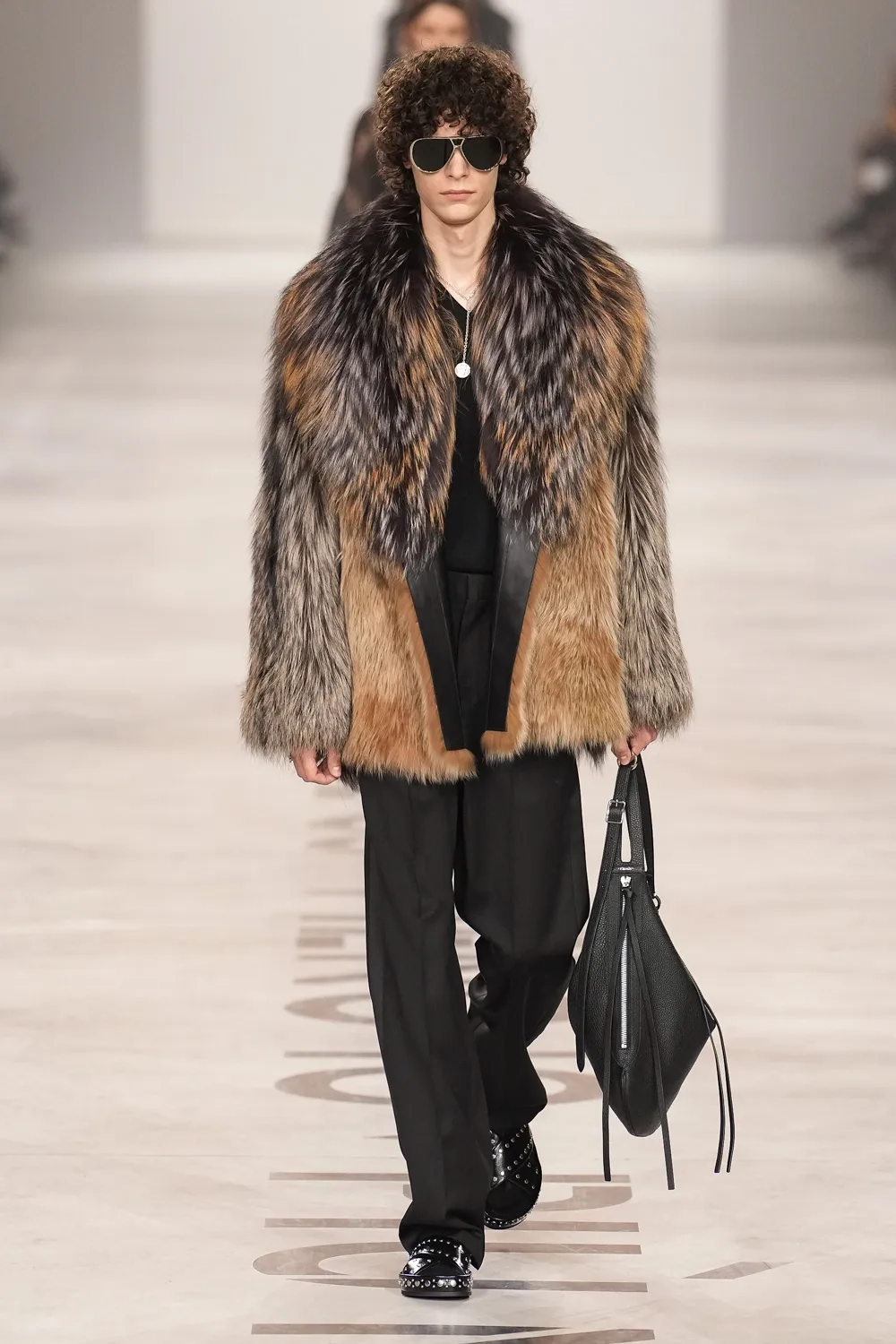
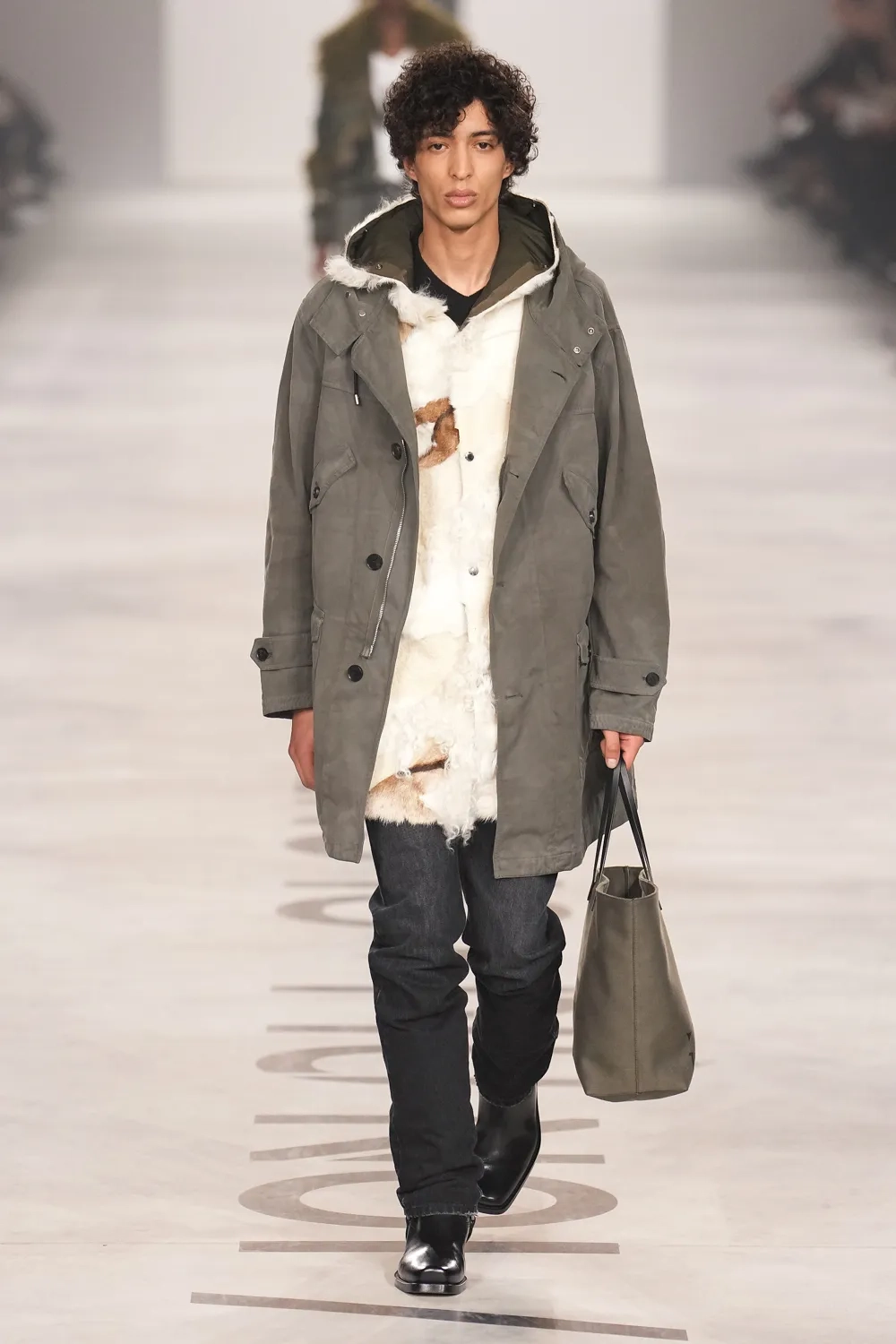
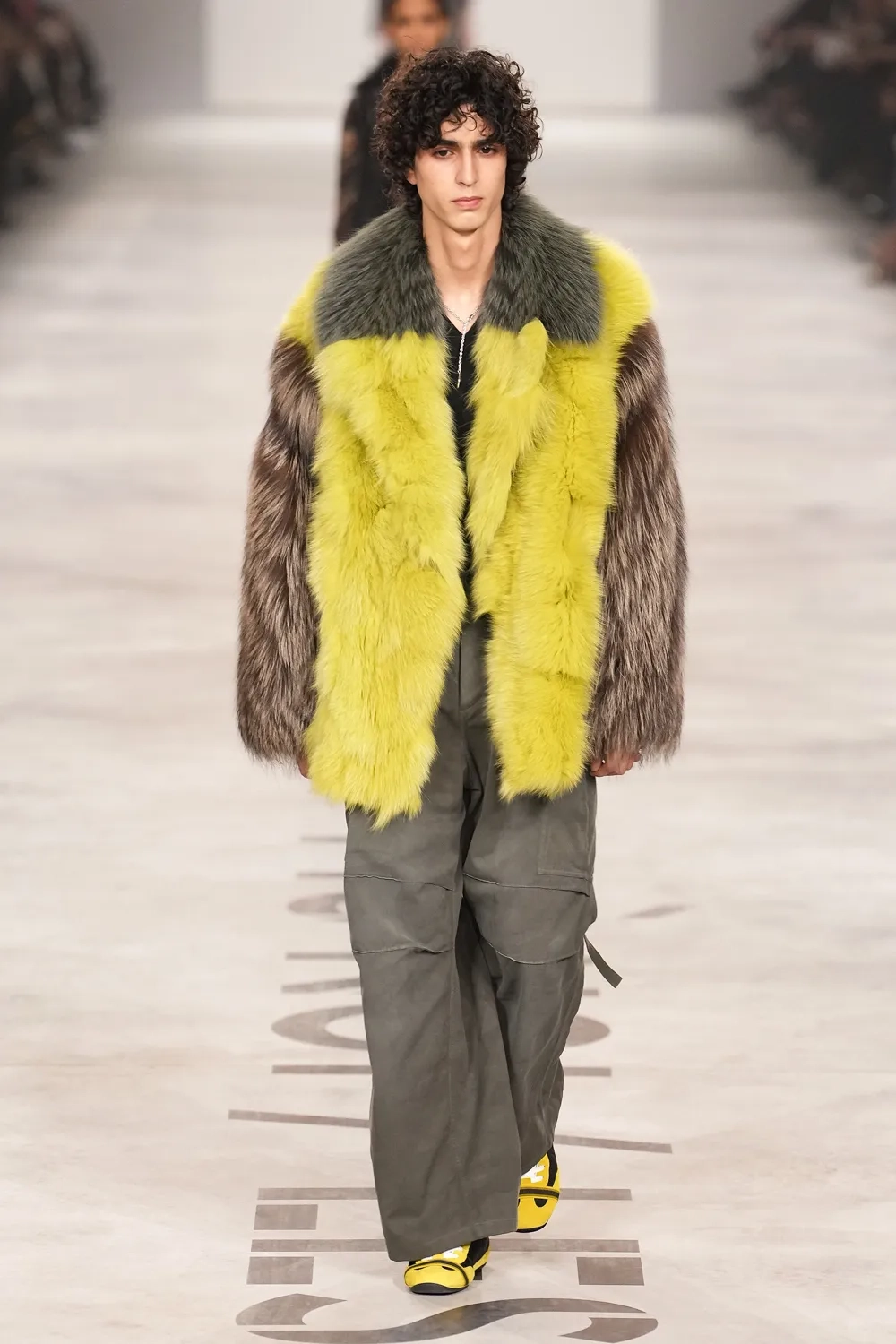
She introduced subtle variations through fabric and theme. Military references surfaced in an Army green flight suit, a worn-in motocross jacket in yellow and black offered a sharper note, while folkloric vests trimmed in fur injected texture into the otherwise black palette.
Dialogues with the House’s past
Maria also continued her engagement with contemporary art, collaborating with the estate of Italian sculptor and poet Mirella Bentivoglio on jewelry and graphic T-shirts. The accessories lineup remained commercially focused, led by heavily embellished Baguette bags.
The style, introduced shortly after the designer first joined Fendi in 1989 at age 24, remains one of the brand’s most recognizable signatures.
Teamwork as foundation
“It’s really exciting to start a new project,” Maria said backstage. She credited the five Fendi sisters as formative influences who emphasized teamwork and innovation within tradition. “They taught me to work in a team, to collaborate, to be innovative while maintaining tradition. Those are the elements of our work here.”
As Milan hosts a series of leadership changes this season, Fendi’s “shared wardrobe” philosophy evolves into a more defined aesthetic that will become clearer in the seasons ahead. For now, the focus is on construction and clothes designed for broad appeal.