Rebels Without A Cause
Rooted in rebellion, punk’s defiant style returns through double denim, leather, and New Wave influences




An expression of defiance
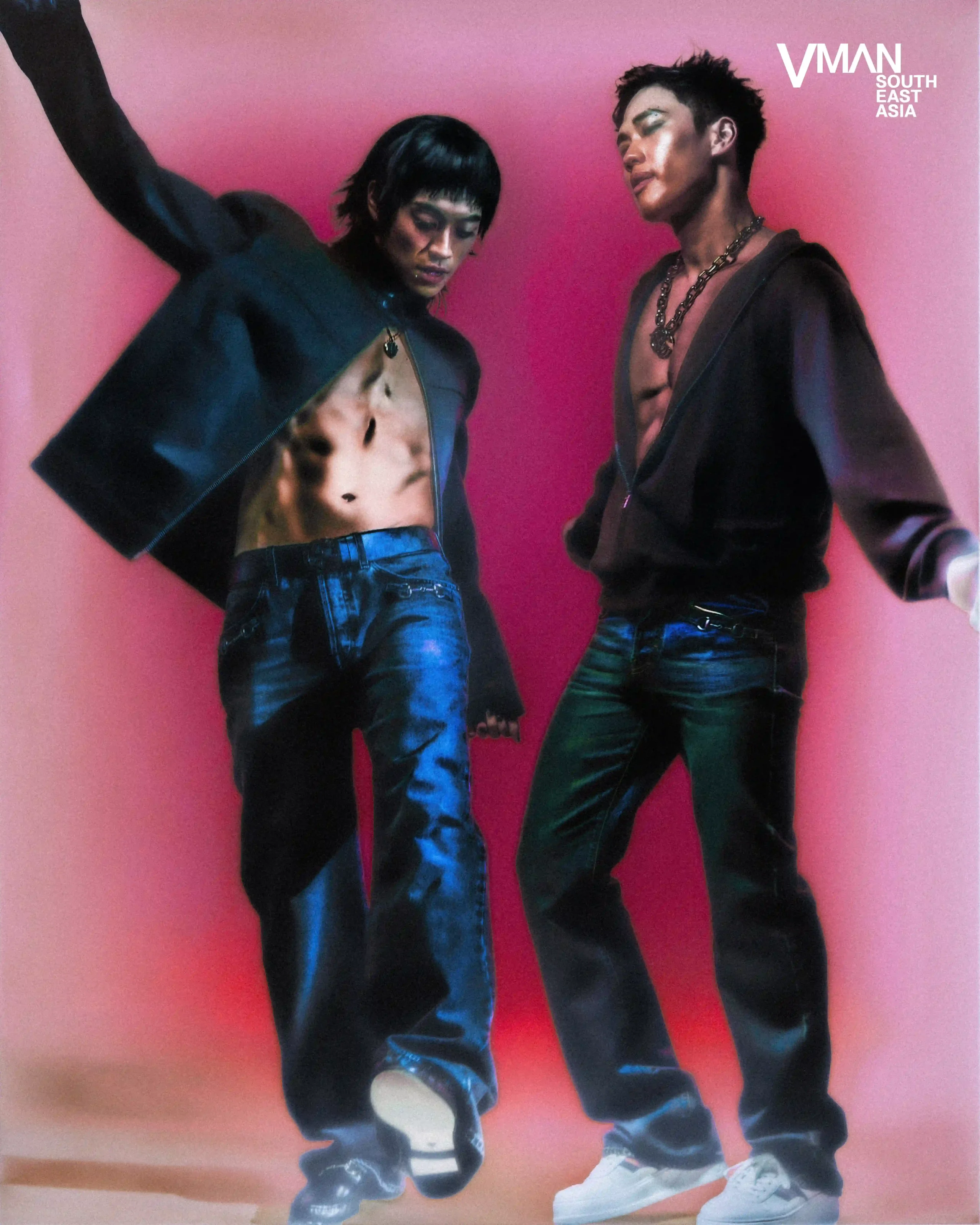
Born in underground clubs and concrete streets, punk has always belonged to those willing to challenge convention. Today, its rebellious codes return through double denim, leather, Napoleon-inspired silhouettes, and New Wave influences.
Punk rock arrived like a tear in the fabric of culture, a jagged expression of defiance against a world too comfortable with the expected.
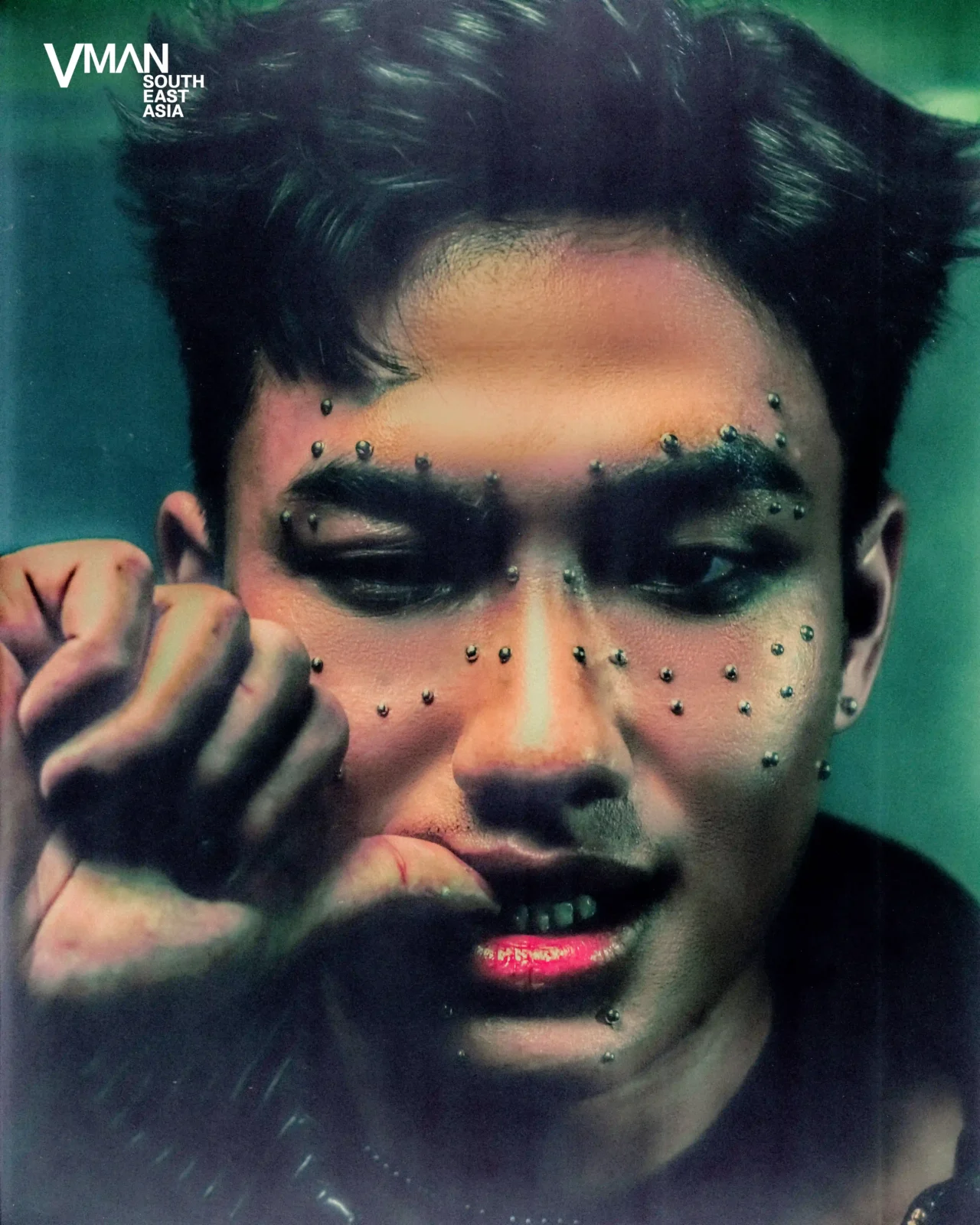
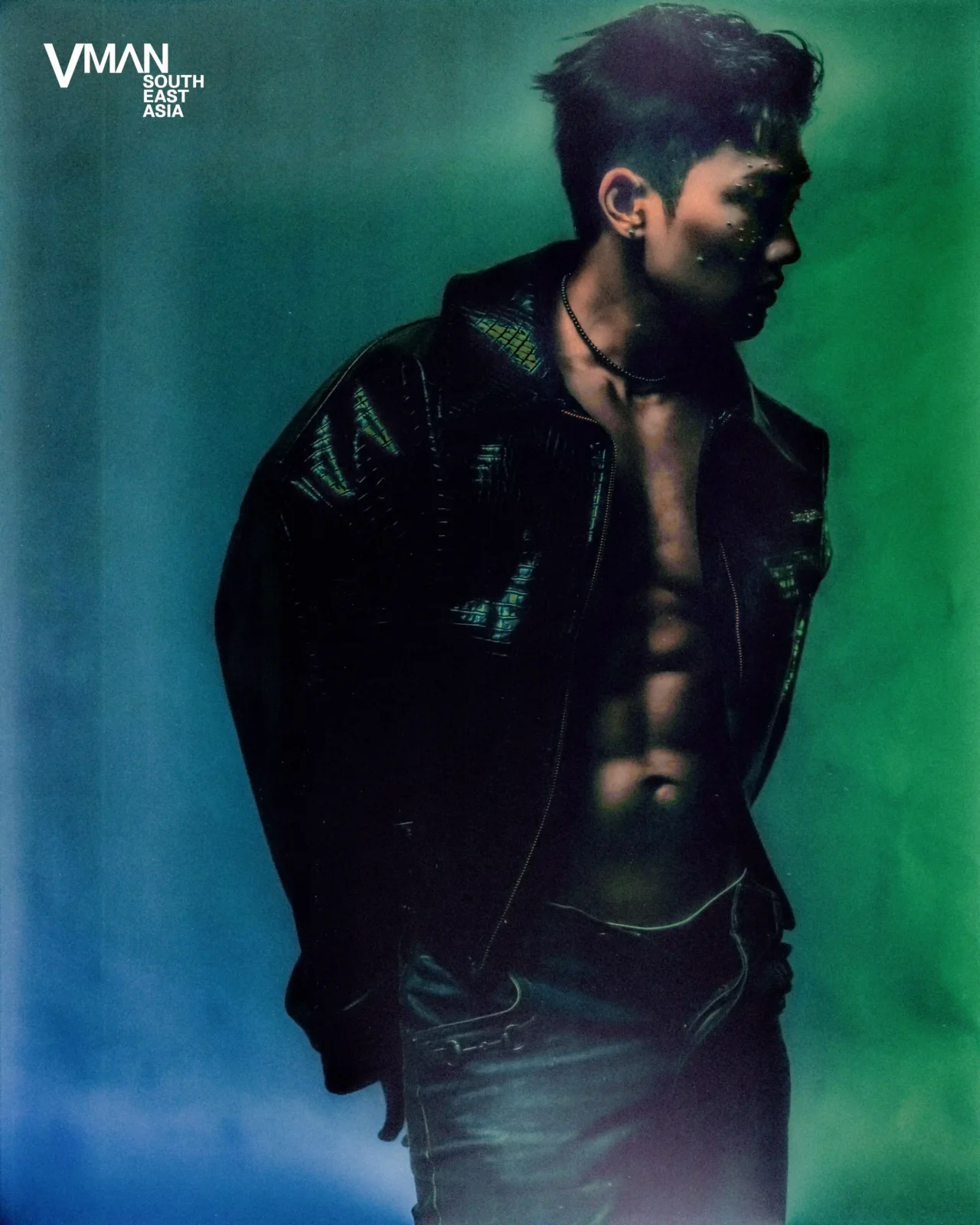
Hidden beneath the surface, punk’s rebellion revealed itself through metal hardware and sharp accents. What began as decoration became a visual language for those who refused to conform.
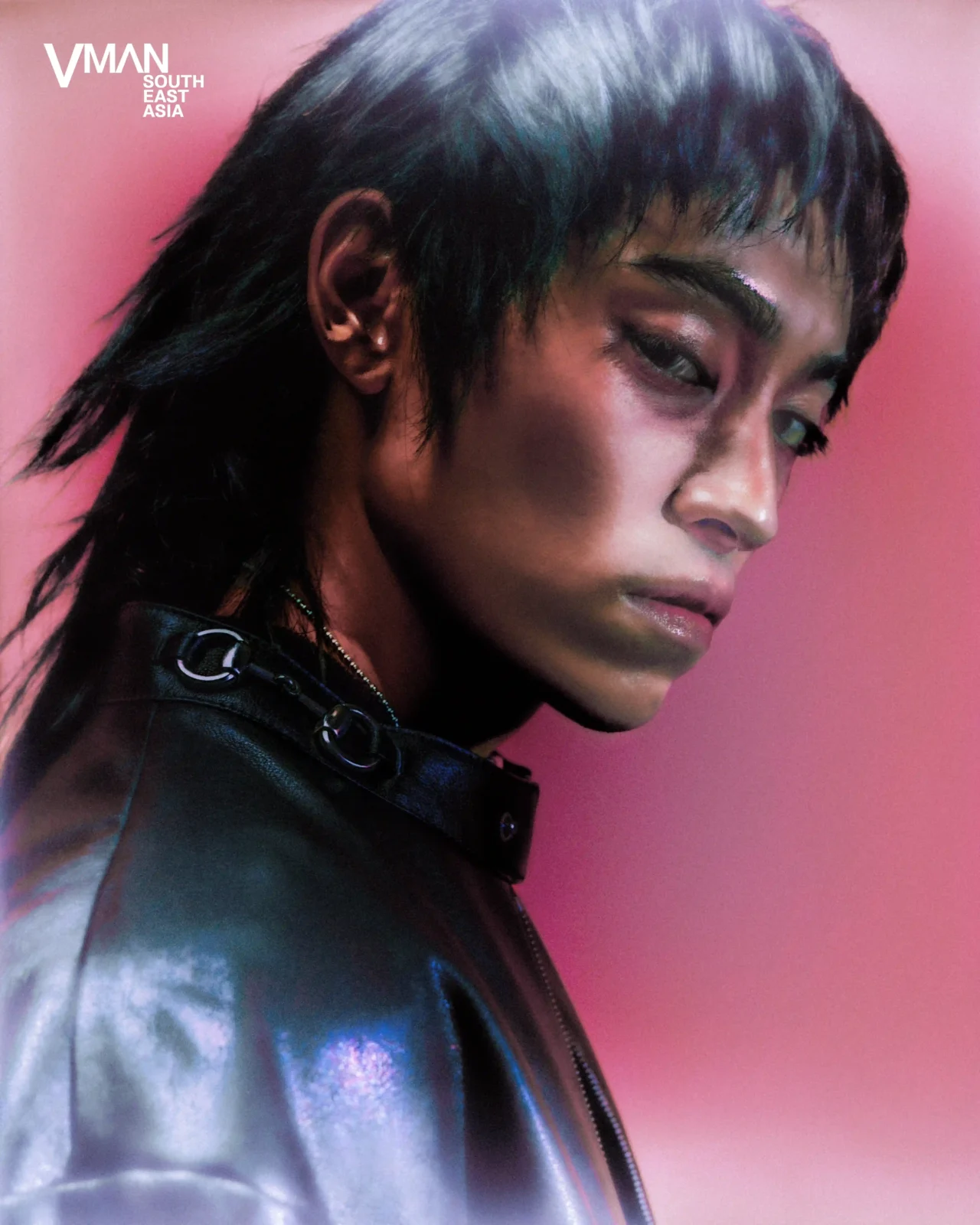
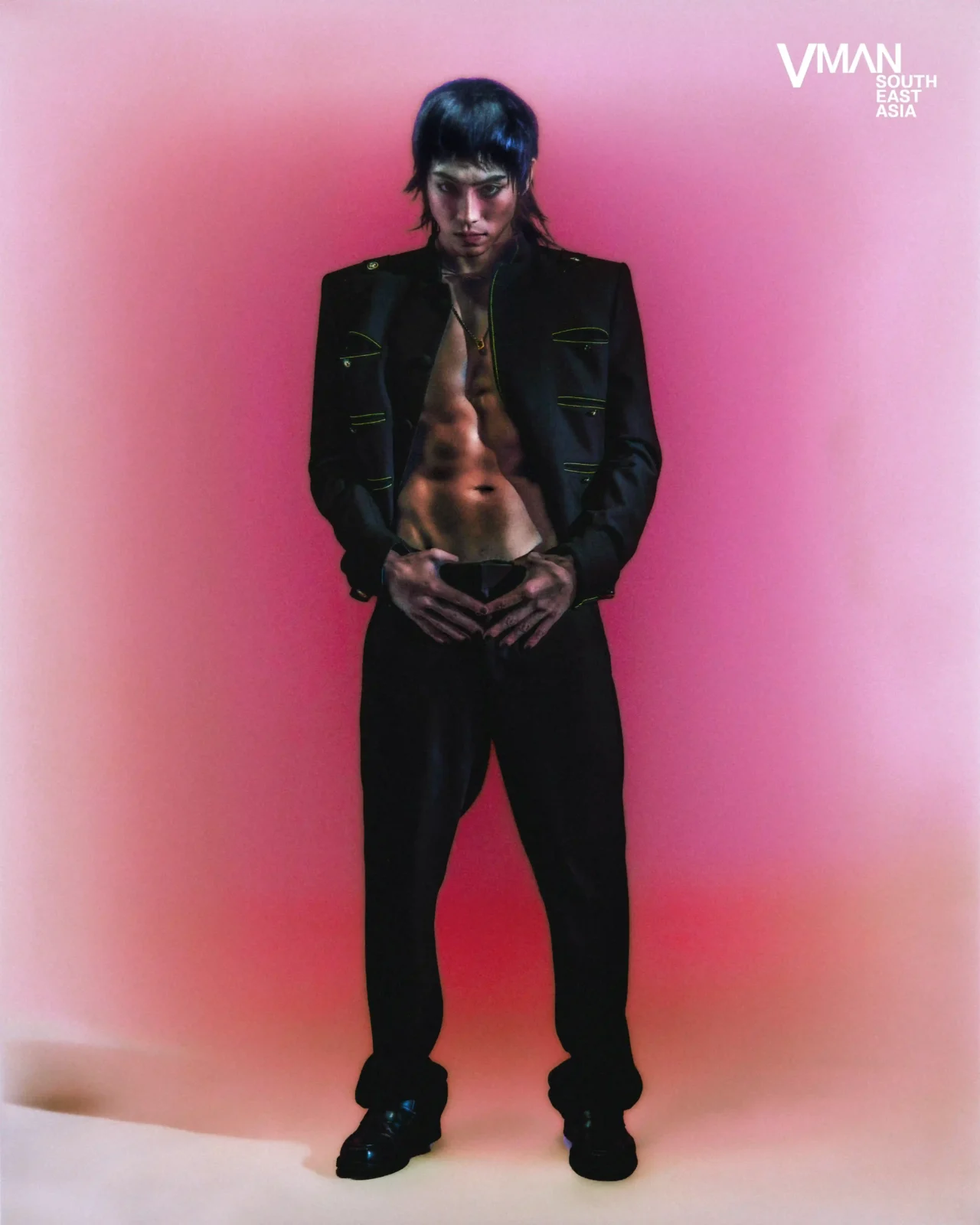
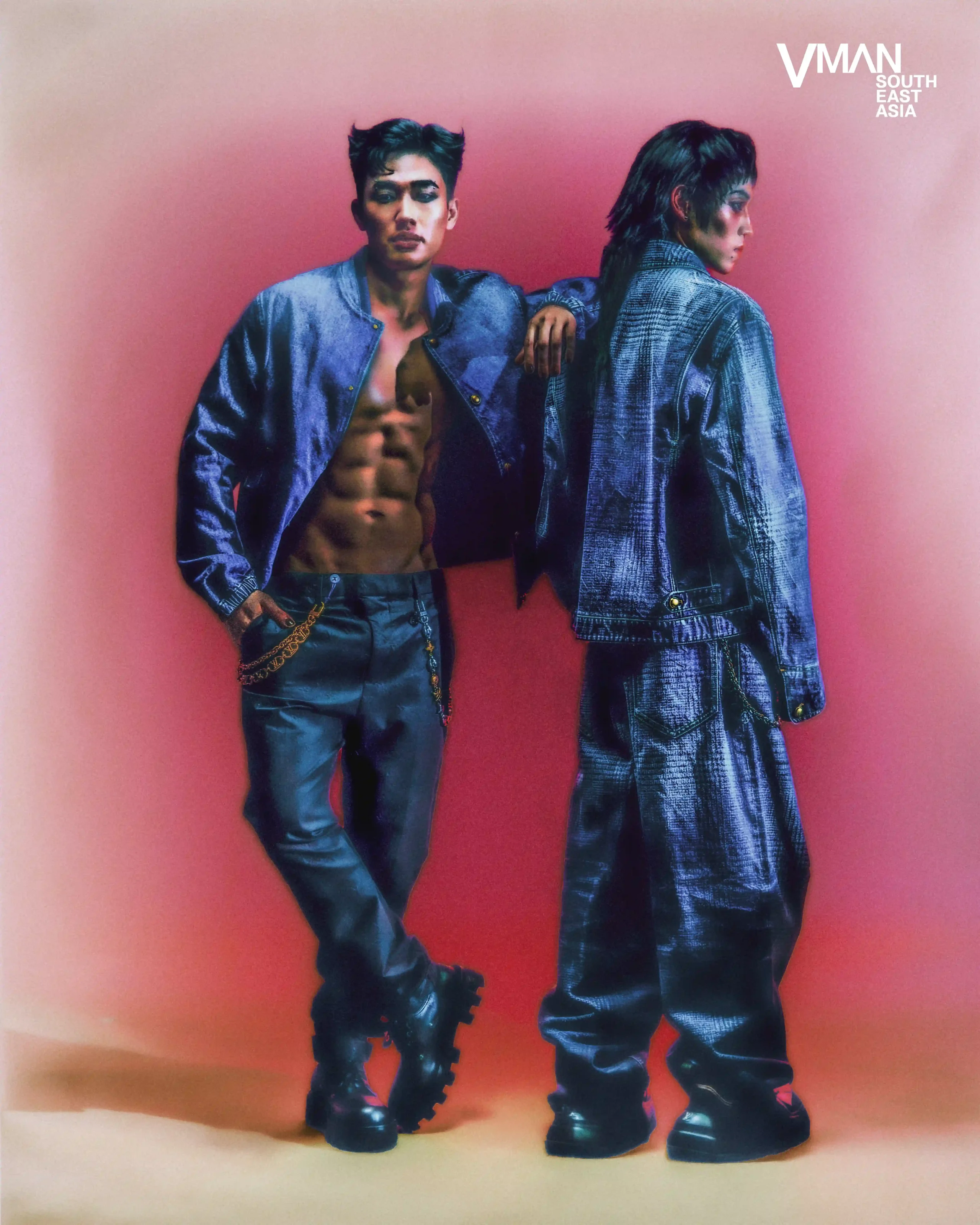
Gritty textures and spiked details collide with vibrant hues and theatrical silhouettes, proving that defiance can be bold without losing its bite.
Reinventing the rebel uniform
It transforms into a personal statement of confidence, where construction and body-skimming silhouettes turn self-expression into a second skin.
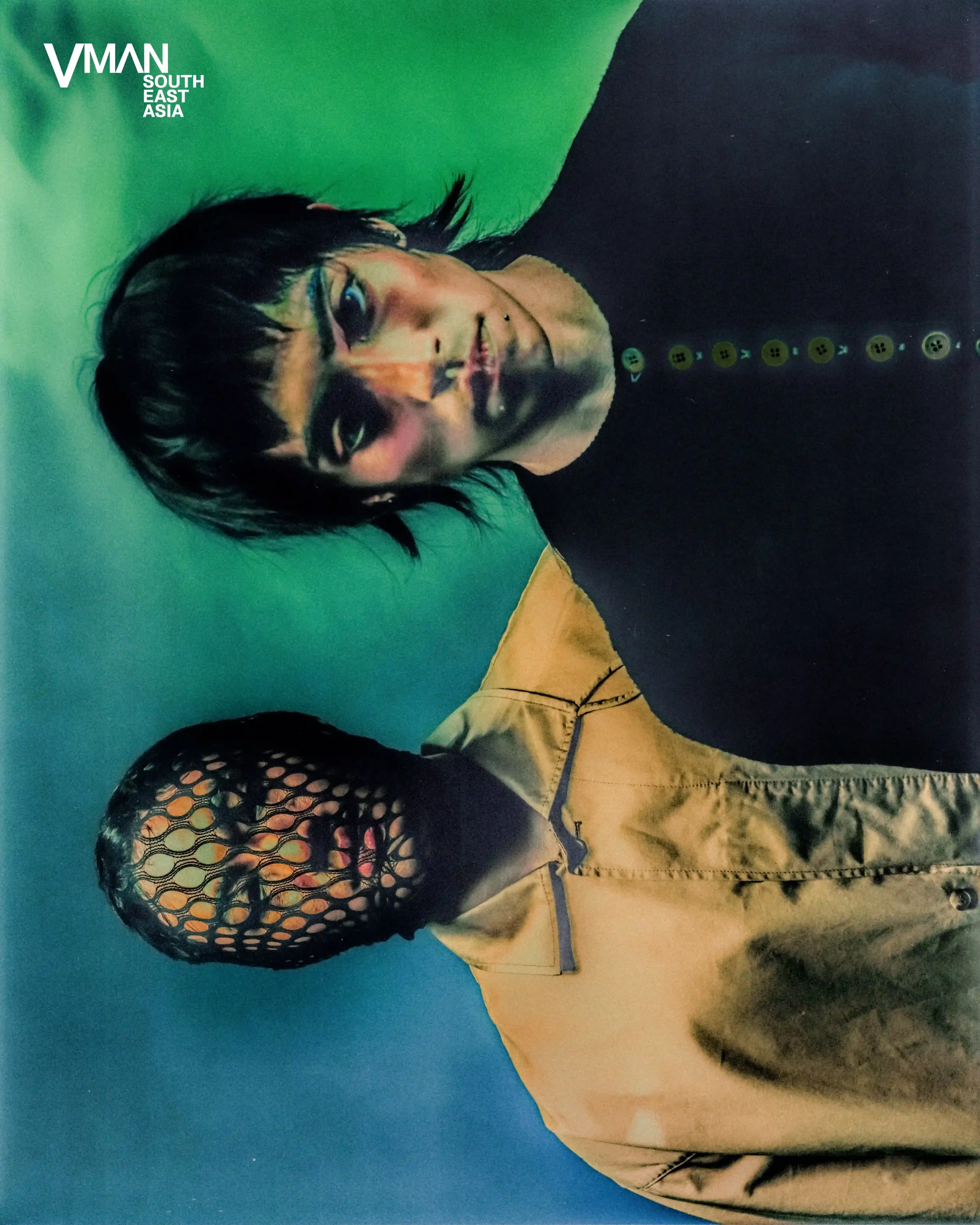
Beyond the reach of mass appeal, this leather-clad marriage of counterculture and craftsmanship preserves the authenticity that makes it impossible to replicate.
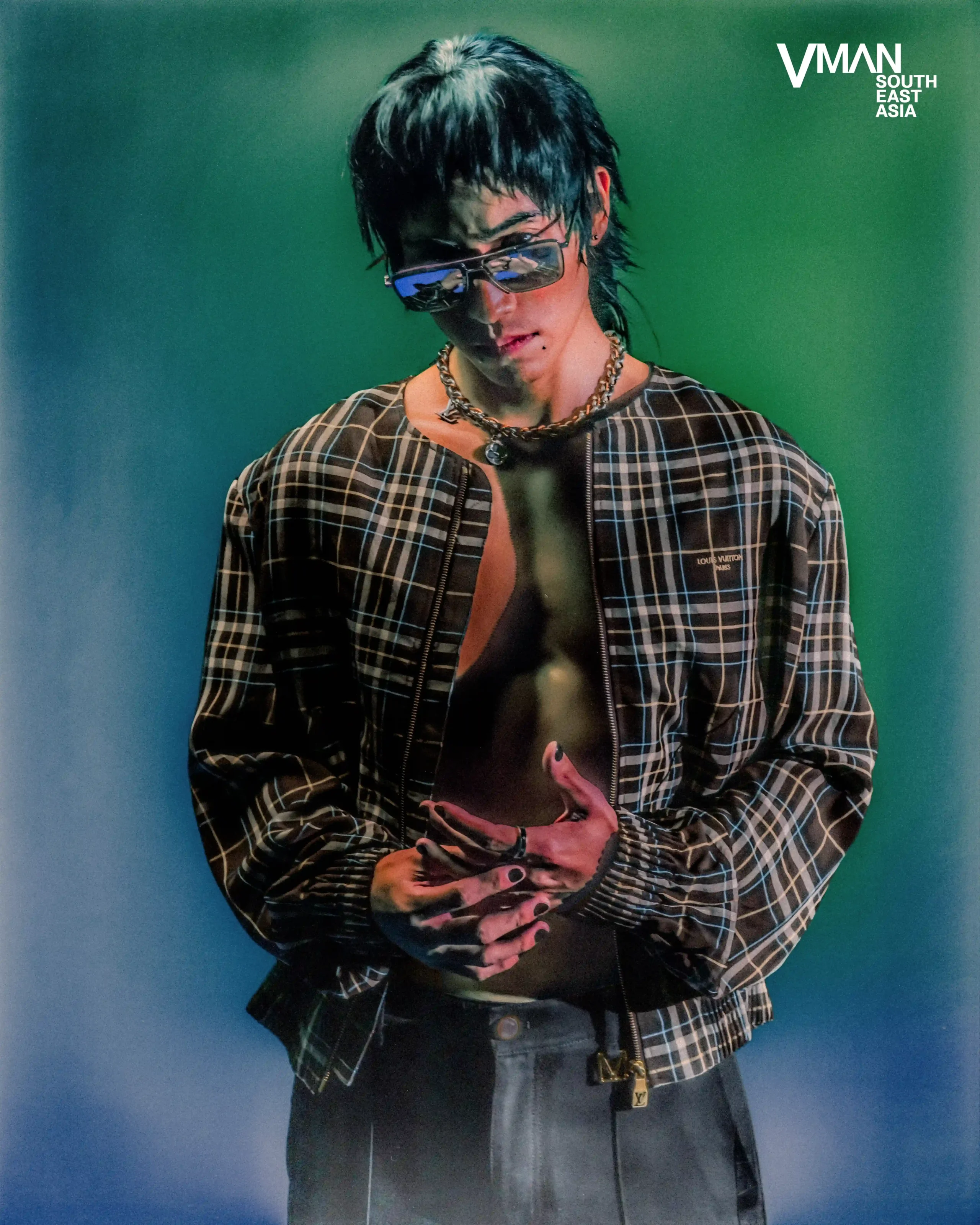
The attitude remains unchanged, even as the uniform evolves, shifting from punk rebels to a new era of self-expression.
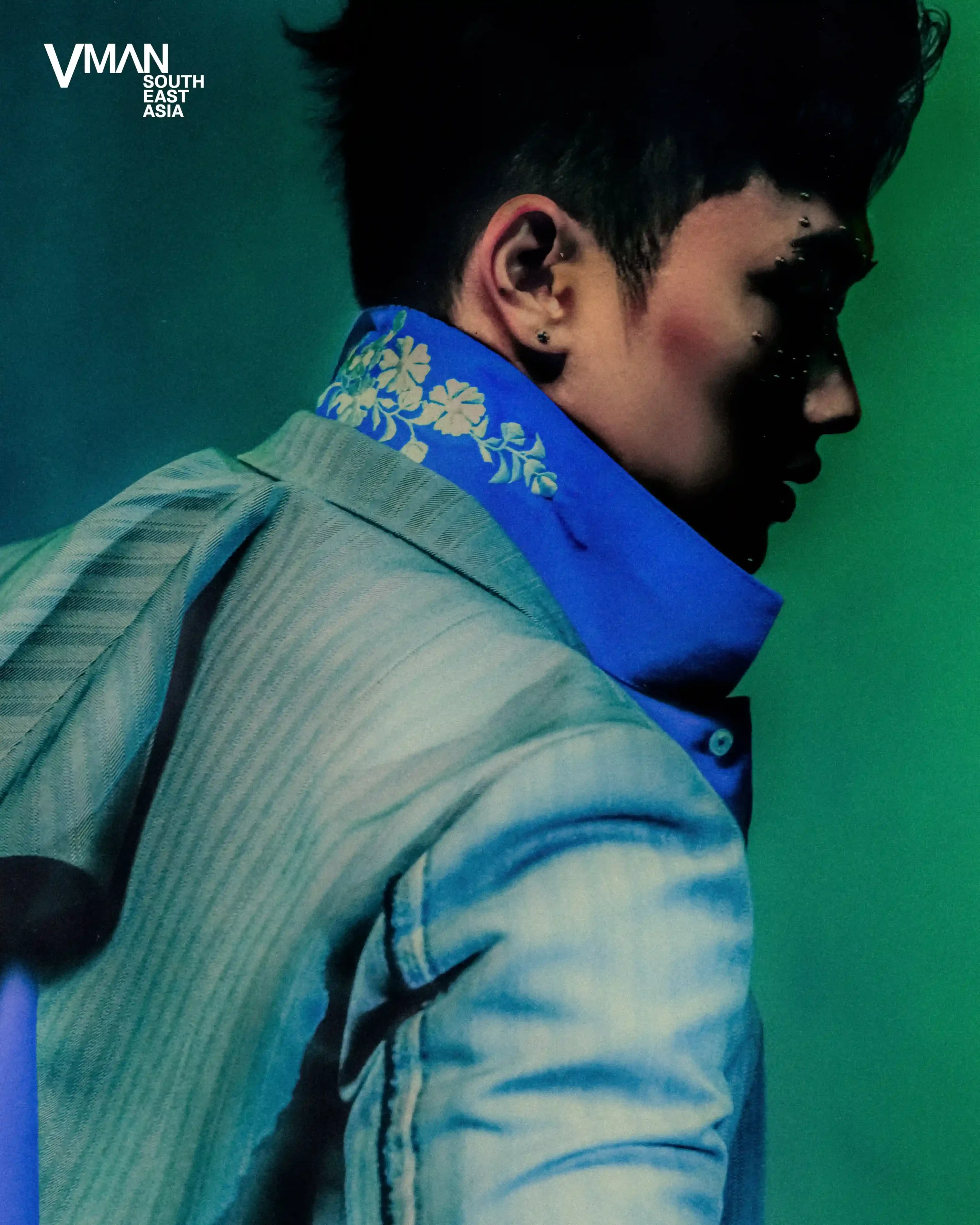
What once belonged to the underground now has a place on the modern stage, proving that attitude never truly loses its relevance.
A legacy of disruption
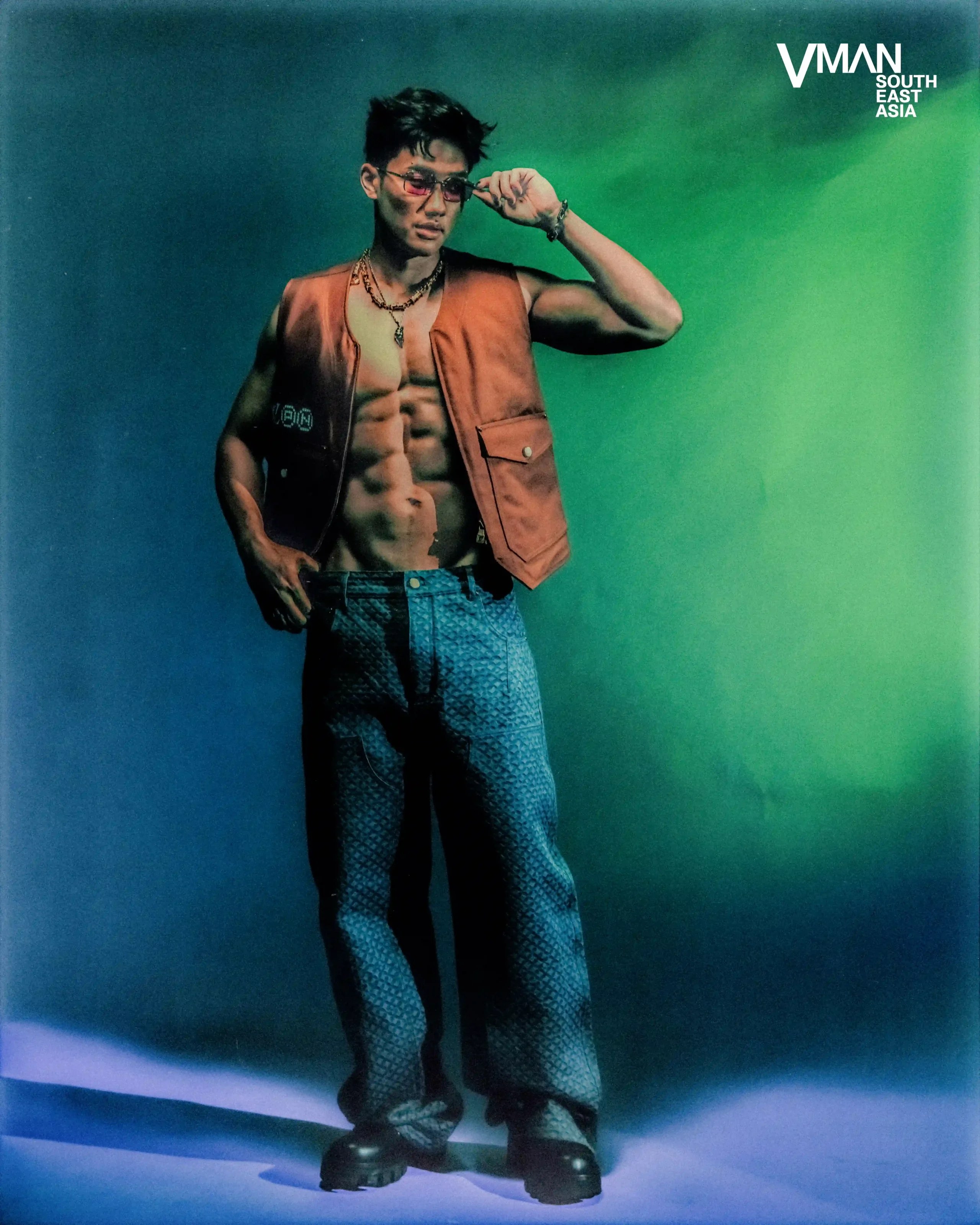
To wear it is to inherit a legacy of disruption, turning every look into a declaration of independence.
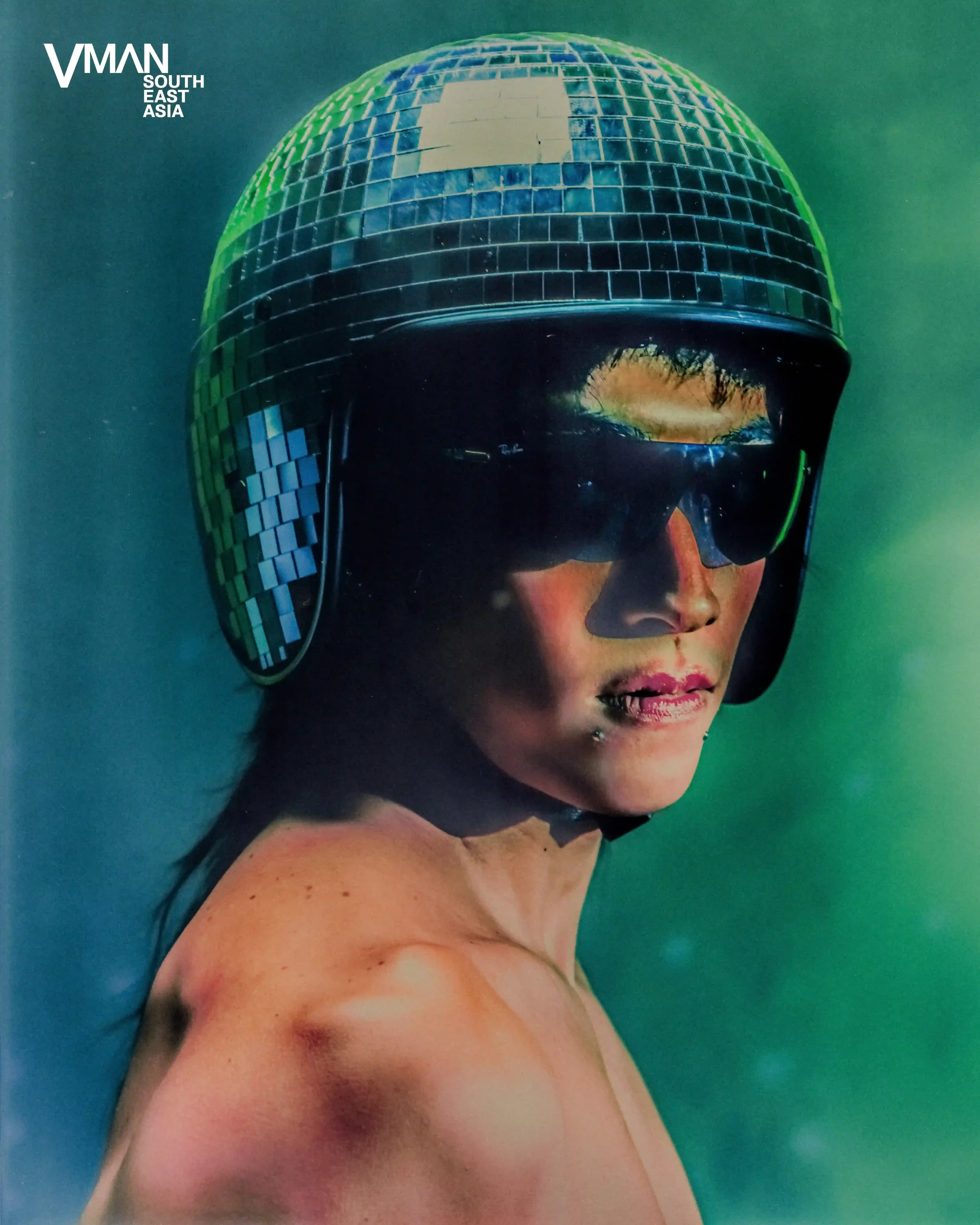
This act of defiance reminds us that true attitude is found in the imperfect, the unexpected, and those who dare to stand apart.
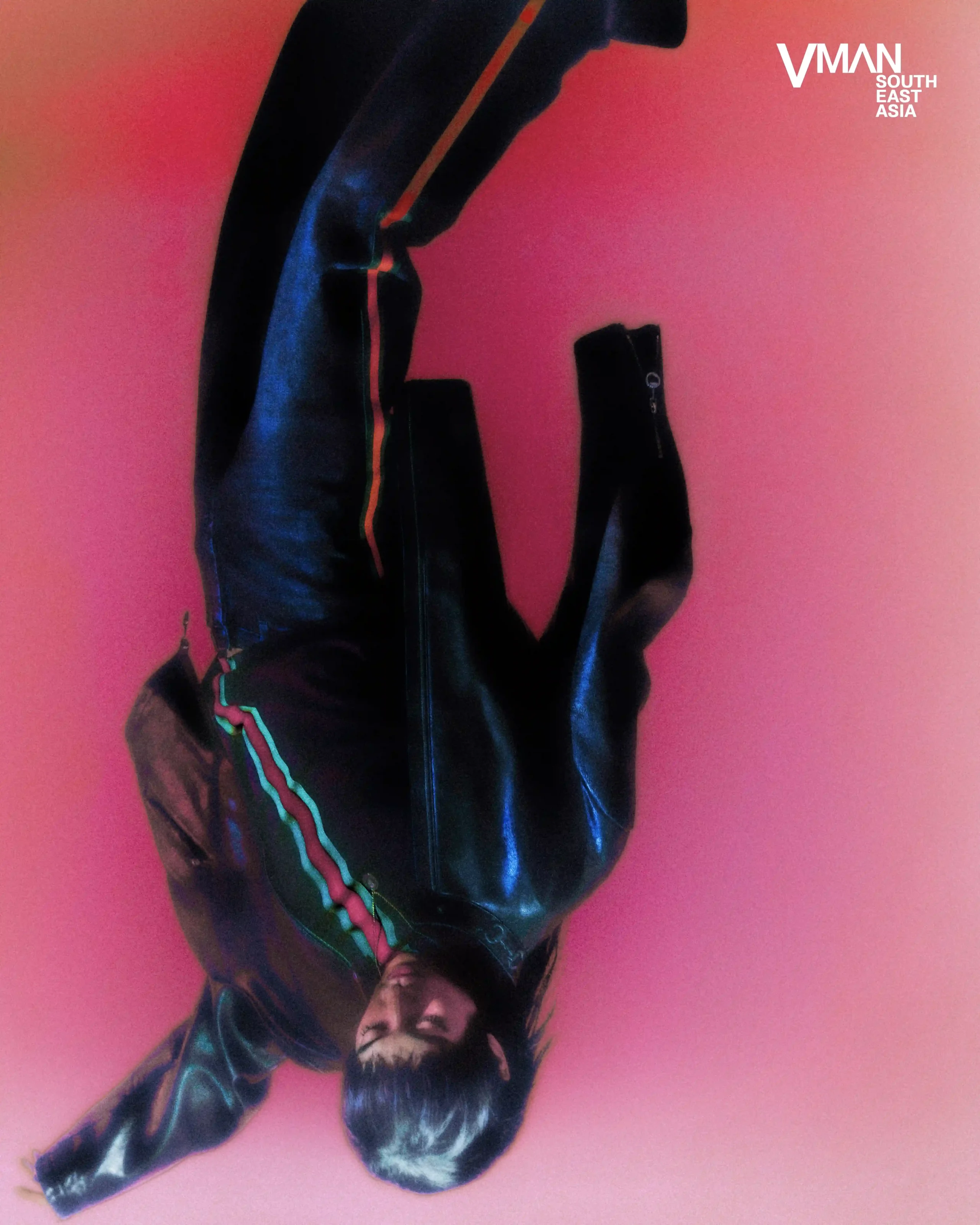
Every raw stitch and unexpected detail serves as a reminder that fashionFashionThe art and industry of designing, producing, and styling clothing, footwear, accessories, and beauty trends. It reflects cultural influences, personal expression, and evolving styles across seasons and markets.Go to Fashion Glossary’s most powerful statements are the ones that refuse to conform.
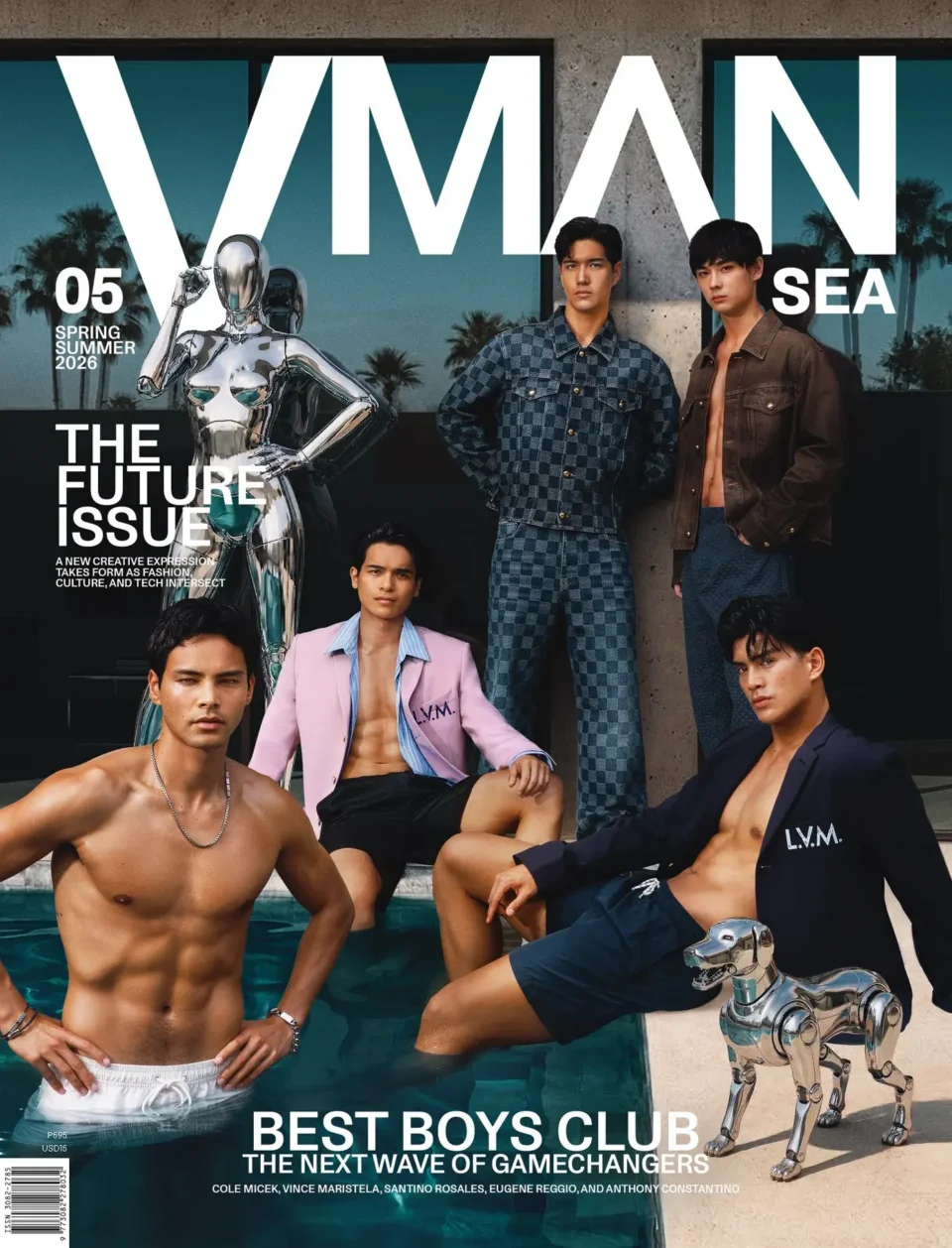
As seen in the pages of VMAN SEA 06: now available for purchase!
Chief of Editorial Content Patrick Ty
Photography Josh Tolentino
Art direction Mike Miguel
GroomingGroomingThe care and maintenance of hair, skin, beard, and nails, including cleansing, shaving, styling, and scent. Once niche, men's grooming has grown into a major lifestyle category, and VMAN's VanityGo to Grooming Glossary Janica Cleto
Hair Gab Villegas
Nails Julie Ann Tagana and Maria Angela Usison (House of Brows & Lashes)
Models Scott Treesongkiat and Daichi Enomoto (Mercator)
Photography assistants Xavier Mallari
Frequently Asked Questions
Punk fashion emerged in the mid-1970s, primarily centered in London, England, and New York City, acting as a visual protest against mainstream culture and economic anxiety.
Designers and cultural entrepreneurs like Vivienne Westwood and Malcolm McLaren pioneered the aesthetic through their London boutique (notably named SEX and Seditionaries), shaping the look of bands like the Sex Pistols.
Early punk style heavily utilized distressed materials, black leather, metal hardware, safety pins, chains, and intentionally ripped or modified garments to embrace a do-it-yourself (DIY) ethos.
It interprets punk as a legacy of disruption where rebellious codes return through double denim, leather, Napoleon-inspired silhouettes, and New Wave influences, turning self-expression into an act of independence.
Copies of VMAN SEA Vol. 06: The Present Issue are available for purchase now through official distribution channels and digital platforms.
Recommended Video