What Will the Future of the Menswear Runway Look Like?
An unease is settling over men’s fashion, hinting at a category that may be running out of room to reinvent itself




A landscape loosing its footing
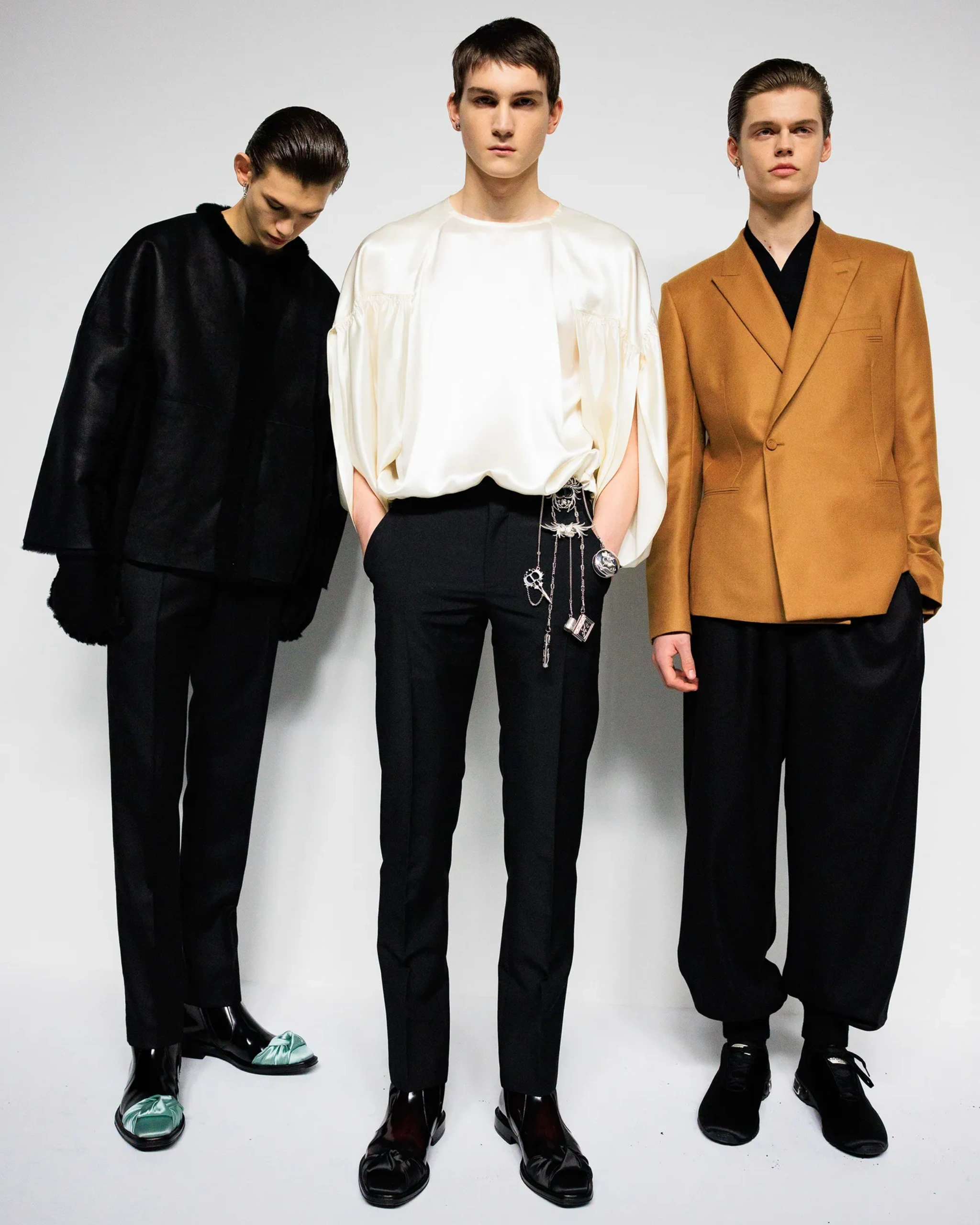
In recent seasons, the menswear landscape has begun to feel unsteady, as if the industry is trying to name a shift that has been unfolding in the background. What once felt like a stable and predictable corner of fashion is now marked by canceled runway shows, thinning schedules, and collections that appear to be repeating the same ideas.
The question circulating through studios and fashion weeks is simple: Is menswear entering a creative crisis?
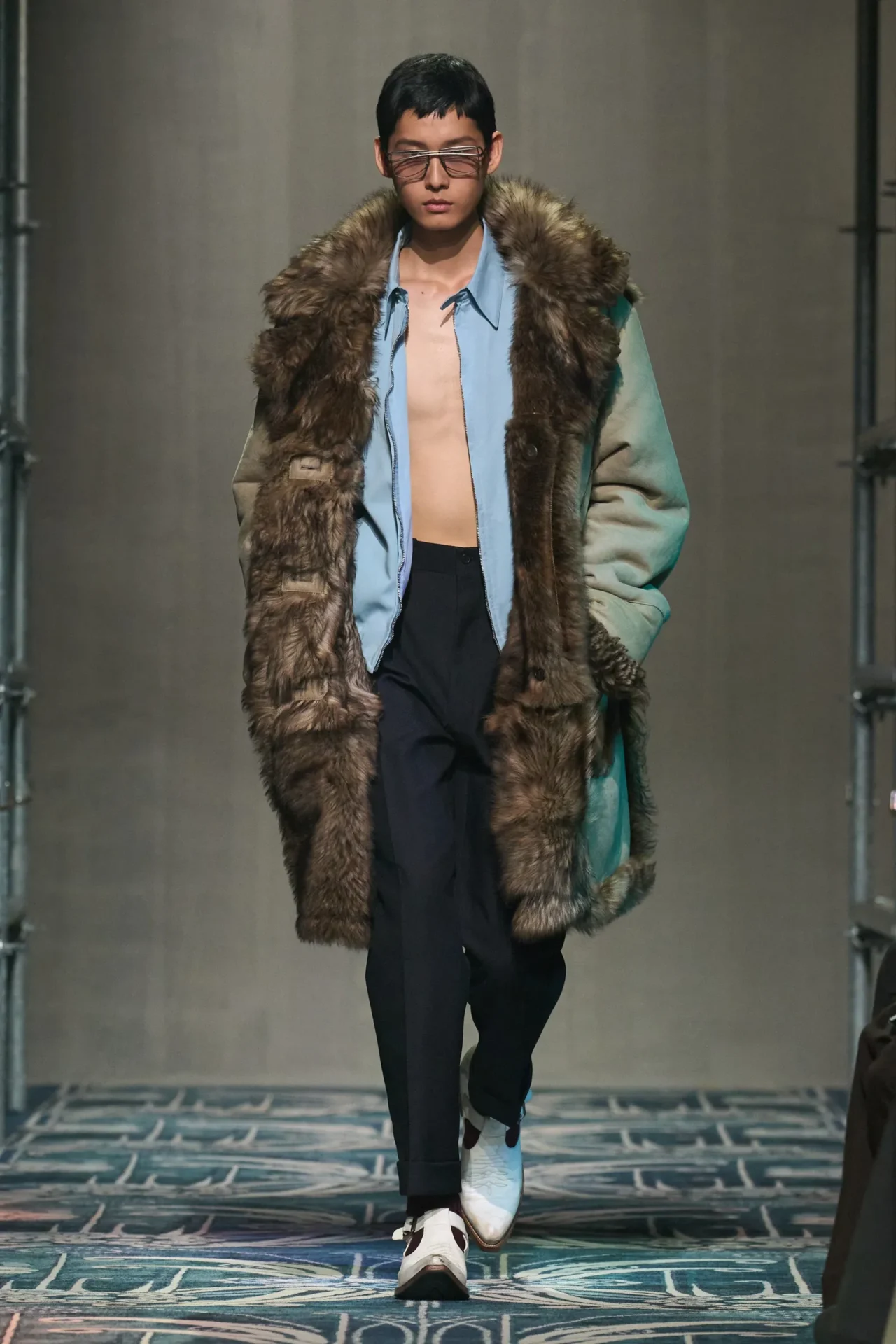
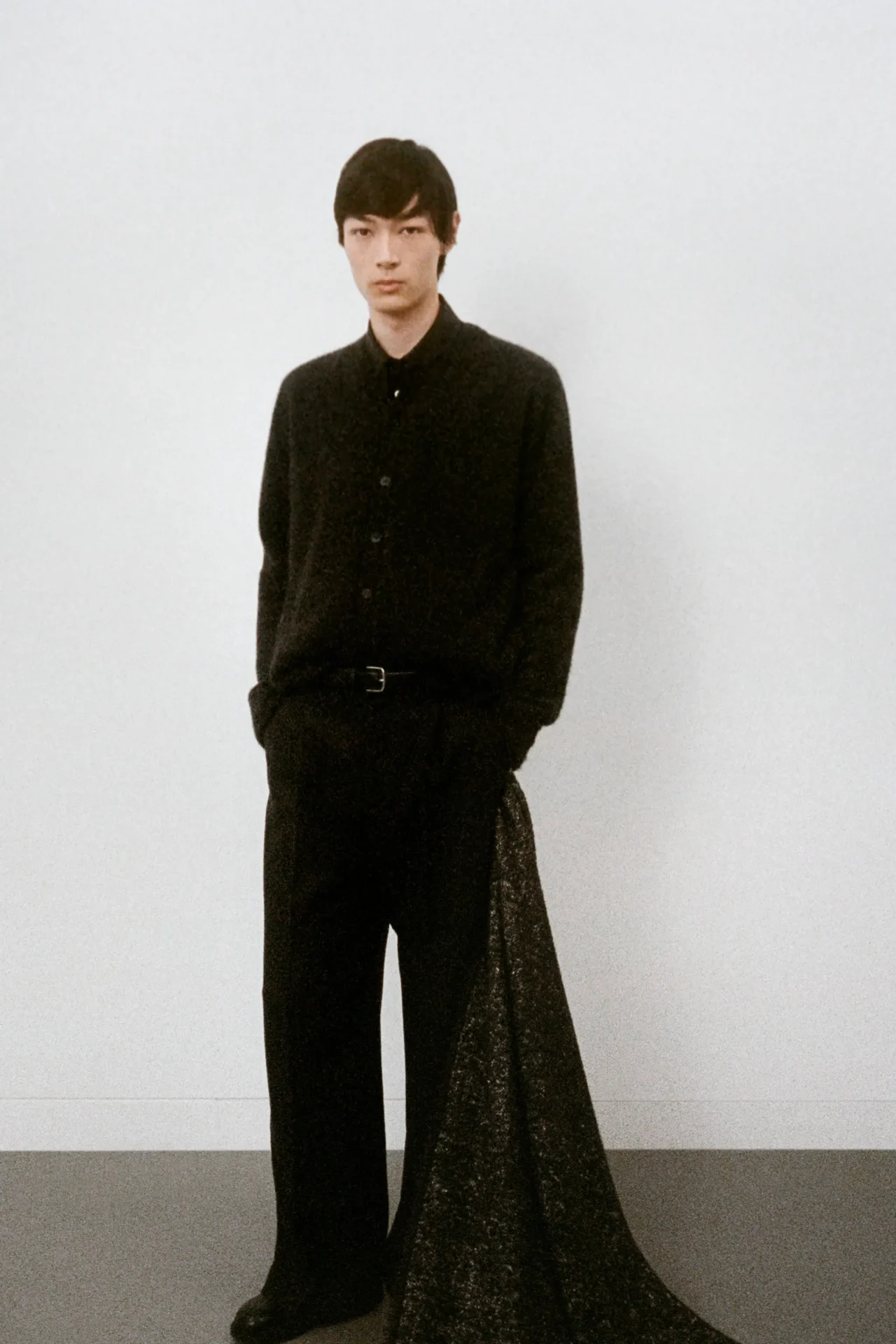
The signs are growing. London’s dedicated men’s week was cancelled entirely. Milan’s menswear calendar is shrinking each year. Designers describe a mood of uncertainty that sits just behind the scenes, probably a pressure that is neither dramatic nor outwardly chaotic but unmistakably present.
The industry’s long-held belief that menswear is steady has become less convincing at a moment when many major houses are reconsidering the value of a standalone men’s collection.
A category built on familiarity meets its limits
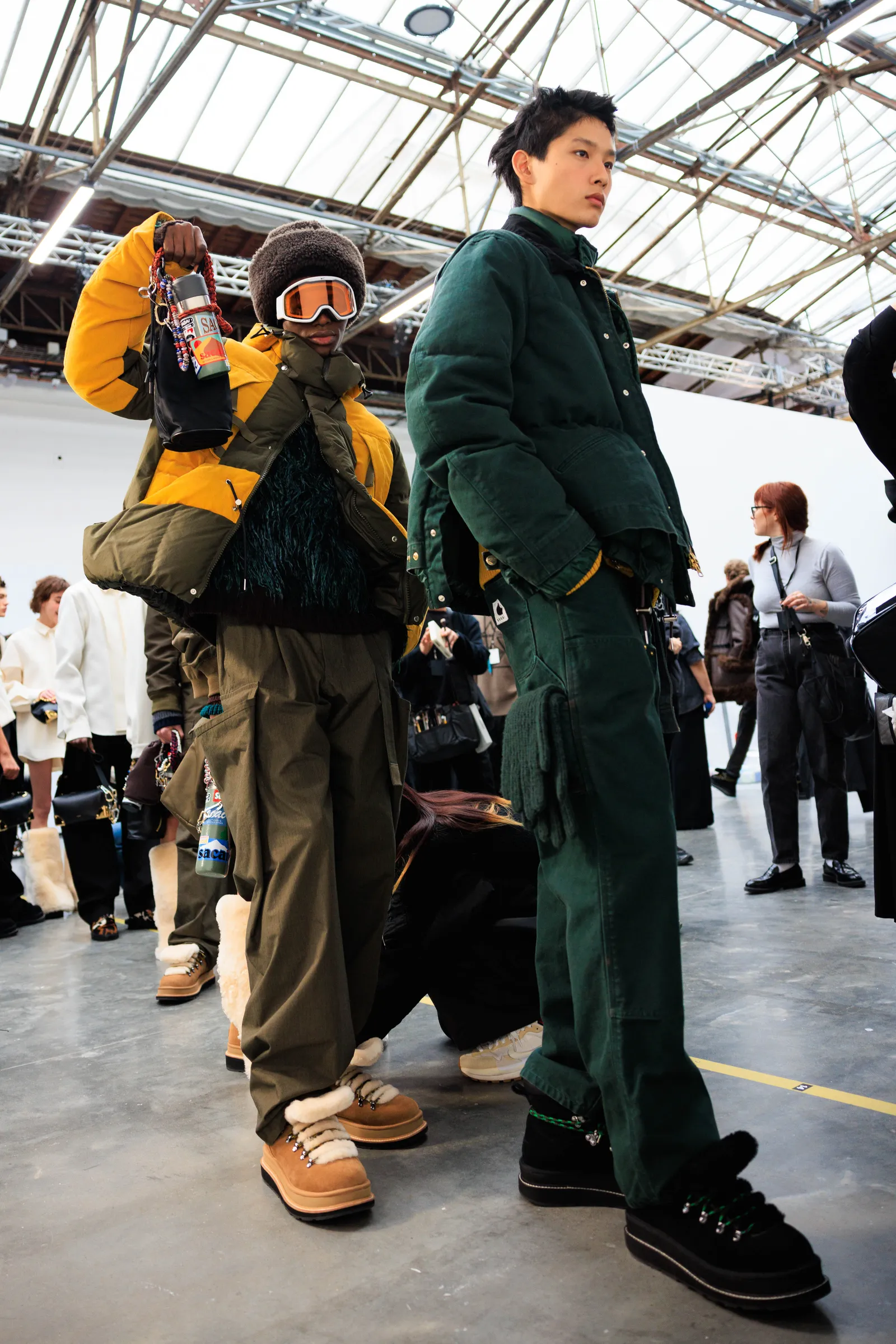
Part of the tension comes from the structure of the category itself. Men have historically designed menswear, which often leaves an audience reluctant to be pushed beyond familiar silhouettes. The idea that men do not like being told what to wear has shaped decades of design strategy. That resistance now feels like a real constraint. Designers can push only so far before the market pulls them back.
In response, several luxury houses have begun to condense or eliminate menswear shows. Emporio Armani, for example, is shifting to a co-ed format. At Kering, the stabilisation plan led to the removal of menswear from Alexander McQueen’s runway, leaving it as a commercial product rather than a creative focus.
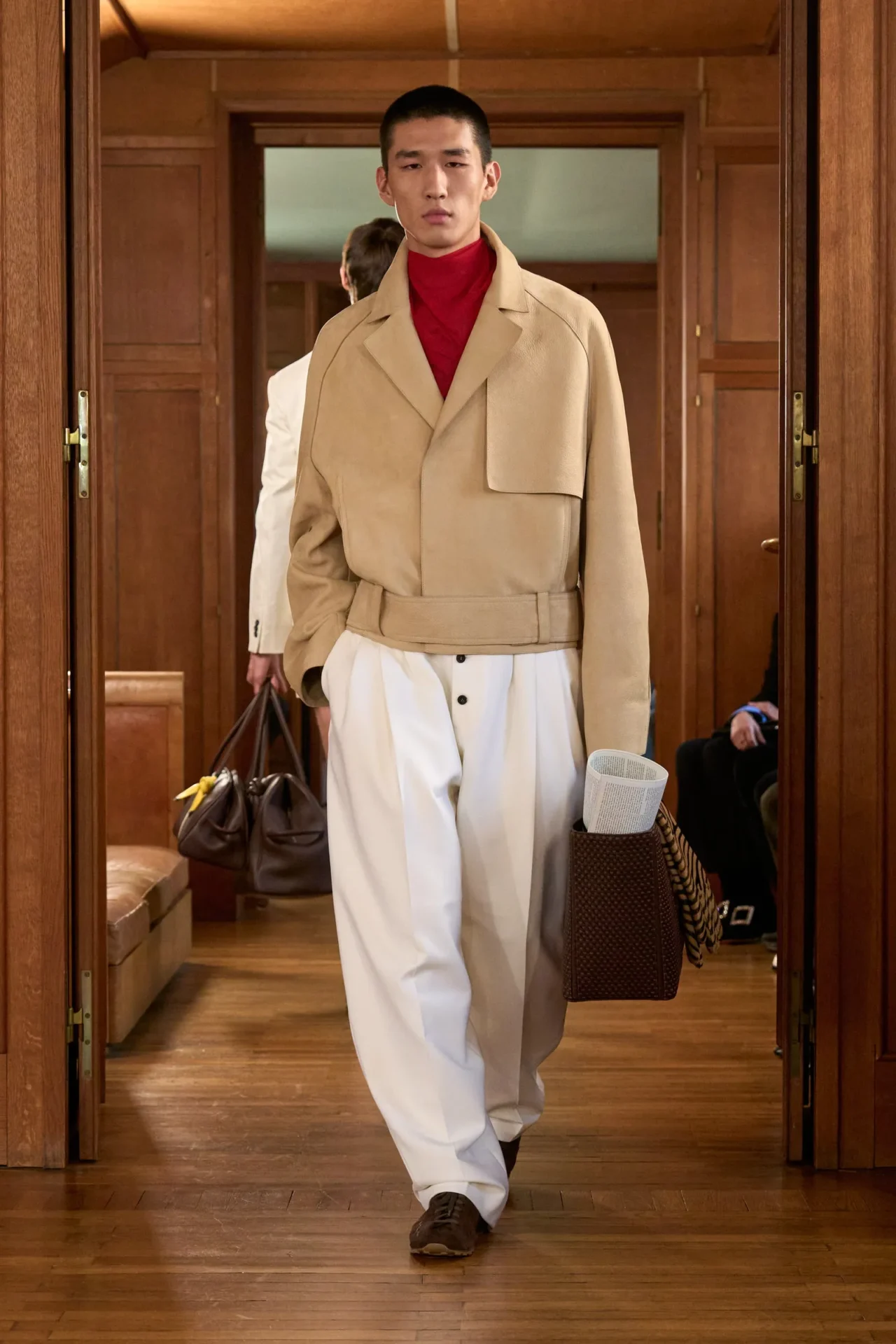
Gucci has been presenting co-ed for years and intends to continue. The fate of menswear remains uncertain at Loewe, Balenciaga, and Givenchy, all of which are navigating new creative directions.
The pattern continues across LVMH. Dior Men has not held a dedicated Resort show since 2022. Jonathan Anderson presented his latest Pre-Fall 2026 menswear collection only through a lookbook.
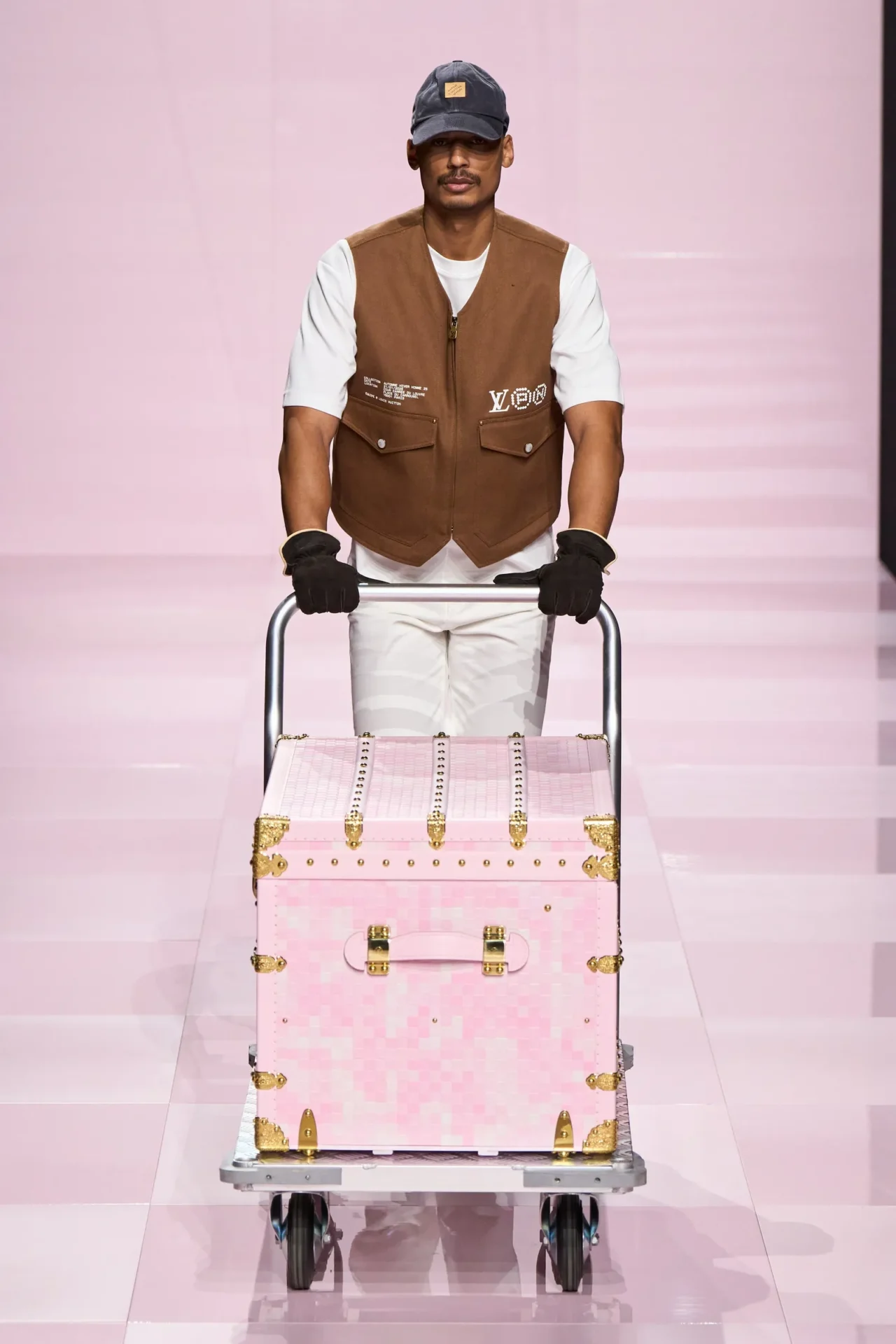
Louis Vuitton last staged a men’s pre-collection runway in 2023. Since then, the House has limited itself to two annual men’s shows, while womenswear continues at a faster pace. Fendi and Kenzo merged both lines into co-ed presentations, and Berluti, which primarily serves men, has not shown for five years.
When commercial logic outruns creative vision
Behind these decisions is a practical reality. Staging a show costs millions. Menswear does not currently generate the same level of sales or cultural attention as womenswear. The category that produces the least revenue often becomes the first to be scaled back.
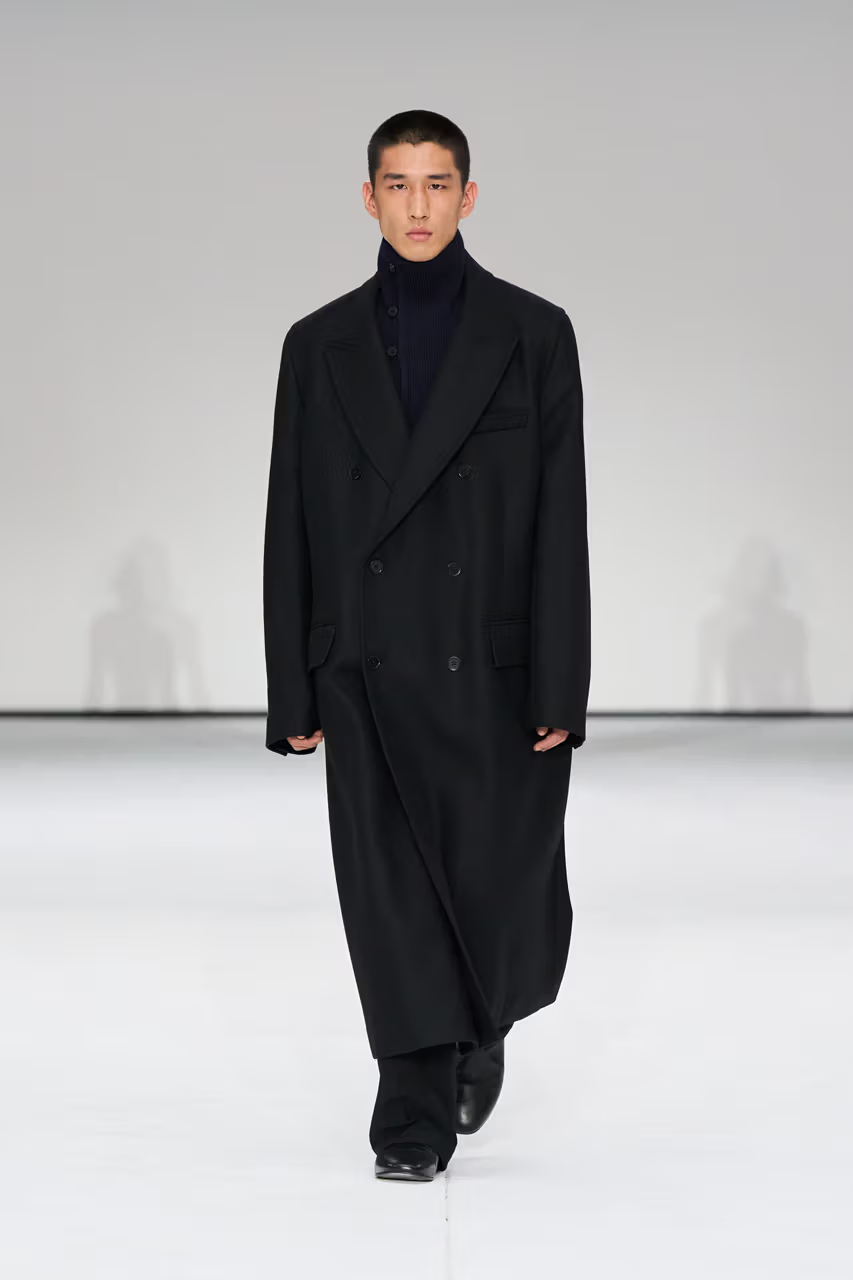
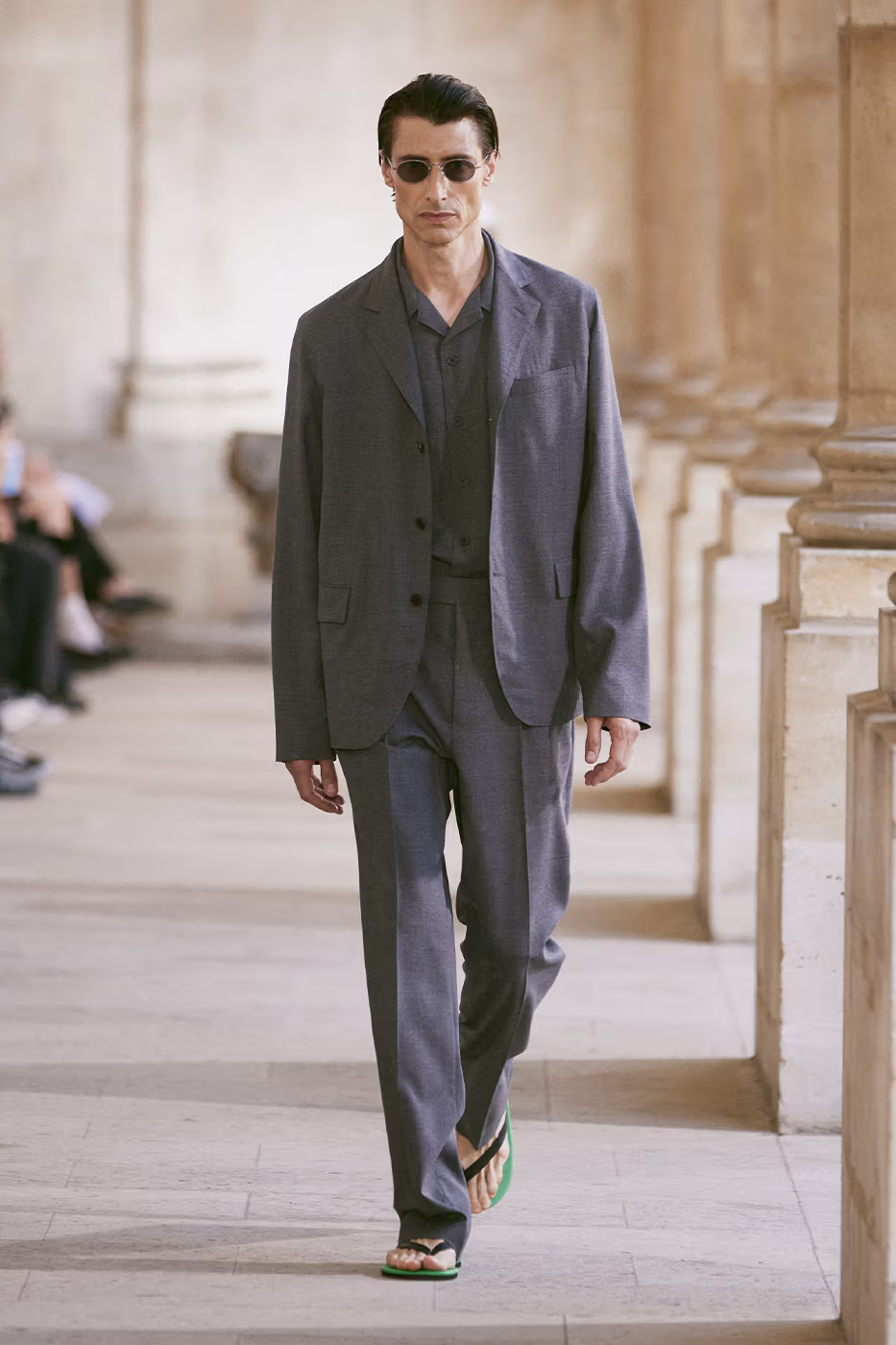
At the same time, the men who care most about fashion are shifting their attention to smaller labels. Conversations in niche communities focus on brands like Auralee, Our Legacy, Acne Studios, COS, and Uniqlo. They have built strong followings by offering distilled silhouettes and exceptional materials, rather than dramatic reinvention.
Despite this enthusiasm, the broader menswear market appears stagnant. Basic clothing still dominates sales. Trend cycles move slowly. A sense of sameness has settled over much of the category.
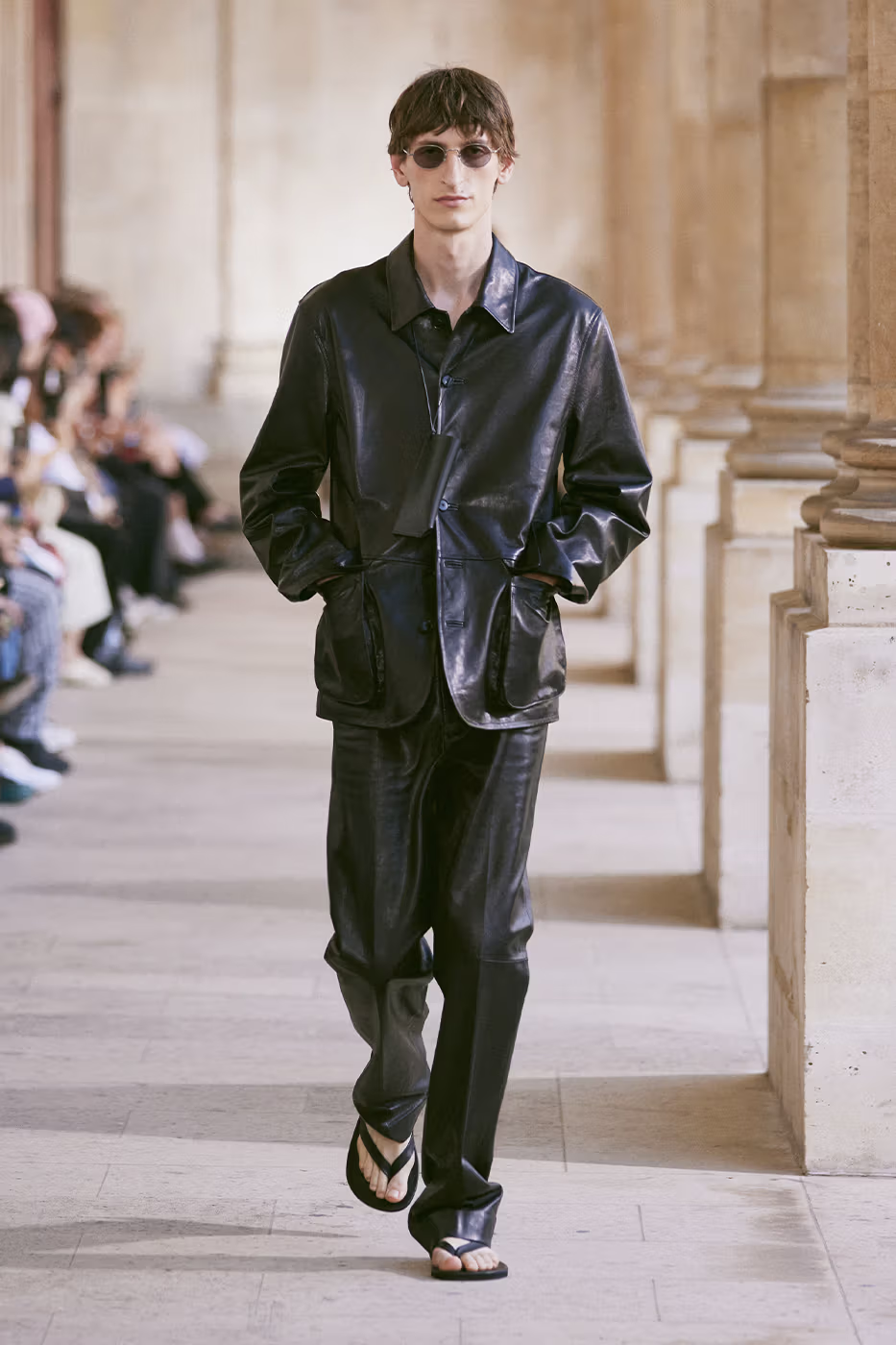
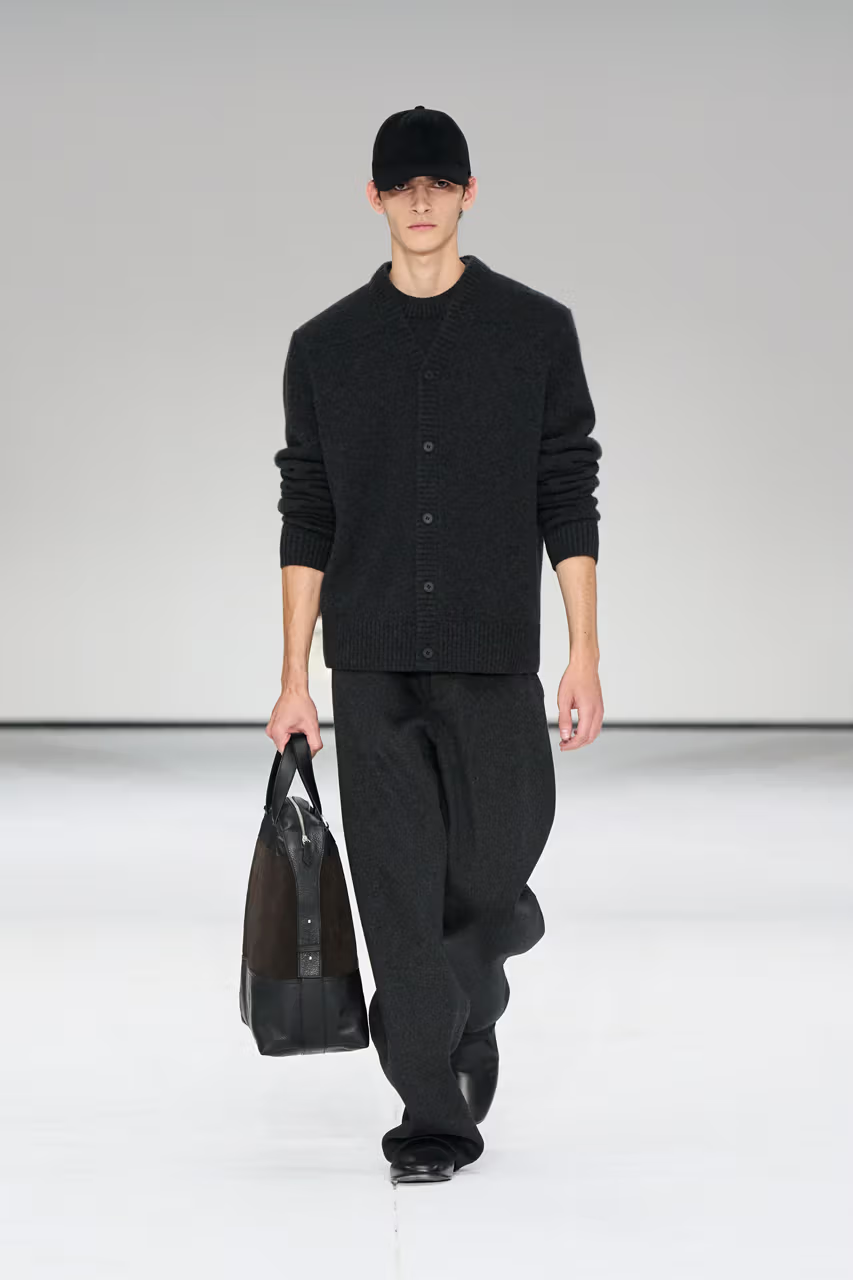
Tailoring, utilitarian, grunge, and preppy styles blur into a familiar loop, and even the minimalist Japanese labels remain anchored to variations of these themes. The result is a feeling that menswear is not evolving quickly enough to keep pace with consumer expectations or cultural shifts.
A retreat from the center of fashion’s stage
The question is not whether menswear is disappearing. Instead, the industry is asking why the category seems to be retreating from the spotlight. The answer appears to lie in its structural limits and in a market that rewards safety over experimentation.
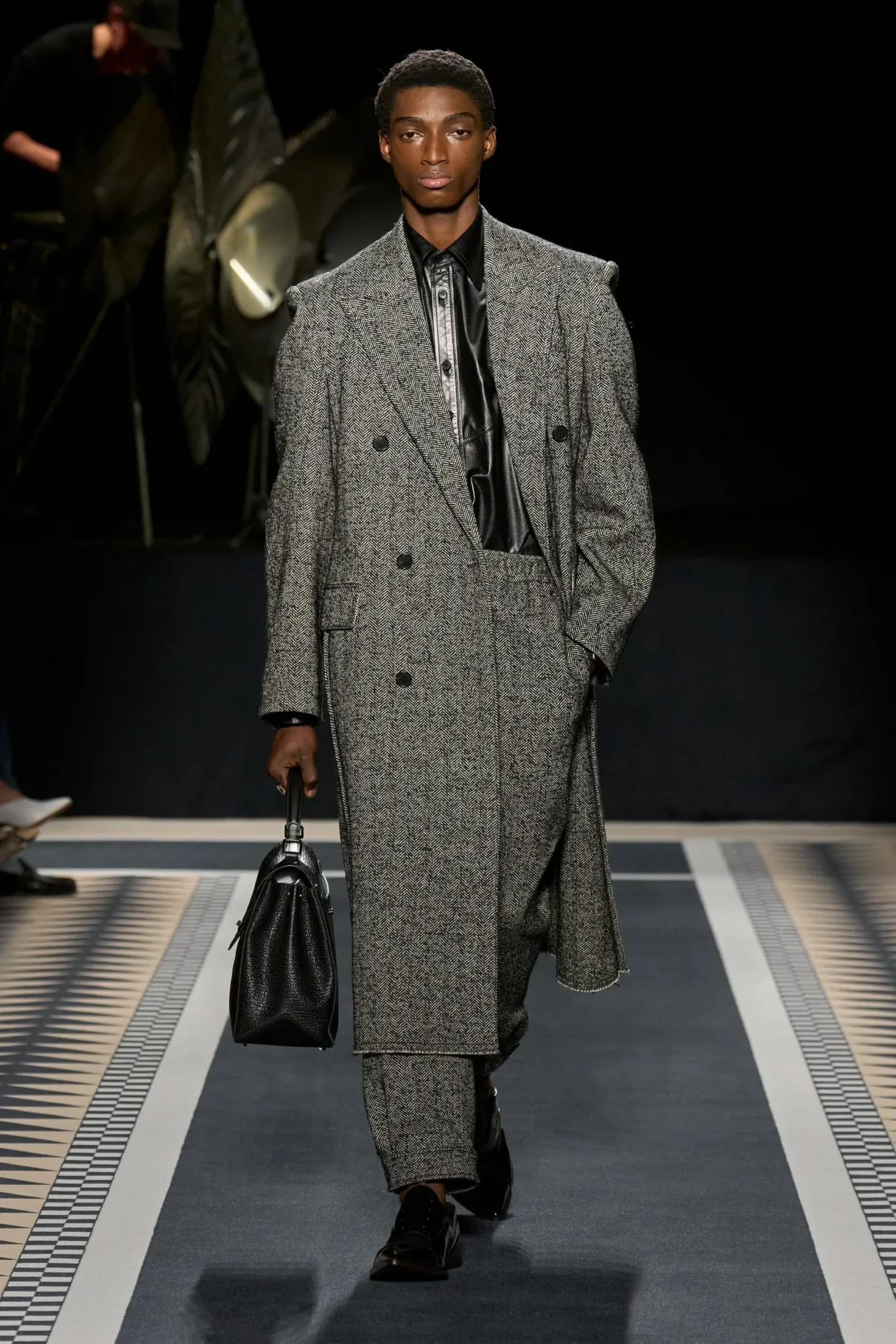
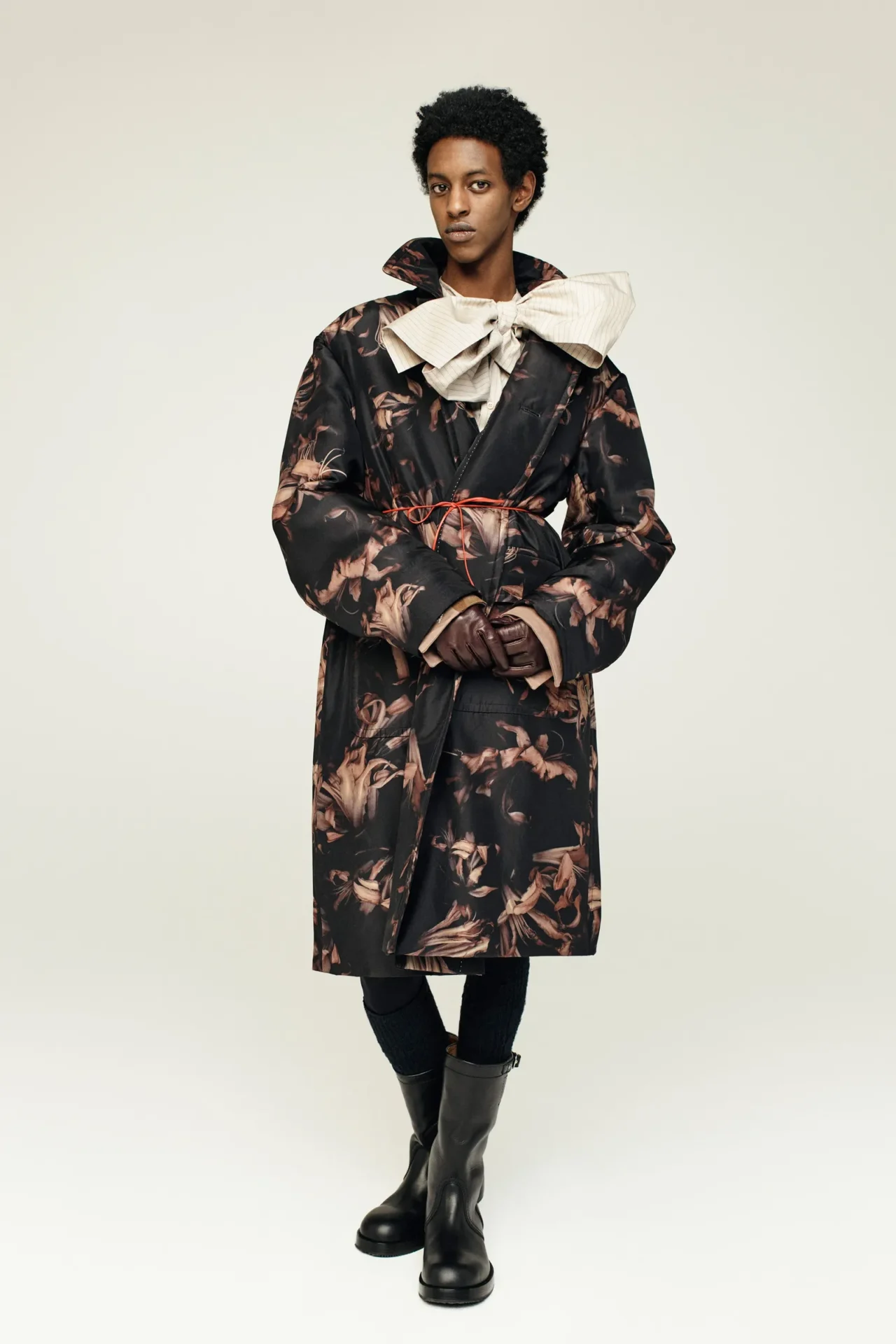
Until those limits are reconsidered, menswear may remain in this uneasy period, waiting for a new design language that can push it forward again.
Menswear shows are disappearing because major luxury houses are consolidating collections into co-ed formats or digital lookbooks. Rising production costs and lower commercial returns compared with womenswear have also led brands to scale back standalone menswear presentations.
Many consider menswear to be in a creative lull. The category has struggled to innovate beyond traditional tailoring and workwear, while audiences often resist radical changes, making it harder for designers to push boundaries.
Emporio Armani, Gucci, McQueen, Dior Men, Louis Vuitton, Fendi, and Kenzo have all moved toward co-ed shows or digital presentations.
Labels such as Auralee and Our Legacy attract attention by focusing on quality materials and minimalist designs. These brands appeal to niche audiences who value craftsmanship and subtle innovation over runway spectacle.
Men should focus on elevated basics and timeless pieces, such as well-cut jackets, versatile trousers, and high-quality fabrics. Investing in durable and refined items ensures style longevity.