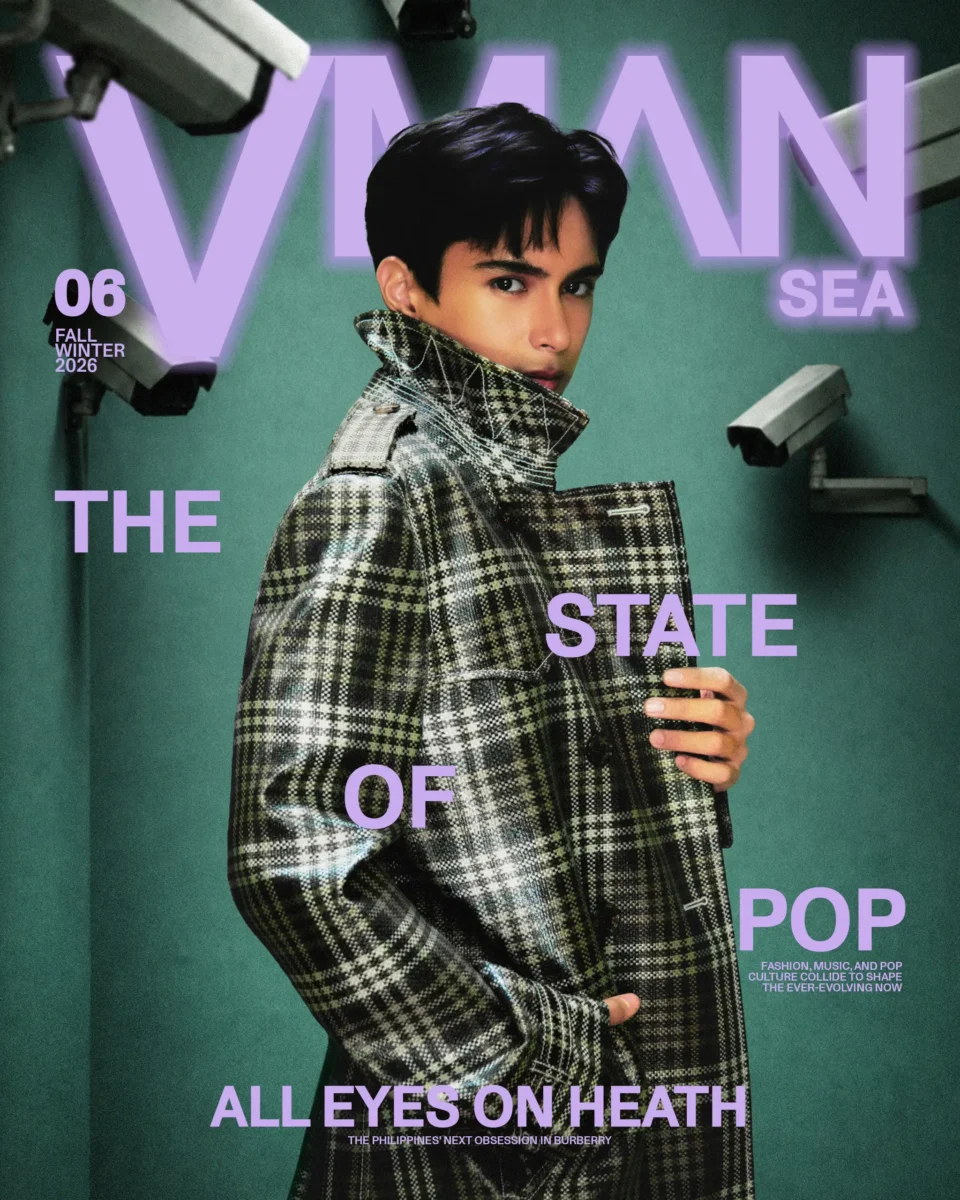
Are Popped Collars Back In Style?
A once-mocked prep school staple resurfaced at the SS26 shows, reimagined as fashion’s latest styling directive




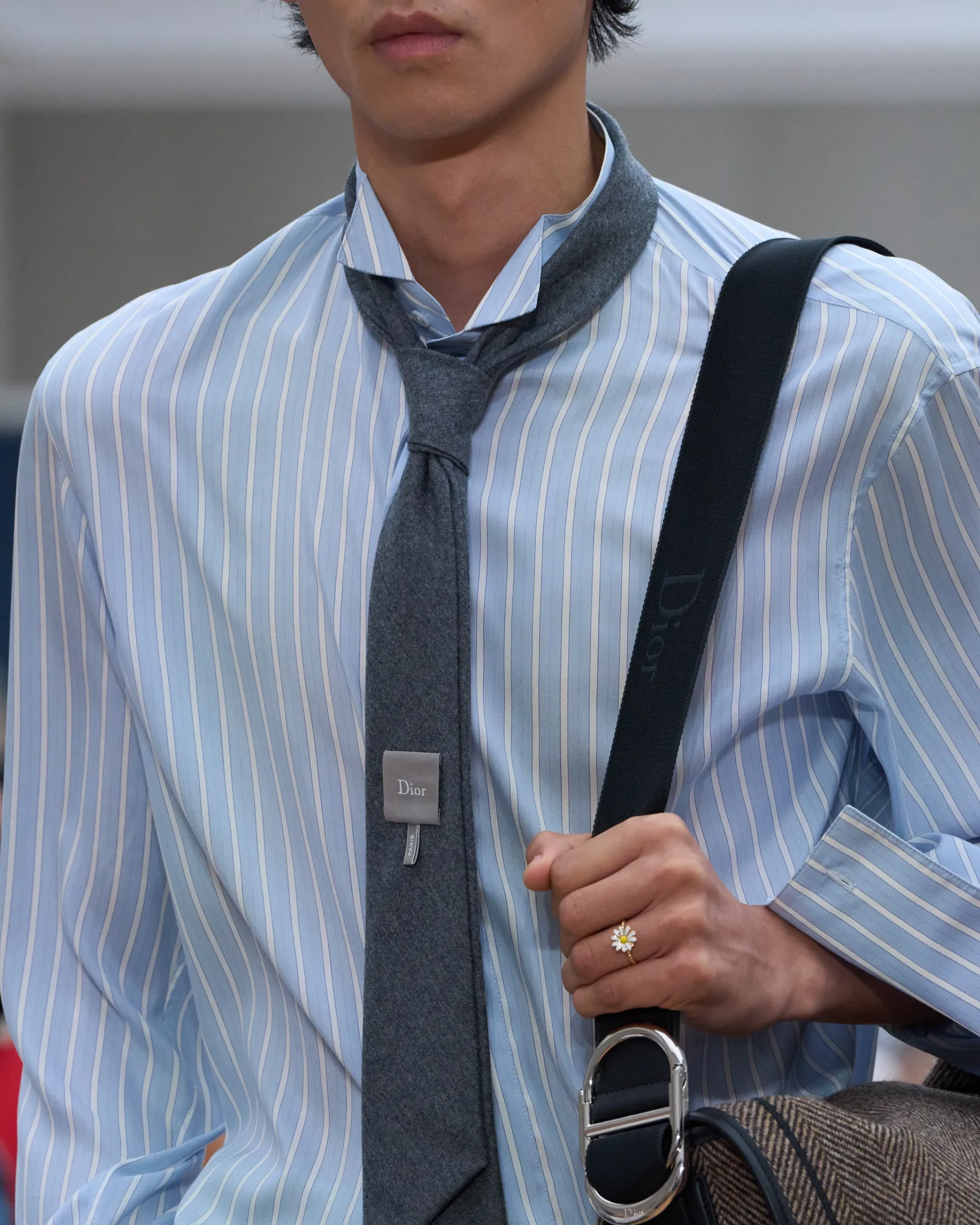
The return of the popped collar
At the Spring/Summer 2026 menswear shows in Milan and Paris, one styling detail stood out across runways and front rows alike: the return of the popped collar. Once tied to preppyPreppyA style inspired by American private school and Ivy League culture, defined by polo shirts, blazers, chinos, boat shoes, and bright colors. Preppy dressing conveys relaxed, polished refinement, and periodicallyGo to Preppy Glossary Americana with Vineyard Vines polos, khaki shorts, and boat shoes, the upturned collar has taken on new meaning in some of the season’s most forward-thinking collections.
ALSO READ: The 6 Menswear Trends That Defined Milan and Paris Fashion Weeks
Jonathan Anderson’s debut for Dior Men in Paris marked the clearest signal of this shift. Among the precisely tailored silhouettes and sculptural layering, the designer styled many of his shirts and jackets with one collar edge standing up and the other resting flat. The asymmetric pop added a subtle tension to otherwise clean looks, introducing a small disruption to classic menswear codes. It was a detail that might be missed in still images but was impossible to ignore in person.
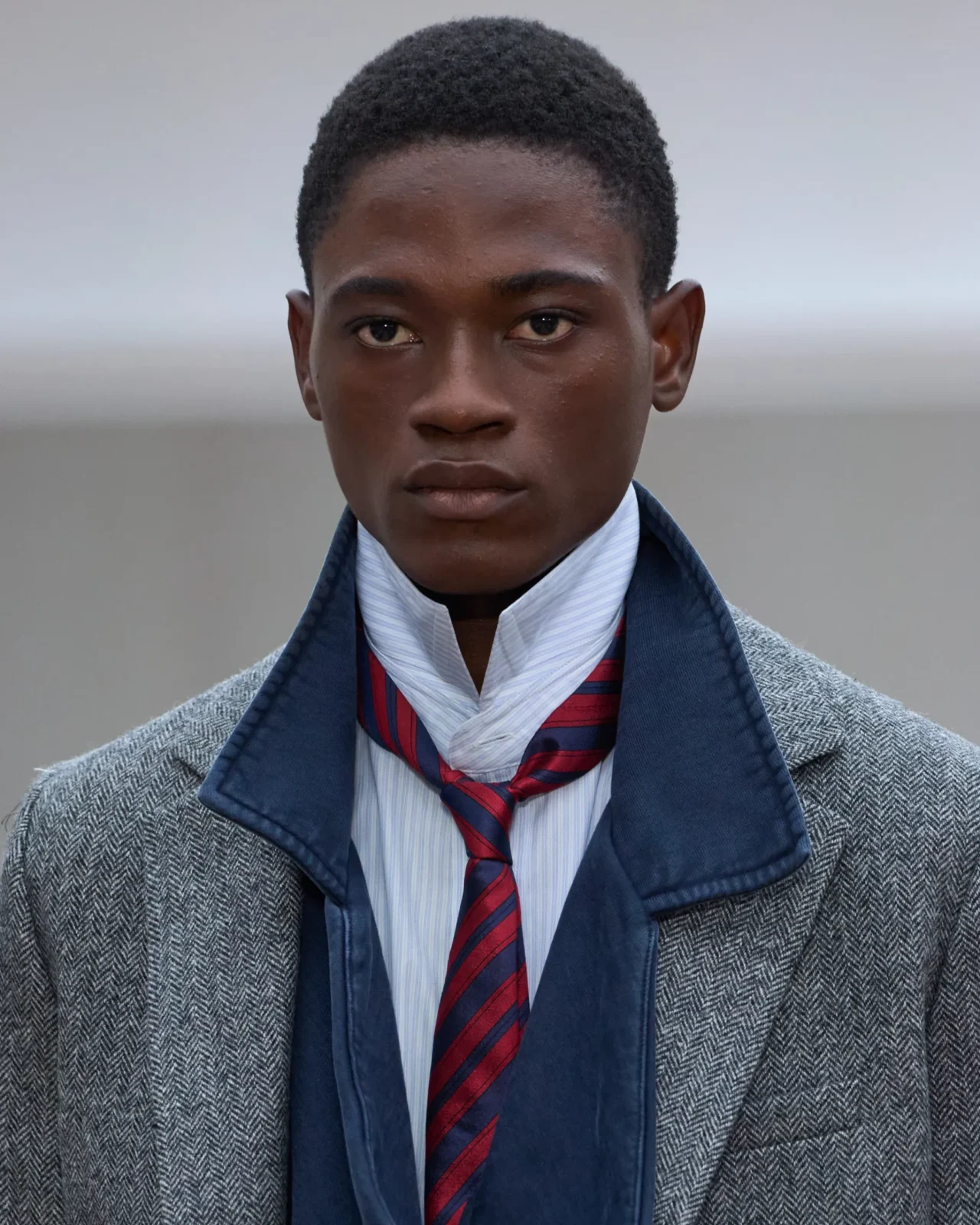
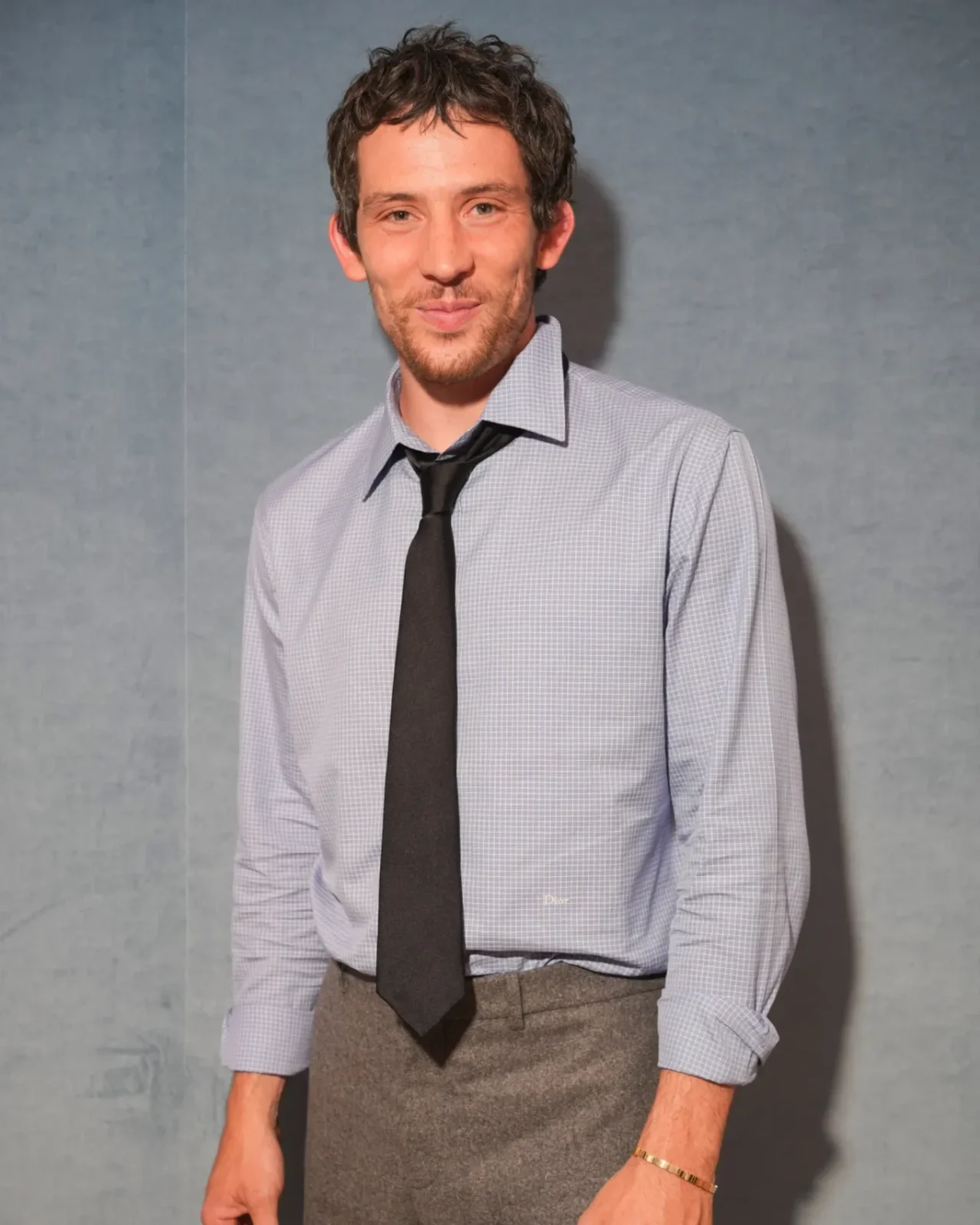
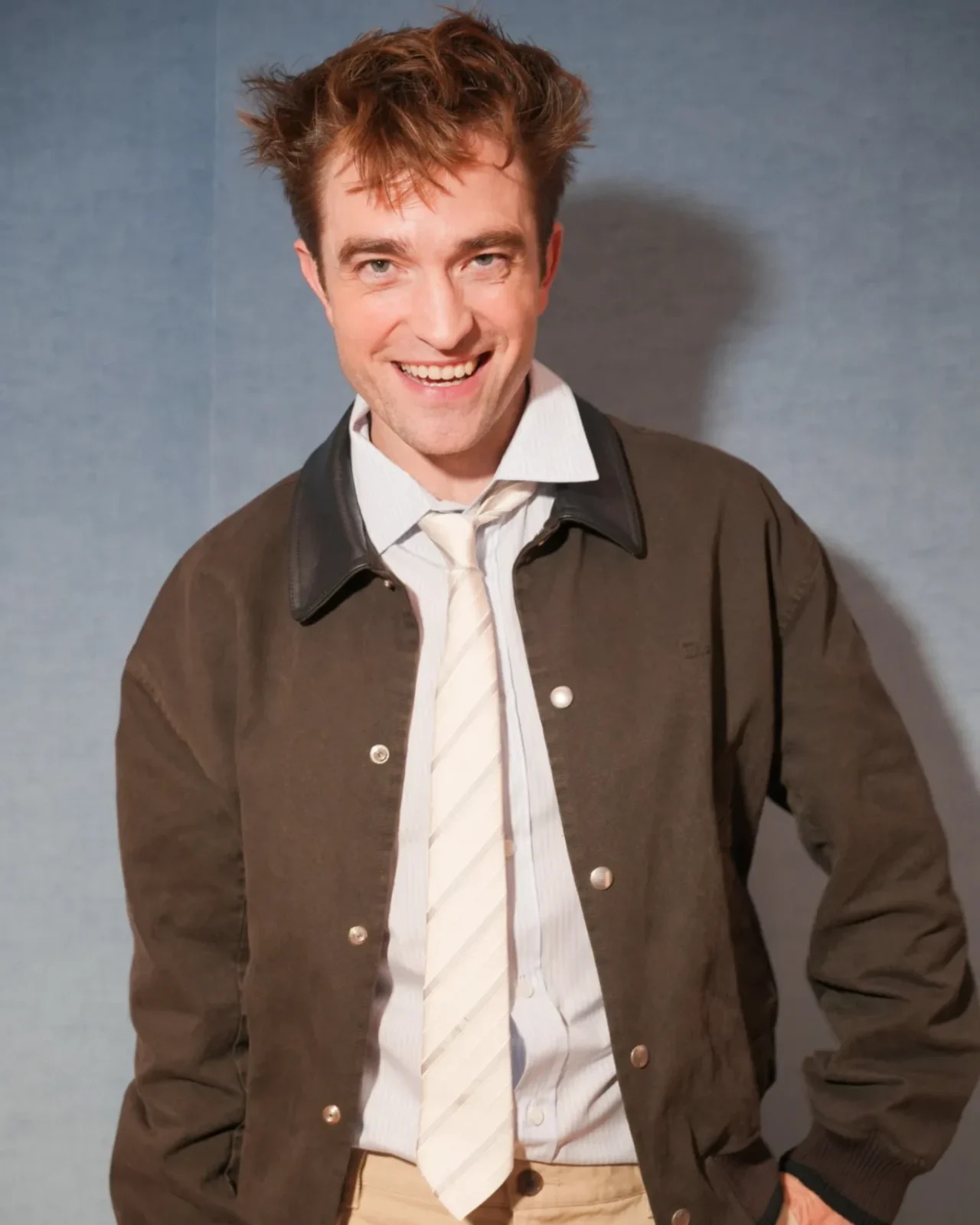
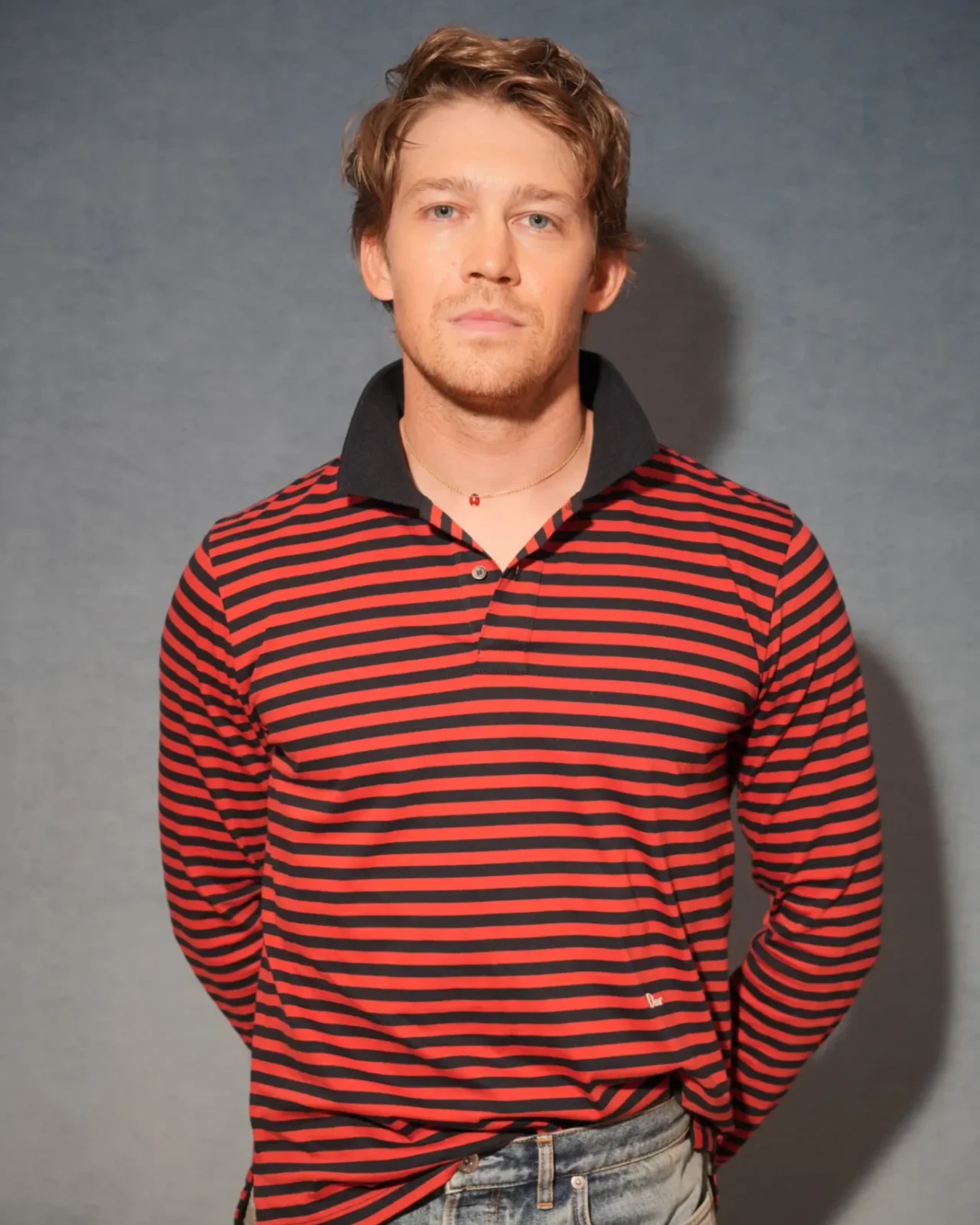
It caught on fast. Robert Pattinson, Joe Alwyn, and Josh O’Connor, along with many other guests seated in the front row, arrived with their collars already popped. In Josh’s case, a woman from his team adjusted his shirt collar for the cameras as he stepped out of the car, suggesting the detail was part of the visual brief for the day. The one-sided collar lift quickly became one of the most talked about styling moves of the week. It was easy to copy but took intention to pull off well.
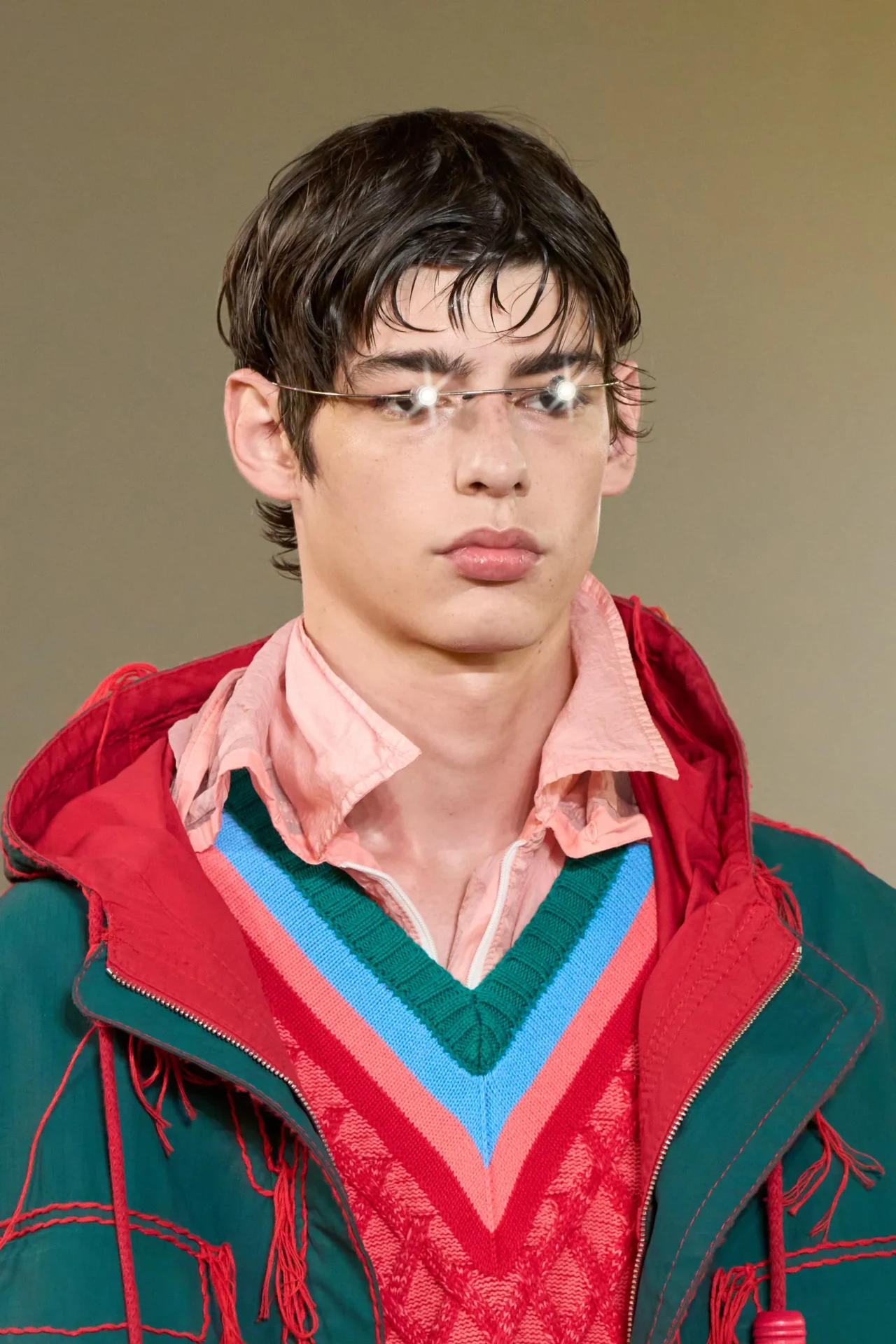
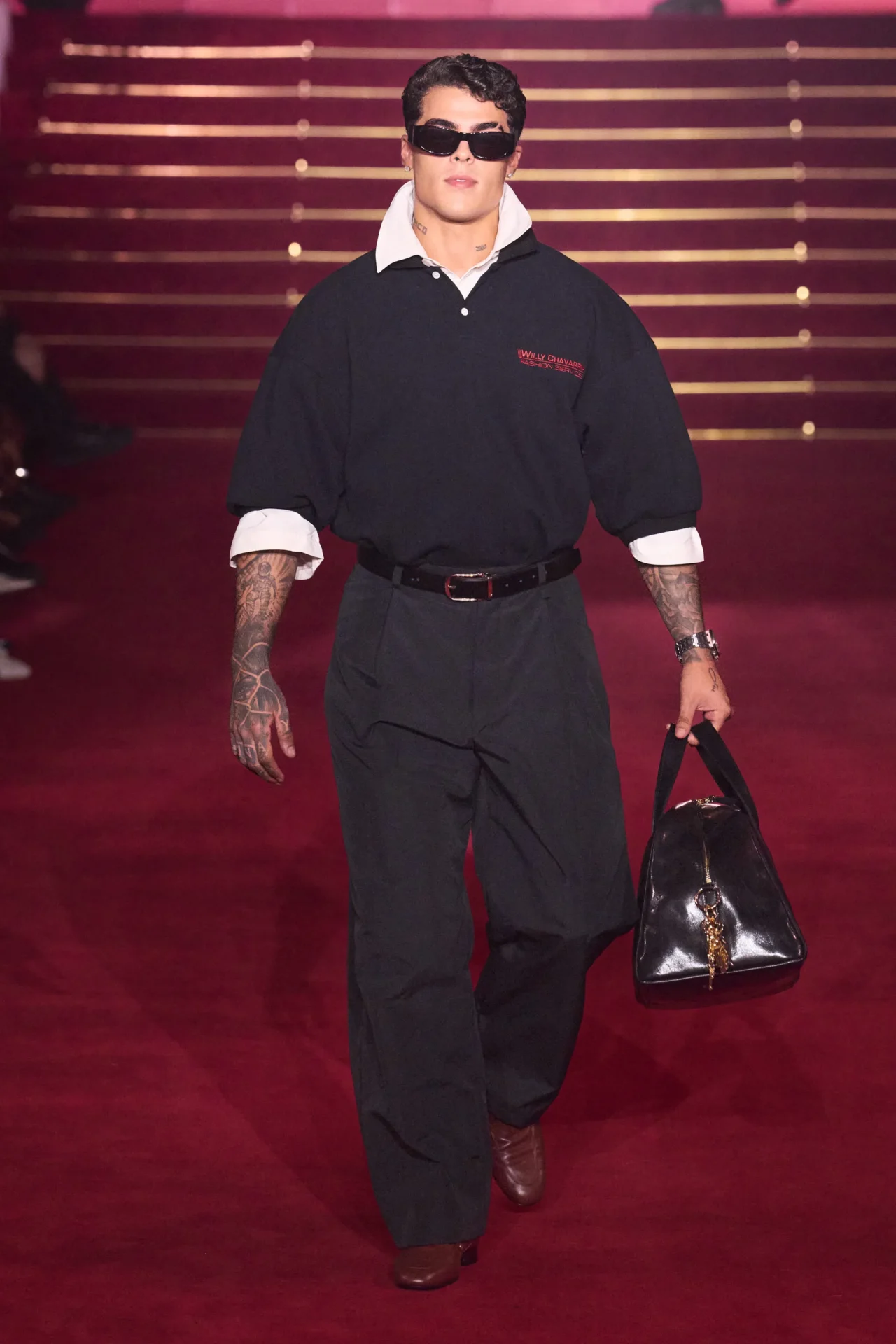
Elsewhere in Paris, Craig Green explored the motif in his signature language of conceptual outerwear, often using sculptural collars that stood away from the body. Willy Chavarria applied a similar upright structure to his tailoring, emphasizing strength and presence.
Brands like Doublet and Sacai also offered their own takes on the popped collar. Some were sharp and architectural, while others leaned more relaxed and effortless. The tone varied, but the styling cue stayed consistent.
A recurring trend with new energy
Of course, this isn’t the first time the look has cycled back. Miu Miu already featured popped collars in its ready-to-wear Spring/Summer 2024 collection. The execution leaned more playful in that case, but the principle stayed the same: a small tweak to a basic shirt that could shift the entire attitude of a look.
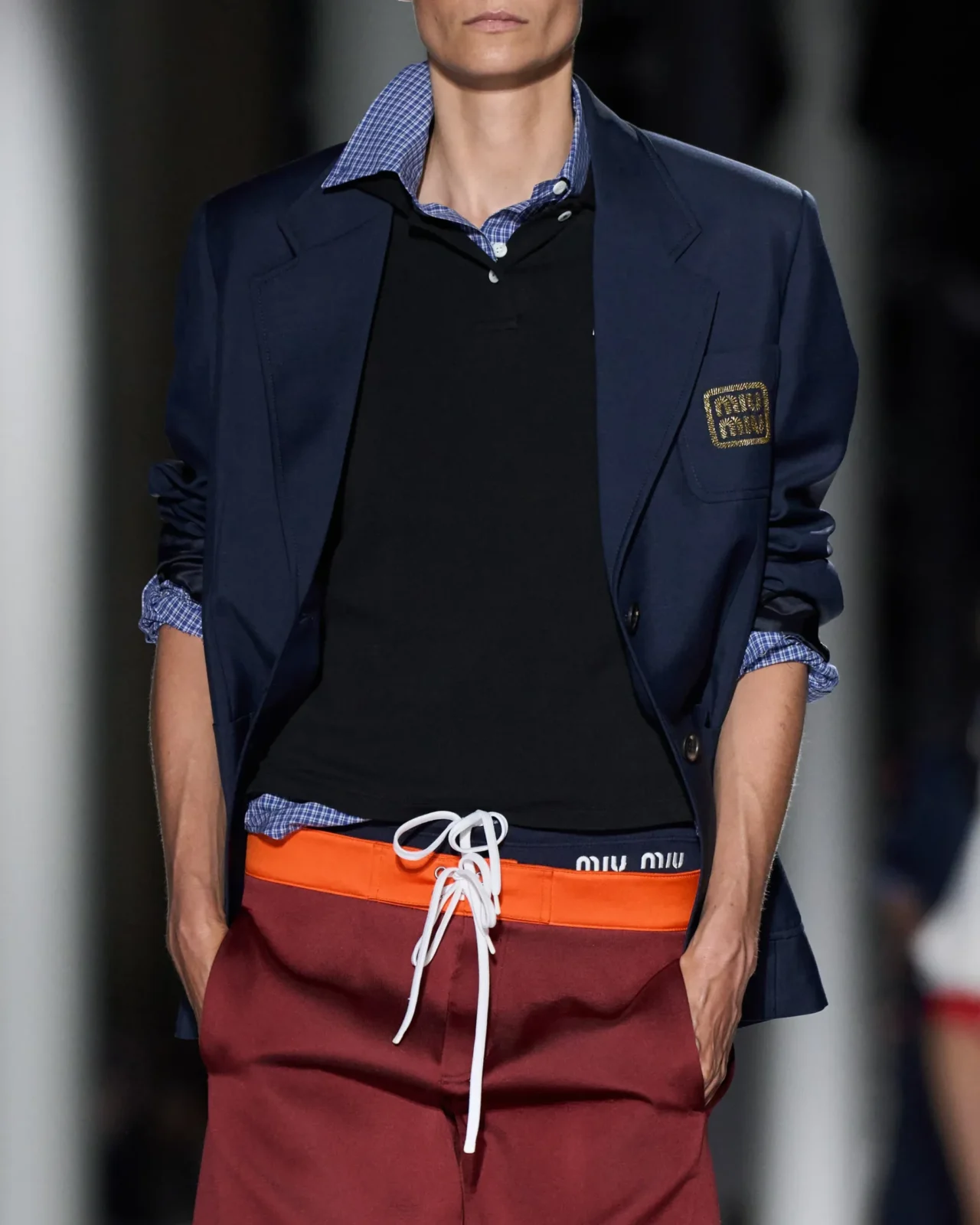
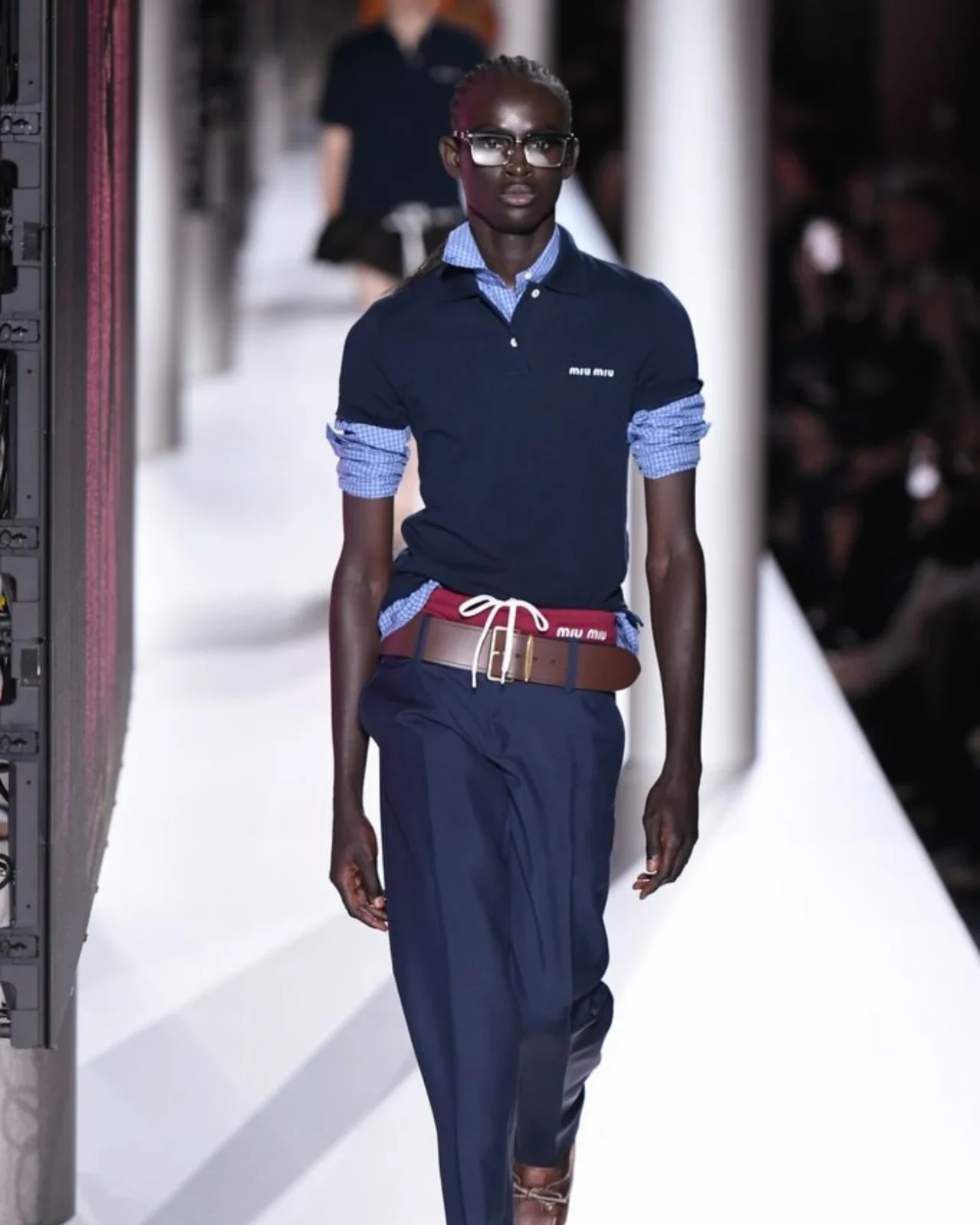
There’s also a practical side to the popped collar that’s often overlooked in fashionFashionThe art and industry of designing, producing, and styling clothing, footwear, accessories, and beauty trends. It reflects cultural influences, personal expression, and evolving styles across seasons and markets.Go to Fashion Glossary. Historically, the upturned collar served a functional purpose in sports like tennis and golf, offering sun protection and promoting airflow across the neck.
Jonathan’s use of the popped collar at Dior reflects his broader design ethos: taking the familiar and making it feel slightly off-balance, yet still refined. The single-sided collar acts as both a callback and a new proposition. It suggests that even the smallest detail can carry the weight of a concept.
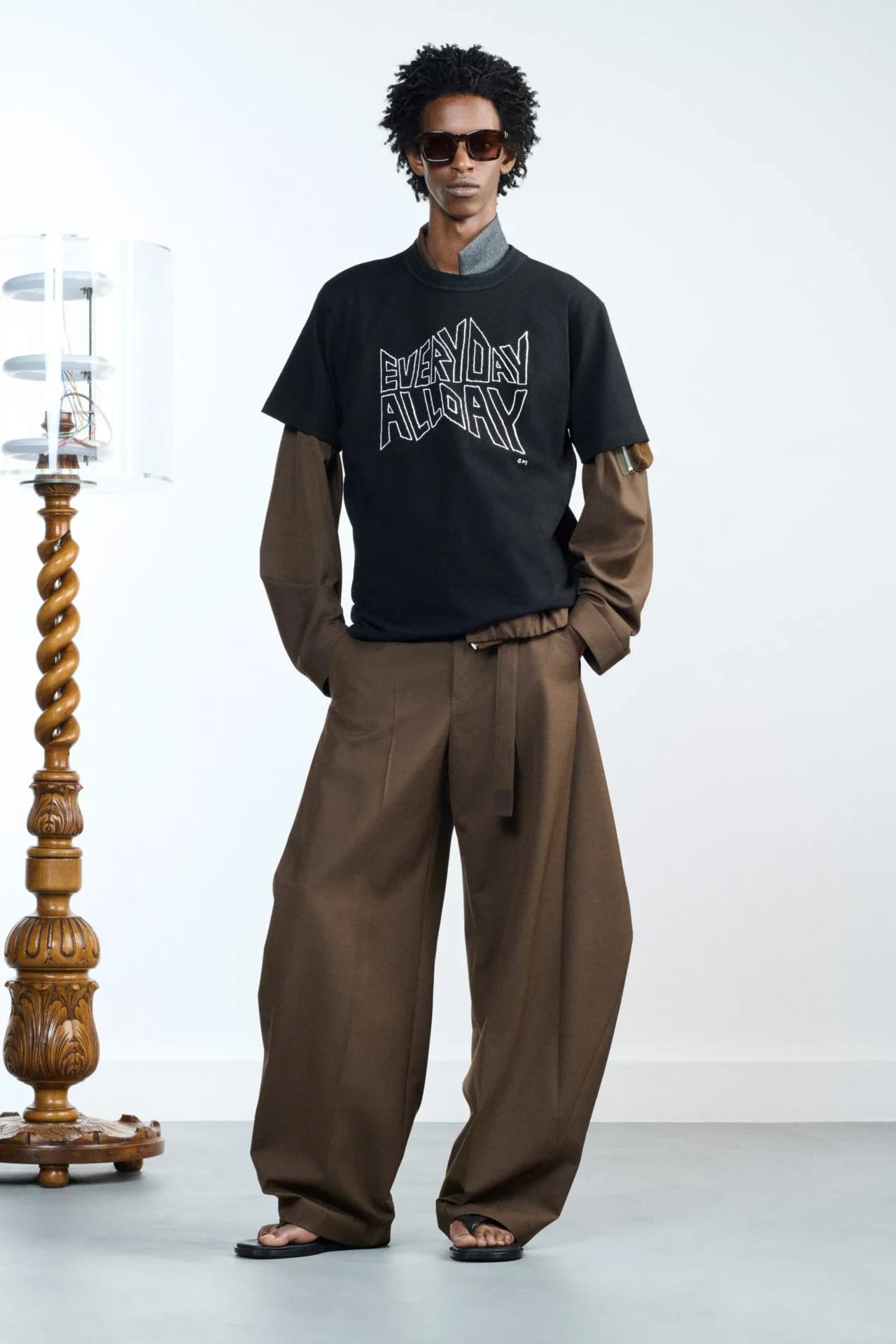
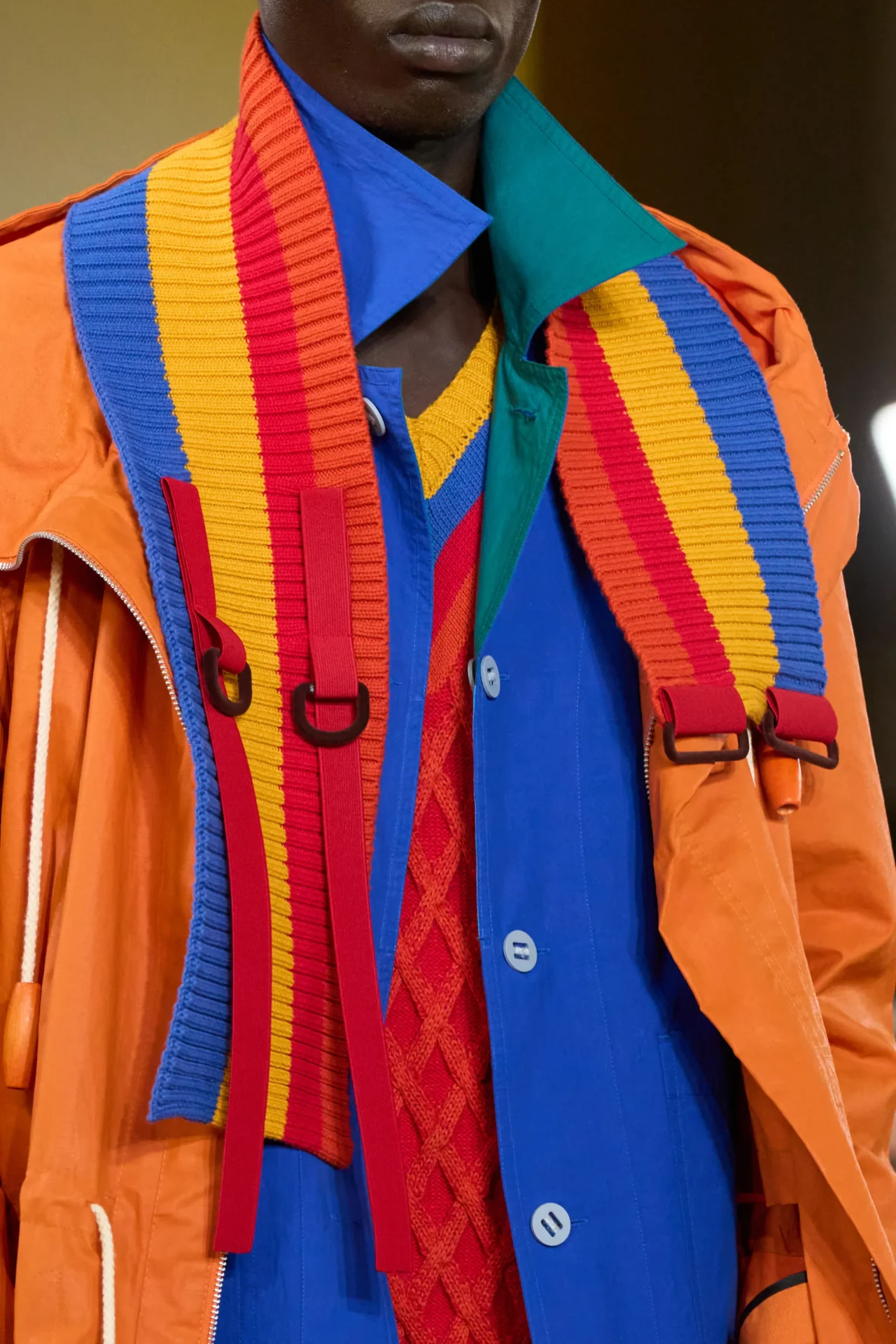
What sets this trend apart is its accessibility. It doesn’t rely on expensive fabrics or new-season pieces. All it takes is a shirt and a choice. The popped collar spreads easily, adapts quickly, and still carries meaning. In other words, the look is back, but not in the way you remember it.
Photos courtesy Dior, Craig Green, Willy Chavarria, Miu Miu, Sacai
Frequently Asked Questions
Yes. The popped collar re-emerged as a prominent styling detail at the SS2026 menswear shows in Milan and Paris, most notably in Jonathan Anderson’s debut for Dior Men. The detail appeared across multiple collections and front rows, signaling a broader return with a more refined, asymmetric sensibility than its preppy origins.
Anderson styled many shirts and jackets with one collar edge standing up and the other resting flat — an asymmetric treatment that introduced subtle tension into otherwise clean, tailored silhouettes. The one-sided collar lift became one of the most discussed styling details of Paris Fashion Week and was quickly adopted by front-row guests including Robert Pattinson and Josh O’Connor.
Jonathan Anderson for Dior Men offered the clearest articulation of the trend, while Craig Green explored sculptural collars that stood away from the body and Willy Chavarria applied an upright collar structure to his tailoring. Doublet and Sacai also presented their own interpretations, ranging from sharp and architectural to relaxed and effortless.
The earlier iteration was associated with preppy Americana — Vineyard Vines polos, khaki shorts, boat shoes. The 2026 version is asymmetric, architecturally considered, and grounded in conceptual menswear. Where the original read as casual or ironic, the current treatment functions as a deliberate disruption to classic tailoring codes.
The key is asymmetry and intention. Rather than popping both sides, lifting one collar edge while leaving the other flat — as seen at Dior Men — creates a more considered, editorial effect. The detail works across shirt weights and collar cuts, and doesn’t require new-season pieces to execute.
Recommended Video