
Why the World Still Can’t Let Go of Pokémon and Trading Cards
Decades after its debut, the global craze for Pokémon cards has evolved into a powerhouse blend of nostalgia, speculative investment, and emotional connection




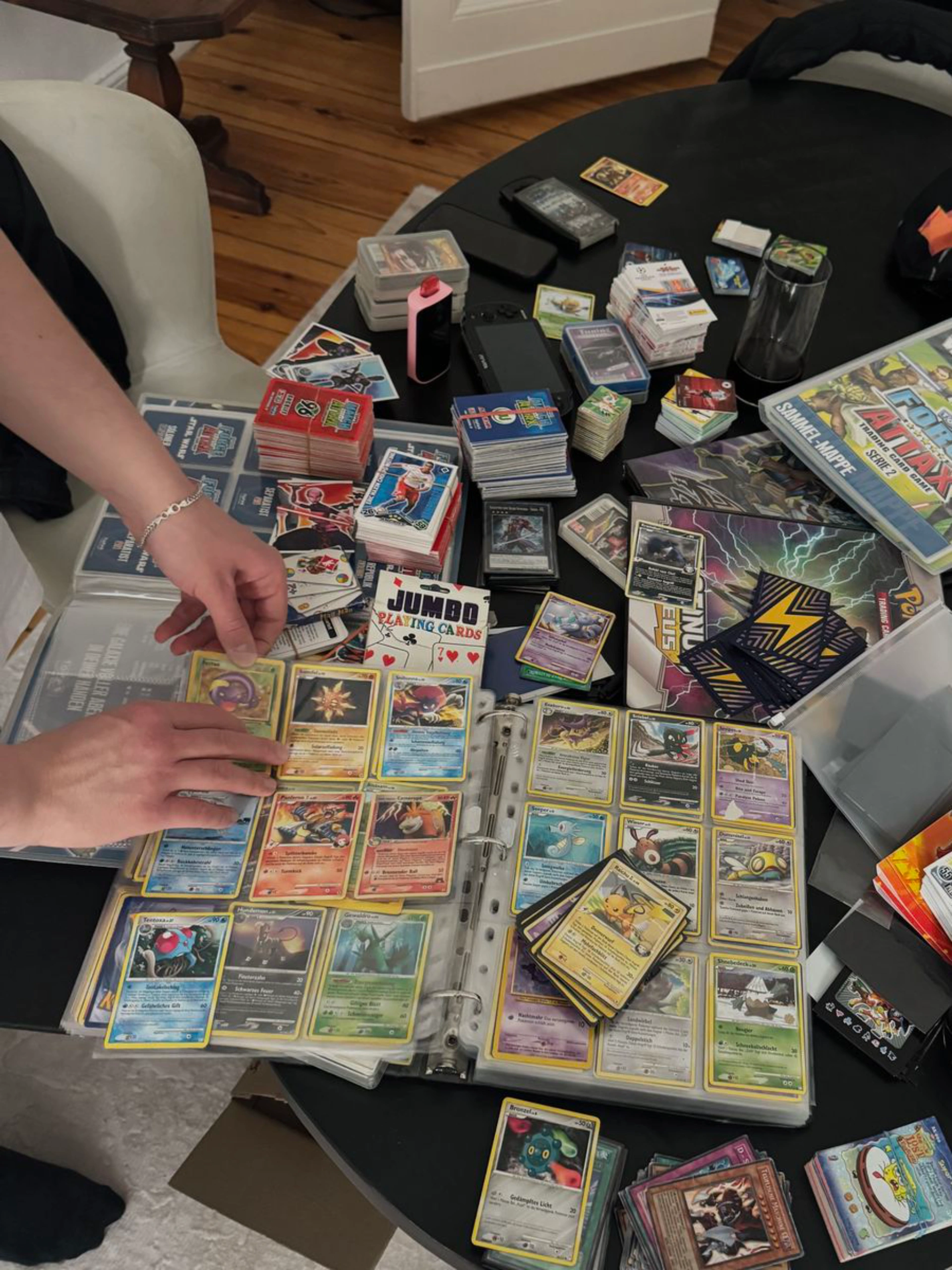
- Pokémon Trading Cards have transformed from simple childhood collectibles into globally traded cultural and financial assets.
- A potent mix of deep millennial nostalgia, engaging card art, and the thrill of the booster pack keeps collectors hooked across generations.
- Robust community networks and high-profile auction records have solidified the hobby as a lasting modern phenomenon.
The irresistible pull of mystery packs
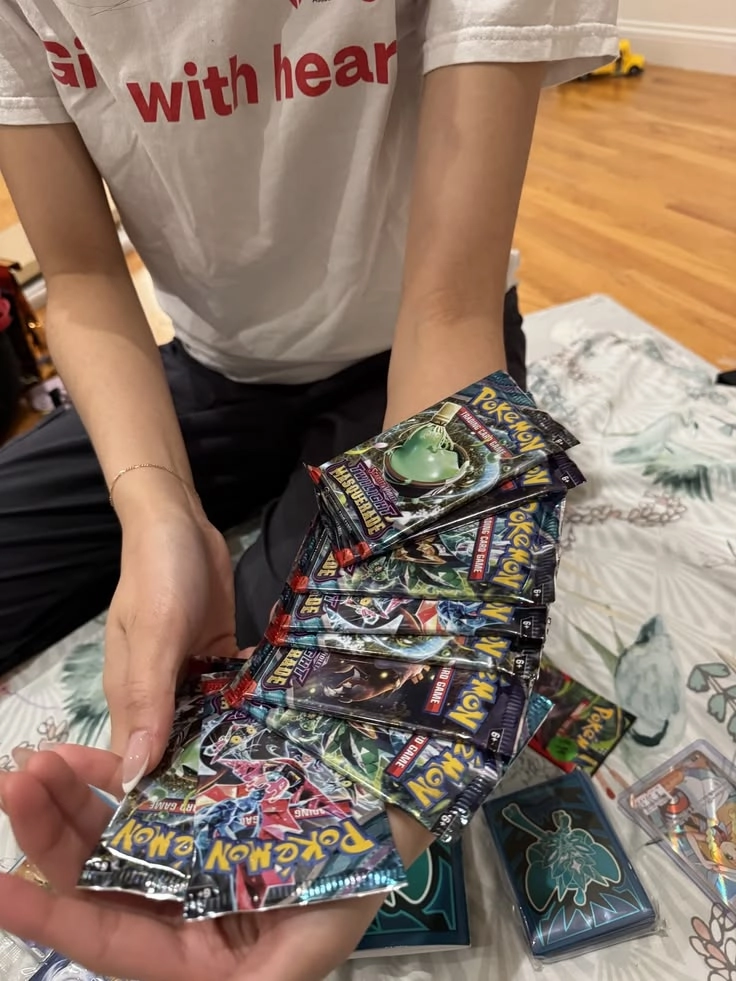
For millions of collectors worldwide, opening a fresh pack offers an instant portal back to childhood. The franchise taps directly into nostalgic yearning, allowing adults to reconnect with the simple joy of schoolyard trades and early video game memories.
Beyond sentimentality, the physical act of cracking open a sealed pack delivers a powerful psychological rush. The variable reward of hunting for a rare holographic or alternate-art card turns collecting into an addictive, hands-on thrill of discovery.
This anticipation transforms ordinary cardboard into an emotional experience. Whether you pull a standard common or a high-tier chase card, the visceral excitement of the unboxing ritual never truly fades.
From schoolyard collectibles to financial assets
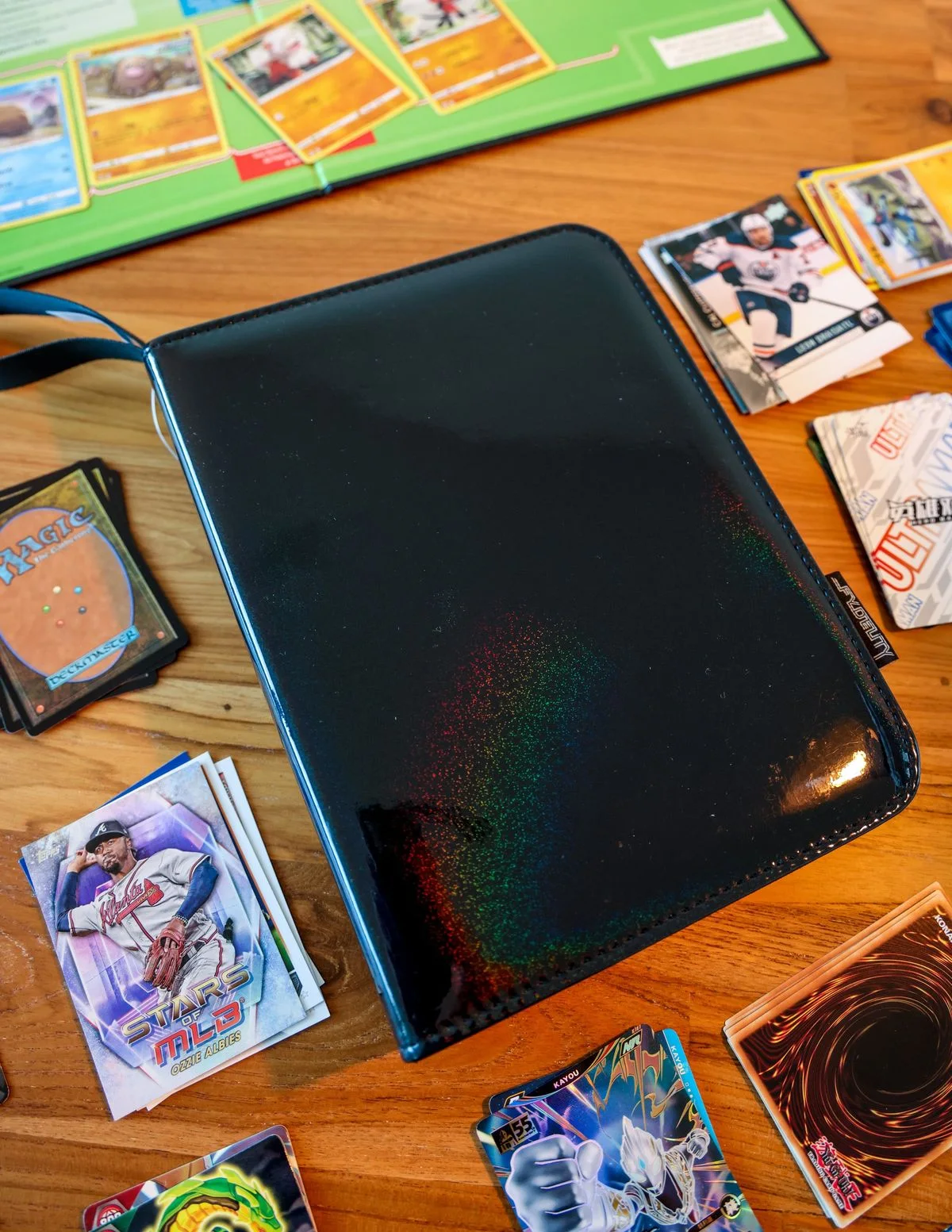
What began as a casual playground hobby has grown into a serious alternative asset class recognized by major auction houses worldwide. Vintage base-set cards, rare promotional releases, and pristine graded slabs now routinely command staggering prices on secondary markets.
This financial layer attracts a whole new demographic of adult collectors, investors, and content creators. The introduction of third-party grading systems like PSA has formalized card values, providing transparency and liquid market legitimacy to the hobby.
As modern card sets introduce stunning full-art illustrations and ultra-rare secret rares, collecting remains as lucrative as it is visually captivating. It bridges the gap between pure fandom and tangible, high-value art collecting.
Community, identity, and the shared global chase
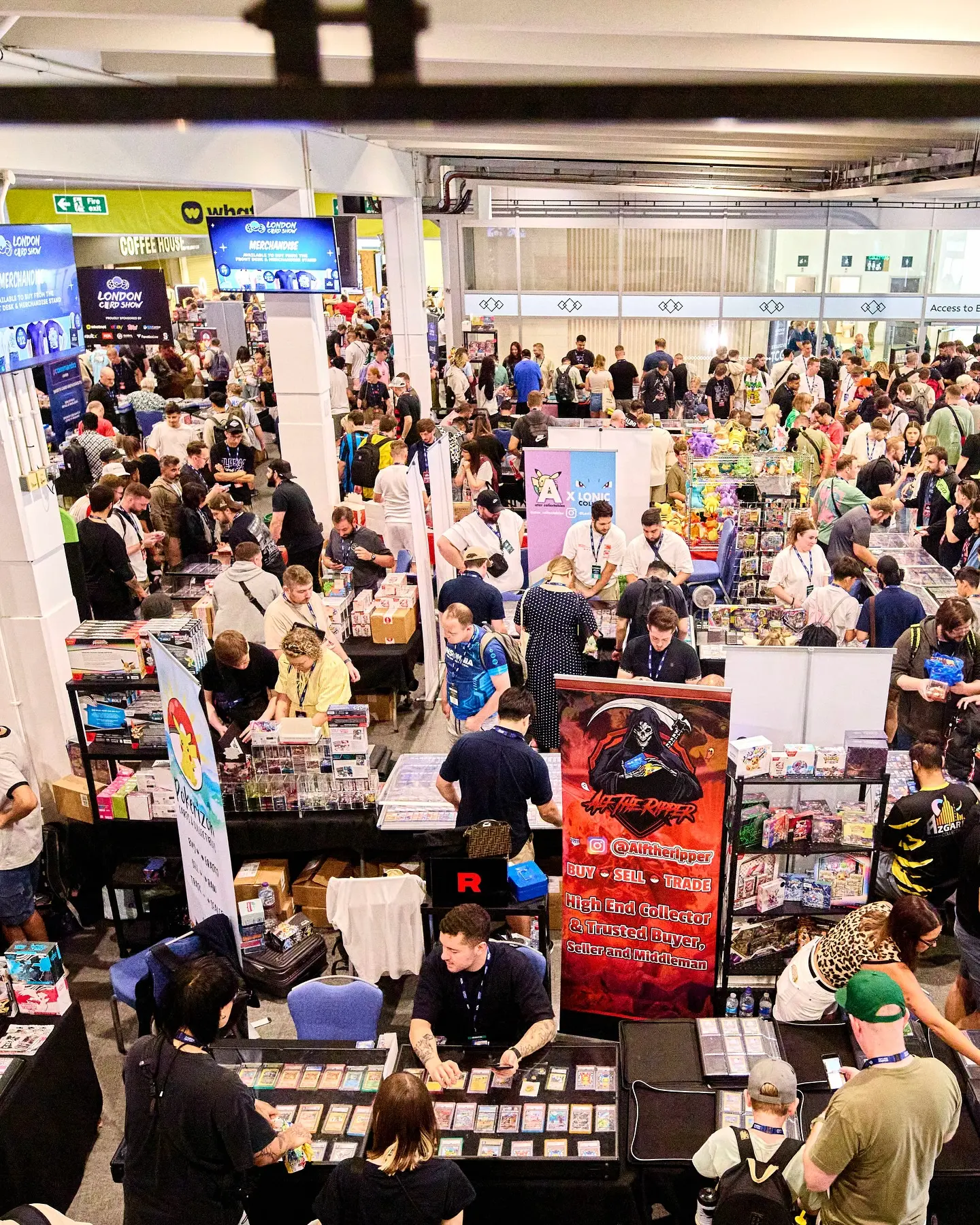
At its core, the enduring power of Pokémon lies in its ability to foster genuine social connection. Local game stores, competitive tabletop tournaments, and global online communities unite diverse generations over a shared passion.
The motto “Gotta Catch ‘Em All” speaks directly to a universal human desire for curation, completion, and community belonging. Trading cards give fans a tactile way to express their identity and share milestones with fellow enthusiasts.
Decades into its run, the franchise proves that Pokémon is far more than a passing retro trend. It remains a thriving, self-sustaining global subculture that continues to capture imaginations and redefine modern hobby culture.
Frequently Asked Questions
Scarcity, historical significance, card condition, and professional grading by companies like PSA drive high market values for both vintage and rare modern cards.
The unpredictable nature of pack openings triggers a psychological thrill of discovery, making “pack opening” content a major hit across streaming and social platforms.
Yes, modern video game releases, animated shows, and mobile apps consistently introduce younger audiences to the physical card game.
Grading creates a standardized metric for condition and authenticity, turning casual collectibles into verified, tradeable assets for serious collectors.
Pokémon cards are designed for the Pokémon Trading Card Game (TCG), a competitive tabletop strategy game with thriving local leagues and global championship tournaments.

Recommended Video