
Semua House’s Second Act
Once Kuala Lumpur’s go-to destination for bridal fabrics and traditional textiles, the 1986 landmark near Masjid India has reopened as a creative hub for independent makers, skate culture, and contemporary design


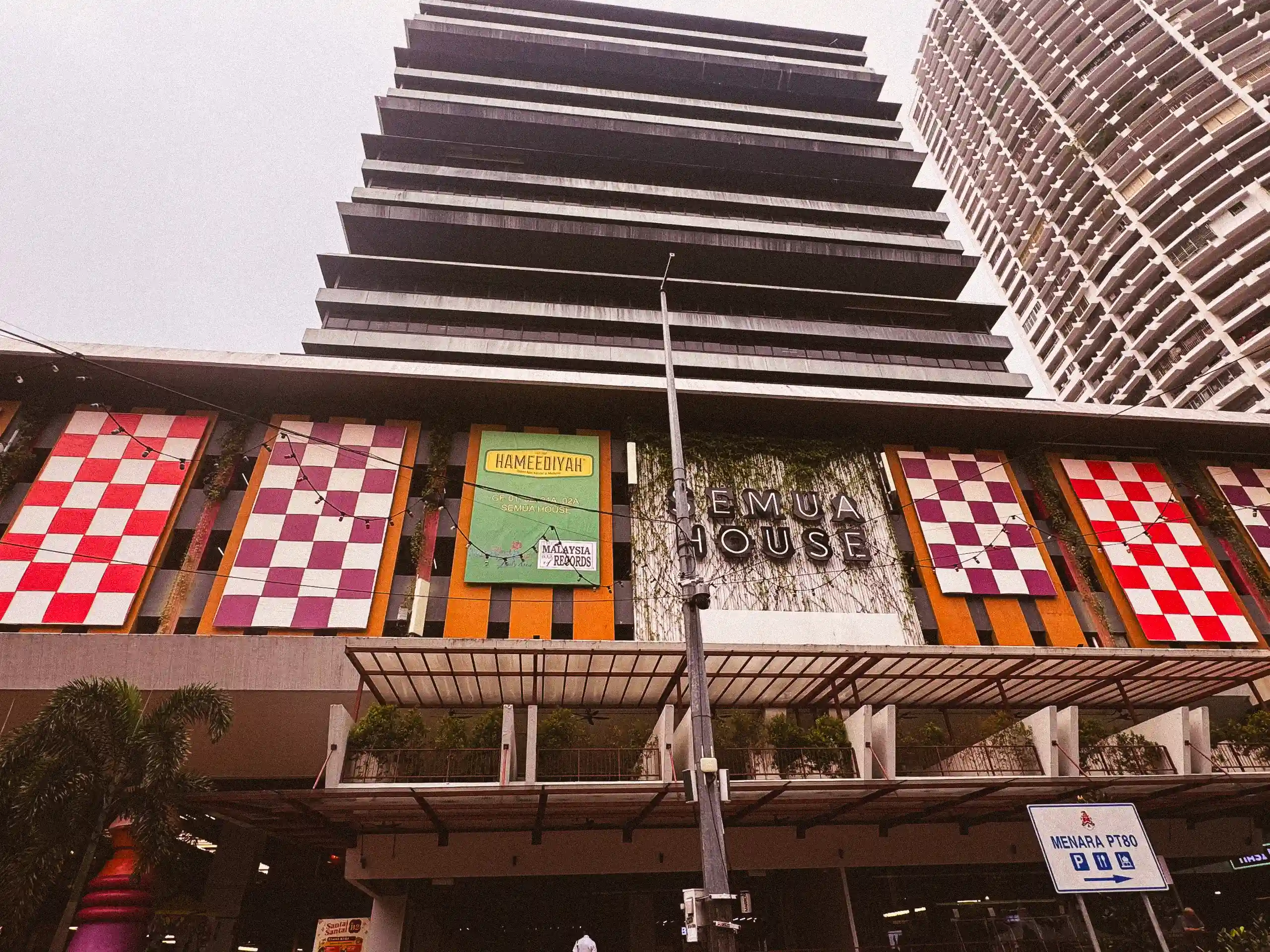
- After closing in 2022, Semua House reopened in 2024 with a new identity that preserves its connection to Kuala Lumpur’s commercial and cultural history.
- Its transformation brings independent designers, local artisans, and contemporary subcultures into a space built around creativity and community.
A landmark shaped by tradition
For generations of Kuala Lumpur residents, Jalan Bunus has been a familiar destination for bridal fabrics and traditional textiles. Established in 1986, Semua House became a fixture of the Masjid India district, bringing together independent apparel makers and textile merchants within its 23-storey complex.
Its corridors were more than a retail destination; they formed part of the neighborhood’s commercial and cultural rhythm. But even established landmarks are vulnerable to changing retail habits, and after the pandemic disrupted foot traffic and business, Semua House closed in September 2022, ending 36 years of continuous operation.
With tenants relocating and its future uncertain, the building faced the prospect of becoming another casualty of Kuala Lumpur’s changing urban landscape. Instead, owner Andrew Tan, who inherited the property from his grandfather, saw an opportunity to give the landmark a different future.
Rebuilding with a new perspective
Working with Urban Agenda Design Group, Tan led an extensive renovation inspired by the surrounding district’s colors, textiles, and patterns. When Semua House reopened in May 2024, it returned with a modern rustic identity that retained traces of its history while embracing a more contemporary design language.
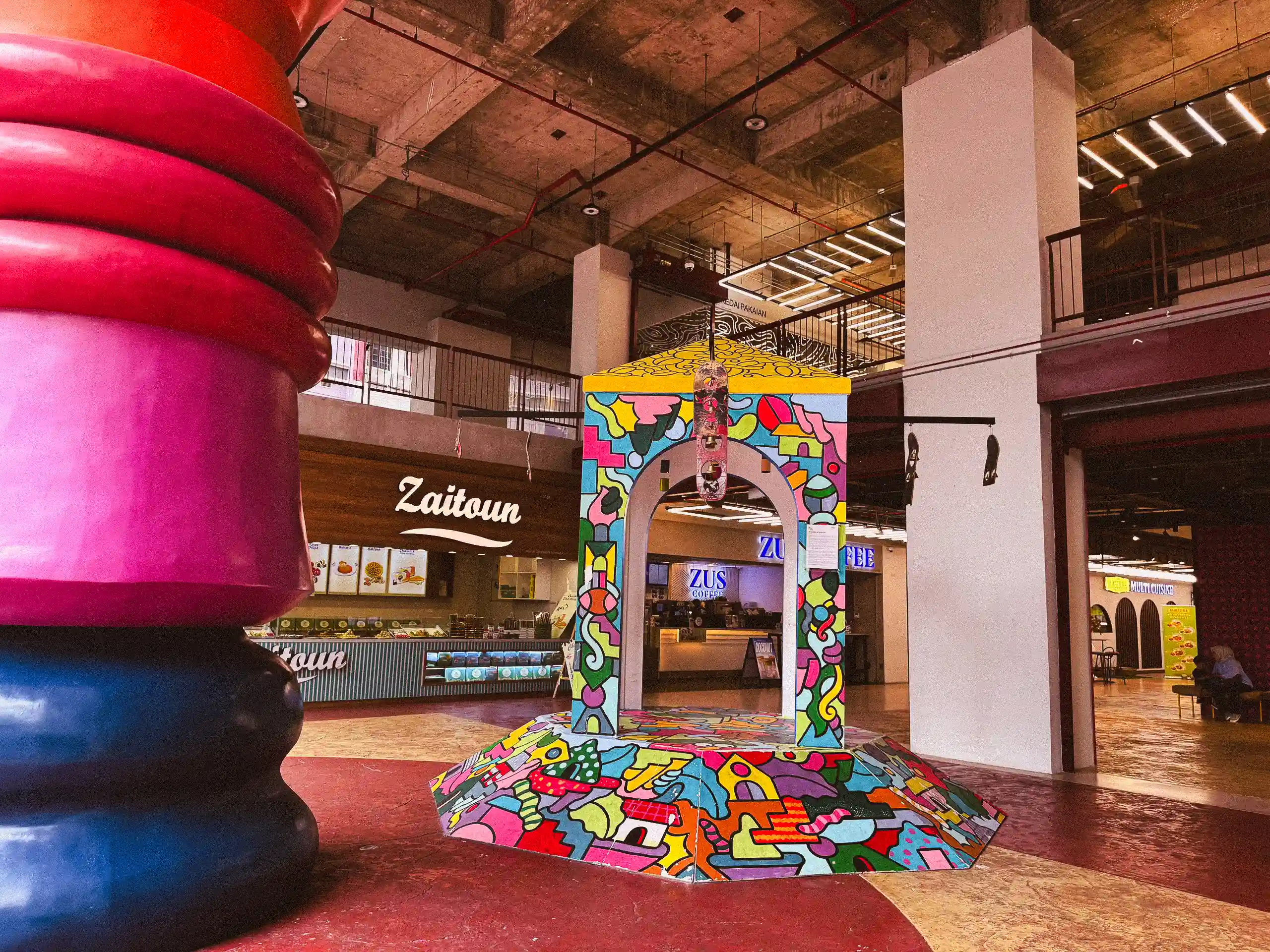
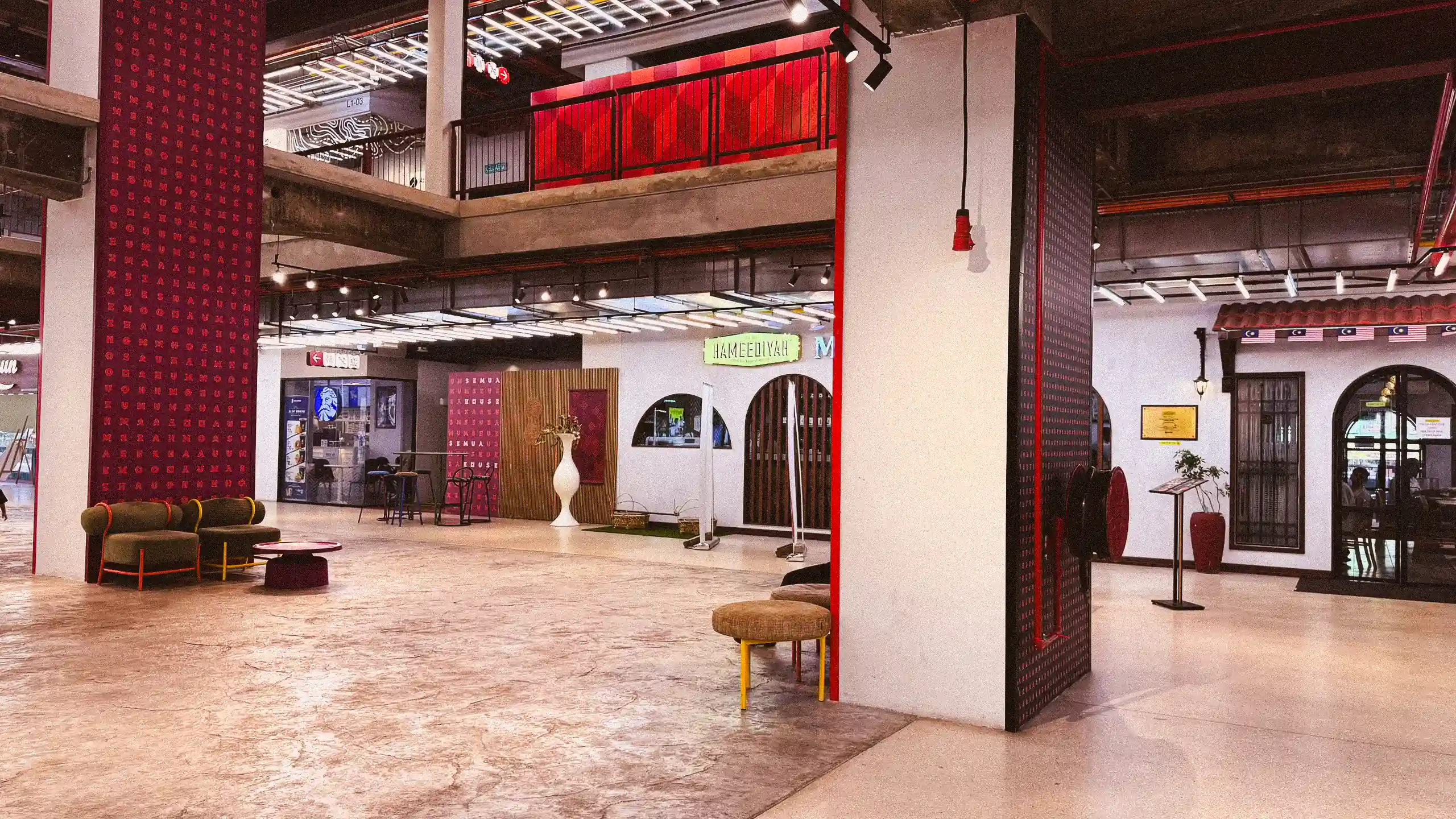
Inside, the transformation is immediately apparent. Open corridors, clean architectural lines, and communal spaces replace the conventional rhythm of a shopping complex, creating an environment designed as much for interaction as for commerce.
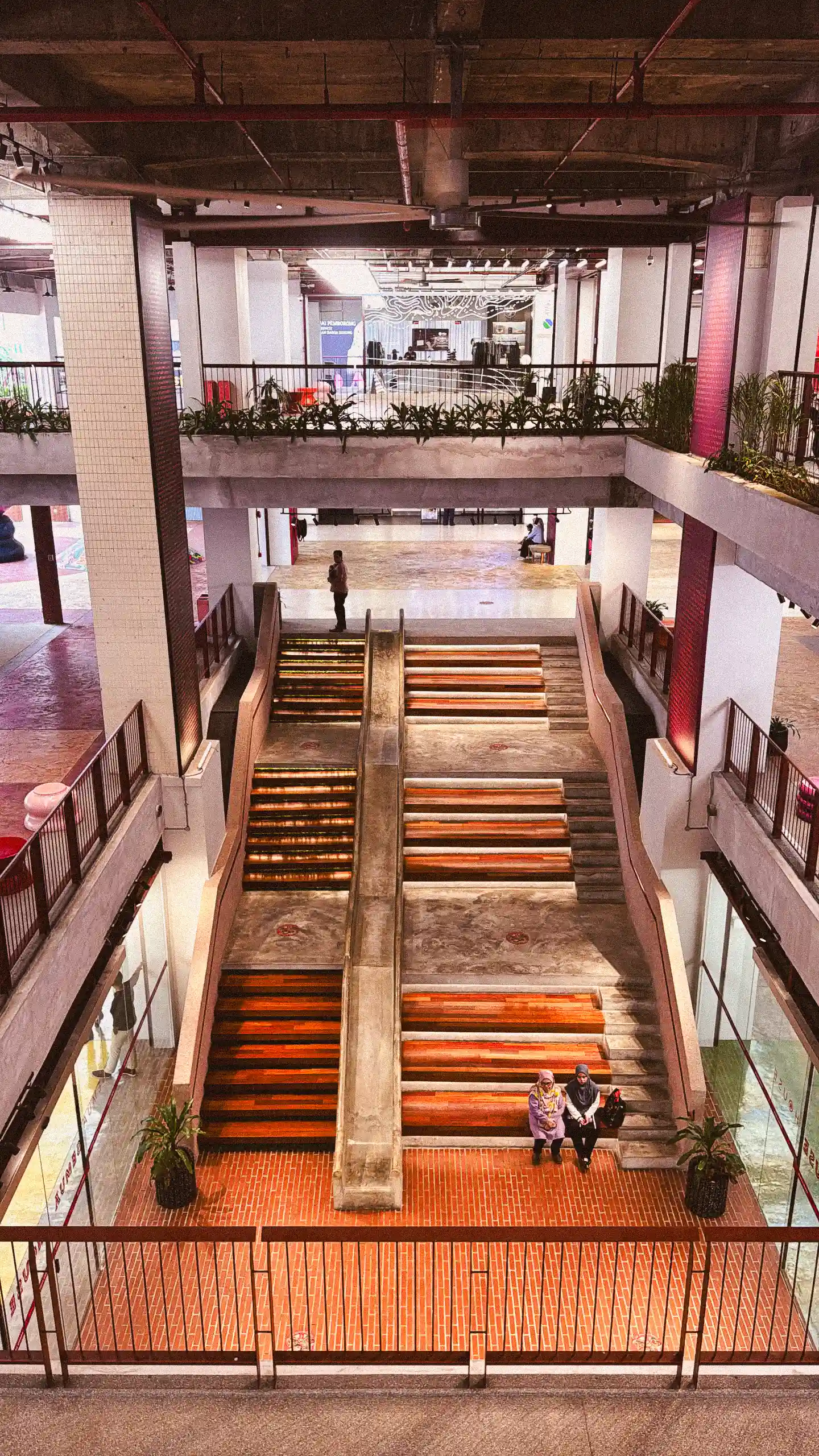
A central staircase doubles as an amphitheatre for public talks, creative panels, and informal gatherings. An indoor skate park introduces an entirely different subculture to a building once known primarily for traditional retail, giving its new identity a distinctly contemporary edge.
Where heritage meets a new creative scene
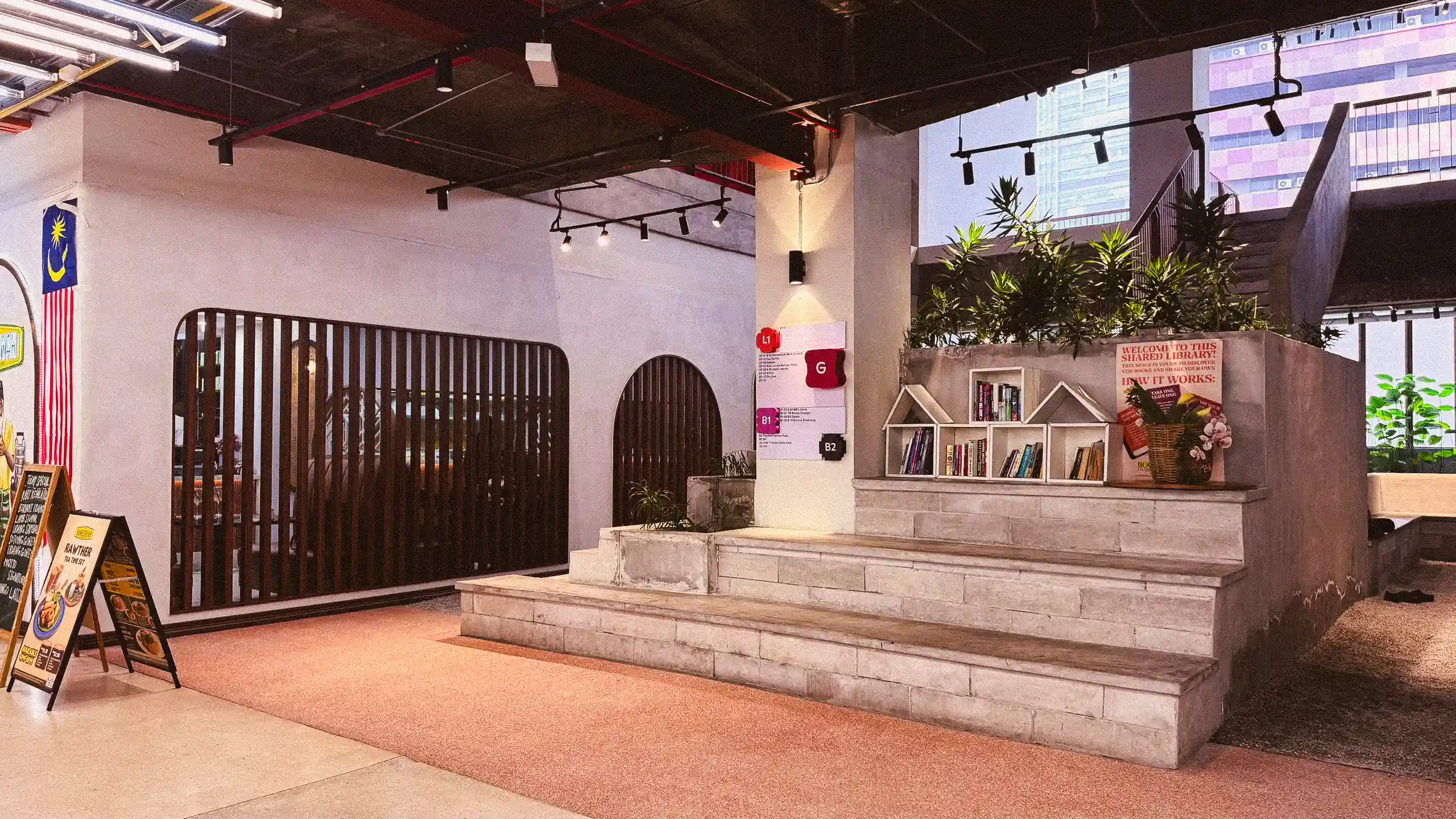
The shift extends beyond architecture, with Semua House repositioning itself as a platform for emerging talent. Its experimental spaces give independent designers, artisans, and creative entrepreneurs room to showcase their work and connect with new audiences.
Pop-up showcases and monthly bazaars bring together apparel, jewelry, and other locally driven creations, creating opportunities for small-scale makers to reach a wider audience. These initiatives carry forward the district’s longstanding tradition of craftsmanship while introducing a new generation of creative voices.
In this new iteration, heritage serves as a foundation for reinvention. Semua House remains rooted in the commercial history of Masjid India, but its purpose has expanded beyond selling goods.
By bringing traditional craftsmanship and contemporary subcultures under one roof, the former retail landmark is building a different kind of community. It is now a space shaped not only by what people buy, but also by what they create.
Frequently Asked Questions
Semua House is a 23-storey complex near Masjid India that was established in 1986 as a destination for bridal fabrics, traditional textiles, and independent apparel makers.
After closing in September 2022, Semua House reopened in May 2024 following an extensive renovation.
Owner Andrew Tan, who inherited the property from his grandfather, led the renovation in collaboration with Urban Agenda Design Group.
The revamped complex features communal spaces, a central staircase that functions as an amphitheatre, an indoor skate park, creative showcases, and monthly bazaars featuring independent makers.
While embracing contemporary design and new creative communities, Semua House draws inspiration from the surrounding Masjid India district and continues to provide a platform for local craftsmanship and independent businesses.

Recommended Video