
Why Audiences Are Falling in Love With the De-Influencing Movement
As consumer fatigue peaks, social media users are turning away from sponsored hauls and algorithmic hype to embrace ruthless product honesty





- The rise of de-influencing signals a major cultural shift away from hyper-consumerism and scripted brand endorsements.
- Digital audiences increasingly trust creators who tell them what not to buy over those pushing endless affiliate discount codes.
The breaking point of endless affiliate links
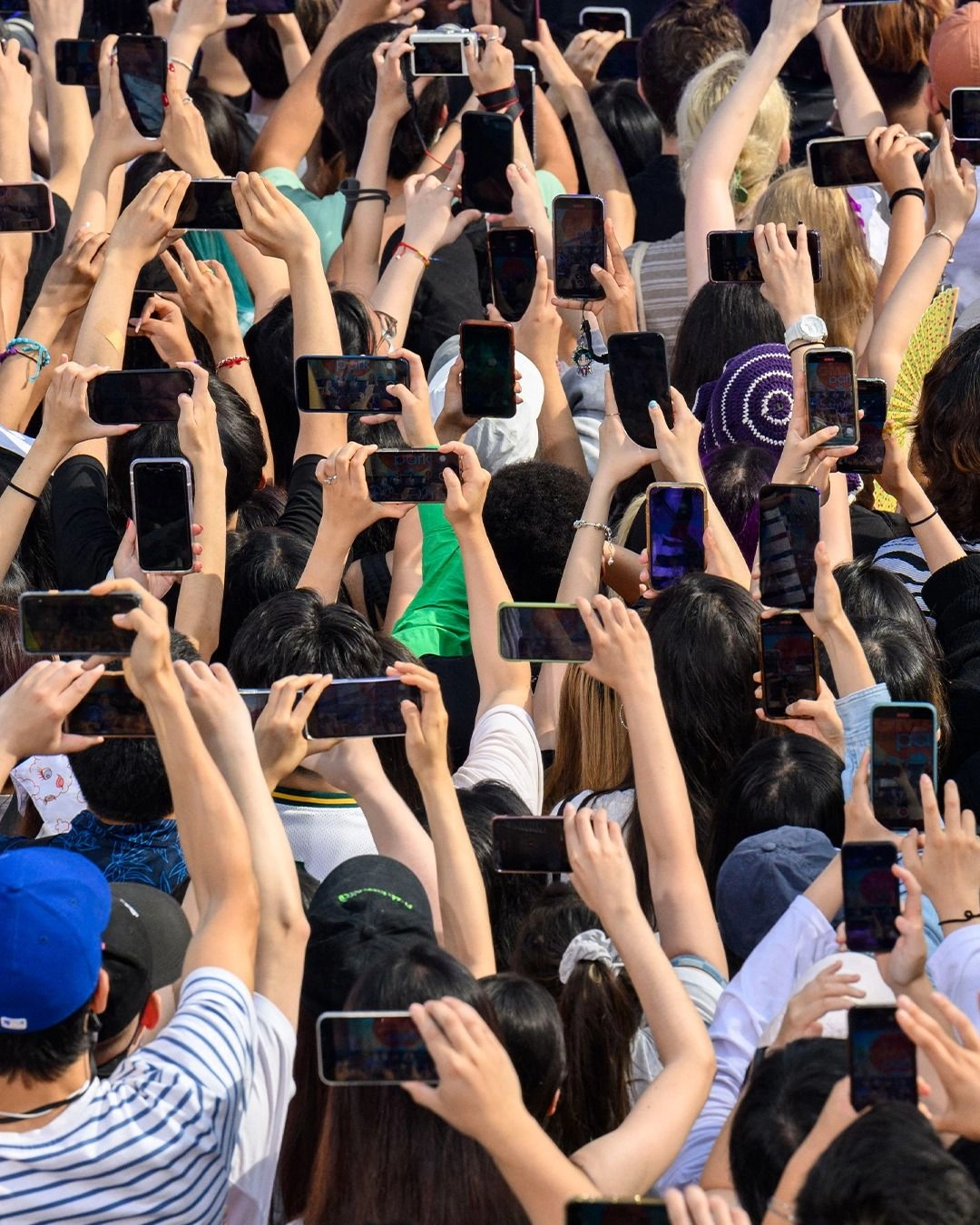
For years, lifestyle feeds have operated as non-stop digital shopping malls crowded with sponsored product endorsements. Viewers are growing exhausted by the endless cycle of viral must-haves that fail to live up to online claims.
In response, a wave of candid creators has stepped up to deliberately talk their audiences out of impulse purchases. This counter-movement cuts straight through filtered marketing noise by exposing overpriced, overhyped items that belong in the clearance bin.
Telling followers what to skip has quickly become the ultimate badge of creator authenticity. By prioritizing honest consumer protection over quick PR perks, these creators are regaining the audience trust that mainstream influencer marketing lost.
Redefining credibility in the creator economy
@shotofash Deinfluence you in 20 seconds #personalfinance #deinfluencing ♬ original sound – Ashton Lobo
Traditional influencer marketing relied heavily on manufactured enthusiasm and polished unboxing videos. Today, social media algorithms are favoring unfiltered critiques, wear-and-tear tests, and straightforward dupes that save consumers money.
De-influencing also reflects broader economic anxieties and a collective desire to curb mindless waste. Rather than hoarding entire makeup collections or viral water bottles, shoppers are choosing mindful curation and budget discipline.
This dynamic has forced consumer brands to rethink how they manage product quality and digital PR. Flashy packaging and sponsored creator trips are no longer enough to mask subpar formulations or shoddy hardware.
The road from anti-consumption to conscious buying
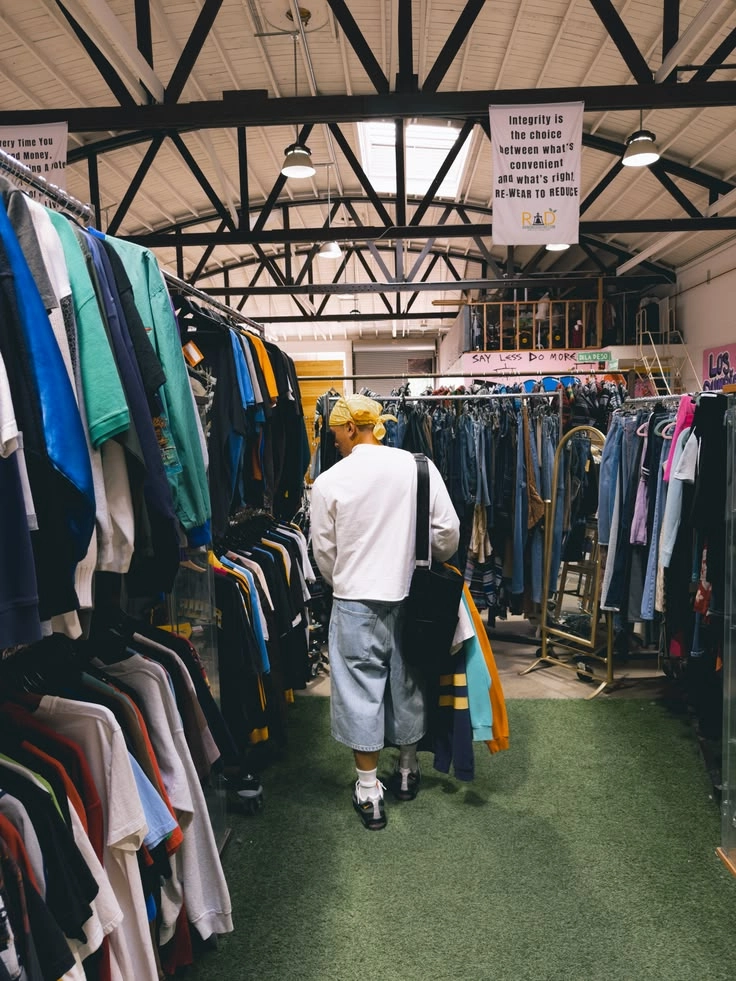
While de-influencing started as a direct rebellion against consumerism, it has quickly matured into a demand for transparency. Audiences still love discovering great goods, but they want evidence-backed recommendations with clear pros and cons.
The most trusted voices now act like modern consumer advocates, comparing ingredient decks and testing longevity before giving a verdict. This pragmatic approach strips away emotional marketing traps, empowering shoppers to make well-informed decisions.
Ultimately, de-influencing is not about ending retail, but about restoring balance to digital culture. It proves that honesty and critical thinking will always outshine algorithmic hype in the long run.
Frequently Asked Questions
De-influencing is a social media trend where creators tell followers which viral products are overhyped, ineffective, or not worth buying.
Yes, rising living costs and inflation have pushed consumers to cut back on impulse buys and demand more value from their purchases.
Forward-thinking brands listen to the criticism to refine formulations, improve customer service, and pivot toward more transparent advertising.
Not entirely, as many de-influencing videos still recommend cheaper alternatives or practical staples instead of demanding complete abstinence from buying.
The movement gained massive traction on TikTok and YouTube, particularly within the beauty, skincare, tech, and fast-fashion niches.

Recommended Video