Why Are So Many Men Looksmaxxing?
From skincare routines to extreme surgeries, a new online movement called looksmaxxing is reframing male attractiveness as something that can be optimized and relentlessly improved




The internet invents a new self-improvement project
The word “looksmaxxing” has begun appearing with surprising regularity across social media, part meme and part manifesto for a generation of men increasingly preoccupied with optimizing their appearance.
At its most basic, looksmaxxing refers to the pursuit of maximizing physical attractiveness through self-improvement. The term comes from online subcultures that treat beauty almost like a technical problem.

Facial symmetry, jawline definition, body fat percentage, skin clarity, and even posture are framed as variables that can be adjusted in pursuit of a better overall “score.”
From niche slang to mainstream content
What was once fringe internet slang is now edging into the mainstream. Social media has accelerated the spread of the idea, turning personal transformation into content and self-improvement into a public experiment.
Men post “before and after” photos, track changes in their physiques, and share advice on everything from grooming routines to surgical procedures. In many ways, the movement reflects a broader cultural trend sometimes described as the “quantified self,” the idea that every aspect of life, from health to productivity, can be improved through measurement and incremental optimization.
Applied to appearance, that philosophy can range from mundane to extreme.
Softmaxxing: The everyday upgrade
At the more conventional end of the spectrum is what online communities call “softmaxxing,” a set of lifestyle upgrades that include skincare, fitness training, orthodontics, better haircuts, and improved wardrobe choices. The idea is simple: elevate the basics that shape how a person presents themselves.
Hardmaxxing and the extreme edge
But the movement also has a more radical side, sometimes referred to as “hardmaxxing,” which includes cosmetic surgeries, jaw implants, hair transplants, steroid use, and even limb-lengthening procedures intended to increase height.
The more dramatic the transformation, the more attention it tends to attract online.
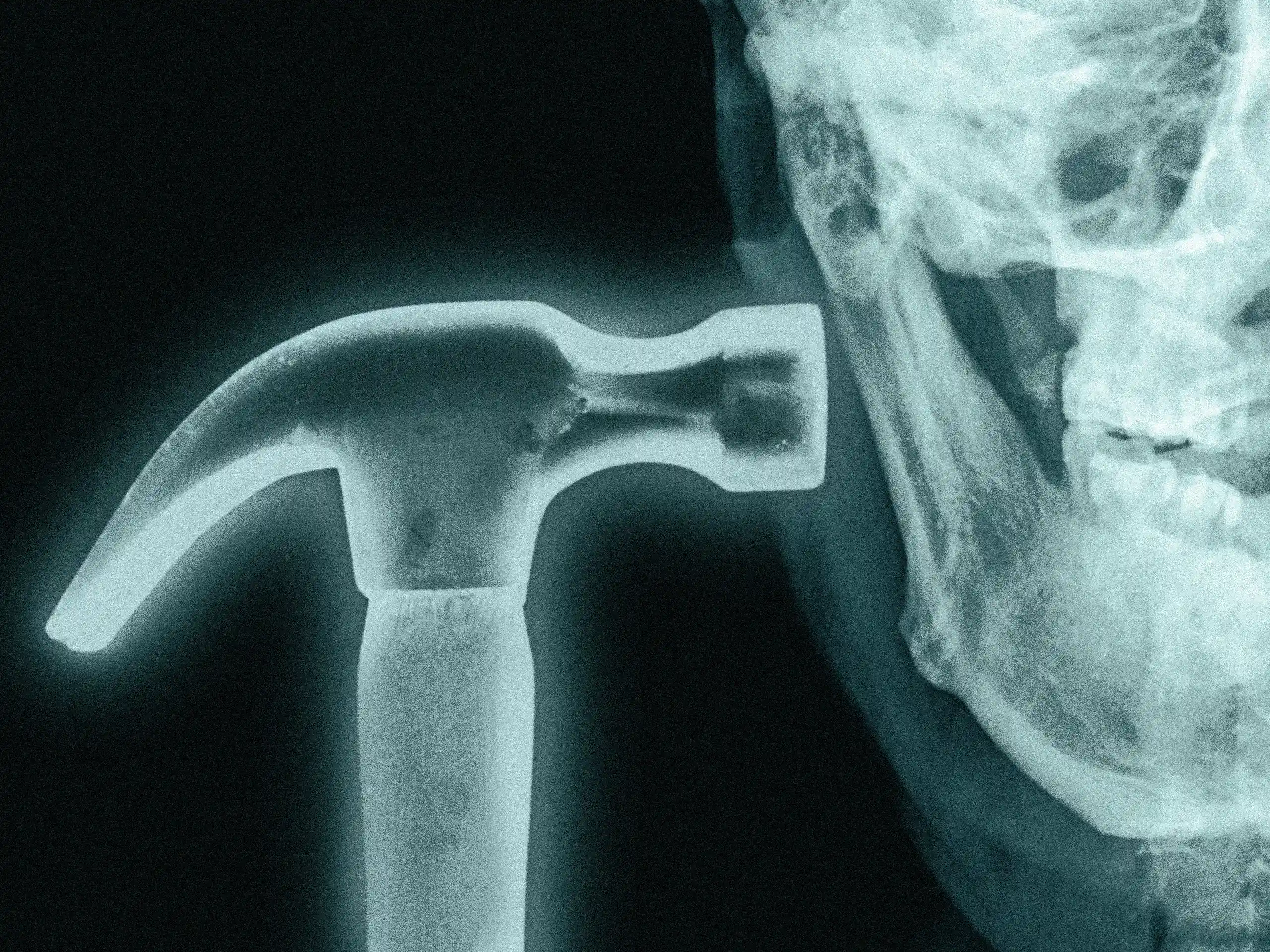
A controversial internet streamer known as Clavicular has become one of the most visible figures associated with the trend. His videos document increasingly extreme attempts to alter his appearance, from experimenting with testosterone and steroids to striking his own face with a hammer in the belief that repeated impact could reshape bone structure.
The clips circulate widely online, illustrating how the movement intersects with the broader attention economy, where the most shocking or unconventional content often travels the furthest.
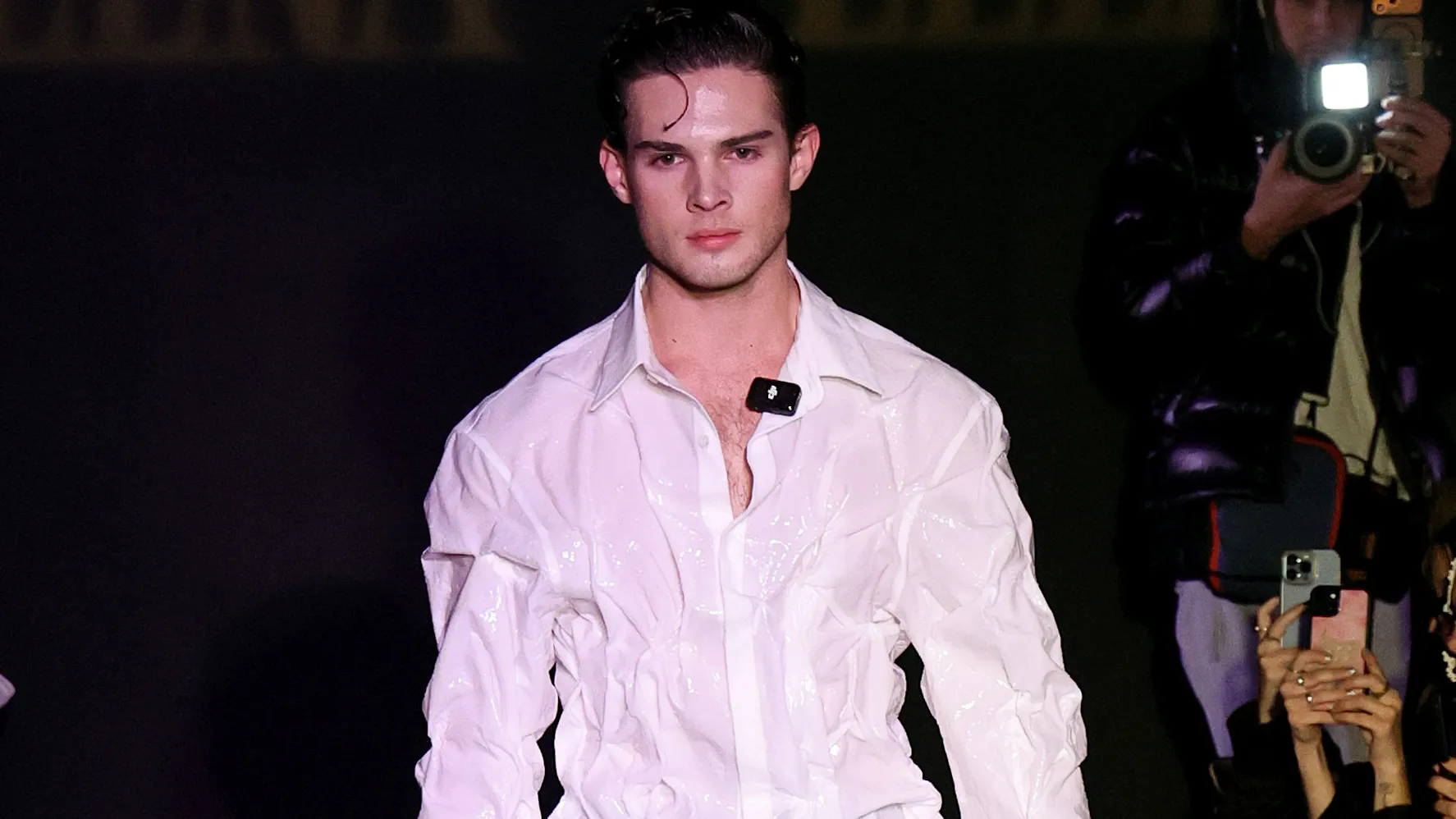
Yet beyond the spectacle lies a deeper cultural undertone. For decades, conversations about beauty standards largely focused on women, while men faced comparatively relaxed expectations around their appearance.
The rise of social media has changed that dynamic. Platforms built around images and short-form video reward visual appeal, and male influencers now occupy the same hyper-curated ecosystem of lighting, filters, and aesthetic self-presentation that once defined female beauty culture.
Analyzing the face like data
Looksmaxxing can be seen as an extension of that environment. In online forums and group chats, users analyze facial features with near-clinical language. Jaw angles, eye shape, and facial proportions are dissected in diagrams and rating charts.

Advice circulates about the most efficient ways to improve perceived attractiveness, often borrowing language from fitness culture and self-improvement communities.
At the same time, the movement has helped fuel growth in the male aesthetics industry. Cosmetic clinics increasingly market procedures such as hair restoration, skin treatments, and facial contouring to male clients.
Optimization or obsession?
For some participants, looksmaxxing functions as a structured approach to self-improvement. For others, it risks reinforcing a narrow and sometimes unrealistic standard of attractiveness.
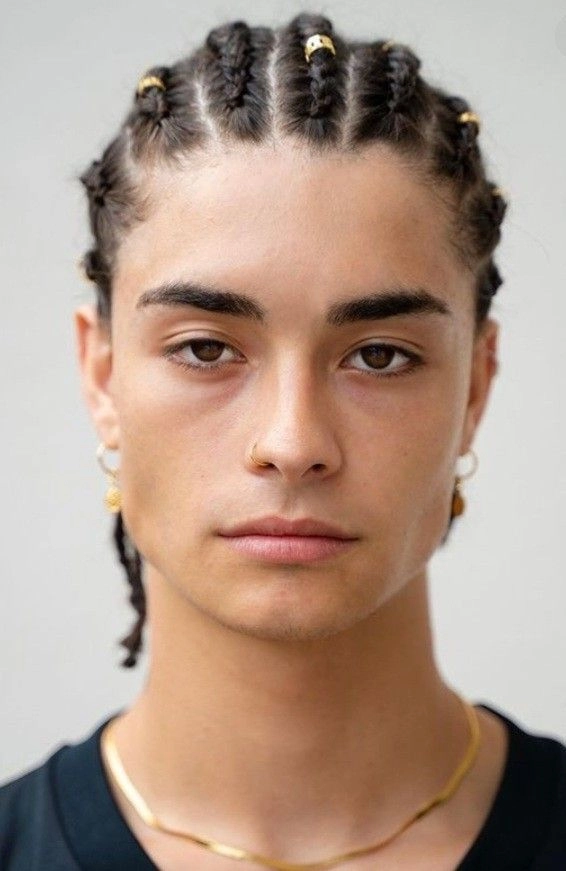
The culture surrounding the movement can also be complicated by its origins in internet forums where discussions of beauty are tied to rigid ranking systems and intense comparisons between individuals.
Even so, the language of looksmaxxing continues to migrate into the mainstream. What began as niche internet jargon now appears casually in transformation videos and lifestyle content aimed at young male audiences.
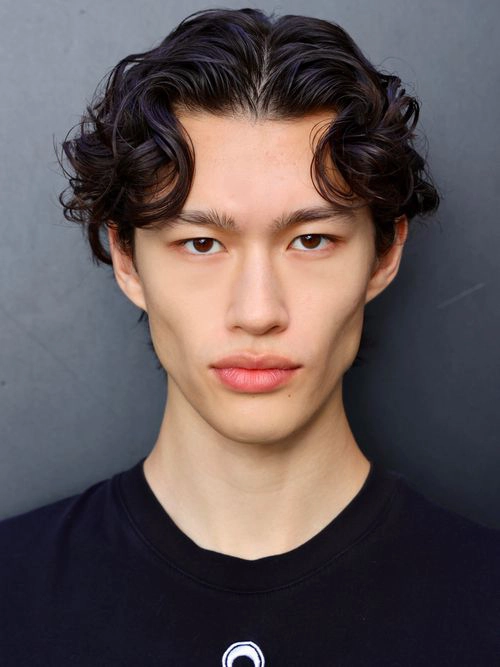
The tone can range from ironic to earnest, but the underlying message remains consistent: appearance is something that can be optimized.
Whether that impulse ultimately proves empowering or unhealthy may depend on how far people choose to take it. But the trend itself marks a broader reality of the digital age. Even the face has become another project in progress in a culture where nearly everything can be measured, improved, and shared online.