Under the Serpent’s Luck Through Glodok’s Chinatown
Jakarta welcomes the Year of the Snake with vibrant celebrations, reflecting the city’s rich cultural heritage and its ever-evolving spirit of renewal




Traditions in Glodok
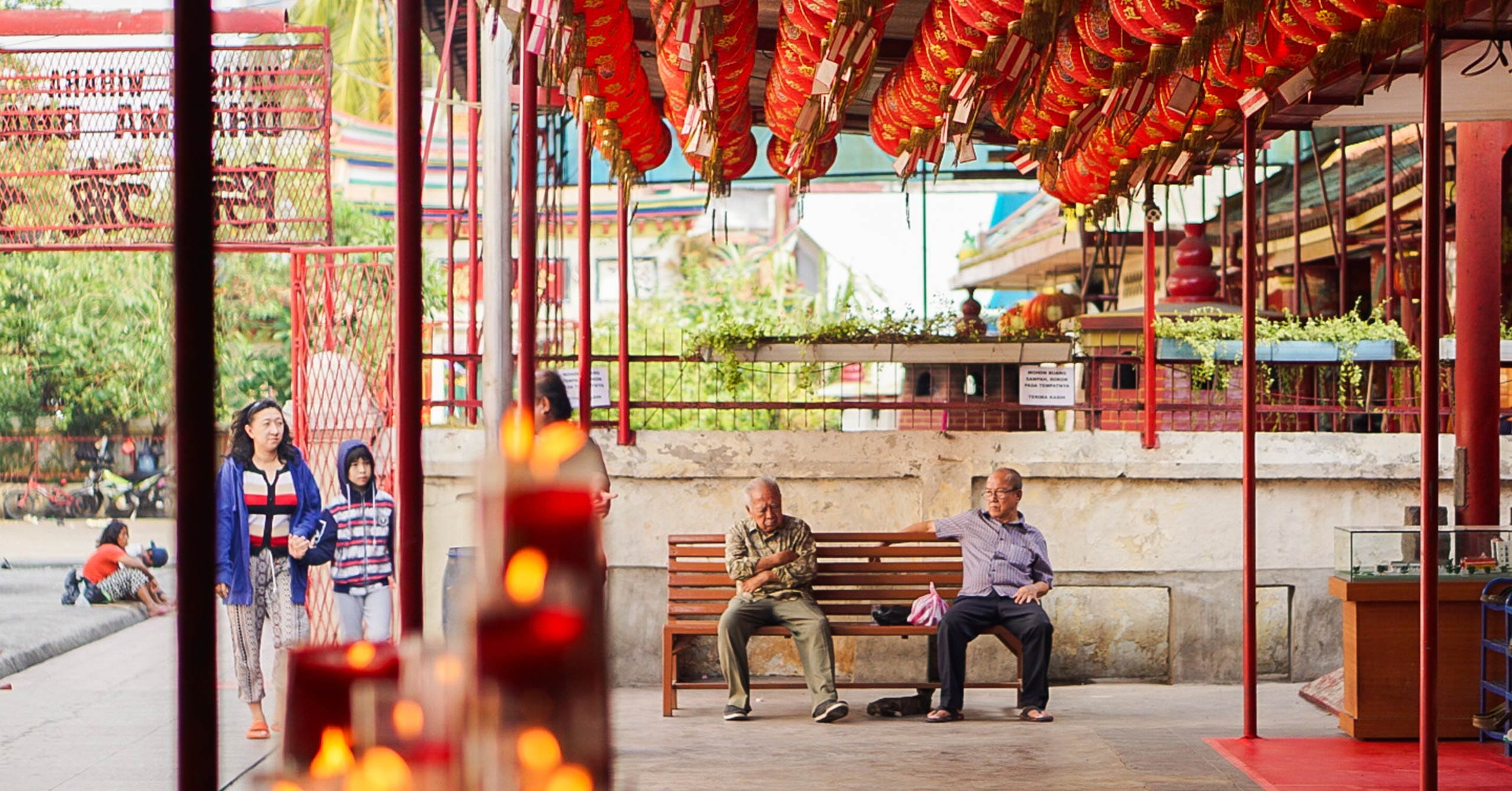
Glodok, Jakarta’s historic Chinatown, is bustling with activity as the Year of the Snake unfolds.
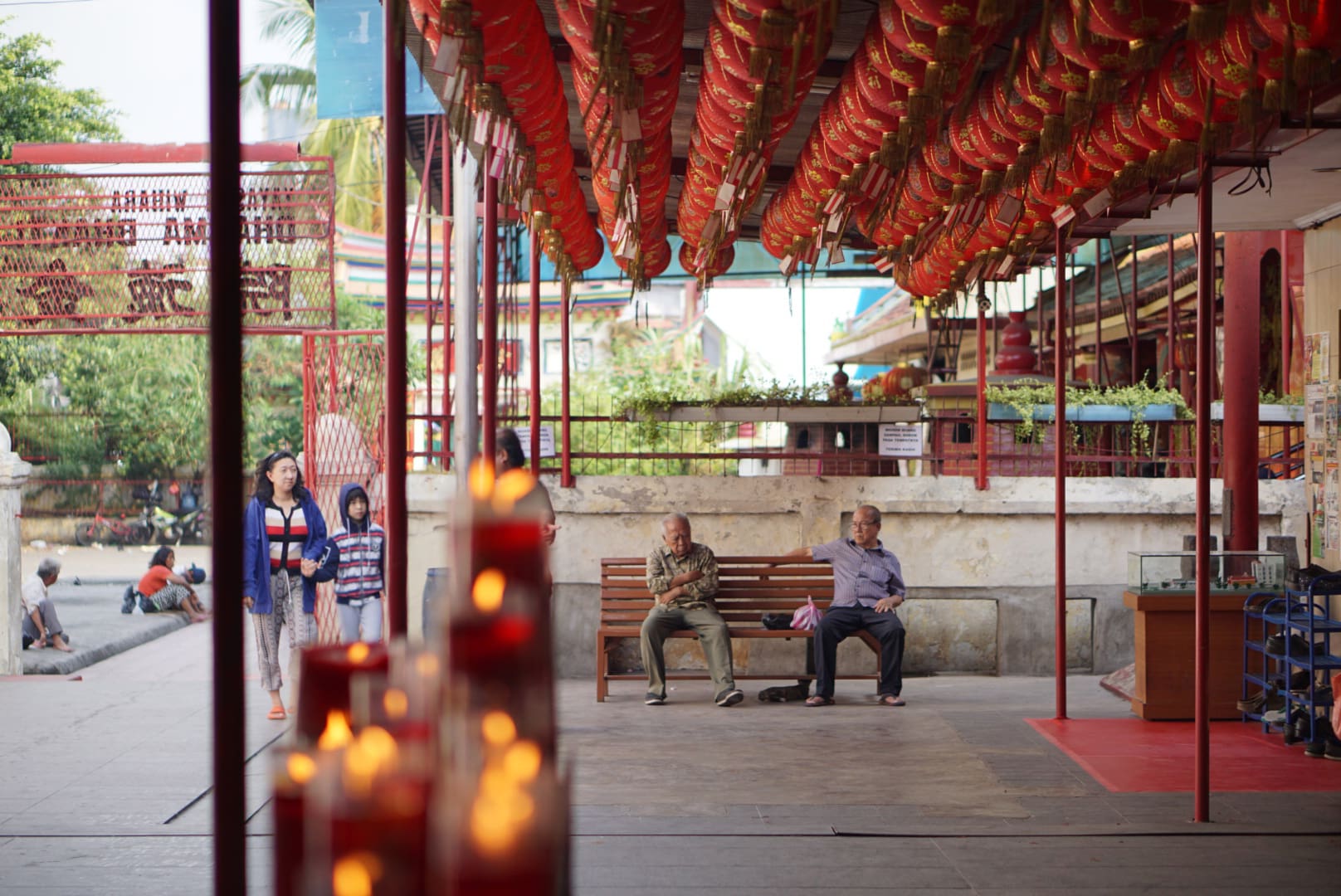
In anticipation of Lunar New Year 2576 Kongzili, or Lunar New Year 2025, the warm glow of red lanterns complements the golden light of candles outside temples, softly illuminating the crowded streets.
Vendors loudly promote their goods, offering items ranging from imported mandarin oranges to nian gao, or “basket cake,” carefully arranged in various wrappings.
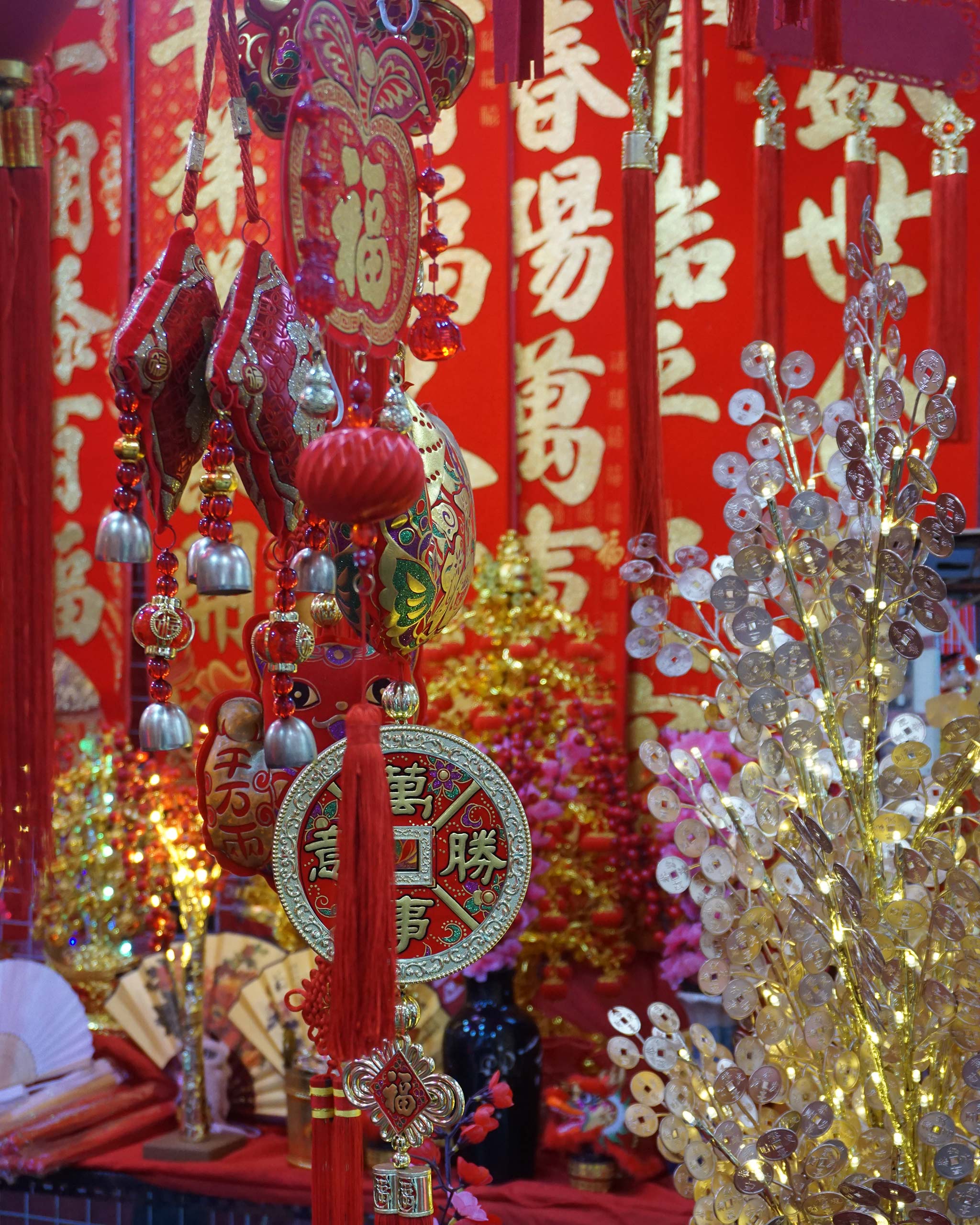
Stalls overflow with pink Sakura flowers, glittering red lanterns, and piles of intricately embossed ang pao envelopes in gold and crimson, adorned with symbols of fortune like dragons and coins.
For many families, the traditions of Glodok are as essential as the Lunar New Year itself. Restaurants like Angke (established in 1965), Sun City (2007), and Eka Ria (1972), have become icons of the celebrations.
Families gather for a feast prior to New Year’s Eve (Sembahyang Sinbeng Naik), sharing dishes like Mun Haisom (braised sea cucumber with chicken) and Ayam Garam (salted steamed chicken) at Angke, or hakau (shrimp dumplings) and chongfan (steamed rice rolls) at Sun City.
On New Year’s Day, the tradition often continues with a hearty lunch after the morning prayers, perhaps enjoying Eka Ria’s famous fried pigeon, a meal that never fails to please.
RELATED: Vietnam’s Tết: A Cultural Celebration Like No Other in the Lunar New Year
The symbolism of the Snake
In Chinese culture, the zodiac snake symbolizes transformation, shedding its old skin to grow anew—a profound renewal mirrored in the Year of the Snake. This year emphasizes adaptation and personal growth, with the Wood Snake symbolizing optimism and resilience amidst challenges.
As outlined by Feng Shui Master Ken Koh in the Maybank Research Pte Ltd report, its Yin Wood nature represents flexibility, while the Fire element signifies hope and determination. Fire symbolizes optimism, growth, and economic strength.
“Southeast Asia will benefit greatly, with prosperity returning to Asia, driving success across the region,” he added.
As malls race to try to outdo each other with elaborate decorations, hotels and restaurants are offering special Lunar New Year menus. Langham Jakarta, T’ang Court showcases an 8-course menu featuring Poon Choi, Australian 2-head Abalone, paired with limited-edition wines from Penfolds.
Meanwhile, Li Feng at Mandarin Oriental Jakarta offers opulent feasts crafted by its Michelin-starred chef. Beyond these luxurious experiences, the connection to tradition finds its spiritual anchor in Vihara Dharma Jaya Toasebio, one of the oldest temples in Glodok.
Nestled 500 meters away from the evolving main Gajah Mada street and the ongoing construction of MRT Jakarta’s Phase 2A line connecting Glodok and Kota area, the temple stands as a beacon of cultural and spiritual preservation.
A time of renewal and unity
“Every Imlek, we prepare the temple to ensure it’s ready to welcome worshippers seeking blessings for health, prosperity, and happiness,” explains one of the temple’s caretakers.
Preparations begin weeks in advance, involving the cleaning and decoration of altars, the meticulous arrangement of offerings, and the scheduling of rituals.
According to the temple’s program, the festivities commence on January 22 with Sembahyang Sin Beng prayers close to midnight, followed by vibrant Barongsai dances and community gatherings.
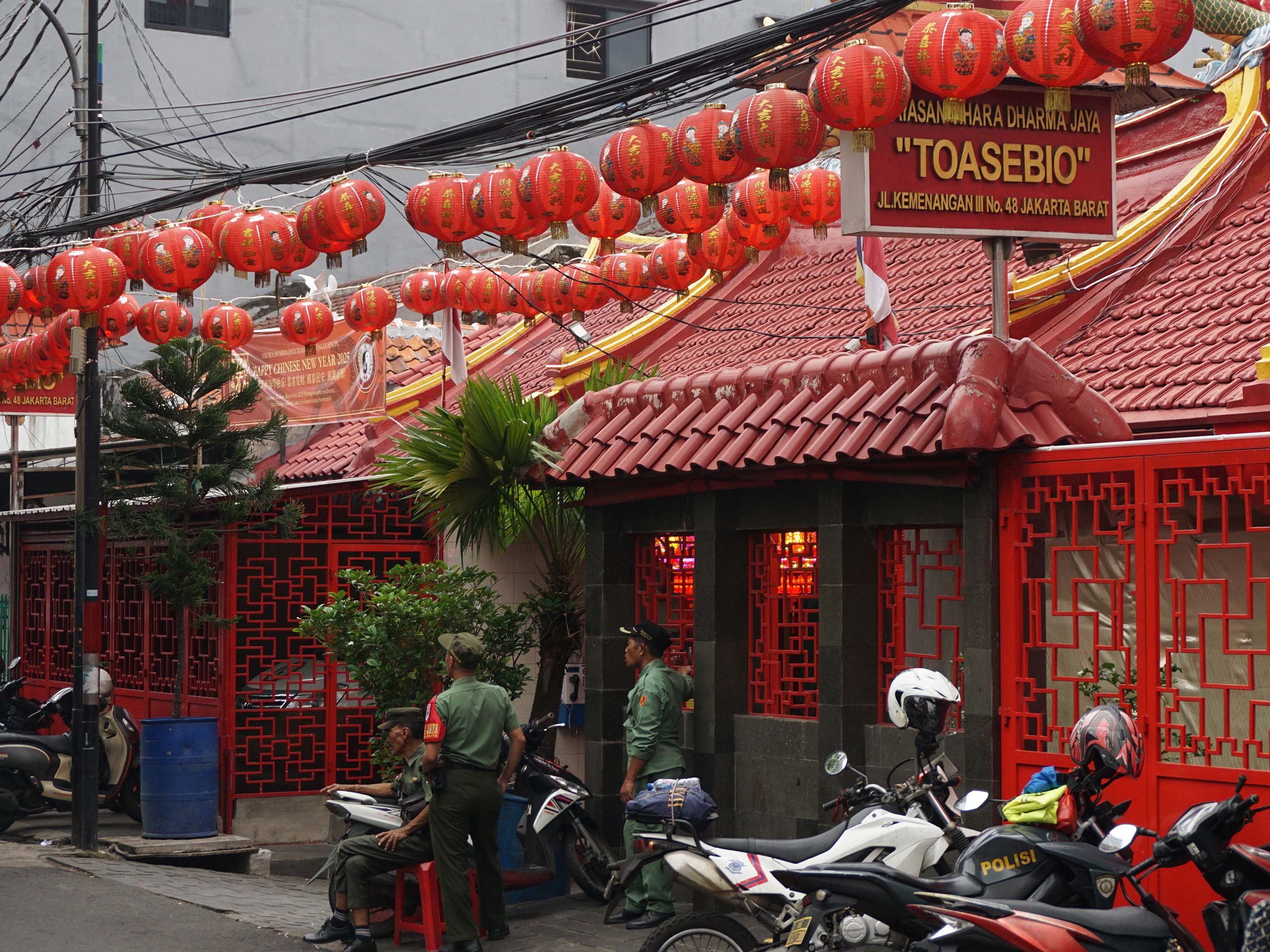
The celebrations continue with Sembahyang Sinbeng Turun on January 31 and Sembahyang Tebu (Tikong Sejit) on February 5, marking key moments of devotion.
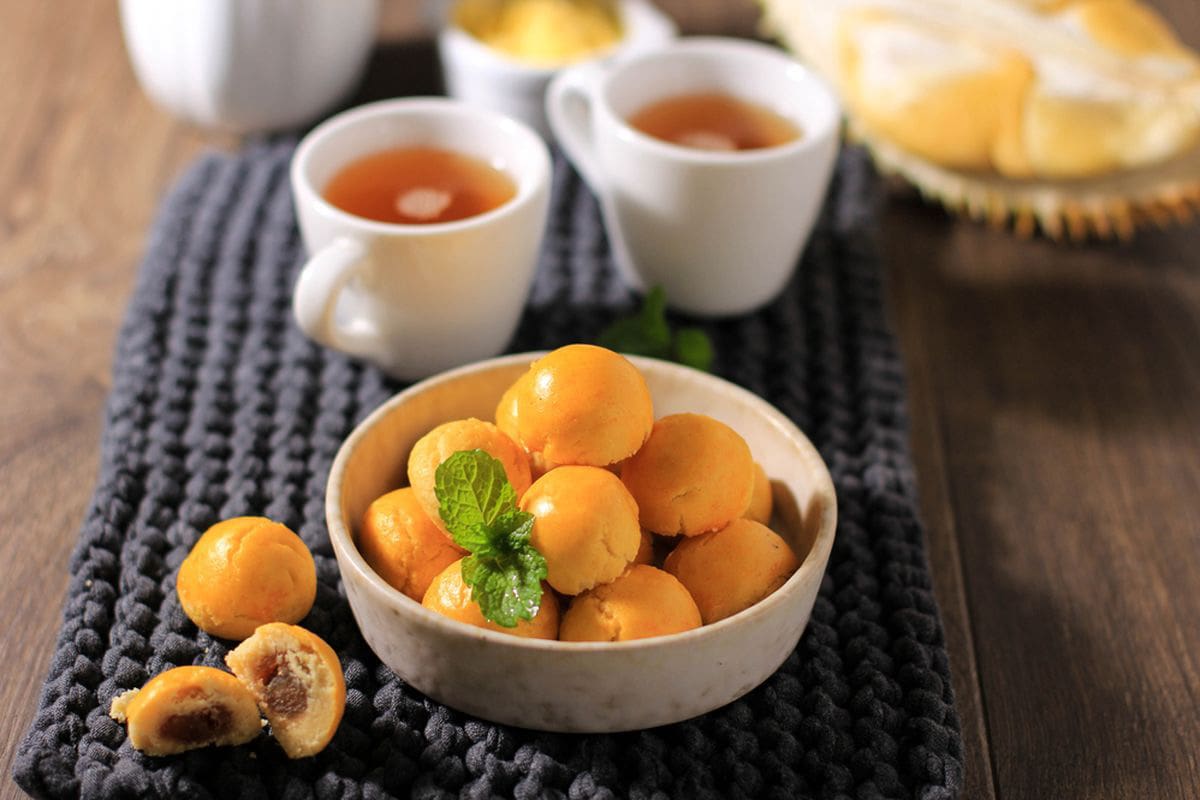
As mentioned previously, food is a key component of Imlek. Among the many delicacies, nastar—pineapple tarts—holds a special place at home. In Hokkien, “ong lai” means pineapple, which translates to “prosperity has arrived,” explaining why nastar symbolizes luck and abundance.
Sweet symbols
Another traditional treats such as lapis legit cake, a beloved Indonesian-Dutch delicacy symbolizing layered prosperity, are shared, embodying the abundance and blessings that Imlek represents.
These culinary traditions extend to Cap Go Meh celebrations, held this year on February 11 and 12, featuring vibrant Barongsai performances, karaoke sessions, and festive meals such as Lontong Cap Go Meh (compressed long rice cakes served with a variety of side dishes and condiments), bringing families together to close the Lunar New Year period with joy and togetherness.
It would be incomplete to holistically explore Indonesian Imlek celebrations without acknowledging how these traditions have further evolved to blend traditional customs with modern innovations, particularly in fashionFashionThe art and industry of designing, producing, and styling clothing, footwear, accessories, and beauty trends. It reflects cultural influences, personal expression, and evolving styles across seasons and markets.Go to Fashion Glossary.
Renowned Indonesian designer Sebastian Gunawan exemplifies this fusion through his creations, which honour cultural heritage while embracing contemporary aesthetics.
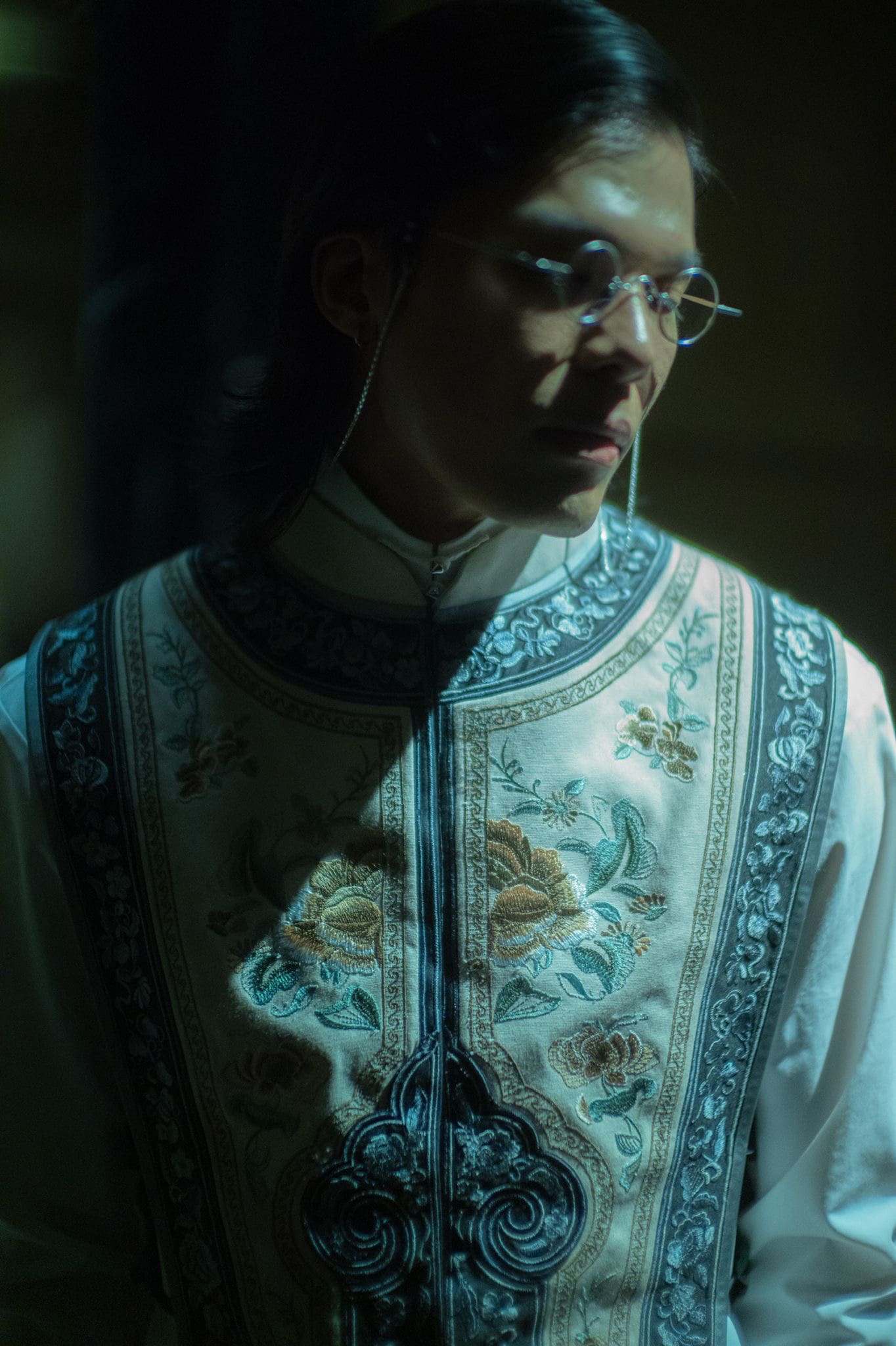
His recent collection, Gǎi Shàn, reflects themes of transformation and continuous improvement, showcasing menswear pieces that seamlessly merge traditional elements with modern sensibilities. Featuring refined cheongsam collars and a palette of white, black, and salmon pink, embody a celebration of cultural values, innovation, and enduring beauty.
In a country as diverse as Indonesia, Imlek is more than a holiday—it is a time when traditions ground families and new beginnings take shape, even when lanterns dim and celebrations wind down.
Whether celebrated in opulence at grand feasts or in the warmth of gathering at the home, Imlek is a profound reminder of connection and continuity.
Retrospectively, Imlek was officially recognized as a public holiday in 2003 during Megawati Soekarnoputri’s presidency, this milestone reflects the Chinese-Indonesian community’s perseverance in preserving their traditions and identity. It also stands as a symbol of diversity and tolerance, celebrated by the nation as a whole.
From the lively streets of Glodok to intimate family reunions, Imlek in Indonesia exemplifies the resilience and adaptability of a community that continues to grow stronger, embodying the resilience, and spirit of togetherness.
Photography Sebastian Gunawan and Billy Saputra
Frequently Asked Questions
In Jakarta’s Glodok Chinatown, Imlek is marked by red lanterns, candles outside temples, vendors selling mandarin oranges and nian gao, and ang pao envelopes. Families gather for a feast before New Year’s Eve and often continue with lunch after morning prayers on New Year’s Day, VMAN SEA reports.
VMAN SEA names Angke (established 1965), Sun City (2007) and Eka Ria (1972) as icons of Glodok’s celebrations, with dishes including Mun Haisom (braised sea cucumber with chicken) and Ayam Garam at Angke, hakau and chongfan at Sun City, and Eka Ria’s fried pigeon.
VMAN SEA says the zodiac snake symbolizes transformation, shedding old skin to grow anew, and that the Wood Snake year emphasizes adaptation, optimism and resilience. It cites Feng Shui Master Ken Koh in a Maybank Research report, who says Yin Wood means flexibility and Fire hope and determination.
Vihara Dharma Jaya Toasebio, one of Glodok’s oldest temples, prepared for Imlek with altar cleaning, offerings and scheduled rituals. Its program began January 22 with Sembahyang Sin Beng prayers and Barongsai dances, followed by Sembahyang Sinbeng Turun on January 31 and Sembahyang Tebu (Tikong Sejit) on February 5.
VMAN SEA links Imlek foods to luck, including nastar, because “ong lai” in Hokkien means pineapple, read as prosperity has arrived, and layered lapis legit. It also notes designer Sebastian Gunawan’s menswear collection Gǎi Shàn, which merges cheongsam collars with a white, black and salmon pink palette.

Recommended Video