These Southeast Asian Colonial Era Hotels Combine History with Hospitality
These cultural landmarks have been restored and reimagined for today’s audiences, offering travelers a trip across space and time




Which hotels in Southeast Asia come with rich history?
Colonial era hotels across Southeast Asia are architectural and cultural landmarks—reminders of a bygone era that combine the influence of empires with local craftsmanship.
The late 19th to the early 20th centuries saw these hotels host powerful political figures, businessmen, and those who could afford the excesses of leisure at the time.
Today, many of these establishments have been restored and reimagined for a contemporary audience, offering travelers a trip across space and time. History continues to live through these spaces, adding to the overall experience.
Here are some hotels in the region where history, heritage, and hospitality intersect:
METT Singapore (Singapore)
Set in the heart of Fort Canning Park, once a site for royal grounds and the British military administration, METT Singapore blends old-world charm with contemporary soul. Just minutes from Orchard Road, this lifestyle hotel features colonial architecture, high ceilings, and lush grounds, evoking history while offering luxury for modern tastes.
The Majestic Hotel Ho Chi Minh (Vietnam)
Built in 1925 in the French Riviera style, The Majestic Hotel witnessed Ho Chi Minh’s transformation throughout the several wars that ravaged the city.
An icon of Vietnam’s colonial architecture, it now provides luxury accommodations within a structure that carries the weight of the country’s rich history.
Rex Hotel Ho Chi Minh (Vietnam)
At the heart of downtown Ho Chi Minh is the Rex Hotel. Original built as an automobile dealership and garage during French colonial rule in the early 20th century, the building underwent several transformations—trading center, cinema complex, to the hotel that it is today.
During the Vietnam War, the Rex became known for hosting the daily U.S. military press briefings known as the “Five O’Clock Follies” at its rooftop bar, making it a symbol of the city’s wartime and post-colonial history. Today the Rex represents a blend of heritage and modern luxury, with accommodations, multiple restaurants and bars, event venues, and a rooftop garden bar with citywide views—all while retaining references to its colonial architectural roots.
Mandarin Oriental Bangkok (Thailand)
Founded in the 19th century, this hotel has long been an iconic colonial‑era luxury property on the Chao Phraya River. With its original Author’s Wing and association with colonial and post‑colonial high society, it remains a benchmark of heritage hospitality in Bangkok. Its legacy lies in the continuity of service, grand architecture and cultural relevance across eras.
The Majestic Malacca (Malaysia)
Built in 1929 as a private mansion in the Straits Settlement style, the establishment was converted in 1955 and restored in 2008, now as The Majestic Malacca. The property stands along the banks of the Malacca River, within a UNESCO Heritage Zone.
The architecture and interiors of the hotel reflect the multicultural layers of the locale—its colonial and trading past. Today, it offers heritage luxury rooted in place and narrative.
Raffles Hotel (Singapore)
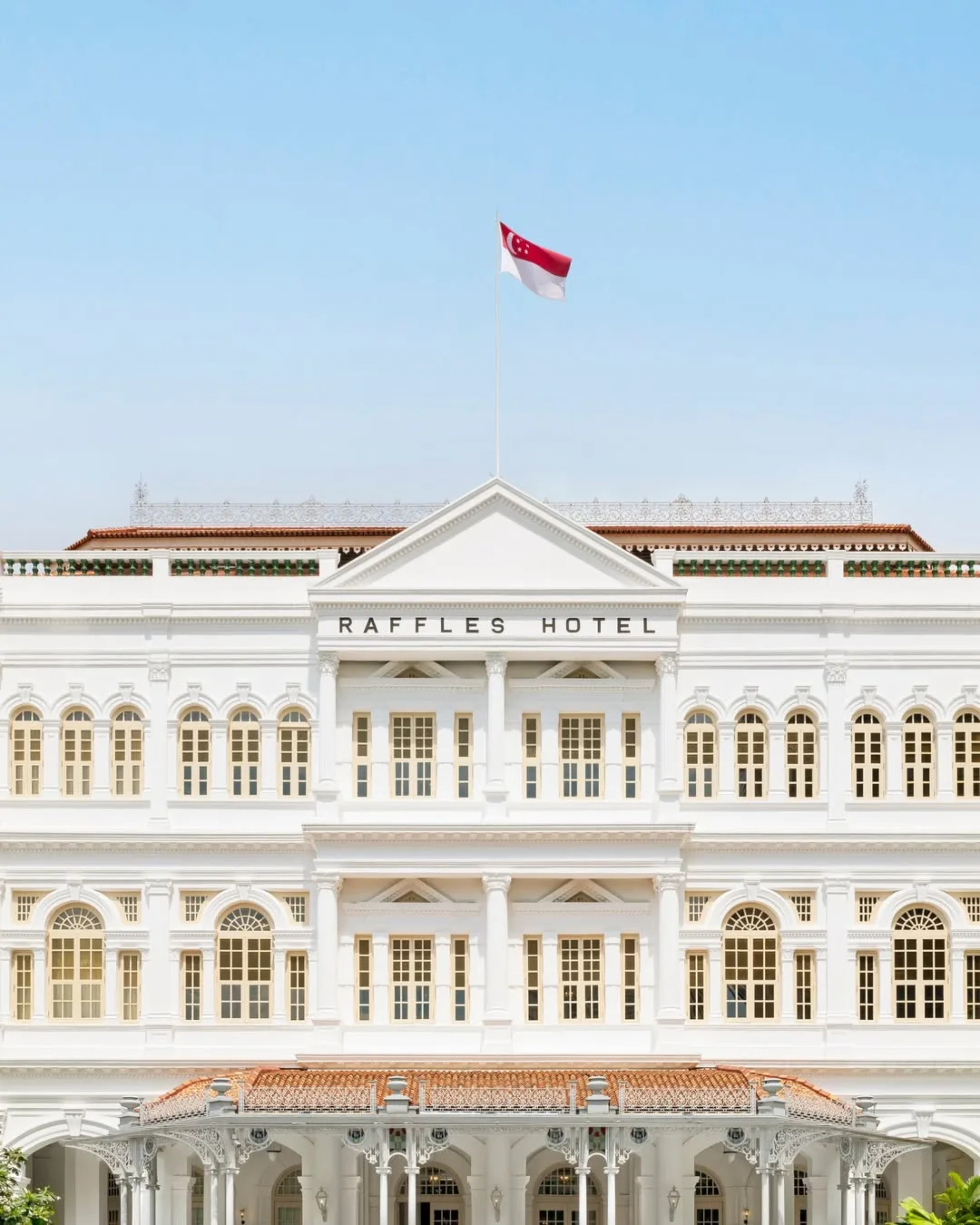
Established in 1887 by the Sarkies brothers, Raffles Hotel Singapore is one of the most iconic colonial hotels in the region. Its architecture, the famed Long Bar, and its well-preserved interiors have solidified it as a timeless symbol of luxury in Southeast Asia.
Sofitel Legend Metropole Hanoi (Vietnam)
Located in Hanoi’s French Quarter, this hotel opened in 1901 during the era of French Indochina. Over its long history it has hosted royalty, celebrities and international summits. Restored and branded as a “Legend”, it combines colonial elegance with modern luxury.
Settha Palace Hotel (Laos)
Built in the early 1930s as a French colonial residence, the Settha Palace was restored and reopened in 1999. With rosewood furnishings, marble floors and old‑world charm, the hotel offers vintage colonial ambiance in the heart of Laos. Its relevance emerges from how it preserves the quieter, less‑visited colonial heritage of Laos and offers travelers a refined, immersive stay.
Hotel Majapahit Surabaya (Indonesia)
Originally called the Oranje Hotel, Majapahit stands as one of Indonesia’s colonial luxury institutions. Built in 1910, the architecture, history of politics and hospitality, and its continuous operation into modern times make it a key piece in Indonesia’s legacy of colonial‑era luxury.