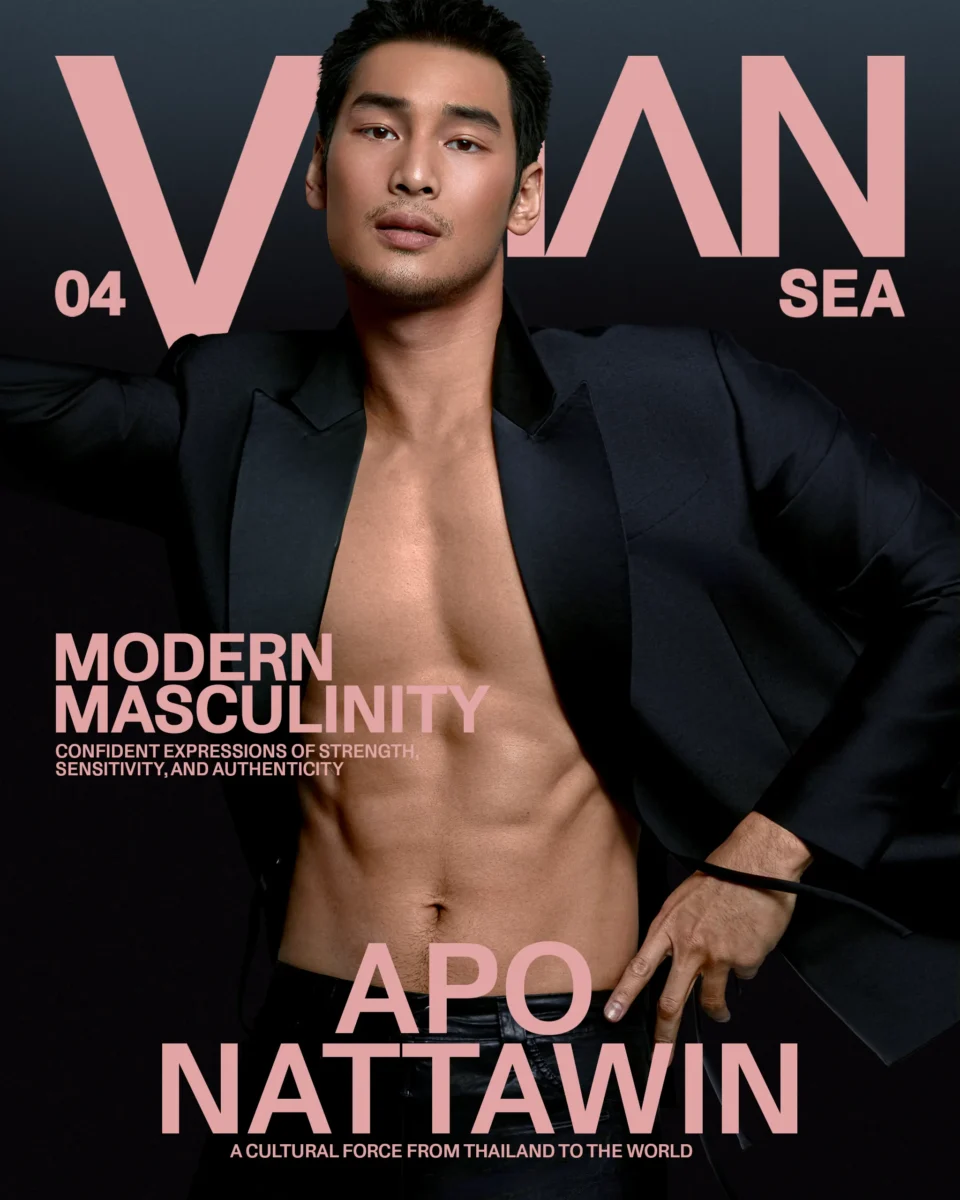
The Best Romantic Restaurants in Southeast Asia Right Now
To assist couples ahead of the rush, we compiled suggested date venues throughout Southeast Asia so you have a plan wherever you are celebrating





Valentine’s Day is seven days away, and procrastination has officially stopped being romantic. Tables fill fast, and last minute plans usually lead to long lines or nowhere to dine at all. Take this as your intervention: book the reservation now.
To help diners prepare, we’ve compiled a list of recommended date spots in each Southeast Asian country, offering options wherever you may be celebrating.
Singapore
Singapore continues to dominate regional fine-dining rankings, and its Valentine’s Day options reflect consistency.
Odette
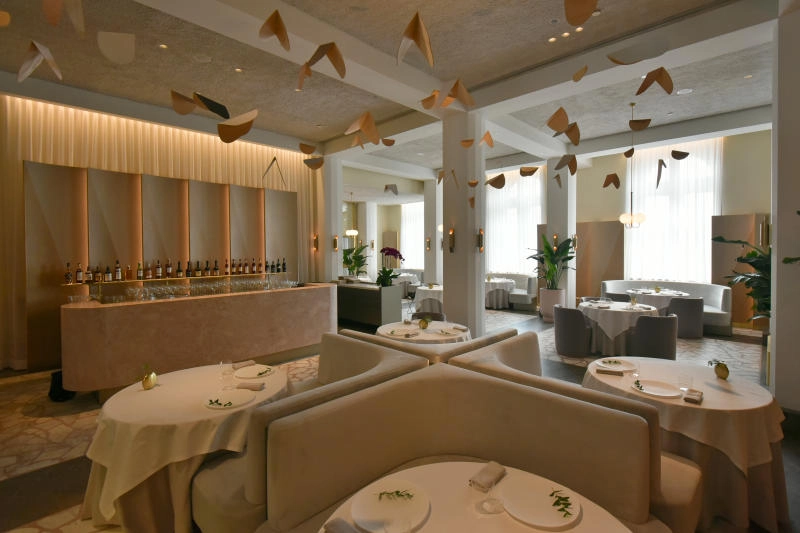
Odette, inside the National Gallery Singapore, is one of Asia’s most decorated restaurants, known for chef Julien Royer’s modern French cuisine rooted in seasonality and ingredient purity. The restaurant is especially known for seafood-focused courses, delicate vegetable work, and highly structured tasting menus.
JAAN by Kirk Westaway
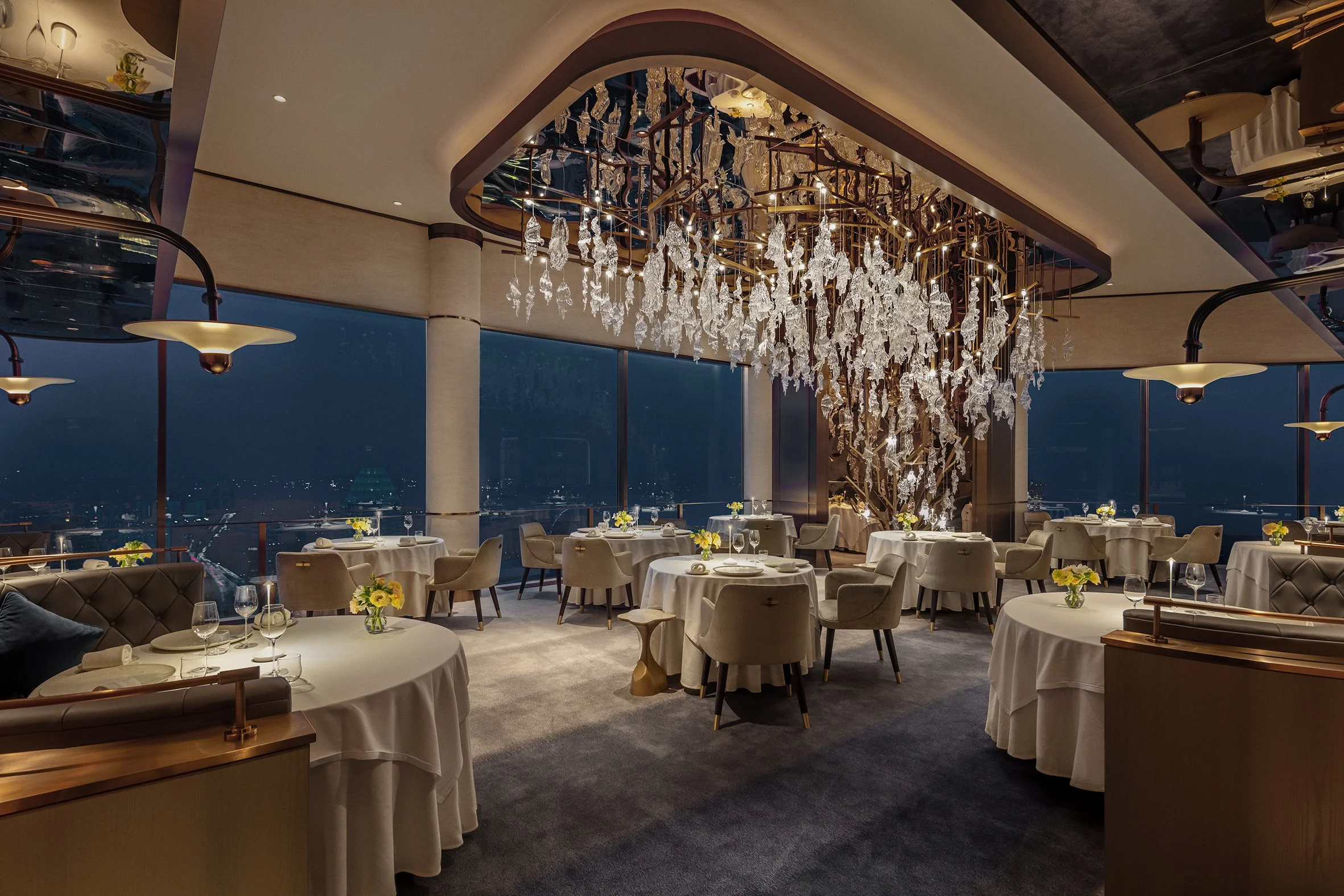
JAAN by Kirk Westaway, located at Swissôtel The Stamford, offers modern British cuisine built around seasonal produce and technical clarity. The restaurant’s high-rise location adds skyline views, but the main draw remains its ingredient-driven tasting menus.
Thailand
Thailand offers a split between high spectacle dining and deeply rooted regional cooking.
Vertigo & Moon Bar
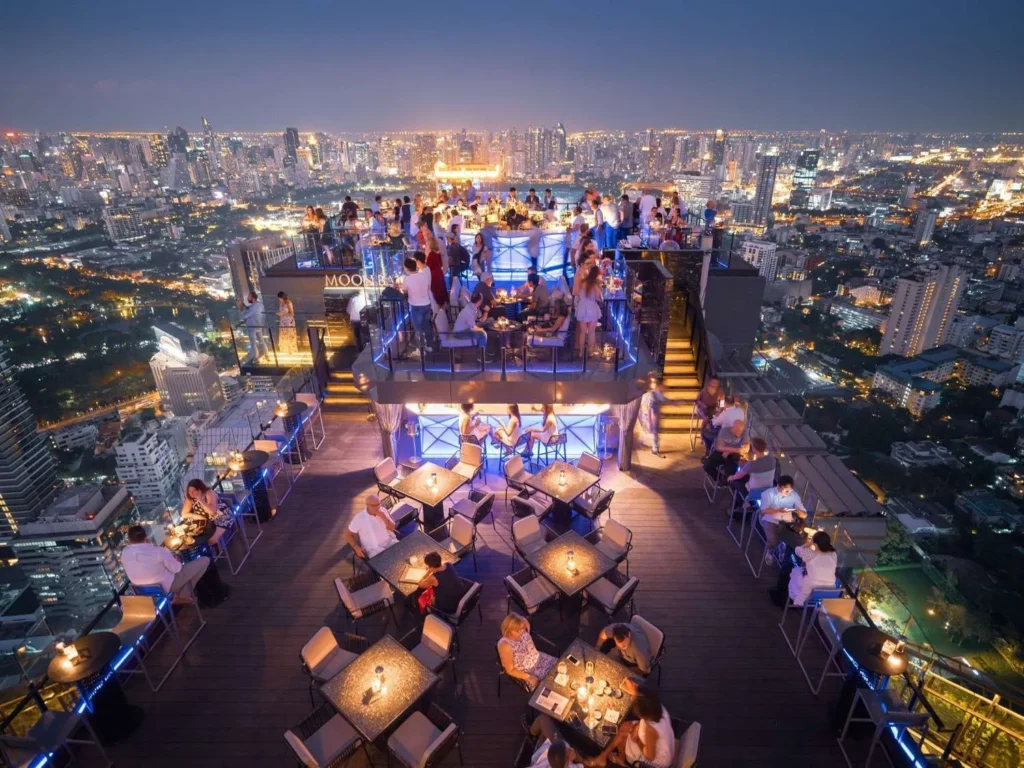
Vertigo & Moon Bar at Banyan Tree Bangkok remains one of the city’s most recognizable Valentine’s destinations, offering rooftop dining with panoramic skyline views and a menu focused on premium grilled meats and seafood.
Sorn
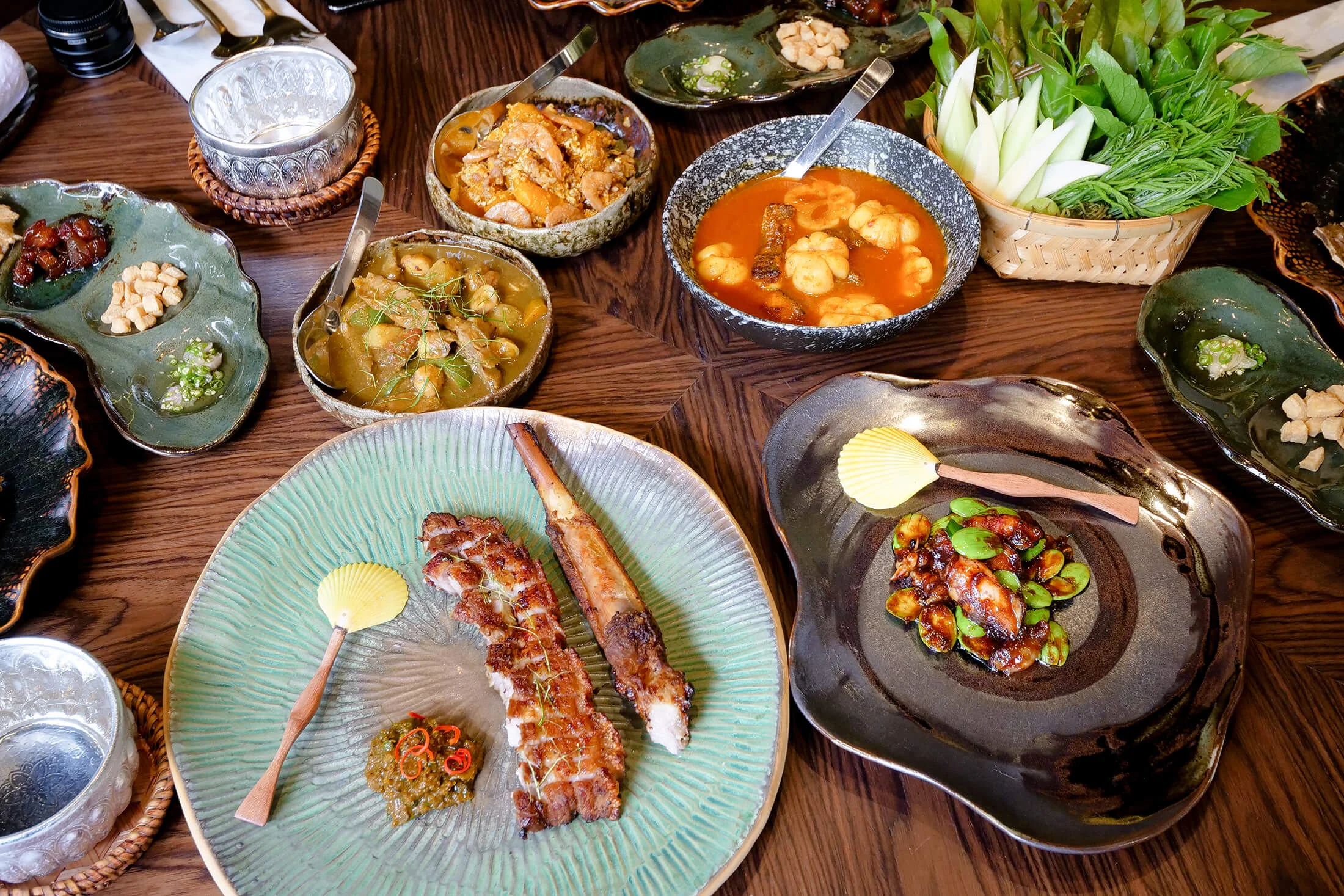
Sorn, meanwhile, represents one of Thailand’s most important culinary movements. Chef Supaksorn Jongsiri focuses exclusively on Southern Thai cuisine, sourcing many ingredients directly from southern regions. The tasting menu is known for bold spice levels and historically grounded recipes.
Philippines
The Philippines’ fine dining scene continues to build global recognition through restaurants focused on Filipino identity and modern technique.
Toyo Eatery
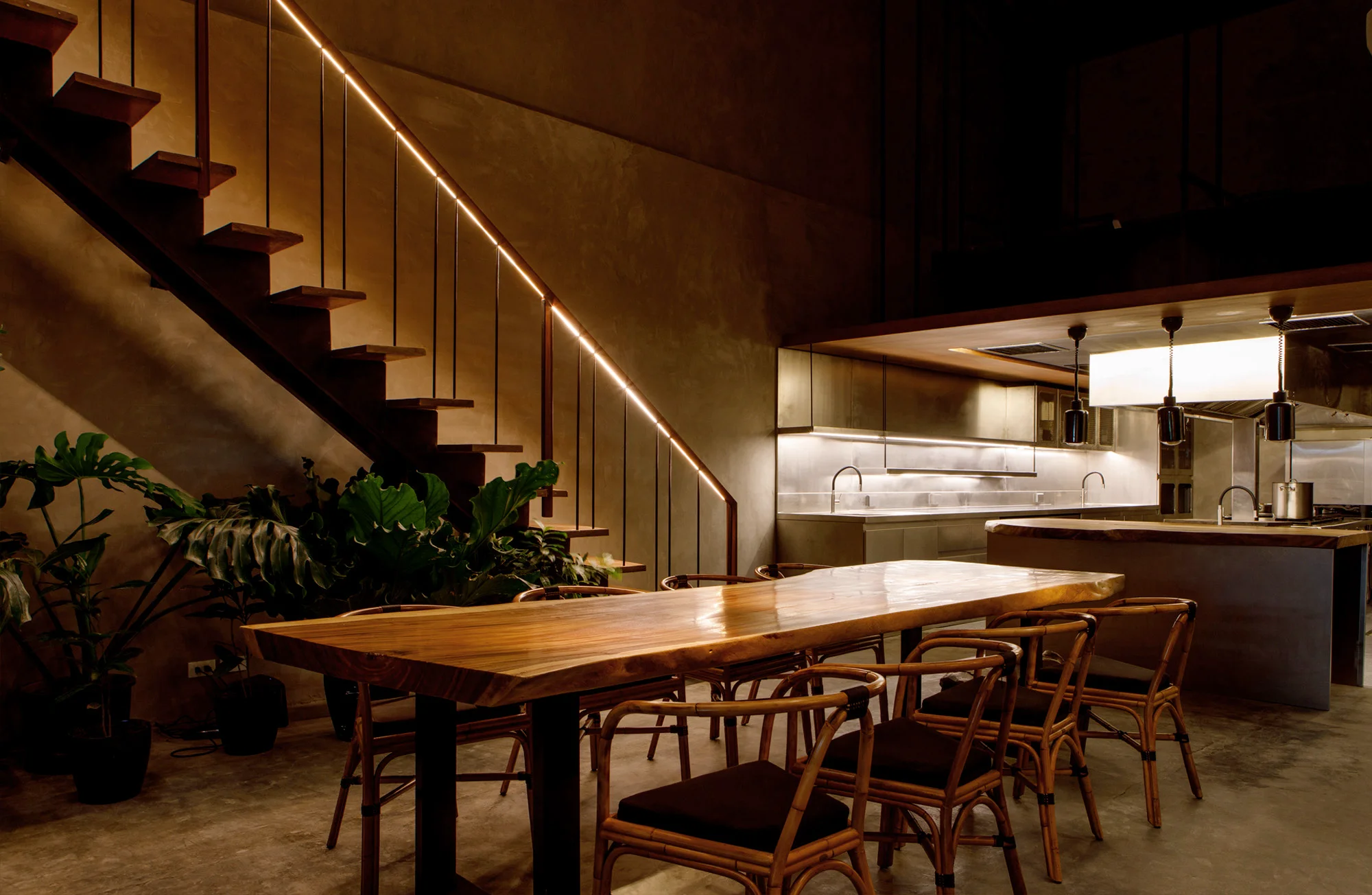
Toyo Eatery, led by chef Jordy Navarra, is widely credited with helping define contemporary Filipino fine dining. The tasting menu format focuses on local agriculture and reinterpretations of familiar Filipino flavors using modern methods.
Singular

Singular, a new restaurant in BGC, focuses on serving Spanish food from the Philippines, sourcing about 90 percent of its ingredients locally. It highlights regional Spanish flavors that go beyond the usual paella and croquetas.
Malaysia
Malaysia’s top restaurants increasingly focus on local sourcing and cultural research.
Dewakan
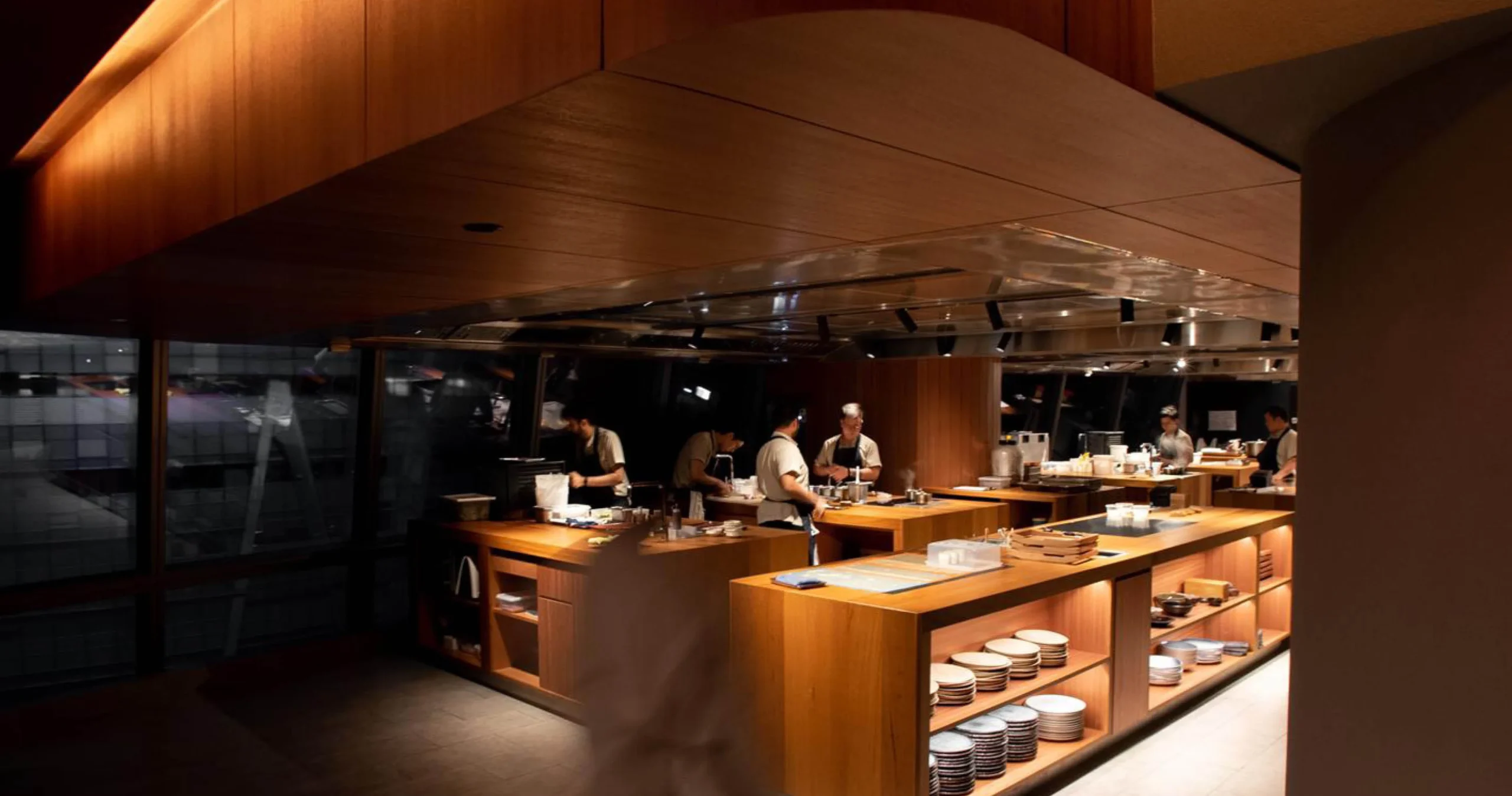
Dewakan, led by chef Darren Teoh, focuses almost entirely on Malaysian ingredients, including indigenous herbs and lesser-known regional produce. The restaurant frequently appears on Asia’s top restaurant lists and is known for pushing Malaysian cuisine into a fine dining framework.
Marini’s on 57
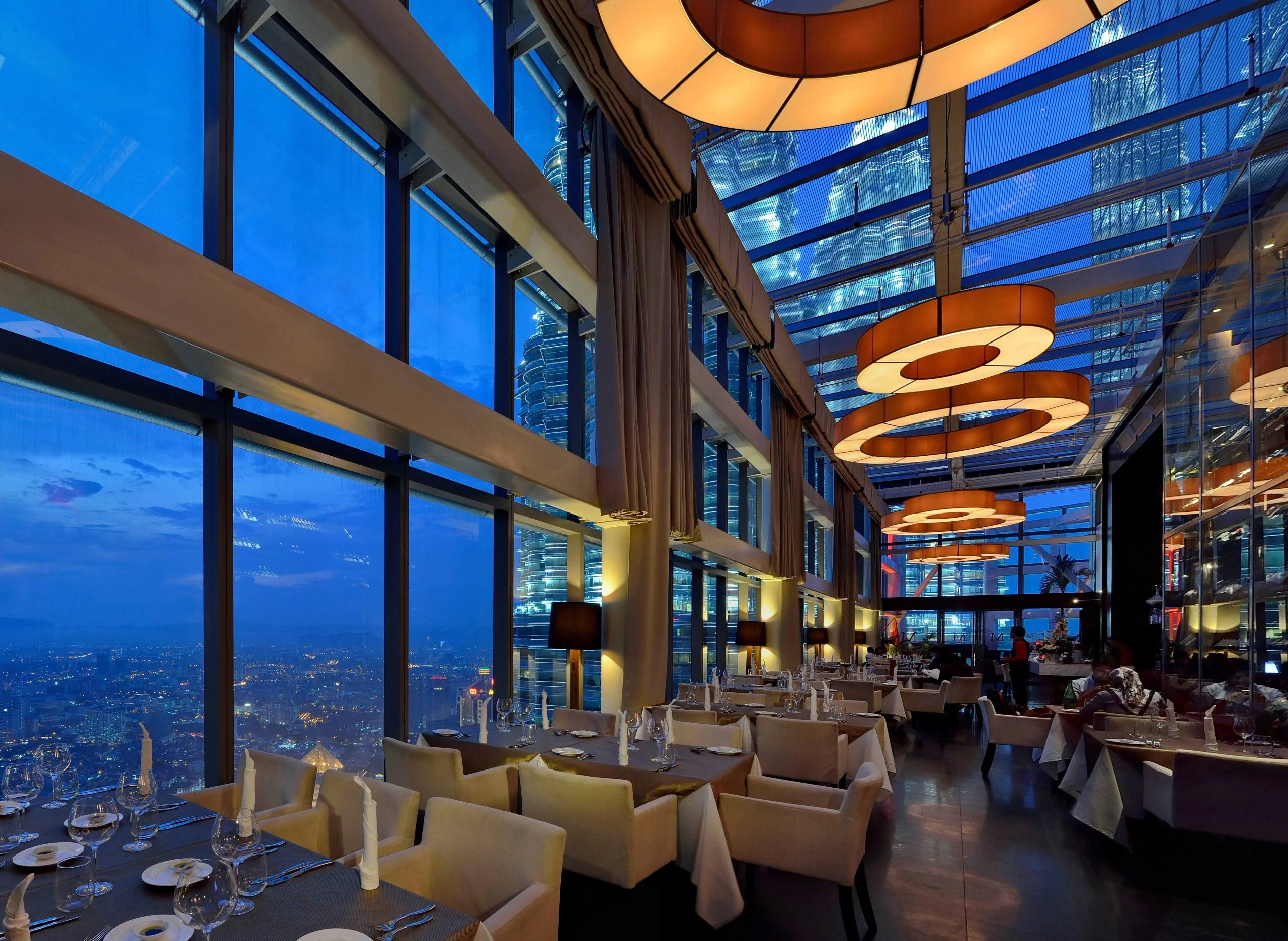
Marini’s on 57 provides a more traditional luxury dining experience. Located near the Petronas Towers, it serves Italian fine dining with extensive wine selection and city skyline views.
Indonesia
Indonesia’s fine dining scene continues to expand beyond resort dining into urban tasting menu culture.
Apéritif Restaurant
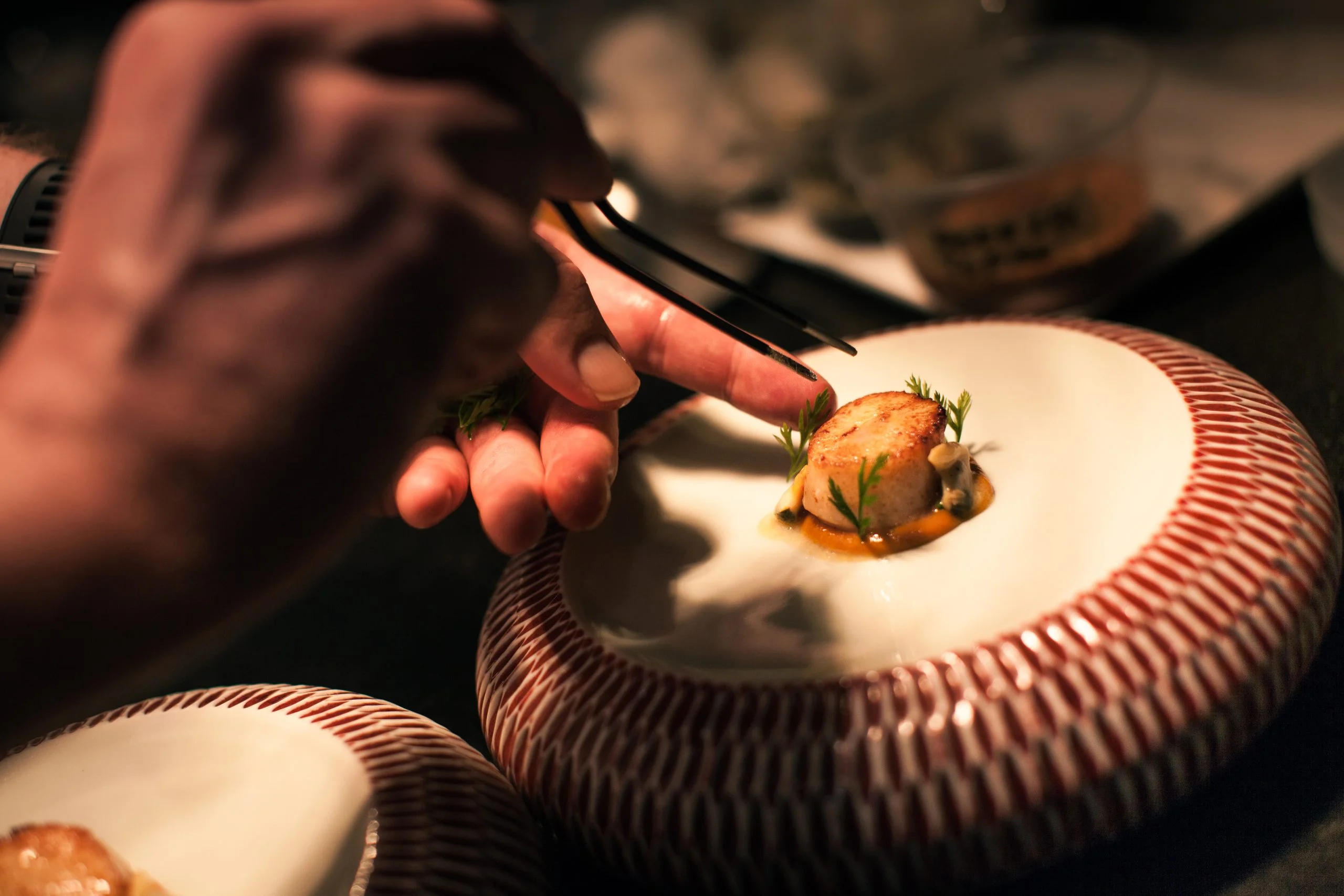
Apéritif Restaurant in Ubud mixes European fine dining structure with Indonesian ingredients, set inside a 1920s-inspired dining room. The restaurant is known for multi-course tasting menus and formal service style.
August Jakarta
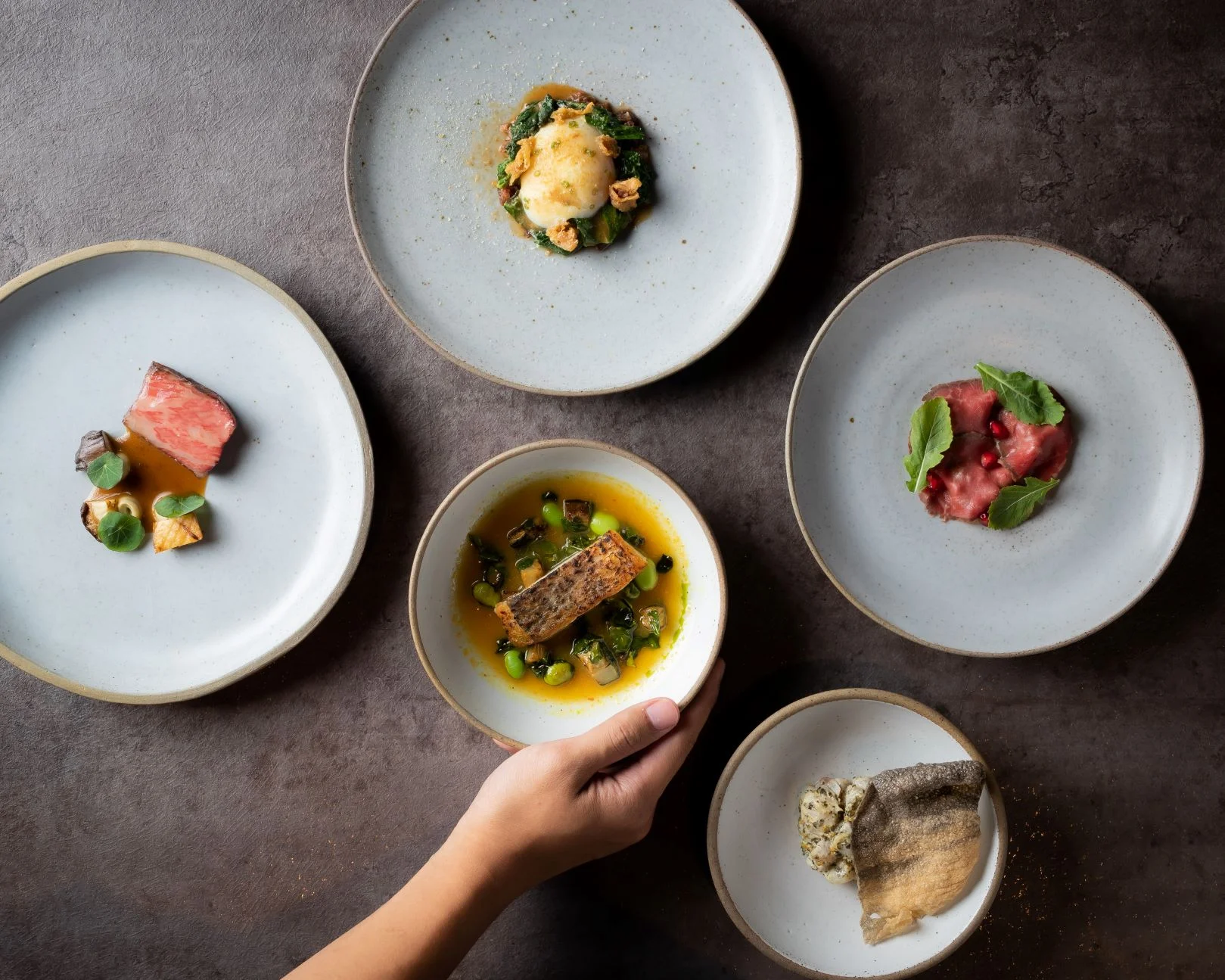
August Jakarta represents a newer wave of modern Indonesian fine dining. Chef Hans Christian combines Southeast Asian flavor references with global technique in a contemporary tasting menu format.
Vietnam
Vietnam’s modern restaurants often build directly from street food culture while elevating technique and presentation.
Anan Saigon
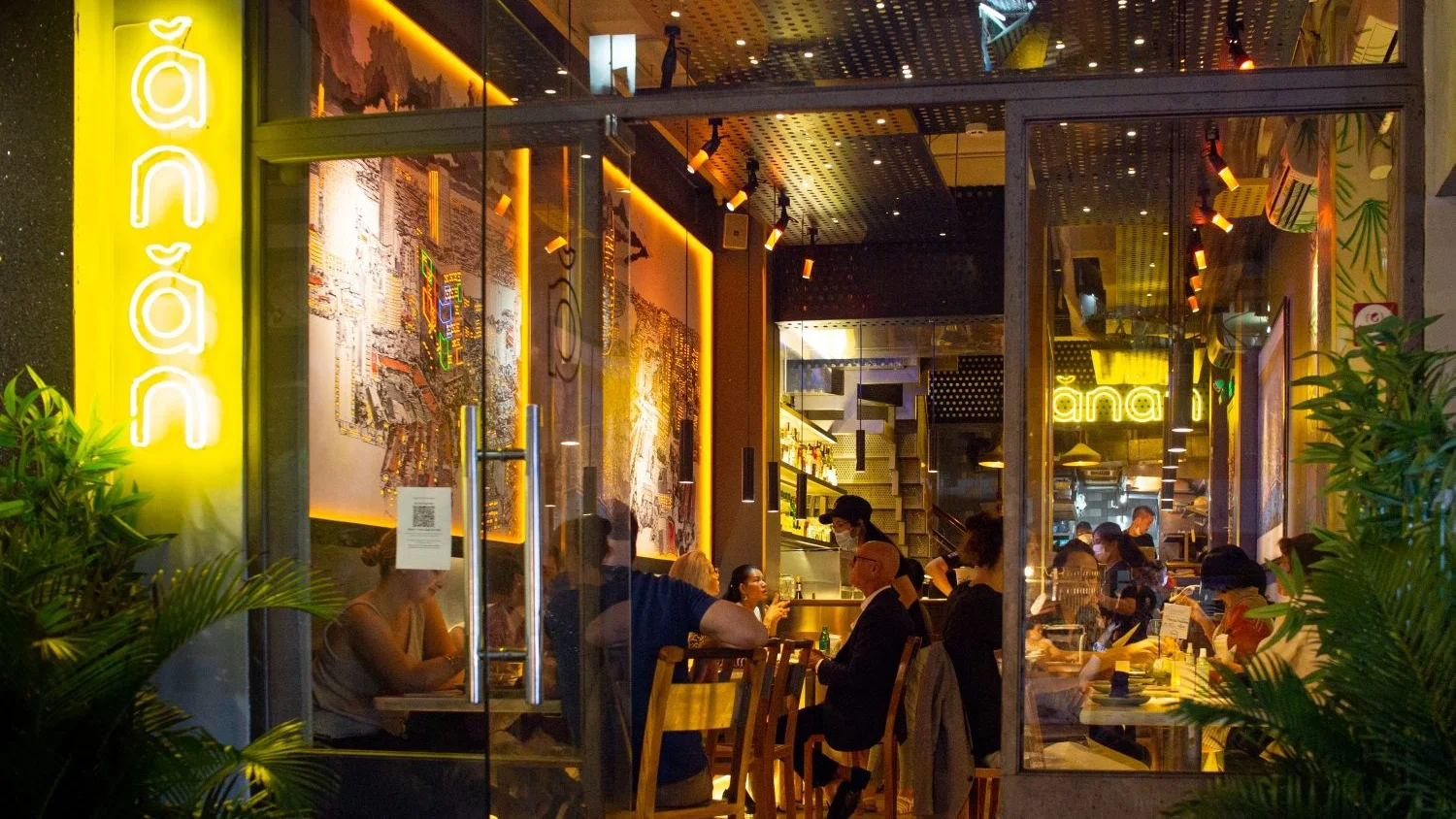
Anan Saigon, led by chef Peter Cuong Franklin, is known for reinterpreting Vietnamese street food in a fine dining format. The restaurant’s tasting menus often reference dishes like banh mi and local snacks while maintaining high technical execution.
Chapter Dining
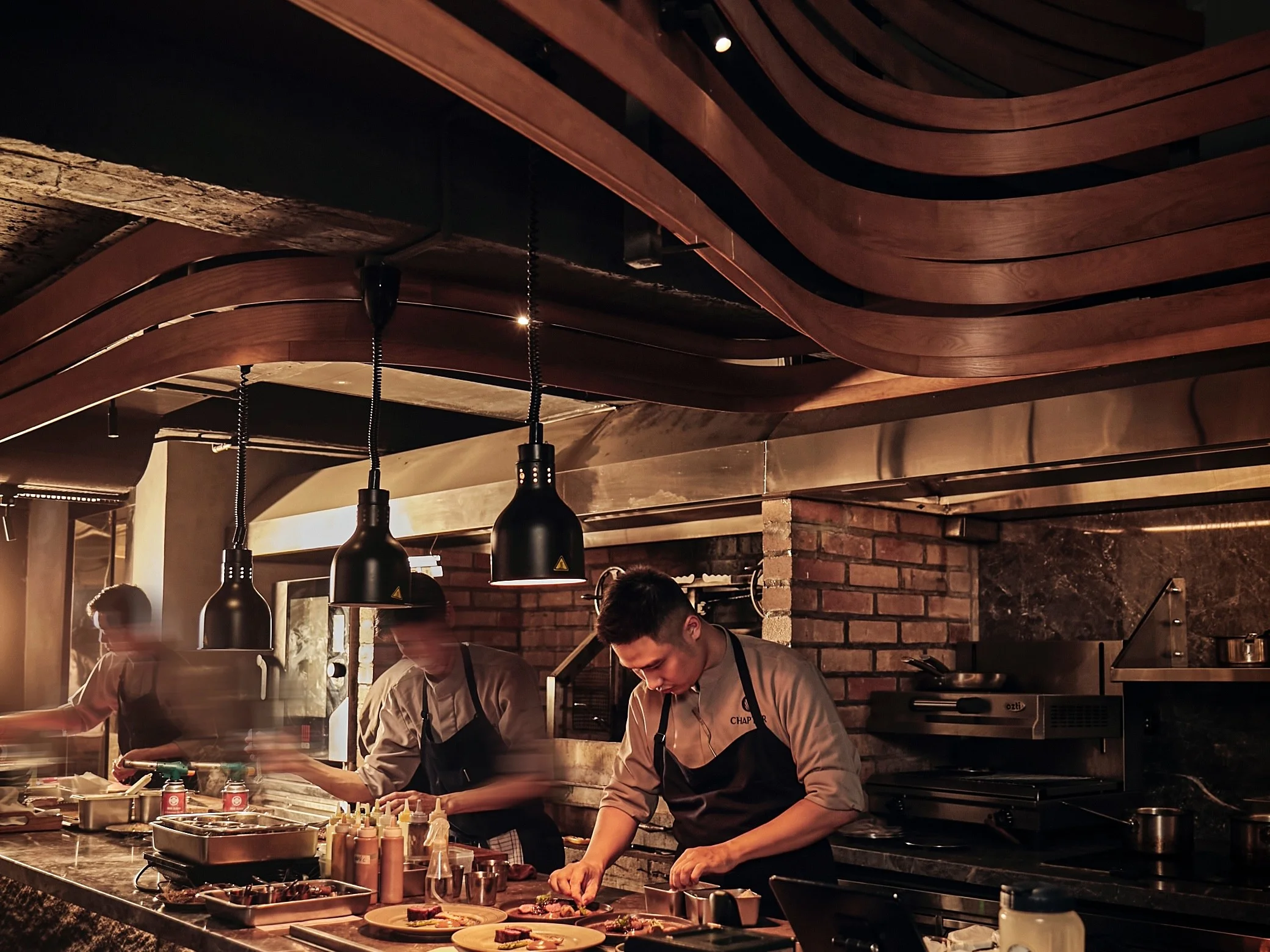
Chapter Dining in Hanoi offers a more modern tasting menu approach, focusing on seasonal Vietnamese ingredients and minimalist plating.
Cambodia
Cambodia’s fine dining scene centers on preserving and elevating Khmer cuisine.
Cuisine Wat Damnak
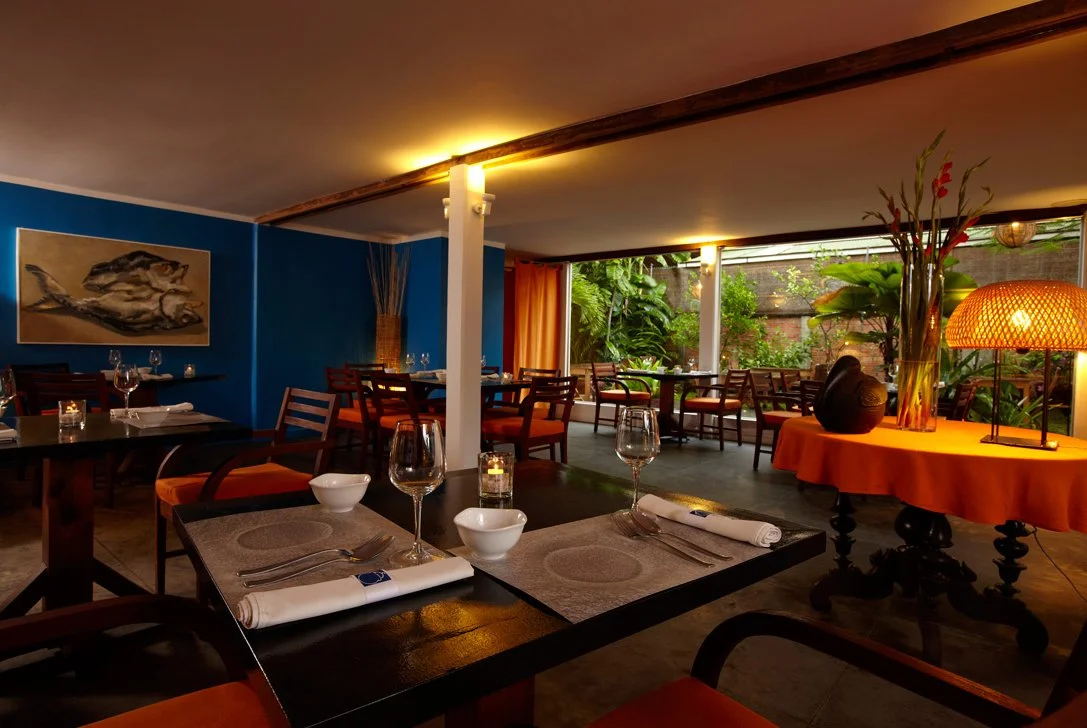
Cuisine Wat Damnak in Siem Reap is known for seasonal tasting menus rooted in Cambodian culinary history and local agriculture. The restaurant has played a major role in defining modern Khmer fine dining.
Malis
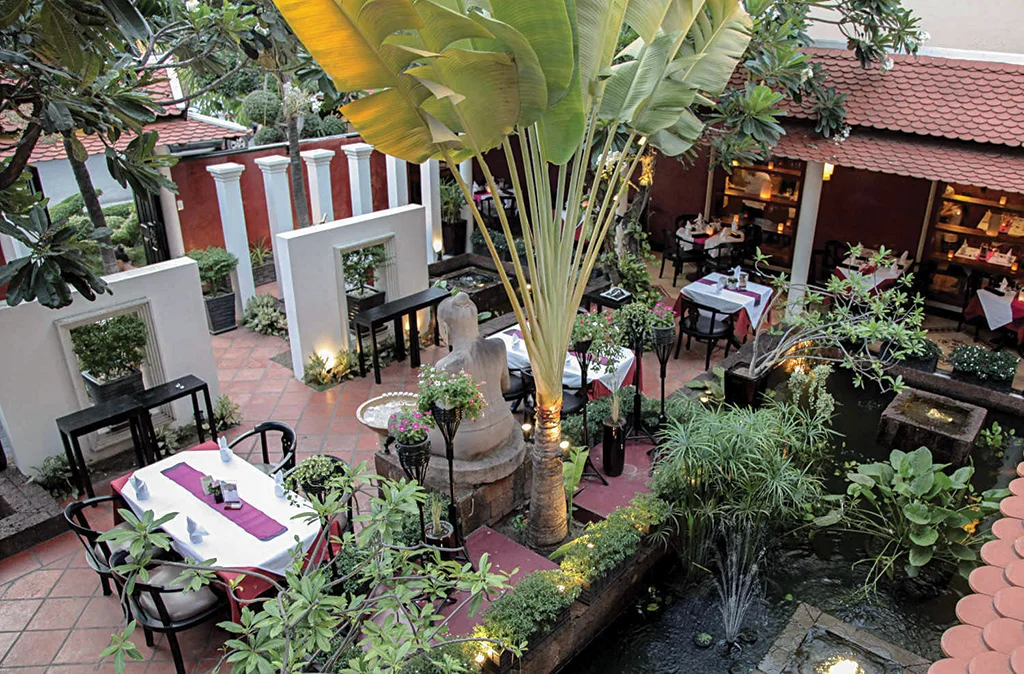
Malis offers Cambodian classics in a more accessible fine dining setting, making it a popular choice for both locals and visitors.
Laos
Laos offers smaller scale but culturally-rich dining experiences.
Manda de Laos
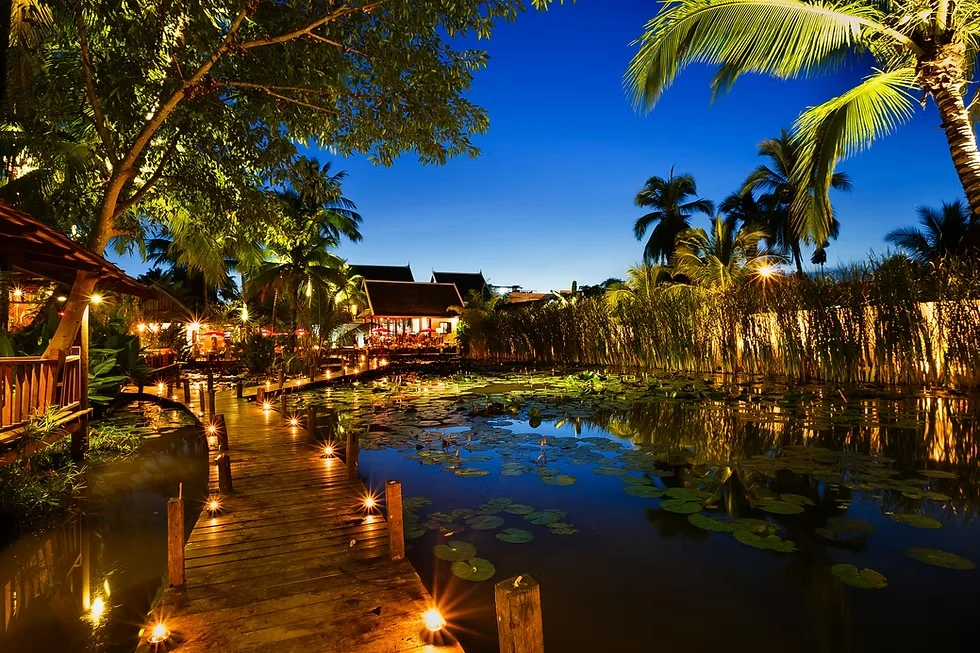
Manda de Laos is known for its setting around a historic pond and its menu focused on traditional Lao dishes prepared with luxurious presentation.
Tamarind
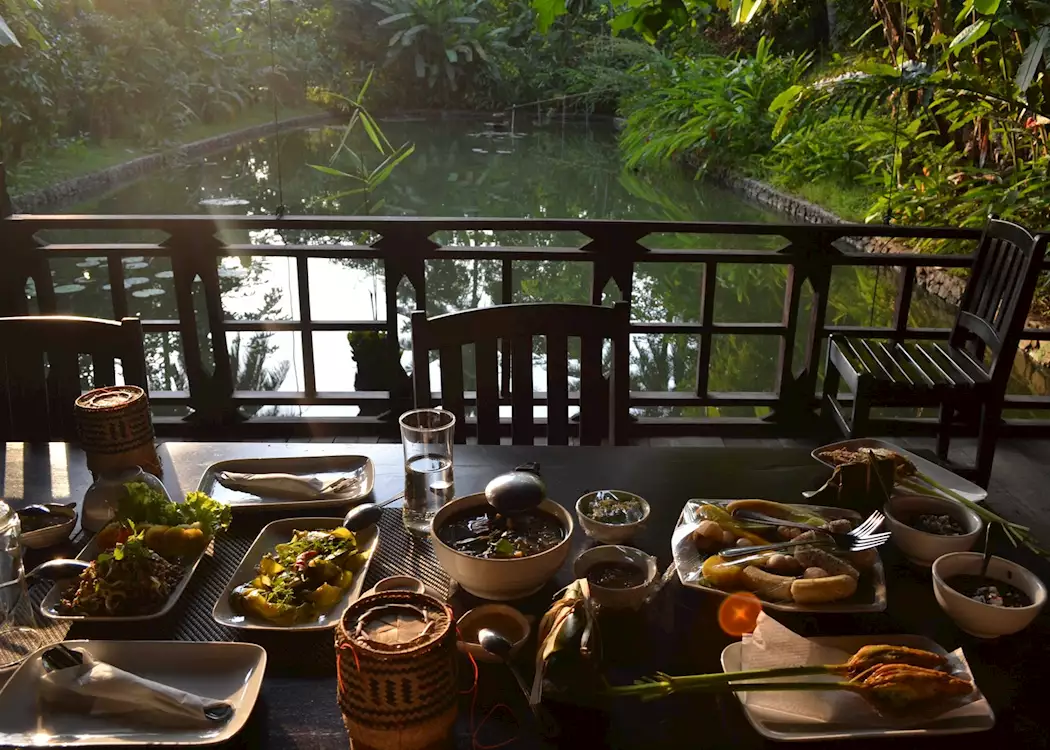
Tamarind focuses on traditional Lao cuisine and ingredient education, making it a strong choice for diners interested in cultural context alongside their meal.
Myanmar
Myanmar’s fine dining scene combines European influence with local sourcing.
Seeds Restaurant & Lounge
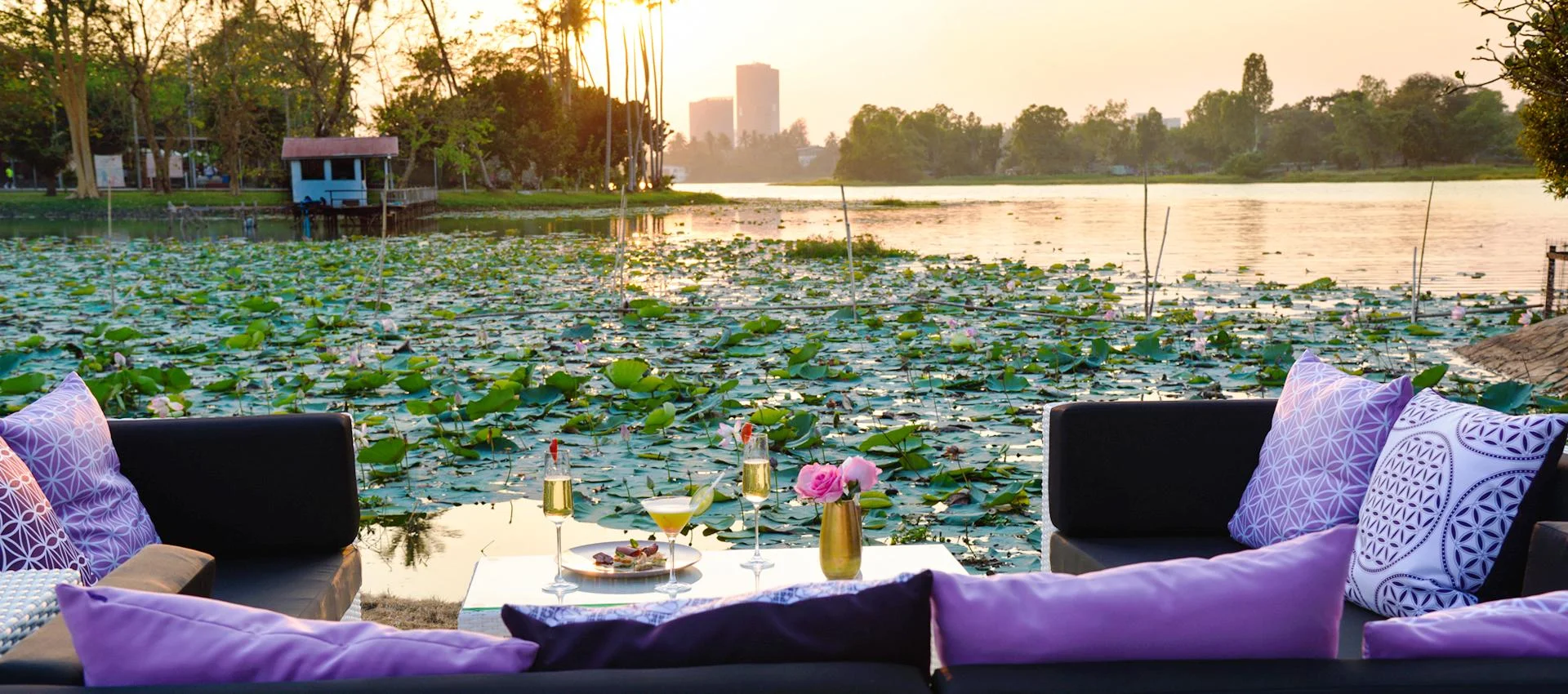
Seeds Restaurant & Lounge in Yangon focuses on fine dining supported by sustainable local sourcing, with a lakeside dining environment.
Le Planteur
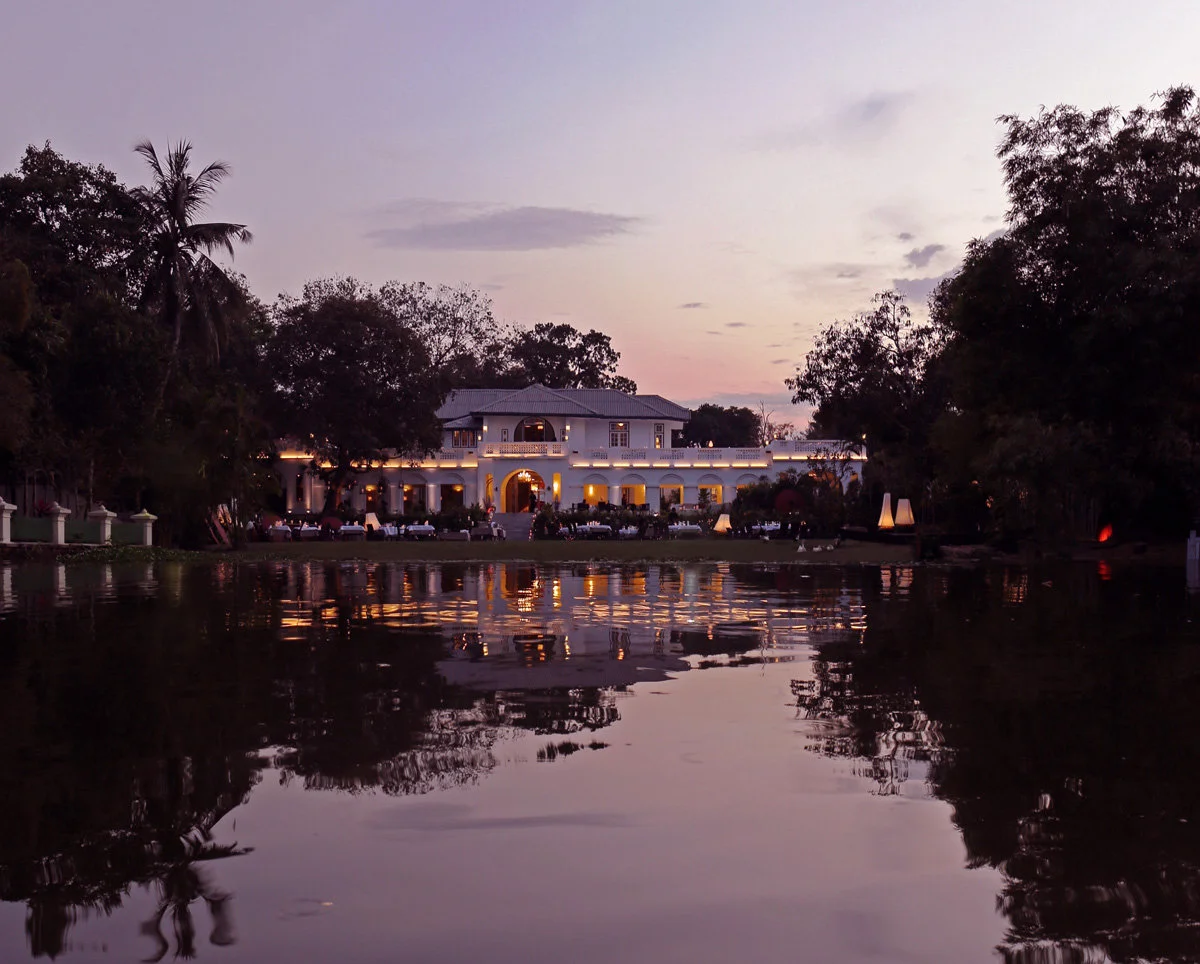
Le Planteur fuses French fine dining technique with Southeast Asian garden surroundings, inside a restored colonial style property.
Across the region, Valentine’s dining continues to reflect Southeast Asia’s broader culinary evolution. The best restaurants are no longer defined only by luxury or imported technique. Instead, they are increasingly defined by how well they translate local identity into global standard dining experiences.
For Valentine’s Day diners, the message is simple. Book early. The best tables rarely stay open for long.