
The Great Southeast Asian Wrap: A Shared Heritage in Every Golden Crunch
From the streets of Manila to the stalls of Jakarta, the versatile lumpia serves as a delicious map of the region’s interconnected history




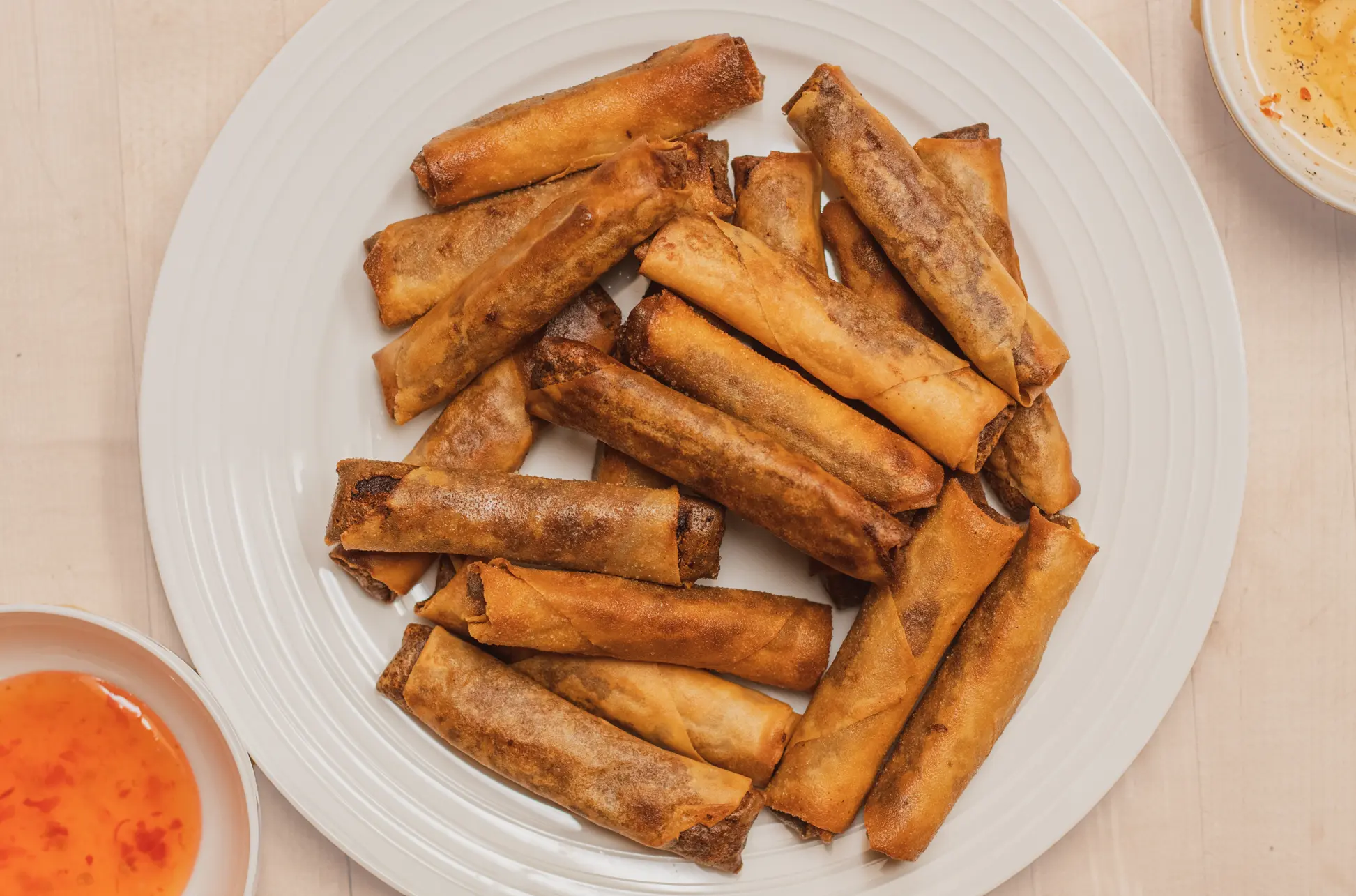
The scent of a golden, deep-fried roll hitting hot oil is a universal sensory trigger across Southeast Asia. While the world occasionally catches glimpses of this tradition through pop culture moments, the story behind it runs much deeper.
When Olivia Rodrigo shared her family’s Filipino lumpia recipe, the moment went viral. Yet the dish is far older and more complex than a social media clip. For those in the region, lumpia is a culinary chameleon that reflects centuries of migration and trade.
A regional soul with a thousand names
What the Philippines calls lumpia is part of a massive family tree of savory wraps that stretches across Southeast Asia and beyond. This lineage traces back to the Hokkien popiah, which traveled with immigrants and adapted to the local pantry of every place it touched.
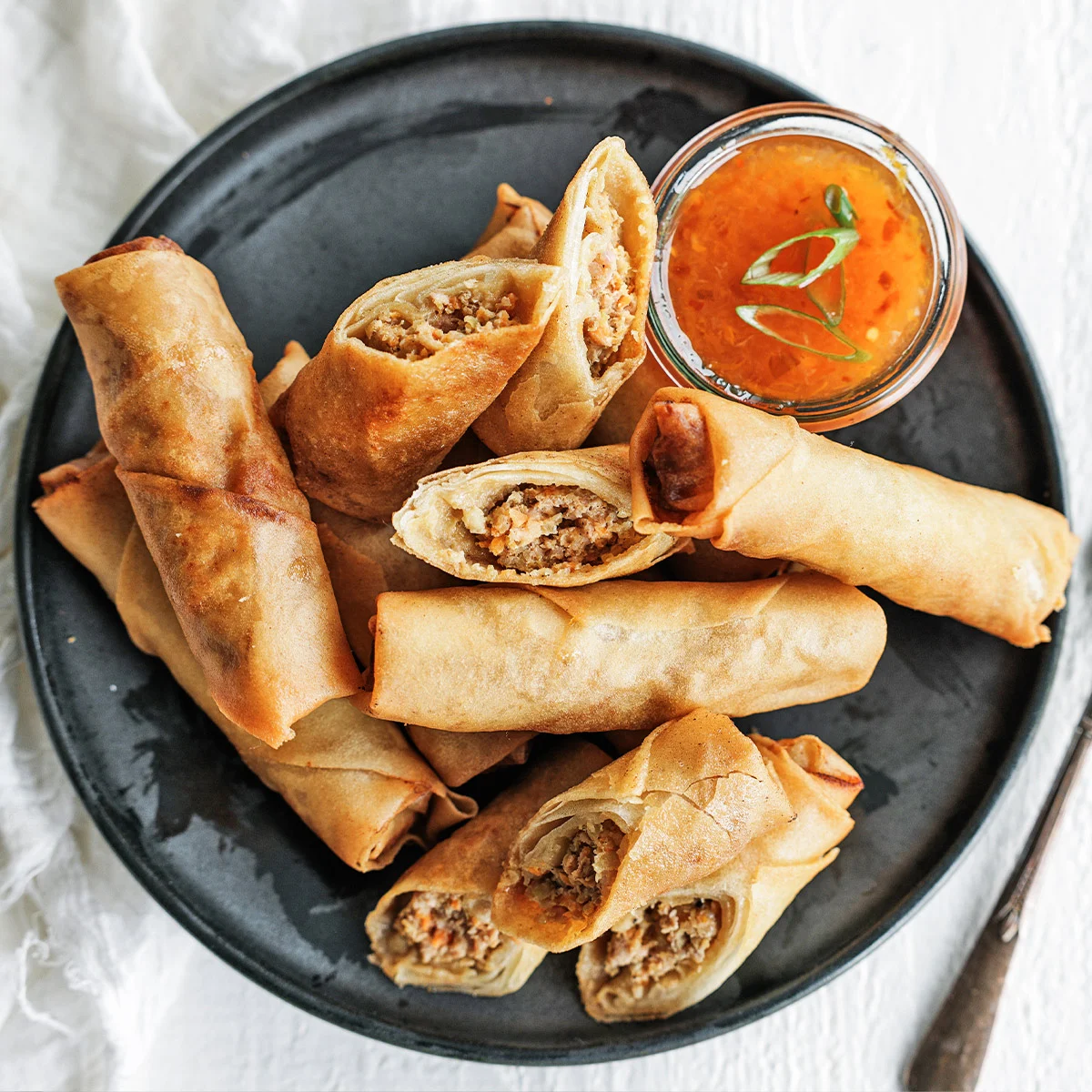
Indonesia’s Lumpia Semarang combines Chinese and Javanese tastes, often featuring bamboo shoots and dried shrimp. Vietnam’s chả giò uses rice paper instead of wheat flour, creating a uniquely crisp texture.
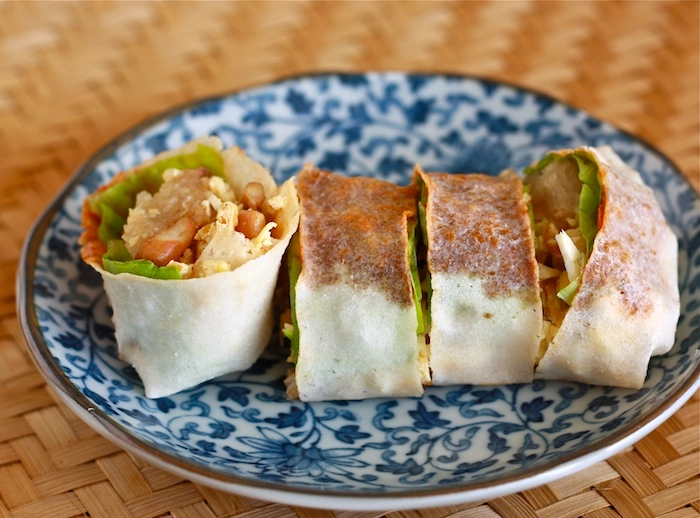
In Malaysia and Singapore, popiah is often enjoyed fresh, emphasizing the crunch of jicama and the heat of chili paste over the sear of a deep fryer.
The kitchen as a communal anchor
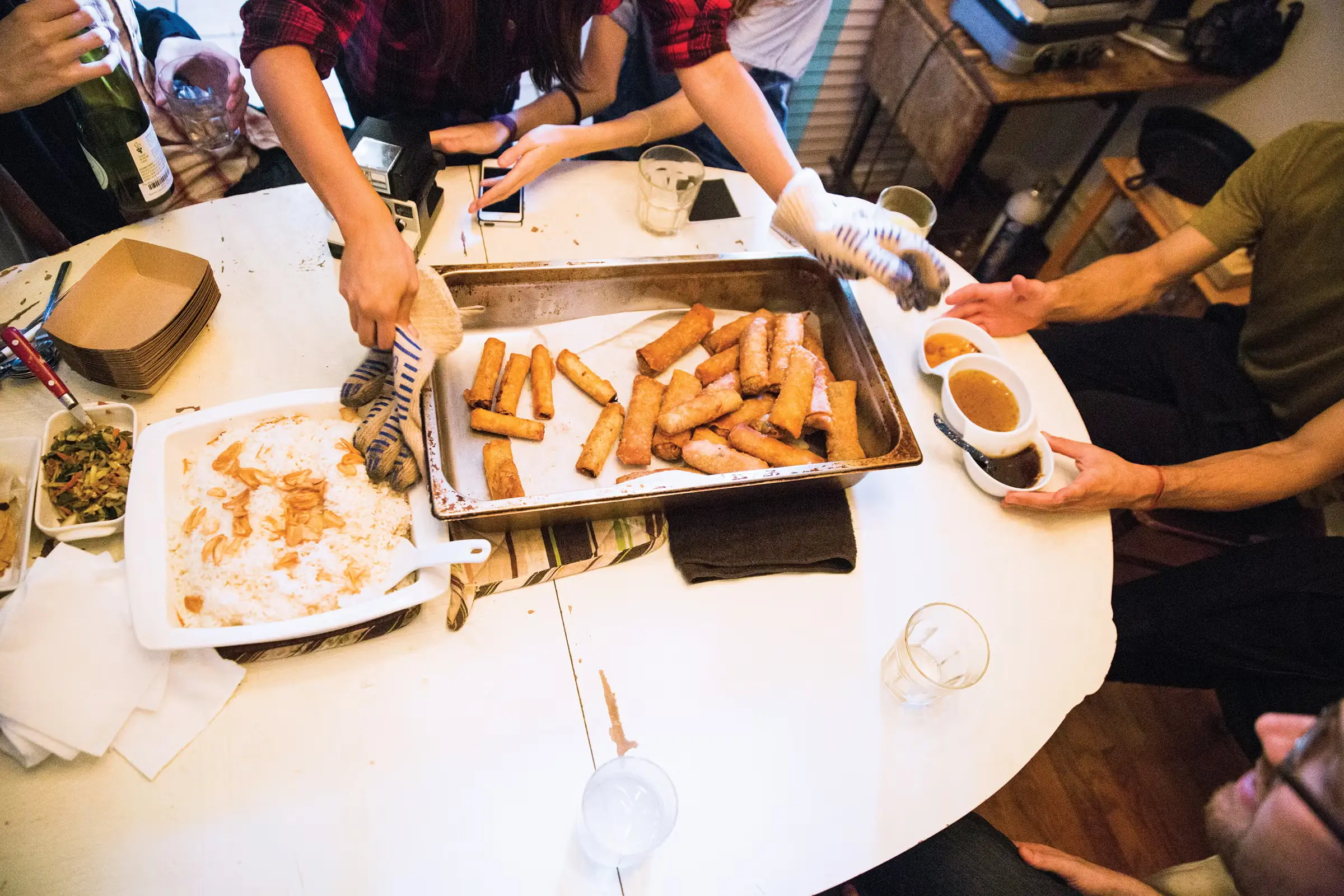
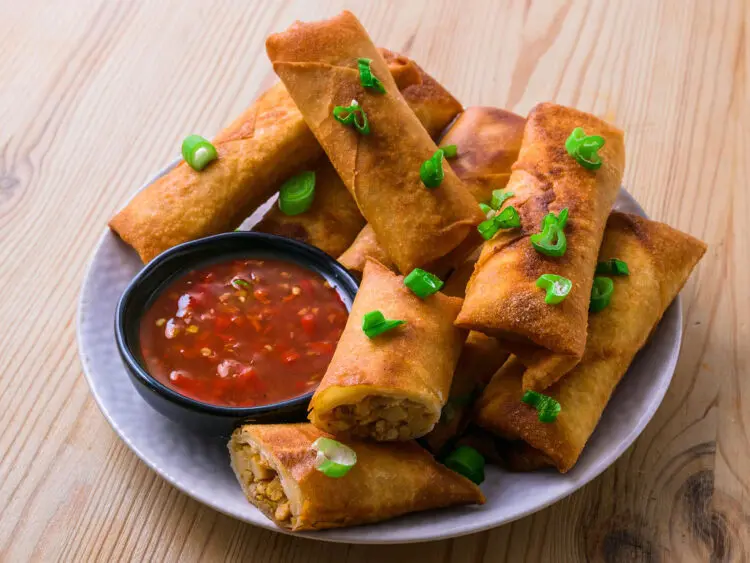
Regardless of the filling, whether the sprout-heavy Lumpiang Togue or the meat-filled Lumpia Shanghai, preparing lumpia is often a communal tradition across Southeast Asia. The labor-intensive “lumpia party” requires teamwork: one person prepares the filling, another separates the wrappers, while others roll and seal.
This collective labor carries heritage between generations. In these shared moments, the perfect fold is learned through practice and observation. The knowledge lives in the repetitive motion of hands working together in a humid kitchen rather than in a recipe book.
More than a dish
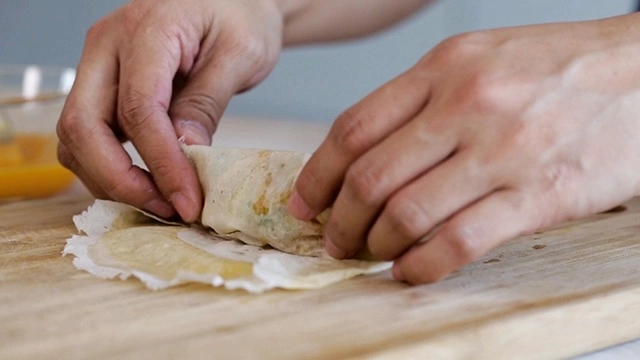
Across Southeast Asian cultures, the act of wrapping food often becomes an act of care. Offering someone a perfectly rolled lumpia means offering time and attention. It is a dish that rewards patience.
The many forms of lumpia celebrate a shared regional identity. Ingredients may change, pork swapped for shrimp or taro for bamboo shoots, yet the spirit remains constant: resourcefulness, reverence for ancestry, and the enduring comfort of a hand-rolled wrap that tastes like home.