The Evolving State of Southeast Asia’s Secondhand “Bundle” Culture
Located in roadside bales and unassuming shops, secondhand clothing in Southeast Asia has evolved from an economic necessity into a cultural movement




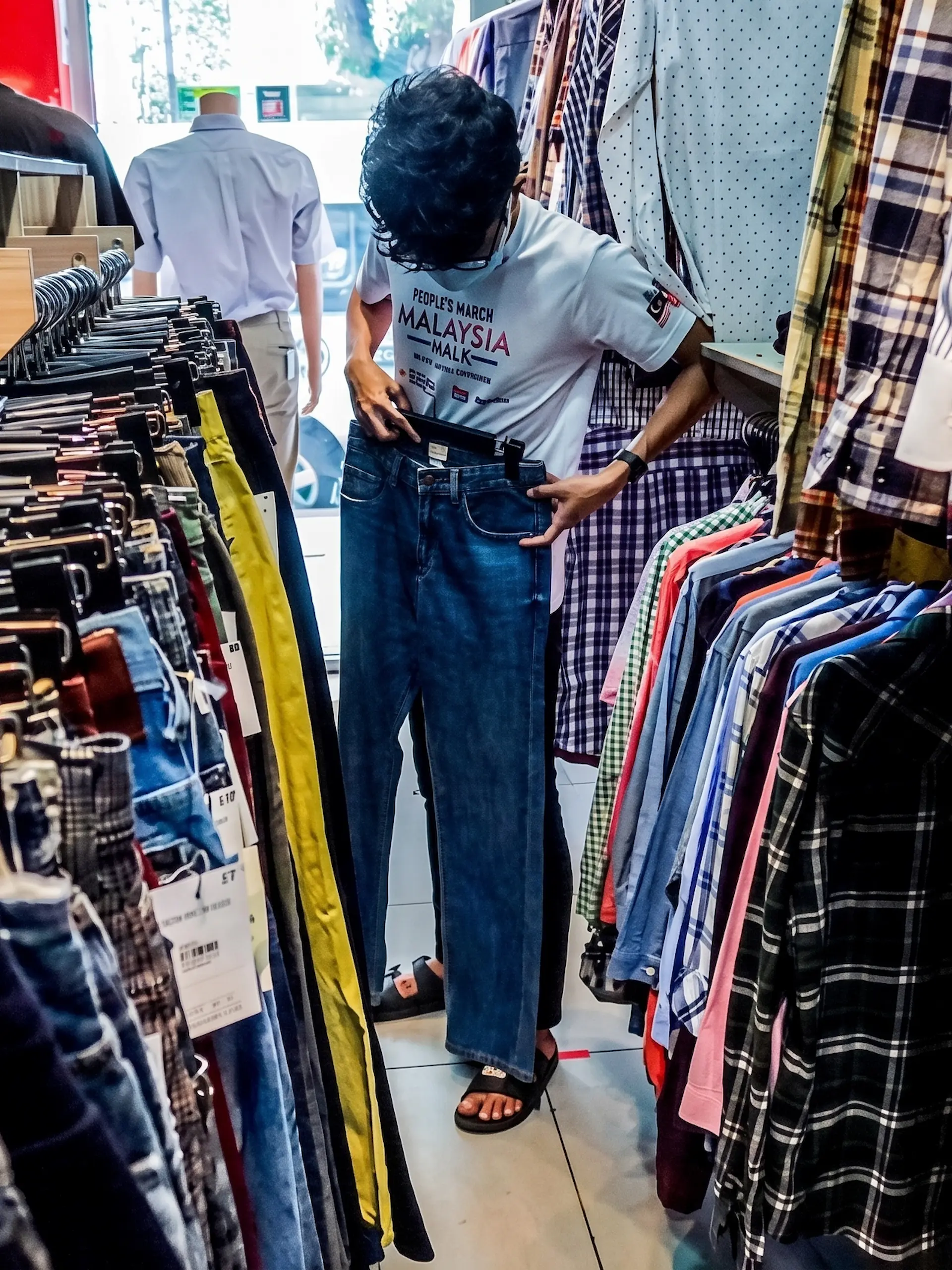
- Young consumers across Malaysia, Thailand, and the Philippines are using vintage thrifting to define unique personal aesthetics and reject fast fashion.
- Digital platforms, live selling streams, and specialized curation have elevated rare archival finds into high-value collector pieces.
Secondhand bales as cultural currency
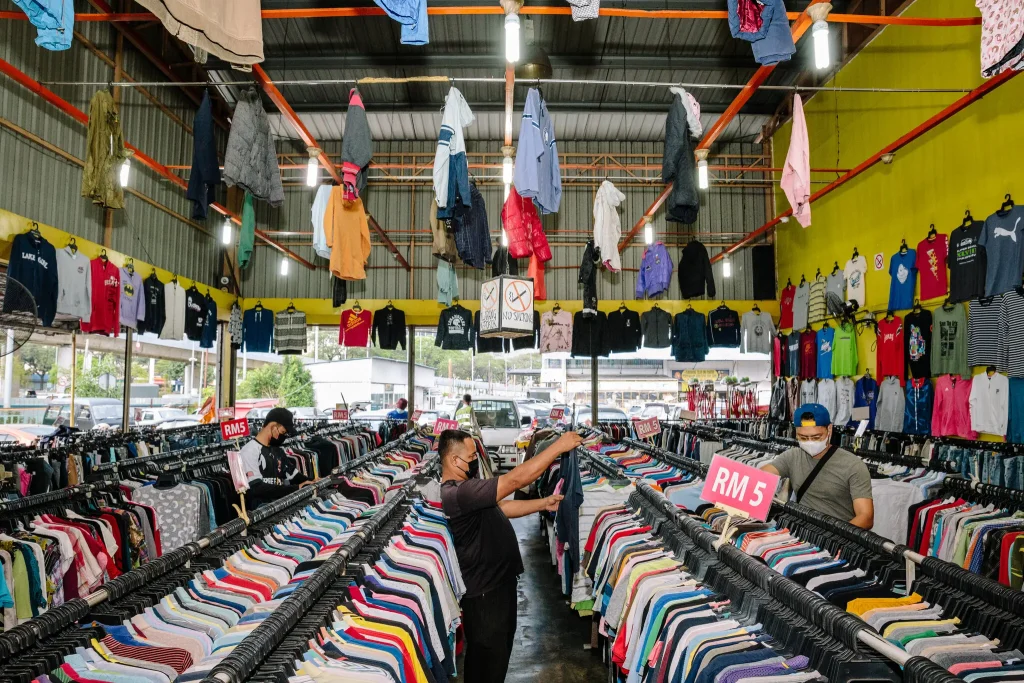
Across Southeast Asia, the tradition of digging through massive bales of imported secondhand clothing has a rich, decades-long history. Known as “bundle” in Malaysia, ukay-ukay in the Philippines, and night-market thrifting in Thailand, the trade originally served as an affordable retail alternative.
Today, this landscape has undergone a radical youth-driven transformation. What was once viewed primarily as a budget-conscious necessity is now the cornerstone of regional streetwearStreetwearCasual fashion rooted in skate, hip-hop, and urban youth culture, characterized by graphic tees, hoodies, sneakers, and limited-edition releases. Streetwear has grown into a major global influence on luxury menswear,Go to Streetwear Glossary identity and fashion forwardness.
The modern bundle craze merges sustainable ethics with the adrenaline of treasure hunting. This cultural shift has turned local sorting warehouses and flea markets into international hotspots for rare vintage apparel.
The thrill of the hunt
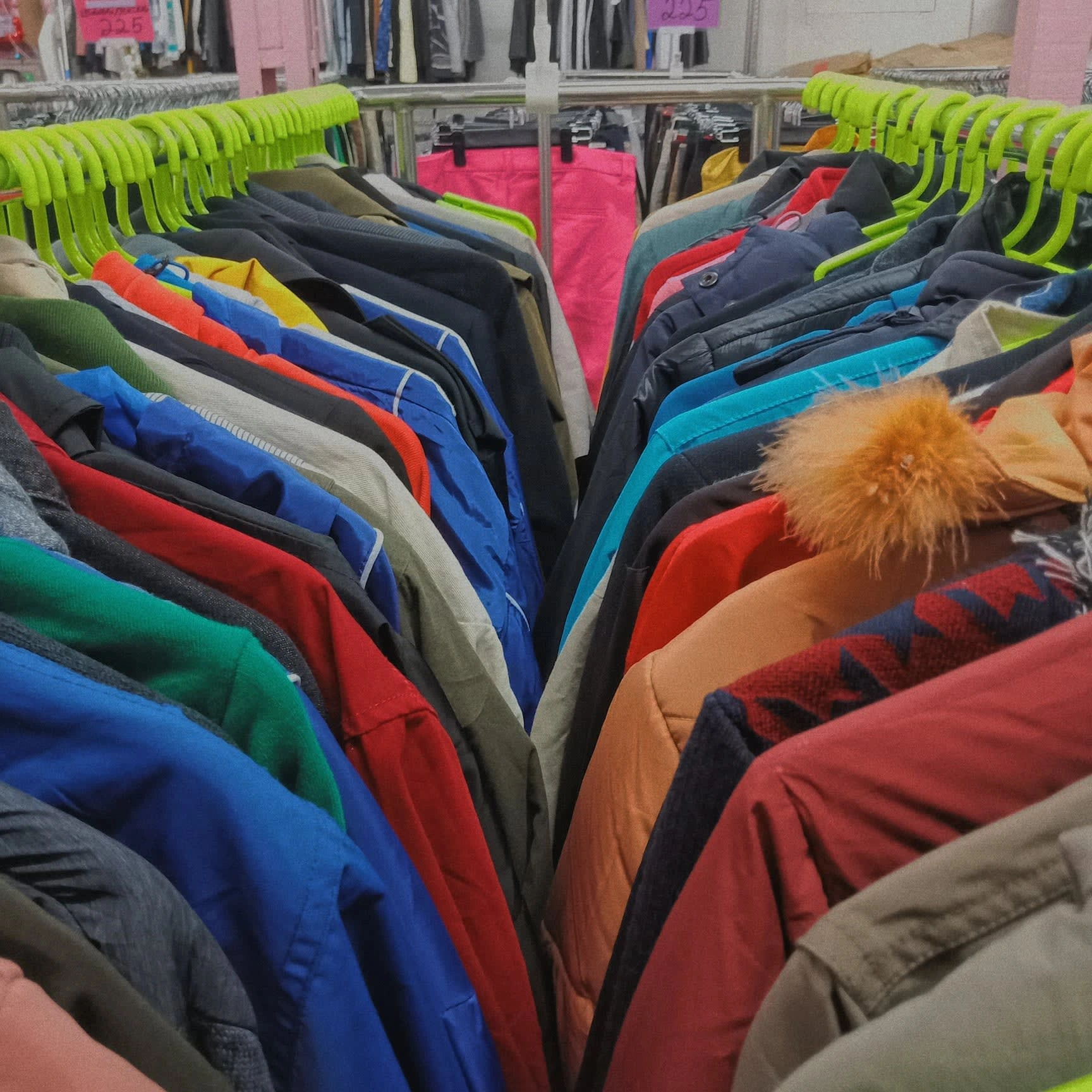
At the center of bundle culture lies the satisfying ritual of discovering rare, forgotten gems amidst chaotic racks. Enthusiasts spend hours sifting through garments to uncover vintage single-stitch band tees, distressed workwear, and archival 1990s denim.
Unlike standard shopping mall experiences, no two bundle hauls are ever identical. This built-in uniqueness empowers shoppers to cultivate distinct, one-of-one personal styles that stand apart from mass-produced trends.
The physical hunt has also fostered an obsession with historical garment construction and fabric patina. Collectors actively seek out authentic wear patterns, fading, and legacy brand tags that contemporary garments cannot authentically replicate.
The digital boom and livestream commerce
The evolution of bundle hunting has accelerated rapidly through social media platforms, transforming physical market stalls into thriving digital businesses. Independent resellers now host high-energy live bidding sessions on TikTok, Instagram, and local e-commerce apps.
These livestreams turn garment curation into interactive, competitive entertainment for thousands of viewers. Sellers quickly auction curated vintage pieces in real time, catering to specific micro-trends like Y2K aesthetics and Japanese Americana.
This digital infrastructure has also expanded the geographic reach of regional thrifting. A rare jacket sourced from a provincial warehouse can now find an overseas collector within minutes of being showcased.
Redefining regional style on the world stage
The rise of Southeast Asia’s bundle ecosystem reflects a broader maturation of the region’s fashion sensibility. Domestic consumers are no longer passive recipients of Western trends; they are active curators reclaiming and recontextualizing global fashion history.
As boutique vintage stores sit comfortably alongside luxury flagship boutiques, the boundary between high and low fashionFashionThe art and industry of designing, producing, and styling clothing, footwear, accessories, and beauty trends. It reflects cultural influences, personal expression, and evolving styles across seasons and markets.Go to Fashion Glossary continues to dissolve. The international fashion community increasingly looks toward Southeast Asian vintage markets for design inspiration and rare archival stock.
Ultimately, bundle culture proves that personal style is built on curiosity, patience, and individual storytelling. As long as there are unopened bales waiting to be sorted, the region’s hunger for the hunt will remain unstoppable.
Frequently Asked Questions
“Bundle” refers to imported, compressed bales of secondhand clothing sold wholesale to shops and flea markets across Malaysia, Thailand, and neighboring countries.
In the Philippines, the practice is widely known as ukay-ukay or wagwagan, referring to the act of dusting off and sifting through piles of secondhand clothes.
Young shoppers seek out bundle items for their distinct vintage cuts, superior fabric durability, environmental sustainability, and affordability.
Livestreams allow sellers to curate, authenticate, and auction specific vintage pieces directly to global audiences in real time.
High-value items typically include vintage single-stitch concert tees, 1990s anime merchandise, faded workwear jackets, and legacy Japanese selvedge denim.
Recommended Video