Sunkis and Yung Kai in Conversation
Two artists from the Chinese diaspora sit down for a candid conversation about language, cultural identity, and making waves across continents as rising voices in global music




Rising artists redefining global music identity
In a music landscape increasingly shaped by cultural fluidity and transnational influence, two rising voices sat down online to reflect on the surprising paths that led them here: sunkis, a Chinese-American R&B artist pushing Mandarin into new sonic territory, and yung kai, a Chinese-Canadian bedroom pop singer whose songs echo across Asia.
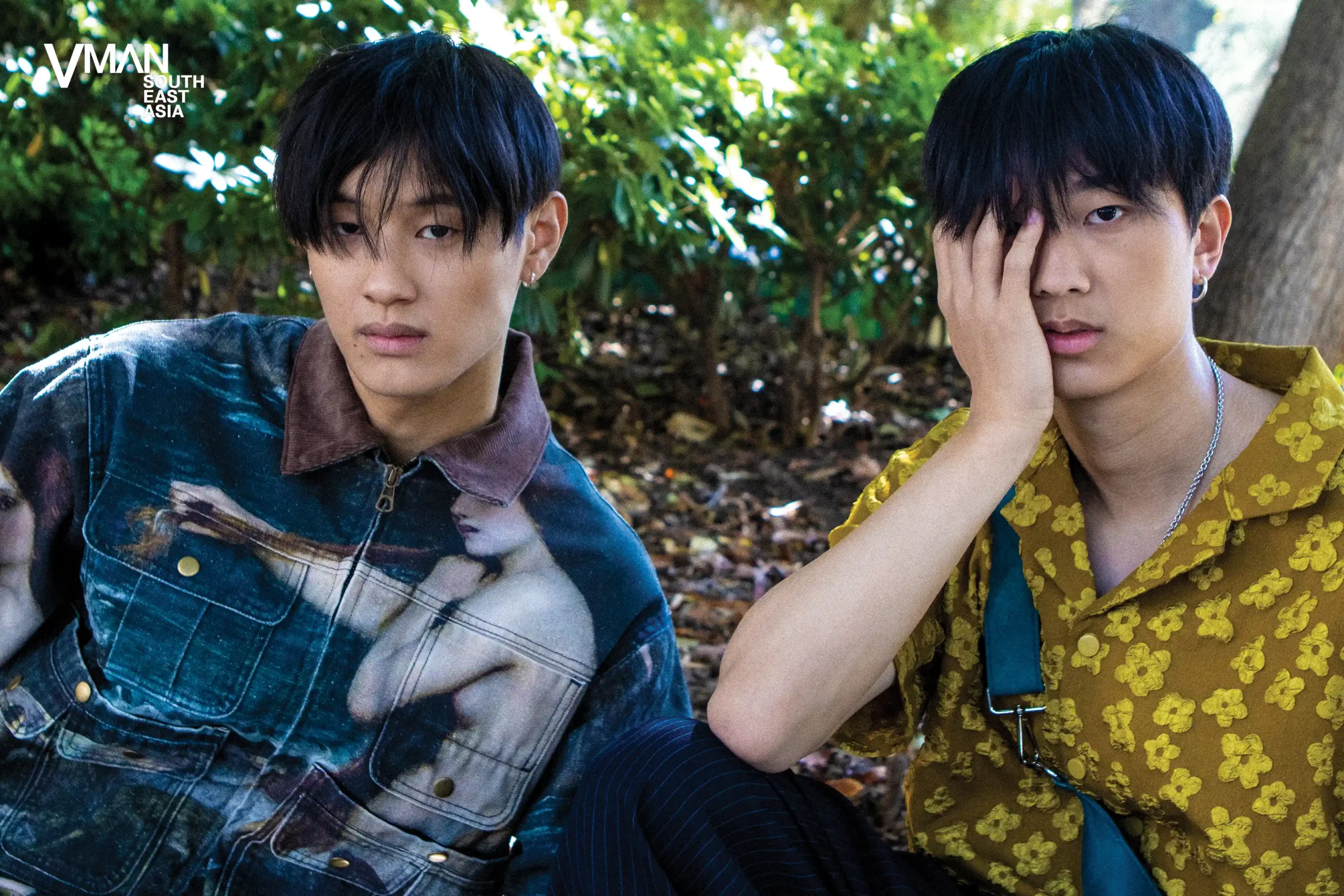
jacket ecrole / pants magique
on kai:
shirt boohooman / pants alisa / bag ecole
Both have roots spanning continents, and both emerged from hyper-online spaces. Through melody and bilingual lyricism, they are redefining what it means to be Asian in the global music conversation. The duo explored revelations on identity, representation, and what it truly means to serve as a cultural bridge while still figuring yourself out.
On going viral and starting small
YUNG KAI: Blue was just something I made in my bedroom, not expecting anything from it. And then people in China knew it, people in the Philippines knew it, people in the US. Everywhere. It’s insane to think about, honestly.
SUNKIS: That’s what makes it real though, right? I started in a similar way. I just wanted to explore Mandarin R&B because I’m Chinese, and I used to live in Asia. I felt connected to my roots, and back then, Mandarin R&B was kind of untapped. I thought, “Why are there so many English R&B songs but not many in Chinese?”
The power of language in music
YK: You saw the gap and just went for it. I think that’s so cool. And your song Trust Me, you’ve said it felt special because it was in Mandarin?
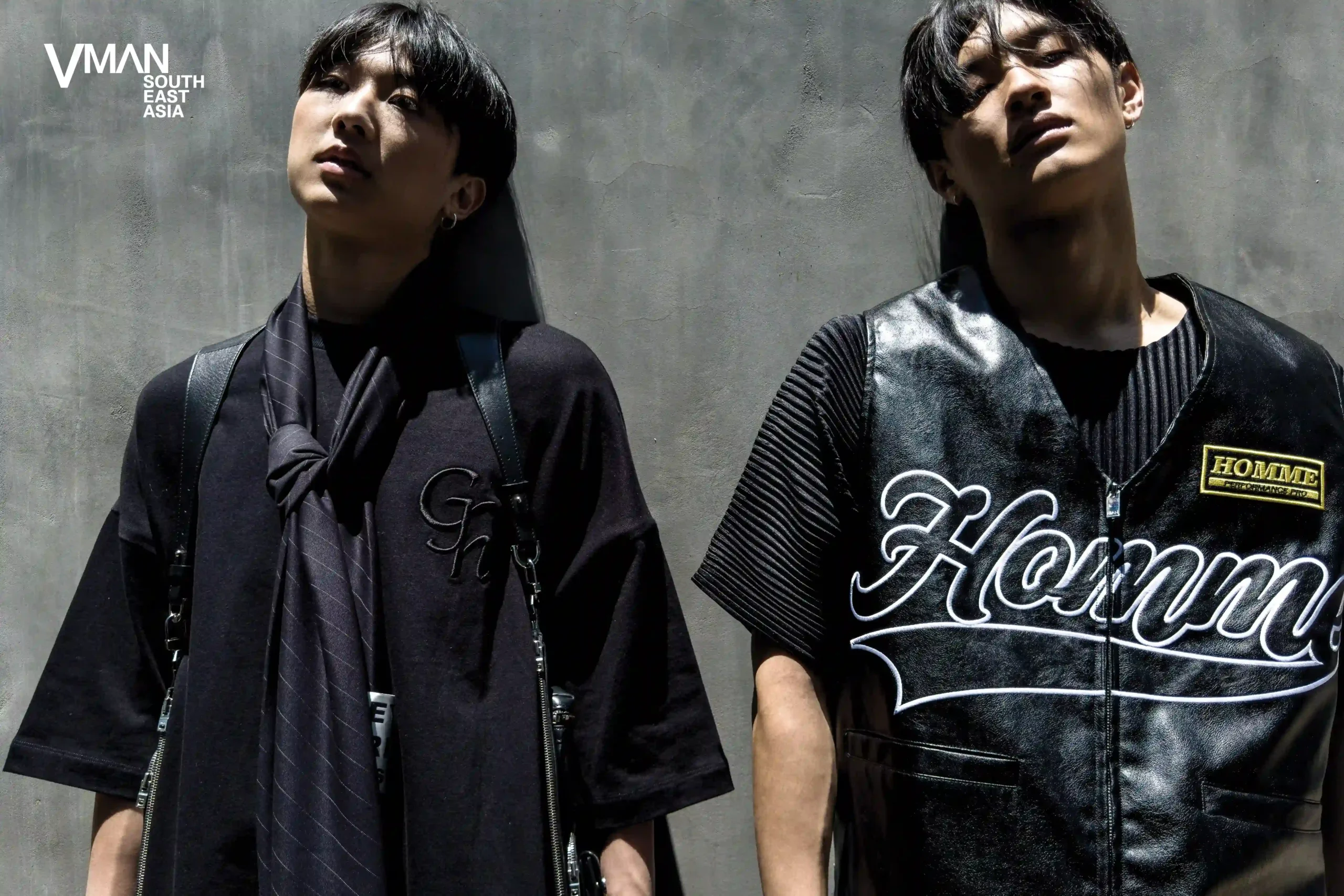
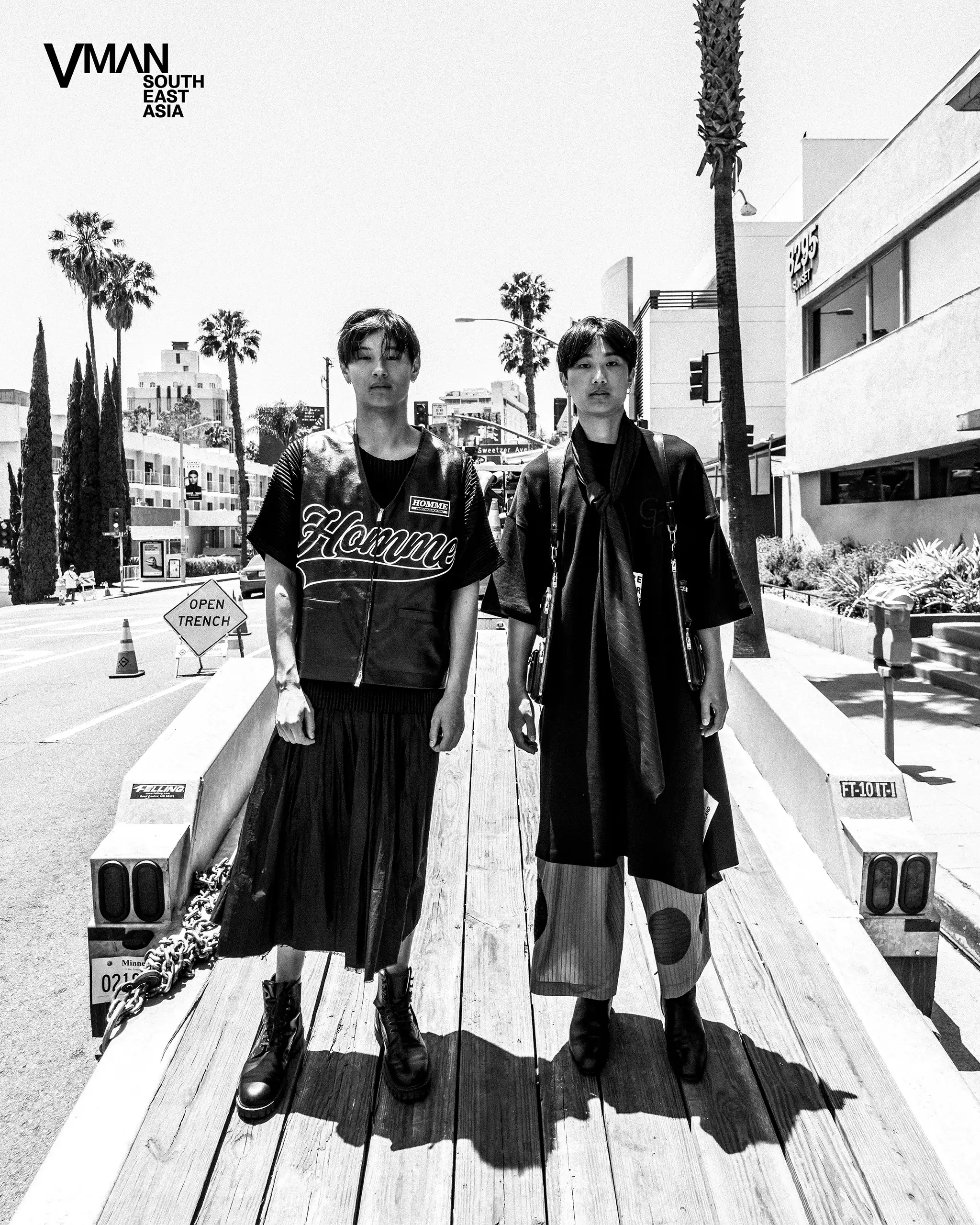
shirt passageway / vest boohooman / pants alisa / shoes maison privée
on kai:
shirt and tie greyhound original / harness amiri / pants alisa / shoes maison privée
S: Yeah. Growing up in the US, being Chinese American, there was this idea that Mandarin wasn’t a beautiful language. I wanted to prove that it could be. I think now there’s less discrimination than when I was growing up, but there’s still a lot of misunderstanding about China and what Chinese can sound like. And music, man. It’s one of the softest ways to introduce people to a culture.
YK: For sure. It’s like how food brings people together. Music’s the same. I love working in both Mandarin and English, especially since I grew up around both. Sometimes I’ll write lyrics and they have to stay in Chinese. The texture is different. The bite is different.
S: Exactly. I don’t go in thinking, “This one’s gonna be Mandarin or English.” It’s just whatever I feel. That’s the beautiful thing about being bilingual. You get to play with both.
Collaborating without borders
YK: That’s what made Where the Sunlight Glows such a fun track to work on. I remember you sent me the beat for that 88rising project, and I was vibing in my hotel room, just humming a melody on my phone.
S: [laughs] That was the perfect middle ground between our sounds. Not 100% me, not 100% you. Just something in between.
“And that was my first real time co-writing with another artist. I was like, “Oh, this is how it’s supposed to feel.” Bouncing ideas, seeing how someone else thinks about lyrics and melody. It was a real collaboration.”
S: That’s why it worked. We weren’t trying to force anything. We just wrote from instinct. And the Mandarin lines weren’t even a question. They had to be there.
Representation, responsibility, and legacy
YK: Do you ever feel that pressure to represent a whole community? Or is it more like… just telling your story?
S: I can’t represent everyone, man. What I am might not be relatable to other people with the same identity. Everyone’s got their own brain, their own story.
“If someone resonates with mine, that’s great. But I’d never say I’m the sole representative. That kind of thing just happens naturally.”
YK: Yeah, same. Back in Vancouver, there weren’t many Asian Canadian artists doing what I’m doing. So I feel proud to be part of something that’s growing. It’s not a burden. It’s a responsibility, maybe, but one I chose.
S: Honestly, I want to grow bigger, reach bigger stages, so I can make bigger change. It takes sacrifice, but I think it’s worth it. If I can inspire the next generation of Asian Americans to keep pushing forward, that’s the legacy I want.
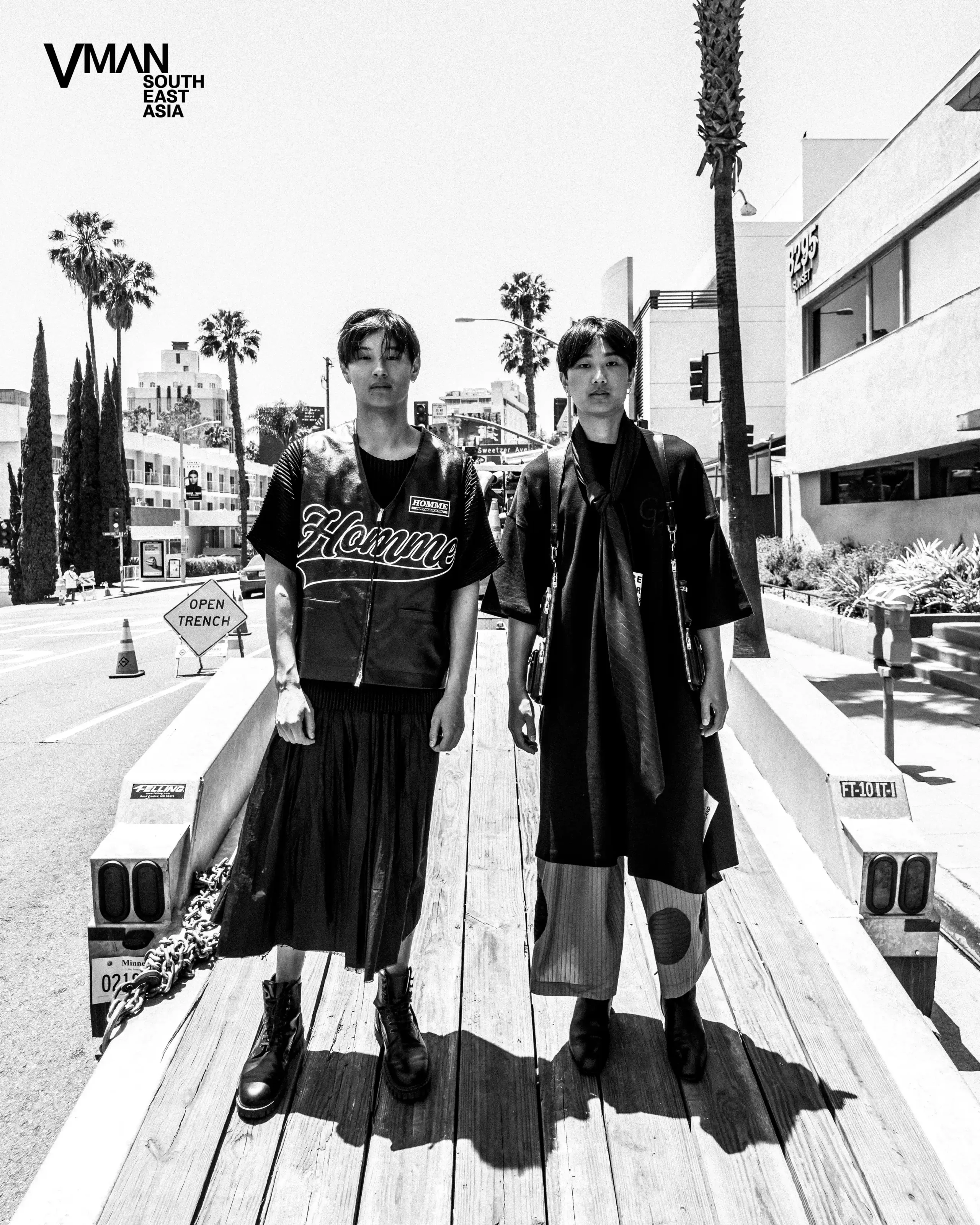
shirt passageway / vest boohooman / pants alisa / shoes maison privée
on kai:
shirt and tie greyhound original / harness amiri / pants alisa / shoes maison privée
Staying grounded while dreaming big
YK: I always joke with my friends: “If I ever start acting arrogant, slap me.” [laughs] So far, no one’s had to.
S: [laughs] I grew up not always feeling confident. I want people to know there’s hope. If you dedicate yourself to something you love and work hard, it’ll pay off. I know it sounds cliché, but it’s true.
YK: That’s the energy I want too. Like, I want to write about my mom one day. Something acoustic, stripped down. But right now, I’m still in my love song era. [laughs]
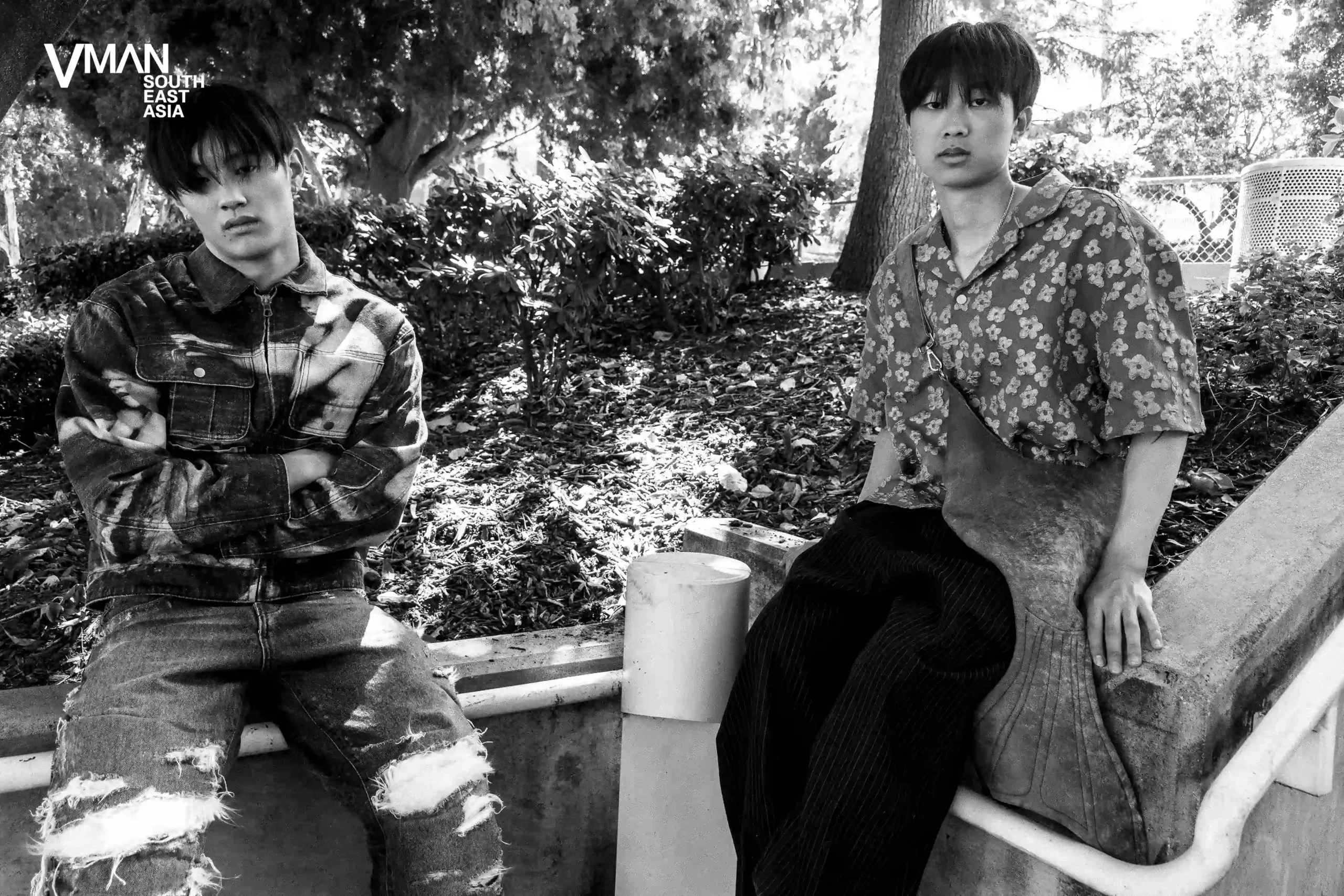
jacket ecrole / pants magique
on kai:
shirt boohooman / pants alisa / bag ecole
S: [smiling] That’ll come when it’s ready.
YK: One of my dreams is to perform at Rogers Arena in Vancouver. Flowers everywhere. Maybe a crazy setlist. But if I had to say something to my younger self in the crowd?
S: What would you say?
YK: “Stop doubting yourself. Chase your dream. You’ll find a way through it. And I’m proud of you.”
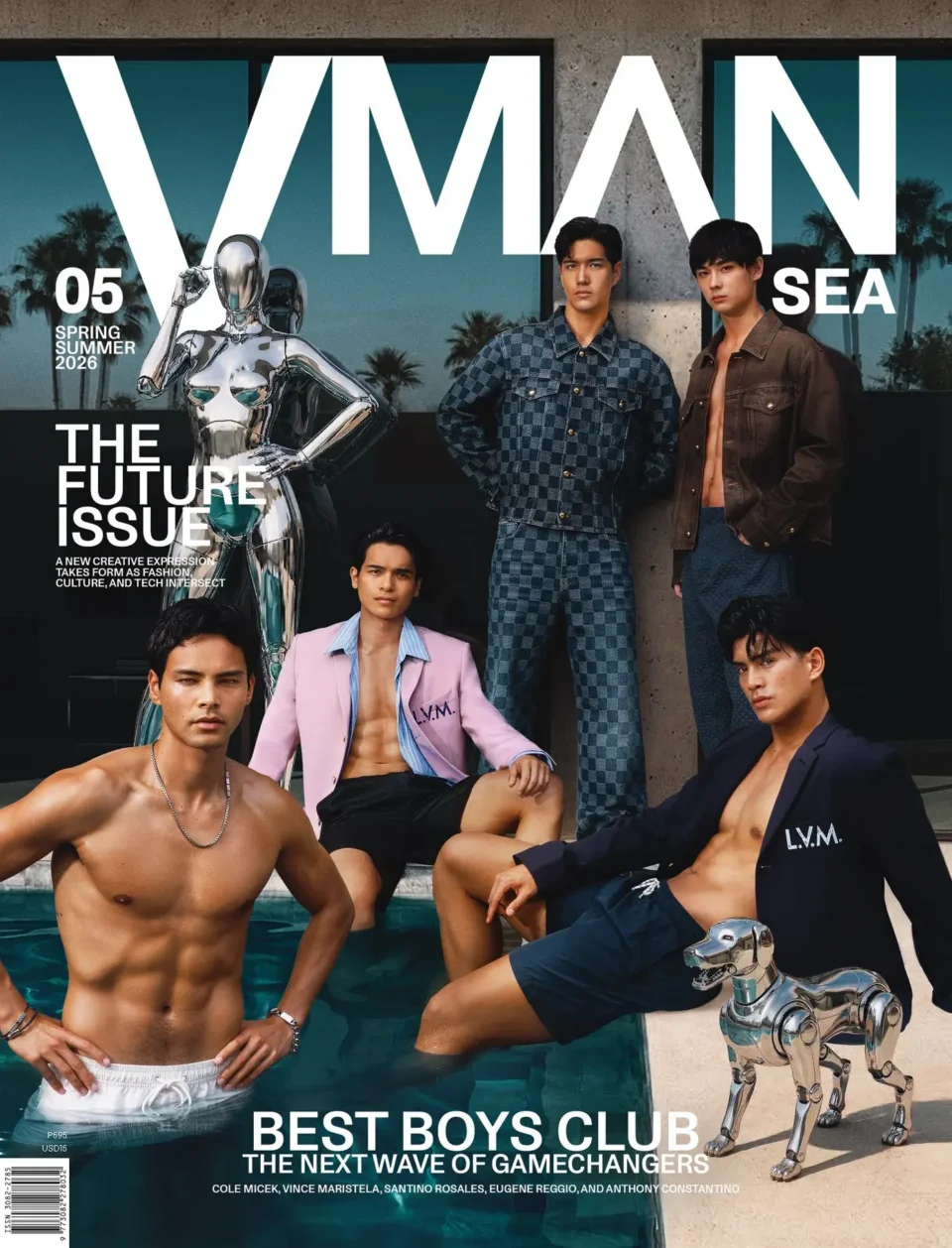
As seen in the pages of VMAN SEA 04, available in print and by e-subscription.
Photography and FashionFashionThe art and industry of designing, producing, and styling clothing, footwear, accessories, and beauty trends. It reflects cultural influences, personal expression, and evolving styles across seasons and markets.Go to Fashion Glossary Theo Hobbie
GroomingGroomingThe care and maintenance of hair, skin, beard, and nails, including cleansing, shaving, styling, and scent. Once niche, men's grooming has grown into a major lifestyle category, and VMAN's VanityGo to Grooming Glossary Tanya Alian (A Frame Agency)
Special thanks Platform PR
Frequently Asked Questions
Artists sunkis and yung kai redefine global Asian music identity by intentionally integrating bilingual Mandarin and English lyrics into R&B and bedroom pop models. Their transnational upbringings allow them to organically bridge Eastern and Western youth cultures without adhering to rigid traditional genre definitions.
Bilingual lyricism offers contemporary artists a multi-textured sonic palette where language dictates the emotional rhythm and bite of a song. By fluidly alternating between Mandarin and English, indie musicians introduce global audiences to regional heritages and subcultures through a highly accessible medium.
Internet virality allows bedroom-produced tracks to instantly reach cross-border listeners across Asia and Western markets simultaneously. This digital democratization bypasses traditional gatekeepers, enabling independent diasporic talent to build global communities rooted in shared cultural representation and musical tastes.
Modern artists navigate cultural representation as a chosen responsibility by translating personal, authentic narratives rather than forcing a monolithic community voice. Elevating their platforms allows these musicians to offer visible paths for subsequent generations of Asian-American and Asian-Canadian creatives.
The contemporary landscape blends Western R&B syncopation and bedroom pop melodies with distinct Mandarin vocal inflections and themes. This fluid intersection yields a unique sonic space that normalizes transnational identities and demonstrates the natural global appeal of Asian language music.
Recommended Video