Hipdut: The Key Artists Shaping Indonesia’s New Sound
Hipdut is Indonesia’s newest music genre, mixing traditional Dangdut rhythms with modern hip-hop, and these are the artists defining its rise




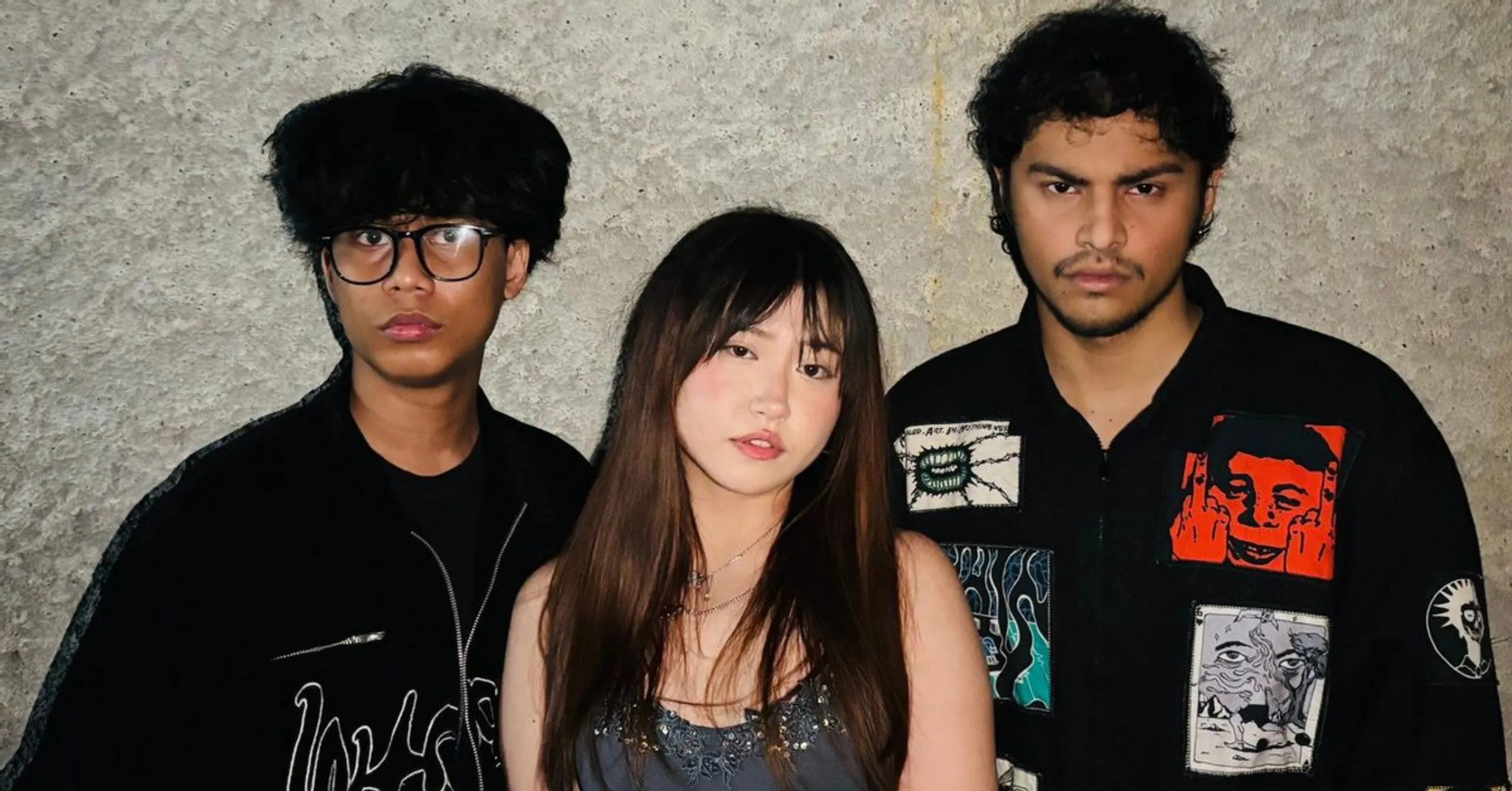
Hipdut has emerged as Indonesia’s most talked-about music genre this year. With its mix of Dangdut percussion and modern hip-hop influences, the sound has captured the attention of listeners across Southeast Asia. While the genre may feel effortless, several artists have become essential to understanding its rise.
RELATED: Jefri Nichol Unscripted
Tenxi
Tenxi is widely regarded as the face of Hipdut. His track Garam & Madu quickly went viral, amassing over 200 million streams on Spotify and more than 140 million views on YouTube. His music exemplifies the genre’s signature airy sound, combining understated percussion with smooth melodic lines. Tenxi has helped define what modern Hipdut sounds like.
Jemsii
Jemsii played a central role in Garam & Madu, offering a production style that bridges rap and pop. His beats are conversational and accessible, reflecting the collaborative nature of Hipdut. Jemsii’s tracks continue to resonate with fans looking for a relaxed yet dynamic sound.
Naykilla
Naykilla adds depth to Hipdut through her textured vocal contributions. Her performances provide subtle emotional layers while maintaining the genre’s aesthetic. Naykilla demonstrates how Hipdut can be both intimate and modern at the same time.
Juan Reza
Juan Reza has become a staple of Hipdut playlists. His music emphasizes rhythm and atmosphere over melody, and his consistent output has helped solidify Hipdut as a regular part of listeners’ routines.
NDX A.K.A.
NDX A.K.A. are early pioneers who helped introduce Dangdut-rap crossovers over the past decade. Their music combines reggae-like rhythms with street-level storytelling, laying the foundation for Hipdut’s emergence. While their sound differs from contemporary Hipdut, their influence is significant.
Suisei
Suisei contributes a lighter and almost ethereal quality to Hipdut tracks. Often featured rather than headlining, his vocals combine seamlessly with the genre’s percussion, enhancing its airy and flowing feel. Suisei shows how subtlety plays a key role in defining Hipdut’s sound.
Together, these artists represent the current state of Hipdut. They highlight a genre that is both locally rooted and globally aware, appealing to a generation seeking music that feels fresh yet familiar.
Hipdut is still evolving, but these voices make it clear why the genre is dominating playlists and shaping the Indonesian music scene.