
Marlon Stockinger Has Never Stopped Chasing Speed
The Filipino racing pioneer has no plans to slow down, with Le Mans on his mind and the future of Philippine motorsport in his sights





Beyond the finish line
For Marlon Stockinger, the finish line has never really been the point. The pioneering Filipino-Swiss racing driver has spent much of his life chasing the next corner and the next fraction of a second.
Born in Manila, Marlon became the closest Filipino driver to reaching Formula One, racing across Europe, joining the Lotus F1 Team’s driver development programme, and testing F1 machinery along the way.
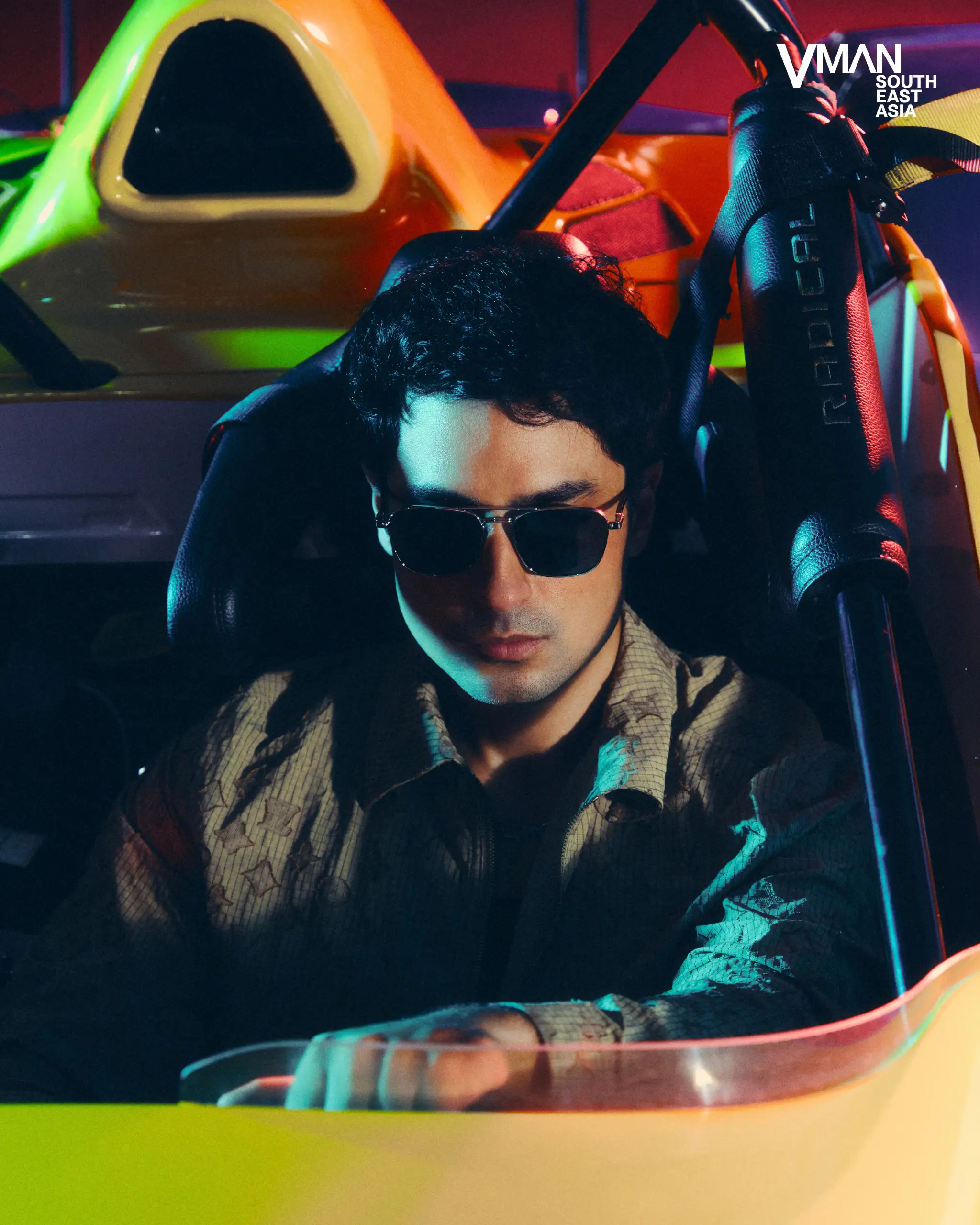
His record already reads like a blueprint for Filipino motorsport. In 2010, he became the first Filipino to win a formula race in Europe, taking victory in the Formula Renault 2.0 UK Championship at Croft Circuit. Two years later, he delivered an even bigger statement in Monaco, winning a GP3 Series race on one of motorsport’s most famous circuits as the Philippine national anthem played over Monte Carlo.
For most drivers, a career like that might eventually become a story told in the past tense. Marlon has no interest in doing that.
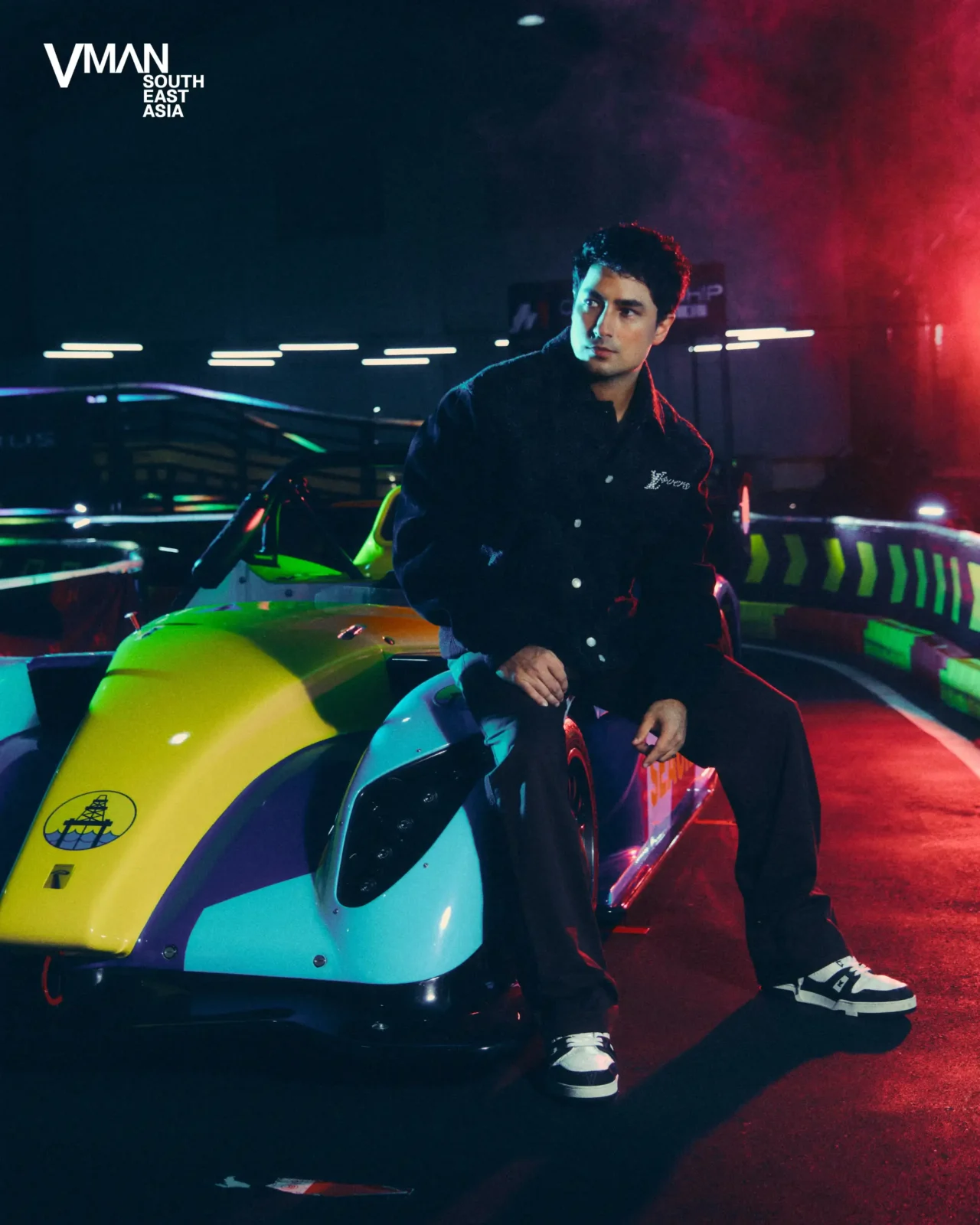
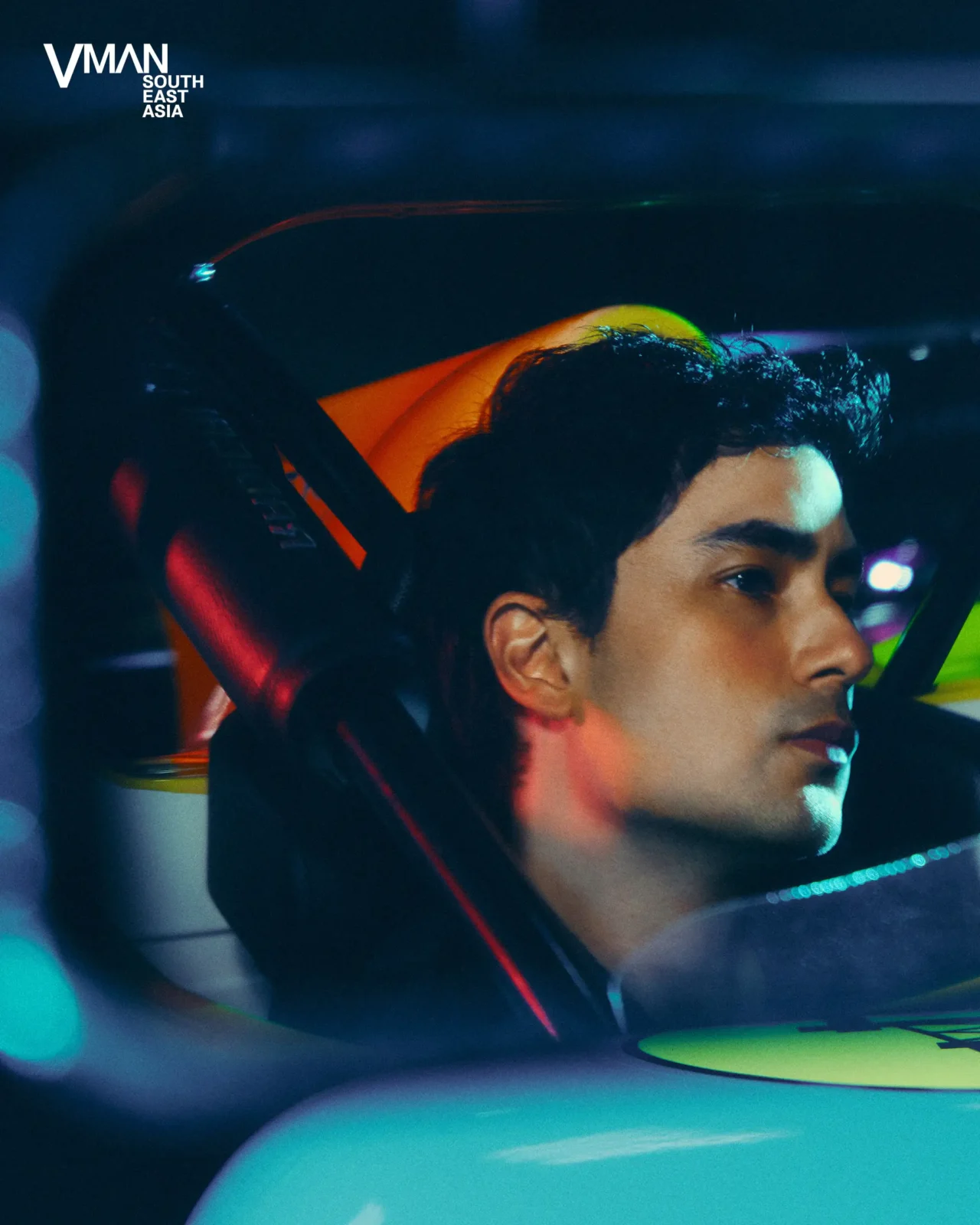
He is still racing, still chasing records, and still thinking about Le Mans. But these days, his ambitions extend beyond what happens when the helmet goes on. Through Radical Motorsport Philippines, Meta Motors, and his new race team, SR Scuderia, he is building a larger ecosystem around the sport he has spent his life pursuing.
It is a transition from racer to entrepreneur, but not quite a retirement from racing. If anything, it is an attempt to give the sport a future that does not depend on a single driver.
The racer is still very much there
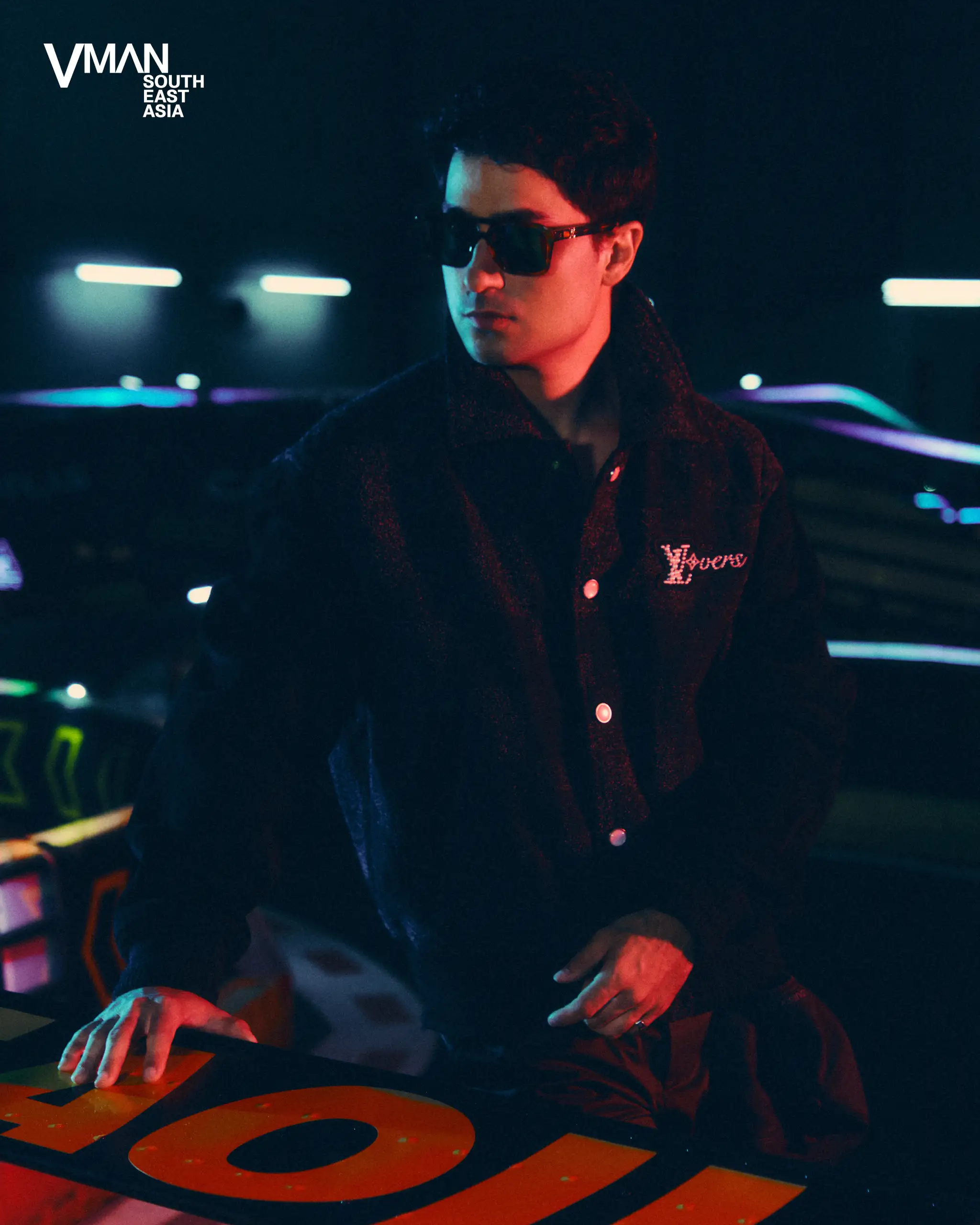
Earlier this year, Marlon broke the Radical SR1 lap record at Clark International Speedway, a timely reminder that the competitive instinct has not softened with age or business responsibilities.
His next personal target is considerably larger. After winning in Monaco, he has set his sights on the 24 Hours of Le Mans.
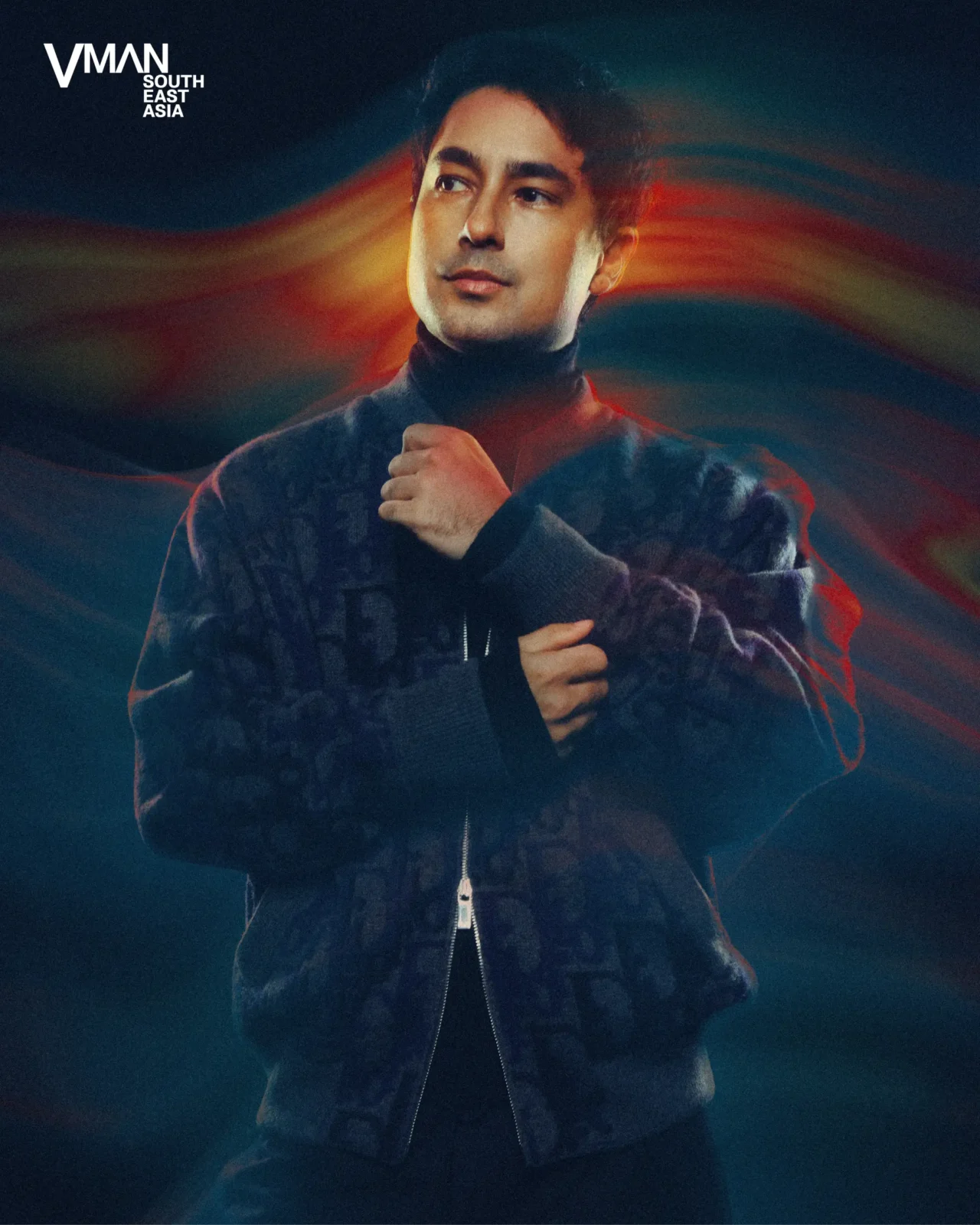
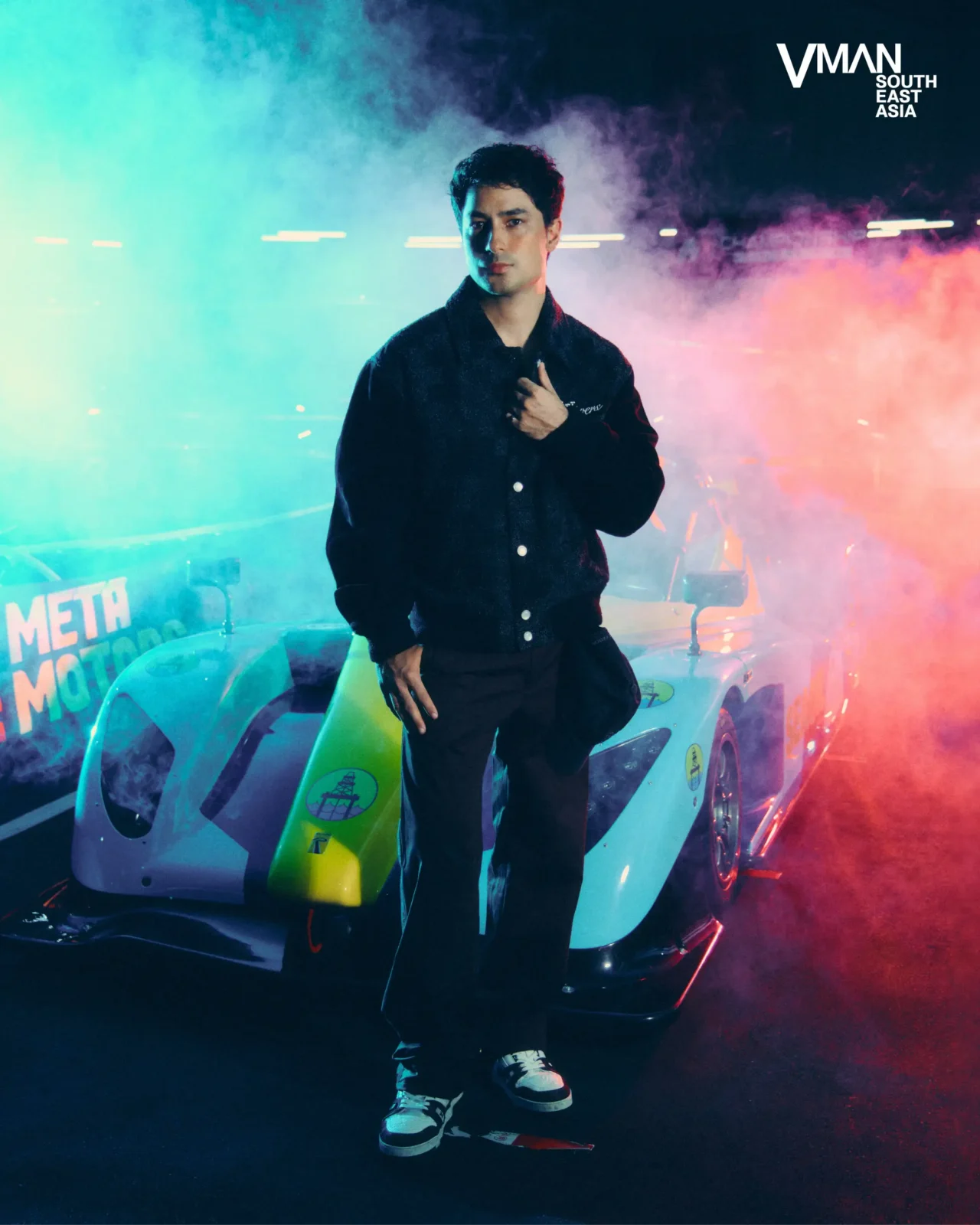
“I’m still very much a racer,” he says. “That goal continues to drive me, to stay sharp, and keep pushing myself behind the wheel.”
The difference now is that racing is no longer the only place where Marlon gets his adrenaline. Radical Motorsport Philippines has become a six-year project in which he serves as founder and Motorsport Director, using the experience accumulated throughout his international career to help develop drivers at home.
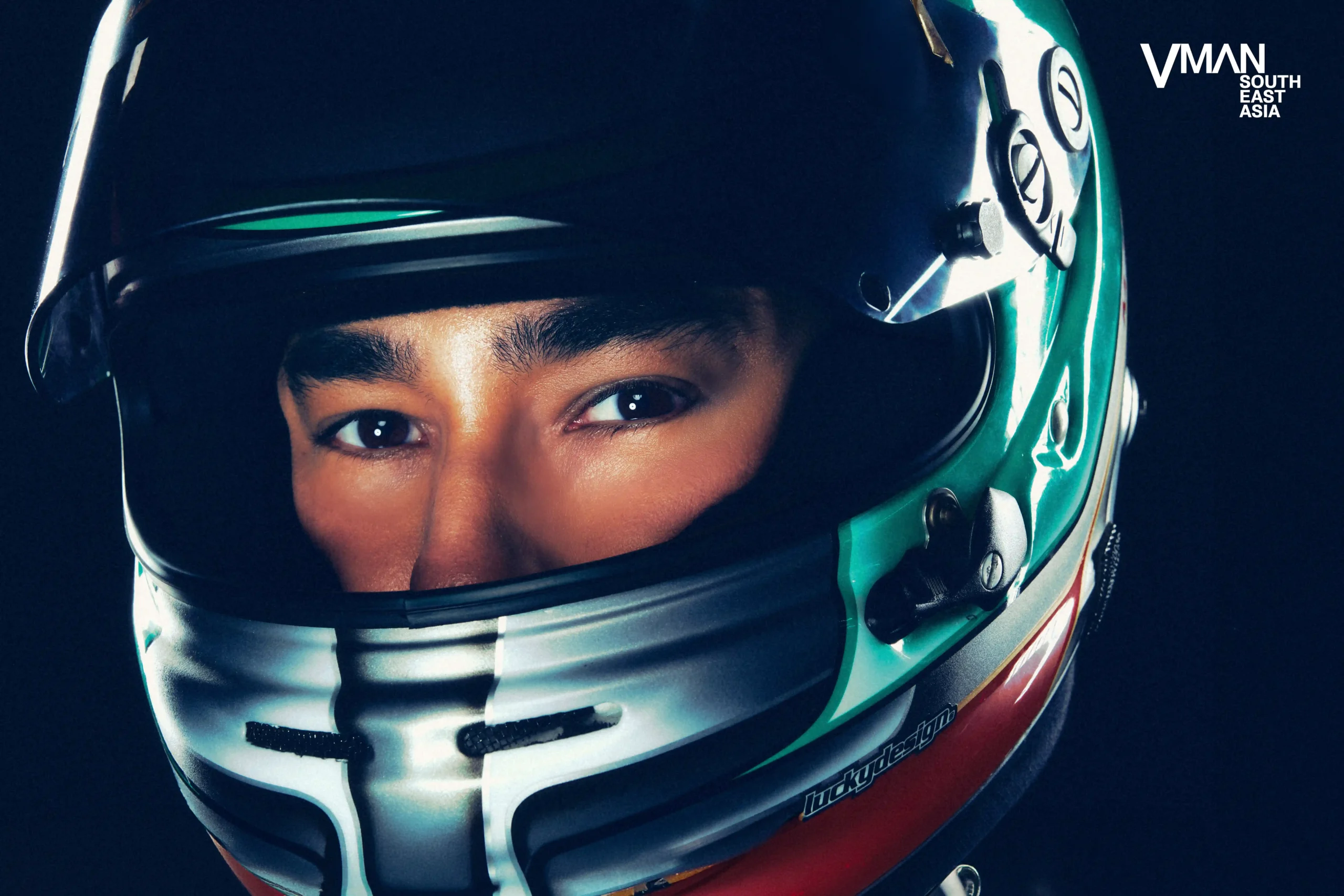
He sees Radical as a critical missing link in Philippine motorsport: a serious, track-focused platform where drivers can learn, compete, and eventually make the jump overseas.
The results are already visible. Radical champions have progressed into international competition, including Formula 4, Ferrari Challenge, and championships in Korea and Japan. For Marlon, that pathway is the real opportunity.
“We are creating a structure that allows Filipino drivers to build their abilities at home and then carry those skills onto the international stage.”
It is a decidedly less glamorous task than standing on a podium in Monaco. It may also prove more consequential.
From the cockpit to the boardroom
Marlon’s move into business has not taken him away from motorsport. Instead, it has changed the question he is trying to answer.
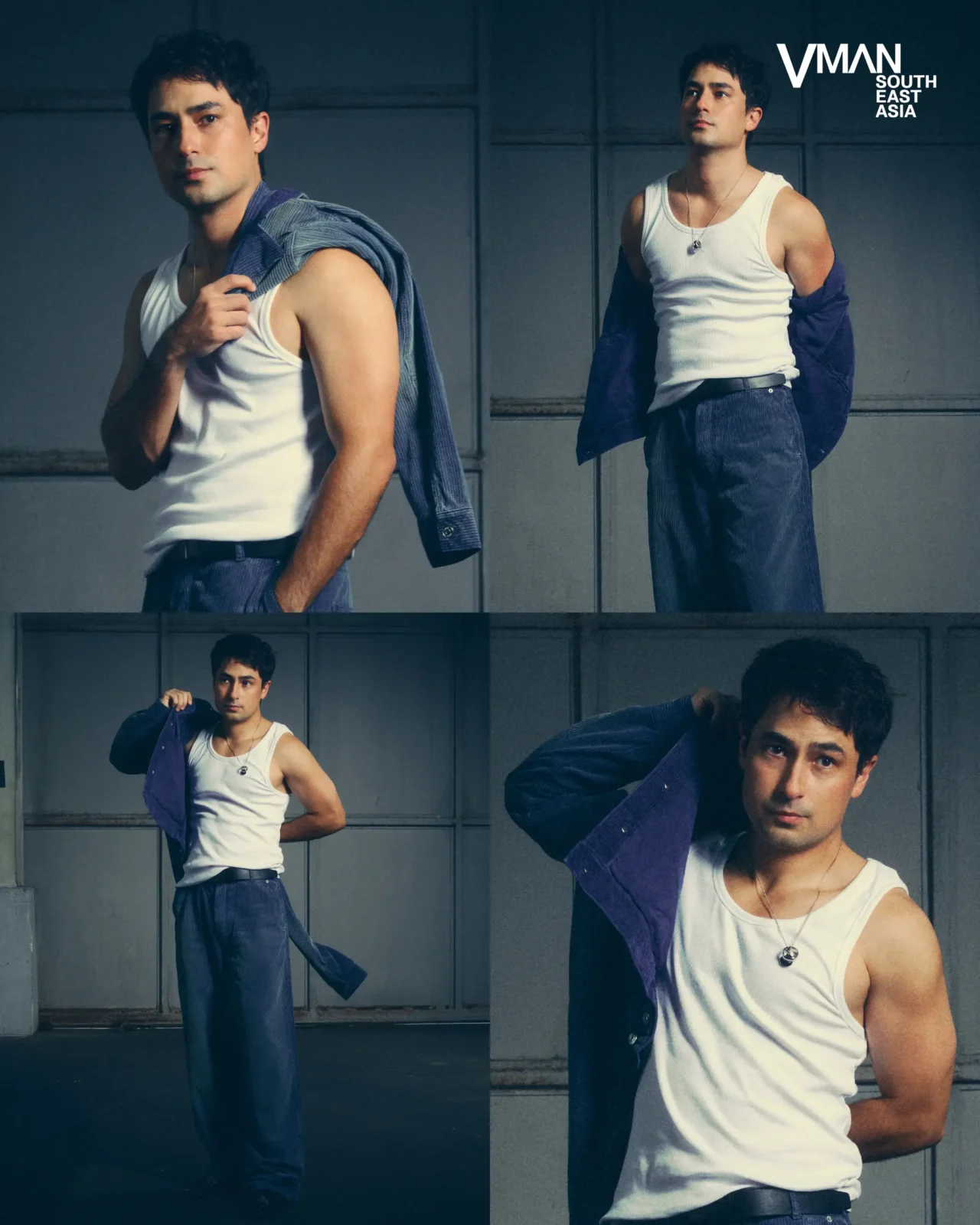
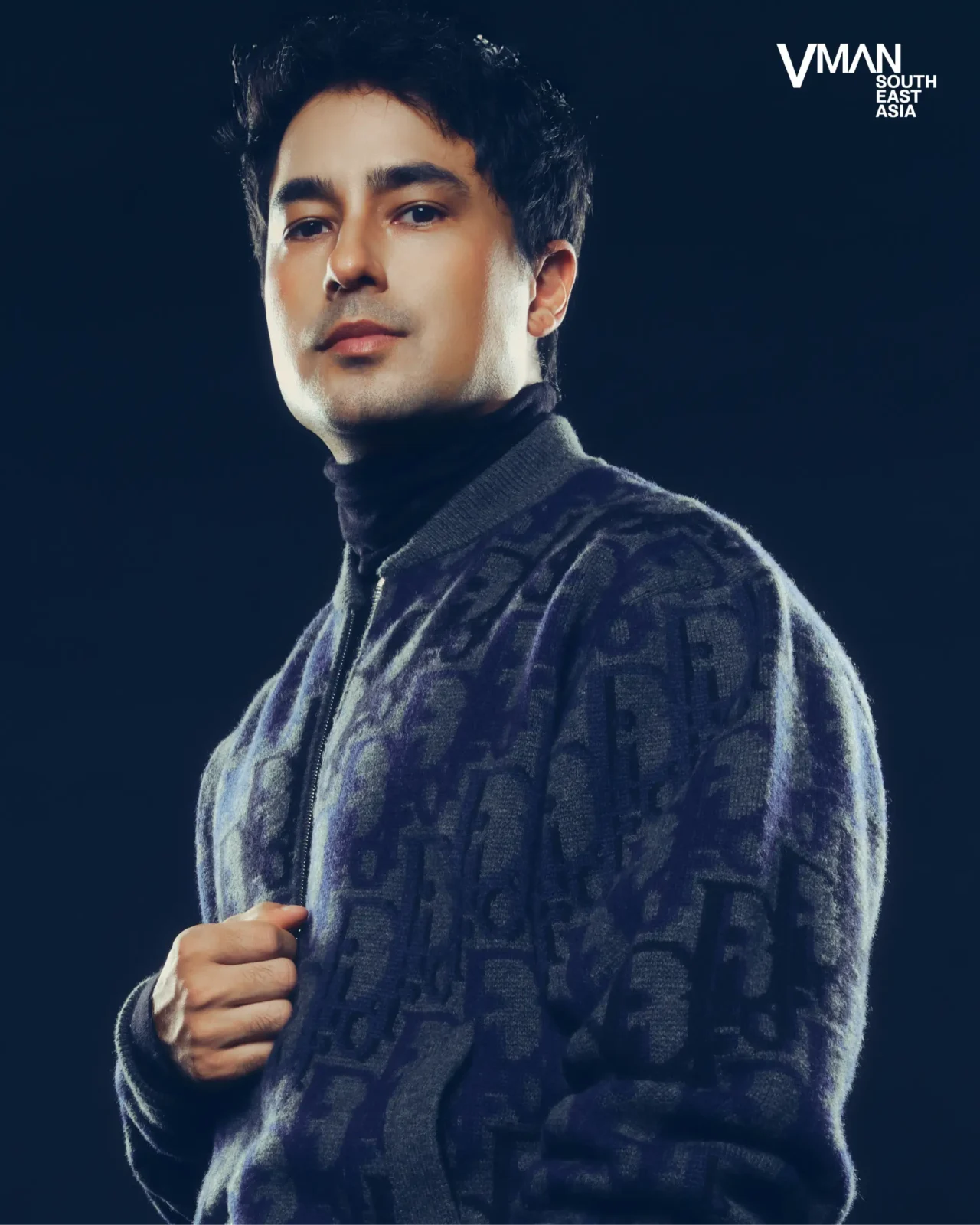
Meta Motors, which sits at the intersection of cars, technology, and gaming, gives him a chance to explore how the industry might become more accessible to a wider audience. The idea appeals to the same instinct that first pulled him toward racing: the desire to push something forward.
Rather than remain a supporter from afar, Marlon chose to get directly involved in the business. “In everything I do, I believe it’s important to be actively involved rather than simply standing on the sidelines,” he says.
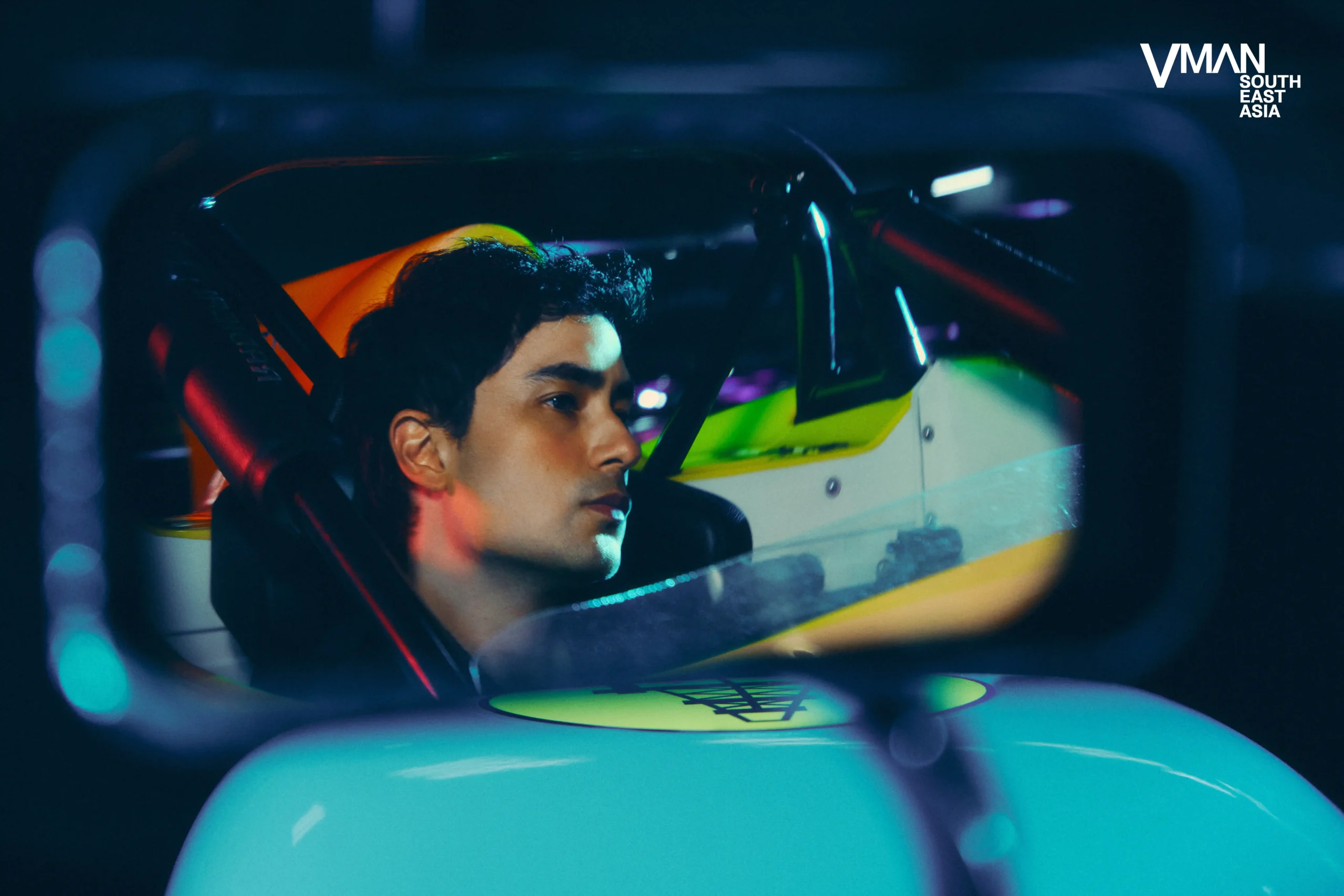
The track has become his unlikely business education. Racing taught him how to make decisions quickly, absorb failure, and understand that performance is rarely the product of one person alone. Those lessons now shape the way he leads.
“I want to share what I’ve learned with my teams both on and off the track, and help create an environment in which everyone can perform, grow, and succeed together.”
Marlon spent years learning how to extract performance from a machine. Now he is interested in building the machinery around the machine: the teams, businesses, technology, and development systems that allow other people to perform too.
Marlon Stockinger is a new kind of car guy
His relationship with cars has changed, too. When he was younger, Marlon admits, the equation was simple: go fast, win races, repeat. A Formula One car or a go-kart could satisfy the same competitive hunger.
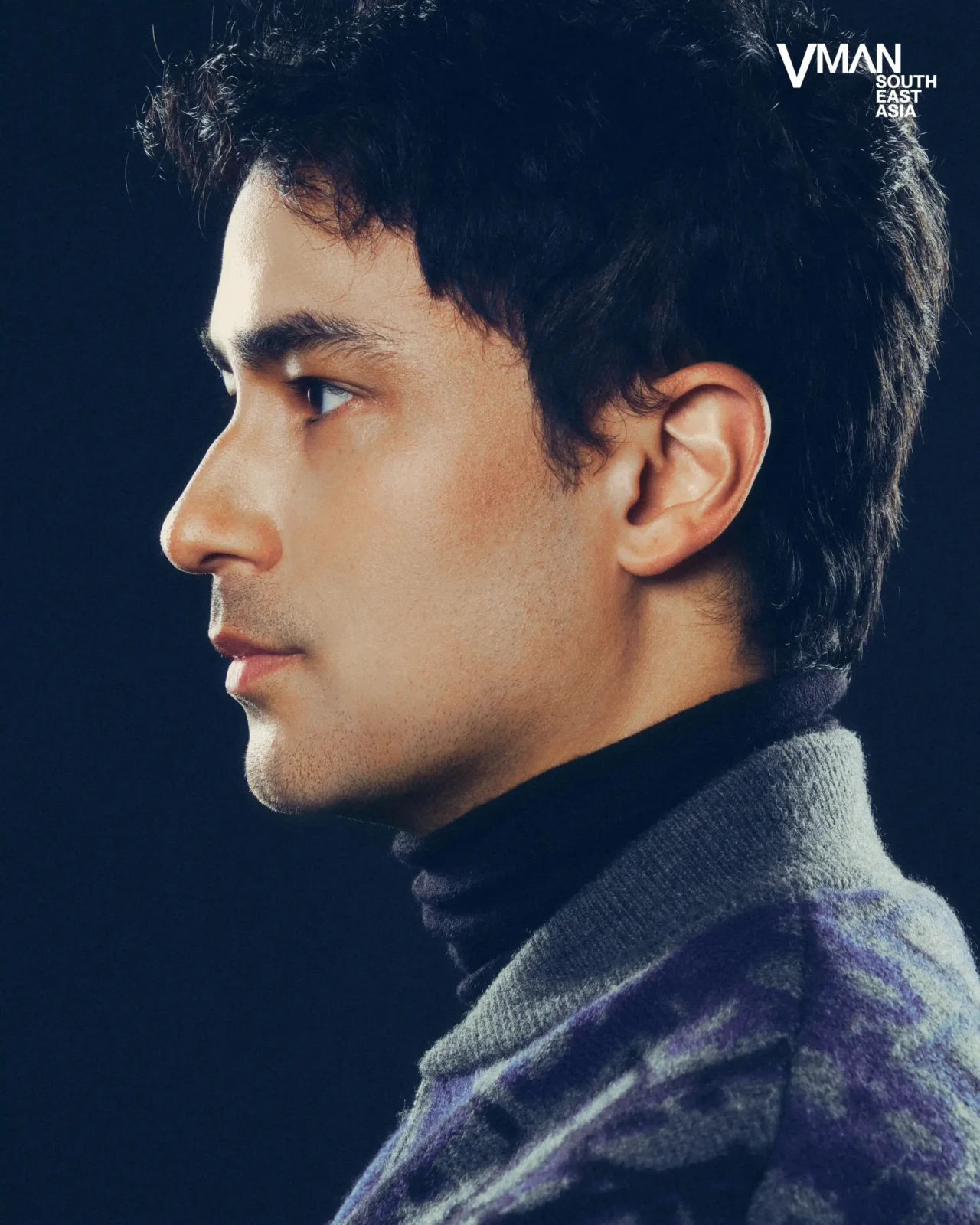
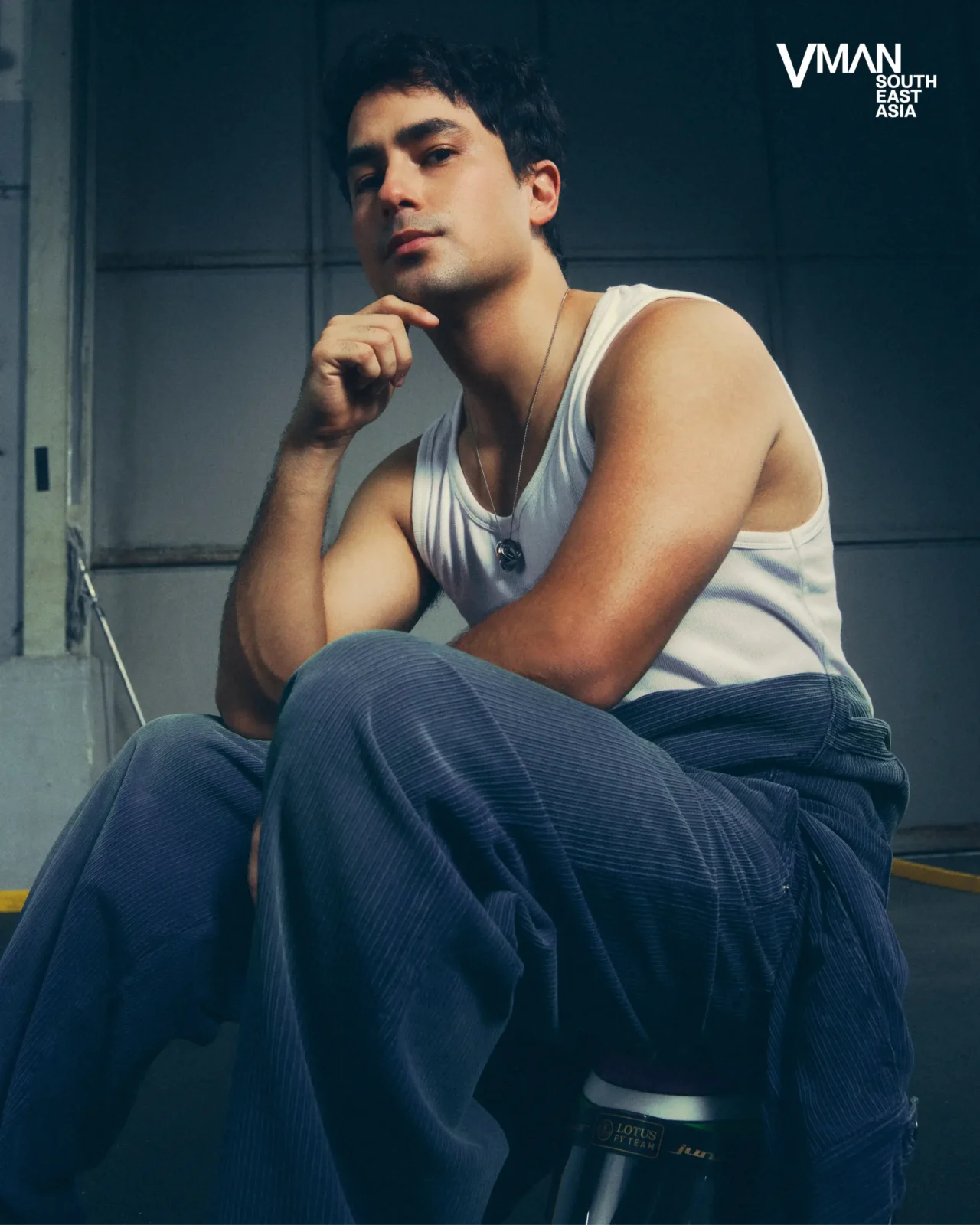
Years in the automotive business have complicated that relationship in the best possible way. He now notices the things that are easier to miss at 200 kilometres per hour and has developed an appreciation for cars as objects with their own personalities and quirks.
“I now value the story, thought, and technical detail behind it just as much as its lap time,” he says.
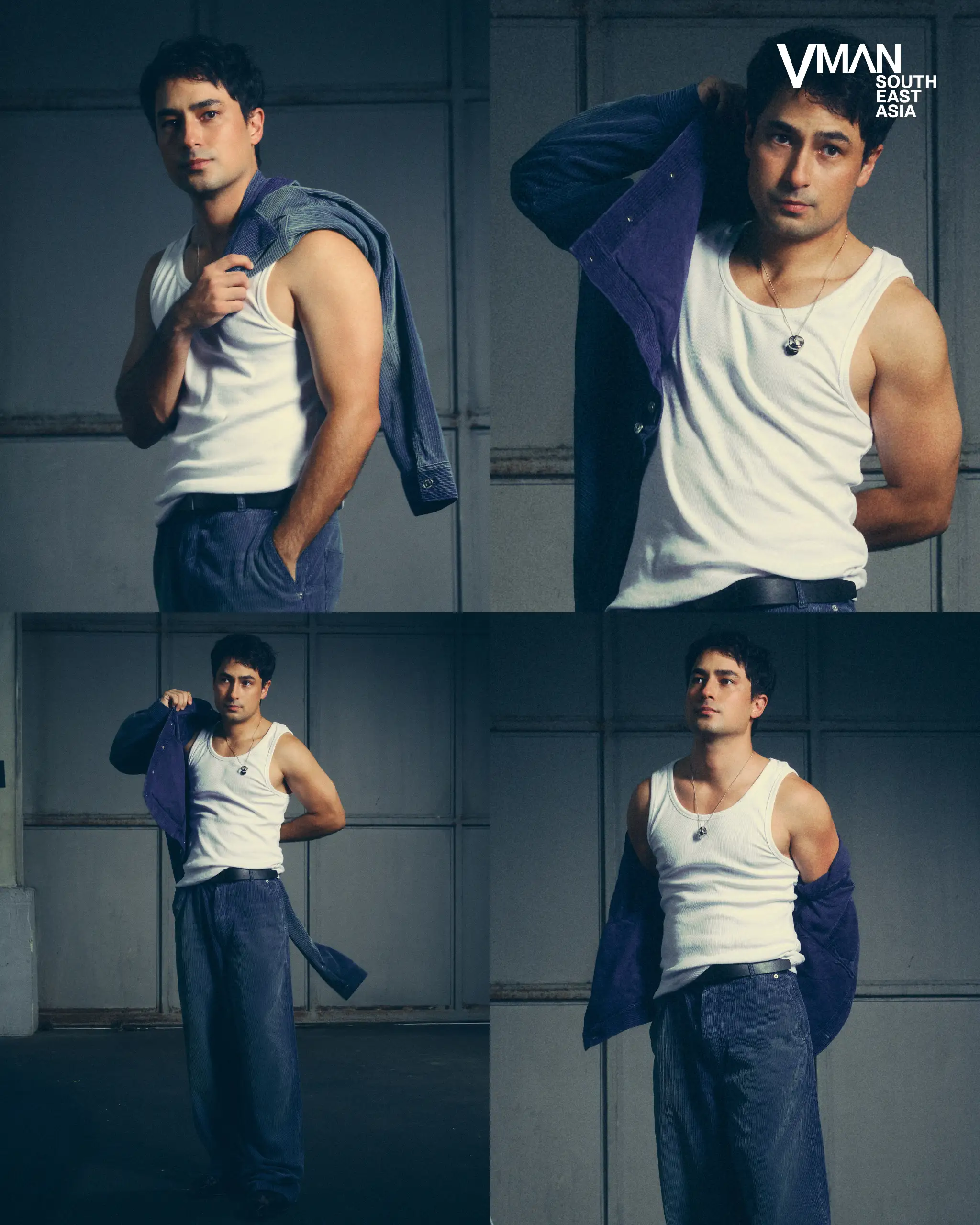
And despite working at the intersection of technology and automotive innovation, Marlon remains drawn to cars from a more analog era. Fewer driver aids. More mechanical connection. More room for the person behind the wheel to make the difference.
Perhaps unsurprisingly, the most exciting car in his garage is not necessarily the fastest. Sentimental value wins.
“The cars that excite me most are the ones that stir something in me when I get behind the wheel. That emotional connection matters far more than a price tag, badge, or top-speed figure.”
Marlon Stockinger’s next era
At the heart of SR Scuderia is a philosophy Marlon has long embraced, now translated into a racing team of his own.
The team has already competed in the Mazda Miata Spec Series, with the goal of creating a platform where drivers can learn from a collective of racers, engineers, mechanics, and support staff. It is another piece of the infrastructure he believes Philippine motorsport needs.
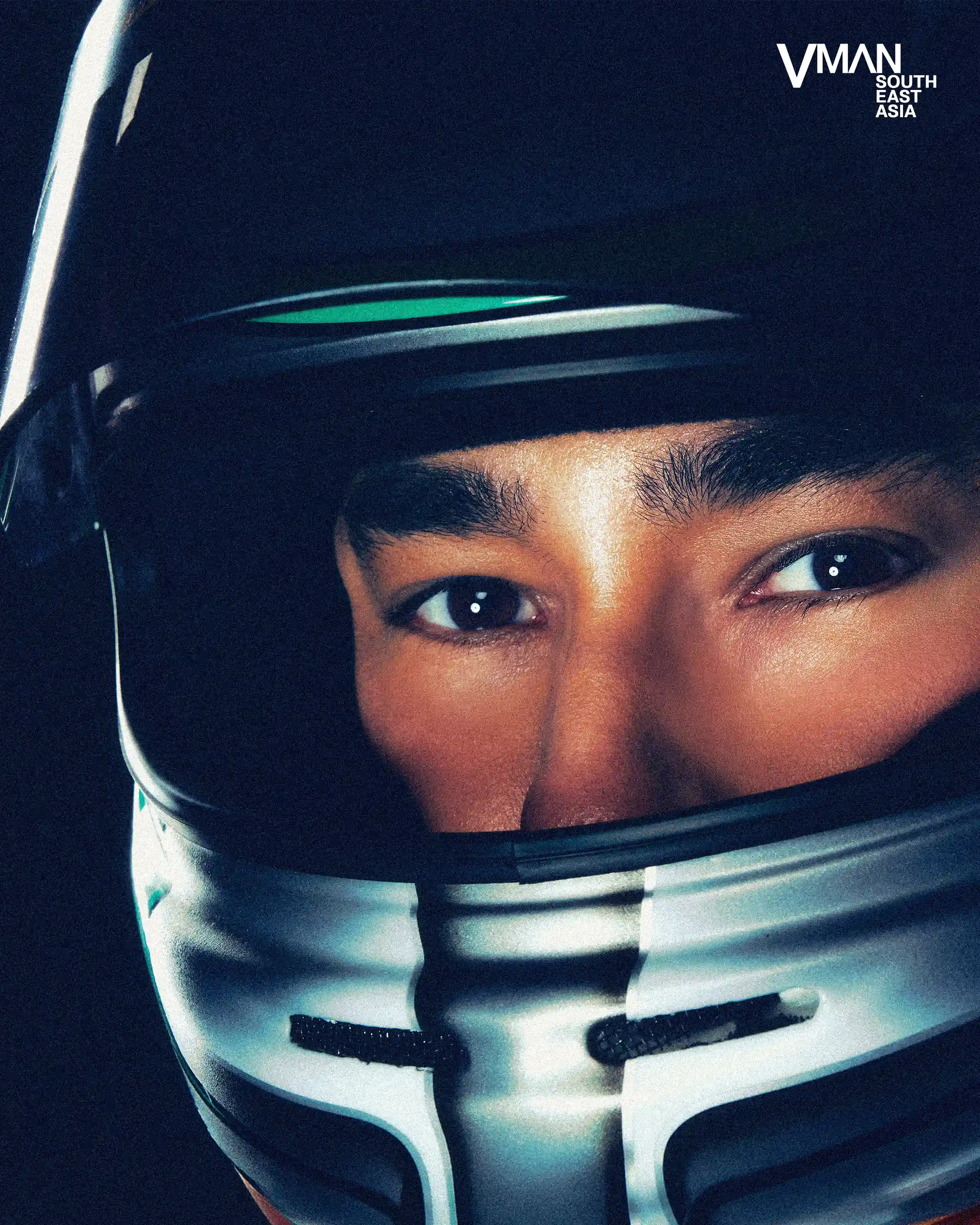
There is no shortage of enthusiasm, Marlon argues. The country has young drivers hungry for opportunity and fans who follow the sport. What has been harder to build is a system capable of turning that enthusiasm into sustained careers.
“I believe we can provide game-changing services and experiences that will light up the track for many years to come,” he says.
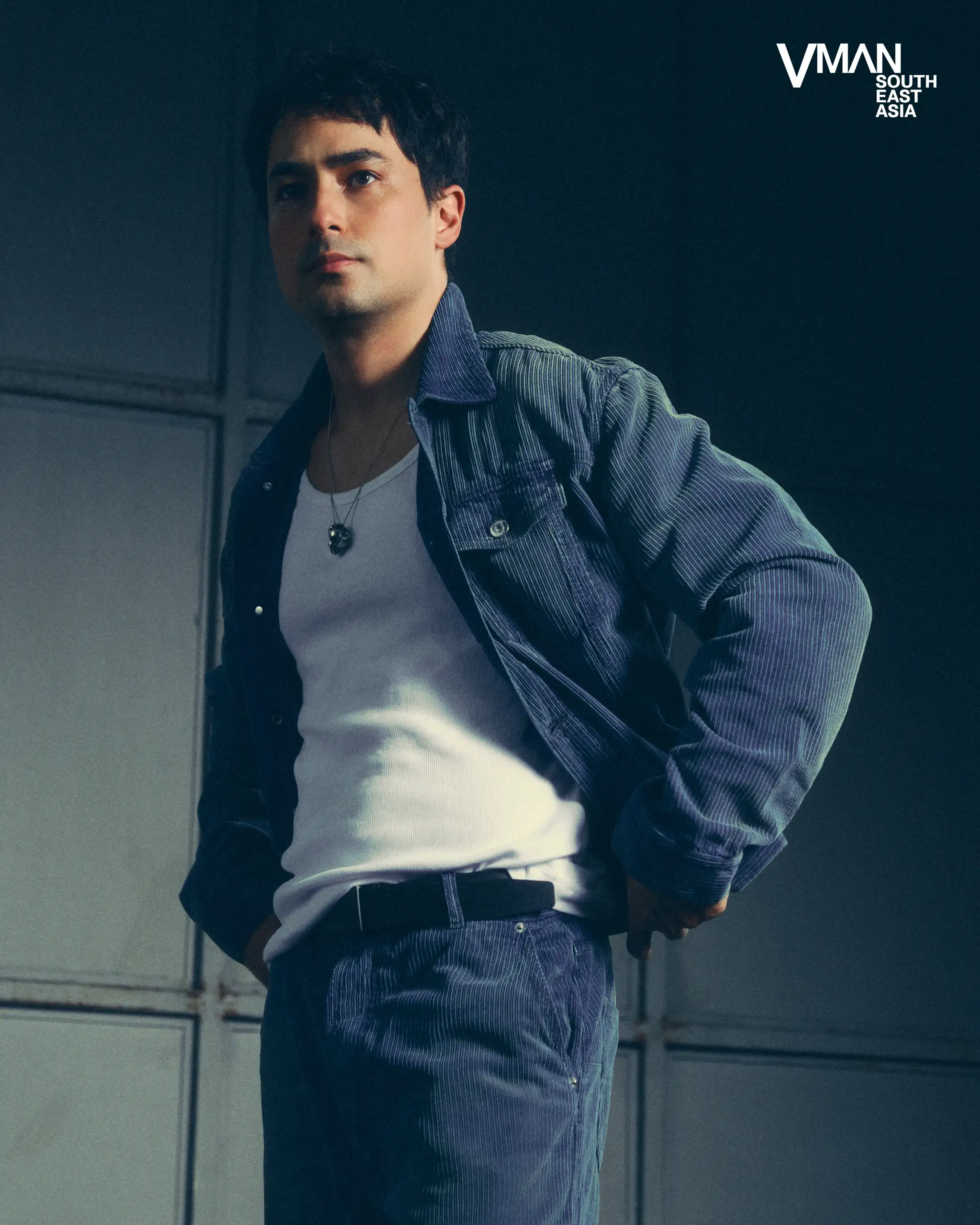
His own ambitions remain unapologetically high. Le Mans is still the dream. But he is increasingly comfortable with the idea that the biggest victory of his career might eventually belong to someone else.
“But if it isn’t me behind the wheel, perhaps one day it will be my team that wins it. That is a beautiful thing to dream about and a reason to never stop pushing.”
The intrigue lies in Marlon’s second act: he is not walking away from the sport that made him, but finding new ways to shape his place within it.
Driving fast is one thing. Building something fast enough to take others with you is another. For Marlon Stockinger, a racer who has spent his life looking toward the next corner, it could be his most interesting race yet.
Photography Genio Frondoza
Art direction Mike Miguel
FashionFashionThe art and industry of designing, producing, and styling clothing, footwear, accessories, and beauty trends. It reflects cultural influences, personal expression, and evolving styles across seasons and markets.Go to Fashion Glossary Rex Atienza
Editor Dayne Aduna
Production Francis Vicente
Photography assistant Cloyde Godoy
FashionFashionThe art and industry of designing, producing, and styling clothing, footwear, accessories, and beauty trends. It reflects cultural influences, personal expression, and evolving styles across seasons and markets.Go to Fashion Glossary assistant Miki Gonzales (at StyleList, Inc.)
Frequently Asked Questions
Marlon Stockinger is a Filipino-Swiss racing driver considered the closest Filipino athlete to reach Formula One, having joined the Lotus F1 Team’s driver development programme. In 2010 he became the first Filipino to win a European formula race, then won a GP3 Series race in Monaco in 2012.
Radical Motorsport Philippines is a six-year motorsport development platform founded by Marlon Stockinger, who serves as Motorsport Director. The programme trains Filipino drivers for international competition, with graduates progressing into Formula 4, Ferrari Challenge, and national championships in Korea and Japan.
SR Scuderia is Marlon Stockinger’s own racing team, launched to give Filipino drivers a structured environment to learn alongside experienced racers, engineers, mechanics, and support staff. The team has already competed in the Mazda Miata Spec Series as part of its mission to build lasting motorsport infrastructure in the Philippines.
Marlon Stockinger’s next major racing goal is competing in the 24 Hours of Le Mans. The ambition follows his 2012 GP3 Series win in Monaco and a recent Radical SR1 lap record at Clark International Speedway, both reminders that his competitive drive has not slowed despite his growing business ventures.
Marlon Stockinger’s relationship with cars has evolved through his work at Meta Motors, which operates at the intersection of cars, technology, and gaming. He now values a car’s story, craftsmanship, and mechanical character as much as its lap time, favoring analog-era vehicles with fewer driver aids.

Recommended Video