
In 2026, We All Want an Analog Room
In a culture long obsessed with smarter homes and constant connectivity, the analog room emerges as a radical retreat where attention is reclaimed and being unreachable becomes a luxury




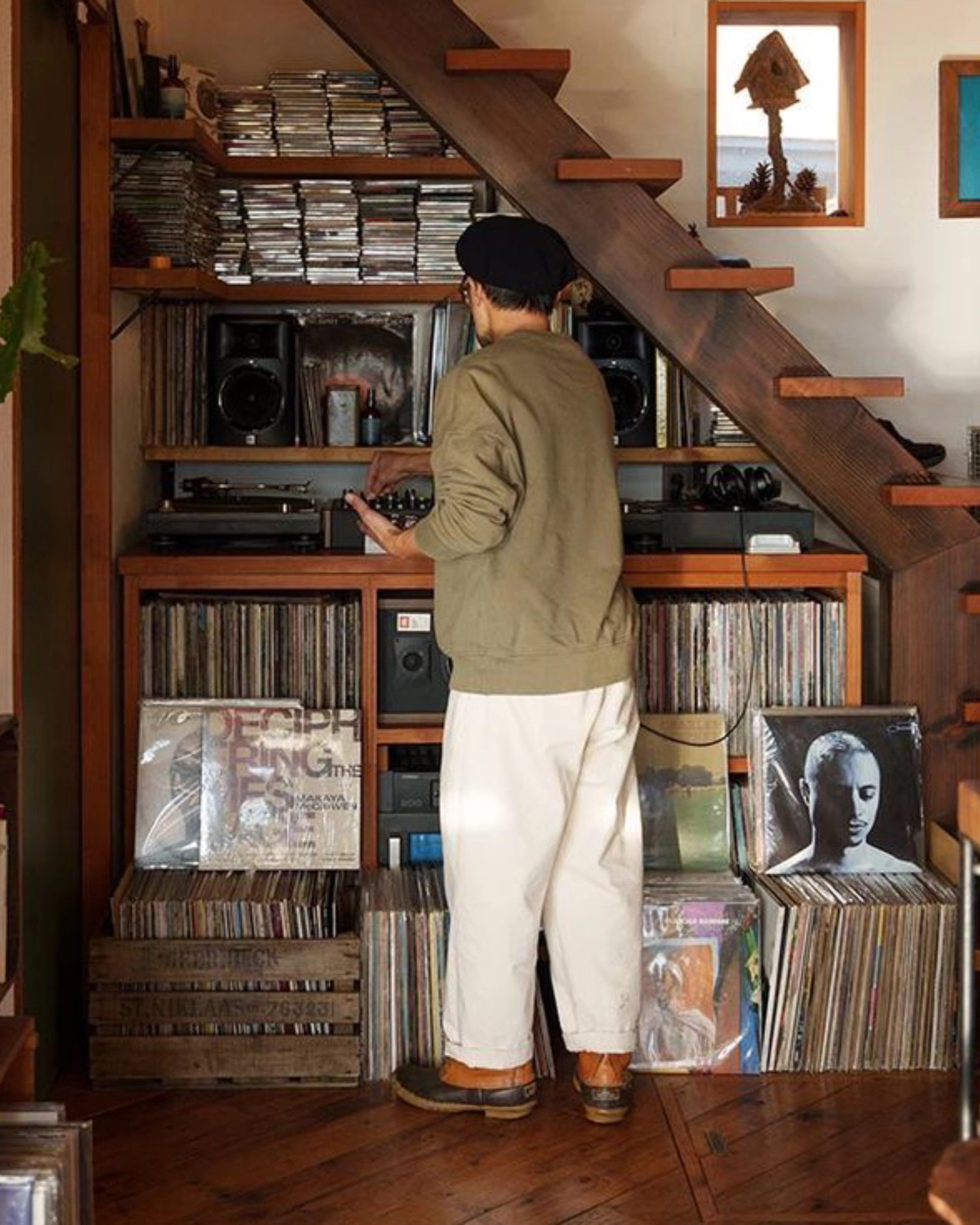
When progress meant more screens
Until recently, domestic progress was measured in scale and speed: bigger screens signaled advancement, faster connectivity implied intelligence, and homes became collections of glowing surfaces, each one promising convenience.
But in 2026, a reversal is underway. The most desirable room in the house is where nothing connects at all. Across design, culture, and lifestyle conversations, the idea of the analog room has emerged as a counterpoint to a decade defined by constant digital presence.
RELATED: 2026: The Year We Go Analog
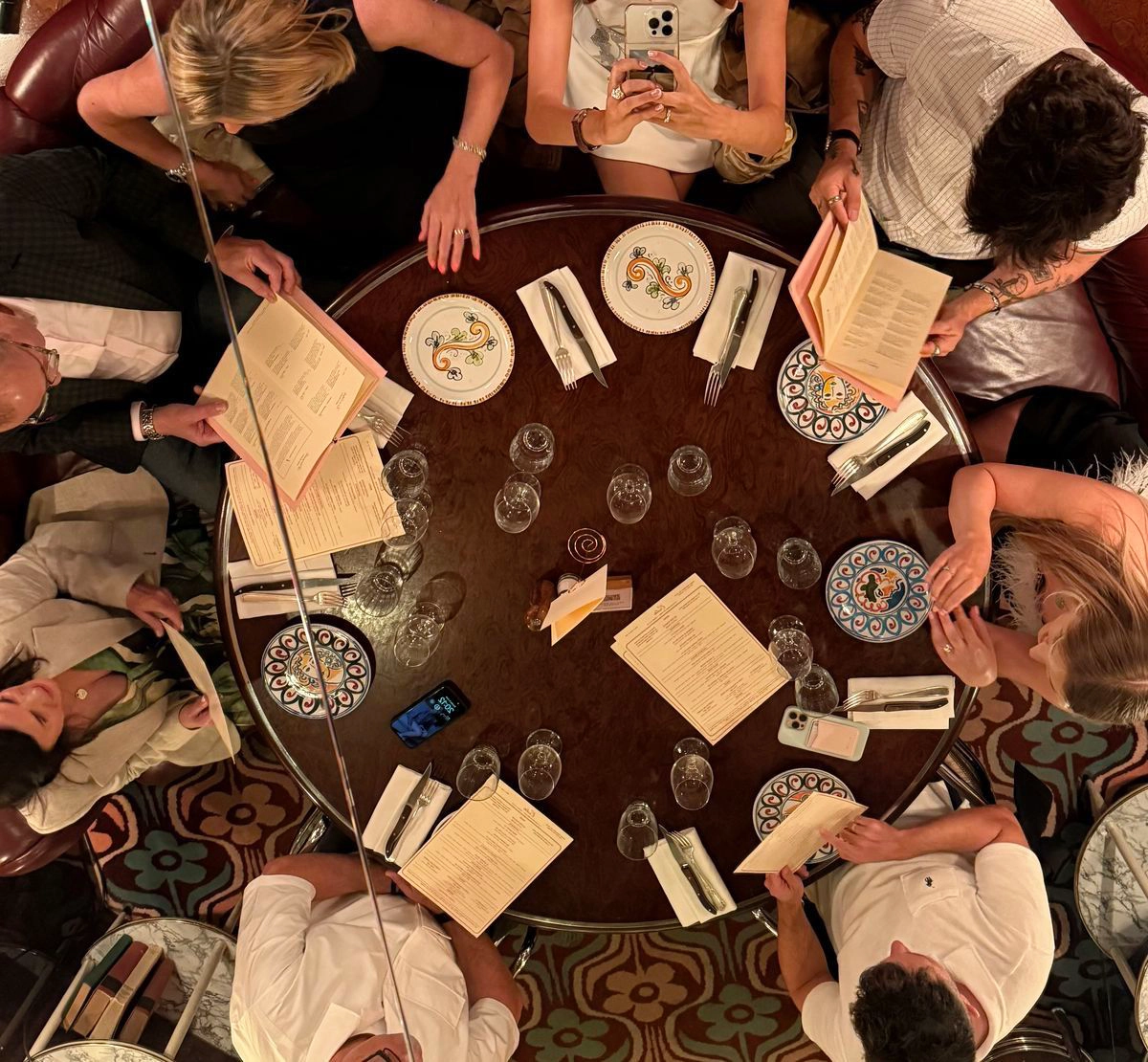
An analog room is not a rejection of technology, nor a nostalgic fantasy about life before the internet. It is a practical response to saturation. As screens have multiplied and notifications have colonized nearly every waking moment, the absence of technology has begun to feel like relief.
The people most invested in these spaces are often those who live online by necessity. Creatives who spend their days toggling between platforms are carving out environments where digital tools are excluded.
Activities that refuse to be optimized
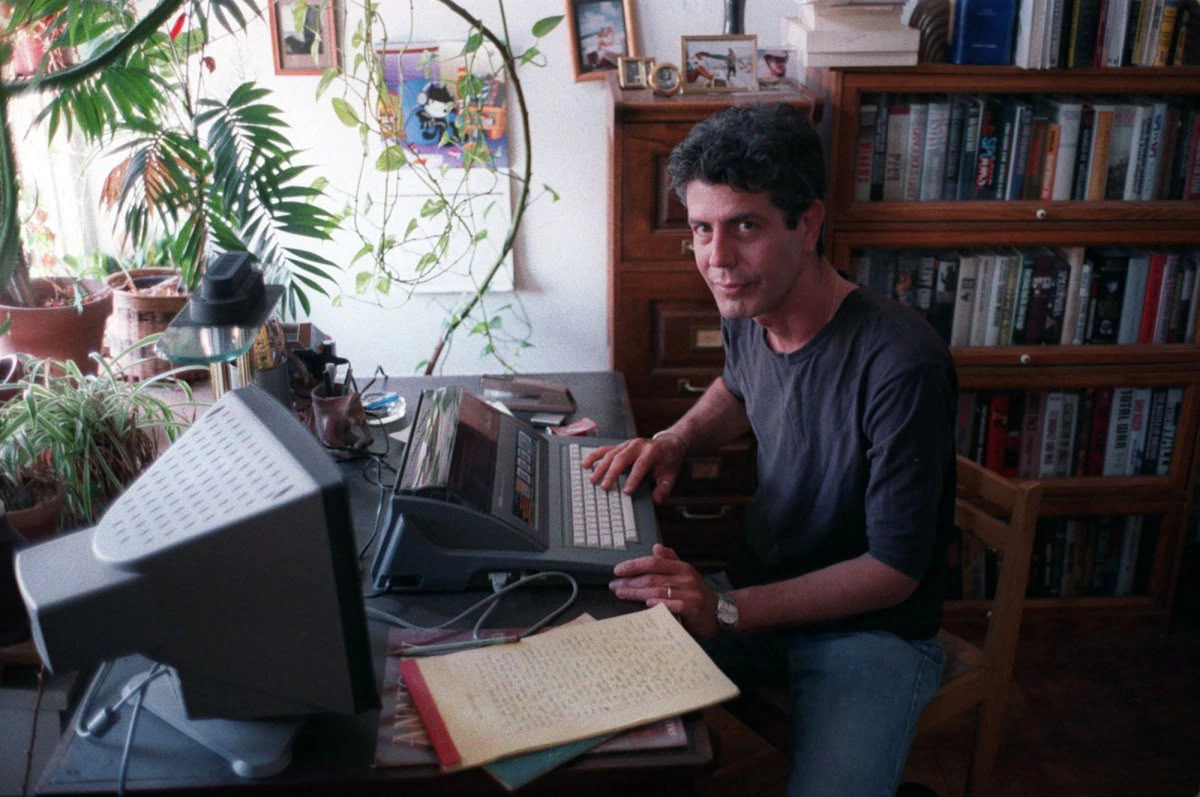
The activities that define an analog room are simple but increasingly rare: reading a physical book without interruption, listening to music without skipping, playing a board game that unfolds at its own pace, and sitting across from another person without the expectation of multitasking.
These are not framed as productivity tools or wellness strategies. They are framed as experiences that ask for sustained presence, something the digital world erodes.
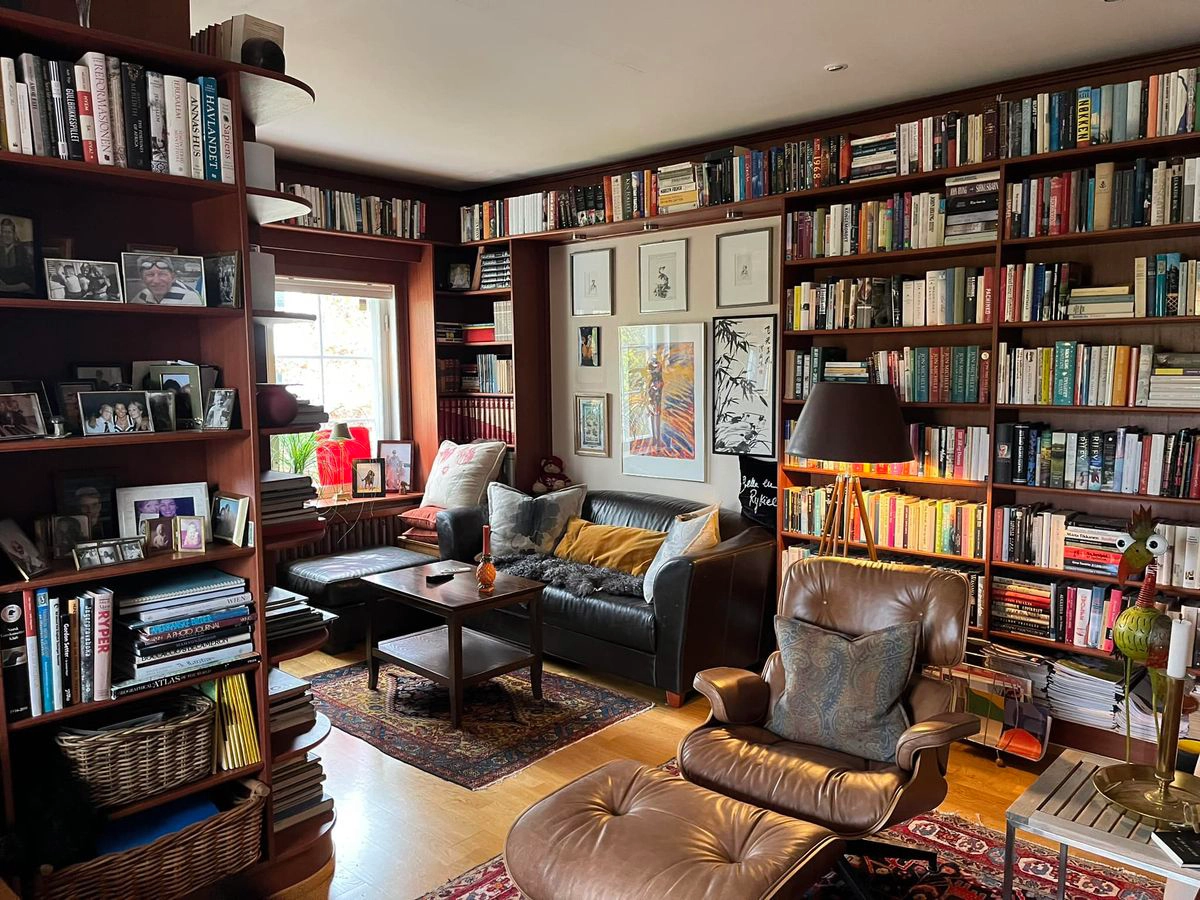
Design plays a central role in reinforcing this behavior. Unlike traditional living rooms, which often orient furniture toward a screen, analog rooms are arranged for interaction.
Tables are sized for hands-on activities rather than laptops. Lighting is warm and focused, chosen to rest the eyes rather than stimulate them. The space communicates, without signage, that phones are unnecessary here.
A generation fluent in digital fatigue
For us, the rise of the analog room aligns with a broader reassessment of digital life. Having grown up fully embedded in smartphones and social platforms, this generation is increasingly fluent in the costs of constant visibility.

The analog room gives physical form to JOMO, the joy of missing out. It is a space where being unreachable is not rude or irresponsible, but expected.
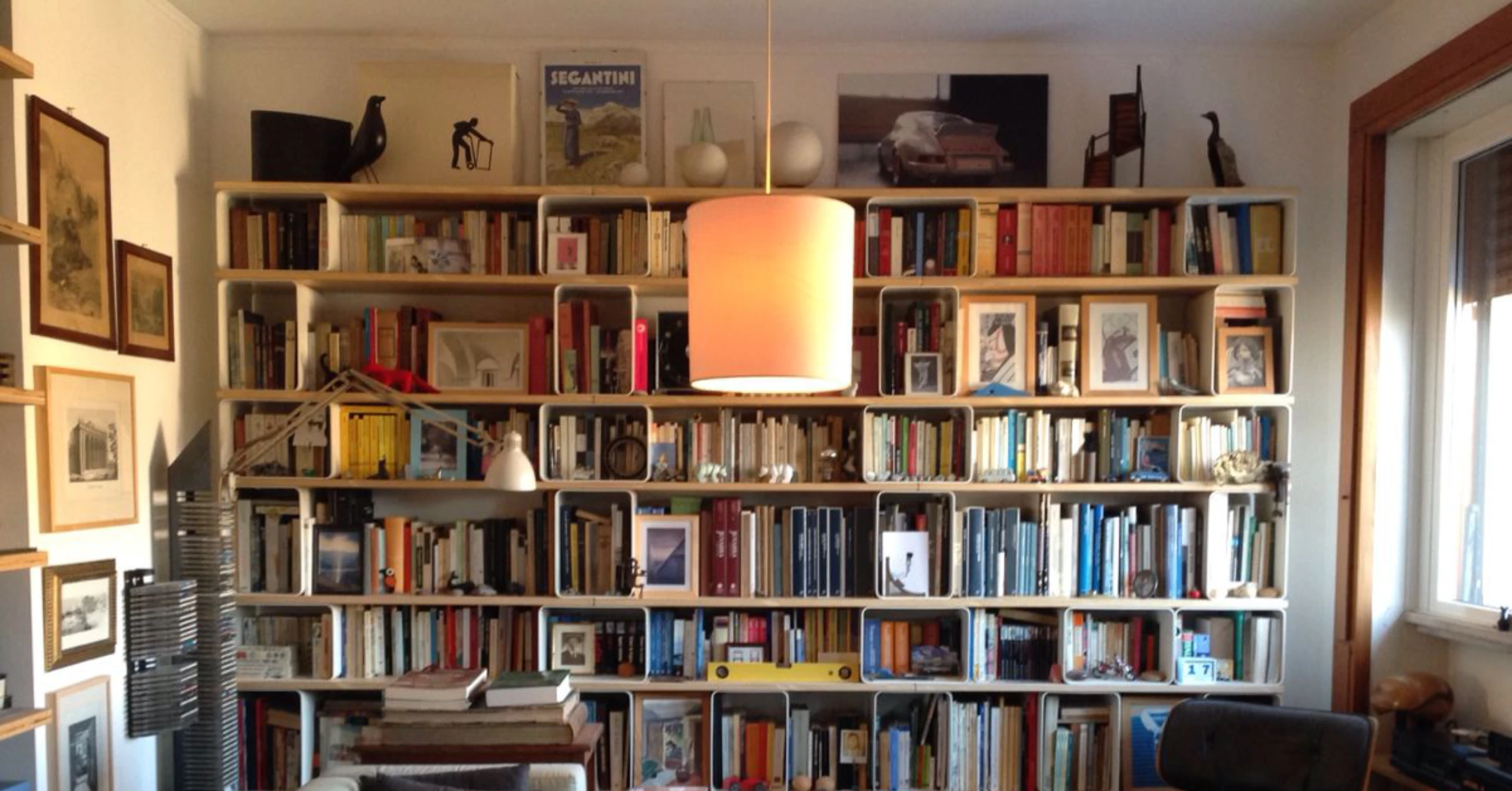
These rooms are also reshaping how people socialize. They function as libraries, listening rooms, or communal play areas. Time inside them is structured by the activity at hand rather than by algorithms. Conversation stretches, boredom appears, then often gives way to creativity. What emerges is a slower form of togetherness.
What ‘smart’ really means
The popularity of analog rooms does not signal the end of the smart home. Instead, it reflects a more nuanced understanding of what intelligence in design actually means. A truly smart environment is not one that maximizes connectivity at all times, but one that allows for disconnection when needed.
In 2026, luxury is no longer measured by the newest device or the smoothest automation, but by the freedom to step away. The analog room offers no updates or optimization, only the increasingly rare privilege of being fully present.
An analog room is a screen-free space in a home designed for activities that do not involve digital devices. It can be used for reading, listening to music, playing board games, or having uninterrupted conversations.
Analog rooms are gaining popularity because people are seeking relief from constant notifications and digital overload. They offer a place to focus, relax, and engage in activities without distraction.
Design an analog room by orienting furniture for interaction rather than screens, using warm lighting, and including tactile materials like wood, fabric, books, or vinyl records. The space should prioritize non-digital activities.
Anyone who spends significant time online or with digital devices can benefit, especially creatives, students, and professionals. The room provides a space for concentration, creativity, and social connection without digital interruptions.
Yes, analog rooms can coexist with smart homes. They complement technology by offering intentional disconnection, showing that modern homes can be both connected and mindful of personal space and attention.