
How to Shift Toward an Analog Lifestyle in 2026
People are turning away from screens and rediscovering the tactile pleasures of notebooks, vinyl, and handwritten letters as part of an analog revival in 2026




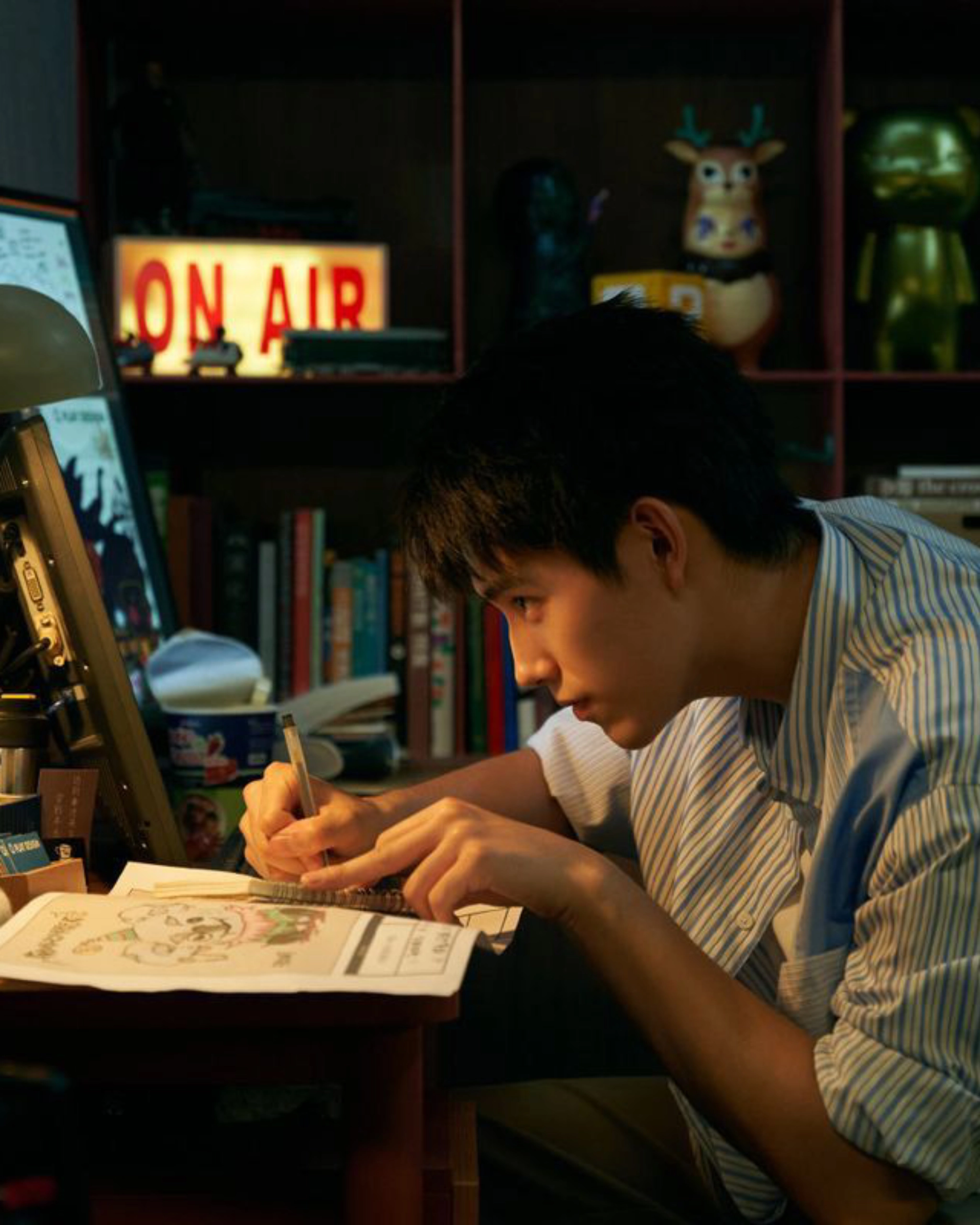
A shift is taking place in 2026. Across cities and suburbs alike, people are moving away from constant notifications, algorithms, and digital overload, turning instead to the tactile pleasures of the analog world.
RELATED: 2026: The Year We Go Analog
Cafés hum with the scratch of pens on paper, co-working spaces smell faintly of coffee and ink, and homes are dotted with vinyl records and shelves of well-thumbed books. This revival is an effort to experience time more fully, to focus on moments rather than scroll past them.
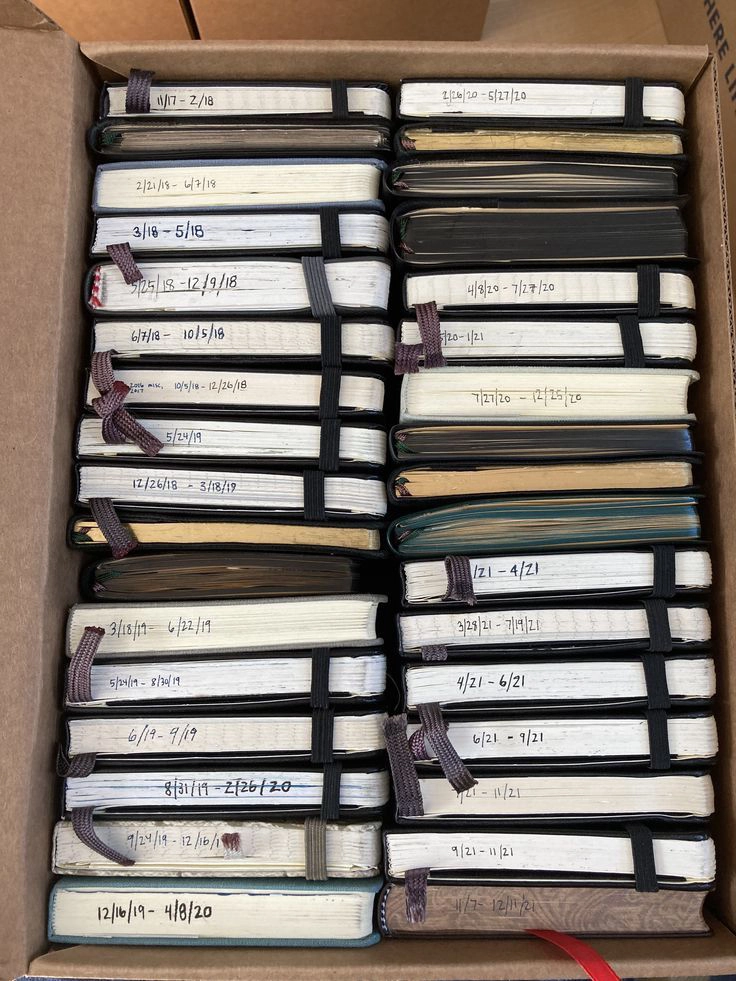
Experts and cultural observers say this revival is part of a larger societal recalibration. The speed of digital life has created anxiety, shortened attention spans, and left many craving more tangible ways to connect with the world.
For those looking to adopt an analog lifestyle in 2026, here are practical steps:
1. Write by hand
A notebook or journal can serve as a private refuge. Handwriting slows the mind and encourages reflection in a way typing never will.
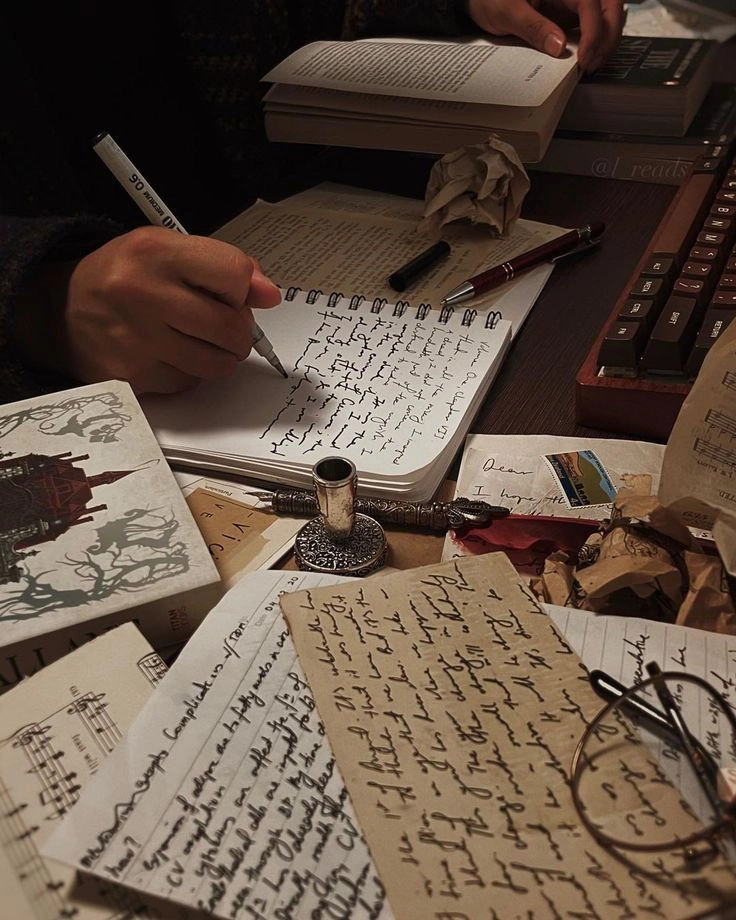
It can be as simple as jotting down morning thoughts, capturing daily gratitudes, or reflecting on challenges before bed. Even five minutes a day can make digital distractions feel less urgent and provide a sense of presence.
2. Rediscover film photography

Film photography requires patience. Each shot matters, and the delay between capturing and developing a photograph creates anticipation. The imperfections of film, such as grainy textures and slight exposure differences, give each image character and authenticity. The analog lens forces a person to observe more carefully, to consider composition, lighting, and moment consciously.
3. Cook without screens
Digital recipes are convenient, but cooking with books, handwritten notes, or family recipes encourages immersion. Measuring, stirring, tasting, and adjusting by intuition rather than instructions on a screen turns the kitchen into a space for creativity and mindfulness. The process becomes as meaningful as the meal itself.
4. Embrace physical media
Music and books gain weight when they occupy physical space. A vinyl record requires attention: placing the needle, adjusting the turntable, and reading liner notes.

Books, with their smell of paper and the weight of pages, offer a different presence than a tablet or e-reader. They encourage slower consumption and create a sensory connection to the material.
5. Unplug strategically
Even brief periods without screens can restore focus. Mornings without email or evenings without phones are small acts that recalibrate attention. Short analog breaks, such as reading a physical book during a commute, walking without headphones, or sketching in a notebook, allow the mind to wander and reset, free from the constant tug of notifications.
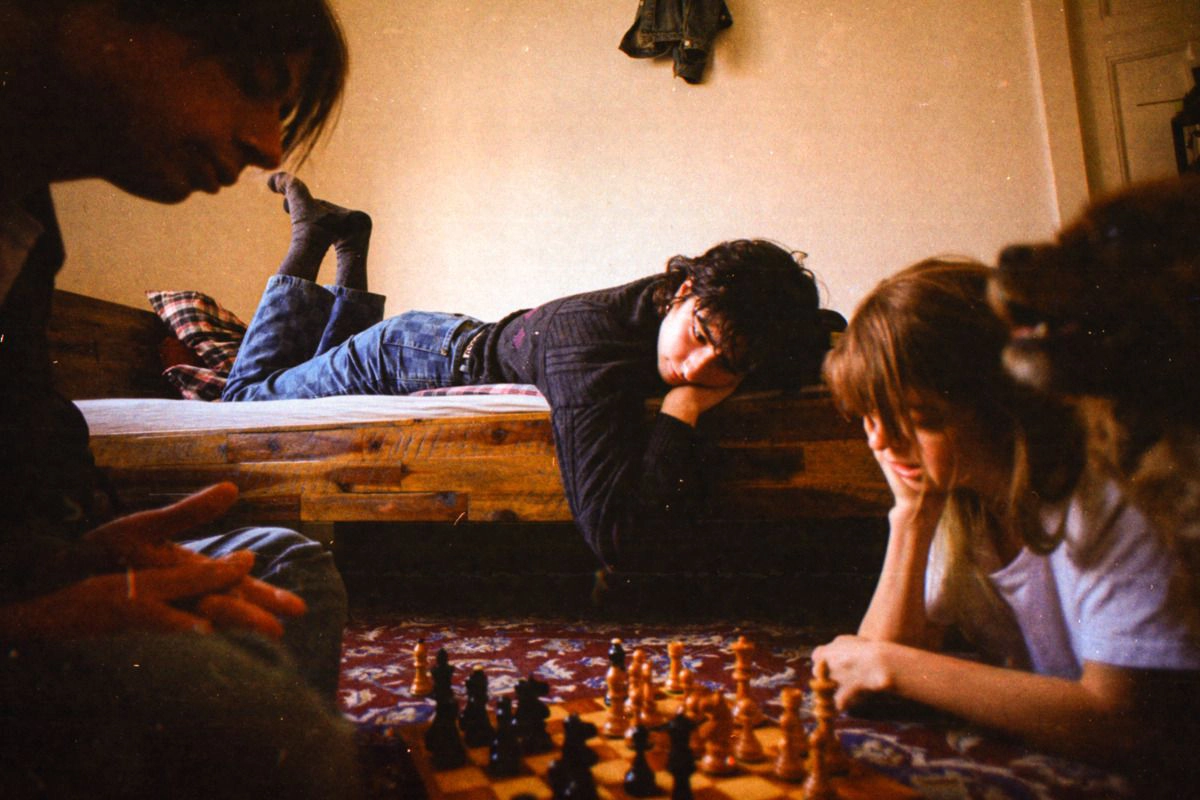
6. Collect tangible memories
Physical mementos anchor experiences in the real world. They remind us that life is being lived, not just documented for an audience. Unlike digital files, tangible objects carry texture, smell, and weight, preserving moments in a way that digital archives cannot fully replicate.