
How to Master the Solo Valentine’s Experience
Not everyone has partners this Valentine’s, but the day can still be meaningful even when you are alone





Treating yourself during Valentine’s season while flying solo is all about redirecting the occasion toward self-appreciation. Not having someone to celebrate with no longer needs to feel like a deficit.
Whether you want a high-energy adventure or a quiet night in, here are ways to elevate your Valentine’s Day into a premium solo experience.
Participate in physical activities

Skip the usual gym routine and opt for movement that sparks power or fun. Athletic pursuits are often forgotten amidst a season centered on indulgences like chocolate and champagne, but a focused solo activity can boost self-assurance.
Whether it is a brisk morning trail run, an intense football session, or a challenging climb, physical exertion releases dopamine and serotonin. These activities serve as a reminder of your body’s strength and capability.
Go to the cinema alone

Choosing a film that reflects your personal taste acts as a form of mindfulness. It lets you engage in escapism on your own terms and provides a mental reset often lost in social settings.
While the season encourages shared experiences, watching a movie alone offers a different kind of immersion, allowing you to engage with a story without compromise. It reduces stress, strengthens independence, and sharpens focus.
Book a hotel room for yourself
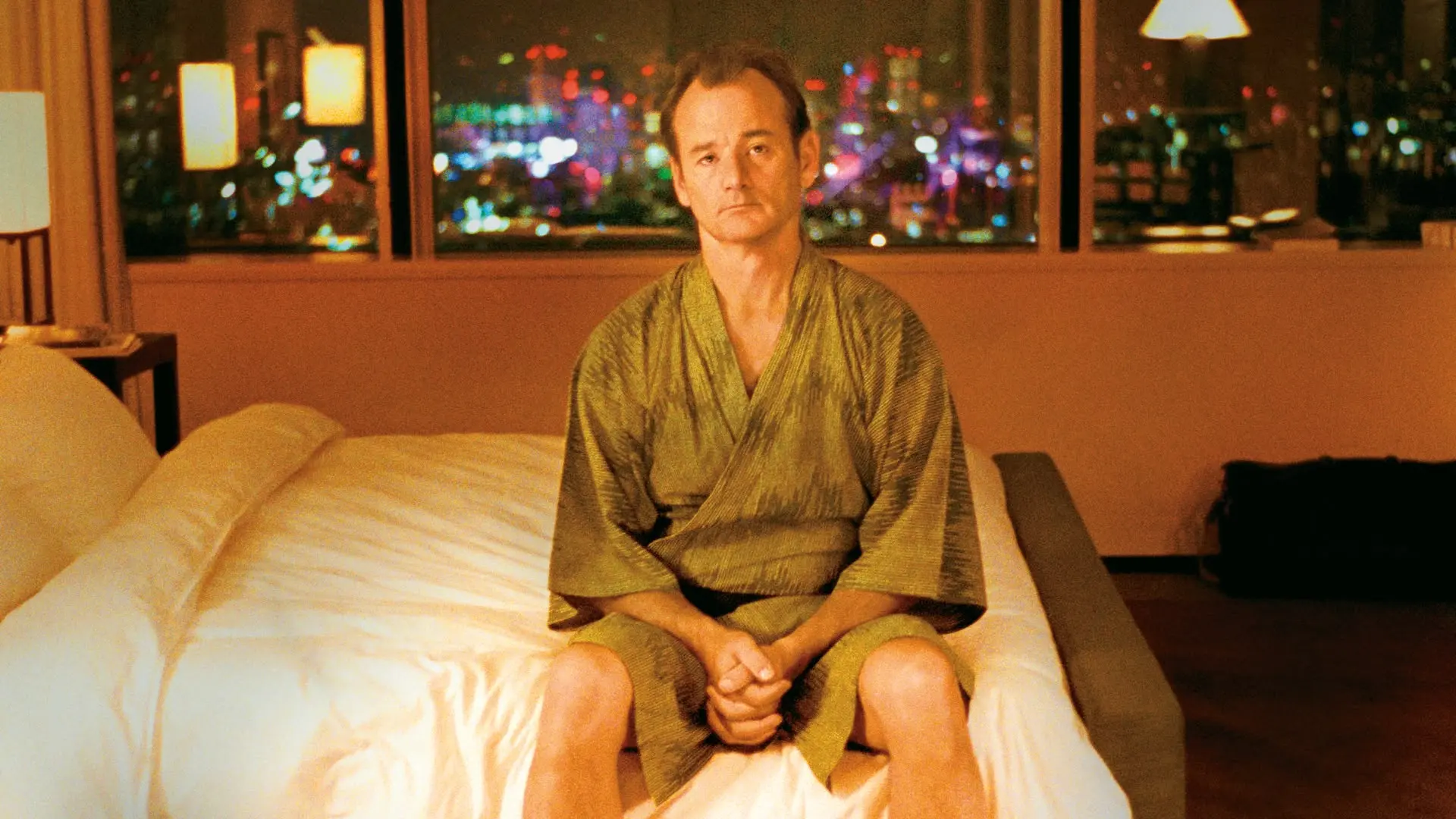
If home feels too familiar, a solo staycation can be the reset you need. Booking a night at a local hotel lets you experience your own city through a lens of luxury. There is a thrill in checking in and interrupting daily patterns.
Use the time for a digital detox. Order room service, stretch out across a king-sized bed, swim in the pool, and enjoy the silence. Your mind will thank you.
Go to a spa alone
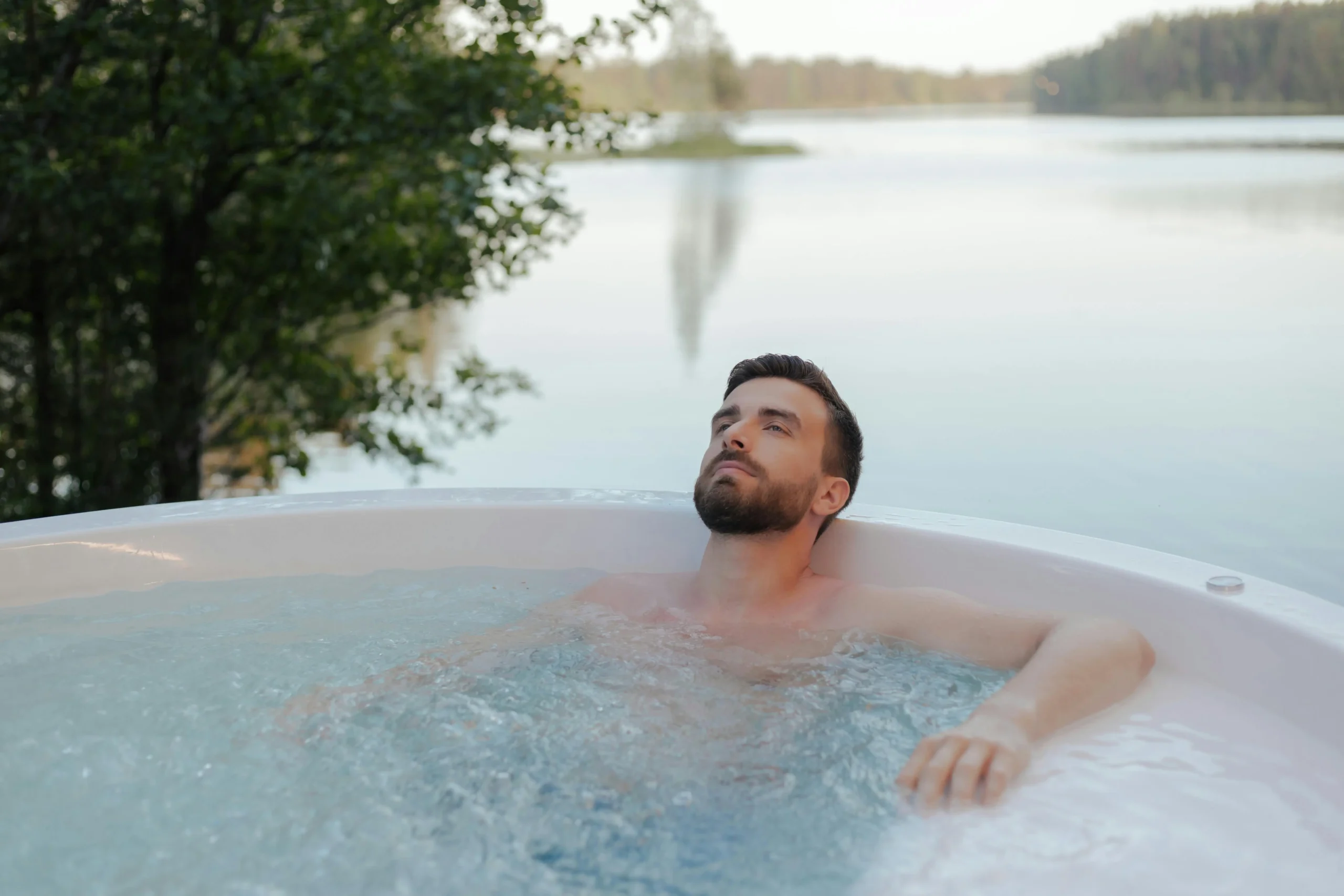
The spa experience activates the parasympathetic nervous system. Treatments such as massage or hydrotherapy are known to lower blood pressure and heart rate. The absence of conversation allows the body’s rest-and-digest functions to operate fully.
Spa treatments can also help release muscle tension, reducing physical signs of stress and reinforcing the idea that you deserve the same care and attention you give others.
Palentine’s

While solo time matters, celebrating Valentine’s Day with friends recognizes the value of platonic support. Gathering with your chosen family strengthens the social safety net that carries you through the year.
Whether through game nights, dinners, or casual hangouts, this shift celebrates the many forms of love that sustain us and grounds belonging in genuine connection rather than romantic status alone.
Frequently Asked Questions
Solo Valentine’s Day options include a morning trail run or gym session, watching a film of your choice at the cinema, booking a hotel staycation, visiting a spa, or spending the day with close friends in a Palentine’s celebration. Each offers a way to mark the occasion through self-appreciation rather than absence.
Spending Valentine’s Day alone is increasingly recognized as a deliberate and meaningful choice. Solo activities such as physical exercise, cinema, or spa treatments engage the body’s stress-relief and reward systems — reinforcing independence and self-worth rather than framing solitude as a deficit.
Palentine’s is a Valentine’s Day alternative centered on platonic relationships — celebrating close friendships rather than romantic partnerships. It typically involves shared meals, game nights, or casual gatherings with chosen friends, and recognizes that the social bonds sustaining daily life extend well beyond romantic connection.
Spa treatments such as massage and hydrotherapy activate the parasympathetic nervous system, lowering heart rate and blood pressure. The absence of social demands during a solo visit allows the body’s rest-and-digest response to operate fully, releasing muscle tension and reducing physical markers of stress.
Booking a hotel room alone interrupts familiar daily patterns and creates distance from routine environments. The combination of a new physical space, digital detox, and unscheduled time — room service, a pool, uninterrupted rest — allows the mind to decompress in a way that the home environment, through its associations and obligations, often cannot replicate.

Recommended Video