
How Photocards Turned K-Pop into a Trading And Collecting Empire
Printed idol portraits have transformed from simple album inserts into a huge global market shaped by rarity, trading, and collecting




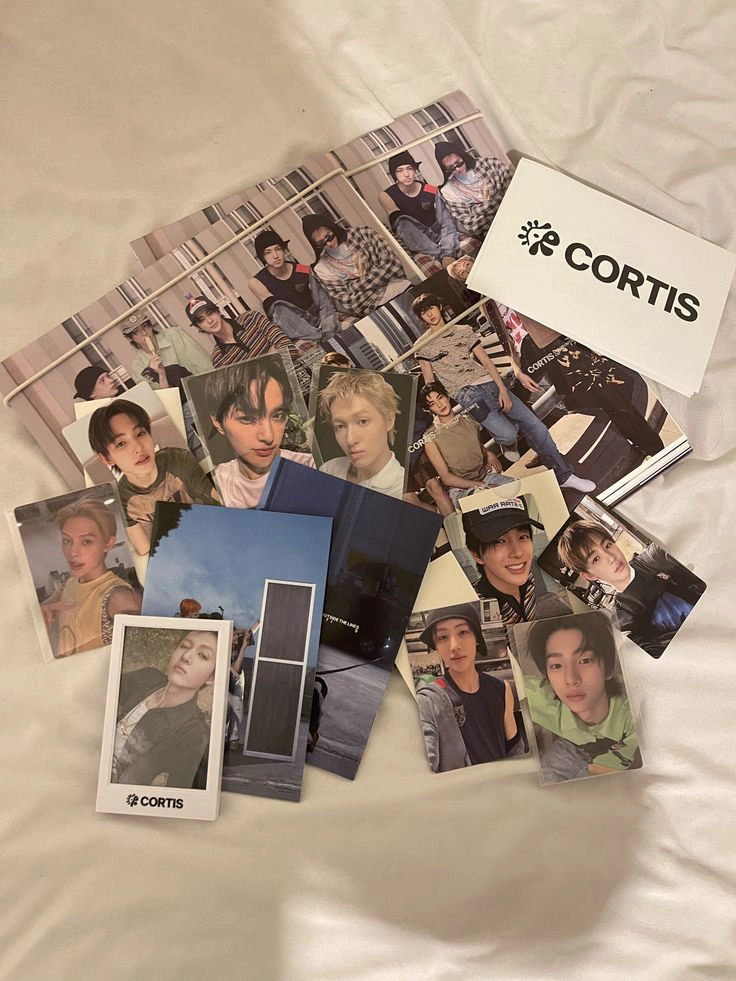
- What began as a simple promotional inclusion in 2010 has evolved into the financial engine of the physical music industry.
- Dedicated fandom networks utilize specialized trading terms, protective packaging, and international shipping routes to swap coveted cards.
From promotional novelty to physical currency
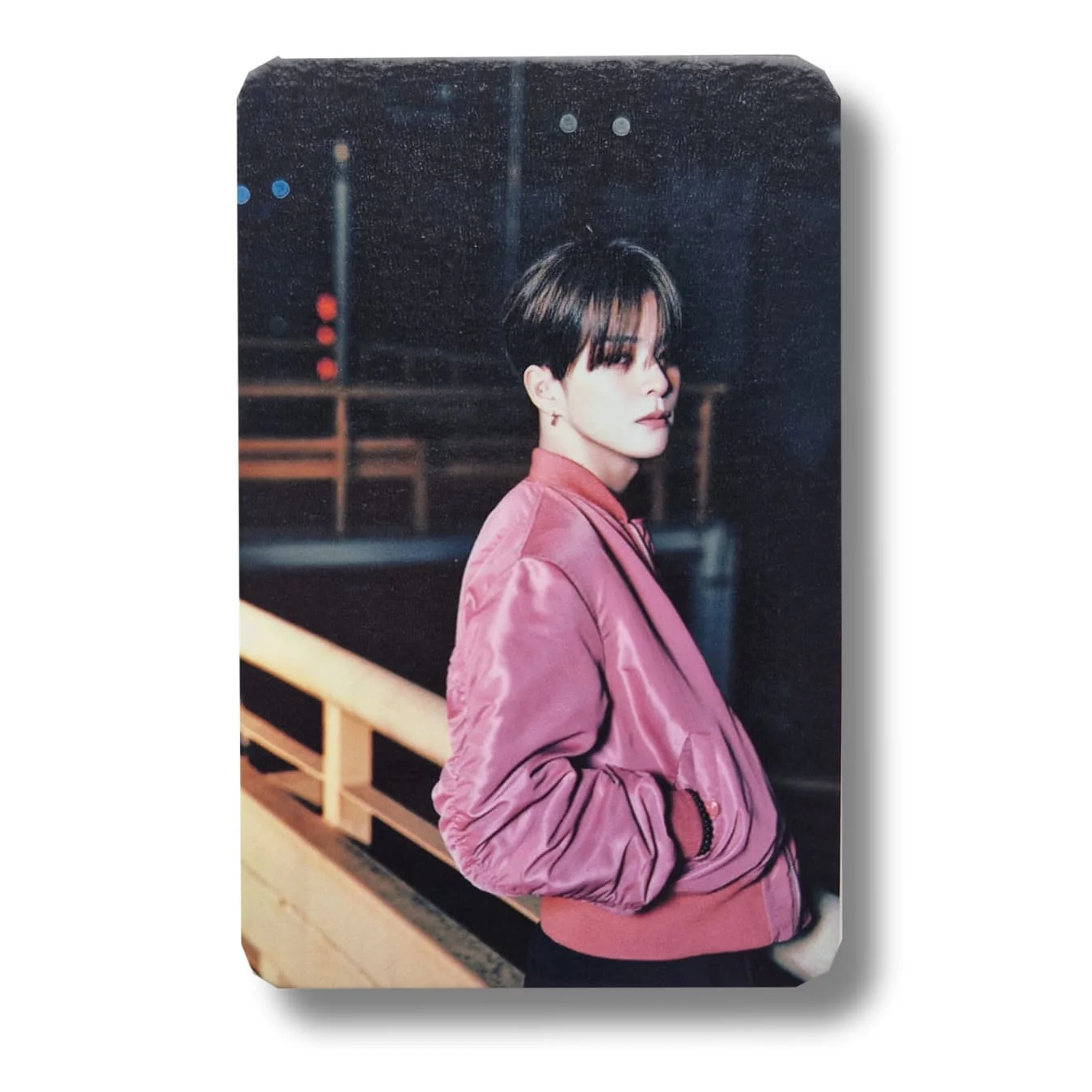
When randomized selfies were first introduced inside album packaging over a decade ago, nobody anticipated the massive economic shift they would trigger. Today, these glossy inserts serve as the primary catalyst driving million-unit physical CD sales across a digital-dominated landscape.
Entertainment agencies regularly release dozens of exclusive card variants across multiple album editions to incentivize bulk buying. This dynamic turns routine unboxing sessions into high-stakes games of chance for fans eager to secure their favorite members.
The resulting surplus of unplayed CDs has completely decoupled the physical format from the listening experience. For a vast portion of modern consumers, the miniature portrait has become the primary commodity, transforming pop music packaging into collectible blind boxes.
This shift has established a resilient revenue stream for record labels worldwide. By tapping into the collecting instincts of global fanbases, the industry ensures that physical media remains commercially viable and fiercely contested.
Navigating the digital bazaar
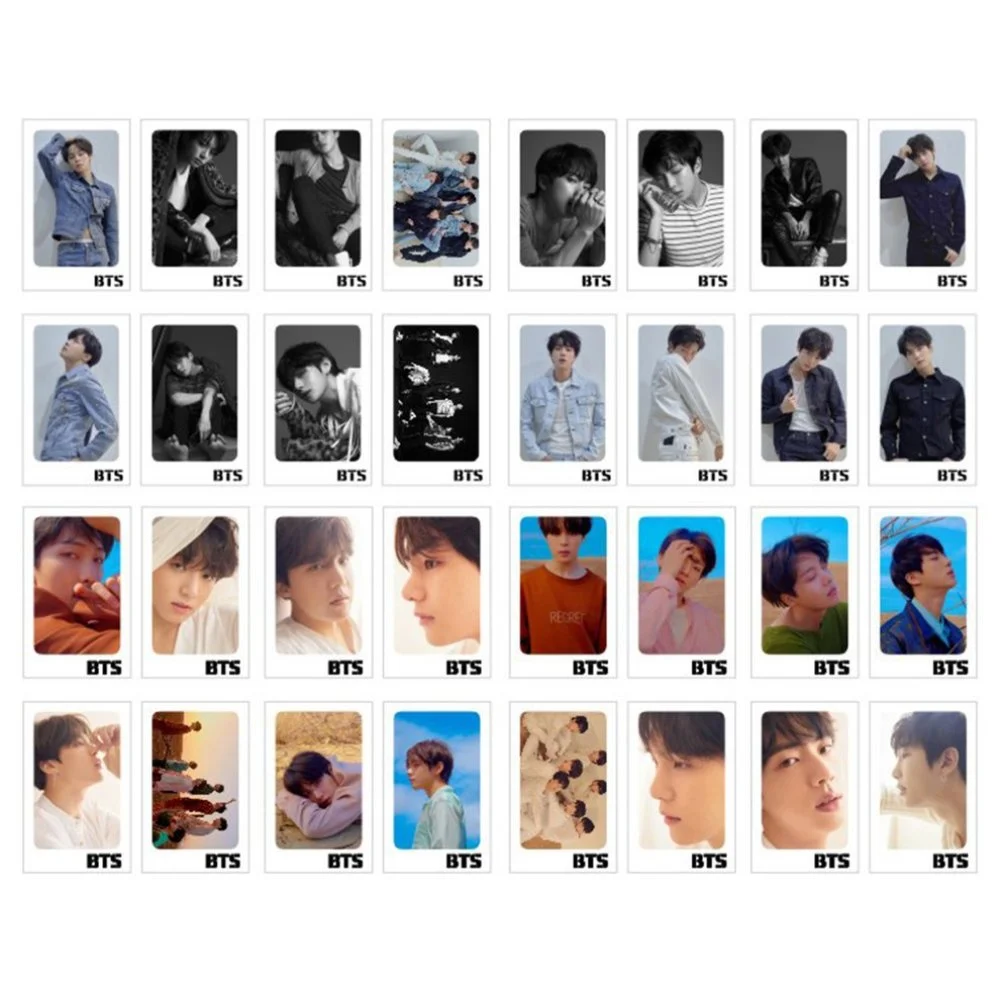
A decentralized secondary market thrives across global social feeds and specialized regional trading apps. Collectors rely on established acronyms like “WTT” and “WTS” to negotiate fast-paced transactions and trade duplicate pulls.
A shifting combination of aesthetic popularity, idol demand, and retailer exclusivity dictates pricing. Pre-order bonuses, lucky-draw machines, and broadcast event exclusives frequently command exorbitant sums on international auction boards.
To safeguard these small cardboard assets, traders employ archival-grade sleeves, rigid plastic top-loaders, and heavy cardboard backing during transit. The community upholds rigorous packaging standards to ensure items survive international postal routes without a single crease.
The trading space runs on communal trust, with members keeping detailed transaction records and feedback threads on public profiles. This self-regulated system keeps commerce moving smoothly across diverse borders and time zones.
The bridge between the fan and the artist
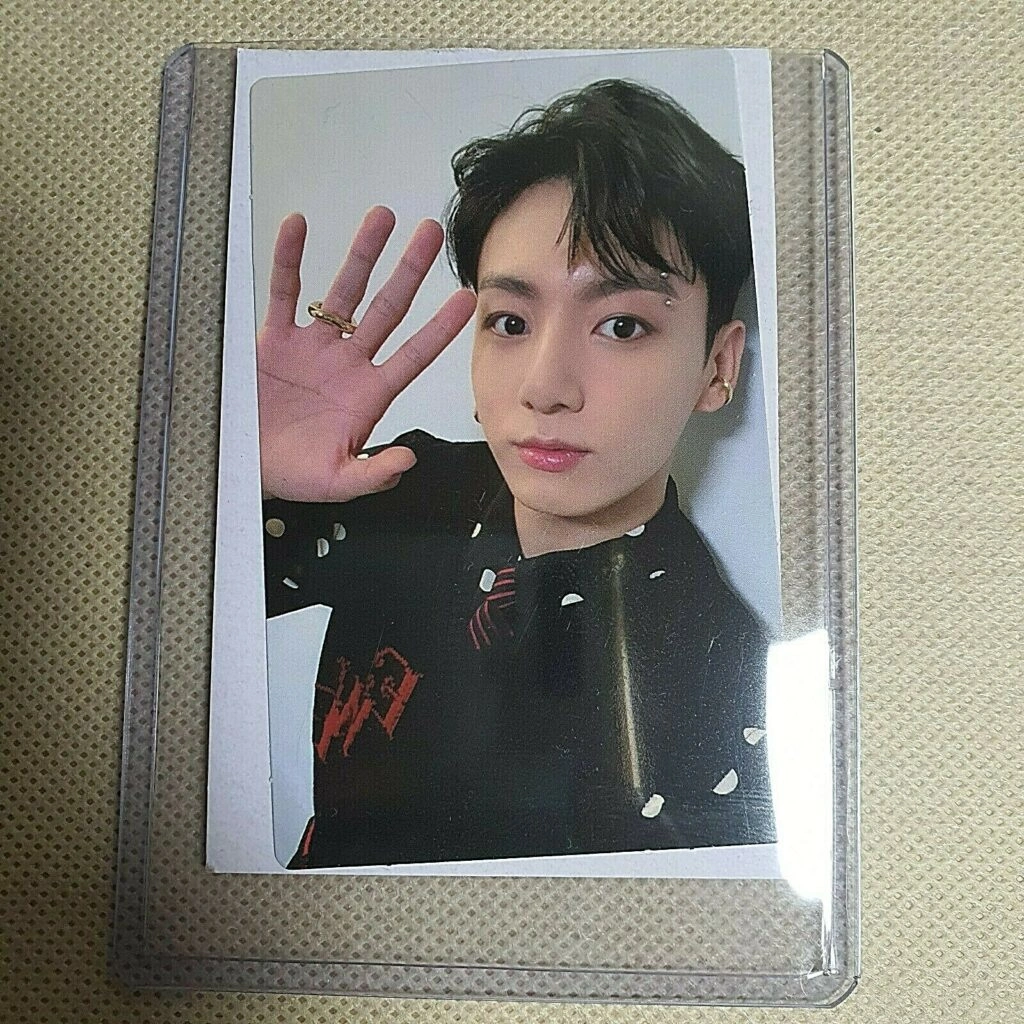
At its core, photocard collecting provides a tangible, intimate bridge between fans and the artists they admire. Curating these miniature portraits inside custom binders allows enthusiasts to showcase their dedication as a personal lifestyle statement.
Tracking down elusive missing cards also offers a structured, satisfying sense of completion. Flipping through organized pocket pages provides visual order and emotional satisfaction that purely digital streaming libraries cannot replicate.
Decorating display toploaders with ornate stickers and carrying keychains into concert venues has created a distinct subcultural aesthetic. Fans wear their collected grails as proud badges of community identity and personal taste.
Ultimately, the drive to collect blends personal devotion with the thrill of the hunt. It proves that even in an increasingly virtual world, tangible connections and physical artifacts hold lasting value.
Frequently asked questions
Agencies insert randomized cards to motivate fans to purchase multiple copies, boosting overall album sales and chart placements.
A POB is an exclusive, limited-edition photocard provided only by specific retail outlets during the official pre-order window.
Collectors use acid-free polypropylene sleeves, rigid top-loaders, and multi-pocket binder pages to shield cards from dust, bending, and scratches.
Value depends heavily on rarity, specific retailer exclusivity, visual styling, and the overall market demand for individual group members.
Enthusiasts inspect card stock thickness, print dot patterns, corner curvature radii, and gloss coating finishes against verified community references.

Recommended Video