
Gen Z Jargon: Words and Phrases That Define Today’s Pop Culture
Get caught up with the commonly used terms in contemporary times




Language is dynamic and never stops evolving. As new terms become popularized with each moment, it can be a challenge to stay caught up and understand the definition or context of these words.
Here is a list of notable terms, what they mean, and how to use them:
“Performative Male”
While it is defined by the word itself, today’s idea of performative males can carry a more specific archetype. These men display disingenuous characteristics of being gentle, feminist, and would present a soft aesthetic for the sake of impressing women. In stereotypical standards, performative males are seen with tote bags, matcha lattes, self-help or feminist books, Labubus, and would often listen to Clairo.
Example: “It’s so hard to order a matcha latte these days without having people call you a performative male.”

“Male Manipulator”
Like the name itself, a male manipulator upholds the aspects of what his title suggests. In the current idea of the term, these men are often perceived to carry an indie aesthetic while initially presenting themselves with a sensitive persona. This is all before revealing a manipulative and emotionally unavailable behavior. They are also typically fans of Nirvana, Radiohead, The Smiths, and TV Girl among similar artists.
Example: “You look like a male manipulator in that getup.”

“Era”
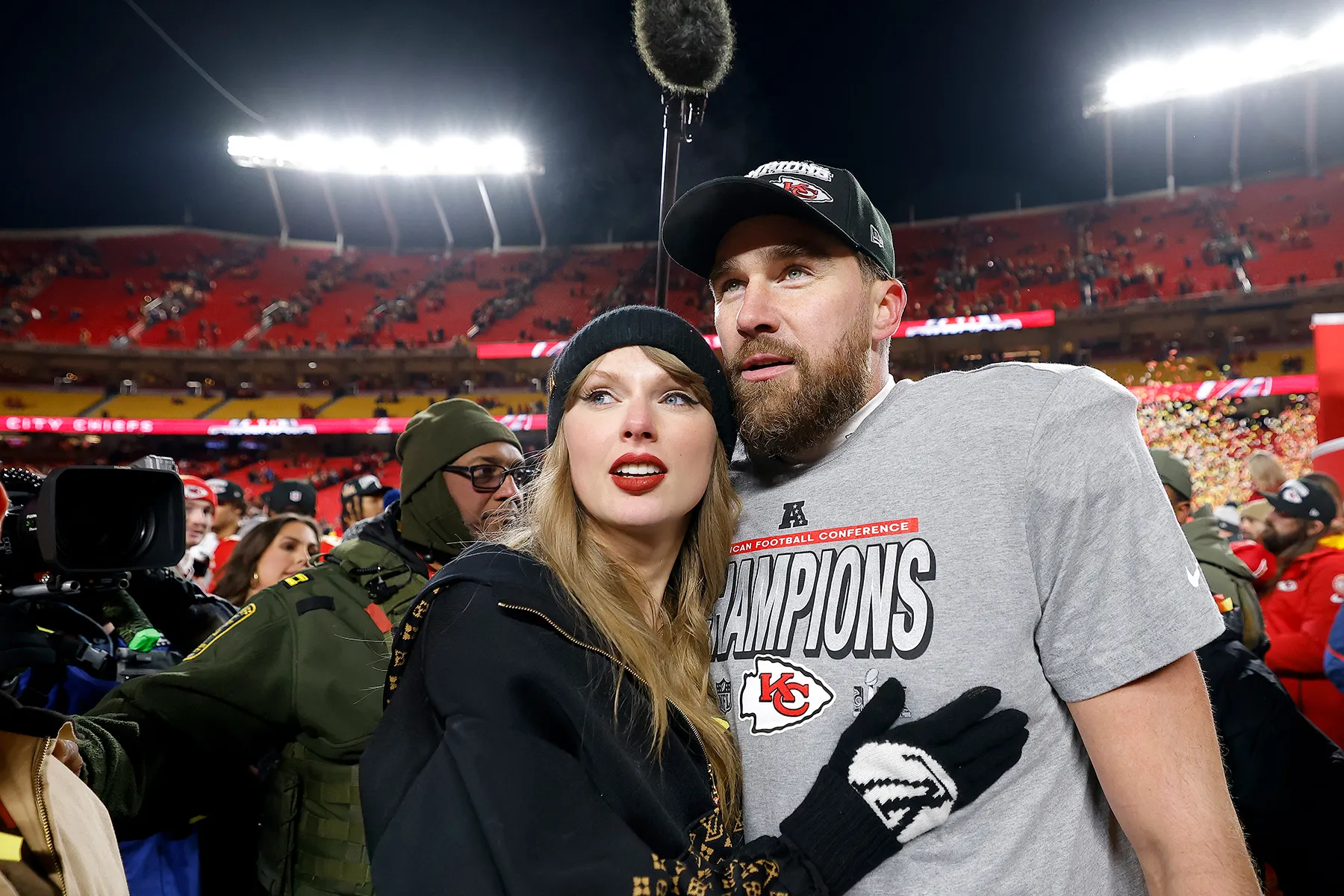
A specific phase in someone’s life or persona. Made popular by Taylor Swift’s drastic changes per album release (i.e., Reputation era, Lover era), the term “era” is defined with a categorizing word before it.
Example: “We’ve been going on a lot of dates lately. I think I’m in my lover boy era right now.”
“Gucci”
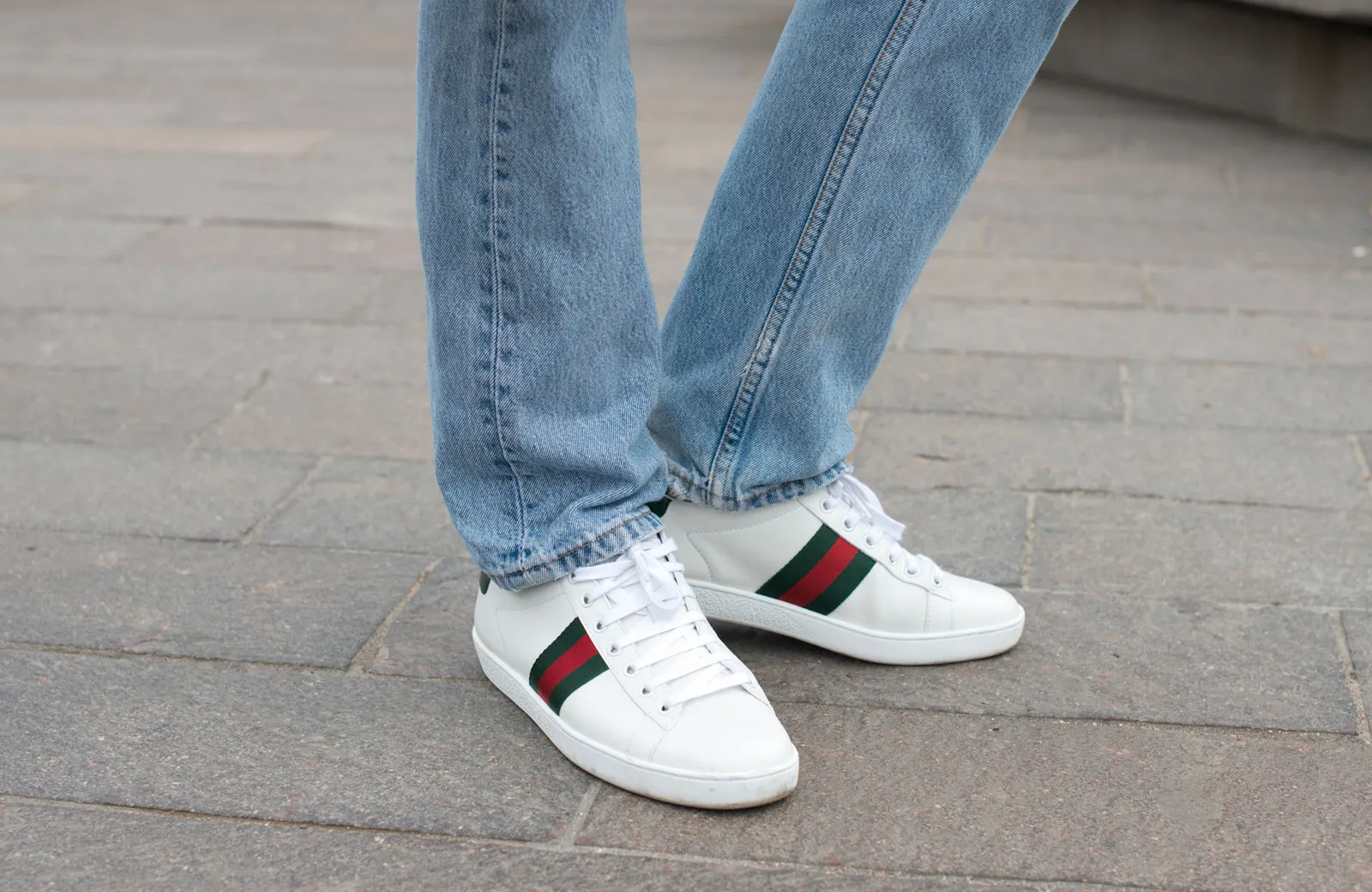
Originating from the famous luxury brand, “Gucci” generally refers to something that is good or fine. While this unique take on the word has existed for a long time, the term has been finding its way back to people’s vocabularies.
Example: “Don’t worry about us. Everything’s Gucci back here.”
“FR”
Normally used in texting, “FR” is an abbreviated term for “for real.” An expression of affirming or agreeing with something.
Example: “I’m texting you now, cause this class is boring me fr.”

“Stan”
Used both as a noun and a verb, a stan is a fan who is highly devoted to their idol. In the context of a verb, the term refers to displaying intense devotion to one’s idol.
Example: “You’re a Kendrick Lamar stan, too? I stan him so hard.”

“NPC”
Deriving from the videogame jargon Non-playable character, the modern take on “NPC” resembles the traits of its videogame counterpart. In videogames, a non-playable character is known to be easily distinguished, does not stand out, and is pre-programmed, therefore making them predictable and unmemorable. When used in today’s context, it additionally defines someone as a sheep to bandwagons with no personality or sense of originality.
Example: “I’ve never seen you be interested in non-mainstream stuff. Not gonna lie, you’re kind of an NPC.”

“Main Character Energy”
In contrast to the previous word, “main character energy” refers to a trait or persona that embodies a great amount of individuality, charm, or confidence. The term can also be used to criticize someone who vainly manifests or claims this characteristic.
Example: “Your outfit today is giving off a lot of main character energy.”

“Crash Out”
Crashing out is the act of being extremely angry or distressed due to a troublesome situation.
Example: “I swear, I’m gonna crash out if my package doesn’t get delivered today.”

“Beige Flag”
While the well-known terms red flag and green flag refer to what may be bad or good, “beige flag” creates a category of its own. While not necessarily falling under the previously mentioned distinctions, beige flags are traits that are seen as quirky or eccentric.
Example: “My beige flag is that I drink beer with a straw.”

“Chronically Online”
Being chronically online is to be extremely active on popular social media platforms. In doing so, the chronically online person is often caught up with pop culture news and references.
Example: “How chronically online do you have to be to instantly get that joke?”

“Clout”
Although the dictionary meaning of the word defines political or business power, today’s version of “clout” adds a twist to the original term—now referring to fame, virality, or attention, especially in the context of social media.
Example: “I can’t believe he had to lie to all his followers for clout.”

“Delulu”
Derived from the word “delusional”, “delulu” brings a unique new execution to its root word. In being delulu, a person would have unrealistic beliefs or fantasies, especially in the context of admiring someone.
Example: “You have to be another level of delulu to think that she’d call you back.”