
The Horror Movies Everyone Should Watch After Weapons
Horror has become the multiplex’s most reliable draw, with films like Weapons, Sinners, and a new wave of inventive releases proving the genre is thriving while others falter




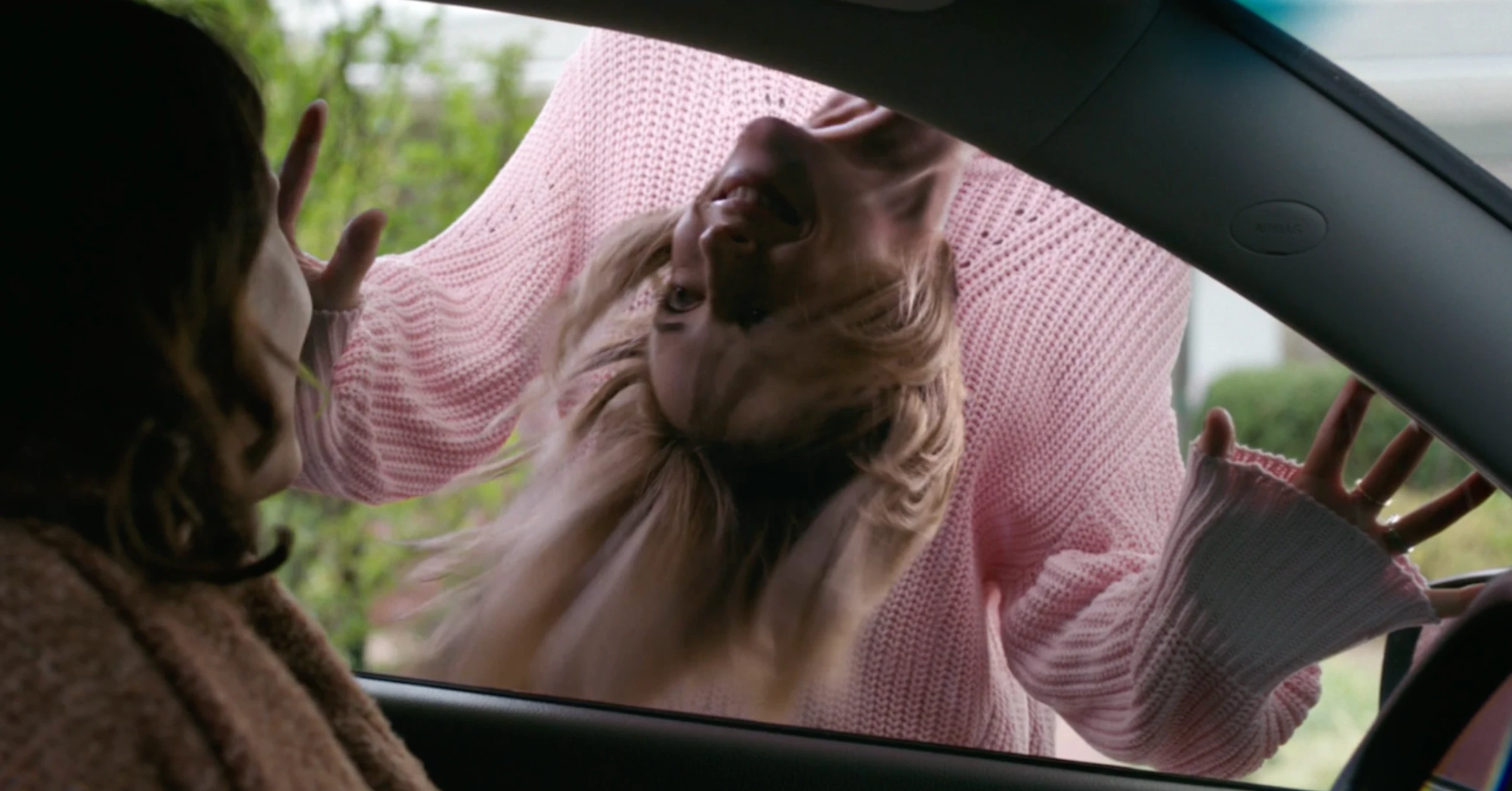
In 2025, horror is the genre no one can ignore. While superhero films sputter and mid-budget dramas fight to find an audience, the genre has once again asserted its unlikely dominance. Zach Cregger’s Weapons and Ryan Coogler’s Sinners are the year’s clearest examples, wildly different films yet united by their ability to bring people back to theaters for something that feels unpredictable.
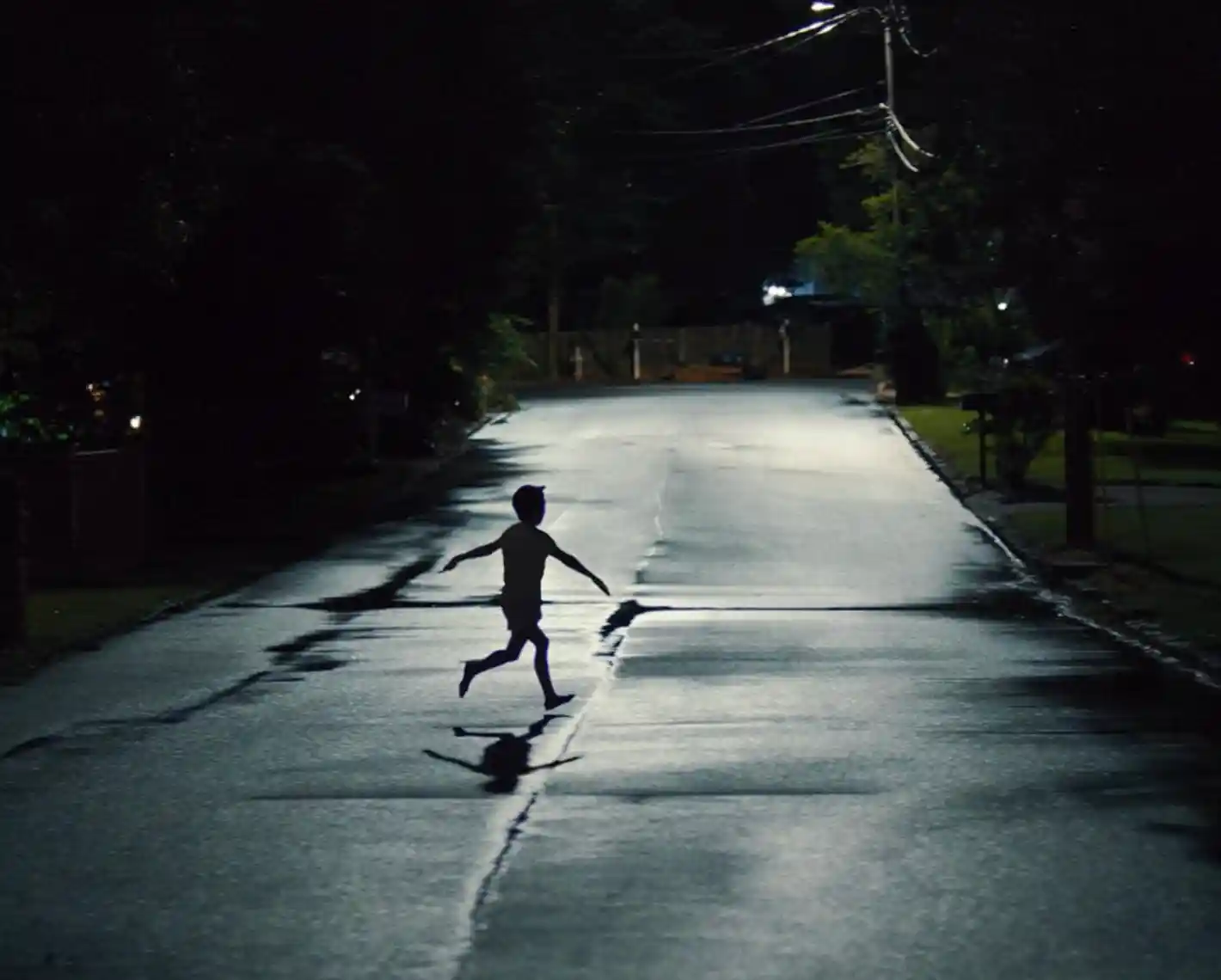
Horror has always benefited from economics: it is relatively inexpensive, often director-driven, and thrives on novelty. But the genre’s current streak feels bigger than that. Since the mid-2010s, when “elevated horror” became the buzzword with films like It Follows, The Babadook, and Hereditary, horror has functioned as both cultural commentary and roller-coaster thrill. In the 2020s, it has become multiplex king, the one category of film that is both profitable and inventive, catering to audiences hungry for experience.
The following films, spanning the last few years, map the genre’s resilience and range, from viral nightmares to vampire westerns to the latest in psychological body horror.
Bring Her Back (2025)
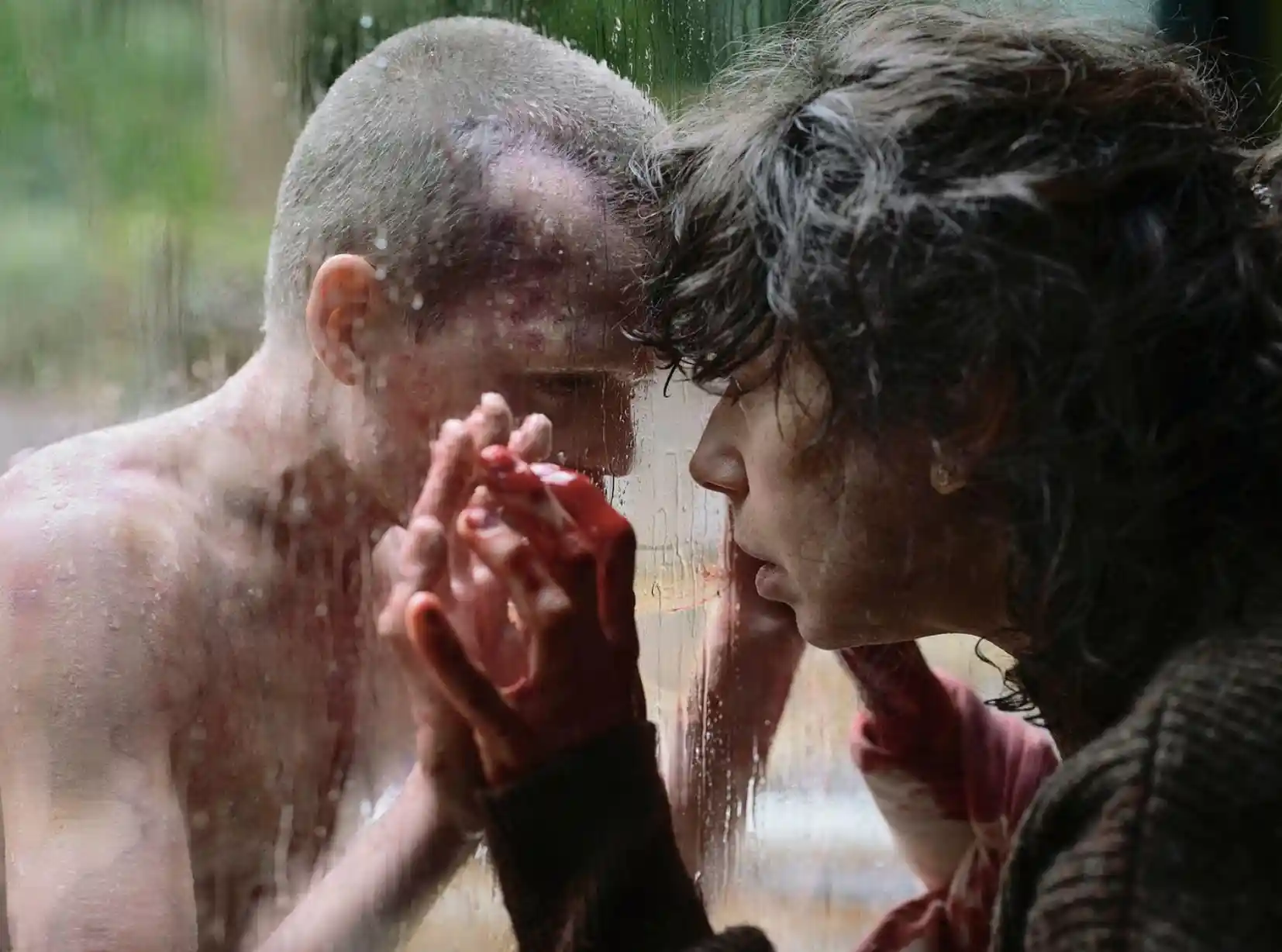
The Philippou brothers’ follow-up to Talk to Me takes their fascination with ritual and dread into darker, more folkloric territory. Bring Her Back begins with grief: a brother and sister, still raw from the death of their father, are introduced to a new sibling by their foster mother (Sally Hawkins). What unfolds in her isolated home is a slow reveal of terrifying secrets, culminating in a ritual that blurs family intimacy with the uncanny. Shot with a precision that favors atmosphere over spectacle, the film demonstrates how horror can pivot from the viral immediacy of Talk to Me to something more mythic and unsettling.
Barbarian (2022)
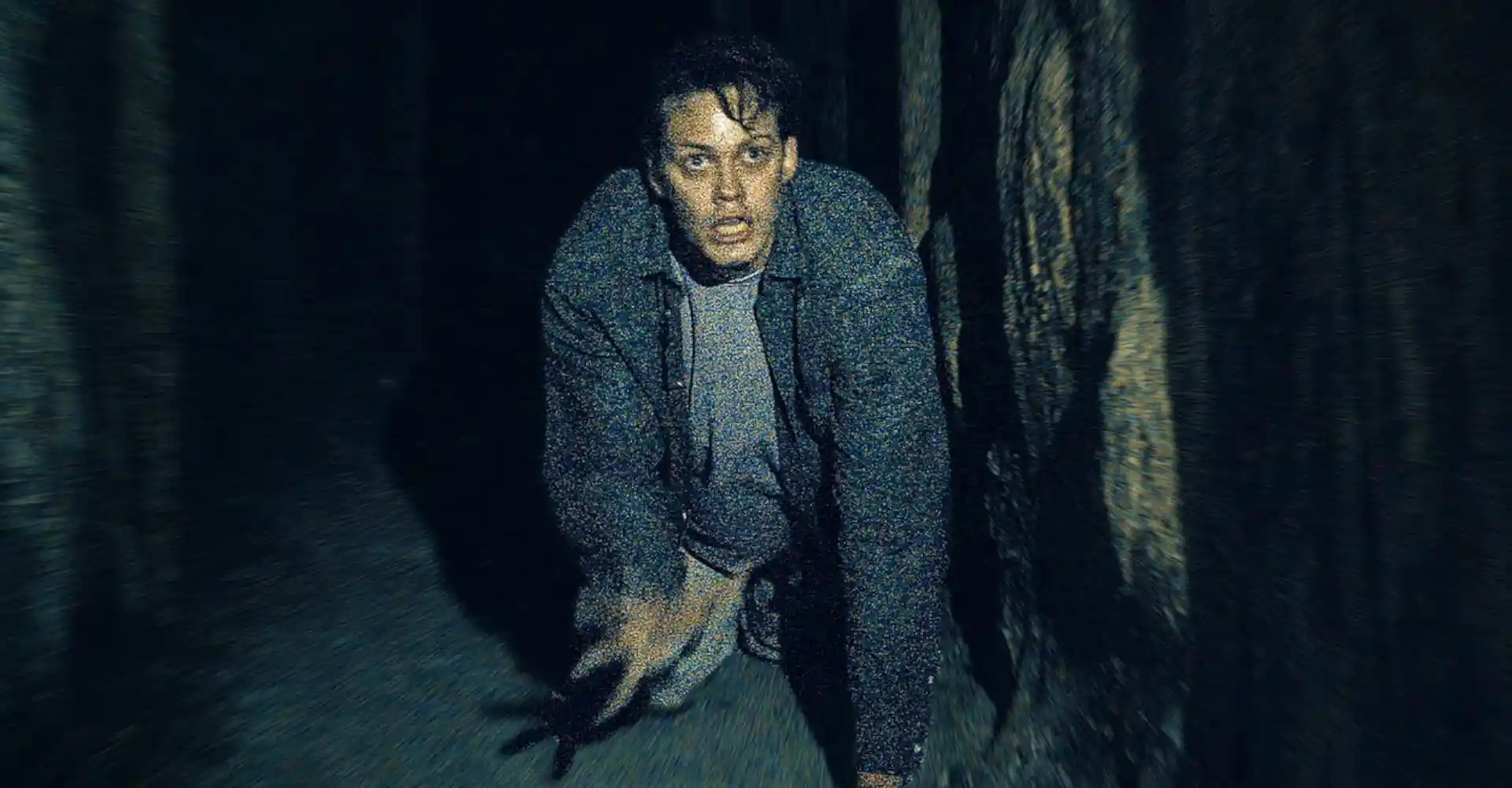
What begins as a social satire quickly devolves into one of the decade’s strangest creature features. Zach Cregger’s debut Barbarian lures you in with a mundane setup, a double-booked Airbnb on the fringes of Detroit, before plunging you underground into the lair of “The Mother,” a grotesque monster sprung from the house’s violent past. At once blackly comic and genuinely terrifying, it proved that horror could wrong-foot even the most jaded audiences.
Nope (2022)
Jordan Peele’s Nope is a film about spectacle, and fittingly, one of the great spectacles of the decade. On its surface, it plays like a sci-fi homage to Steven Spielberg: an alien presence in the sky, a brother-sister duo (Daniel Kaluuya and Keke Palmer) trying to capture proof on camera. But the more it reveals, the more it becomes a fable about exploitation and control. Its monster, part UFO, part animal, part myth, remains one of the most original designs in recent memory.
Smile (2022)

On paper, Smile sounds derivative: a curse passed from victim to victim, trauma as metaphor, a gallery of creepy grins. In execution, it became one of the decade’s most effective pieces of popcorn horror. Director Parker Finn leaned into the absurdity of its premise, turning Sosie Bacon’s unraveling therapist into the anchor for a series of meticulously engineered jump scares. Its bleak ending, refusing to comfort the audience, helped secure its place as a modern genre hit.
Sinners (2025)
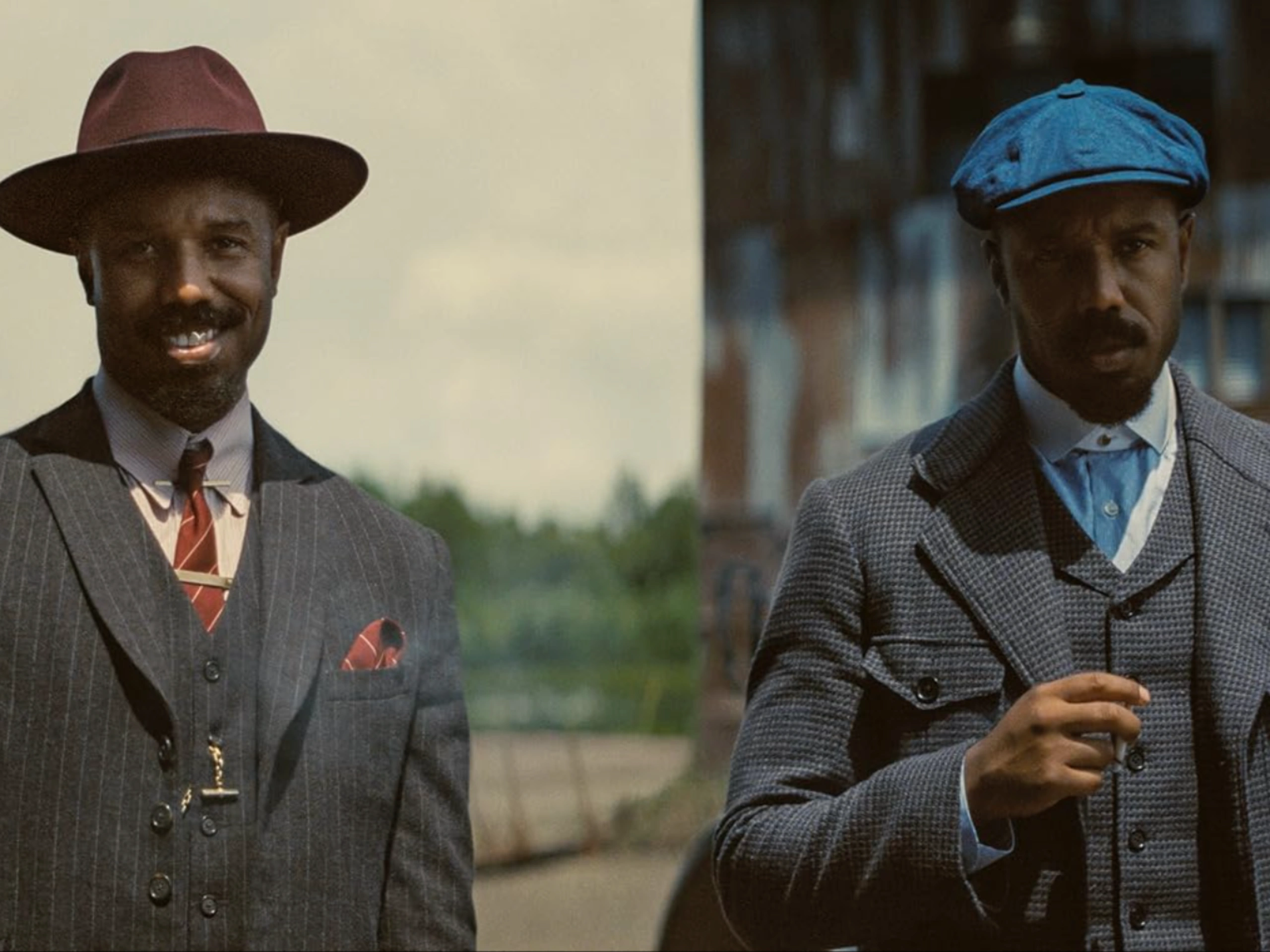
Ryan Coogler’s Sinners has already taken its place as one of the decade’s signature horror epics. A vampire western set in Mississippi, it follows twin brothers (Michael B. Jordan in dual roles) as their new juke joint becomes ground zero for a blood-drenched assault. Blending action, folklore, and musical interludes, the film offered something that felt wholly new. Its $366 million gross positioned it as one of the year’s biggest global hits, and perhaps even an Oscar contender.
RELATED: Inside the Sensual Apocalypse of ‘Sinners,’ Hollywood’s Most Original Hit in Years
Together, these films help explain why horror is thriving while other genres falter. It remains cheap enough for risk-taking, visceral enough to feel communal, and malleable enough to absorb ideas from science fiction, drama, and folklore. In a cinematic landscape that often seems paralyzed by risk-aversion, horror is the rare genre still willing to change shape.
The question is no longer whether horror has been “elevated.” It’s whether anything else in Hollywood is keeping pace.
Photos courtesy IMDB