
The Age of the Performative Filmbro
As social media reshapes how we watch and talk about movies, a new generation of cinephiles navigates the line between genuine passion and performative fandom





Confessions of a filmbro
I spoke with a self-confessed “filmbro” who asked to remain anonymous. He spends hours online cataloguing movies, rating them, and posting reviews. Some of it, he says, is for himself. Some of it is for the attention. Most of it, he admits, is a mix of the two.
His confessions illustrate a growing trend in film culture: the rise of performative cinephilia, where social currency often matters as much as personal taste.
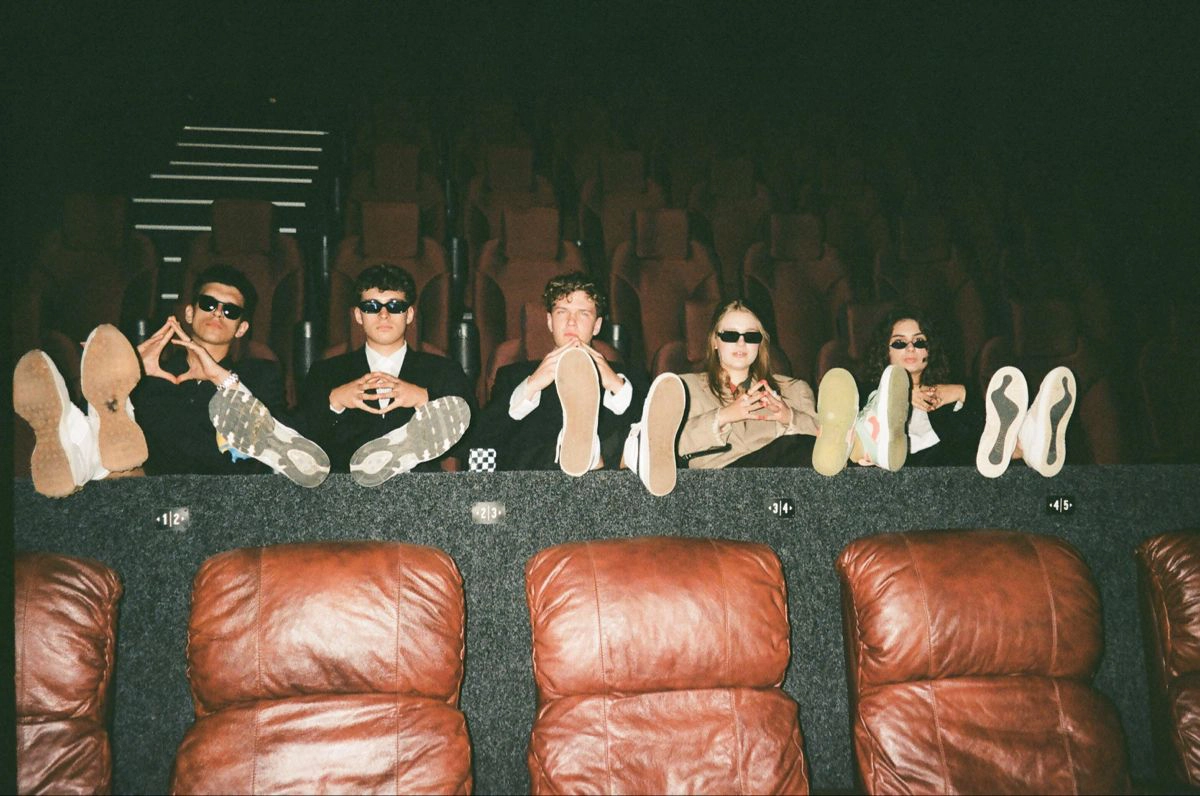
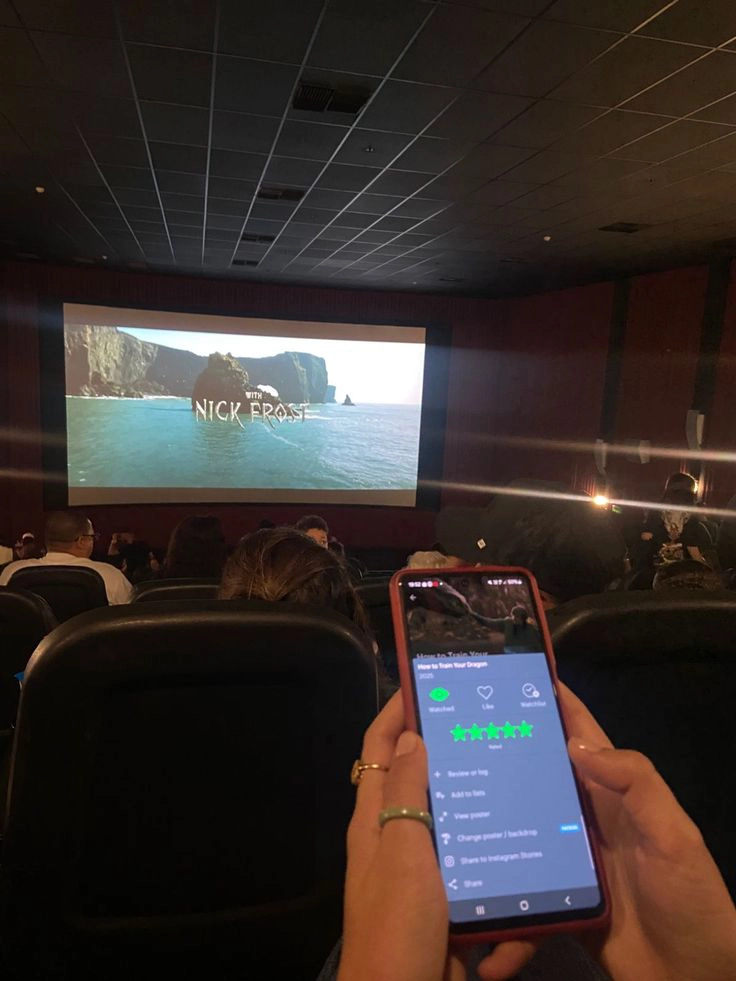
The phenomenon is not unique to him. Platforms such as Letterboxd, which allow users to log, rate, and review every movie they have ever seen, have created a space where engagement and visibility are intertwined with taste.
Since 2020, Letterboxd’s membership has grown from 2 million to 12 million, and the app has become a touchstone for actors and directors alike. Martin Scorsese, Sean Baker, Rachel Sennott, and Ayo Edebiri are all users.
READ MORE: Cinema Is Not Dead: Why Theaters Still Matter
Curating identity through film
“Sometimes I pick my top four films based on what they say about me, not what I actually like,” he admitted.
“I’ll usually name Fight Club, Taxi Driver, or some obscure 1960s title to seem intellectual, then throw in a cute Disney movie to suggest I’m different from everyone else.”
His admission highlights a tension central to contemporary film fandom: the desire to appear knowledgeable and culturally literate often competes with the desire to engage genuinely with cinema.
This tension is amplified by social media. Video series such as Letterboxd’s Four Favourites, which asks actors and directors to name their four favourite films, have become viral moments.
Panicked or awkward answers are shared widely, turning private taste into public performance. The filmbro described it as entertaining to watch, but also instructive. “You see the pressure to perform,” he said.
“Even people who know and love film can get caught up in what is acceptable or meme-worthy rather than what they actually enjoy.”
A silver lining
The performative tendencies extend beyond ratings and lists. Screenshots of carefully curated profiles circulate online, one-liners intended to be clever or ironic are posted for likes, and trends emerge to create a feedback loop where influence shapes taste.
“You start to care more about how your review is perceived than about the film itself,” he said. “That desire to fit in is more powerful than you think. Ratings can change based on what is trending, not what actually moves you.”
Yet, performative behavior is not entirely negative. In some cases, it brings attention to films that might otherwise be overlooked. Independent productions, foreign cinema, and experimental projects gain visibility.
Cinemas see increased attendance. Physical media experiences a modest revival. Even the act of engaging performatively can drive discussion and discovery.
“If someone watches a film they would not have otherwise, that is a win.”
The cultural shift
Performative film culture reflects broader social trends. Letterboxd is emblematic of this shift, but the same pressures exist across other social media platforms. The app’s growth has democratized cinephilia while simultaneously incentivizing trends, memes, and popular choices over unpopular or challenging ones.
For the anonymous filmbro, the solution lies in awareness. “The truly great thing is seeing someone post an honest review,” he said.
“You can tell who is genuinely engaging and who is simply performing. Those who really love the art form, who really love cinema, you can spot from a mile away.”
Letterboxd and its peers exist at the intersection of film appreciation and social performance. The culture surrounding them has changed the way people watch, discuss, and evaluate movies.
In this environment, cinephiles navigate both genuine passion and the pressure to perform, creating a complicated, sometimes contradictory, but undeniably fascinating new landscape for film culture.
A performative filmbro is someone who engages with film culture online in ways shaped by visibility and social approval, often curating opinions to appear knowledgeable or relevant rather than purely expressing personal taste.
Social media has turned film discussion into a public performance, where ratings, reviews, and favorite film lists are shared for engagement, influencing how people watch and evaluate movies.
Letterboxd offers a communal space for logging, rating, and reviewing films, combining personal film diaries with social interaction and viral moments that resonate with younger audiences.
Not necessarily. While it can encourage conformity and trend chasing, it also helps independent and foreign films reach wider audiences and keeps conversations about cinema active.
Authentic engagement comes from watching films based on personal interest and sharing honest reactions, even when those opinions are unpopular or unlikely to attract attention online.