
Seven Asian Horror Films to Watch This Halloween
As Halloween approaches, these seven Asian horror films offer a haunting look at fear, family, and the ways the past refuses to stay buried




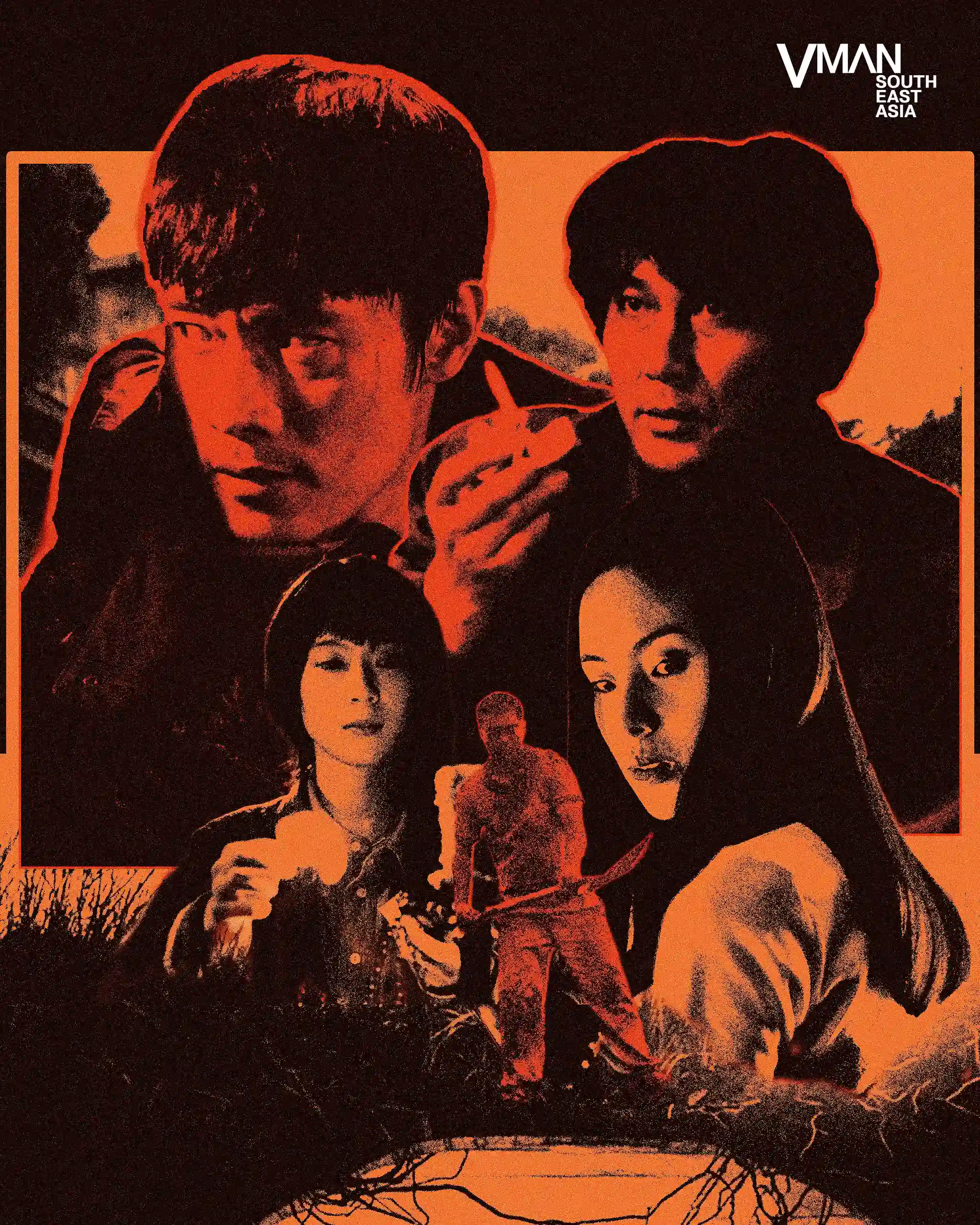
There is a certain comfort in getting scared on purpose. It happens every October, when people draw the curtains, lower the lights, and intentionally let themselves be unsettled. Horror movies are a way to face what is unspeakable in the real world.
Asian horror, in particular, has mastered this balance between the supernatural and the deeply human. Though it deals with ghosts and violence, it ultimately reflects on memory, guilt, and the emotions we struggle to suppress.
Here are seven films that embody the beauty and brutality of Asian horror, each uncovering a distinct form of fear.
READ MORE: 5 Must-See Films from the 2025 New York Asian Film Festival
1. Cure (1997, Japan)
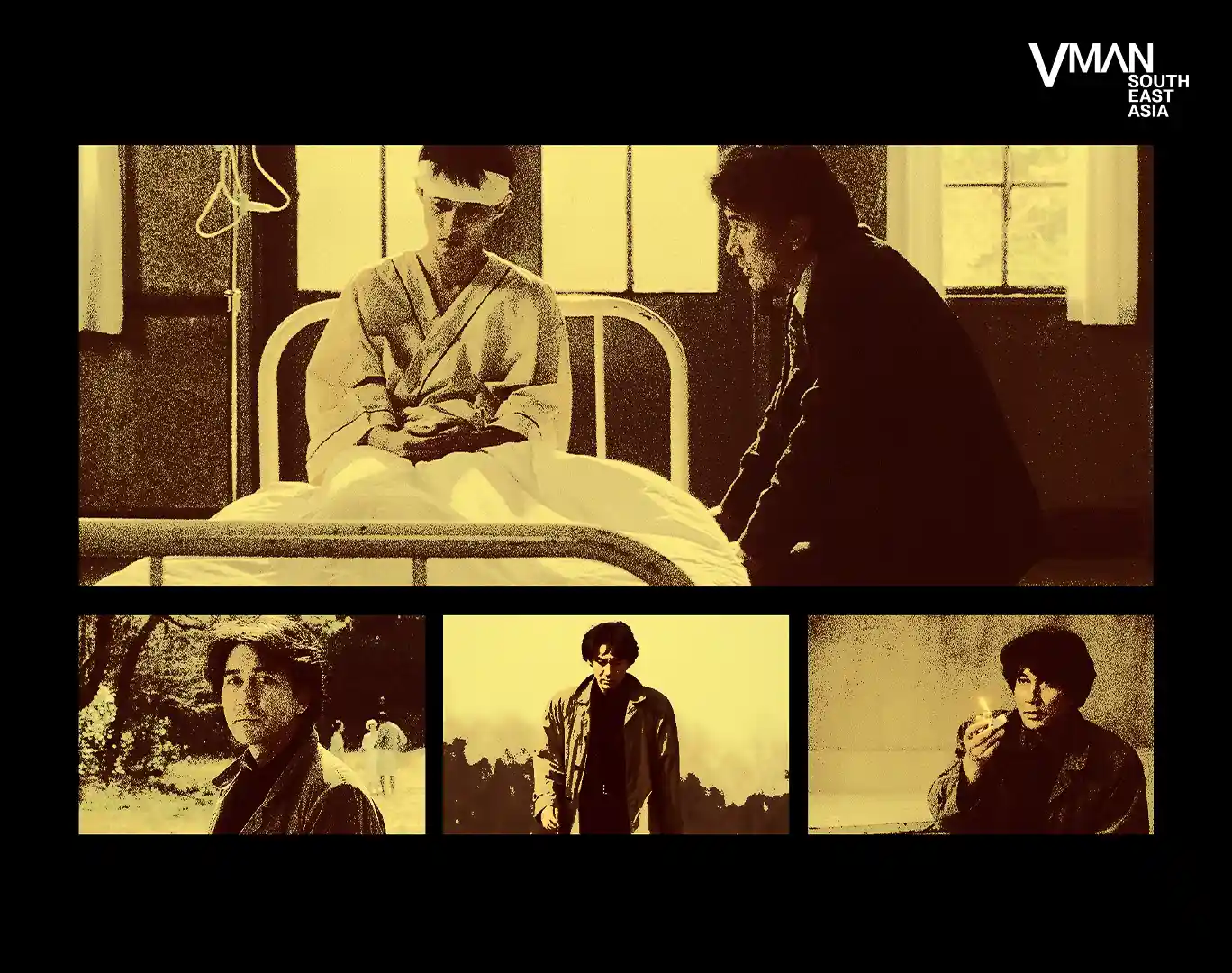
Kiyoshi Kurosawa’s Cure remains one of the most terrifying films in modern cinema. It follows a detective investigating a series of murders where the killers have no memory of their crimes. The director creates an atmosphere so still it feels contagious, as if violence itself could spread like a virus. It is a film about control, hypnosis, and the unreliable edge of human will.
2. May the Devil Take You (2018, Indonesia)
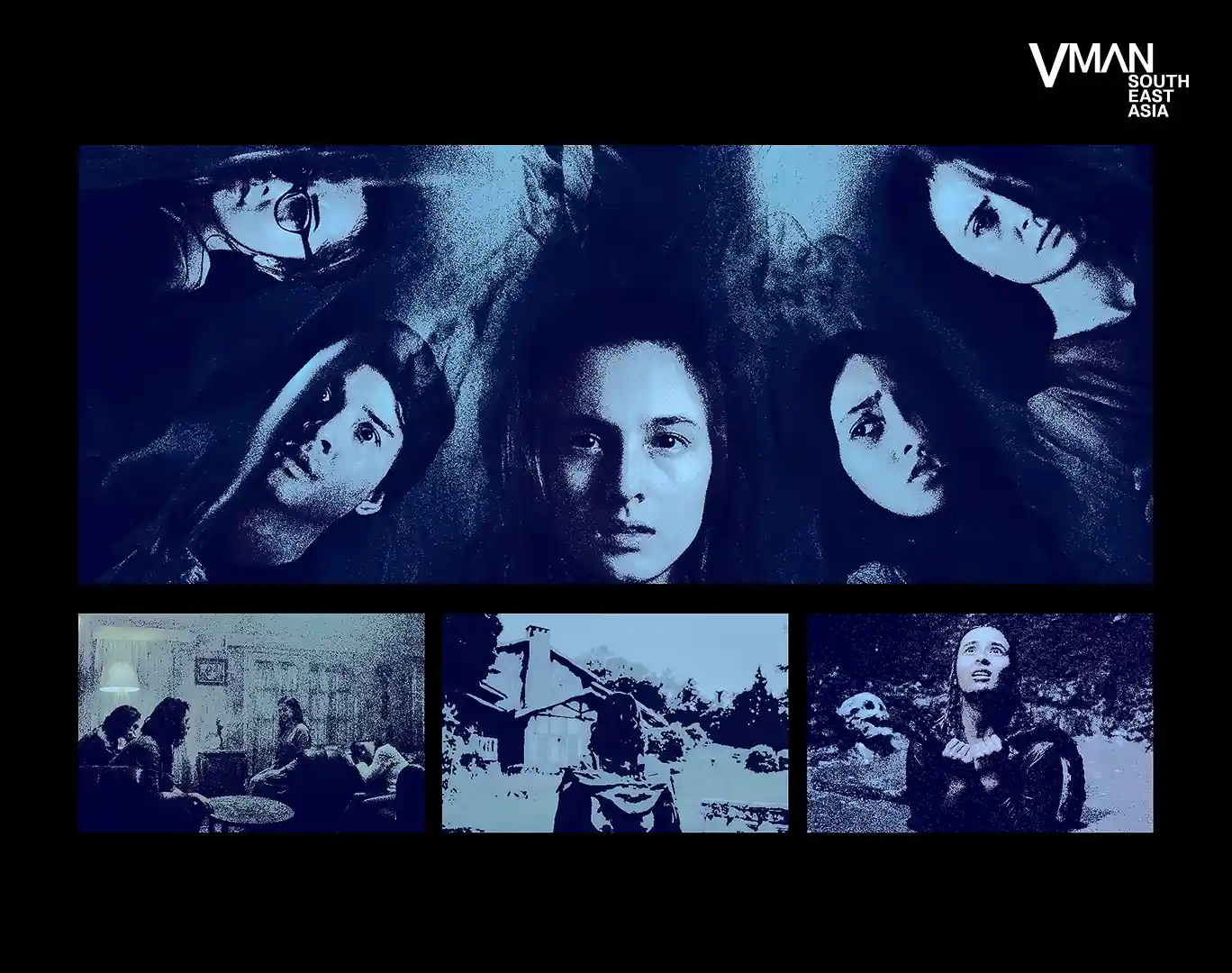
Director Timo Tjahjanto turns demonic horror into a family reckoning in May the Devil Take You. The story follows a woman who discovers that her father’s wealth came from a satanic bargain. When she returns to their old home, she finds that the debt has not yet been paid. It is loud, frantic, and deeply emotional, using possession as a metaphor for inherited guilt.
3. Audition (1999, Japan)

Takashi Miike’s Audition begins as a romance and ends as a nightmare. A widower hosts fake auditions to find a new wife, unaware that one of the applicants hides a violent secret. The film’s first half is melancholic, drawing viewers into sympathy before it turns.
Its shift from intimacy to cruelty remains one of the most shocking in film history. What makes Audition enduring is how it exposes the dangers of control and expectation within relationships.
4. Incantation (2022, Taiwan)
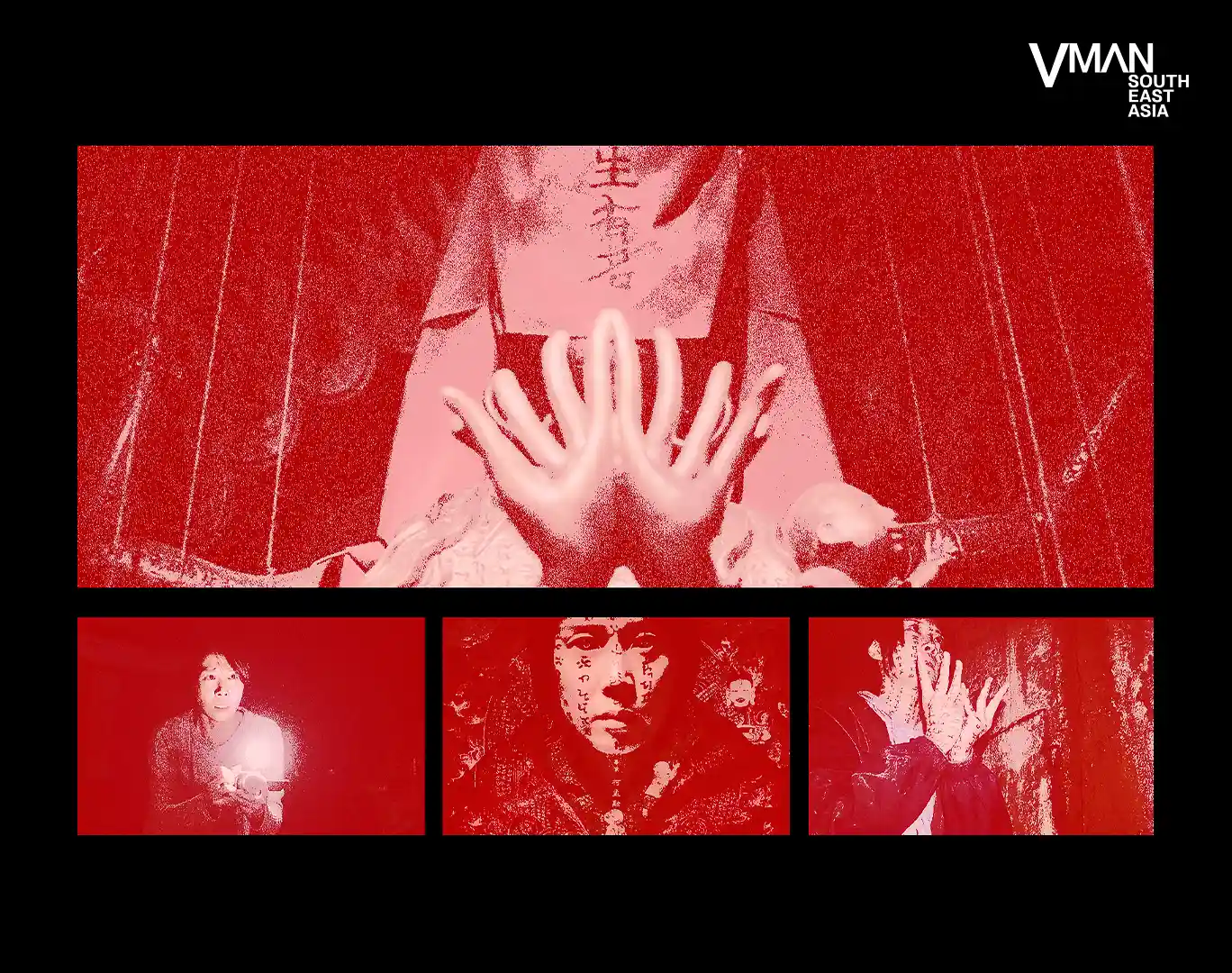
Kevin Ko’s Incantation is a found-footage horror film that uses belief itself as a weapon. A mother documents her attempts to protect her daughter from a curse, inviting the audience to chant along with her in hopes of breaking it.
The film feels immersive and unnerving, using superstition to explore fear, faith, and responsibility. What makes it remarkable is its emotional core. It is a story about how love and guilt can both summon and silence the things that haunt us.
5. Pulse (2001, Japan)

In Pulse, Kiyoshi Kurosawa imagines a world where ghosts invade through the internet. Released at the dawn of the digital age, the film feels strangely prophetic today. Its characters find themselves isolated despite being connected, unable to tell the living from the dead.
The tone is slow and mournful, with horror rooted in loneliness. Pulse reflects on the despair of disappearing from one another, one screen at a time.
6. I Saw the Devil (2010, South Korea)
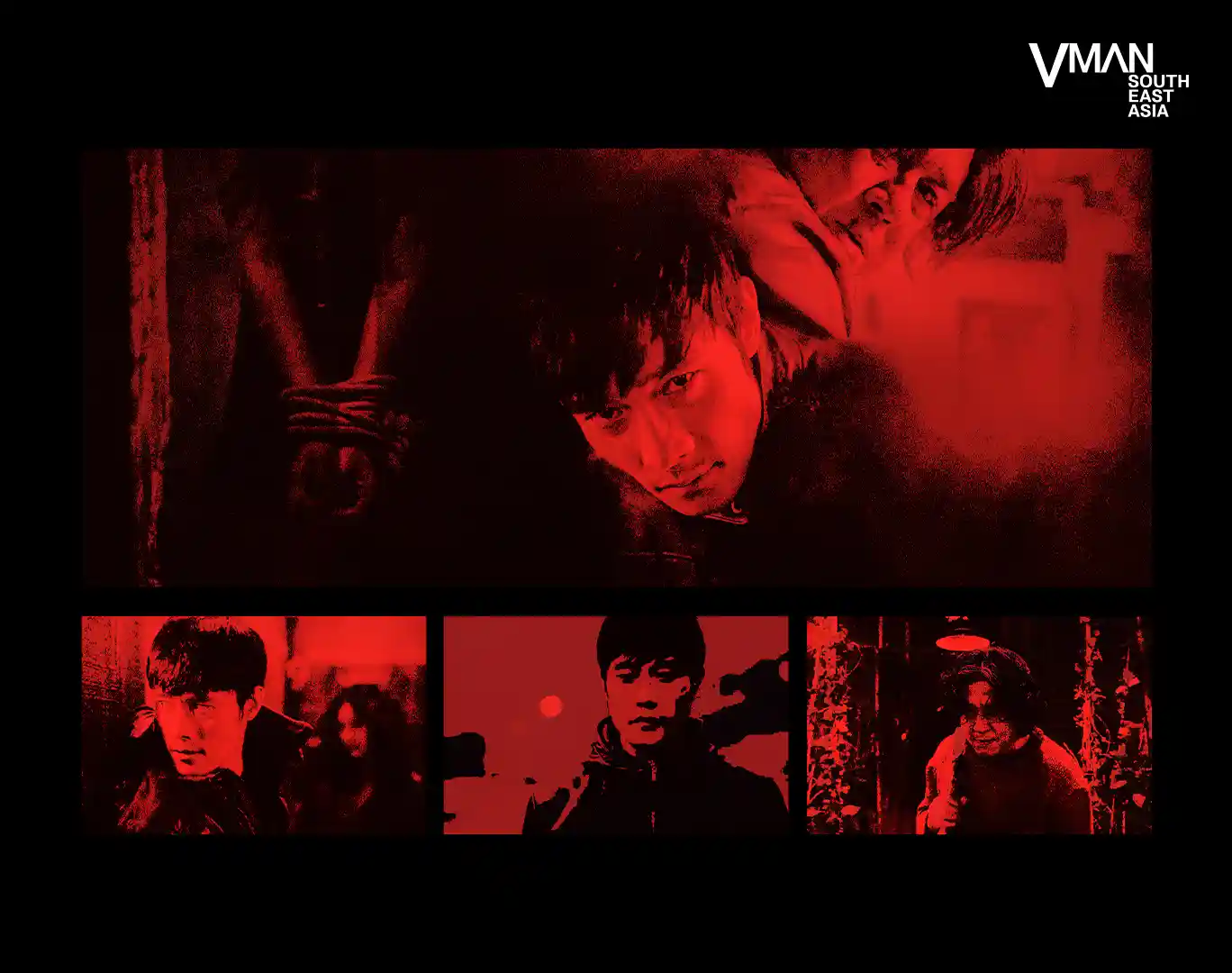
Kim Jee-woon’s I Saw the Devil is an unflinching look at revenge and how it corrodes the soul. A secret agent hunts the man who murdered his fiancée, capturing and torturing him repeatedly. What begins as vengeance turns into obsession.
Every scene pushes the boundary of morality until both men seem consumed by the same darkness. It is a brutal but thoughtful film, one that questions whether justice is possible once empathy is gone.
7. Outside (2024, Philippines)

Carlo Ledesma’s Outside places a Filipino family at the center of a zombie apocalypse. Sid Lucero and Beauty Gonzalez play parents who escape to a remote farmhouse with their child, only to find that isolation brings its own form of terror.
As they try to survive the undead outside, the family confronts long-buried resentments and inherited trauma. Moving carefully between horror and intimacy, the film suggests that to survive is to learn how to live again.
Asian horror often draws its power from emotion. Its monsters are rarely strangers, but reflections of fear, love, and memory. These seven films remind us that the most haunting horror isn’t the one that makes us scream, but the one that stays after the lights come on.
Some of the most acclaimed Asian horror films for Halloween include Cure, Audition, May the Devil Take You, Incantation, Pulse, I Saw the Devil, and Outside. These films are known for their psychological tension, supernatural elements, and lingering impact.
Cure is praised for its slow-building suspense and psychological depth. It follows a detective investigating mysterious murders and explores how ordinary people can commit unexplainable acts.
Outside, a 2024 Filipino horror film, combines a zombie apocalypse with family drama. It focuses on a family struggling to survive while confronting generational trauma.
Yes. May the Devil Take You and Incantation both incorporate folklore and ritual into their horror narratives. They explore how fear, superstition, and family secrets can become contagious and deeply unsettling.
Audition and I Saw the Devil are notable for their focus on revenge and psychological tension. These films push audiences to confront obsession, moral boundaries, and the human cost of vengeance.
Artwork Summer Untalan