
5 Movies That Sparked a Generation’s Sexual Awakening
These are the types of films we’d watch on our own during our adolescence, for naughty purposes, of course





For many people, the cinema was a cultural rite of passage where we discovered new concepts like time travel or superheroes. But for many men, the local theater or a late-night cable broadcast became the first frontier for sexual discovery.
At the time, these films felt forbidden, and we didn’t quite understand why we kept rewatching them. Here are five films whose high-tension moments taught us that there was more to manhood than we first imagined.
Fast Times At Ridgemont High

When Phoebe Cates emerged from the pool in a sun-drenched slow-motion haze to The Cars’ “Moving in Stereo,” an entire generation of boys suddenly felt… different. For many adolescents trying to understand their changing bodies, the moment became a kind of cultural Big Bang.
The stoner comedy set in a California high school was based on Cameron Crowe’s real-life experiences, capturing teenage sexuality, social pressure, and awkward navigation of early independence.
GoldenEye
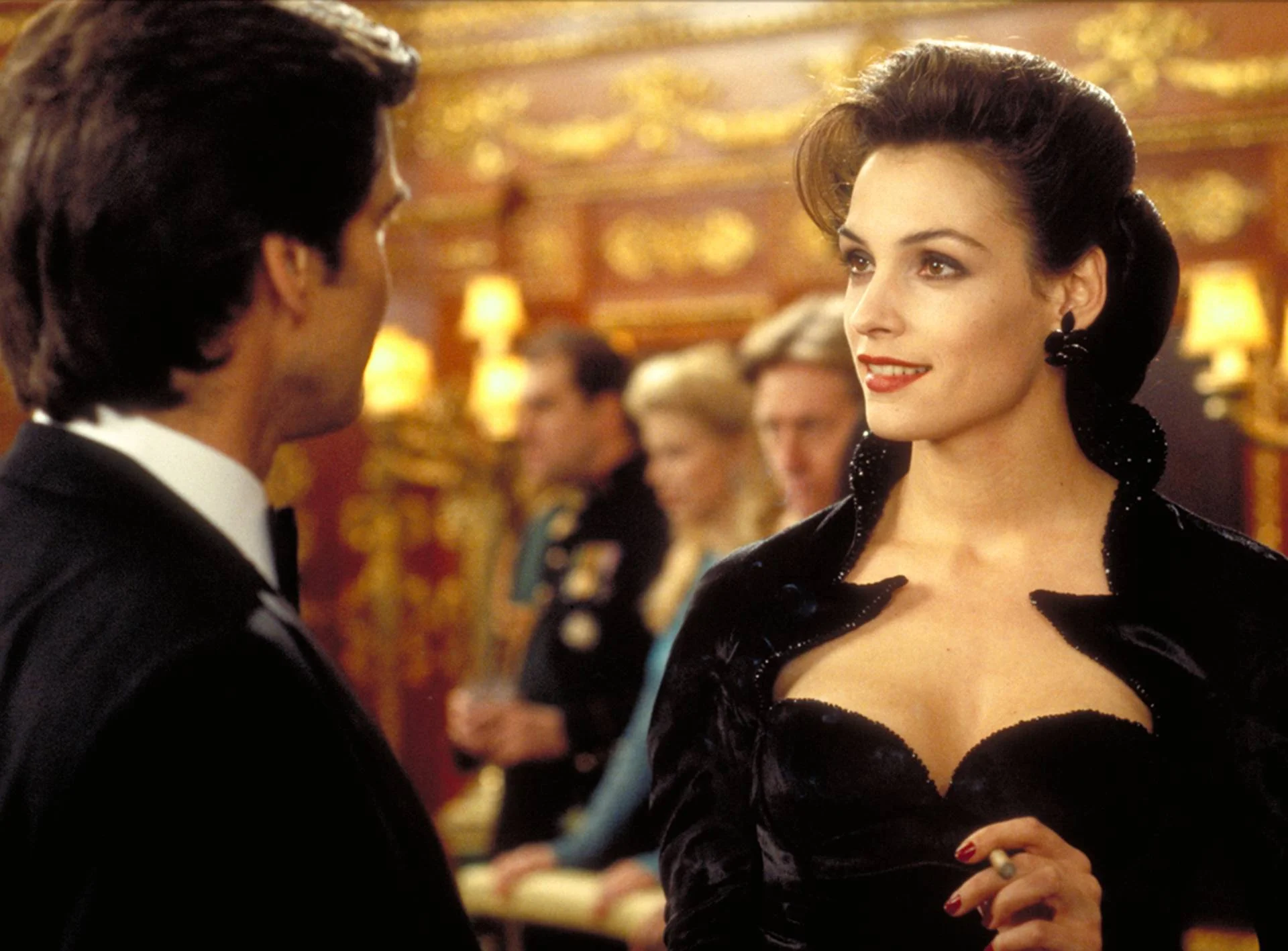
The Bond franchise always carried glamour and spectacle, but GoldenEye introduced a more aggressive and sexually charged energy through Famke Janssen’s Xenia Onatopp, a lethal Bond girl who weaponized physicality.
Her scenes pushed the boundaries of eroticized danger and presented a darker dimension of attraction. Xenia embodied the “dangerous woman” archetype, where fascination was inseparable from threat.
Basic Instinct

The film plunged audiences into a high-stakes world of adult desire, and Sharon Stone’s Catherine Tramell was permanently etched into cultural memory. The interrogation scene left jaws dropped, suggesting that attraction could be linked to intellect, confidence, and power.
Catherine was unnervingly smart, completely in control, and utterly unapologetic, traits that reshaped our understanding of desire. The femme fatale shifted from passive object to calculating architect of her own story.
Who Framed Roger Rabbit
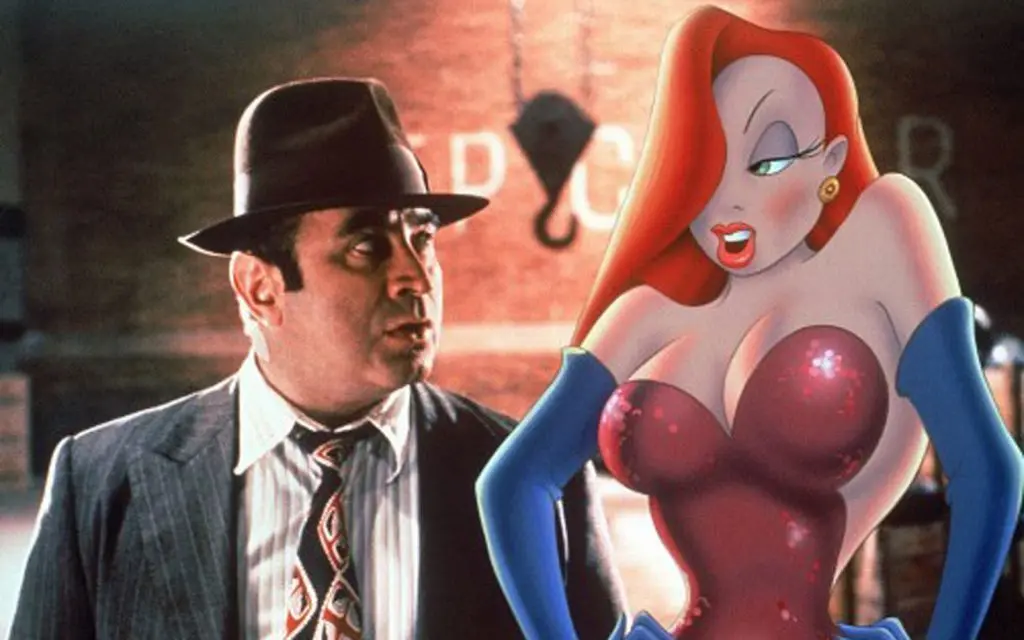
A cartoon character might seem unlikely, yet Jessica Rabbit’s impact on the male psyche is undeniable, especially in a film aimed at younger audiences. She bridged childhood innocence and adult fascination through her voice and design.
Rather than a damsel in distress, she consistently used her intelligence throughout the film. Beneath the seduction was loyalty, warmth, and genuine devotion to her husband.
American Pie

Mirroring the clumsy and often embarrassing reality of adolescence, American Pie became a generational touchstone at the turn of the millennium.
The quest for “the first time” was fueled by explicit set pieces, and the infamous webcam incident captured the hormone-fueled chaos of the late 90s. While it wasn’t always sexy, it allowed young viewers to see their own awkwardness and intense urges on screen.
Frequently Asked Questions
A cinematic sexual awakening refers to the psychological and developmental milestone where a specific film introduces an adolescent viewer to adult themes, desires, and changing physical identity.
Fast Times at Ridgemont High impacted audiences because its iconic pool scene combined slow-motion visuals with music, capturing the sudden, intense reality of teenage physical development.
Sharon Stone redefined the femme fatale by portraying Catherine Tramell as an intellectual, authoritative figure who weaponized confidence and complete control rather than acting as a passive object.
Animated characters can influence development when their visual design and sophisticated behavioral traits, like Jessica Rabbit’s intelligence and fierce loyalty, bridge childhood innocence and adult fascination.
American Pie is a generational touchstone because it accurately mirrored the clumsy, hormone-fueled reality and social awkwardness of late-1990s adolescents navigating early physical independence.

Recommended Video