Five TV Shows Every Menswear Fan Should Watch
A curated look at five television dramas where menswear is as integral to the storytelling as the scripts themselves




In television, clothes rarely exist in isolation. They are context and subtext, an unspoken line of dialogue between viewer and character. A well-cut lapel can reveal ambition; an unbuttoned collar can betray defeat. For the menswear enthusiast, certain shows rise above simple entertainment, functioning instead as serialized masterclasses in tailoring, textile, and silhouette.
Here are five series where wardrobe is not merely costuming, but a central part of the storytelling language.
RELATED: 7 TV Shows Where the Costumes Deserve Their Own Emmy
1. Peaky Blinders
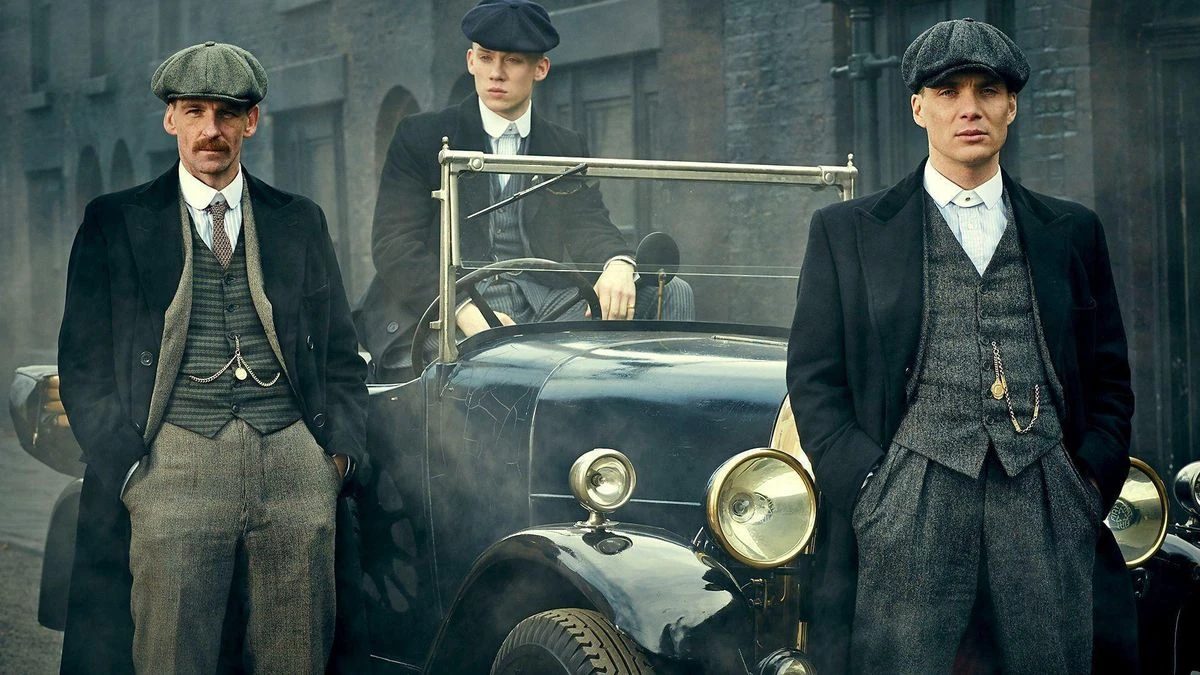
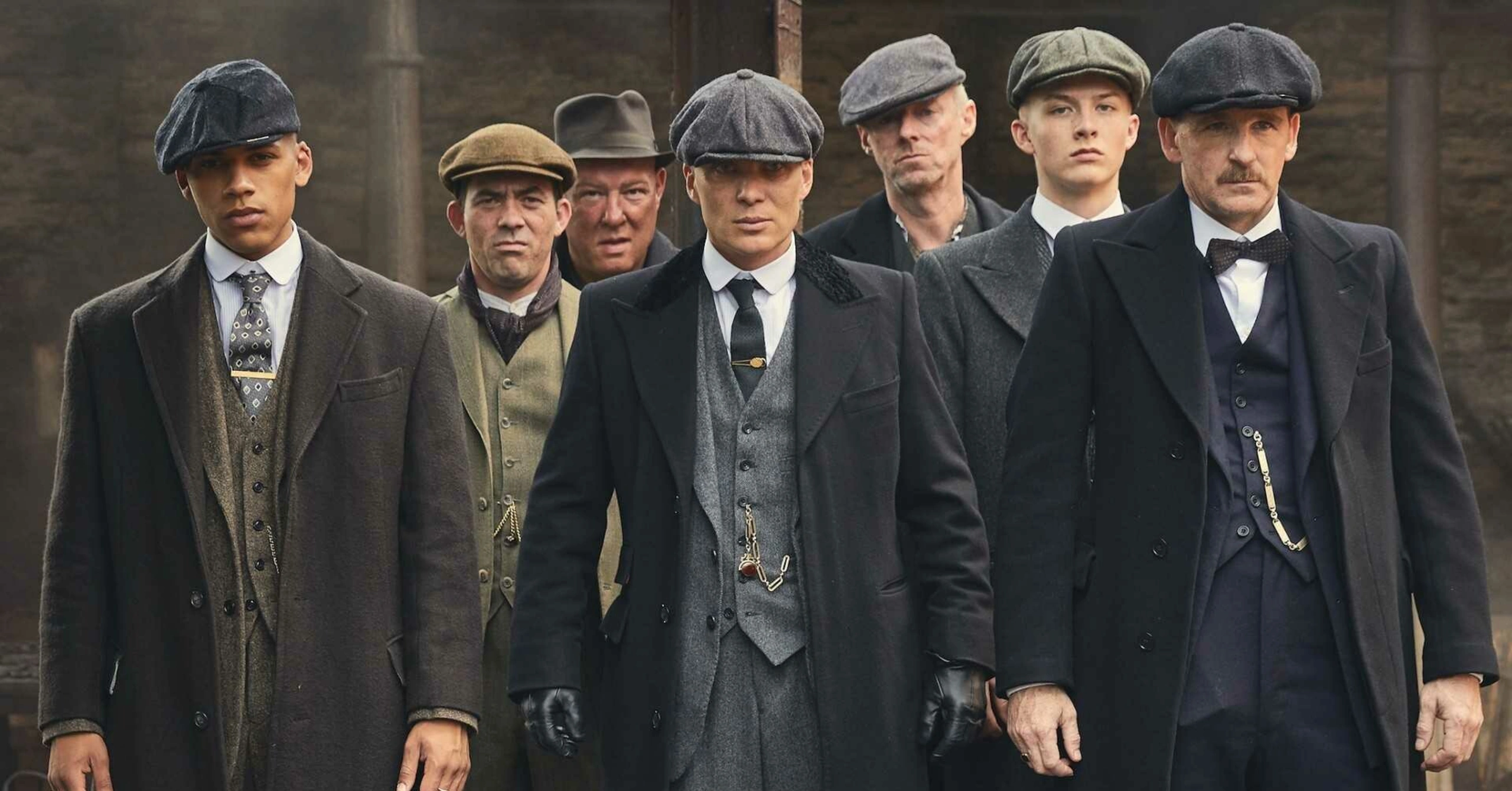
Set in post–World War I Birmingham, Peaky Blinders understands that style can be a weapon. The Shelby brothers’ three-piece suits, often tweed, heavy wool, or pinstripe, carry the same menace as their concealed razors. Overcoats swing like cloaks as they stride through smoky streets; flat caps are tilted forward with an almost militaristic precision.
Stephanie Collie rooted the look in historical accuracy, but the execution has been so influential that contemporary menswear brands still reference it in seasonal collections. Watching Thomas Shelby light a cigarette in a double-breasted overcoat is to understand how a silhouette can intimidate before a word is spoken.
2. Suits
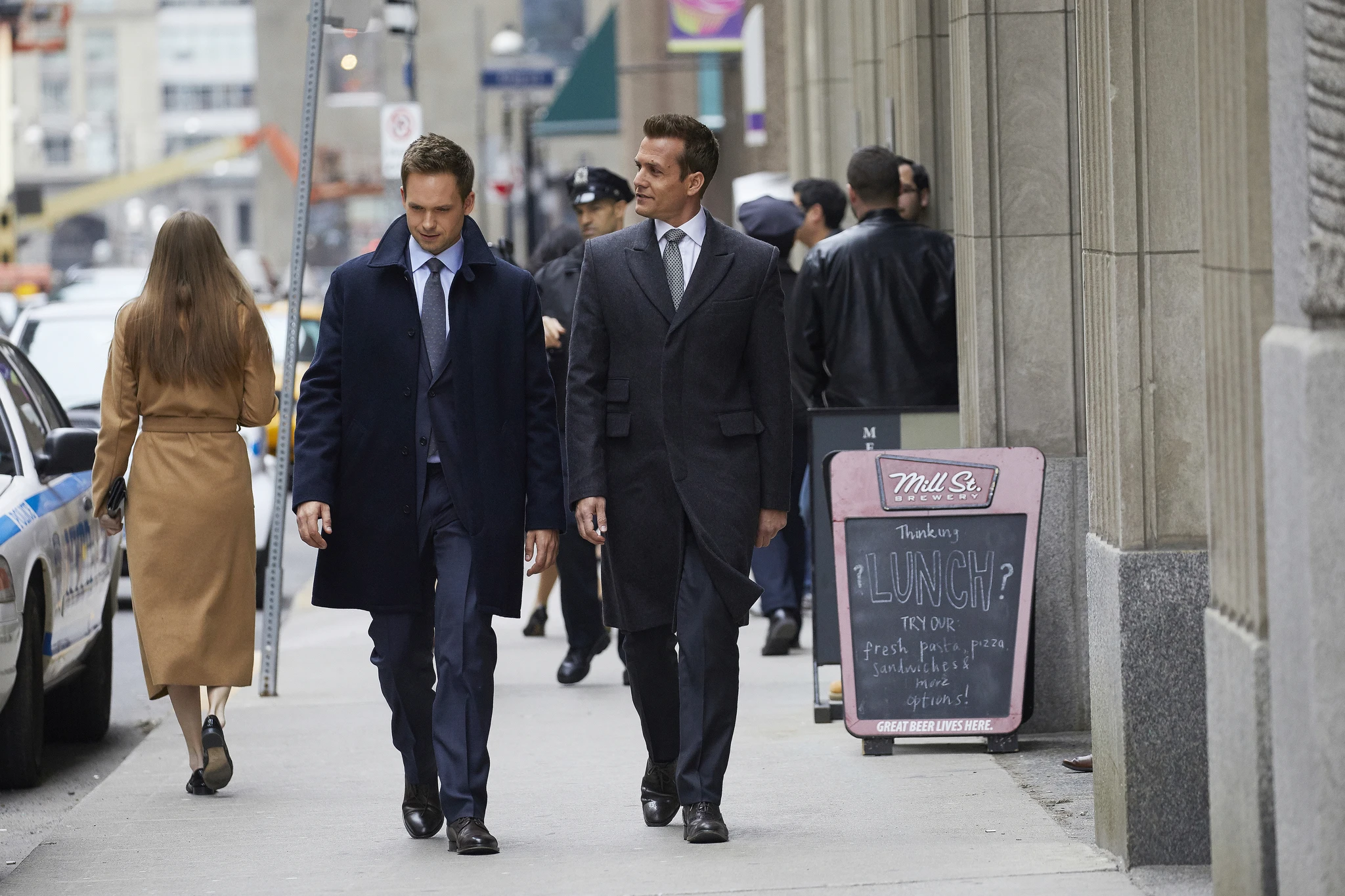
At face value, Suits is a legal procedural about high-stakes corporate law in Manhattan. In reality, it’s an extended showcase of precision tailoring as social currency. Harvey Specter’s wardrobe, made up of slim-cut suits in navy, charcoal, and the occasional windowpane check, becomes his armor in a world where appearance can sway as much as argument.
By keeping a strict palette and fit standard, each scene is turned into an informal menswear catalogue. Even characters on the periphery maintain a level of polish that communicates competence before they open a case file.
3. Hannibal
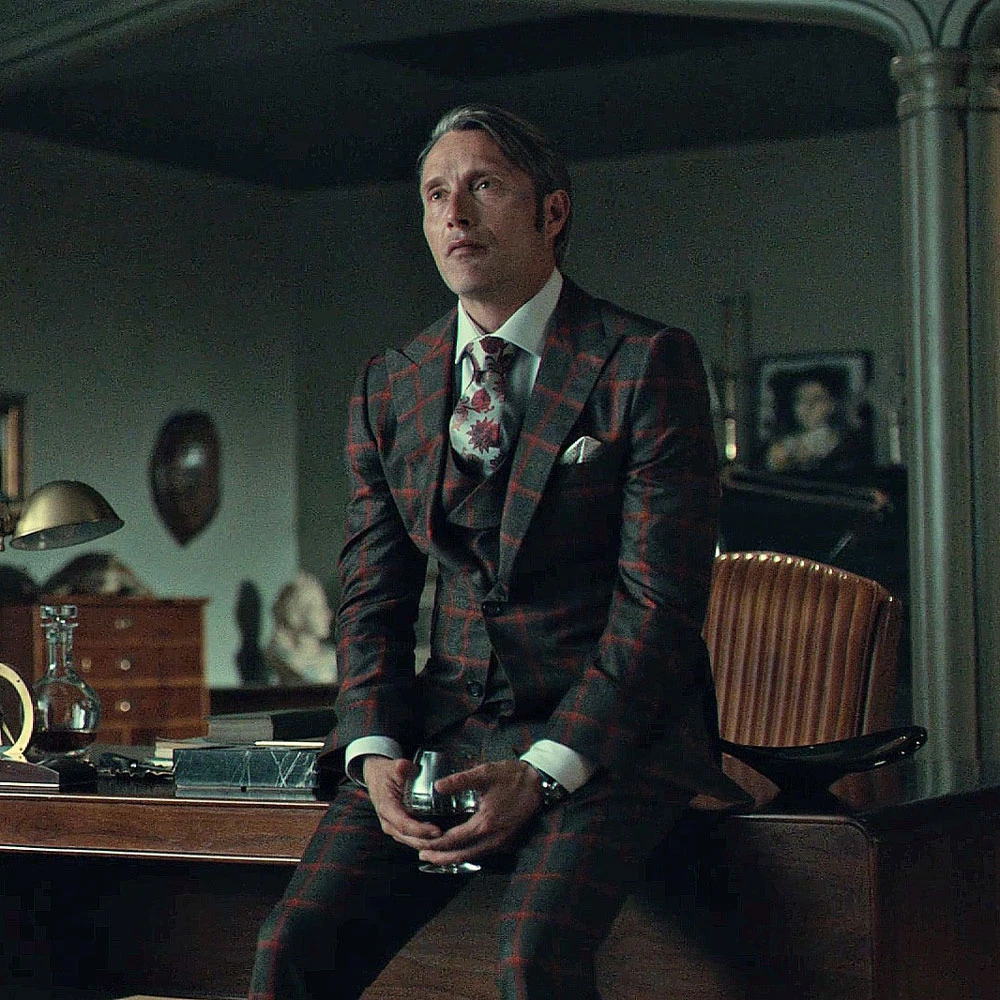
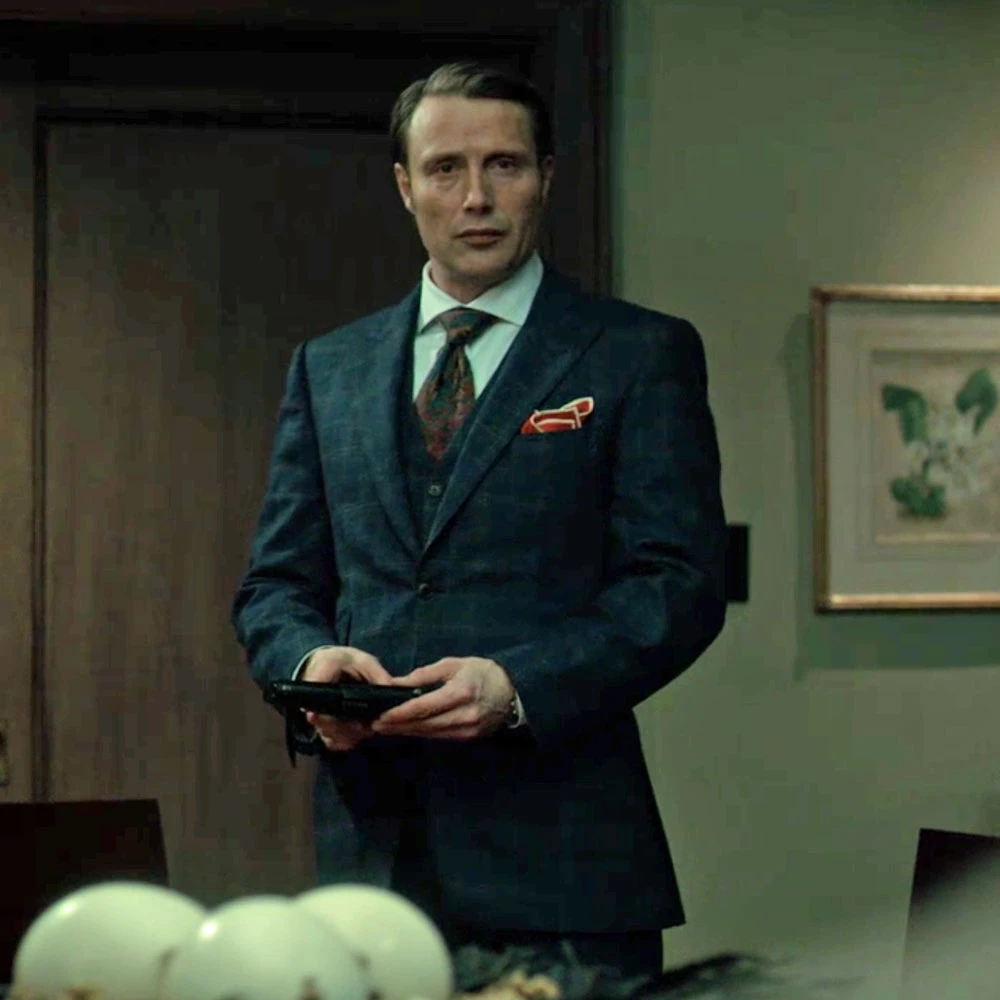
The violent elegance of Hannibal extends beyond its gourmet-level depictions of murder. Dr. Hannibal Lecter dresses with the meticulousness of a man for whom nothing is accidental. Plaid three-piece suits, broad lapels, and silk pocket squares form a stylish ensemble as each element reflects his obsessive nature.
Costume designer Christopher Hargadon constructed a wardrobe that feels simultaneously timeless and disconcertingly modern. The result is a style so controlled it becomes sinister, a warning wrapped in fine wool. For menswear purists, Hannibal’s commitment to detail is enviable, even as the character himself remains deeply unsettling.
4. The Crown
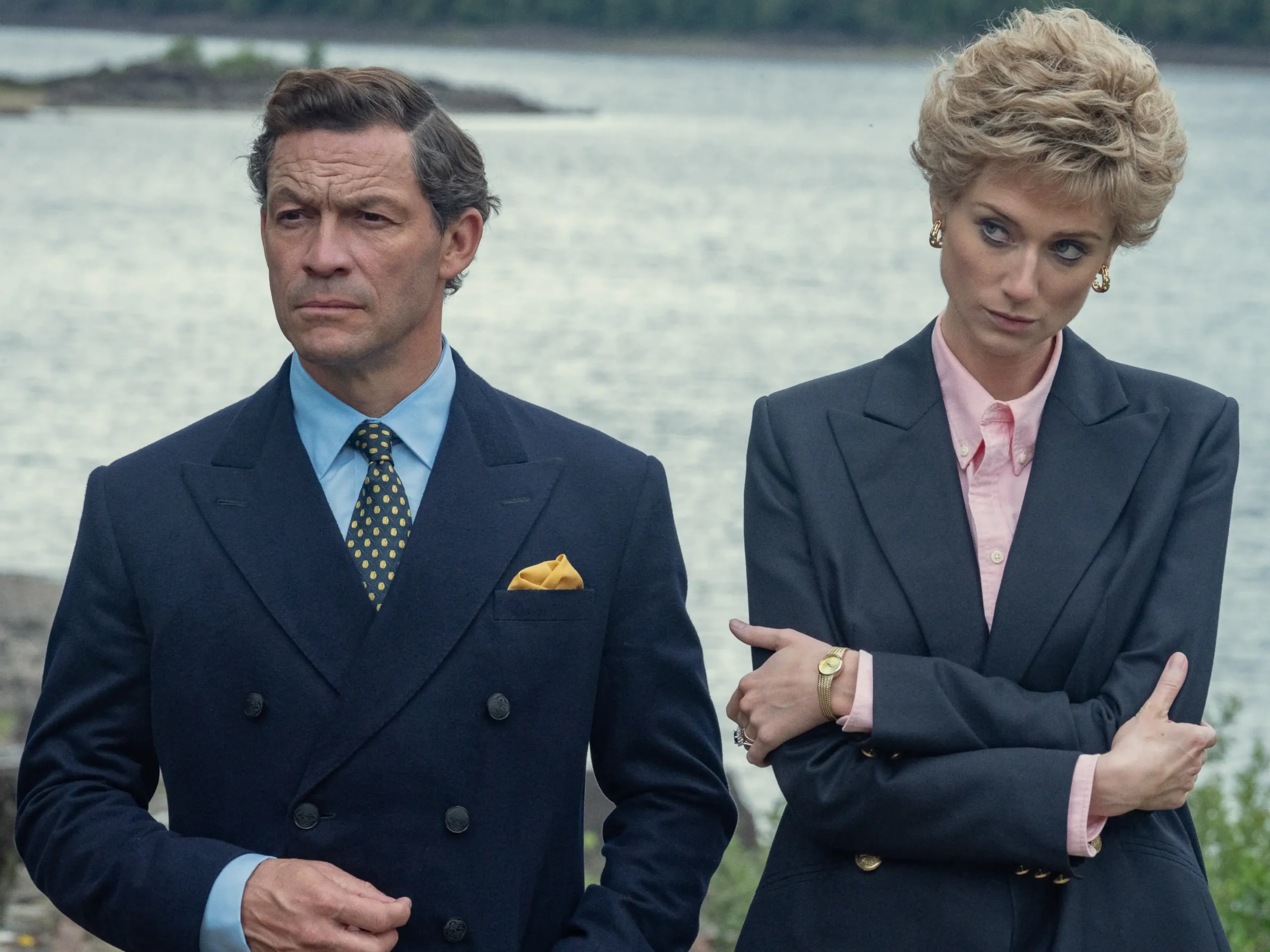
In The Crown, menswear is ceremonial, steeped in history and hierarchy. Prince Philip’s double-breasted naval uniforms, Winston Churchill’s homburg hats, and the various prime ministers’ sober wool suits speak to a time when clothing was prescribed by role and tradition.
The show uses menswear to illustrate shifts in political and personal power: a slightly rumpled suit may indicate a leader under strain, while a perfectly pressed one reasserts control. The series operates as both a historical record and a reminder of how formality once governed the male wardrobe.
5. Succession
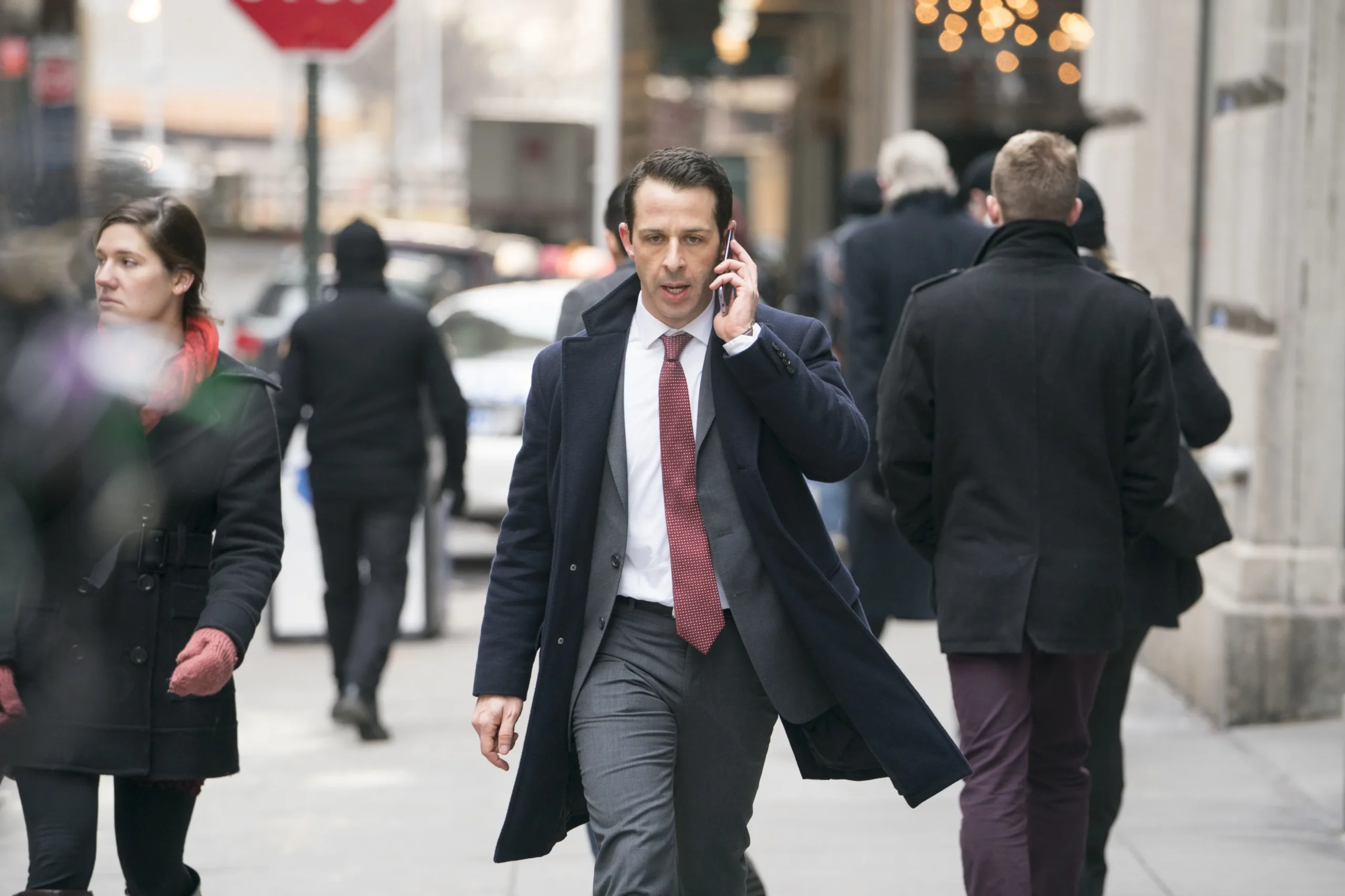
If The Crown is about the visible performance of power, Succession is about its invisibility. The Roy family dresses in stealth wealth, with neutral-toned cashmere, unbranded baseball caps, and conservative blazers that cost more than most cars yet give nothing away. Costume designer Michelle Matland crafts an aesthetic where the absence of flash is the ultimate signifier of influence.
Here, a $5,000 coat is worn like an afterthought, and a softly tailored suit can dismantle a rival as effectively as a public takedown. For the modern menswear observer, it is a study in how luxury can convey itself with understatement rather than overt display.
These series demonstrate that in the right hands, wardrobe is a narrative device as critical as plot or dialogue. For viewers invested in menswear, they provide a living archive of style in context, with each outfit an argument about who a character is and how they wish to be seen. On-screen, as in life, what you wear is often the first thing people notice. And in these worlds, it might just be the most important.
Photos courtesy IMDB