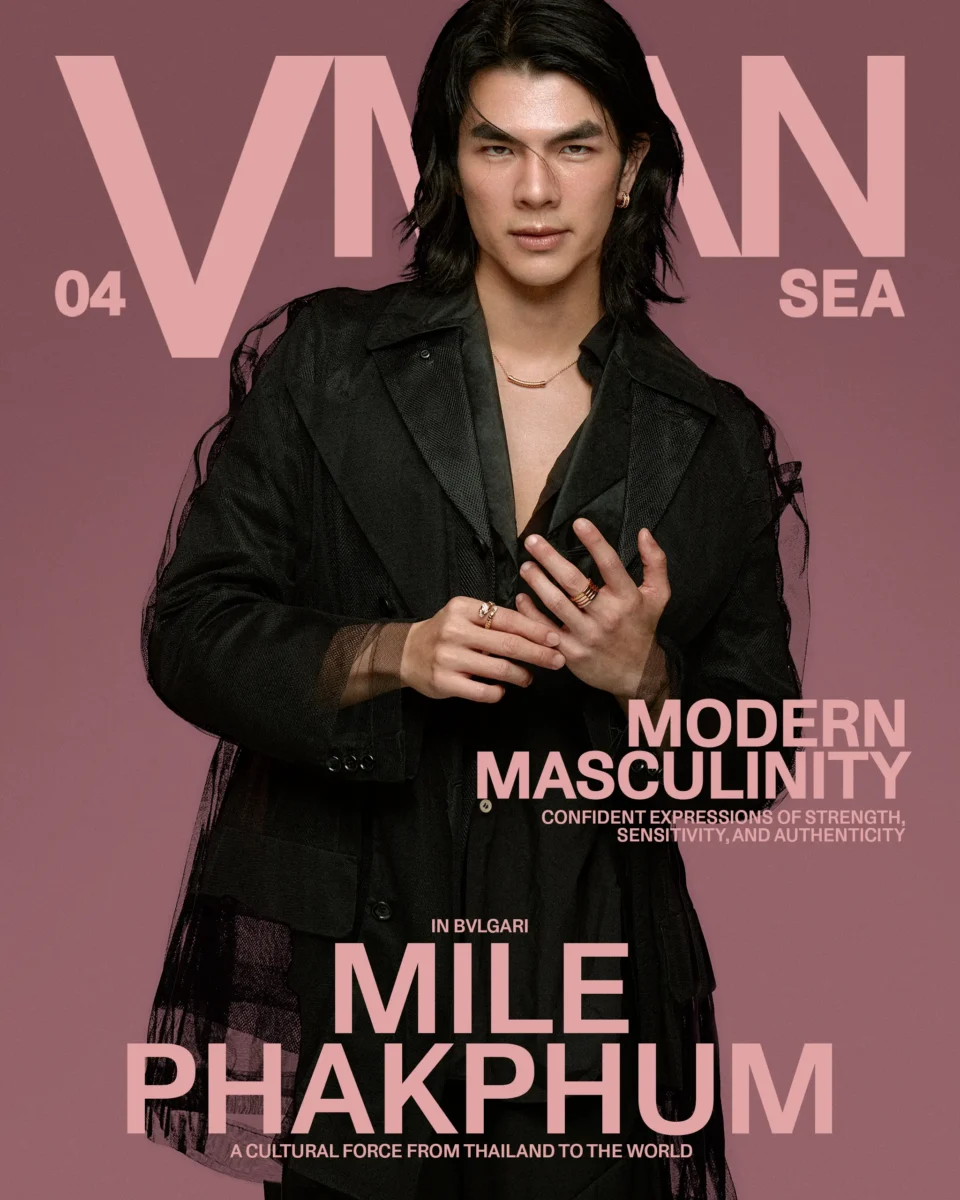
Why Every Man Turns His Favorite Movie Into a Personality
A man’s favorite film often becomes the script he lives by, shaping how he dresses, behaves, and imagines himself




In the age of aesthetic masculinity, taste is no longer a private matter. It has become a public signal and a curated reflection of who a man hopes to be. For many, a movie serves as an informal identity system. A watchlist becomes a worldview. A Letterboxd account becomes a self-portrait, often more revealing than the words they choose to share online.
Men have always relied on cultural shorthand, but film has become a particularly useful stage. A favorite movie can serve as a script for confidence, mystery, or emotional distance. A film preference hints at what he values and what he wants to project.
Cinema offers a structure for emotions that can be difficult to articulate. It turns longing into lighting and regret into framing. A rewatch becomes routine maintenance and an attempt to organize the interior world. In this way, the modern man uses film as a mirror, one that reflects both aspiration and escape.
American Psycho
American Psycho remains a sharp satire of perfectionism. Patrick Bateman is a figure whose polished exterior hides an unraveling interior life. His routine is immaculate, yet his sense of self is fragile.
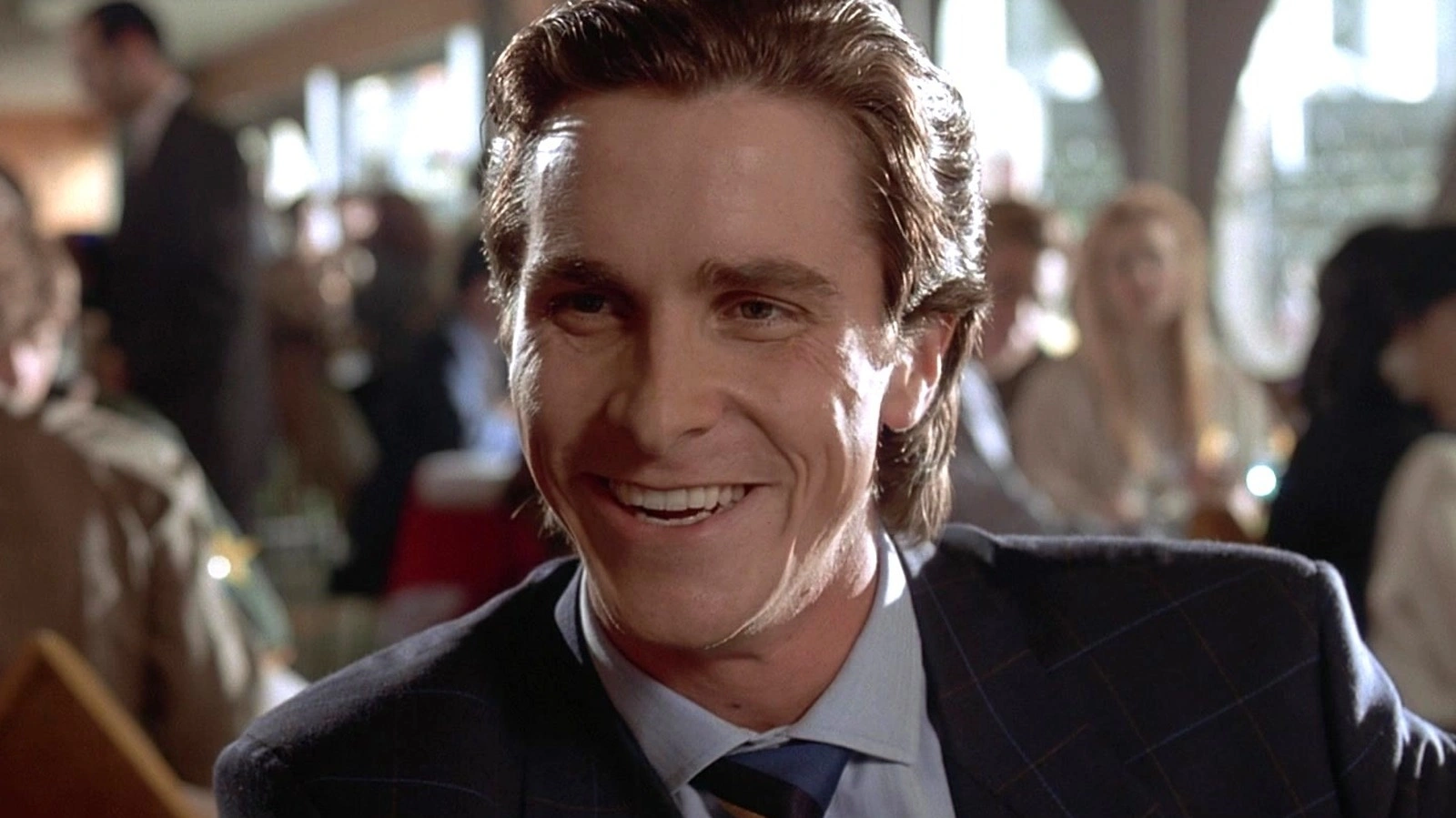
You adopt the surface elements. A clean apartment posted online. A carefully arranged desk. A wardrobe that signals discipline. You describe these choices as structure, though they often operate as performance. They allow you to stay aligned with a version of yourself that feels controlled.
Eternal Sunshine of the Spotless Mind
Eternal Sunshine follows two people who erase each other from memory in an attempt to escape their past. The film suggests that forgetting does not resolve the deeper work of healing.
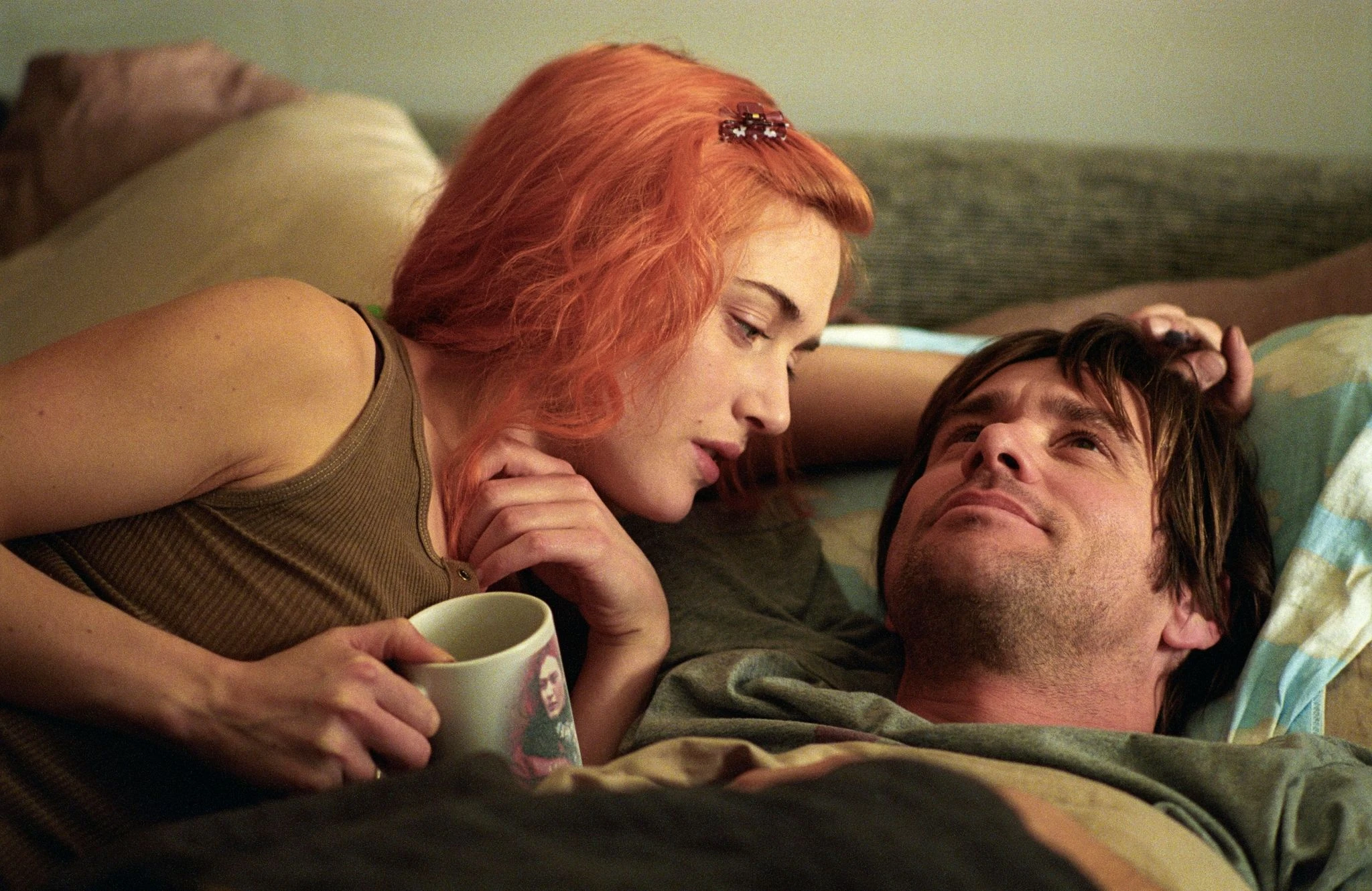
You appreciate its emotional honesty, though part of the appeal lies in how beautifully it renders heartbreak. Snowfall, chaotic apartments, and urgent conversations. You translate that mood into your clothing and your playlists. You talk about growth, but you mostly refine the aesthetic of loss.
Fight Club
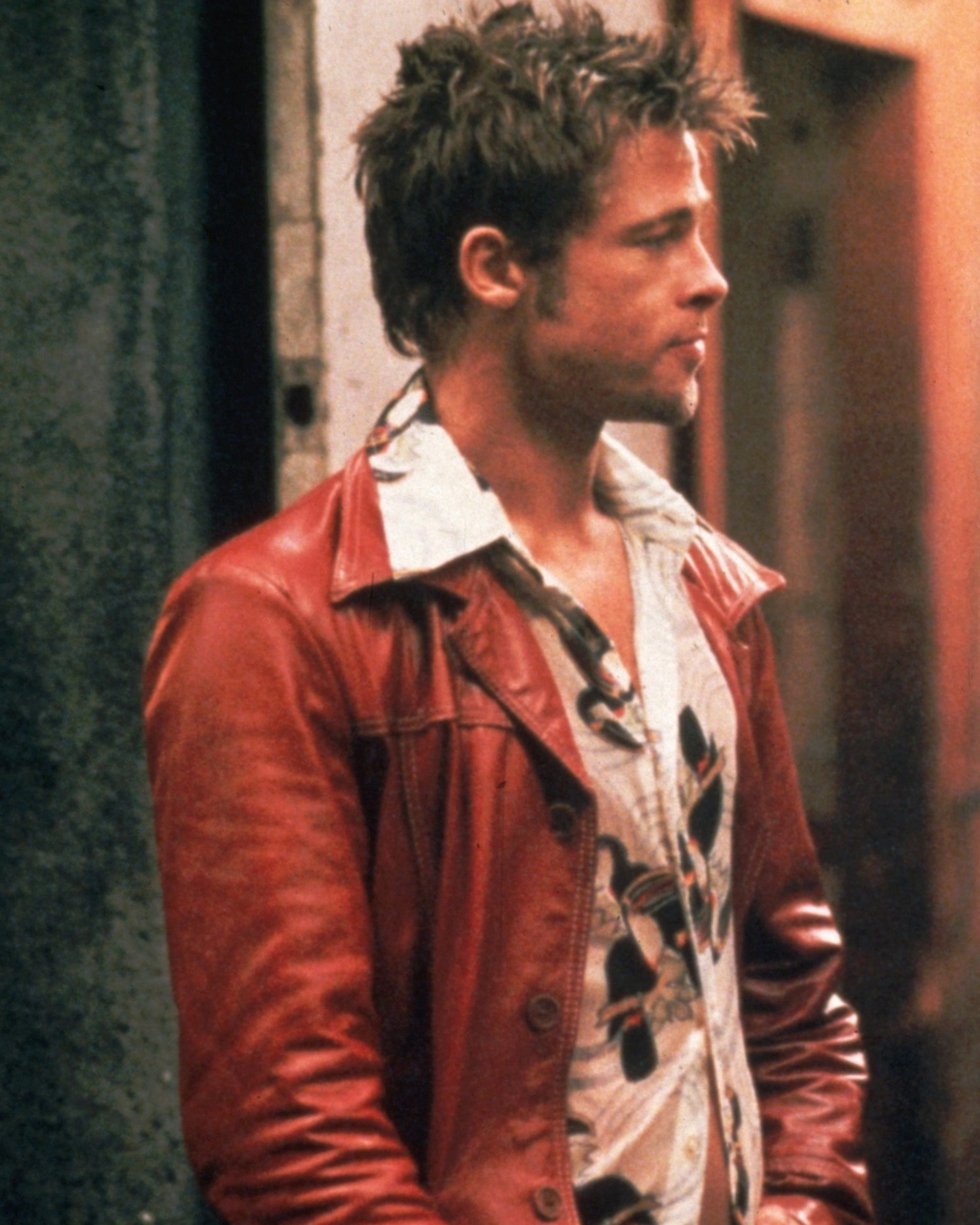
Fight Club begins as a critique of consumer culture but often functions as a guidebook for disillusioned masculinity. The narrator builds a rebellion that soon becomes its own form of confinement.
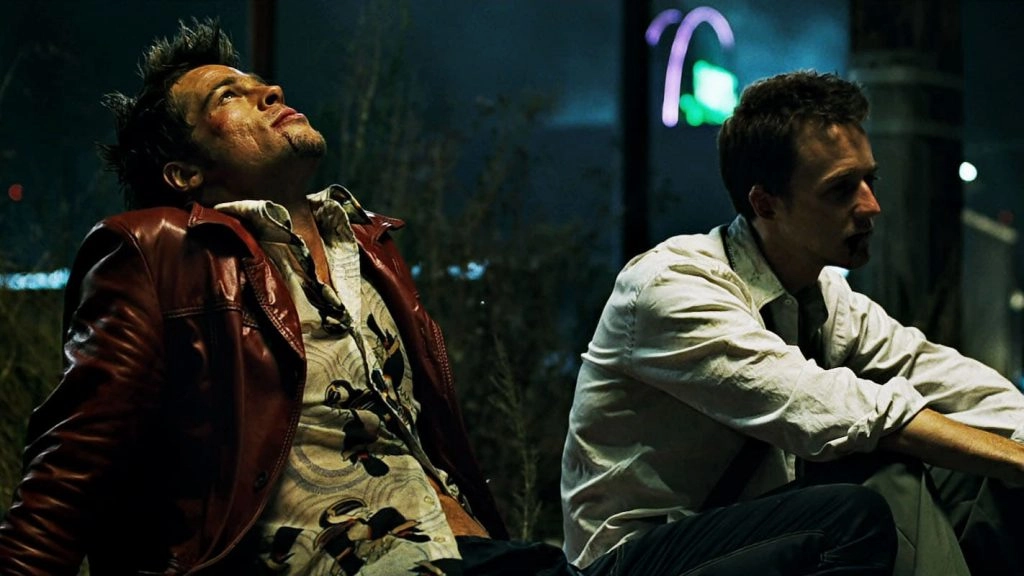
You claim to understand the satire, yet you still quote Tyler Durden as if he were a mentor. You wear symbols of rebellion that are carefully chosen and often expensive. You question systems, though your routines remain on the dot. Even your version of chaos is scheduled.
La La Land
La La Land follows two ambitious people whose dreams pull their relationship apart. The film frames ambition as both aspiration and cost.
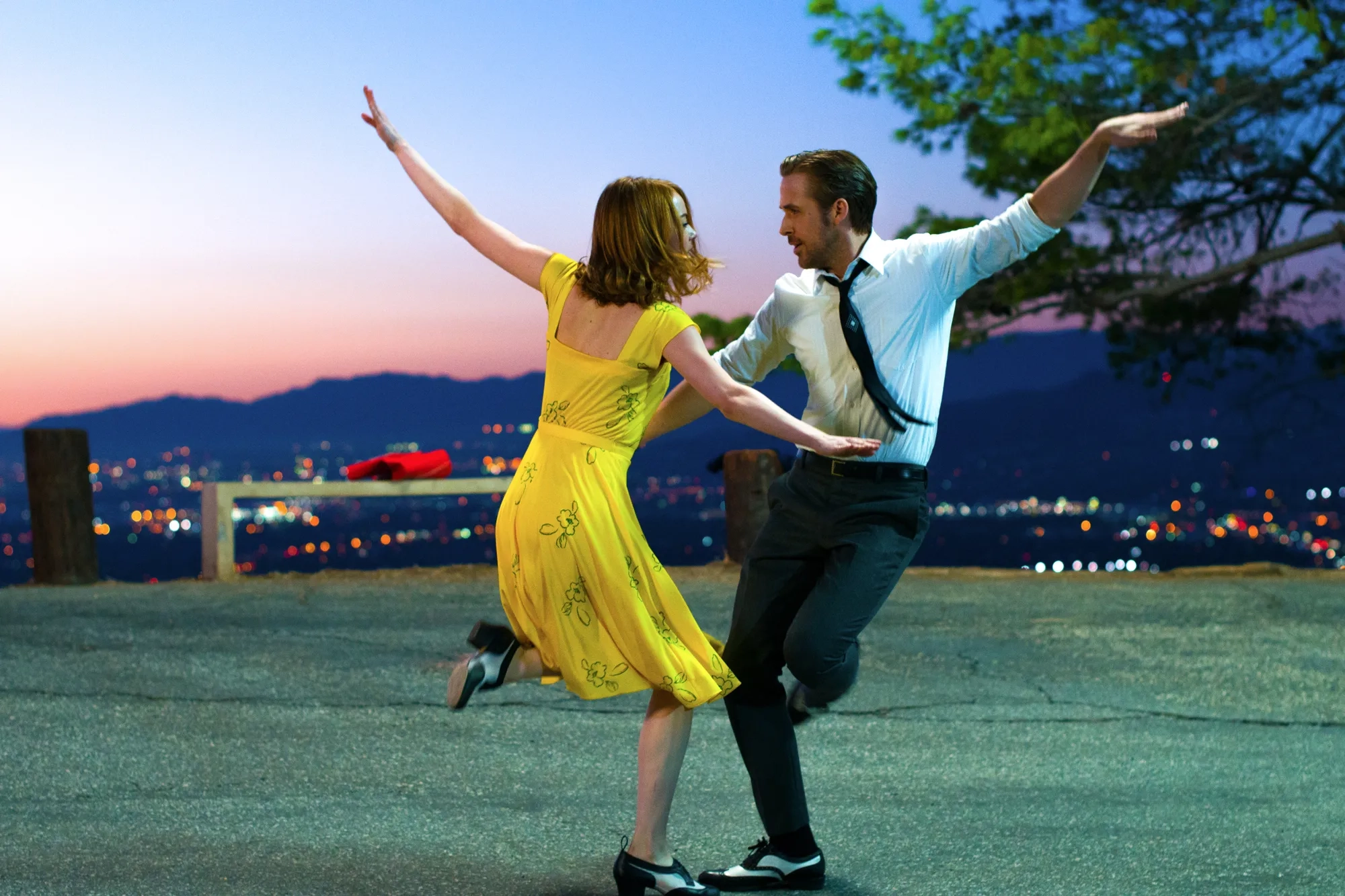
You admire its story of drive, although the part that resonates most is the control it depicts. You align yourself with the character who leaves, not the one who stays. You frame emotional distance as discipline. You document work hours and aspirations in warm lighting that turns hustle into romance.
Oppenheimer
Oppenheimer examines the emotional weight carried by a man whose intelligence leads to disastrous consequences. It treats genius as both power and burden.
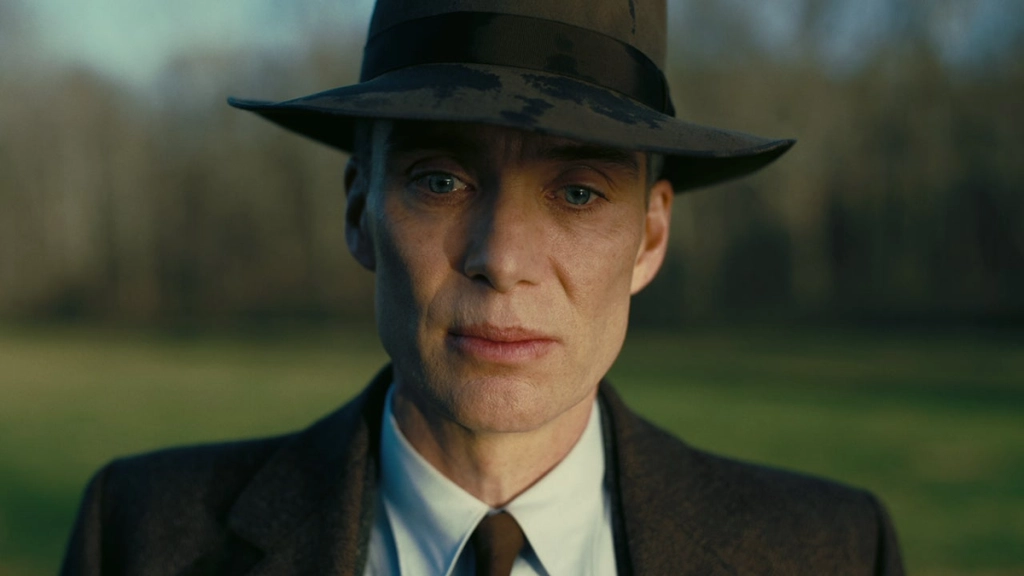
You identify with that pressure. You speak about purpose with severity. You approach burnout as if it were a badge of focus. You reference the film in conversations about ambition and consequence, shaping exhaustion into narrative.
Past Lives
Past Lives tells a story defined by miscommunication. Two people reunite after many years and confront the tension between memory and reality. Their silence carries as much weight as their conversations.
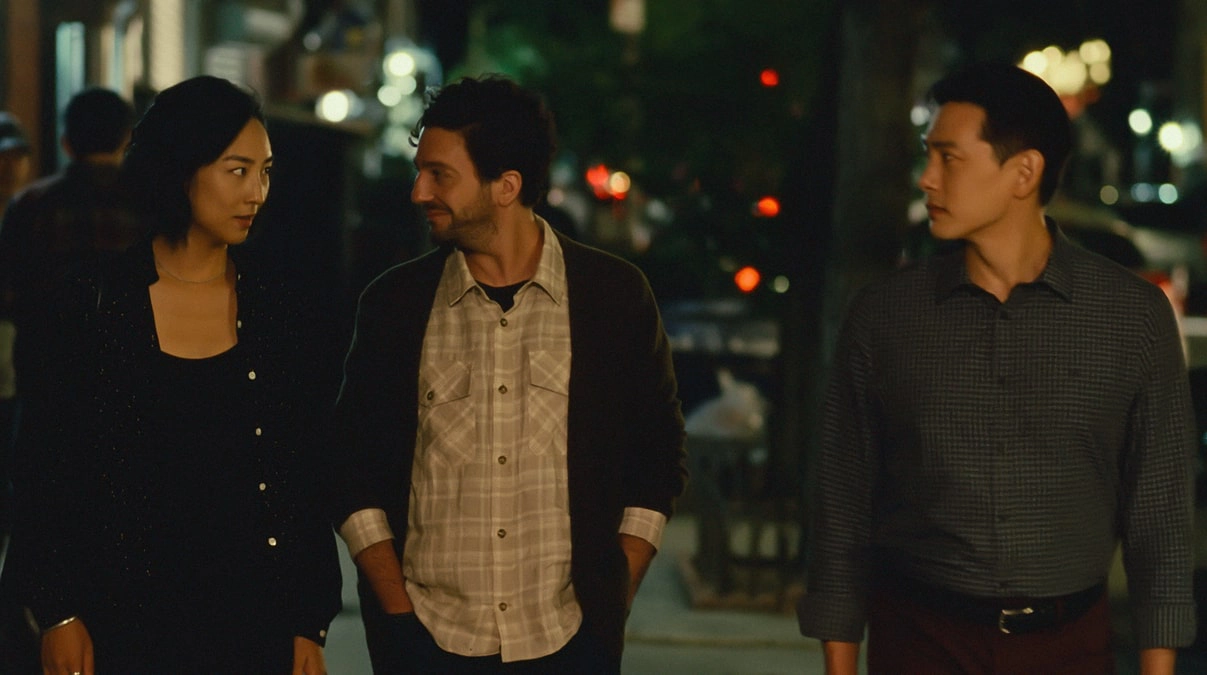
You respond to that style of emotion. You appreciate how the film makes longing feel mature. You dress in neutral tones. You speak with careful phrasing. You frame distance as clarity. The film gives you language for feelings that remain unfinished.
The Godfather
The Godfather remains a study in power, family, and moral erosion. It follows Michael Corleone as he gains control and loses closeness in equal measure.
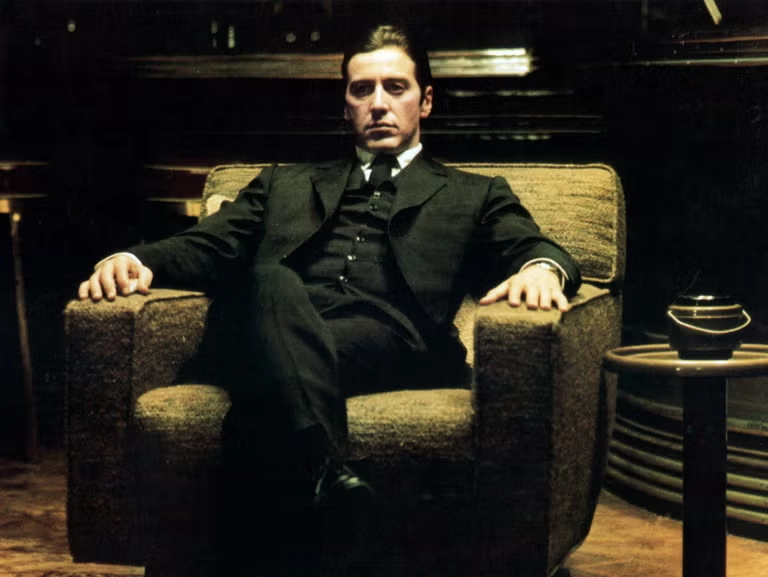
You praise the film as a technical achievement, yet you often treat it as a manual for authority. You admire the calm in Michael’s decisions and in his presence. You repeat his quotes as if they were strategic principles. You fashion yourself as someone who values loyalty, though you are also drawn to the distance that power creates.
The reason these films endure for men may be simple. The right movie provides a visual vocabulary for internal states that are difficult to articulate. It suggests ways to stand, to speak, and to appear certain.
Characters become templates. Their confidence becomes a guide. Every film a man loves becomes part of his personal reference library, shaping what he shows and what he withholds.
Every man has a favorite movie. The truth is that many are still deciding which version of themselves they hope to play.
Men often use films as a guide for how they want to appear or behave. A favorite movie can provide cues for confidence, emotional expression, or personal style, allowing men to shape their identity around characters they admire.
Movies influence clothing choices, routines, and overall presentation. Men may adopt wardrobe styles, grooming habits, or social behaviors inspired by the characters and aesthetics they admire.
Yes. Rewatching favorite films allows men to internalize character traits and routines. It becomes a form of self-reflection and subtle self-guidance.
Movies can serve as inspiration for mood or confidence without dictating exact outfits or behavior. Focus on elements that resonate personally and adapt them to your own lifestyle and taste for an authentic look.