
Electric Cars You Can Buy and Drive in Southeast Asia
A shift is unfolding across Southeast Asia, where electric cars from every corner of the world are beginning to shape the everyday rhythm of the road




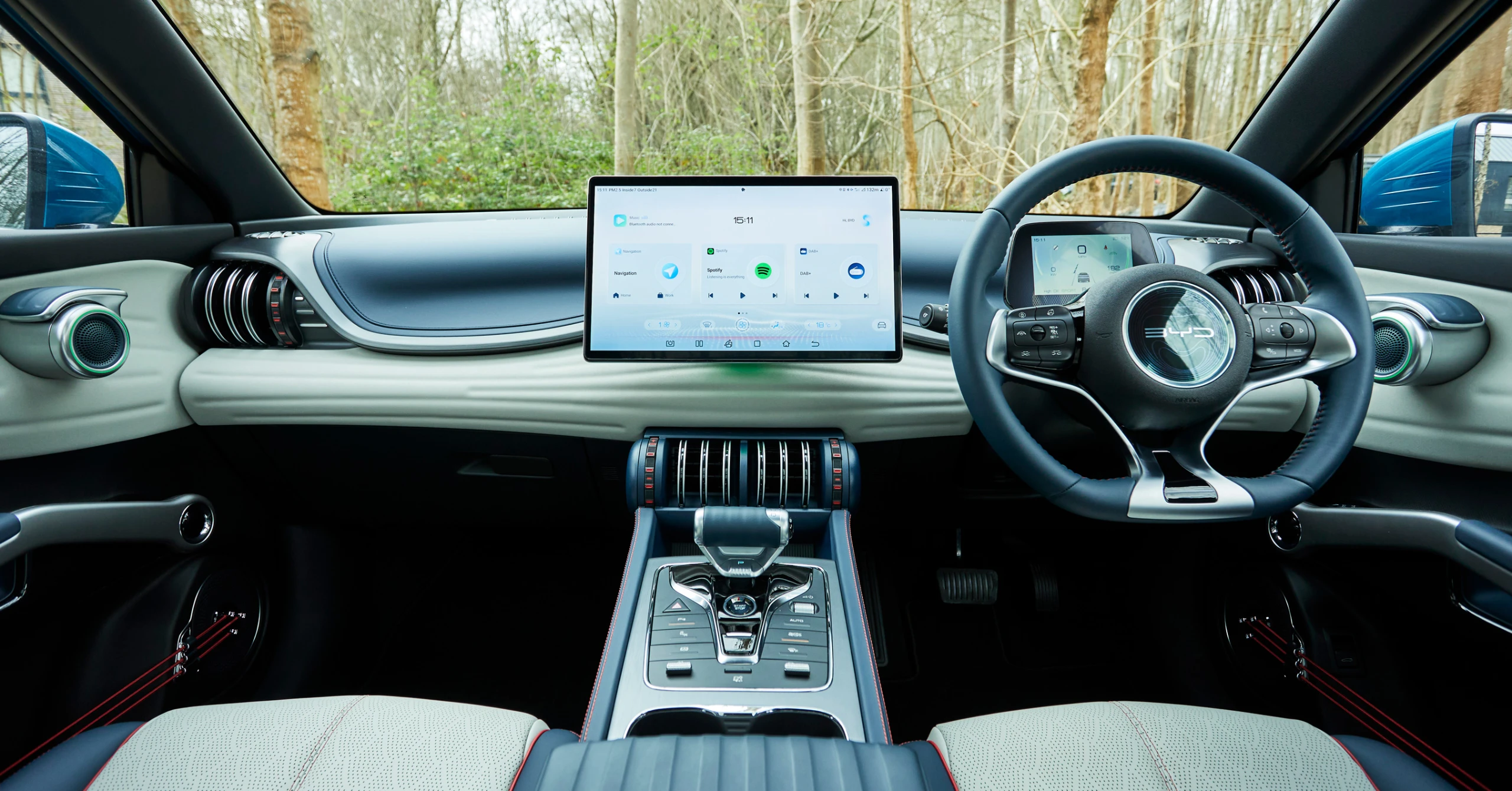
The electric vehicle market in Southeast Asia is expanding quickly, offering options from Chinese, Japanese, European, and American brands. Drivers now have access to EVs for city streets, highways, and family travel, each with unique features and design.
BYD
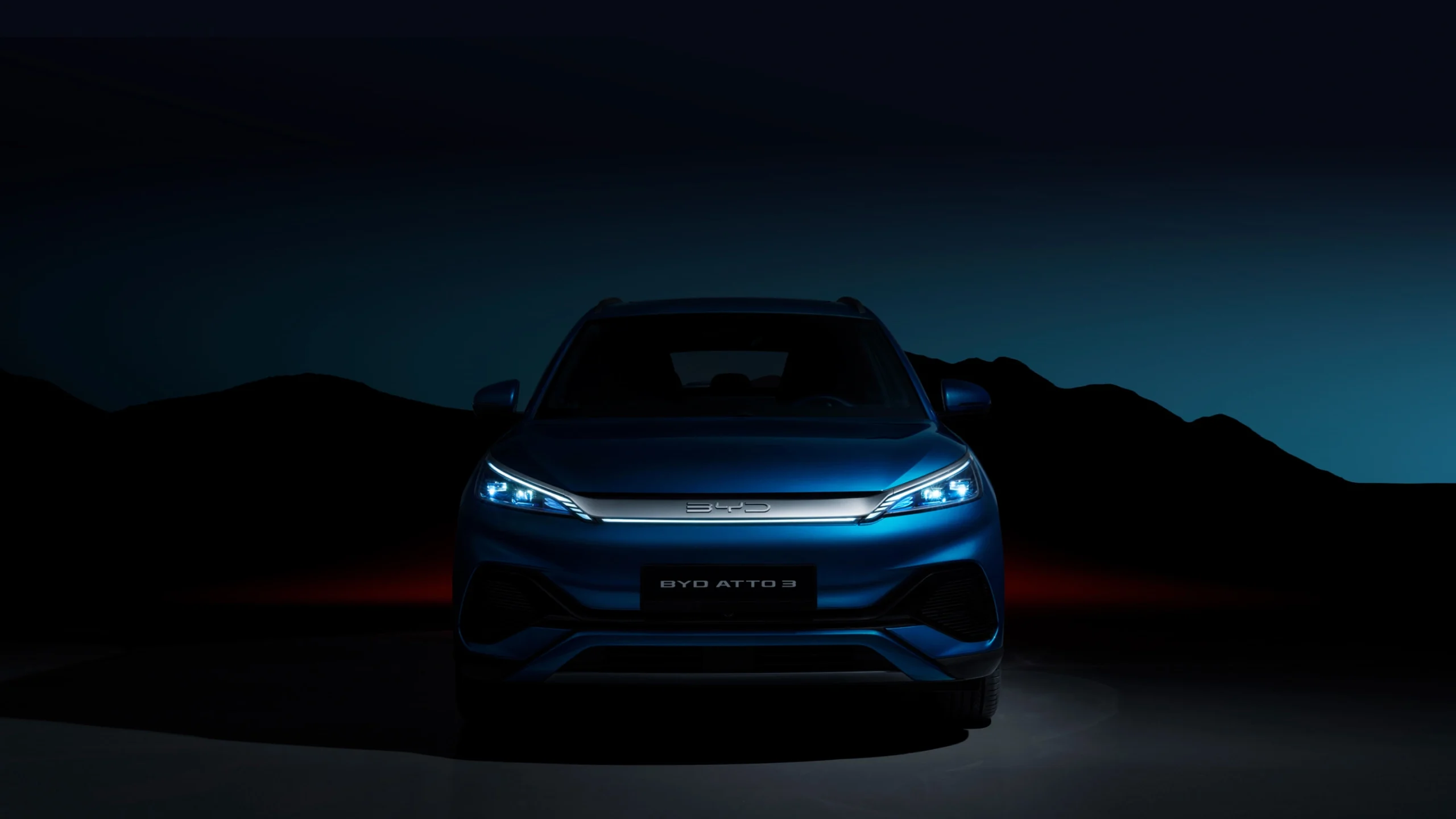
Chinese automaker BYD has become one of the most visible EV brands in the region. The Atto 3, a compact crossover, delivers an efficient drive with a minimalist interior, making it well-suited for congested urban streets in Thailand, Malaysia, and the Philippines.
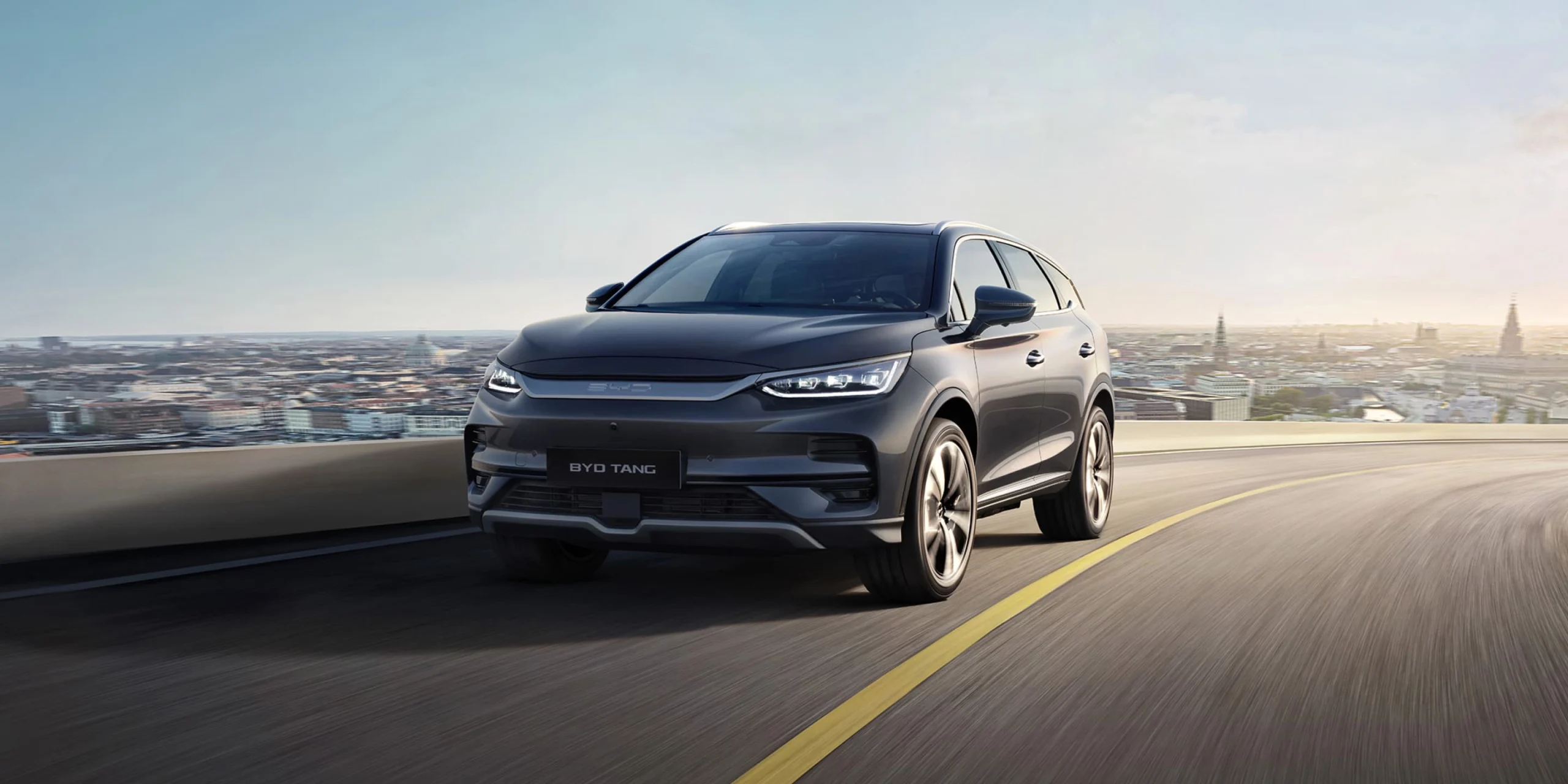
For larger families, the BYD Tang SUV combines roomy seating with advanced driver assistance and strong acceleration in its dual-motor variant. Both models offer practicality without sacrificing style.
Xpeng
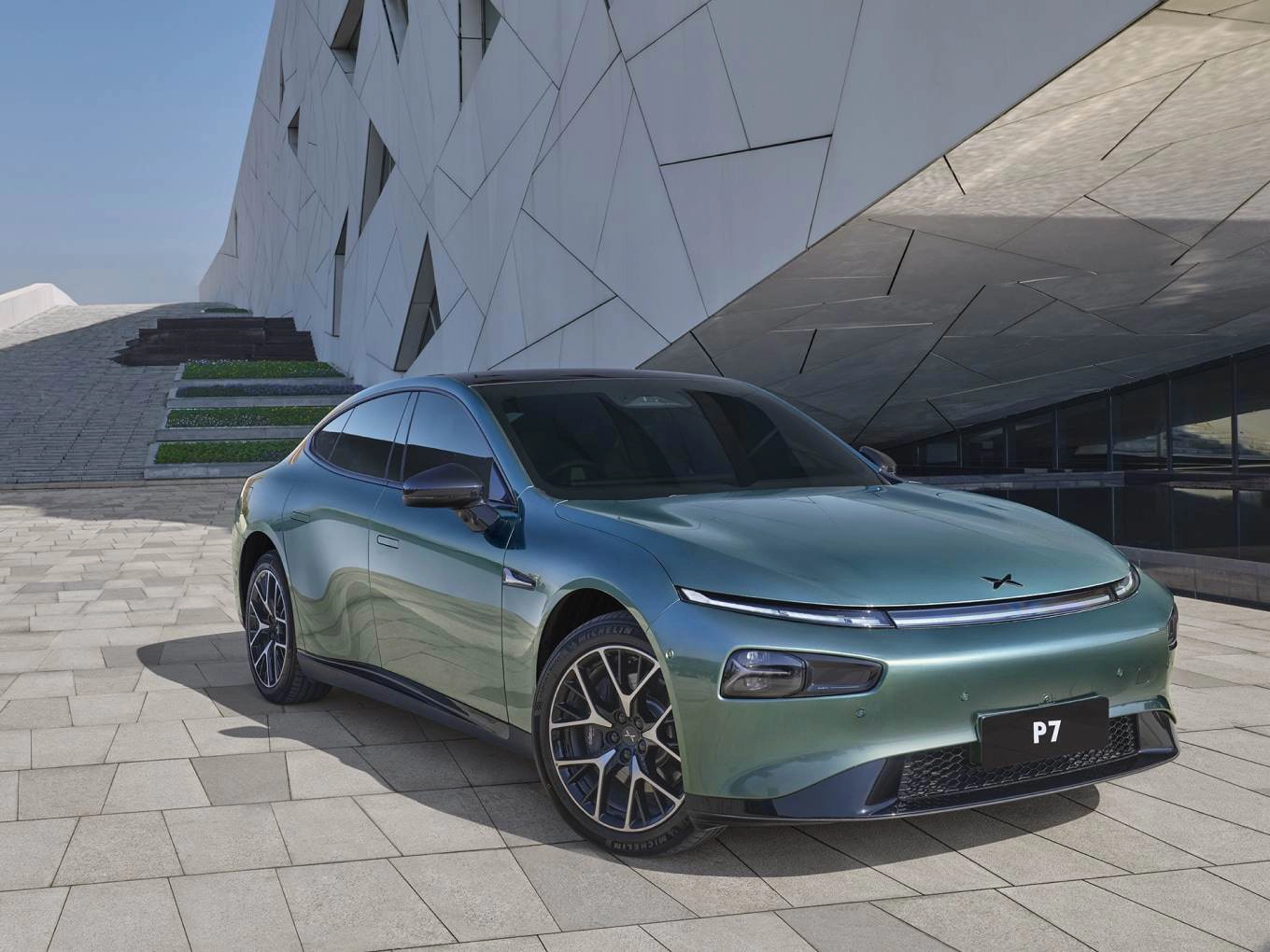
Xpeng has introduced a range of sleek and technology-focused vehicles that appeal to tech-savvy buyers. The P7 sedan offers long-range performance and AI-assisted driving, providing a minimalistic cabin suitable for both city commuting and highway trips.
Its compact SUV, the G3i, combines practicality with smart navigation tools and a digitally centered interior, giving drivers versatility without sacrificing advanced features. These models highlight Xpeng’s ambition to challenge established brands in the region.
NIO
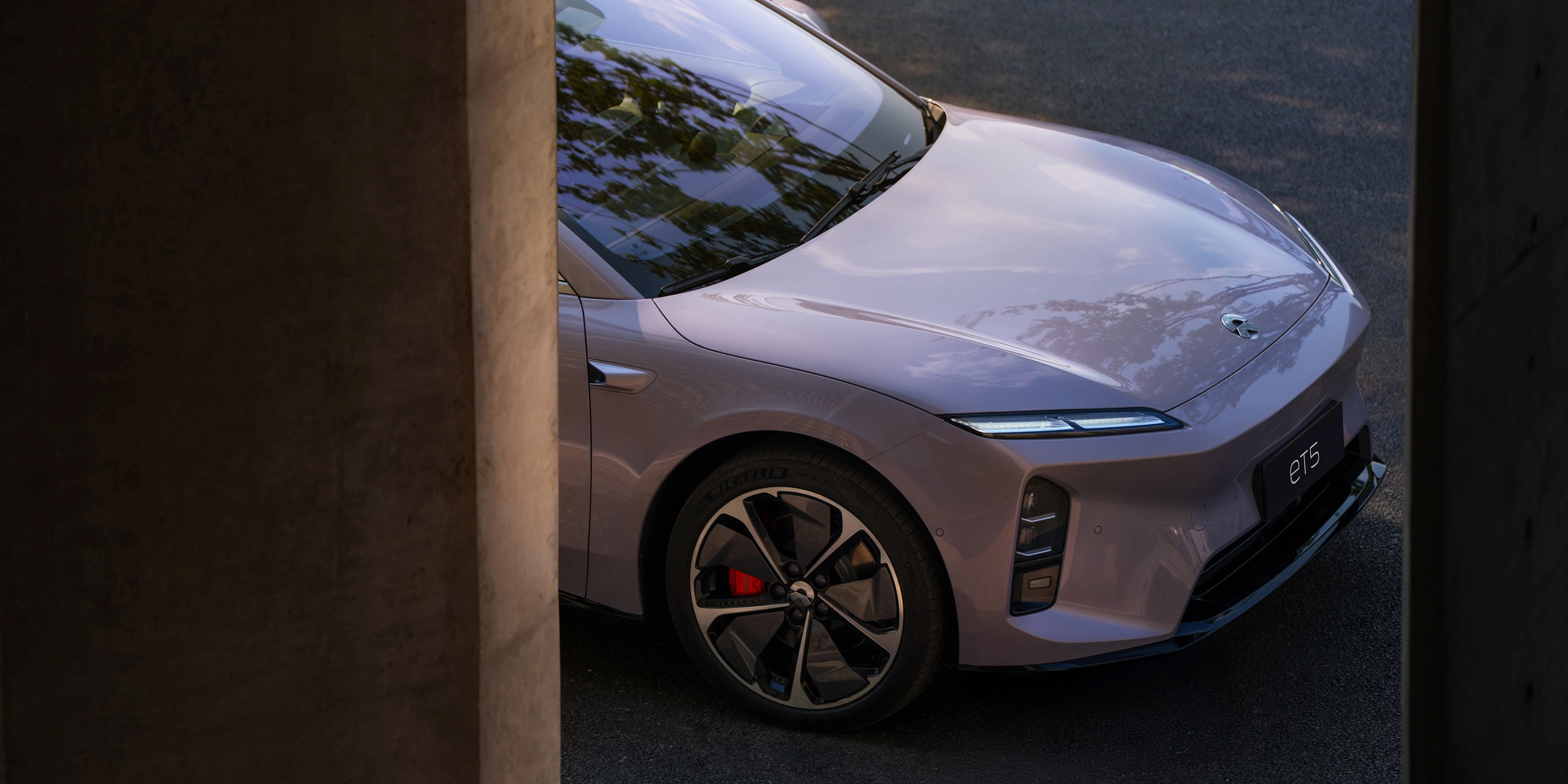
NIO has focused on premium experiences for Southeast Asian buyers, particularly in Singapore. The ET5 sedan features futuristic interiors and advanced autonomous driving tools. Its entry into the region represents a more aspirational segment of the market, appealing to early adopters who value innovation.
Tesla
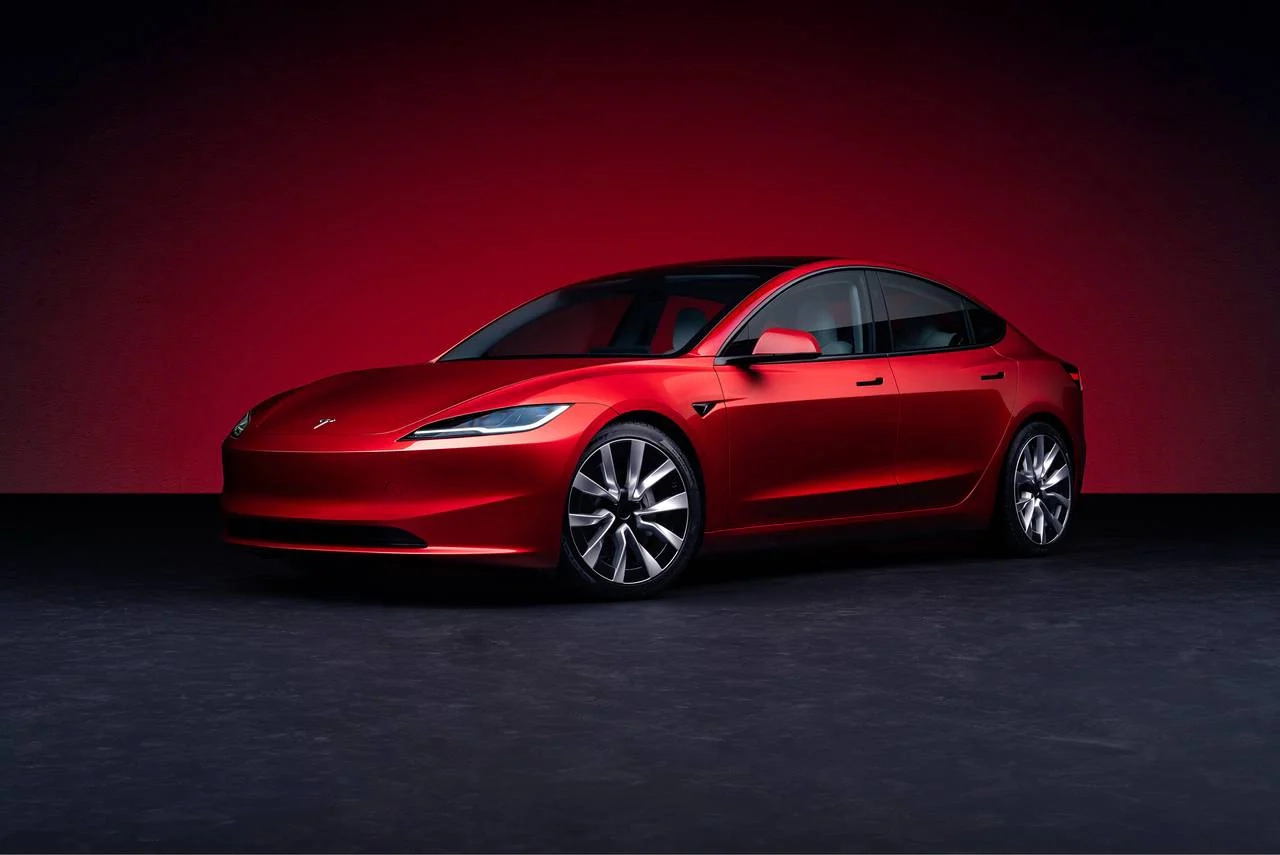
Tesla remains a dominant presence, with the Model 3 sedan widely recognized for its performance, long-range battery, and autopilot capabilities. Its fast acceleration and clean digital interface make it an aspirational choice, especially for buyers in Singapore and Thailand.
Hyundai
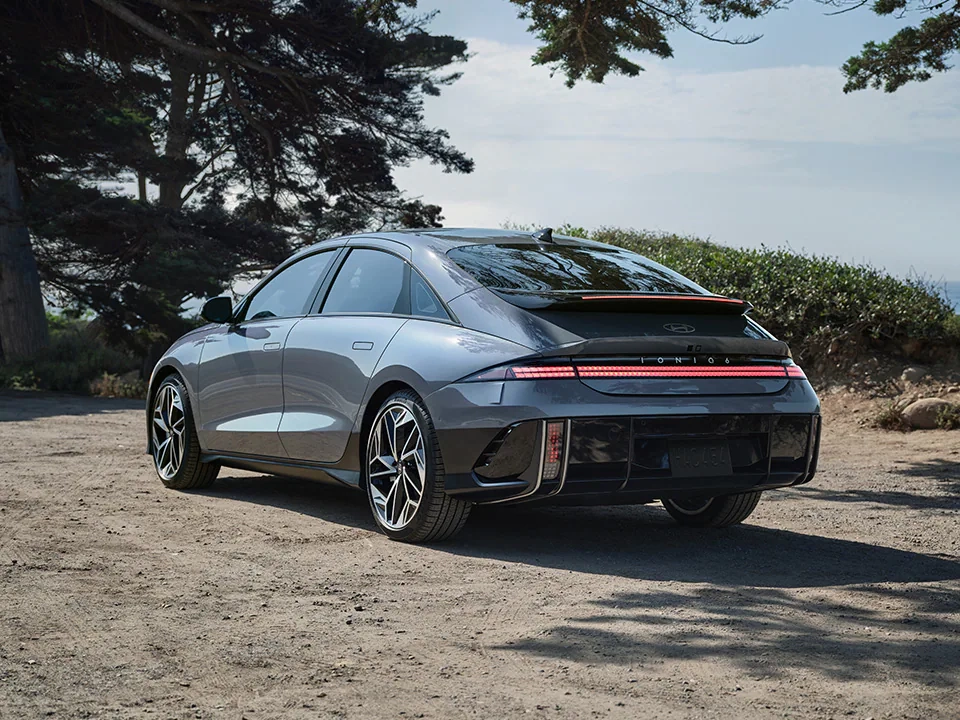
Hyundai has made a strong impact with the Ioniq 6, a compact crossover that pairs retro-futuristic design with a spacious cabin and fast-charging capability. It is practical for families and appealing to tech enthusiasts who prioritize efficiency without compromising style.
Kia
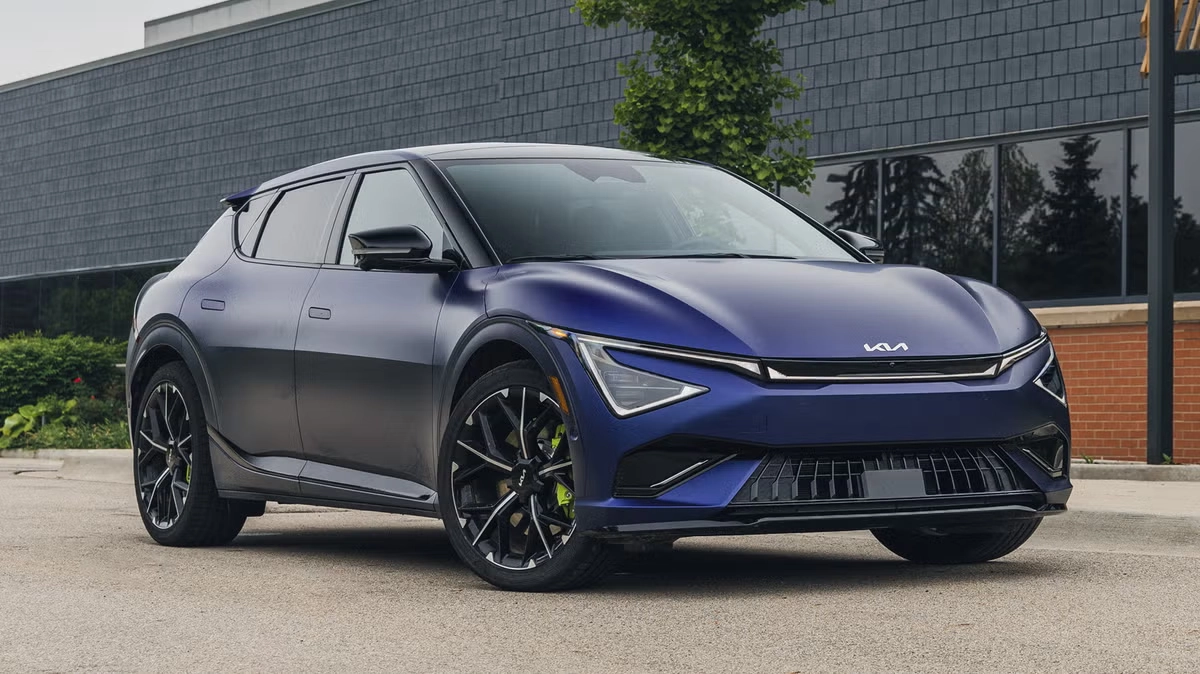
Kia’s EV6 brings a sporty edge to the market, offering high-tech interiors, long-range performance, and a sleek design. Its combination of everyday usability and dynamic styling makes it an attractive option for drivers looking for both practicality and a sense of driving enjoyment.
Mercedes-Benz
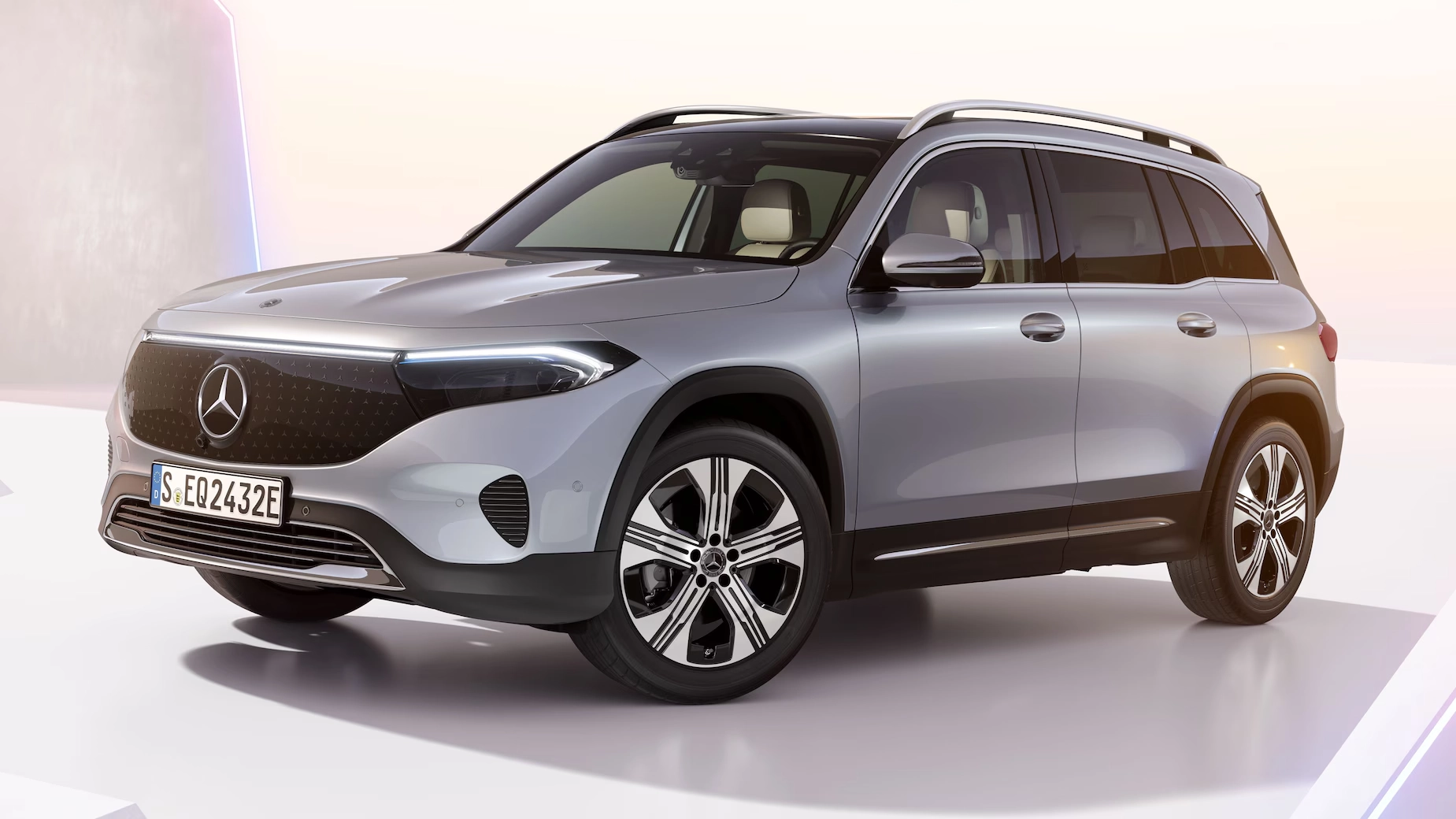
The Mercedes-Benz EQB offers a compact luxury SUV option for urban families seeking premium features. Its well-equipped interior and versatile design appeal to buyers looking for comfort and sophistication. Mercedes-Benz demonstrates how traditional luxury brands are adapting to the shift toward electric mobility in Southeast Asia.
BMW
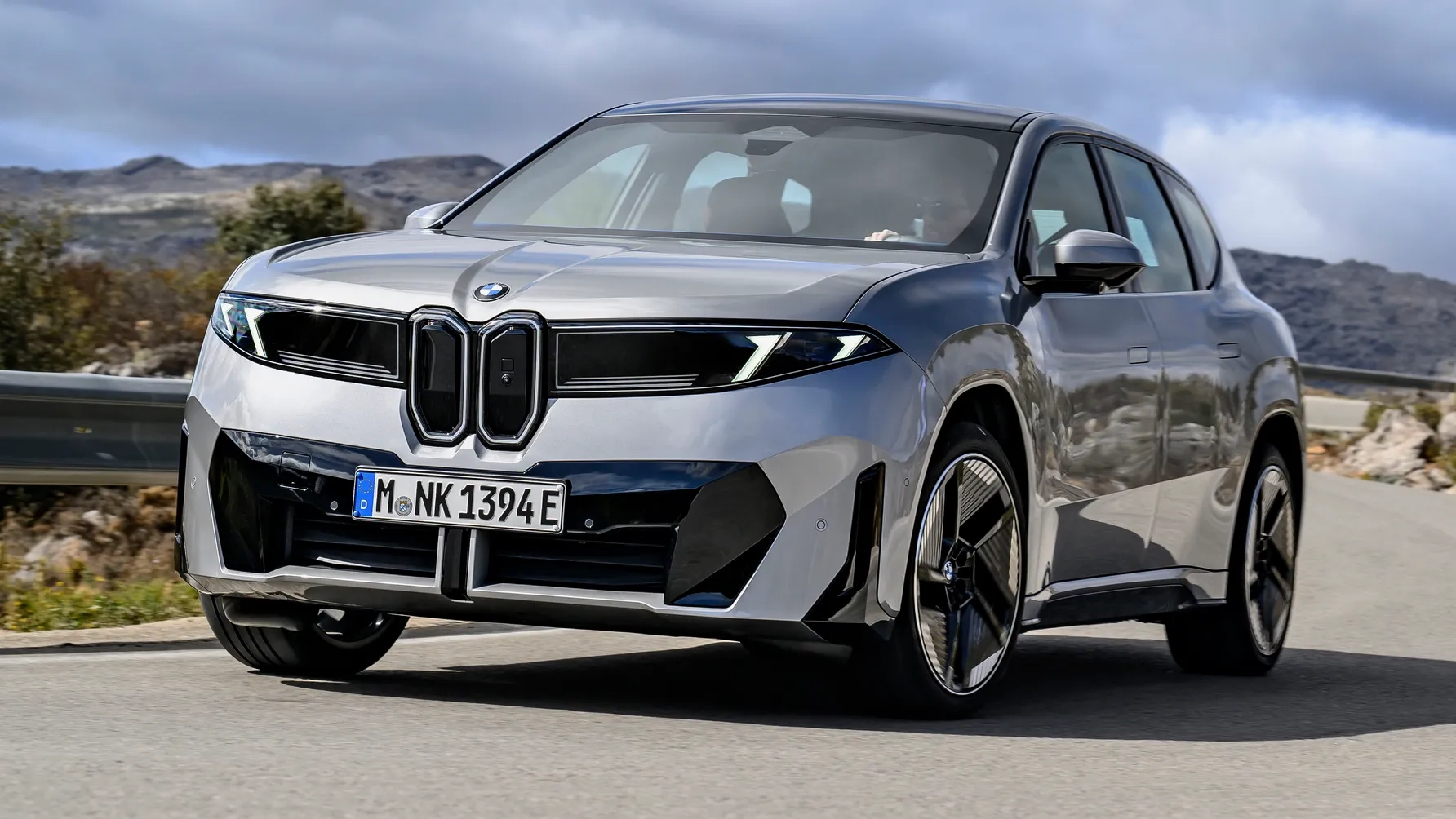
BMW’s iX3 mid-size SUV merges German engineering with electric efficiency. It delivers the handling, interior quality, and comfort expected from a luxury brand while meeting the growing demand for EVs. The iX3 is ideal for buyers who want an electric option without sacrificing a familiar premium experience.
Nissan
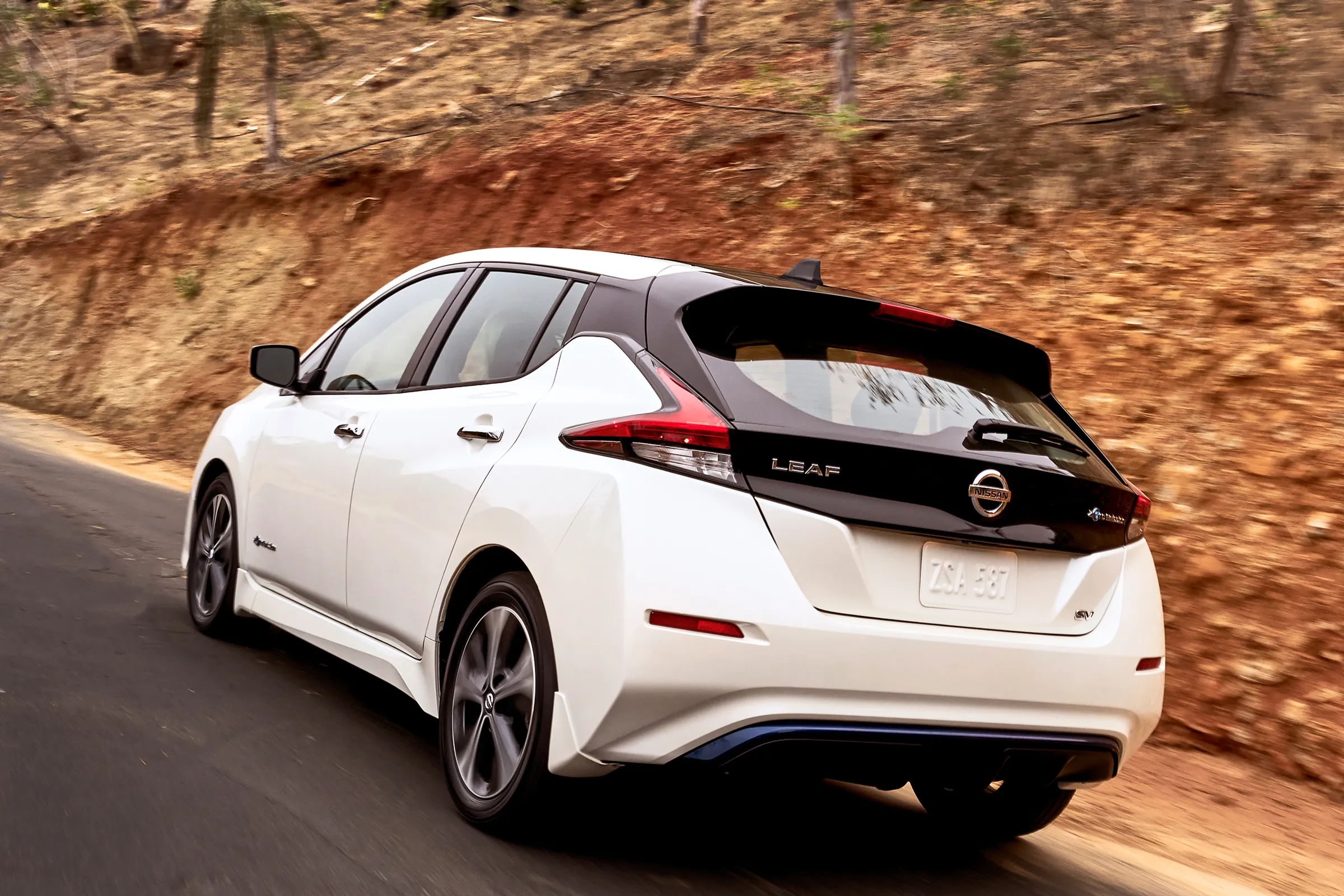
Japanese pioneer Nissan continues to offer reliable and practical EVs like the Leaf. Its hatchback design, straightforward technology, and proven dependability make it suitable for city commuting and short-range travel. The Leaf remains an accessible choice for buyers seeking efficiency and convenience.
Across Southeast Asia, these EVs illustrate a market in transition. Chinese disruptors like BYD and Xpeng are challenging the established order, while Japanese, European, and American brands continue to provide trusted alternatives.
As charging infrastructure slowly expands, drivers now have access to a diverse array of electric vehicles that suit different budgets, lifestyles, and tastes, providing a significant shift toward cleaner, quieter, and more technologically advanced mobility.